Not every Illinois town survived the forces that helped create it. Scattered around the state are places where once-busy communities dwindled after mines closed, railroads shifted course, rivers changed, or disasters made rebuilding difficult. Some left behind ruins and traces of old streets, while others survive only as tiny settlements where imagining the past takes a little more effort.
Their quiet landscapes tell stories of ambition, hardship, and how quickly prosperity can disappear when circumstances change. Follow the back roads and look closely, because these 7 eerie Illinois towns preserve fascinating chapters of history that nearly slipped away.
1. Cairo
Picture a city sitting right where two mighty rivers meet. Cairo sits at the southern tip of Illinois, where the Ohio River flows into the Mississippi, and that spot once made it a very big deal. Steamboats, trains, and traders all passed through, and the population climbed past 15,000 people.
Back then, Cairo looked like a town with a bright future. Grand homes lined the streets, and the downtown was packed with shops, banks, and hotels. Being a transportation hub meant money, jobs, and plenty of newcomers.
Then things started to slip. Over many decades, the city faced economic decline as river traffic changed and businesses moved away. Population loss followed, and painful racial conflict tore at the community and pushed even more people to leave.
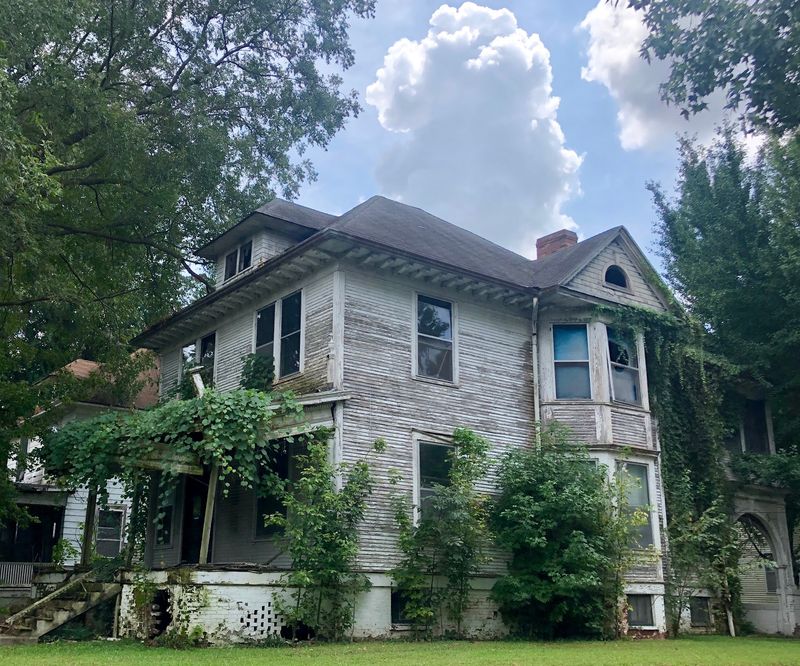
Walk through parts of Cairo today and the change is hard to miss. Boarded-up buildings stand next to vacant lots where stores once stood. Some blocks are so quiet that you can hear the wind moving through broken windows.
Still, Cairo is not empty. A small population lives there, and those residents are part of a town with deep roots. Calling it a ghost town would not be fair, but calling it haunting would be pretty accurate.
Historians often point to Cairo as an example of how quickly fortune can turn. Location helped build the city, yet location alone could not save it once the economy shifted. That lesson stretches far beyond Illinois.
For visitors, the best approach is respect. People still call this place home, so treat the streets the way you would want your own neighborhood treated.
Look closely at the old architecture, and you can almost picture the crowded sidewalks of a century ago. Few places in the state carry so much history in such a small, silent space.
2. Cardiff
Blink, and you might miss it. That is true of Cardiff today, but it was also true of how fast the town appeared in the first place.
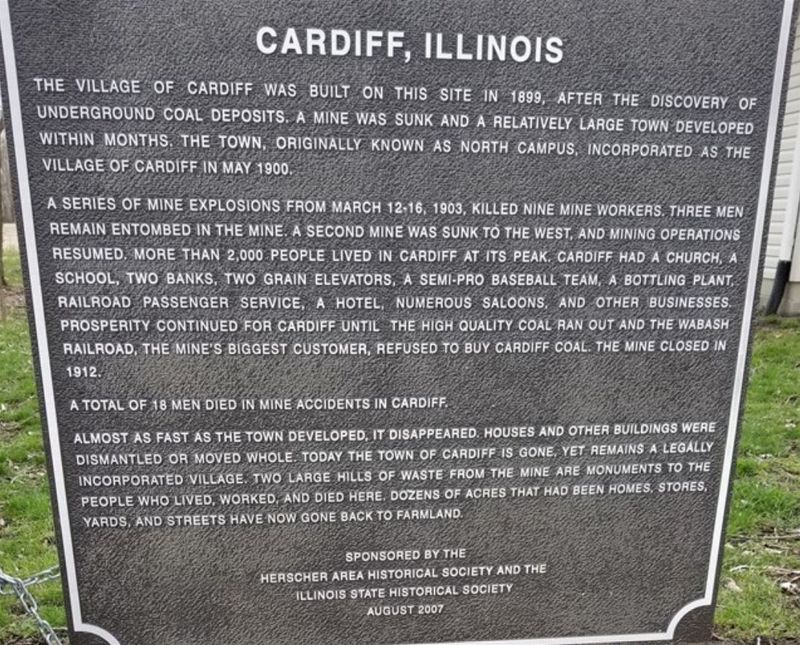
When coal was discovered in Livingston County, Cardiff sprang up almost overnight. Miners rushed in, families followed, and buildings rose quickly to keep up. Before long, more than 2,000 people called the town home.
For a while, Cardiff had everything. Streets, houses, businesses, and even a hotel filled the area. It was a real, bustling community built on what lay under the ground.
Then, in 1912, the mine closed. Without the mine, there was no work, and without work, there was no reason to stay. Residents began leaving, and the town started coming apart piece by piece.
And that is not just a figure of speech. Buildings were dismantled or moved away as people departed, so Cardiff did not slowly crumble the way many ghost towns do. It was carried off, board by board.
Today, the site looks nothing like a town. Farmland covers much of the area, and large piles of mine waste rise from the flat landscape. Those dark mounds are some of the only clues that a busy community once stood here.
Try picturing it. A hotel lobby, kids running down the street, shops selling supplies to tired miners, all where corn now grows. It is a little spooky to think a place of 2,000 people can leave so few traces.
Cardiff is a perfect example of a boom town, a place that grows fast because of one resource and fades just as fast when that resource runs out. The mine waste piles stand like quiet markers on a map that no longer shows the town at all.
3. Benld

Coal built Benld. Plain and simple. Tucked into Macoupin County, this town grew up around the mining industry, and for years the mines were the heartbeat of daily life.
Jobs underground drew workers from near and far. Families followed, and soon there were homes, shops, churches, and all the things a growing town needs. When the whistles blew, much of the town moved to the rhythm of the shifts.
Mining towns share a risky secret, though. When nearly everything depends on one industry, trouble in that industry means trouble for everyone. As coal mining declined in the region, Benld lost much of the economic engine that kept it running.
Fewer jobs meant fewer reasons to stay. Some families moved away to find work, and the busy energy of the mining years slowly faded.
Now for an important twist. Benld is not a ghost town at all. It remains an inhabited Illinois city with real residents, local businesses, and community life going on every day.
So why does it land on a list of eerie places? Because the past still shows. Older buildings and quiet stretches hint at a time when the town was more crowded and its future seemed tied to the black rock below.
Think of Benld as a place caught between two eras. One foot stands in the coal boom, and the other stands in the present, where the town keeps going in its own way.
For anyone curious about how industry shapes communities, Benld is a great case study. Plenty of small Midwest towns followed the same path, rising fast with a single business and then adjusting when that business shrank. Its story is less about disappearing and more about hanging on after the boom ended.
4. Old Shawneetown
Water gives, and water takes away. Few towns know that better than Old Shawneetown, a historic community sitting low along the Ohio River in southern Illinois.
In its early days, the town was a powerhouse. It served as an important banking center, a salt-producing area, and a busy spot for trading goods up and down the river. Merchants, boatmen, and settlers all passed through its streets.
Here is the catch. Old Shawneetown sat on low ground, and that made it an easy target whenever the river rose. Floods came again and again, soaking homes and businesses and forcing people to clean up and start over.
Then came 1937. The great Ohio River flood that year was catastrophic, and it completely covered the town. Boats floated where people had once walked to the store.
After that disaster, many residents decided enough was enough. Much of the community packed up and relocated to higher ground, building a new Shawneetown a few miles away. The old town was left behind, a shadow of its busy past.
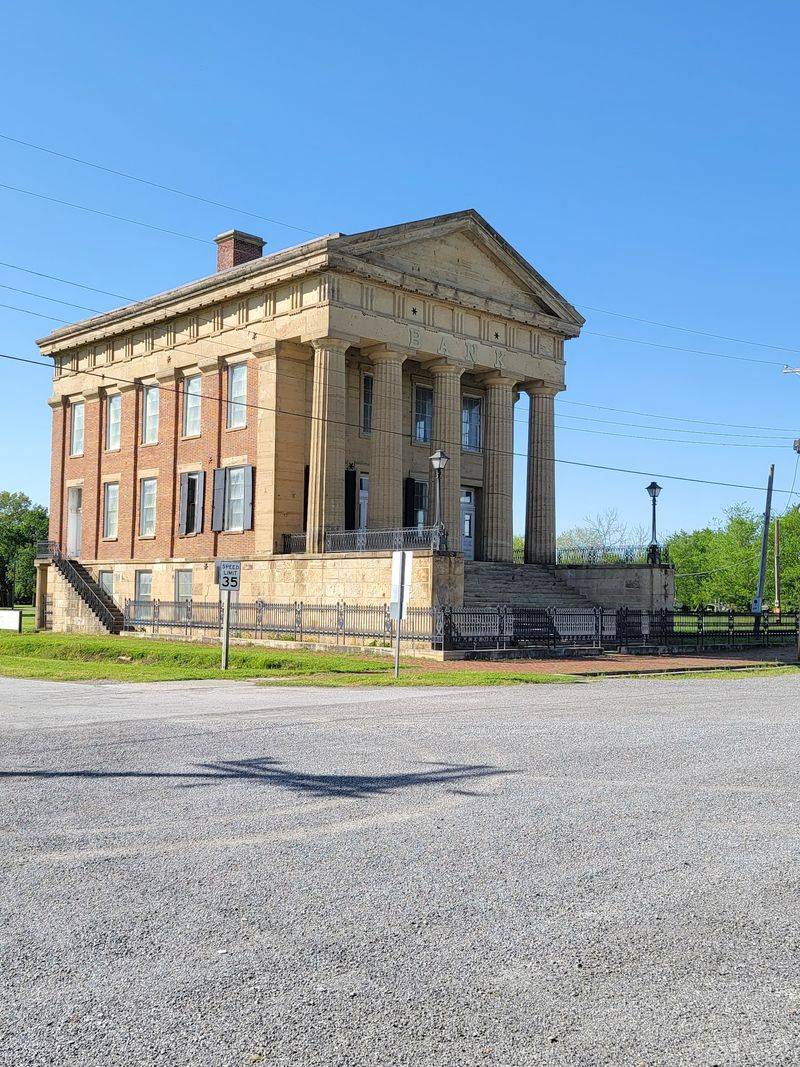
Fun fact for history fans: Old Shawneetown is often linked to some of the earliest banking in Illinois, which is surprising for a place that looks so sleepy now. Its stately old bank building is a striking sight, standing tall over streets that feel far too quiet for such a grand structure.
Visiting is a strange experience. You can stand near the levee and imagine the muddy water rushing in, swallowing everything in its path. It makes you look at a calm river very differently.
Old Shawneetown reminds everyone that nature can rewrite a town’s story in a single season. Floods did not just damage buildings here. They changed where an entire community chose to live.
5. Benjaminville
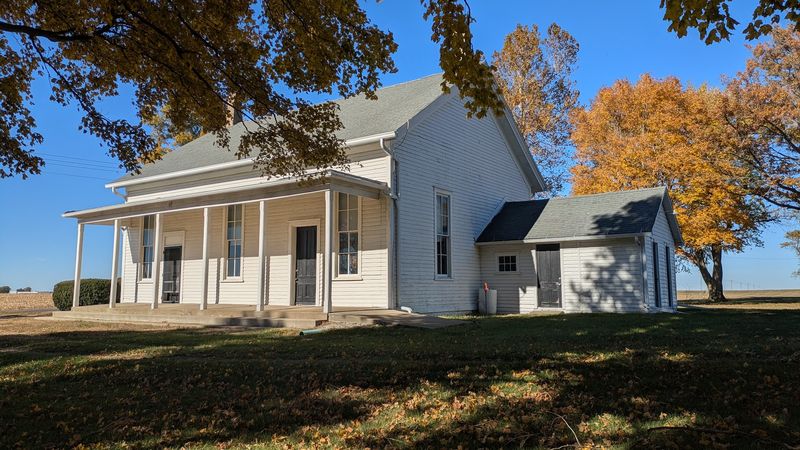
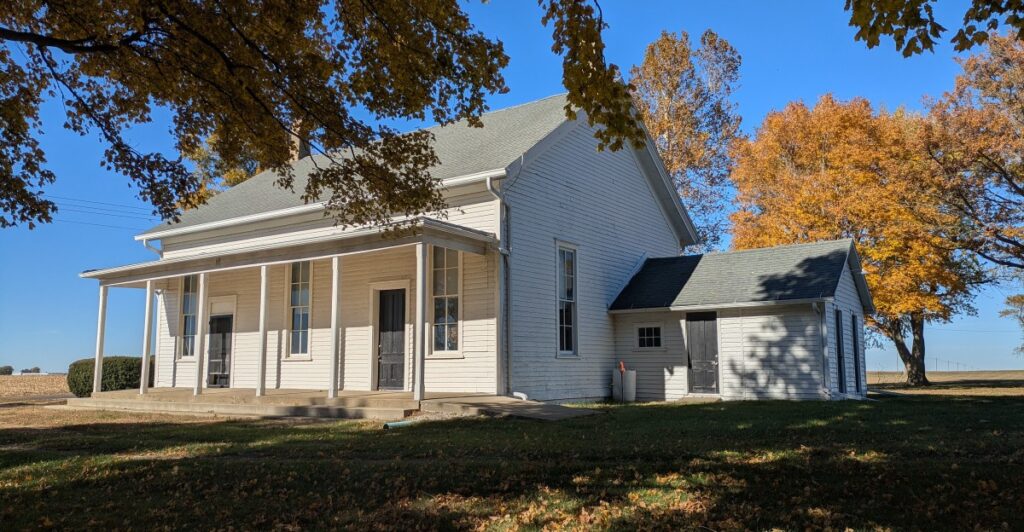
A single wooden building in the countryside holds the memory of an entire village. That building is the Friends meeting house, and it is nearly all that remains of Benjaminville.
Back in the 1850s, Quaker families settled in McLean County and built a small community. Quakers, also called Friends, are known for simple living and quiet worship. Their meeting house became the center of village life, where people gathered and shared their beliefs.
Like many settlements of that era, Benjaminville had hopes tied to the railroad. Everyone expected the tracks to come through, bringing trade and growth. A railroad could turn a tiny village into a thriving town.
But the railroad bypassed the settlement after 1870. That decision changed everything. Without the tracks, businesses had a harder time surviving. Shops moved to towns that did have a rail stop, and residents gradually followed. Bit by bit, Benjaminville emptied out.
Today, the historic meeting house stands as the principal surviving building. It sits there like a time capsule, plain and peaceful, while the homes and stores that once surrounded it are long gone.
Here is a tip for history lovers: before visiting any rural historic site like this, check with local historical groups to learn about access and respectful visiting. Many old buildings sit on or near private land, and a little planning goes a long way.
The story of Benjaminville shows how one choice by a railroad company could decide a town’s fate. No fire, flood, or disaster wiped it out. The trains simply went somewhere else.
Standing near that lone meeting house, it is easy to imagine families arriving for worship on a Sunday morning, horses tied outside, voices drifting across the prairie.
6. Buda
Trains made the town, quite literally. Buda was established in 1854 along the Chicago, Burlington and Quincy Railroad, and those steel tracks gave the community its reason to exist.
In the 1800s, a railroad stop could turn an empty patch of prairie into a lively village almost overnight. Trains brought supplies, carried crops to market, and connected farmers to the wider world. Buda grew because the tracks ran right through it.
Railroads were like the internet of their time. Towns along the line got news, goods, and visitors, while towns without a stop often struggled. Buda was one of the lucky ones, at least at first.
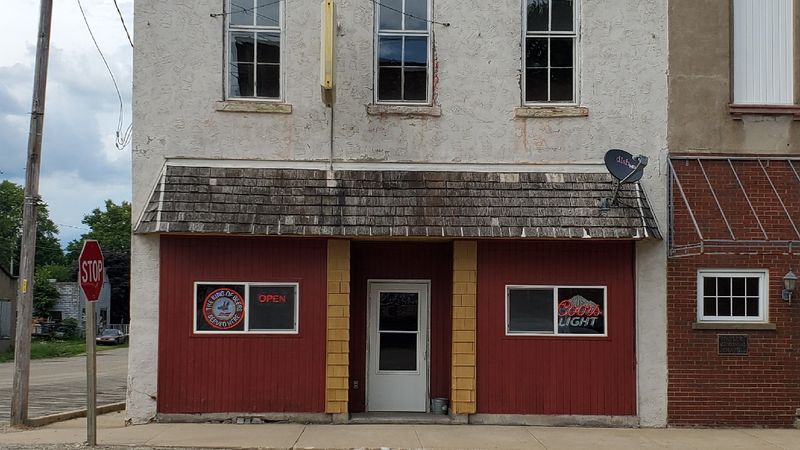
Fast forward to today. The village still has residents, so it is far from abandoned. People live here, mow their lawns, and wave to neighbors.
Yet the population is modest, and the streets are calm in a way that big cities never are. Reminders of its railroad past still linger, from the tracks themselves to the layout of the town around them. That quiet, slightly frozen-in-time mood is what earned Buda a spot on lists of eerie Illinois places.
Small towns like this can be surprisingly interesting to explore. Look at how the main streets line up with the tracks, and you will see the railroad’s fingerprints everywhere. Planning a whole town around a train line was common back then.
One fun thing to notice is the name. Buda shares its name with part of Budapest in Hungary, which is a big-city name for such a peaceful place.
Visitors expecting spooky ruins will not find them here. Instead, they will find a living village where the echoes of steam whistles seem to hang in the air, reminding everyone how much the railroad once mattered.
7. Brownsville
One fire. That is all it took to change the future of an entire county. Brownsville was once the very first county seat of Jackson County in southern Illinois.
Being a county seat was a big honor, because it meant the courthouse, government business, and lots of visitors all came to town. Lawyers, farmers, and officials traveled there regularly.
In 1843, disaster struck. A devastating fire destroyed the courthouse and much of the community. Records, buildings, and businesses went up in smoke.
Losing the courthouse was more than losing a building. It opened the door for a big change, and the county seat was later moved to Murphysboro. Once the government business left, Brownsville lost its main reason for being important.
After that, the town slowly faded. People moved to places with more opportunity, and eventually Brownsville disappeared from the map altogether. What was once a center of local power simply stopped existing as a town.
Did you know? Many early Illinois counties moved their county seats at least once, sometimes after disasters and sometimes after heated local arguments. Brownsville’s story is a dramatic version of something that happened more often than most people realize.
Imagine living there in 1843. One day you have a courthouse and a bustling town square. Soon after, the smoke clears, and the whole future of your community is suddenly uncertain.
Today, Brownsville survives mostly in history books, old maps, and local stories. There are no grand ruins to explore, which makes it even more mysterious. A whole town once stood there, and now only its tale remains.
Of all the places on this list, Brownsville may be the most forgotten, a reminder that even important towns can slip quietly out of sight.