
Tennessee isn’t just known for country music and hot chicken—it’s also home to some of the most powerful historic sites in America. Walking through these places lets you feel history in a way no classroom ever could. From Civil War battlefields to secret atomic research labs, each location tells a story that shaped our nation.
Get ready to explore seven incredible spots where the past comes alive right before your eyes.
1. Andrew Jackson’s Hermitage (Nashville)
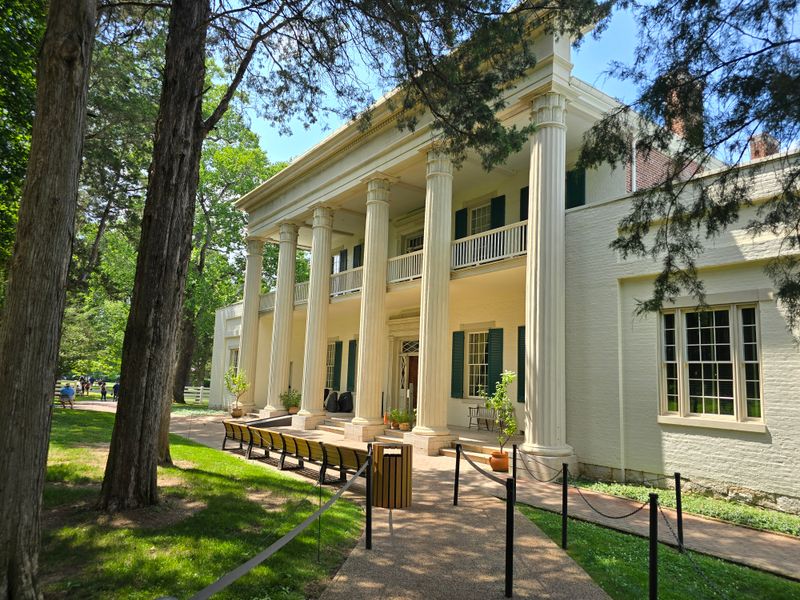
Andrew Jackson’s former home stands as a fascinating window into America’s early political world. Walking through the mansion’s rooms, you’ll see where one of the nation’s most controversial presidents made decisions that changed the country forever. The estate doesn’t shy away from difficult truths—guided tours address both Jackson’s political achievements and his ownership of enslaved people.
Original buildings dot the 1,120-acre property, including slave quarters that tell stories textbooks often gloss over. Artifacts throughout the home reveal how wealthy Americans lived in the 1800s, from fancy dining sets to personal letters. You can explore Jackson’s tomb, beautiful gardens, and even a working farm.
What makes The Hermitage special is its honest approach to history. Rather than celebrating Jackson without question, guides encourage visitors to think critically about his legacy. It’s a place where you can form your own opinions about complex historical figures while standing exactly where they once stood.
2. Shiloh National Military Park (Shiloh)
Over 23,000 soldiers were killed, wounded, or went missing during two days of brutal fighting at Shiloh in April 1862. Standing on this battlefield, you can almost hear the echoes of cannons and understand why this was one of the Civil War’s bloodiest early battles.
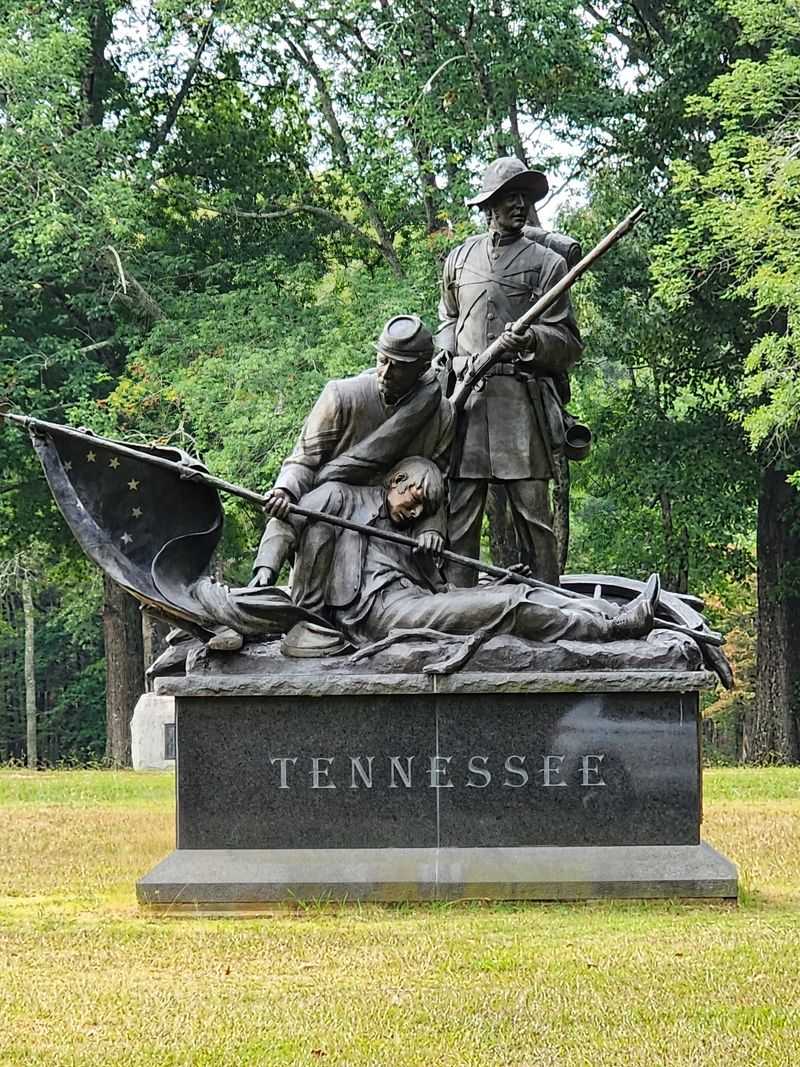
Monuments and markers scattered across 4,000 acres help you follow the battle’s progression hour by hour. You’ll see where Union forces nearly lost everything on day one, then regrouped to push Confederate troops back on day two. The park’s museum displays authentic weapons, uniforms, and personal items that belonged to real soldiers.
Walking the same ground where young men fought makes history feel incredibly real. Whether you’re interested in military strategy or human stories, Shiloh offers lessons that stick with you long after you leave.
3. Andrew Johnson National Historic Site (Greeneville)
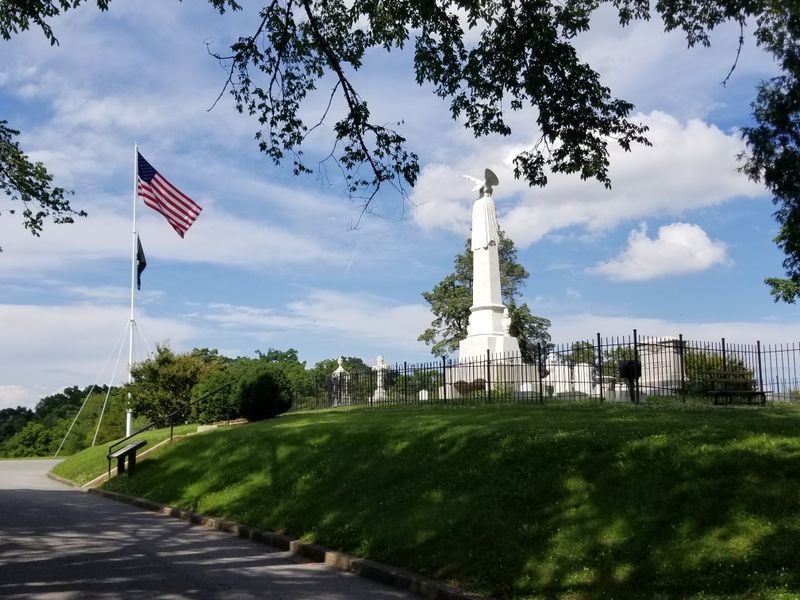
Most people know Andrew Johnson became president after Lincoln’s assassination, but few understand the challenges he faced during Reconstruction. This historic site in Greeneville brings his complicated story to life through three different locations: his tailor shop, two homes, and his burial place. Johnson started as a poor tailor who taught himself to read, which makes his rise to the presidency pretty remarkable.
The tailor shop is particularly interesting because it shows how Johnson connected with everyday people while making clothes. You can see the actual tools he used and imagine him stitching suits while discussing politics with customers. His home reveals the modest lifestyle he maintained even as vice president and president.
Johnson’s presidency was controversial—he clashed with Congress over how to reunite the nation and protect newly freed African Americans. Visiting this site helps you understand the messy, difficult period after the Civil War when America struggled to define freedom and citizenship. It’s a reminder that progress is never simple or guaranteed.
4. Fort Negley (Nashville)
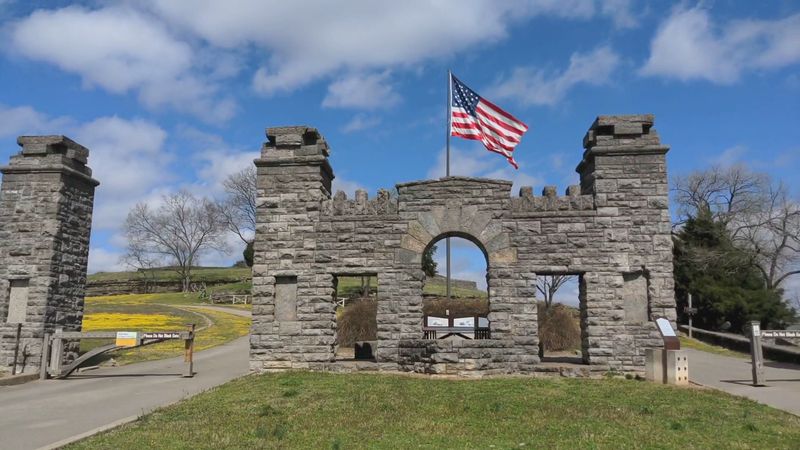
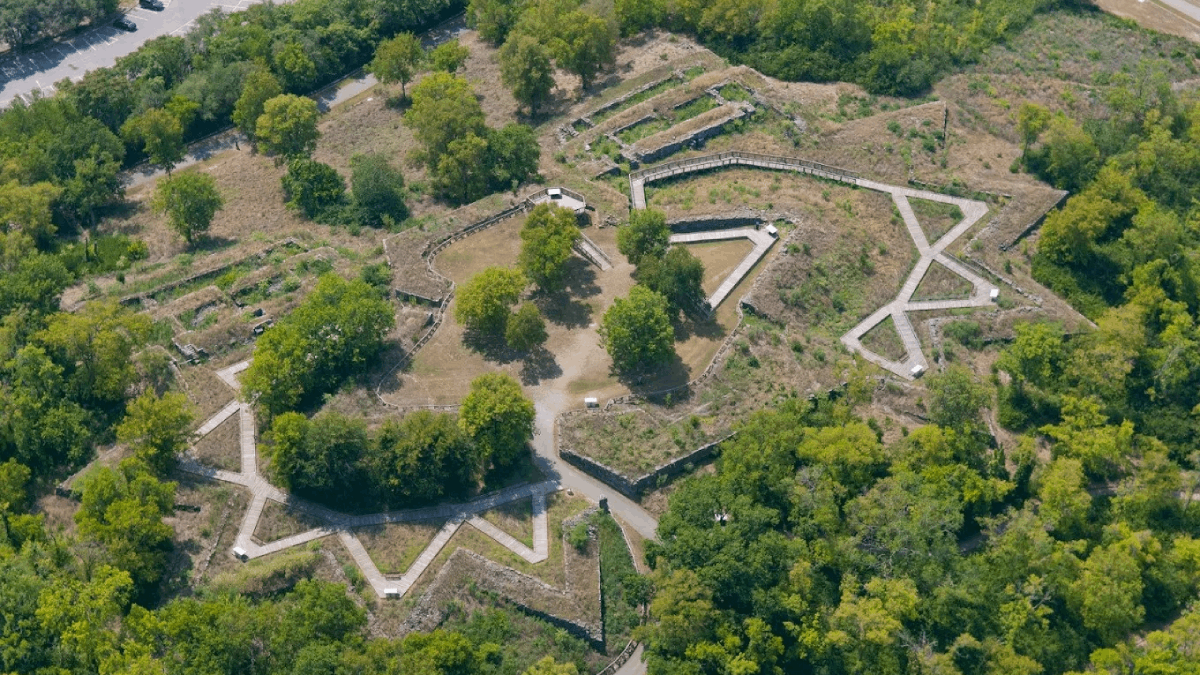
Built by over 2,700 formerly enslaved and free African Americans in 1862, Fort Negley represents a powerful chapter in Civil War history that often gets overlooked. These workers constructed one of the largest inland forts built during the war, using their hands and basic tools to move tons of earth and stone. Their labor was forced, dangerous, and exhausting—many died from disease and harsh conditions while building the Union’s defenses.
Today’s visitors can explore the fort’s massive earthworks and stone walls while learning about the African American experience during wartime. Interpretive exhibits explain how the fort protected Nashville and gave enslaved people their first taste of freedom, however complicated. Some workers’ descendants still live in Nashville, connecting past to present.
5. Manhattan Project National Historical Park (Oak Ridge)
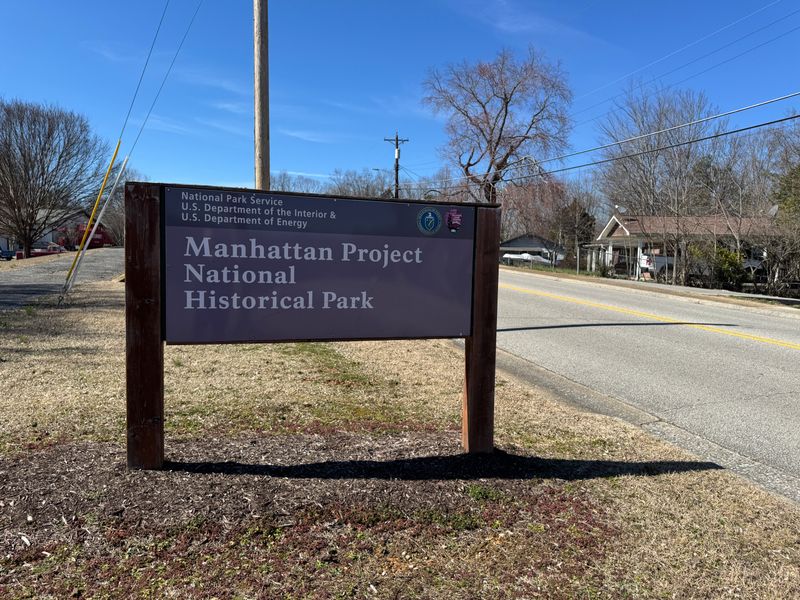
During World War II, a secret city sprang up in rural Tennessee where 75,000 people worked on something they couldn’t talk about—even to their families. Oak Ridge was created specifically to enrich uranium for the atomic bomb, and most workers had no idea what they were actually building. The secrecy was so intense that the entire town didn’t appear on maps until after the war ended.
Preserved facilities now let visitors see where history-changing science happened. You can tour buildings where massive machines called calutrons separated uranium isotopes, and learn about the brilliant scientists and everyday workers who made it possible. Exhibits explain the complex physics in ways that make sense without requiring a science degree.
The park doesn’t just celebrate scientific achievement—it also addresses the devastating consequences of nuclear weapons.
6. Chickamauga & Chattanooga National Military Park
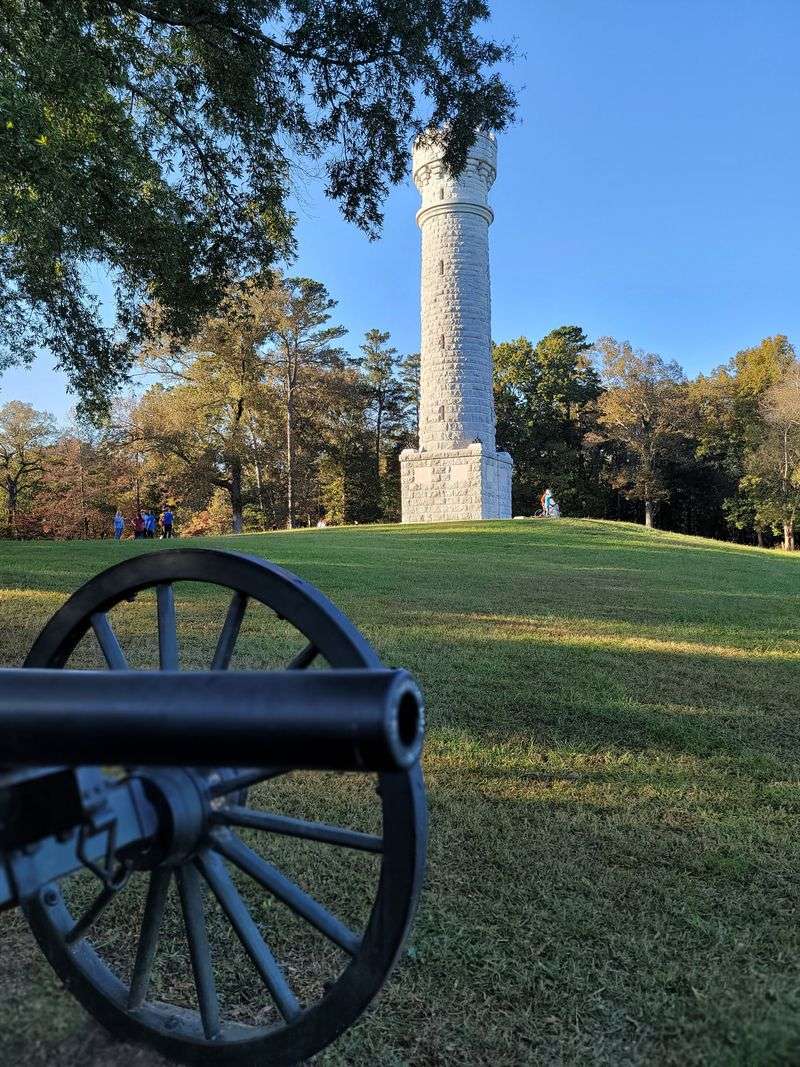
Chickamauga was the second-bloodiest battle of the Civil War, with nearly 35,000 casualties over two days in September 1863. Walking these Georgia-Tennessee borderlands, you’ll understand how geography influenced military strategy in ways that determined who lived and died. Hills, ridges, and forests created natural defensive positions that commanders desperately tried to control.
The park spreads across multiple sites around Chattanooga, including Lookout Mountain and Missionary Ridge where crucial battles unfolded. You can follow self-guided tours that explain troop movements, tactical decisions, and individual acts of courage. Thousands of monuments honor specific regiments and soldiers, making the human cost of war impossible to ignore.
What’s remarkable is how well-preserved everything remains—you can still see the actual terrain that shaped battle outcomes. Rangers offer programs that bring soldier experiences to life, from what they ate to how they felt before charging into gunfire.
7. Alex Haley Museum & Interpretive Center (Henning)
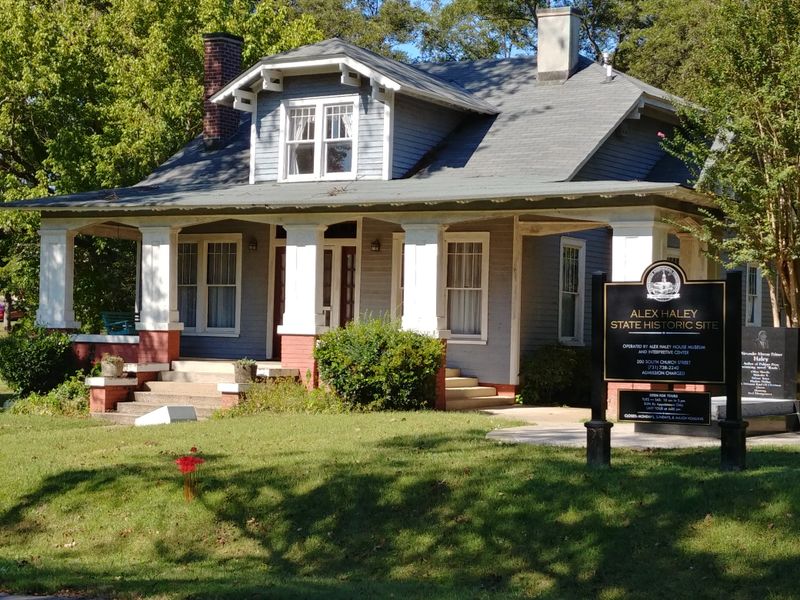
Alex Haley’s childhood home in tiny Henning, Tennessee, became famous as the setting for stories in his groundbreaking book Roots. Sitting on the front porch where young Alex listened to his grandmother’s stories about their ancestors, you’ll understand how oral history keeps cultures alive. Those porch conversations eventually inspired Haley to trace his family back to Africa, creating a book that changed how millions of Americans viewed their heritage.
The museum preserves not just the house but the entire neighborhood’s African American history. Exhibits explore slavery’s lasting impact, the Great Migration, and how Black families built communities despite facing discrimination. You’ll see personal items belonging to the Haley family and learn about life in rural Tennessee during the early 1900s.