Long before sausage came sealed in supermarket plastic, making it was a slow process built around careful seasoning, skilled hands, and plenty of smoke. A handful of Illinois butcher shops still keep that tradition going, grinding and mixing their own meats before letting time and wood smoke develop the flavor.
Many are family-run businesses where recipes and techniques have survived for generations, giving each shop its own distinctive specialties. Visiting one feels as much like discovering a local food tradition as stocking the refrigerator. Bring a cooler and some extra room, because these 7 old-fashioned Illinois butcher shops make it tempting to load up.
1. Schubert’s Smokehouse (Millstadt)
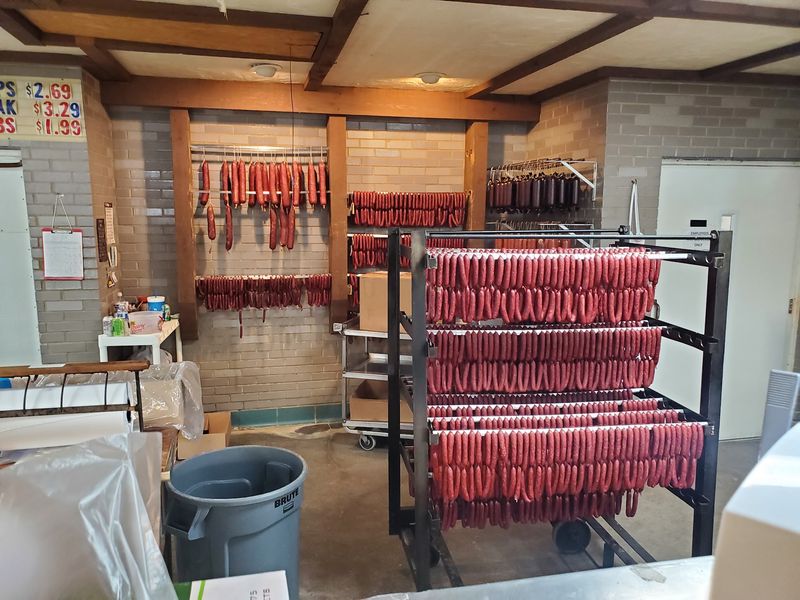
Picture a cooler in the trunk and a shopping list that keeps getting longer. That is the usual situation for anyone pulling into Millstadt to visit Schubert’s Smokehouse. Family-owned since 1978, this shop has had plenty of time to perfect its craft.
Here is the neat part. Schubert’s makes its award-winning sausages at its own processing plant right in Millstadt. That means the recipes, the grinding, and the smoking all stay close to home instead of being shipped off to some faraway factory.
The case is where decisions get tough. Smoked pork sausage sits near kielbasa, while summer sausage and little smokies wait just down the line. Each one has its own job, whether that is sizzling on a grill, sliced onto crackers, or tossed into a slow cooker for game day.
Kielbasa from a place like this has a snap that store brands rarely match. The casing pops, the juice runs, and the smoke flavor lingers without taking over. Summer sausage, on the other hand, is the traveler of the bunch, sturdy enough for picnics, hunting trips, and lunch boxes.
Local meats play a big role in the lineup too. Shoppers who care about where their food comes from will appreciate that small-town connection. It turns a simple grocery run into a way of supporting the folks who live nearby.
One smart move is to bring that cooler, even on a short drive. Southern Illinois summers get hot, and nobody wants a trunk full of warm bratwurst. Ice packs make the ride home stress free.
Beyond sausage, the shop carries a long list of house specialties. Plan on browsing slowly, because the menu rewards curiosity. First-timers often walk in for one pack of smokies and leave with enough meat to host the whole block.
2. Ream’s Meat Market (Elburn)
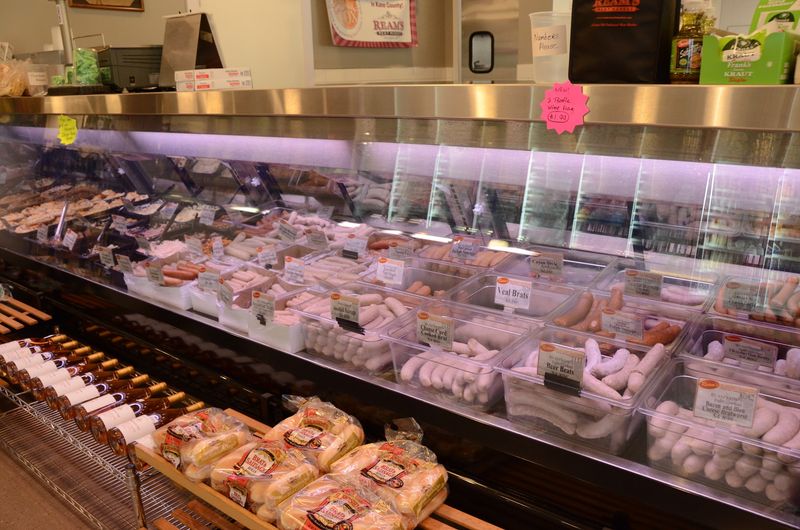
Elburn is a quiet town, but weekend traffic near Ream’s Meat Market tells a different story. Folks drive in from all over the Fox Valley with one thing on their minds: sausage. Lots of it.
Ream’s has spent years building a loyal crowd around handcrafted links, smoked meats, jerky, and bacon. The shop sticks to the classics while still having a little fun. Traditional flavors share space with more creative varieties that change up the usual cookout routine.
So which way should a first-timer lean? Honestly, a mix works best. Grab a familiar bratwurst or smoked Polish for the comfort pick, then take a chance on one of the wilder blends. Worst case, you discover a new family favorite.
The jerky deserves its own shout-out. Smoked, chewy, and packed with flavor, it makes a great road snack for the drive home. Plenty of bags never actually make it to the kitchen.
Bacon here is another reason people plan their trips. Thick slices cooked low and slow can turn a basic Saturday breakfast into an event. Pair it with a few breakfast links and the whole house wakes up early.
Behind the counter, the butchers handle standard favorites too. Steaks, roasts, and chops round out the lineup, so one stop can cover dinner for the week. That kind of convenience matters when the nearest big grocery store sells meat wrapped in foam trays.
A handcrafted sausage tells you a lot about the people making it. The grind, the seasoning, and the smoke all reflect choices made by hand rather than by a machine setting. At Ream’s, those choices show up in every bite.
Arrive early on busy weekends. Popular varieties can sell out, and nobody wants to miss the flavor they drove forty minutes to buy.
3. Paulina Market (Chicago)
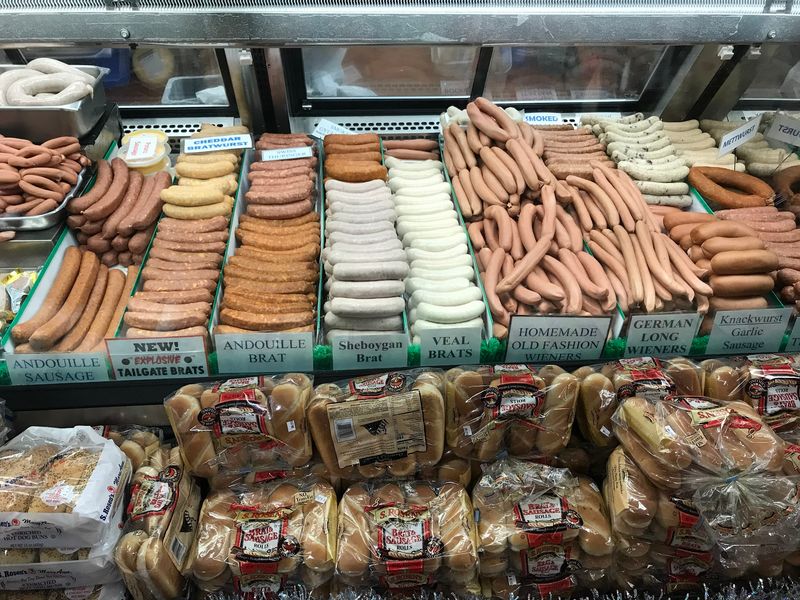
Back in 1949, Harry Truman was president and Chicago’s neighborhoods ran on corner shops. Paulina Market opened its doors that year, and somehow it still feels right at home on its Lakeview block. Few places in the city can say the same.
Dozens of sausages and brats are still made by hand here. That is not a typo. Dozens. The glass cases stretch long enough that it takes a few minutes just to read every label.
Smoked Polish, Hungarian, and andouille varieties get finished in the shop’s own smokehouse. Each brings a different personality to the table. Polish is the dependable classic, Hungarian carries a paprika kick, and andouille adds a Southern-style punch that belongs in a pot of gumbo or red beans.
Sausage is only part of the story, though. House-made bacon, jerky, and charcuterie fill out the menu. A full-service butcher counter handles custom cuts, so asking for a special roast or thinner pork chops is totally normal.
City shopping can be rushed, but this counter slows things down in a good way. Butchers answer questions, offer cooking ideas, and wrap orders in paper the old-fashioned way. You leave knowing a little more than when you walked in.
Fun fact for history fans: Chicago was once called the hog butcher for the world. Its meatpacking past shaped entire neighborhoods. Paulina Market keeps a small, tasty piece of that story alive.
Parking in Lakeview can be tricky, so a quick walk or train ride might save some frustration. Once inside, take your time with the cases. The hardest part is deciding how many kinds of brats one freezer can realistically hold, and the answer is usually more than planned.
4. Gene’s Sausage Shop and Delicatessen (Chicago)
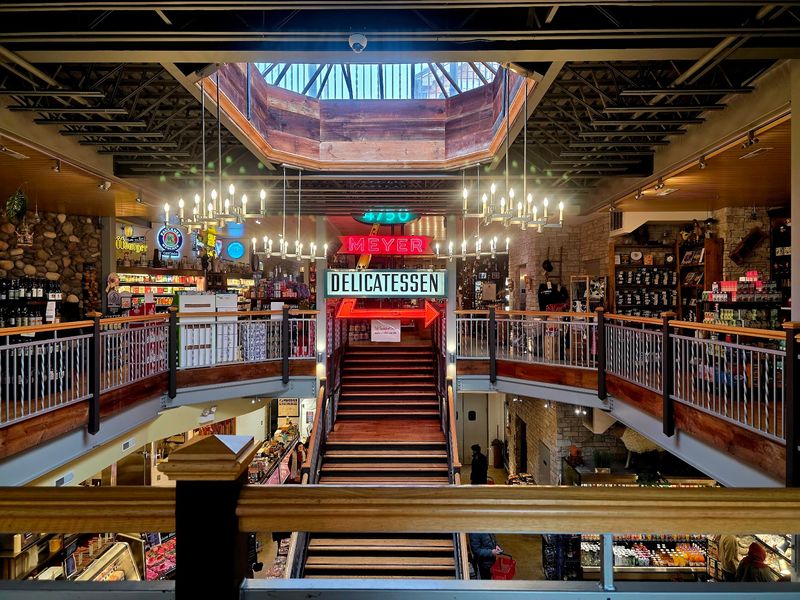
Two Polish immigrant brothers, a set of family recipes, and a small neighborhood deli. That was the start of Gene’s Sausage Shop and Delicatessen in 1972. Decades later, the same traditions still guide what lands in the smokehouse.
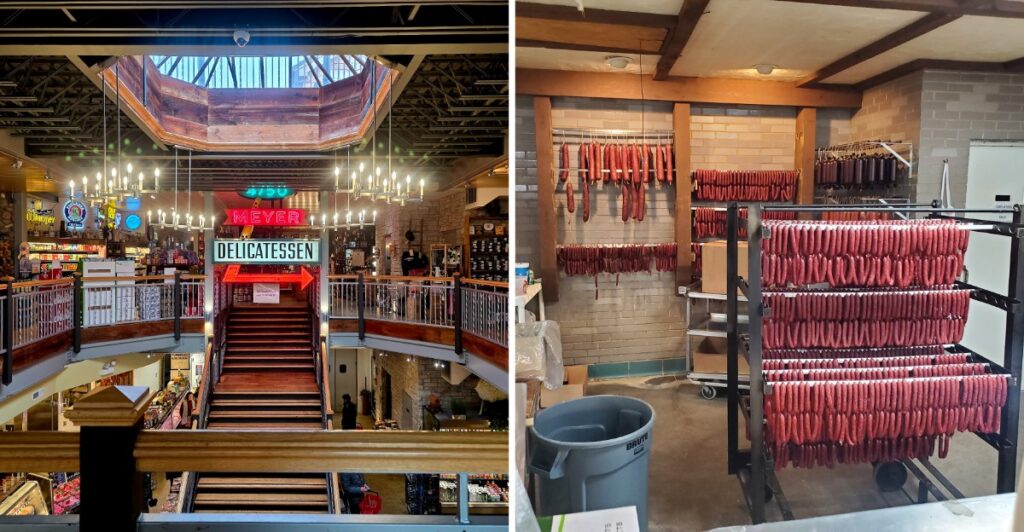
Walk through the Lincoln Square market today and the scale surprises many visitors. Handmade sausages are prepared right on-site, following techniques passed down through the family. Smoked meats hang with pride, and the scent of wood smoke greets shoppers before they even reach the counter.
Old-world recipes carry a certain weight. They were built for cold winters, big family tables, and flavors that could stand up to sauerkraut and rye bread. Gene’s keeps that spirit going, with sausages that taste hearty and deeply seasoned.
Fresh cuts sit beside the smoked goods, so dinner planning becomes easy. The deli counter adds another layer, offering specialties that turn a regular sandwich into something memorable. Thin-sliced ham on fresh bread? Hard to beat.
Then come the European groceries. Shelves hold jars, snacks, mustards, and pantry items that many Chicagoans grew up eating at their grandparents’ houses. For others, browsing these aisles is a fun lesson in Central European cooking.
Here is an easy pairing idea. Pick up a ring of smoked sausage, a jar of spicy mustard, and some pickles from the grocery side. Add crusty bread, and a no-cook dinner is ready in minutes.
Lincoln Square itself has a strong German and Central European past, which makes Gene’s fit right in. The neighborhood’s cafés and shops make it easy to turn a sausage run into a lazy afternoon. Just keep an eye on the clock, because smoked meats deserve a cool ride home after all that wandering.
5. Eickman’s Processing Co. (Seward)
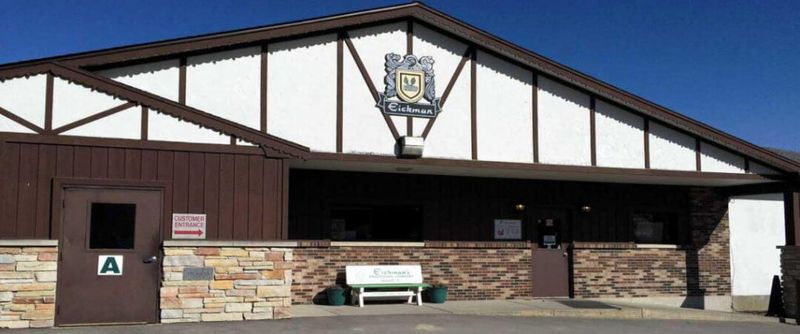
Ring bologna. Say it out loud and some northern Illinois families instantly picture holiday tables and hunting camp lunches. At Eickman’s Processing Co. in Seward, that curved, smoky classic is one of many reasons to stop.
Eickman’s has served the region since 1953. That long run blends a traditional butcher shop with a working smokehouse. Cured meats, specialty sausages, bacon, ham, and dried beef all come out of this operation.
Dried beef might be new to younger shoppers. It is thin, salty, and wonderful on toast with creamy gravy, a dish plenty of grandparents still make on cold mornings. Finding it done the old way is a small treat.
Snack sticks earn their fans quickly. Toss a handful in a backpack, a truck console, or a fishing tackle box and hunger problems disappear. They travel well and hold up far better than chips.
Summer sausage is another freezer favorite here. Slice it thick for a cheese board or thin for sandwiches. Smoked sausages round out the lineup, ready for the grill or a skillet of potatoes and onions.
Seward sits in quiet farm country, and the drive feels a world away from city traffic. Fields roll past, silos pop up on the horizon, and then the storefront appears. For many regulars, the trip itself is part of the ritual.
Stocking a freezer is really where Eickman’s shines. Bacon, ham, and a mix of sausages can carry a household through busy weeks without extra store runs. Buying in one trip also means fewer drives and more time actually eating.
Seventy years in business does not happen by accident. Steady quality, familiar recipes, and friendly service have kept this Seward shop humming through generations of customers.
6. Behrmann Meat & Processing (Albers)
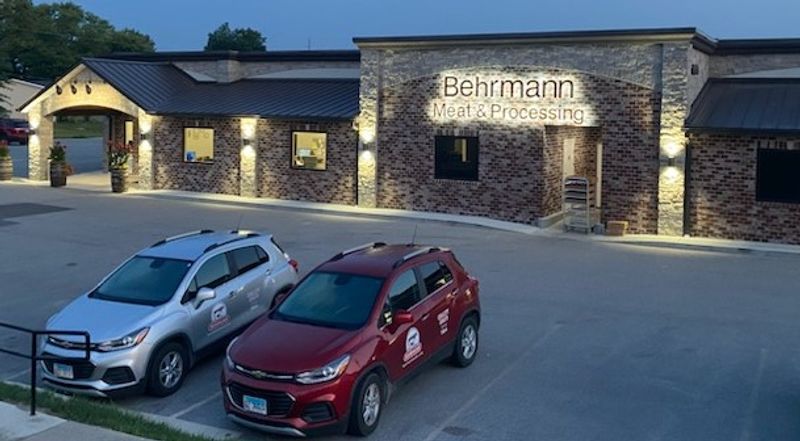
Albers is the sort of village where everyone seems to know the name of the local butcher. Behrmann Meat & Processing fits that picture perfectly. Family-run and proudly hands-on, it keeps the focus squarely on traditional butchery.
Nothing here tries to be fancy. Fresh cuts, sausage, bacon, and deli meats make up the core of the business. Custom processing is also a big part of the work, especially for families who raise their own animals or bring in wild game.
Why does custom processing matter? It lets customers decide how thick their steaks are, how their sausage gets seasoned, and how everything gets packaged. Few big stores can offer that kind of control.
Cookout season is prime time for a Behrmann run. Grab sausages for the grill, burgers for the kids, and bacon for the morning after. The whole weekend menu fits into one paper-wrapped bundle.
Holiday dinners are another reason locals line up. A good roast or ham from a small shop can anchor a big family meal without much fuss. Planning ahead helps, since busy seasons fill the order books fast.
Deli meats deserve attention too. Sliced fresh, they make school lunches and quick sandwiches taste a lot less boring. Once people switch, the packaged lunch meat aisle loses much of its appeal.
Southern Illinois has strong German farming roots, and places like Albers still show it. Meat shops like this one grew out of that culture, where making sausage was once a normal part of farm life. Behrmann carries that practical tradition into modern kitchens.
A freezer full of supermarket basics works fine. A freezer full of small-shop cuts works better, and the difference shows up at the dinner table every single night.
7. Wurst Kitchen (Aurora)
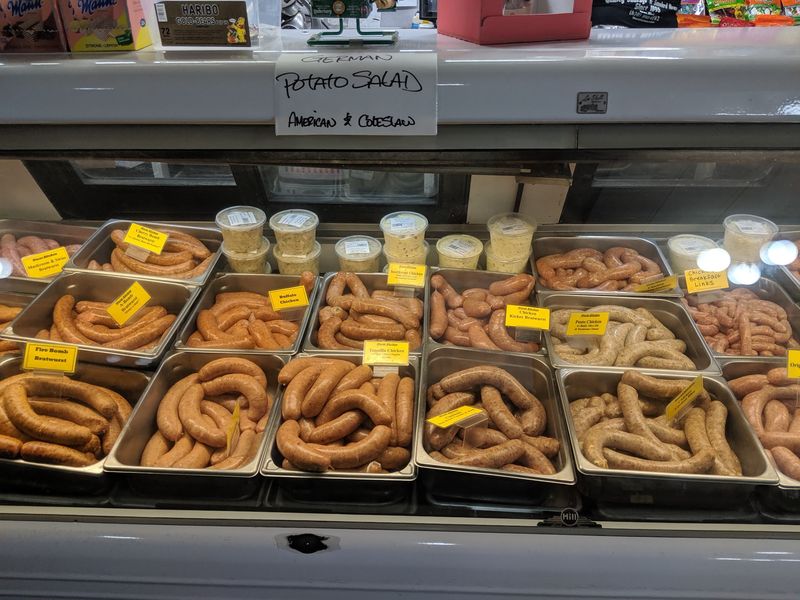
In 1895, bicycles were the hot new trend and cars barely existed. That same era marks the roots of Wurst Kitchen in Aurora. More than a century later, sausage is still the headline act.
Very few food businesses in Illinois can trace their story back that far. Recipes survive only when each generation cares enough to keep them. Somewhere along the line, people decided these methods were worth protecting, and diners today get the reward.
Handmade sausages remain the stars of the show. The name says it all, since wurst is simply the German word for sausage. Smoked meats sit right beside them, sharing the spotlight with plenty of smoky swagger.
Old recipes tend to be simple on paper. Good meat, the right spice mix, and patient smoke do most of the heavy lifting. The skill comes from knowing exactly when to stop, a lesson that takes years to learn.
Aurora sits along the Fox River, and its downtown has a long industrial past. Workers in those early days needed filling, affordable food. Sausage makers answered the call, and a few, like this one, never stopped.
Visitors who enjoy history will find plenty to chew on here, literally and otherwise. Ask about favorite varieties and the staff can usually point toward the classics. Starting with a traditional smoked link is a smart way to taste the shop’s heritage.
Pair a few links with sauerkraut, brown mustard, and a soft pretzel at home. The combo is basic, hearty, and hard to improve. It is also the kind of meal that has fed Midwest families for generations.
For a list built on tradition, ending with a shop rooted in the 1890s just makes sense. Some flavors simply refuse to go out of style.
Share this story