
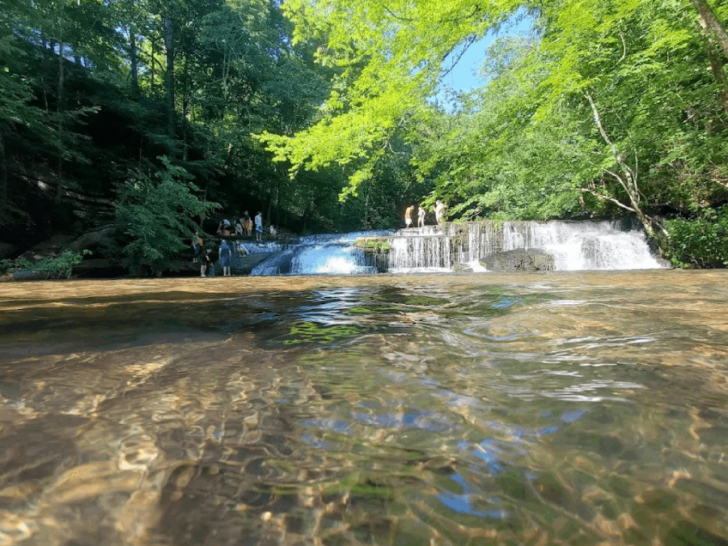
Tennessee holds some of the most beautiful natural springs in the southeastern United States, offering crystal-clear waters and peaceful settings that attract thousands of visitors each year.
These hidden gems provide perfect spots for swimming, hiking, and connecting with nature while escaping the stress of everyday life. From historic mineral springs that once drew health-seekers from across the country to secluded forest pools perfect for summer adventures, Tennessee’s springs offer something special for everyone who visits them.
1. Red Boiling Springs
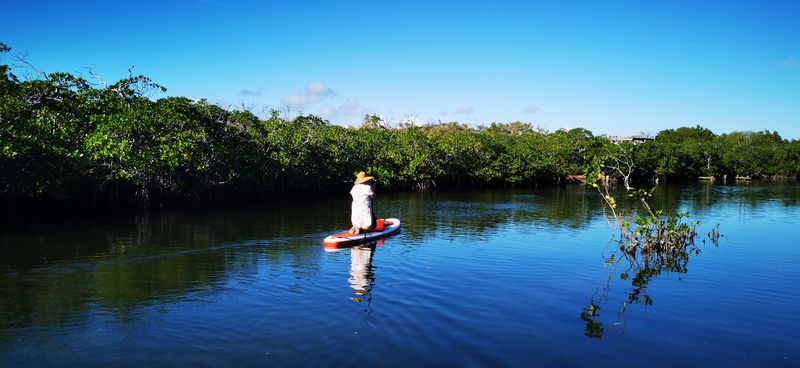
Back in the 1800s, people traveled from all over seeking the healing powers of Red Boiling Springs’ mineral-rich waters. This charming town in Macon County became a destination for those believing the springs could cure various ailments, and the tradition continues today with several historic hotels still offering mineral baths.
The springs contain three types of mineral water: black sulfur, red sulfur, and freestone. Each type was believed to treat different health conditions, making the town a popular wellness destination long before spas became trendy.
Today, visitors can still experience these historic waters at preserved bathhouses and hotels. The town maintains its old-world charm with Victorian-era architecture and peaceful gardens.
2. Beaman Park Springs
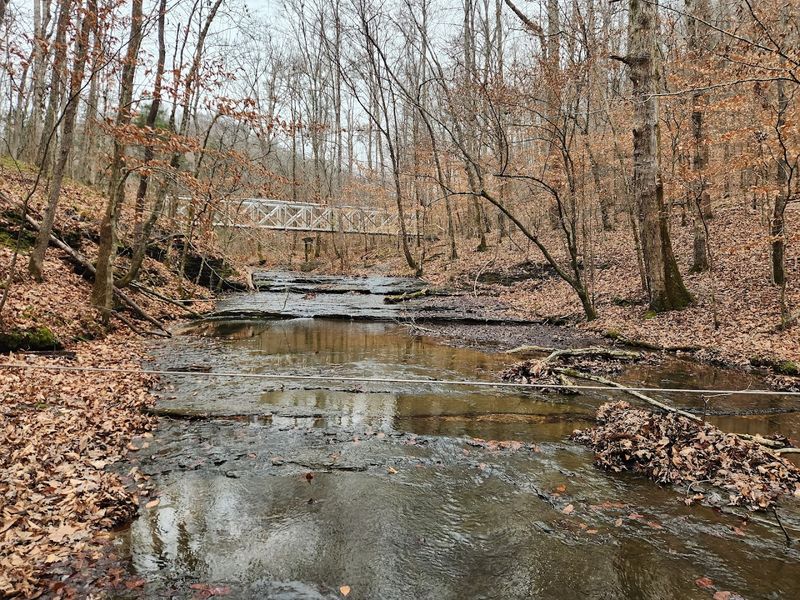
Nashville’s best-kept secret might just be hiding in plain sight at Beaman Park Natural Area. Several small springs bubble up through the forest floor here, creating peaceful streams that wind through limestone valleys and wooded trails that feel worlds away from the city.
The park covers over 1,500 acres of protected wilderness where these springs feed into creeks that carved stunning geological features over thousands of years. Hikers can follow trails alongside spring-fed streams, discovering quiet pools and moss-covered rocks.
Wildlife thrives around these water sources, so keep your eyes open for deer, wild turkeys, and various bird species. The springs flow year-round, making this an excellent destination regardless of the season. Pack your hiking boots and explore the interconnected trail system that showcases these natural water features throughout the park’s diverse landscape.
3. Rutledge Falls Spring
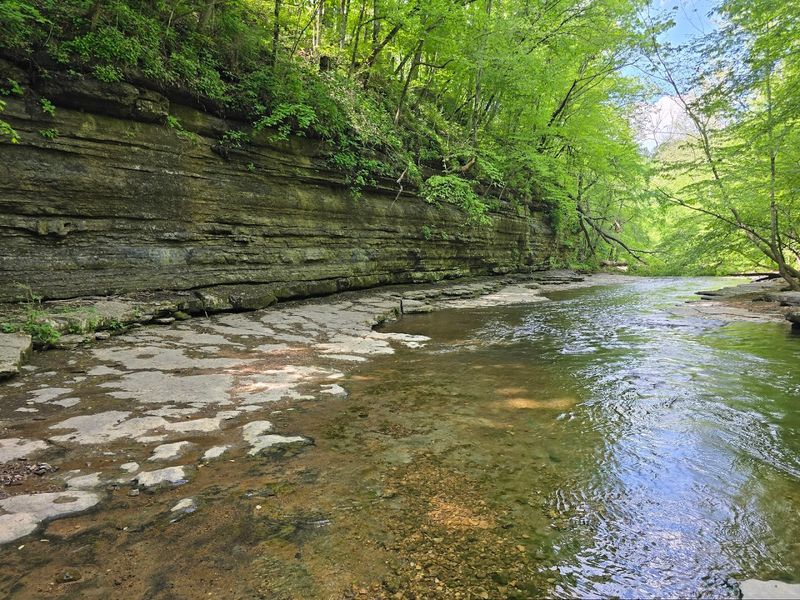
Instagram-worthy doesn’t begin to describe Rutledge Falls, where a crystal-clear spring creates one of Middle Tennessee’s most photographed waterfalls. Located near Tullahoma, this natural wonder draws swimmers and photographers alike to its beautiful cascade and inviting swimming hole.
The spring water stays refreshingly cool even during hot summer months, making it a popular spot for beating the heat. The falls drop about 20 feet into a deep pool surrounded by rock formations that provide natural seating areas for picnicking and relaxation.
Getting there requires a short hike through the woods, but the trail is manageable for most fitness levels. The spring maintains a consistent flow throughout the year, though water levels can vary with rainfall. Arrive early during summer weekends to claim your spot, as word has spread about this stunning location.
4. Short Springs Natural Area
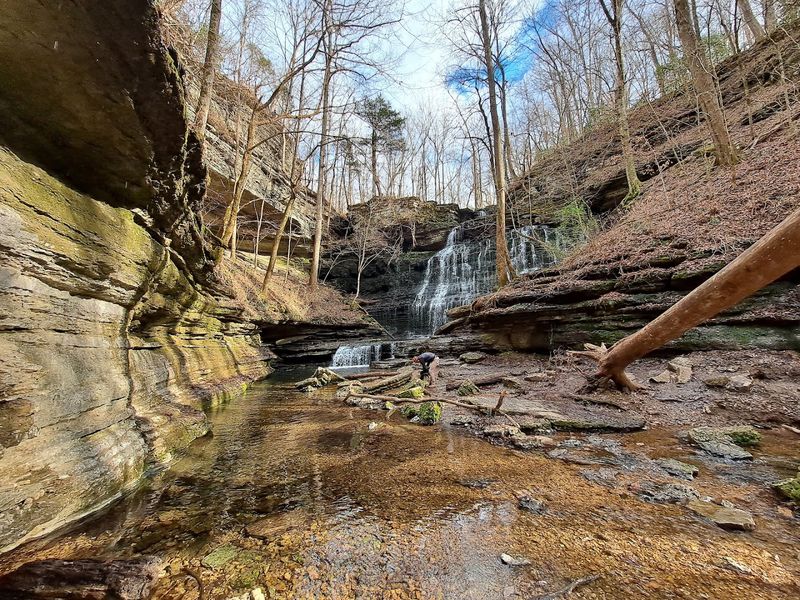
Machine Falls, Adams Falls, and Busby Falls—three spectacular waterfalls all fed by natural springs in one incredible natural area near Tullahoma. Short Springs offers over nine miles of trails that wind past these spring-fed cascades and through diverse ecosystems that change dramatically with the seasons.
The springs here create year-round water flow that supports unique plant communities rarely found elsewhere in Tennessee. Wildflowers bloom along the streams in spring, while fall brings spectacular color to the forest canopy overhead.
Trail difficulty ranges from easy walks to challenging climbs, giving everyone a chance to experience these natural springs. The main trail loop takes about three hours to complete if you stop to enjoy each waterfall. Bring plenty of water and wear sturdy shoes, as rocks near the springs can be slippery.
5. Lockeland Springs
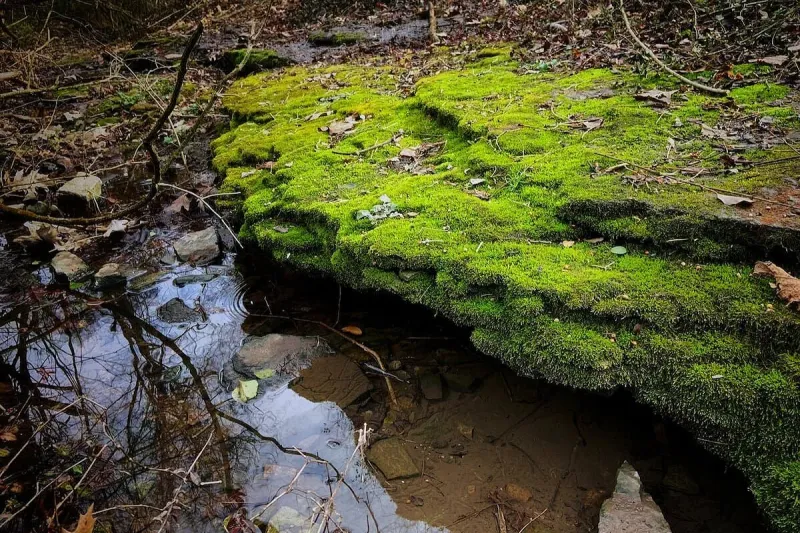
Right in the heart of East Nashville’s trendy Lockeland Springs neighborhood, natural springs once bubbled freely before urban development changed the landscape. The area got its name from these springs, which early settlers used as a water source and gathering place long before the neighborhood became one of Nashville’s hippest districts.
While most of the original springs now flow underground through the city’s drainage system, the neighborhood celebrates this history through its name and community identity.
The neighborhood built around these springs features beautiful historic homes, excellent restaurants, and a strong sense of community. Though you won’t find accessible natural springs here today, understanding this area’s water-rich history adds depth to exploring one of Nashville’s most interesting neighborhoods.
6. Sequatchie Cave State Natural Area
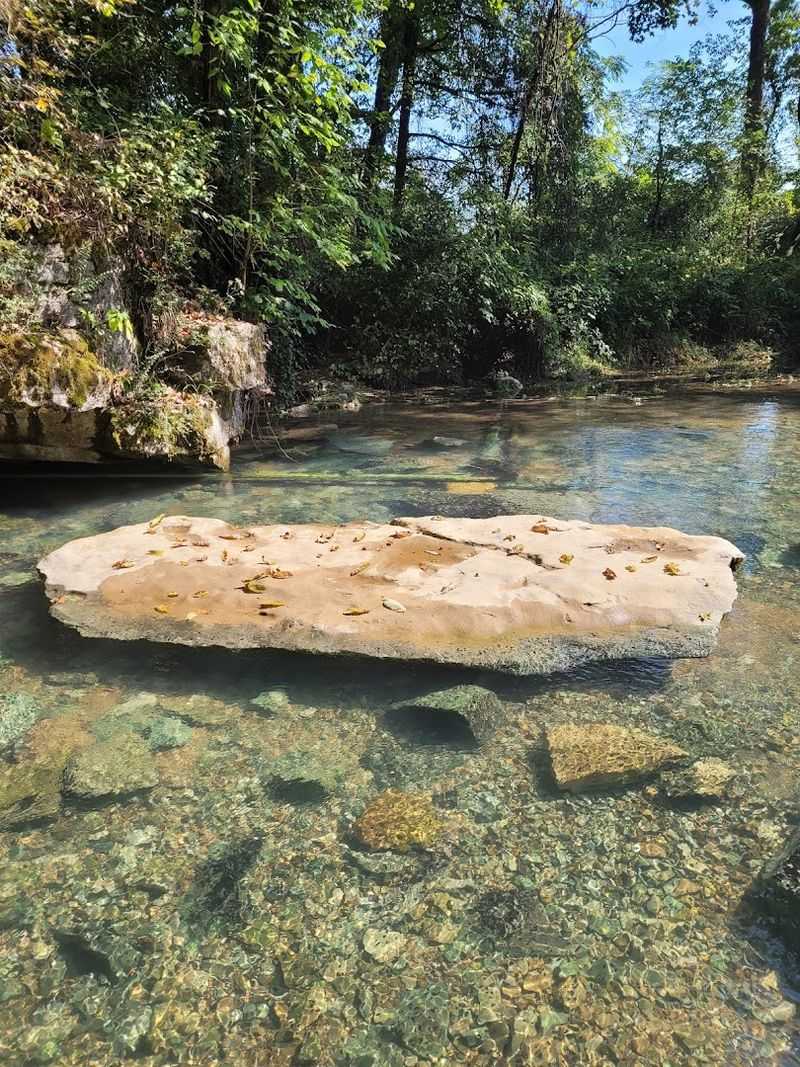
Water flows from deep within the earth at Sequatchie Cave, creating a spring that emerges from one of Tennessee’s most impressive cave systems. Located in Sequatchie County, this natural area protects both the cave and the spring-fed stream that supports rare species found nowhere else in the state.
The spring maintains a constant cool temperature year-round, creating unique habitat conditions for specialized plants and animals. Cave tours allow visitors to see where the spring originates deep underground before emerging into daylight.
Access to this natural area is limited to protect its delicate ecosystem, so check ahead for tour availability and reservation requirements. The cave and spring system represents thousands of years of geological processes that continue shaping the landscape today.
This protected site offers a rare chance to witness the connection between Tennessee’s surface waters and the vast underground water networks flowing beneath our feet.
7. Mint Springs
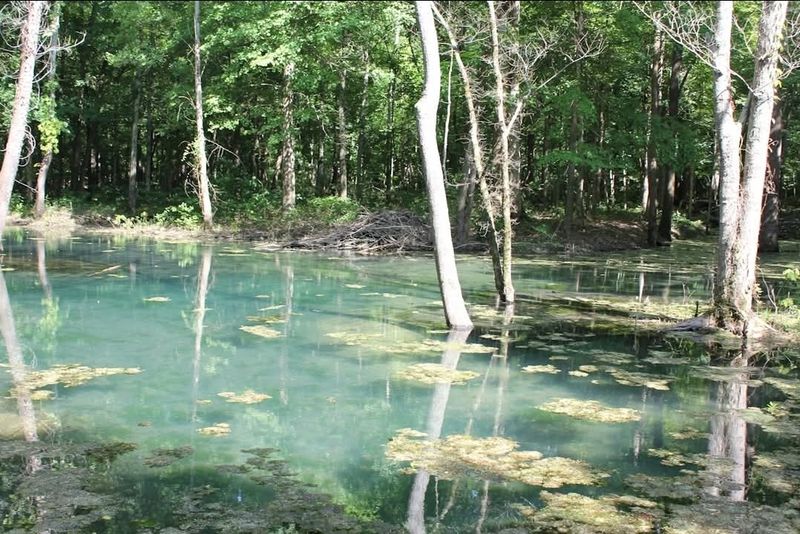
Legend says wild mint once grew so abundantly around these springs near Dover that you could smell it from a distance, giving Mint Springs its fragrant name.
The springs provided essential water for the community throughout Dover’s history, serving as a gathering place and important resource during the town’s development. While the area has changed over the years, the springs continue flowing and remain an important part of local heritage.
Today, Mint Springs connects Dover residents to their town’s past while providing a peaceful natural space. The spring water still supports lush vegetation, though wild mint is less abundant than historical accounts suggest it once was.