
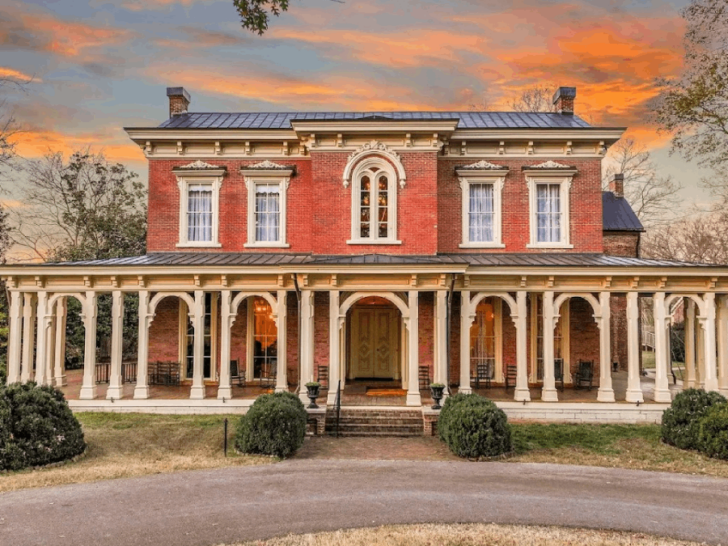
Tennessee is home to some of the most beautiful and historically significant mansions in the American South. From grand estates to elegant Greek Revival homes, these architectural treasures offer a glimpse into the lives of the wealthy and influential families who shaped the state’s history.
Many of these stunning properties are now open to the public, allowing visitors to step back in time and experience the grandeur of a bygone era while learning about Tennessee’s rich cultural heritage.
1. Belmont Mansion — Nashville
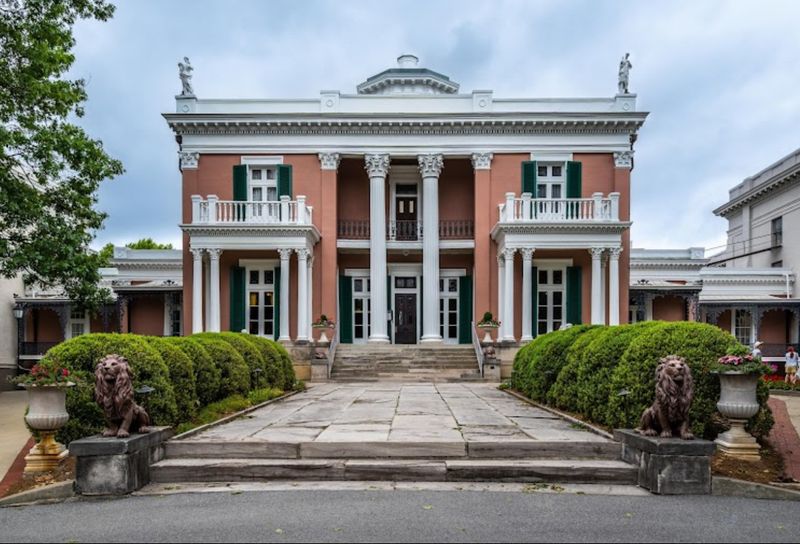
Adelicia Acklen wasn’t just wealthy—she was one of the richest women in the entire South during the 1850s. Her stunning Italianate estate stands as a testament to her extraordinary life and business acumen. The mansion’s ornate architecture and lavish interiors reflect the opulence of the antebellum period.
Walking through Belmont Mansion feels like stepping into a time capsule. The museum’s guided tours take you through rooms filled with original furnishings, artwork, and decorative pieces that showcase 19th-century elegance. You’ll learn fascinating stories about Adelicia’s four marriages, her shrewd business dealings, and how she maintained her fortune through the Civil War.
The mansion’s collection includes rare pieces of furniture, stunning chandeliers, and intricate ceiling medallions. Each room tells a different chapter of Adelicia’s remarkable story.
2. Oaklands Mansion — Murfreesboro
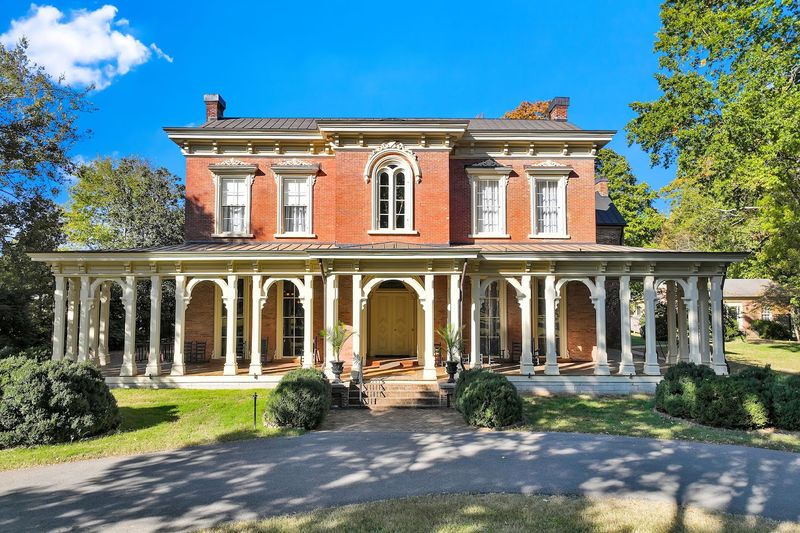
Murfreesboro’s Oaklands Mansion holds secrets from one of the most turbulent periods in American history. This beautifully maintained home witnessed the Civil War firsthand, serving as headquarters for both Union and Confederate officers at different times. The walls practically echo with stories from that dramatic era.
Period furnishings throughout the house transport visitors back to the 1800s. Each piece has been carefully selected to represent the lifestyle of middle Tennessee’s prominent families. The mansion’s regular tours provide detailed accounts of daily life during the Civil War, including how families coped with the constant threat of battle nearby.
The guides share compelling narratives about the Maney family who lived here, and the soldiers who temporarily occupied their home during the war.
3. Rippavilla Plantation — Spring Hill
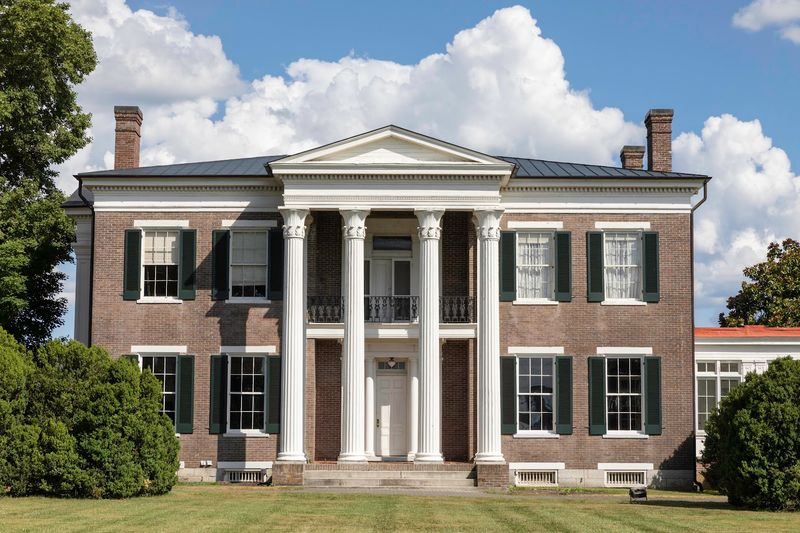
Greek Revival architecture reaches its peak at Rippavilla, where massive white columns frame the entrance to this magnificent Spring Hill estate. Built in the 1850s, the mansion embodies the classical style that wealthy Southerners admired. Its symmetrical design and imposing presence make it one of Tennessee’s most photographed historic homes.
The Civil War left an indelible mark on this property. Confederate General John Bell Hood used Rippavilla as his headquarters during the Franklin-Spring Hill Campaign in 1864. Visitors can explore the rooms where critical military decisions were made and learn about the famous “Spring Hill Affair,” a controversial missed opportunity that changed the course of the war.
4. Falcon Rest Mansion — McMinnville
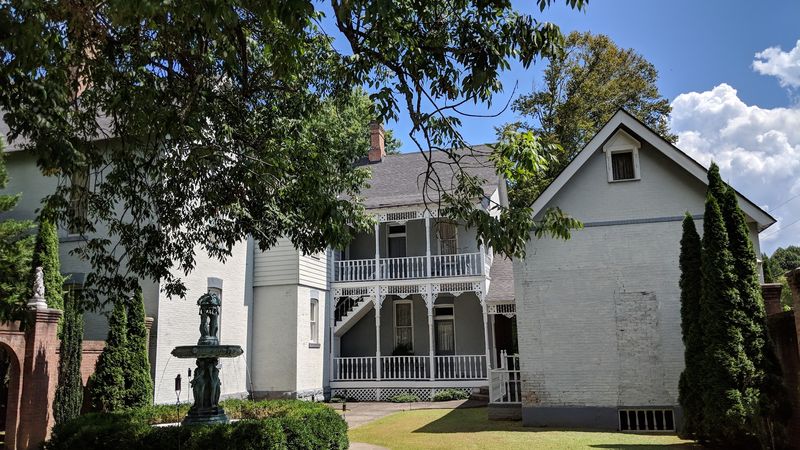
Victorian elegance reaches new heights at Falcon Rest, where every architectural detail tells a story of late 19th-century craftsmanship. Built in 1896, this mansion features elaborate woodwork, stained glass windows, and decorative elements that showcase the prosperity of McMinnville’s leading families.
Beyond standard tours, visitors can enjoy afternoon tea service in the elegant dining room, surrounded by period furnishings and Victorian charm. The experience feels like visiting a wealthy relative from another century.
The mansion also offers overnight accommodations for those wanting an immersive historical experience.
The gardens surrounding the mansion deserve special attention. Carefully maintained landscaping complements the home’s Victorian character, providing beautiful photo opportunities and peaceful walking areas. Seasonal events and holiday celebrations add extra magic to this already enchanting property throughout the year.
5. Woodruff-Fontaine House — Memphis
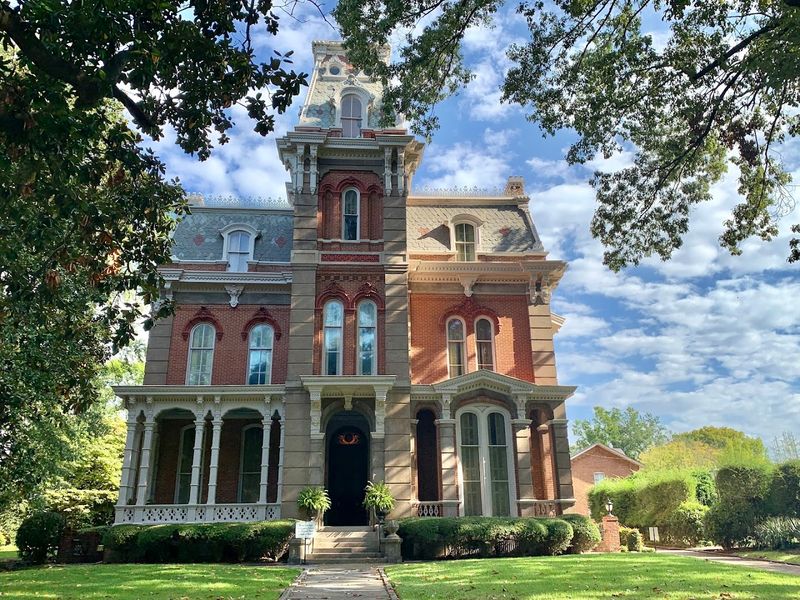
Memphis’ Victorian Village harbors an architectural gem that captures the drama and elegance of the Gilded Age. The Woodruff-Fontaine House, completed in 1871, stands as one of the finest examples of Second Empire architecture in the South. Its distinctive mansard roof and ornate exterior details immediately catch the eye of anyone passing through this historic neighborhood.
Inside, the mansion dazzles with original decorative arts and period furnishings that reflect the wealth of Memphis’ cotton barons. Intricate plasterwork adorns the ceilings, while hand-carved woodwork frames doorways and windows throughout. The home’s three stories showcase different aspects of Victorian life, from formal entertaining spaces to more intimate family quarters.
6. Blount Mansion — Knoxville
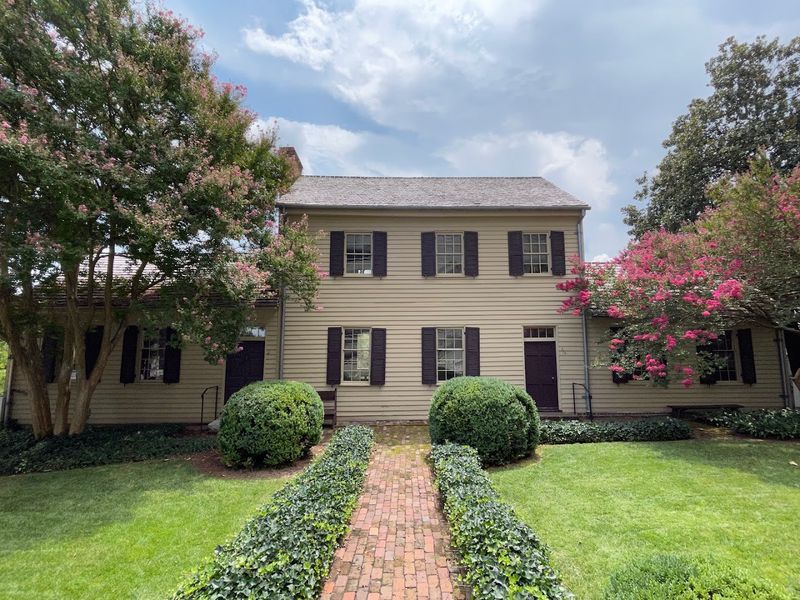
Before Tennessee became a state, William Blount governed its territory from this elegant residence in Knoxville. Built in 1792, Blount Mansion represents one of the most important political sites in early Tennessee history. The home witnessed crucial decisions that shaped the formation of the state and the development of the American frontier.
Governor Blount’s home reflects the refined tastes of educated colonial leaders while adapting to frontier realities. The architecture blends Georgian influences with practical considerations for life on the edge of settled territory. Original features and careful restoration help visitors understand how prominent families lived during this formative period in American history.
Tours provide context about Tennessee’s journey to statehood and Blount’s complex legacy. He played vital roles in drafting the state constitution and establishing Knoxville as the capital.
7. Travellers Rest Historic House — Nashville
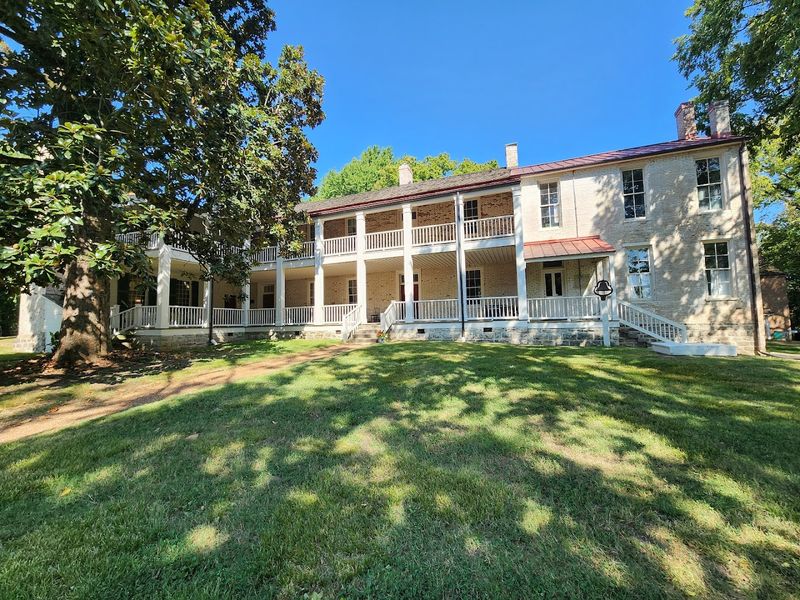
Nashville’s oldest publicly accessible historic home holds centuries of Tennessee stories within its walls. Travellers Rest served as the residence of John Overton, a judge, businessman, and close friend of Andrew Jackson. The property’s name comes from its location along a major travel route, where the Overton family welcomed guests traveling through the region.
The mansion preserves an authentic picture of early Tennessee plantation life. Unlike grander estates built later, Travellers Rest shows how successful but practical families lived in the early 1800s. The home expanded over time as the Overton family’s fortunes grew, and these additions tell their own story about changing tastes and increasing prosperity.
Modern interpretation at Travellers Rest includes the experiences of enslaved people who worked the property, providing visitors with a more complete historical understanding.