
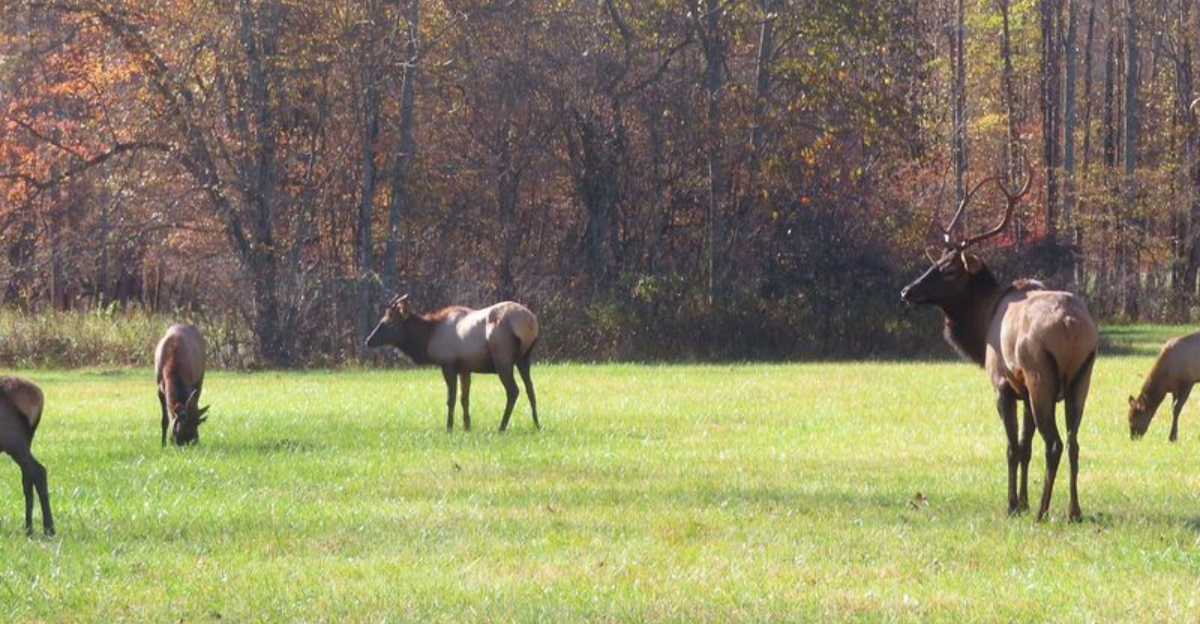
You want that heart-skipping moment when an elk steps from the trees and the whole valley seems to hold its breath. Tennessee delivers, especially around the Smokies, where dawn light and river mist turn every pull-off into possibility. With a thermos, patience, and a little know-how, you can stack the odds in your favor and watch respectfully from a safe distance.
Here are seven reliable places where the landscape, timing, and quiet roads come together to help you catch elk in their element.
1. Cataloochee Valley (Great Smoky Mountains National Park)
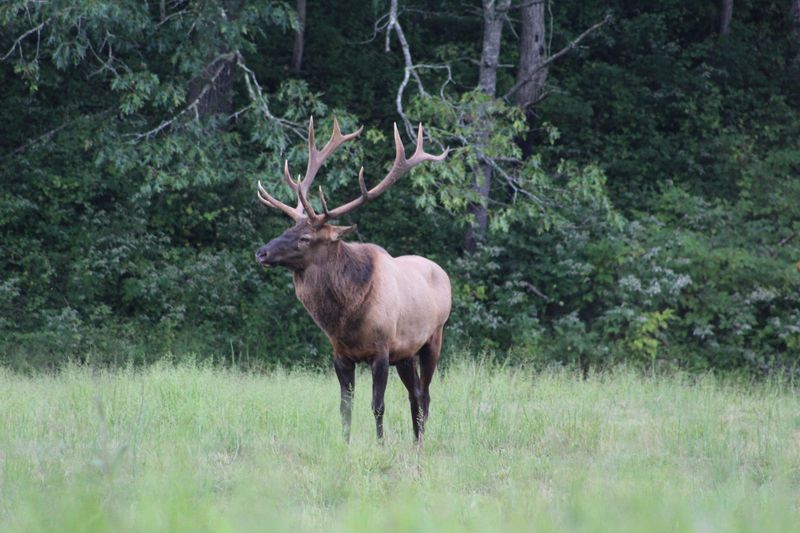
Arrive before first light and you will hear birds wake the valley while fog curls over the grass. Elk often drift from the tree line to feed, their breath visible and antlers catching sunrise glow. Keep distance, use pull-offs, and let the herd set the pace.
Late afternoon offers another window as shadows stretch and traffic thins. Bring binoculars rather than walking into fields, and never crowd calves or rutting bulls. Rangers patrol, so follow posted signs and park in designated areas.
Season matters. Fall rut is dramatic with bugling, but winter mornings can be quietly magical. Pack layers, a red light for pre-dawn setup, and patience.
The valley rewards those who settle in.
2. Oconaluftee River Valley (near Cherokee entrance to the Smokies)
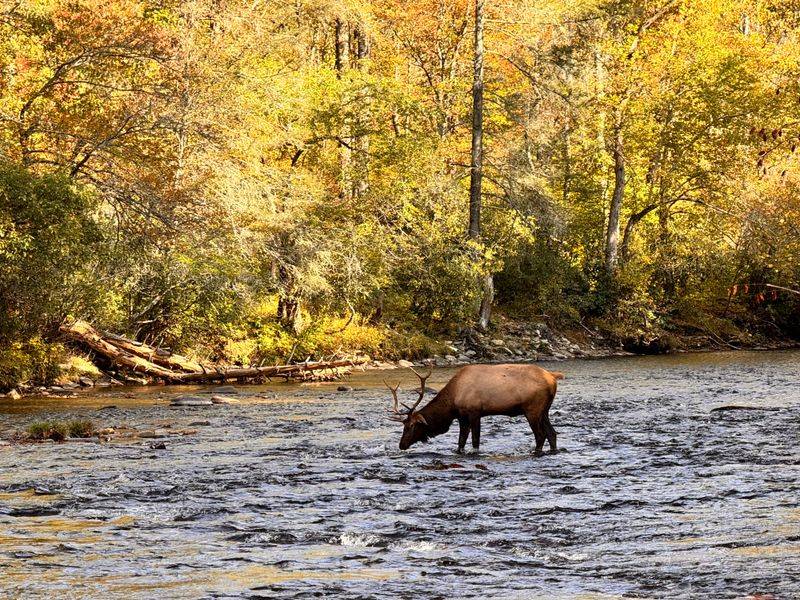
Ease into the day by rolling up near the visitor center and scanning the open lawns. Elk frequently graze by the river, letting you watch from a safe, paved edge. It is one of the most accessible viewing spots, perfect for families.
Arrive early to beat traffic and give wildlife space. Keep dogs leashed and far from herds, and use a long lens rather than approaching. Rangers may rope off areas when calves are present, so respect barriers.
Fog along the water adds mood in spring and fall. Even midday can produce sightings after a cool front. If you wait quietly, you will often see heads lift, ears twitch, and a small procession move downstream.
3. Balsam Mountain Area (Great Smoky Mountains National Park)
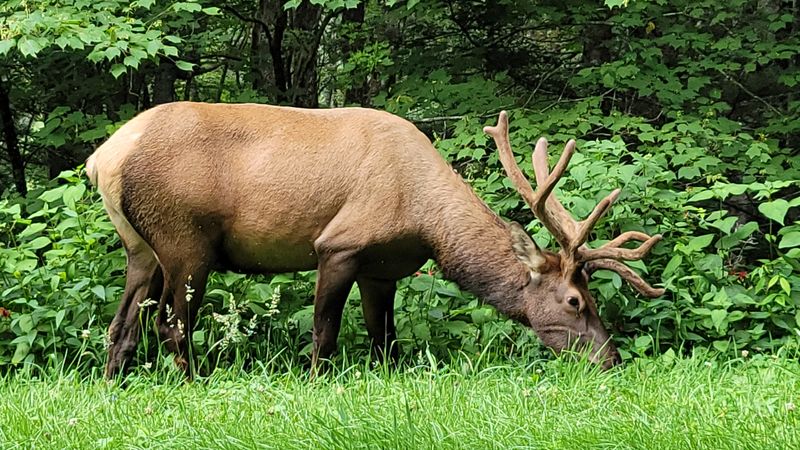
Cooler air and quieter traffic make these high ridges feel like your secret. Elk sometimes browse near road edges where grasses meet spruce, especially after a chilly night. Pull into overlooks, cut the engine, and listen for hoof steps in the duff.
Fog can hug the shoulders, so drive slowly and use pull-outs generously. Early fall and late spring offer good movement as temperatures swing. Carry layers, gloves, and a thermos, because wind bites up here.
Watch for fresh tracks and droppings along meadow borders to confirm you are in the right pocket. Scan transition zones where forest softens into grass. If nothing shows, circle back near dusk and let the silence do its work.
4. Blue Ridge Parkway – Waterrock Knob Area
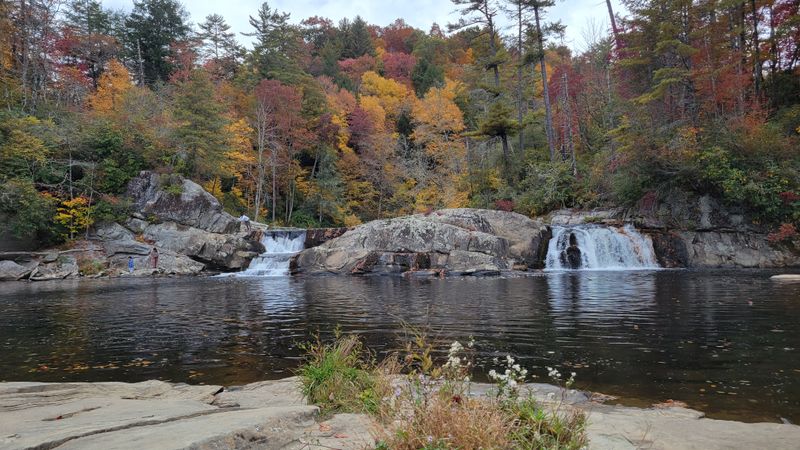
Set your alarm and cruise the parkway while the sky softens. Grassy pull-offs near Waterrock Knob sometimes host elk at first light, when traffic is light and dew clings to seedheads. Keep your distance and stay behind guardrails.
Because animals move quickly, plan short loops with frequent stops. Use hazard lights only when parked safely. A monopod helps stabilize longer lenses without hogging space on narrow shoulders.
Cloud inversions can turn the whole ridge into a sea of cotton. That dreamy scenery does not guarantee elk, but it makes the search feel unforgettable. Give it two passes at dawn and one near sunset, and you will stack the odds without stressing wildlife.
5. Great Smoky Mountains National Park Backcountry Fields
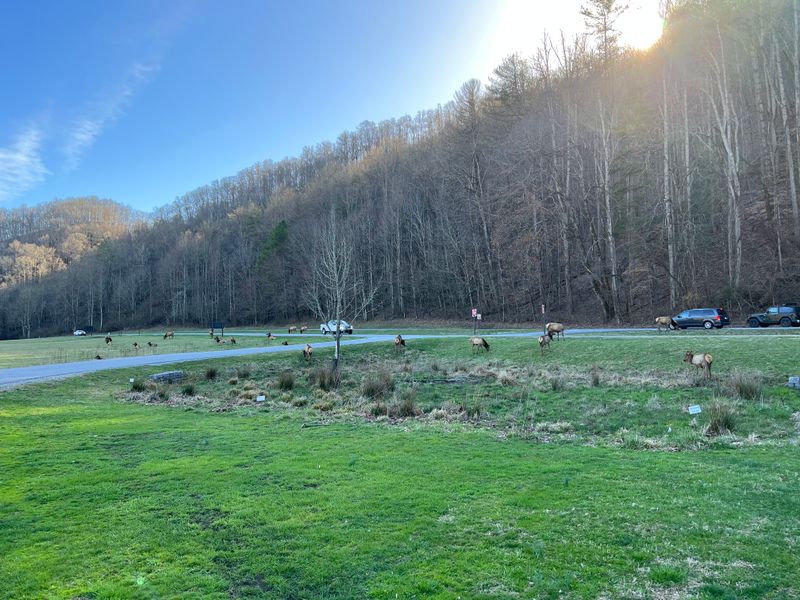
Old settlements and forgotten meadows can be quietly productive. Look for open fields near historic cabins where grass meets forest and creeks thread the edges. Move slowly, speak softly, and glass from the boundary rather than stepping into forage.
Timing is everything. Early morning and the last golden hour are best, with movement peaking during cool snaps. Maps and ranger tips help you choose meadows with recent sign, like tracks or flattened beds.
Respect closures that protect ground-nesting birds and restoration areas. Pack out trash and keep groups small so elk do not spook. When the herd flows from the timber, you will feel the shift in air long before you see antlers.
6. Cherokee National Forest (near the North Carolina border)
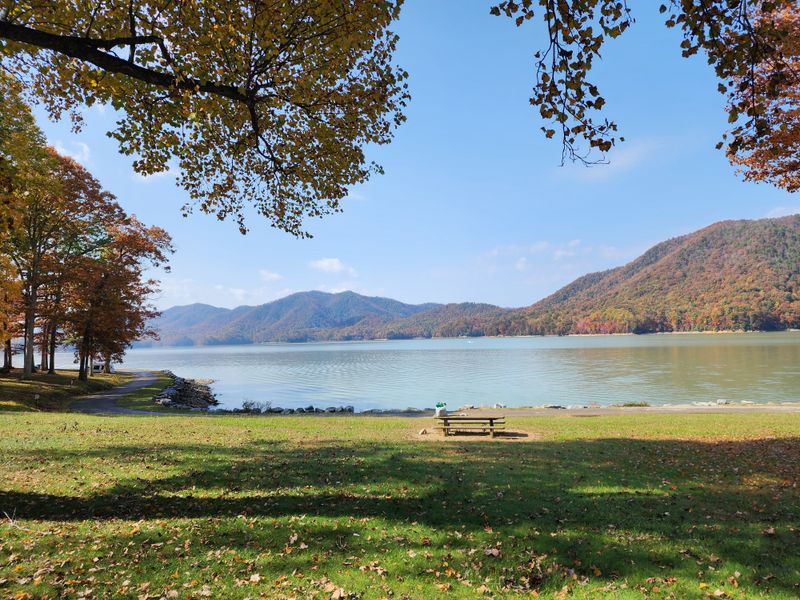
Sightings here take patience, but the reward is solitude. Scan edges where timber companies cut openings and grasses return, especially after a cool front. Elk wander through at odd hours, so keep a flexible schedule and comfortable boots.
Trailheads with small clearings are worth slow passes at dawn. Sit with binoculars and watch for subtle movement among saplings. Vehicle noise carries, so park away from the open and walk in quietly.
Carry a map, because cell service fades fast. Safety matters: wear bright layers during hunting seasons and stick to public roads. When the herd materializes, it happens fast, a brown ripple through green shadow, and then they are gone.
7. Foothills Parkway (western section)
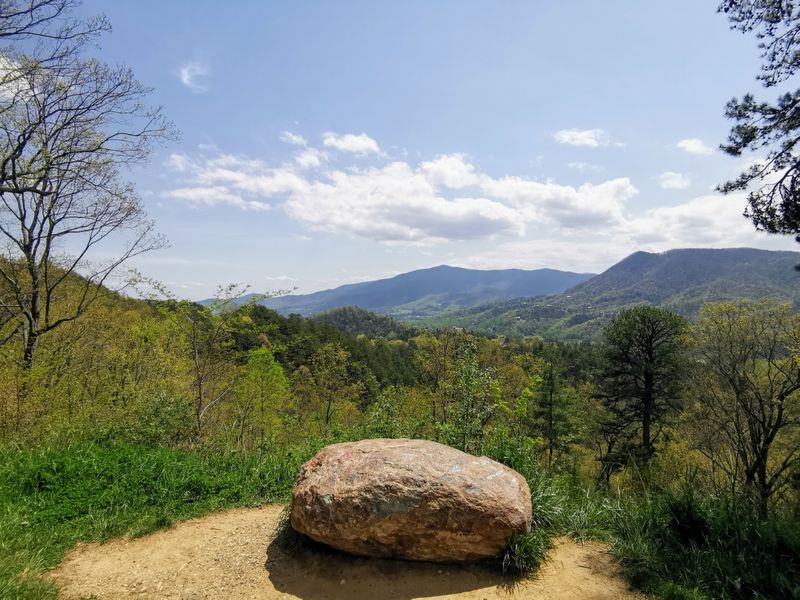
Think of this scenic drive as a string of watchtowers. Pull-offs give you safe angles on fields below where elk sometimes appear in loose groups. A spotting scope or 10x binoculars turns distant shapes into antlers and brushed coats.
Plan a slow roll around golden hour, pausing wherever you see fresh tracks crossing roadside gravel. Keep doors closed to avoid slamming noises, and scan fence lines where animals slip between cover and pasture. Patience beats speed here.
On windy days, animals drop lower into sheltered hollows. After rain, they often feed hard as clouds break. With the sun sinking and the ridge glowing, you might catch silhouettes stepping into the open just in time.