Texas has plenty of big cities where everything moves fast and costs a fortune, but scattered around the state are quiet lakeside towns that offer something completely different. Life near the water has a different rhythm, where neighbors know your name, traffic jams don’t exist, and your dollar stretches further than you’d expect. These seven lakeside communities prove you don’t need to sacrifice quality of life to find affordability and peace, combining natural beauty with genuine small-town charm that’s harder to find every year.
1. Emory (Lake Fork)
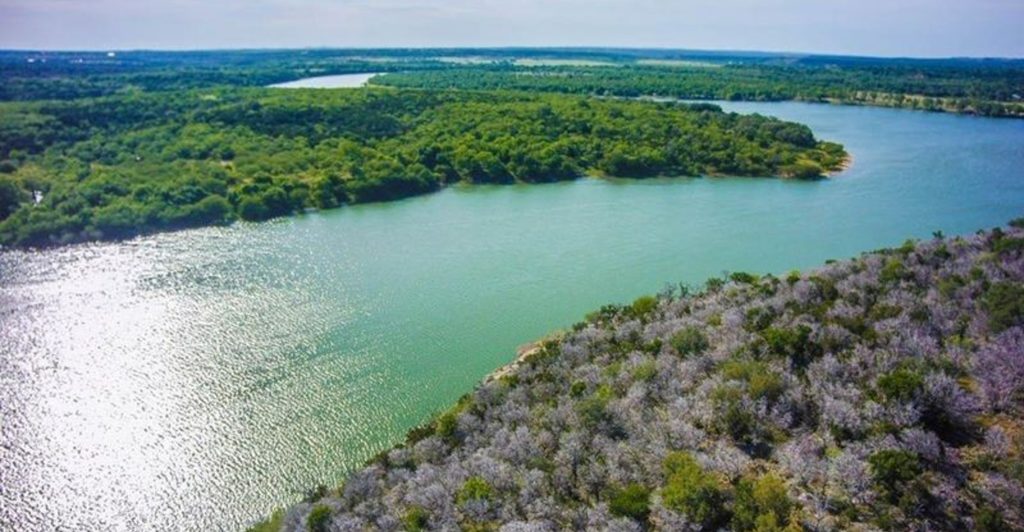
Ask any serious bass fisherman in Texas where they dream of living, and Lake Fork comes up every single time. This 27,000-acre reservoir consistently ranks among the best bass fishing lakes in the entire country, which means Emory built its entire identity around the water. The town square feels frozen in a better time, with local diners serving chicken fried steak that’ll ruin you for anywhere else.
Housing costs here run about 30% below the Texas average, which is remarkable considering the lake access you’re getting. You can find decent homes with water views for prices that would barely buy a fixer-upper in Austin or Dallas. The trade-off is obvious: you’re about an hour from any major city, and the entertainment options lean heavily toward outdoor activities rather than nightlife.
What makes Emory special isn’t just the fishing, though that’s certainly a big part. The community has that rare quality where people actually talk to strangers at the grocery store and mean it. Local festivals happen throughout the year, usually involving fried catfish or some excuse to gather by the water.
The schools are small but well-regarded, and kids grow up knowing how to bait a hook before they can drive.
Medical facilities are basic, so serious health issues mean a drive to Tyler. Internet speeds have improved dramatically in recent years, making remote work actually feasible now. The summer heat is brutal, but that’s when the lake becomes your backyard pool.
Retired folks and young families who value outdoor living over urban conveniences find this place suits them perfectly, especially when they check their mortgage payment each month.
2. Jasper (Lake Sam Rayburn)
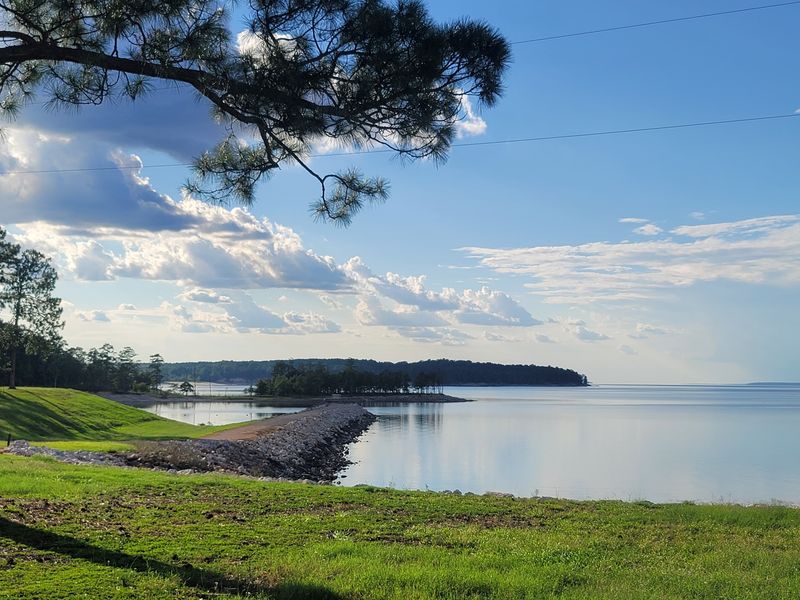
Deep in the Piney Woods of East Texas, Jasper sits just minutes from Sam Rayburn Reservoir, the largest lake entirely within Texas borders. The town itself predates the lake by over a century, which gives it an authentic character that newer lakeside developments can’t manufacture. Red brick buildings line the courthouse square, and the whole place smells like pine trees after a rain.
Cost of living here is genuinely low, with median home prices hovering around $120,000 for properties that would cost triple elsewhere. Rent for a decent apartment rarely breaks $800 monthly, and local wages stretch further when everything from groceries to haircuts costs less. The surrounding national forest means endless free recreation, from hiking trails to hunting leases that don’t require selling a kidney.
Sam Rayburn Lake offers 114,000 acres of water for fishing, skiing, and just floating around on a Saturday afternoon. Marinas dot the shoreline, and launching a boat doesn’t require reservations or fighting crowds like at lakes closer to Houston. The fishing tournaments bring people from across the state, injecting cash into local restaurants and tackle shops without turning the town into a tourist trap.
Jasper maintains a slower pace that either appeals to you immediately or feels suffocating, depending on your personality. The nearest Target is 45 minutes away, and food delivery apps haven’t discovered this area yet. But neighbors help each other without being asked, the high school football games draw the whole town, and rush hour means waiting for three cars at a stoplight.
Healthcare improved significantly with a modern hospital facility, and the school district consistently performs above state averages despite limited funding.
3. Mineola (Lake Holbrook)
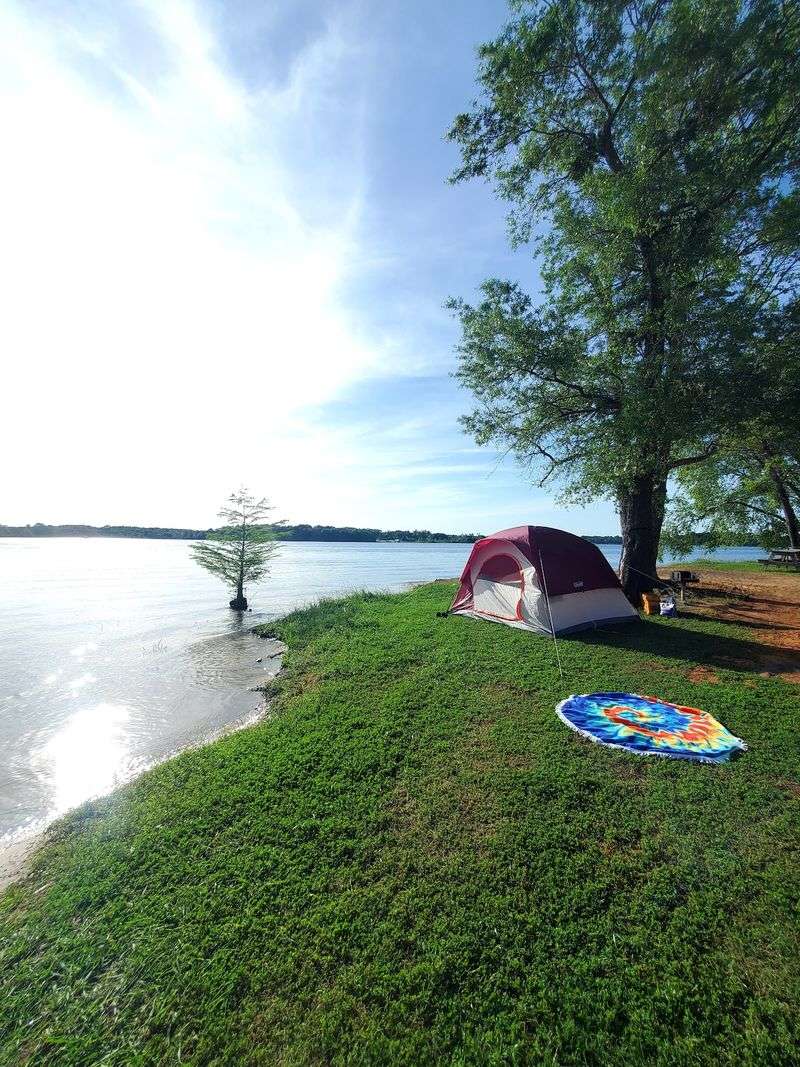
Situated halfway between Dallas and Shreveport on Interstate 20, Mineola offers something many lakeside towns can’t: actual convenience to bigger cities while maintaining small-town affordability. Lake Holbrook might not be Texas-sized at just 150 acres, but it’s perfectly adequate for kayaking, fishing, and teaching kids to swim without worrying about boat traffic. The downtown historic district earned a spot on the National Register, with buildings dating back to the 1800s now housing antique stores and cafes.
Real estate here runs cheaper than surrounding areas, with nice family homes available in the $150,000-$200,000 range. Property taxes stay reasonable, and utility costs don’t spike like they do in rapidly growing suburbs. The trade-off for this affordability is a job market focused on retail, healthcare, and education rather than high-paying corporate positions, though many residents commute to Tyler or work remotely.
What Mineola lacks in lake size, it compensates with community character. The Iron Horse Festival each spring celebrates the town’s railroad heritage with crafts, music, and enough fried food to justify your regret. Local restaurants serve genuine home cooking, not the chain restaurant version, and the Friday night lights at the high school football stadium unite everyone regardless of which side of town they live on.
Access to medical care exceeds what you’d expect for a town this size, with a good regional hospital and specialists who actually remember your name. The school system maintains solid academics and strong vocational programs. Summers get hot and humid, typical for East Texas, but the lake provides relief and the surrounding countryside offers pleasant drives through rolling hills.
Retirees on fixed incomes and young families priced out of metropolitan areas both find Mineola offers breathing room their budgets desperately needed.
4. Onalaska (Lake Livingston)
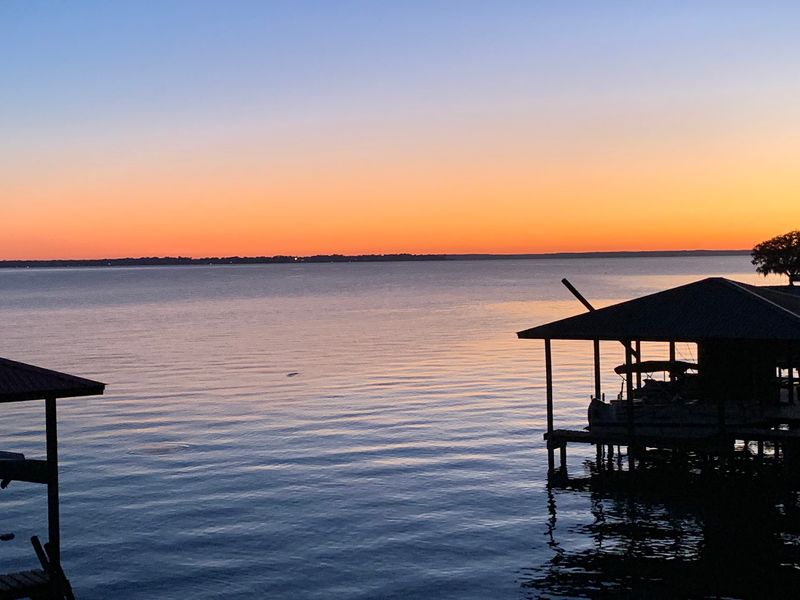
Tucked into the western shore of Lake Livingston, Onalaska functions primarily as a lake community rather than a traditional town. Most residents chose this spot specifically for water access, which creates a different vibe than places where the lake is just a nearby amenity. The community spreads out along the shoreline, with boat ramps, marinas, and waterfront restaurants defining the local economy and social life.
Housing costs vary wildly depending on water access, but even waterfront properties cost significantly less than comparable lake homes near Austin or Dallas. Older mobile homes on leased lots start around $40,000, while newer stick-built homes with private docks range from $200,000-$300,000. For people who want to live on the water without spending a fortune, Onalaska delivers options that disappeared from most of Texas years ago.
Lake Livingston stretches across 90,000 acres, providing enough space that you’re never fighting for elbow room even on holiday weekends. Fishing for catfish, crappie, and bass keeps anglers busy year-round, and the relatively shallow water warms up quickly for swimming. Water skiing and jet skiing are popular, and several local businesses rent boats and equipment for visitors who want to test the lifestyle before committing.
The town itself is minimal, basically a few stores, gas stations, and restaurants clustered near the highway. Serious shopping means driving to Livingston or Huntsville, each about 20 minutes away. Medical care requires the same trip, though emergency services respond quickly.
The community skews older, with many retirees and weekend warriors, but young families are moving in as remote work becomes more common. Schools are part of the Livingston district, which provides adequate education without being exceptional. The pace here is genuinely slow, measured in sunsets over the water rather than appointments and deadlines.
5. Athens (Lake Athens)
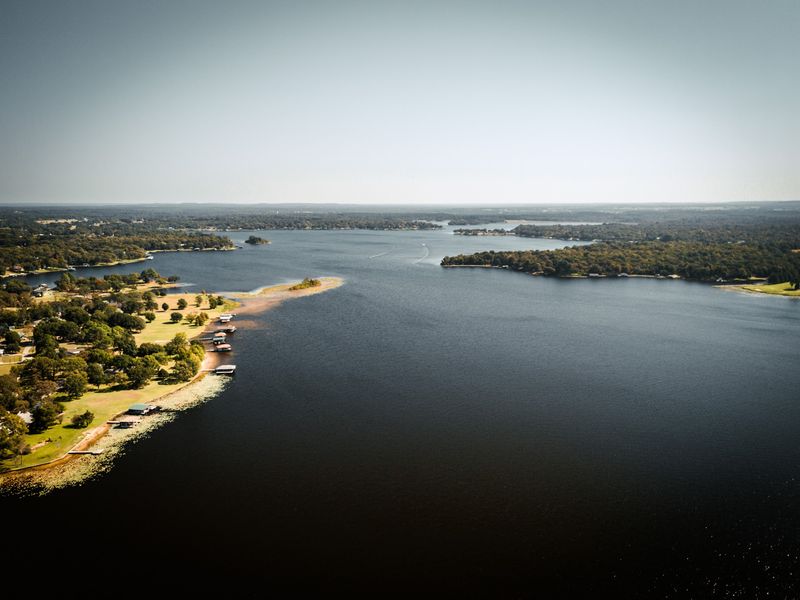
About 75 miles southeast of Dallas, Athens combines genuine small-town Texas culture with surprisingly good amenities and a beautiful lake. The town square centers around a classic courthouse, and locals still gather at family-owned restaurants that have served the same recipes for decades. Lake Athens covers 1,799 acres on the east side of town, offering a respite from summer heat without the crowds that plague lakes closer to major cities.
Cost of living here undercuts the state average by roughly 15%, with median home prices around $160,000 for properties that include actual yards and garage space. Rent stays affordable too, with two-bedroom apartments available for under $900 monthly. Groceries, gas, and dining out all cost noticeably less than in metropolitan areas, and the lack of toll roads means transportation costs stay reasonable even with occasional trips to Dallas.
The community takes pride in being the Original Home of the Hamburger, a claim that sparks debate but makes for good marketing. Beyond burgers, Athens offers a surprisingly vibrant arts scene for a town this size, with theaters, galleries, and festivals throughout the year. The lake itself provides excellent fishing, particularly for catfish and bass, and the parks around the shoreline include playgrounds, picnic areas, and trails for walking or mountain biking.
Athens Independent School District consistently ranks well academically, which matters to families considering a move. The local hospital provides quality care for routine needs, with specialty services available in Tyler or Dallas. Job opportunities center on healthcare, education, manufacturing, and retail, though the proximity to Dallas makes commuting feasible for higher-paying positions.
The community maintains that authentic Texas friendliness where people wave from their porches and know their neighbors’ business, for better or worse. For folks exhausted by urban sprawl and high costs, Athens offers a genuine alternative without feeling isolated from civilization.
6. Marble Falls (Lake Marble Falls)
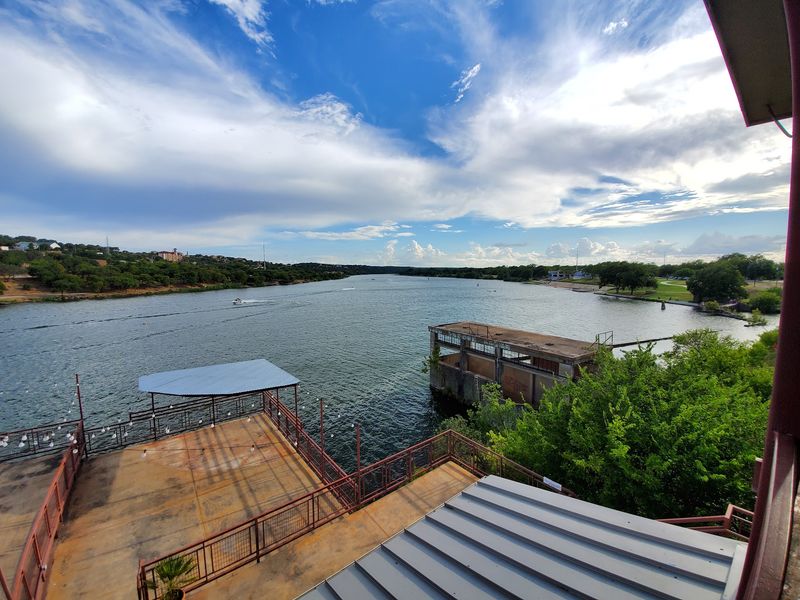
Nestled in the Texas Hill Country about an hour northwest of Austin, Marble Falls offers something different from the East Texas lake towns. The landscape here features rolling hills, limestone cliffs, and clearer water than the pine-country reservoirs. Lake Marble Falls is actually part of the Highland Lakes chain, with Lake LBJ providing additional water recreation just upstream.
The downtown area has transformed in recent years, with new restaurants and shops catering to weekenders from Austin without losing small-town character.
Cost of living here runs higher than the East Texas options, but still significantly below Austin prices. Median home prices hover around $250,000-$300,000, with waterfront properties commanding premium prices. The trade-off is better amenities, more job opportunities, and proximity to Austin’s cultural offerings without actually living in the traffic and expense.
Retirees particularly favor this area, drawn by the scenery, mild winters, and active community life.
The lakes here focus more on recreation than fishing, with water skiing, wakeboarding, and pleasure boating dominating summer weekends. Several golf courses attract players year-round, and the surrounding Hill Country offers hiking, cycling, and wine tasting at nearby vineyards. Marble Falls hosts numerous festivals, including a popular Christmas lighting event that draws visitors from across the state.
Healthcare facilities are solid for a town this size, with a regional medical center and various specialists. The school district performs well academically and offers more extracurricular activities than smaller communities can manage. Job opportunities center on tourism, healthcare, retail, and construction, with many residents commuting to Austin for higher-paying positions.
The Hill Country location means stunning sunsets and pleasant spring weather, though summer heat still requires air conditioning and lake time. Traffic has increased as Austin sprawl creeps westward, but it’s manageable compared to metropolitan standards. For people who want lake living with better dining options and cultural access, Marble Falls splits the difference between isolation and urbanization more successfully than most Texas towns.
7. Livingston (Lake Livingston)
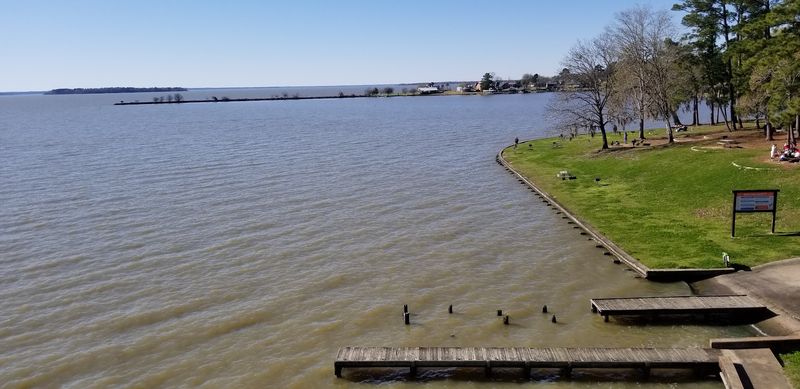
As the county seat and largest town on this list, Livingston offers more infrastructure than the smaller communities while maintaining affordable living and easy lake access. The town sits on the northern shore of Lake Livingston, providing a base for people who want amenities like hospitals, schools, and shopping without sacrificing proximity to the water. Downtown features historic buildings mixed with modern businesses, and the whole area benefits from traffic along Highway 59 connecting Houston to East Texas.
Housing costs remain reasonable, with median home prices around $150,000-$180,000 for properties that include space and privacy. Apartments and rental homes are readily available, serving the mix of families, retirees, and workers who keep the local economy running. Cost of living stays below state averages across categories, from groceries to utilities, making fixed incomes stretch further than in growing metropolitan areas.
Lake Livingston’s 90,000 acres provide endless water recreation, and Livingston serves as a hub for lake services, from marinas and boat repairs to fishing guides and equipment rentals. The lake attracts visitors year-round, supporting restaurants, hotels, and retail businesses that provide job opportunities for residents. State parks along the shoreline offer camping, swimming, and hiking, with facilities maintained better than at more remote locations.
Medical care is genuinely good here, with a modern hospital and various specialists, eliminating the need to drive to Houston for routine health needs. The school district serves a larger population than surrounding communities, offering more programs, sports, and activities for students. Job opportunities are more diverse than in tiny lake towns, including healthcare, education, retail, and light manufacturing, though wages still lag behind urban areas.
The community maintains small-town friendliness while providing practical necessities that isolated lake towns lack. Chain restaurants and stores exist alongside local businesses, giving residents options without overwhelming the local character. For people who want affordable lake living without feeling completely disconnected from modern conveniences, Livingston provides a balanced compromise that works for families, retirees, and anyone seeking a slower pace without total isolation.
Share this story