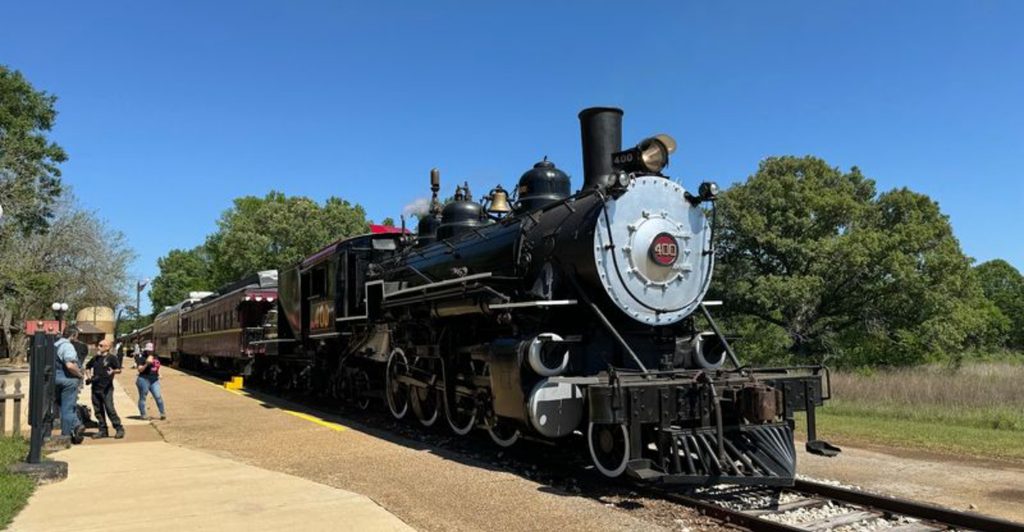
Train travel in Texas offers something special that highways and airports just can’t match. Whether you’re watching the Hill Country roll past your window or hearing a vintage steam engine chug to life, these rides bring back the romance of rail travel while showing off some of the state’s best scenery. From miniature trains that delight kids to cross-state routes connecting major cities, Texas has kept its railway heritage alive in ways both nostalgic and practical.
Pack a snack, grab your camera, and get ready to see the Lone Star State from a whole new perspective.
1. Texas State Railroad (Palestine / Rusk)
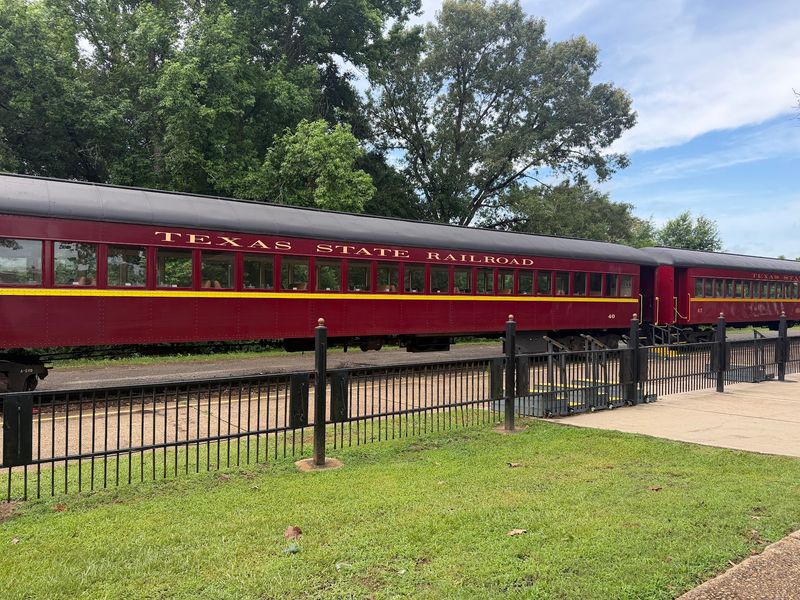
Riding through the Piney Woods of East Texas aboard a historic steam locomotive feels like stepping into a different era. The route stretches 25 miles between the small towns of Palestine and Rusk, crossing 24 bridges and cutting through dense forest that looks especially magical in fall. You’ll hear the whistle echo through the trees and feel the gentle sway of vintage passenger cars as the train chugs along at a relaxed pace.
The depot buildings at both ends are worth exploring before or after your journey. Palestine’s 1901 Victorian-style station houses a museum filled with railroad artifacts, old photographs, and equipment that tells the story of Texas rail history. Rusk’s depot is equally charming, surrounded by a state park perfect for picnicking after your ride.
Special themed rides run throughout the year, including holiday trains decked out in lights and characters, murder mystery dinners, and seasonal excursions timed to showcase spring wildflowers or autumn foliage. The railroad also offers first-class seating in climate-controlled cars if you prefer comfort over vintage authenticity, though the open-air cars give you the best views and photo opportunities.
Plan for a half-day trip since the round-trip journey takes about four hours including a layover at the opposite station. You can board at either Palestine or Rusk, and the railroad provides parking at both locations. Bring snacks and drinks since concessions are limited, though the experience of watching East Texas wilderness unfold at a leisurely 1800s pace makes any minor inconvenience worthwhile.
The gentle clickety-clack of the rails and the smell of coal smoke create memories that last long after you return home.
2. Grapevine Vintage Railroad (Grapevine / Fort Worth)
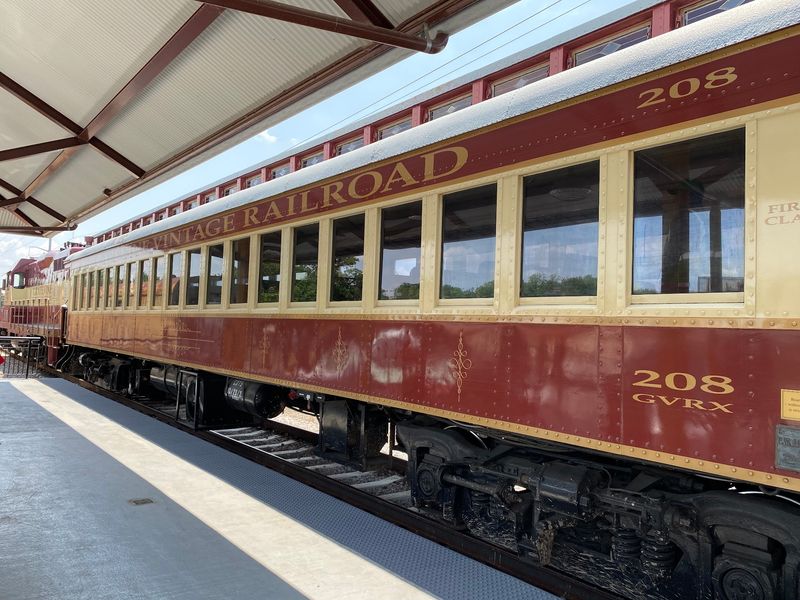
Victorian-era coaches pulled by antique locomotives make the journey between Grapevine and the Fort Worth Stockyards feel like a trip back to the 1890s. The trains themselves are the stars here, with meticulously restored cars featuring plush seating, polished wood interiors, and period-appropriate details that transport you to the days when rail travel meant elegance and style. Conductors in period costume punch your tickets and share stories about the railroad’s history as suburbs and prairies roll past your window.
The Fort Worth Stockyards destination adds another layer of fun to this excursion. Once you arrive, you’re steps away from cattle drive reenactments, Western shops, honky-tonks, and some of the best barbecue in North Texas. You can spend a few hours exploring before catching the return train, or make it a full day by timing your visit with the twice-daily longhorn cattle drive down Exchange Avenue.
Grapevine’s historic downtown also deserves exploration, especially if you board there. The depot sits in the heart of Main Street, surrounded by wine-tasting rooms, antique shops, and restaurants housed in century-old buildings. The town goes all-out for holidays, particularly Christmas when the entire downtown transforms into a Victorian winter wonderland complete with carolers and carriage rides.
Special event trains run frequently, from wine and cheese tastings to jazz brunches and Easter egg hunts. The North Pole Express during December books up months in advance, with Santa himself riding along to greet children. Regular excursions run year-round on weekends, with the hour-long journey offering plenty of time to soak in the vintage atmosphere without requiring a huge time commitment.
It’s close enough to Dallas-Fort Worth that you can easily make it a morning or afternoon adventure.
3. Forest Park Miniature Railroad (Fort Worth)
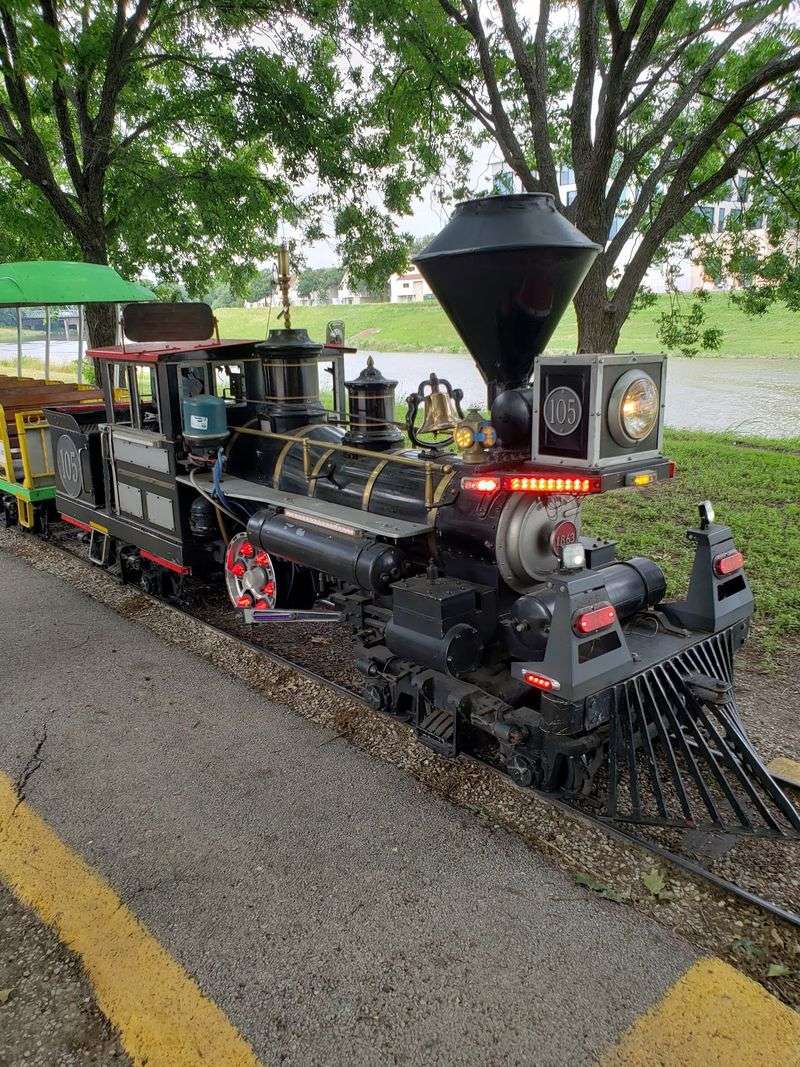
Tucked into Trinity Park near the Fort Worth Zoo, this pint-sized railroad has been delighting families since the 1950s. The quarter-scale train winds through three miles of track, crossing bridges, passing through tunnels, and offering glimpses of the Trinity River along the way. Kids absolutely love it, but adults often find themselves grinning just as wide when the little engine chugs around curves and toots its whistle.
The route takes about eight minutes to complete, threading through wooded areas that provide welcome shade during hot Texas summers. You’ll pass by the zoo’s perimeter where you might catch sight of giraffes or other animals, adding an unexpected bonus to the ride. The track layout includes several scaled-down trestles and a tunnel that echoes with delighted squeals when the train passes through.
What makes this railroad special is its accessibility and affordability. Tickets cost just a few dollars, making it an easy add-on to a zoo visit or a standalone activity that won’t break the bank. The trains run continuously throughout operating hours, so there’s rarely much of a wait.
Benches near the station let parents relax while older kids ride solo, and the whole setup has a nostalgic, low-key charm that feels refreshingly uncommercialized.
The railroad operates year-round except during severe weather, with extended hours in summer and special holiday rides featuring decorated trains and festive lights. Trinity Park itself offers plenty of other attractions including playgrounds, picnic areas, and the beautiful Botanic Garden nearby. You can easily fill an entire day in this corner of Fort Worth, but even a quick stop for a couple of train rides makes for a memorable outing.
The gentle pace and cheerful atmosphere remind you that not every adventure needs to be grand or expensive to be worthwhile.
4. Austin Steam Train – Hill Country Flyer (Cedar Park / Burnet)
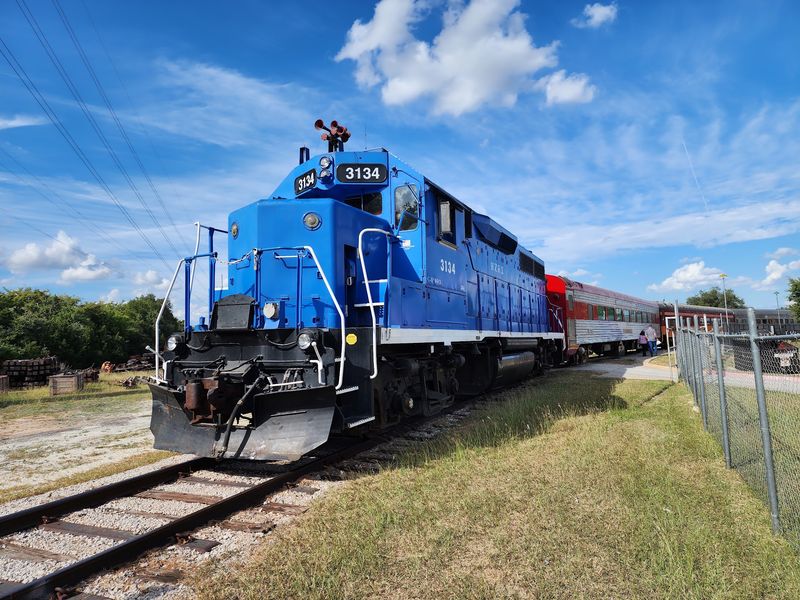
Rolling hills, limestone outcroppings, and fields of wildflowers create a stunning backdrop for this vintage steam train journey north of Austin. The Hill Country Flyer runs between Cedar Park and Burnet, covering 33 miles of scenic track that showcases Central Texas at its most beautiful. Depending on the season, you might see bluebonnets carpeting the hillsides, fall foliage painting the landscape in gold and rust, or the lush green that follows spring rains.
The train itself consists of restored 1960s passenger cars pulled by a diesel locomotive, with occasional appearances by historic steam engines during special events. Inside, you’ll find comfortable seating, large windows perfect for photography, and a laid-back atmosphere that encourages conversation with fellow passengers. The journey takes about two hours each way, with a layover in Burnet that gives you time to explore the charming downtown square.
Burnet’s historic courthouse anchors a town square lined with antique shops, cafes, and local boutiques. The layover lasts long enough for lunch at one of the local diners or a quick browse through the stores before reboarding for the return trip. Some passengers pack picnics to enjoy in the small park near the depot, soaking up the small-town atmosphere.
Special excursions add variety throughout the year, including wine trains featuring Texas vintages, murder mystery dinners, and the wildly popular North Pole Flyer during the holiday season. The railroad also offers first-class parlor car seating for those wanting a more upscale experience with complimentary refreshments and extra legroom. Regular weekend runs from March through November make this an accessible option for both locals and visitors.
The combination of scenic beauty, vintage charm, and genuine Hill Country hospitality creates an experience that captures the best of Central Texas.
5. Texas Transportation Museum – Longhorn & Western Railroad (San Antonio)
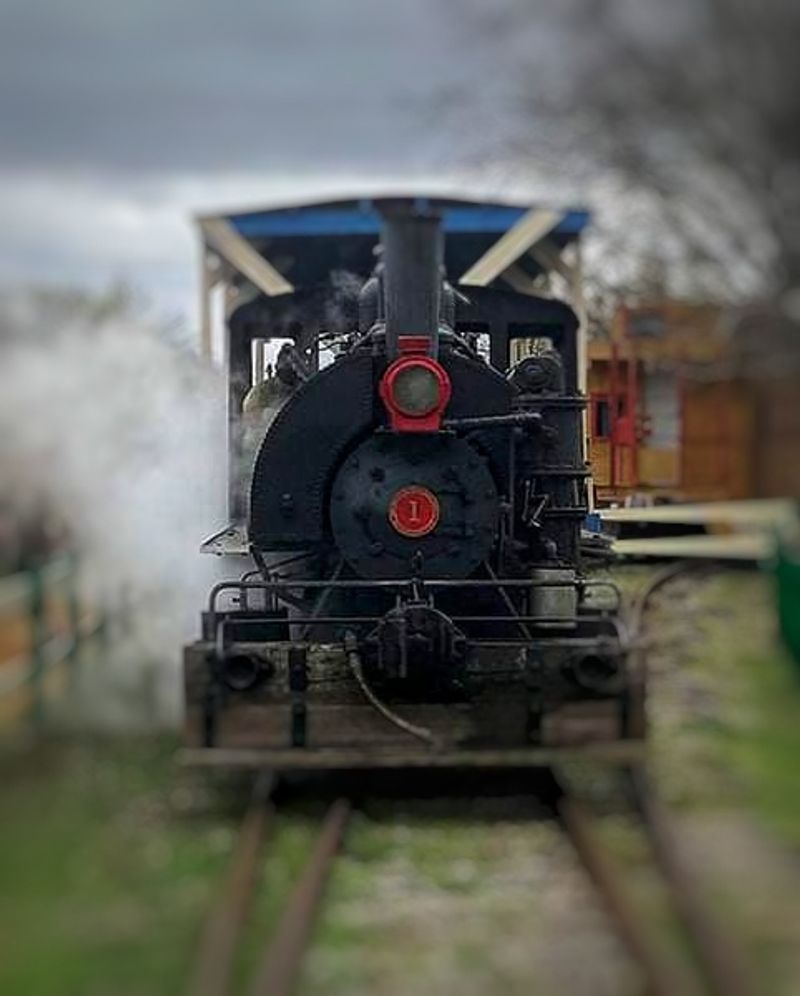
History comes alive at this living museum where volunteers keep vintage railcars running and share their passion for Texas transportation heritage. Located northeast of San Antonio, the museum houses an impressive collection of locomotives, cabooses, and passenger cars spanning different eras of rail travel. But the real treat is the Longhorn & Western Railroad, a short excursion line that lets you experience these historic trains in motion rather than just viewing them as static displays.
The ride itself covers about a mile of track, winding through the museum’s 18-acre property. While shorter than other entries on this list, the experience offers something unique: up-close access to the equipment and the chance to chat with knowledgeable volunteers who actually operate and maintain these machines. Many are retired railroad workers or lifelong enthusiasts who love sharing stories about the golden age of rail travel and the specific history of each piece in the collection.
Beyond the train ride, the museum grounds reward exploration. You can climb aboard various railcars, peek into restored cabooses, and see maintenance work happening in real time. A miniature railroad also operates on certain days, delighting younger visitors who might find the full-size equipment intimidating.
The hands-on, informal atmosphere makes this feel less like a polished tourist attraction and more like visiting railroad-obsessed relatives who happen to own amazing vintage equipment.
The museum operates primarily on weekends, with volunteer availability determining exact schedules. Admission is remarkably affordable, often just a few dollars for both museum access and train rides. Special events throughout the year include Day Out With Thomas, holiday trains, and railroad history presentations.
Because it’s run by volunteers rather than a commercial operation, hours can vary, so checking their schedule before visiting is wise. The genuine enthusiasm of the staff and the chance to experience working historic equipment make this a hidden gem for railroad fans and families alike.
6. Amtrak Texas Eagle (Dallas / Austin / San Antonio)
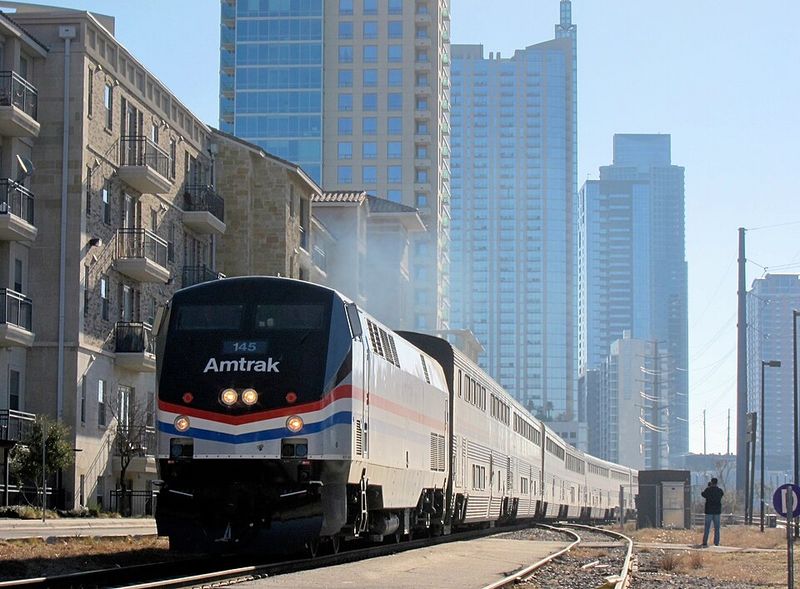
Connecting major Texas cities with Chicago and points north, the Texas Eagle offers a completely different kind of rail adventure: practical long-distance travel with scenic benefits. The route cuts through the heart of Texas, linking Dallas, Fort Worth, Austin, San Antonio, and smaller towns along the way. Unlike tourist excursions, this is real transportation that happens to provide great views and a relaxed alternative to driving or flying.
Traveling by Amtrak gives you the freedom to move around, work on your laptop, enjoy a meal in the dining car, or simply watch the landscape change as you cross different regions of the state. The seats offer significantly more legroom than airlines, and you can bring full-size luggage without baggage fees. Sleeping car options on overnight segments provide private rooms with beds, though day trips between Texas cities work perfectly well in coach seating.
The route between Austin and San Antonio is particularly scenic, following the Balcones Escarpment where the Hill Country begins. You’ll see limestone cliffs, spring-fed creeks, and terrain that’s difficult to appreciate from the interstate. North of Austin, the train passes through smaller communities like Temple and McGregor, offering glimpses of small-town Texas that highway travelers miss entirely.
Practical considerations matter here. The Texas Eagle runs daily in both directions, but schedules can be quirky with some arrivals and departures happening late at night or early morning. Delays occasionally occur since freight trains have priority on the tracks.
However, the trade-off is a stress-free journey where someone else handles the driving while you read, nap, or catch up on work. It’s also surprisingly affordable, often competitive with gas costs for driving, especially if you book in advance. The cafe car serves decent snacks and beverages, though many passengers bring their own food.
For anyone wanting to experience train travel as actual transportation rather than just entertainment, the Texas Eagle delivers authentic American rail service with a Texas twist.
7. Trinity Railway Express (Dallas / Fort Worth)
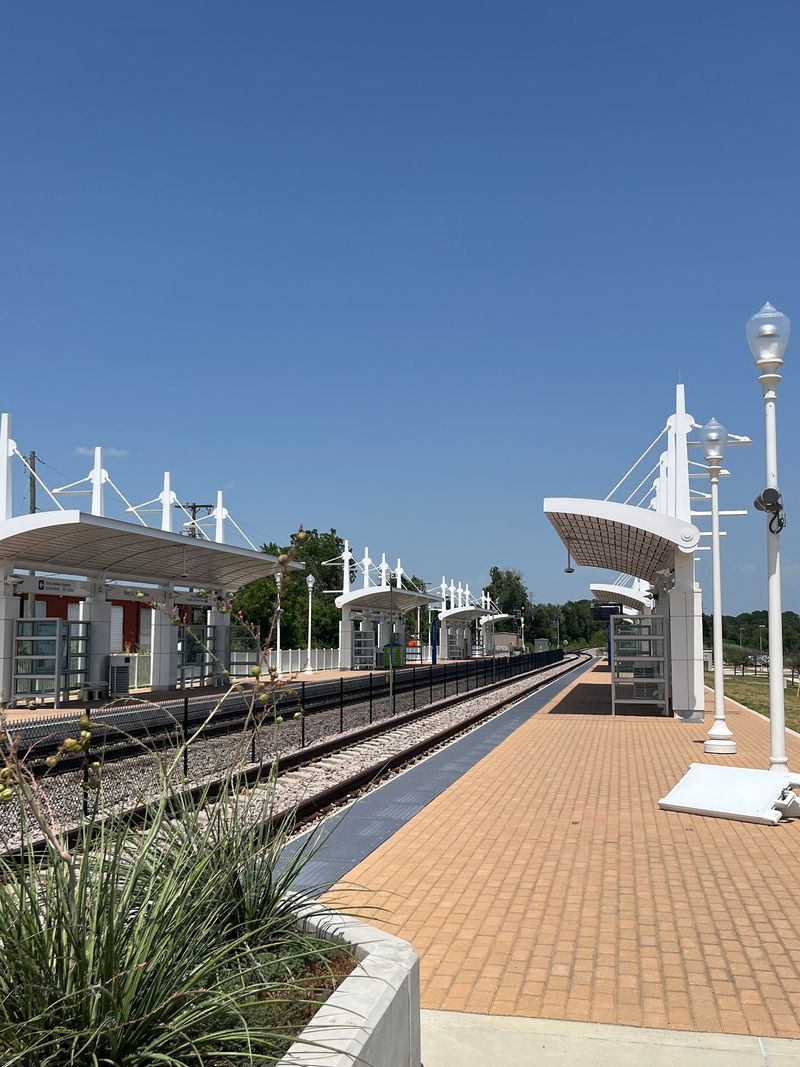
Commuter rail might not sound adventurous, but the TRE connecting Dallas and Fort Worth proves that everyday transportation can offer its own kind of discovery. This diesel-powered train makes multiple stops between the two cities, providing an easy way to explore both urban centers without dealing with traffic on Interstate 30. You can board in downtown Dallas, ride for about an hour, and step off in the heart of Fort Worth’s cultural district or near the Stockyards.
The route follows a historic rail corridor that’s been moving people and goods between these cities for over a century. Along the way, you’ll pass through Arlington, home to major sports venues and entertainment complexes, and several other communities that form the urban fabric of the Metroplex. Large windows let you observe the gradual transition from Dallas’s glass towers to Fort Worth’s more Western-influenced architecture and vibe.
Using the TRE opens up car-free exploration possibilities that most visitors never consider. You can catch a Rangers game in Arlington, visit the Fort Worth museums, or bar-hop in Deep Ellum without worrying about parking or designated drivers. Trains run frequently on weekdays for commuters, with reduced but still useful weekend service.
The fare is remarkably cheap compared to rideshares or parking fees in either downtown.
The stations themselves range from basic platforms to architecturally interesting transit centers. Fort Worth’s Intermodal Transportation Center connects to local buses and the downtown trolley system, making it easy to reach restaurants, museums, and the Stockyards without additional transportation. Dallas’s Union Station is a beautiful Art Deco building worth exploring even if you’re not catching a train.
While the TRE lacks the romance of steam engines or vintage coaches, it demonstrates that train travel can still be relevant and useful in modern Texas. Sometimes the best adventures are the ones that also get you where you need to go efficiently and affordably.
Share this story