Texas knows how to feed people right, and nothing shows that better than planning a whole weekend around smoky brisket and all-you-can-eat spreads. From famous pit masters who’ve been cooking the same way for generations to buffets loaded with everything from tacos to fried catfish, the Lone Star State turns eating into an adventure. Whether you’re cruising through small towns with legendary barbecue joints or exploring big cities with endless dining options, these trips let you taste your way through Texas.
Pack your appetite and get ready to discover why Texans take their food so seriously.
1. Houston: Diverse BBQ Scene and Global Buffets
Houston’s food scene reflects every corner of the globe, making it a paradise for anyone who loves variety. The city’s barbecue joints range from old-school Texas traditions to Korean-style fusion spots where brisket meets kimchi. You’ll find pitmasters who’ve perfected their craft over decades alongside newcomers putting creative spins on classic techniques.
The buffet options here stretch far beyond typical American fare. Vietnamese restaurants offer steaming pho bars, Indian spots serve endless curry selections, and Brazilian churrascarias bring meat right to your table. One weekend isn’t enough to sample everything, but you can make a serious dent in the highlights.
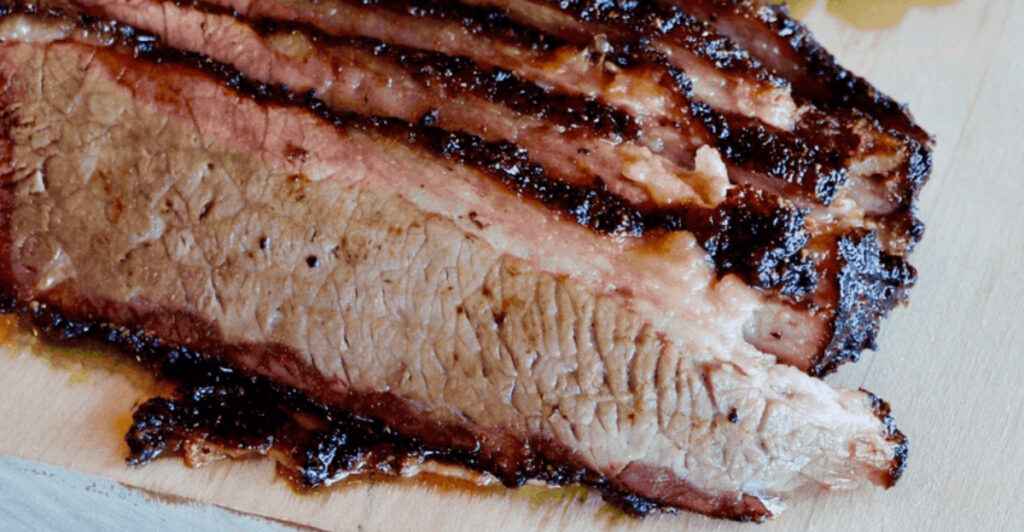
Start Saturday morning at one of the legendary barbecue spots where lines form early. Grab brisket that melts on your tongue, ribs with bark that cracks perfectly, and sausage links bursting with flavor. Many places sell out by afternoon, so arriving before noon makes sense.
After working up another appetite exploring museums or parks, hit an international buffet for dinner. Houston’s massive immigrant population means authentic food from dozens of countries lines up under heat lamps. You might try Ethiopian injera, Filipino lumpia, and Mexican mole all in one sitting.
Sunday can focus on different neighborhoods entirely. The East End offers Tex-Mex buffets with breakfast tacos and migas, while Chinatown presents dim sum carts and hot pot restaurants. Midtown and Montrose hide smaller barbecue gems worth discovering.
The beauty of Houston lies in its lack of pretension. Nobody cares what you’re wearing or where you came from when good food sits in front of you. Just bring your appetite and an open mind.
2. Lockhart to Luling Loop: Small Town BBQ Trail
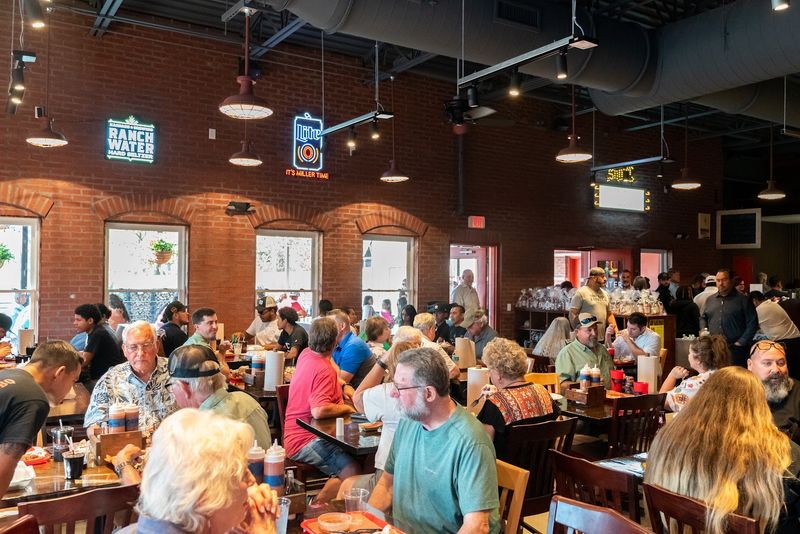
Driving between Lockhart and Luling creates a barbecue pilgrimage that serious meat lovers dream about. These small towns sit less than thirty miles apart, connected by back roads that wind through ranch land and pecan groves. Each stop on this loop has earned its reputation through generations of smoking meat the right way.
Lockhart claims the title of Texas Barbecue Capital, and four legendary spots compete for your attention there. You can taste the differences between them—some use all post oak, others mix in different woods, and each has secret rubs passed down through families. The buildings themselves tell stories, with smoke-stained walls and worn wooden tables that have hosted countless meals.
Luling brings its own flavor to the mix with City Market, where butcher paper-wrapped packages of barbecue emerge from pits that never cool down. The town also celebrates its oil heritage with decorated pump jacks painted like characters, giving you something to photograph between meat sweats. Watermelon festivals happen here in summer, adding another layer to the food experience.
Plan this trip for a Saturday when everything’s open and crowds gather. Start early in Lockhart with breakfast tacos, then hit the first barbecue joint around 10:30. Space out your stops with walks around town squares and antique shops.
These places weren’t built for tourists—they serve locals who’ve been coming for decades.
The drive itself offers charm most highways lack. You’ll pass cattle grazing, old farmhouses, and roadside produce stands selling pecans and honey. Rolling your windows down lets the Texas breeze in, and country music on the radio completes the scene.
Bring cash since some spots don’t take cards, and wear loose pants because you’ll need the room.
3. San Antonio: Historic City with Deep BBQ Roots
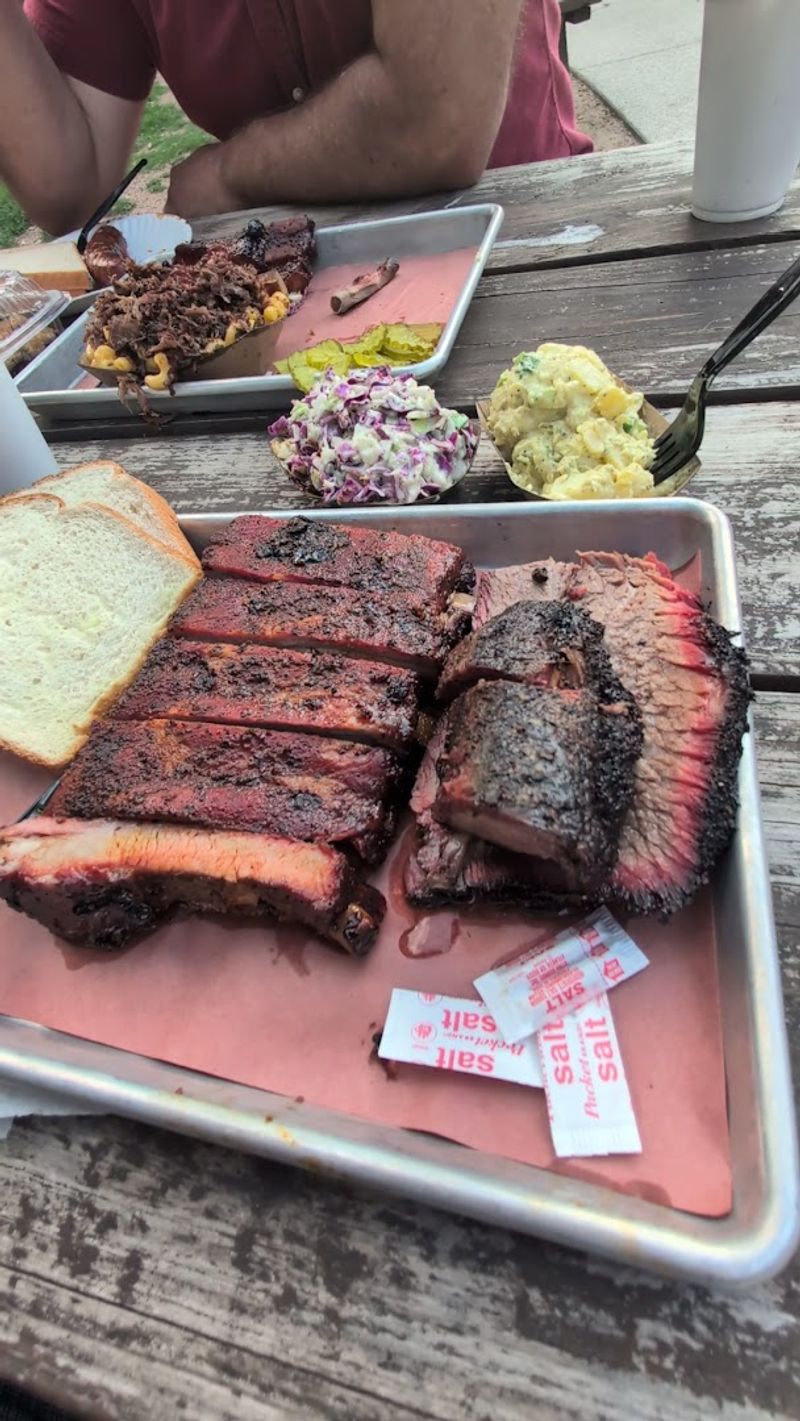
San Antonio blends centuries of history with serious barbecue culture, creating a weekend destination that satisfies both mind and stomach. The River Walk gets all the attention from tourists, but locals know the real gems hide in neighborhoods where smoke billows from backyard-style pits. Mexican and German influences shaped how San Antonio approaches meat, resulting in unique flavors you won’t find elsewhere.
Downtown offers convenient options where you can walk from the Alamo to lunch without breaking a sweat. Several spots near the missions serve brisket alongside puffy tacos and handmade tortillas. The combination makes perfect sense here—Texas barbecue meets Tejano cooking in ways that honor both traditions.
Venture into neighborhoods like Southtown or the East Side for family-run places that’ve been smoking meat since before food became trendy. These joints often operate from converted houses or small storefronts, with picnic tables under oak trees and cold drinks in coolers. Prices stay reasonable, and portions come generous enough to share.
Buffets in San Antonio lean heavily toward Tex-Mex, with some spots offering all-you-can-eat fajitas, enchiladas, and fresh salsa bars. Hotel zones near the airport have Brazilian and Asian buffets, but the local flavor shines brightest at places serving regional specialties. Don’t skip the breakfast buffets—migas, chorizo, and fresh flour tortillas set you up right for a day of exploring.
The city’s size means you need a car to hit the best spots, though downtown stays walkable. Plan your route to include historic sites between meals, letting missions and museums break up the eating. The San Antonio Zoo and Japanese Tea Garden offer pleasant afternoon activities when you need to walk off lunch before dinner.
Summer heat gets intense, so spring and fall weekends work best for this trip.
4. Hill Country Drive: Scenic Routes and Pit Stops
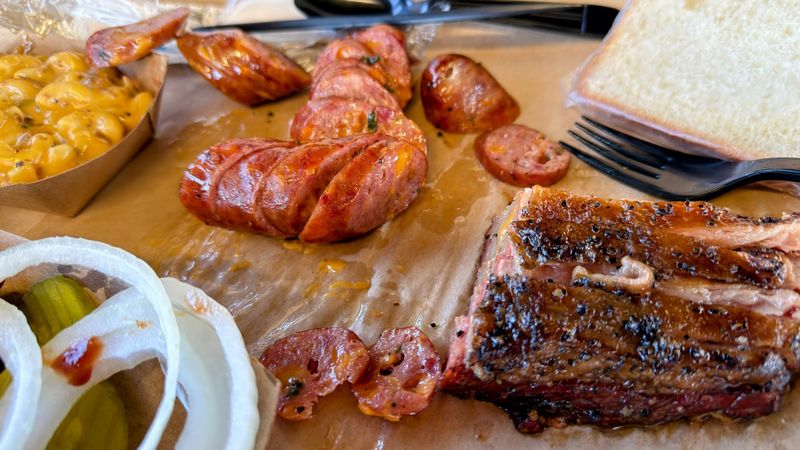
Winding through the Hill Country transforms eating barbecue into a proper road trip adventure. The landscape shifts from flat prairies to rolling hills covered in live oaks and cedar, with rivers cutting through limestone cliffs. Small towns dot Highway 281 and surrounding farm roads, each one hiding at least one place that smokes meat worth stopping for.
Fredericksburg anchors the northern end of this route with German heritage that shows up in sausage recipes and beer gardens. You can tour wineries between barbecue stops, though mixing wine and brisket takes commitment. The town square bustles with shops selling everything from handmade boots to lavender products.
Heading south through Blanco and Johnson City leads to more intimate experiences. Some of the best barbecue comes from gas stations or tiny shacks where the pitmaster might be the only employee. These places don’t advertise much—locals just know where to go, and smart visitors follow the smoke.
Bandera calls itself the Cowboy Capital and delivers on that promise with rodeos and dude ranches. The barbecue here leans traditional, with simple salt and pepper rubs letting the meat speak for itself. After lunch, you can float the Medina River or explore state parks with hiking trails and swimming holes.
Comfort and Boerne offer more polished experiences without losing authenticity. Historic buildings house restaurants where you can sit inside with air conditioning, though most Texans still prefer outdoor seating even in summer. Antique stores and art galleries give you something to browse while digesting.
This trip works best as a two-day loop, sleeping in Fredericksburg or Kerrville. Pack a cooler for drinks and snacks since some stretches lack services. The scenery alone justifies the drive, but stopping every hour for another plate of ribs makes it unforgettable.
5. Lockhart: The Barbecue Capital
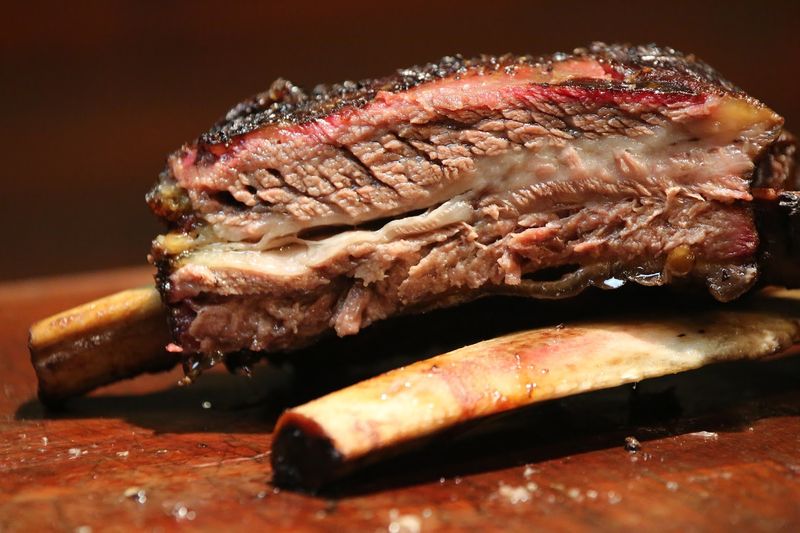
Lockhart earned its barbecue crown through decades of competition between four legendary establishments that refuse to compromise. This town of about 13,000 people draws visitors from around the world who make pilgrimages specifically to eat here. Walking down the main square, you’ll smell smoke in the air and see people carrying packages wrapped in butcher paper back to their cars.
Each of the big four offers something different. One place serves meat on trays without plates, continuing a tradition from when it operated as a meat market. Another keeps its original 1900s pit and serves everything cafeteria-style.
The third focuses on perfectly seasoned sausage that snaps when you bite it. The fourth balances innovation with tradition, adding new items while respecting old methods.
Arriving hungry makes sense because you’ll want to try multiple spots. Most locals hit two or three in one visit, ordering smaller portions at each to compare. The meat comes simply—sliced brisket, pork ribs, sausage links, and maybe turkey or pulled pork.
Sides stay basic too: beans, potato salad, coleslaw, pickles, and onions.
Beyond barbecue, Lockhart offers a charming town square with the historic courthouse as its centerpiece. Antique shops, a bookstore, and local boutiques provide afternoon entertainment between meals. The Caldwell County Jail Museum shows what Texas law enforcement looked like in the 1800s, complete with original cells.
Weekends get crowded, especially during festivals or holidays when lines stretch out the door. Weekday visits offer shorter waits but might mean some places run out of certain meats earlier. Most spots open for lunch only, closing by mid-afternoon once they sell out.
Budget at least half a day here, more if you want to properly digest between stops. Bring cash and an empty stomach ready to understand why Texas takes its barbecue so seriously.
6. Dallas to Fort Worth: Urban BBQ and Buffet Diversity
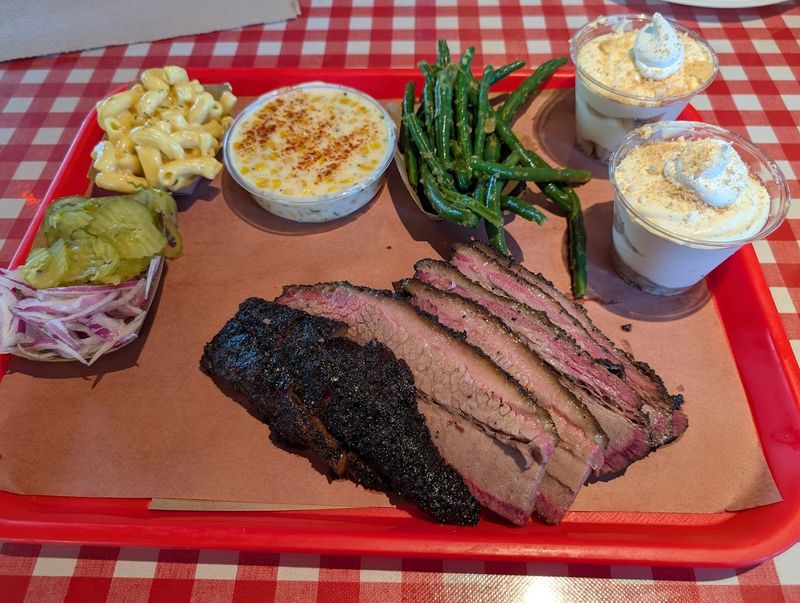
The Metroplex offers big-city barbecue variety that smaller towns can’t match, with dozens of spots ranging from fancy restaurants to no-frills joints. Dallas trends toward polished presentations and creative sides, while Fort Worth keeps things more traditional and cowboy-casual. The thirty-mile stretch between them contains enough eating options for a month of weekends.
Dallas barbecue evolved beyond simple meat and bread, with chefs trained in fine dining applying their skills to smoking techniques. You’ll find brisket served with kimchi, tacos filled with chopped beef, and sides that change seasonally. The city’s diverse population means fusion happens naturally—Vietnamese restaurants smoke their own meats, and Mexican spots offer barbacoa alongside Texas-style brisket.
Fort Worth embraces its Western heritage with restaurants near the Stockyards where you can watch cattle drives before lunch. The barbecue here tastes straightforward and honest, with thick slices of brisket and ribs that don’t need fancy sauces. Several legendary spots have served the same recipes for fifty-plus years.
Buffets in both cities span every cuisine imaginable. Indian restaurants offer lunch buffets with tandoori meats and curry selections. Chinese spots wheel out dim sum carts on weekends.
Brazilian steakhouses bring endless skewers of beef, pork, and chicken to your table. Some barbecue restaurants even offer buffet-style service during lunch hours.
Planning this trip requires strategy since traffic can eat up time. Stay in one city and explore thoroughly, or split your weekend between both. Each has distinct neighborhoods worth visiting—Deep Ellum and Bishop Arts in Dallas, the Stockyards and Near Southside in Fort Worth.
Both cities offer plenty of non-food activities too. Museums, professional sports, live music venues, and shopping districts keep you entertained between meals. Just remember that Texas portions run large, so pace yourself accordingly throughout the weekend.
7. Texas Triangle BBQ Drive: Austin to Taylor to Elgin
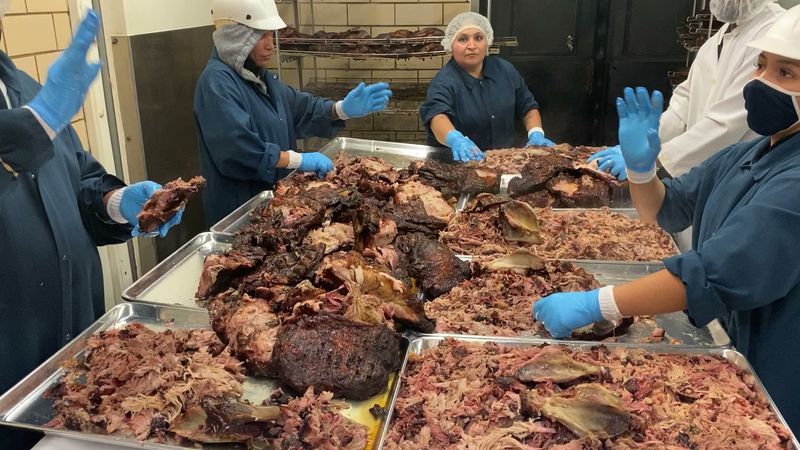
his Central Texas route has quietly become one of the most satisfying barbecue drives in the state, linking together three towns that each bring something different to the table. Starting in Austin, you can ease into the trip with a mix of modern barbecue spots and long-standing favorites before heading out into smaller towns where tradition still leads the way.
The drive from Austin to Elgin is short but rewarding, with Elgin long known as the “Sausage Capital of Texas.” Old-school meat markets and smokehouses here focus on classic techniques—simple seasoning, slow smoking, and recipes that haven’t changed much in decades. It’s the kind of place where locals line up early, not for hype, but because they know exactly what they’re getting.
From Elgin, the road to Taylor feels like a step deeper into Texas barbecue culture. Taylor has built a reputation as a destination for serious barbecue fans, with spots that consistently rank among the best in the state. Here, brisket is the main event—smoked low and slow until it’s tender enough to fall apart with a glance.
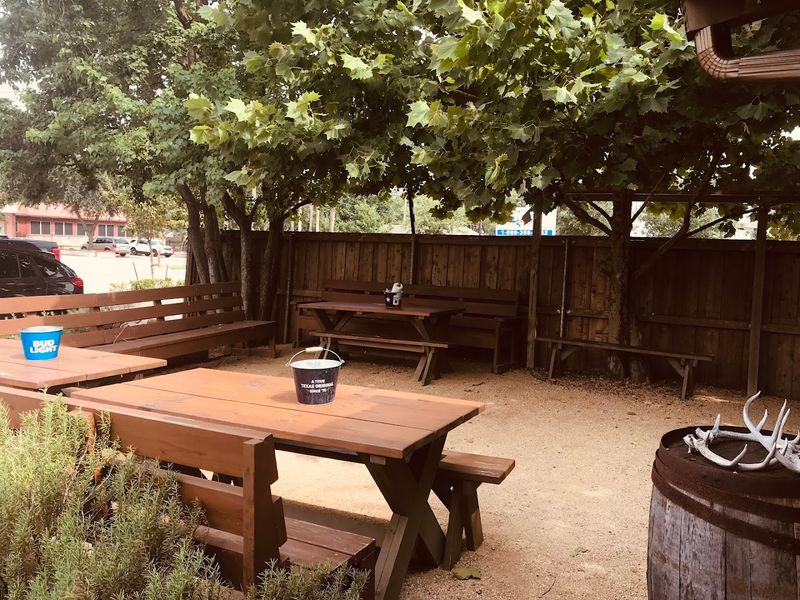
The atmosphere is no-frills, with picnic tables, butcher paper, and a focus entirely on the food.
What makes this drive stand out is how manageable it is. You’re not spending hours behind the wheel, which means more time eating and less time driving. Each stop feels distinct, yet connected by a shared respect for barbecue tradition.
Locals appreciate this route because it delivers quality without the chaos of more crowded destinations. It’s not about chasing the biggest names—it’s about finding consistently great barbecue in places that still take pride in doing things the right way.
Share this story