Texas state parks are full of gorgeous trails, clear water, and big open skies. They are also home to snakes, and most visitors never think about that until one slides across the path. Knowing what lives where makes your trip safer and a lot more fun.
Here are eight beautiful parks where a little snake smarts goes a long way.
1. Brazos Bend State Park (Needville)
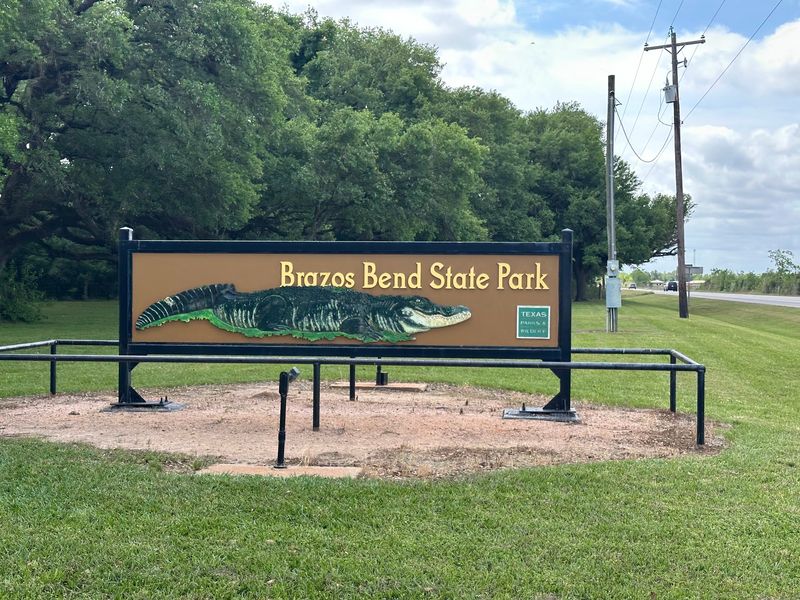
Picture a quiet boardwalk, a sleepy alligator on the bank, and a thin shape gliding through the water beside it. That is a normal morning at Brazos Bend. The wetlands here are a magnet for wildlife, and snakes love the same wet, grassy edges that birds and frogs do.
Water snakes are the usual crowd near the lakes. Many are harmless, but they can look a lot like cottonmouths to a nervous hiker. Cottonmouths do live in wet Gulf Coast country, so the smart move is to give any snake a wide berth and never guess.
Stay on the marked trails and boardwalks. Tall grass along lake edges is where trouble hides, and stepping off the path to chase a better photo is how most close calls begin. Keep your eyes on the ground ahead, especially where the trail narrows.
Warm, humid days bring out the most activity. Early mornings and late afternoons are when reptiles tend to move around, so those are the times to walk a little slower and look a little harder. A pair of sturdy closed-toe shoes is a smart choice here.
Fun fact: the park is famous for stargazing as well, thanks to its big dark sky. If you stay for an evening observatory night, bring a flashlight and use it on the path. Snakes are often active after sunset, and a good beam of light keeps surprises off your shoes.
Kids will love the wildlife, so make a family rule early: look with your eyes, never with your hands. Teach everyone to pause, step back, and let the animal move along. Do that, and Brazos Bend is a treat instead of a scare.
Also pack water and a charged phone. Cell signal can be spotty in low areas, and knowing where the nearest park headquarters is gives you peace of mind. Park staff are happy to share where wildlife has been spotted lately.
2. Colorado Bend State Park (Bend)
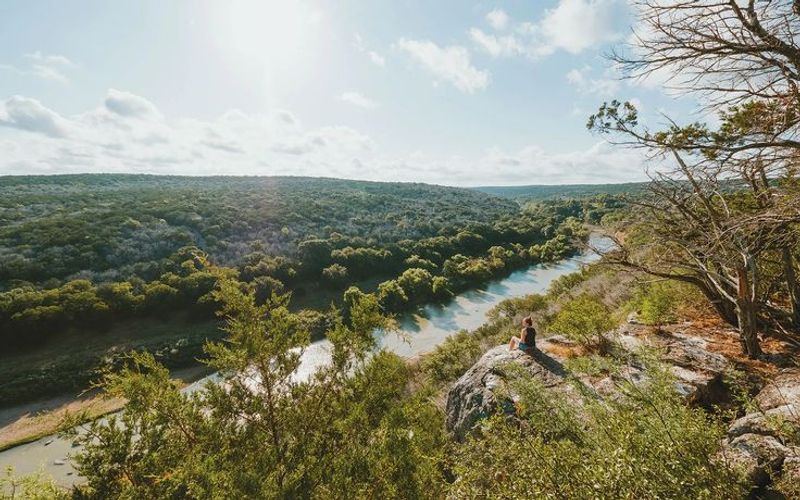
Rugged limestone, hidden caves, and a waterfall that feels like a secret: Colorado Bend has the kind of scenery that makes you forget to watch your feet. That is exactly when a rattlesnake gets its chance to teach a lesson. Rocky ground like this gives snakes plenty of warm places to rest.
Gorman Falls is the star, and the trail to it is rocky and uneven. Snakes love sunning on flat stones and tucking into crevices. Always look before you step over a log or reach for a ledge to steady yourself.
Caves and rock shelters add another layer. Wild caving tours are run by park guides, and going with a guide is the right call. Poking around dark crevices alone is a bad plan in snake country.
Summer heat pushes snakes to move at dusk and after dark. If you are camping, a flashlight near the tent and shoes zipped inside at night will save you a jumpy morning. Shake out boots before slipping them on.
Hiking poles help here. Tapping the trail ahead gives a snake a nudge to move away, and it keeps your hands free of brush. Sticking to the center of the path is safer than hugging the edges.
The river is a joy for paddling and fishing, but watch the banks. Water snakes and other species hang around the shoreline, and tangled roots hide them well. Keep your hands out of holes and brush.
If you do meet a snake, freeze, then back away slowly. Give it plenty of space, at least a few big steps, and it will almost always go its own way. Staying calm is your best tool.
3. Palmetto State Park (Gonzales)
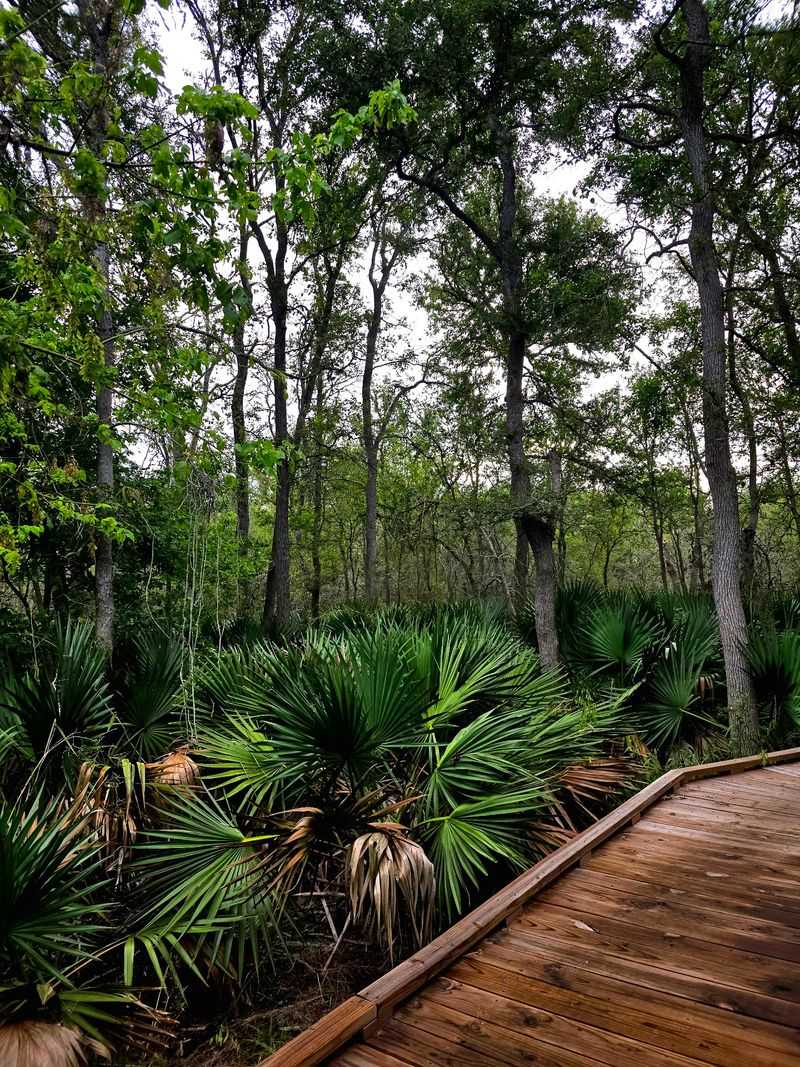
Walk in under the dwarf palmettos and the whole place feels like a pocket of the tropics dropped into central Texas. It is green, damp, and shady. That cool, moist setting is just what plenty of snakes like, too.
The park sits along the San Marcos River and has a small swamp-like area. Wet ground means frogs, and frogs mean hungry snakes nearby. Harmless water snakes are common, but cottonmouths and other venomous types can also turn up in spots like this.
Thick ground cover is the main trouble. Palmetto fans hide the soil, so you cannot always see what is under them. Keep to the trail, and skip the urge to push leaves aside with your bare hand.
Morning mist and shade mean snakes may be out even when the day is not hot. Do not assume they only show up at noon. Stay alert from the moment you step out of the car.
Fishing along the river is popular, so watch your footing on the bank. Muddy edges, roots, and fallen branches are all spots where a snake could rest. Wear boots rather than flip-flops, and use your light after dark.
The park is also known for its quiet. That is lovely, but it means a snake has no reason to flee early because nobody is making noise. Walk with a steady step, and the ground vibrations tell animals you are coming.
With a bit of care, this is a peaceful place for a picnic and a slow wander. Bring bug spray, a hat, and a sharp eye.
4. Caprock Canyons State Park (Quitaque)
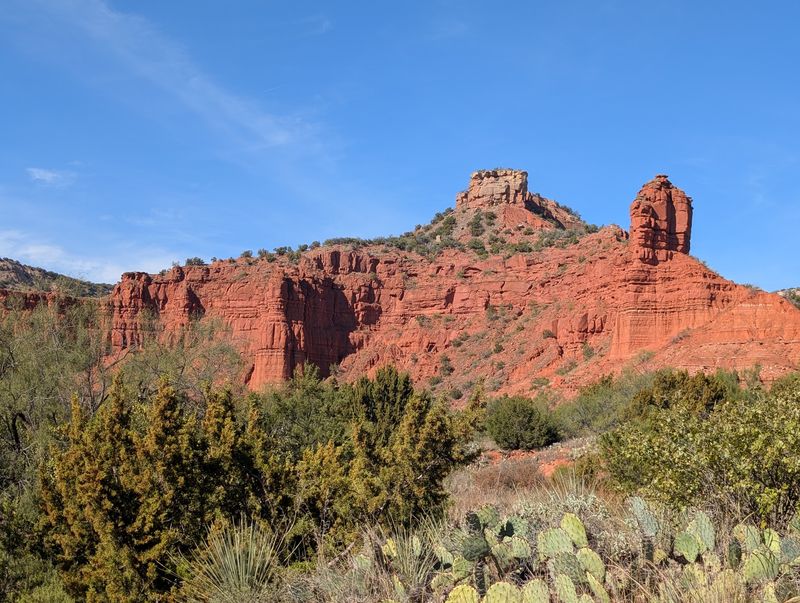
Red cliffs, wide-open sky, and a herd of bison wandering through: Caprock Canyons looks like a postcard from another era. The beauty can trick you into staring up while the real action is down at your boots. Prairie rattlesnakes call this country home.
The canyon walls and rocky slopes soak up the sun, which snakes appreciate. Trails like those leading toward the canyon floors have loose stones and grassy edges. Both are favorite hideouts.
Spring and fall are the busy seasons for snake movement in the Panhandle plains. Cooler mornings can find them sunning on the trail to warm up. Look ahead as you walk, and scan the trail in front of you every few steps.
Hikers and mountain bikers share many routes here. Bikers move fast and quietly, so slow down on blind curves. A coiled snake across the trail can be hard to spot at speed.
Horseback riders know another risk: a spooked horse. Keep the animal calm and steer around any snake at a good distance. If you ride, tell your group what you see right away.
Fun fact: this park is home to the official Texas State Bison Herd, so you will have plenty of other wildlife to watch. Remember to keep a safe distance from those big animals, too. Looking is great, touching is a no.
Bring more water than you think you need, since shade is scarce. Tired and thirsty hikers make mistakes. A rested, aware hiker spots the snake long before it spots them.
5. Dinosaur Valley State Park (Glen Rose)
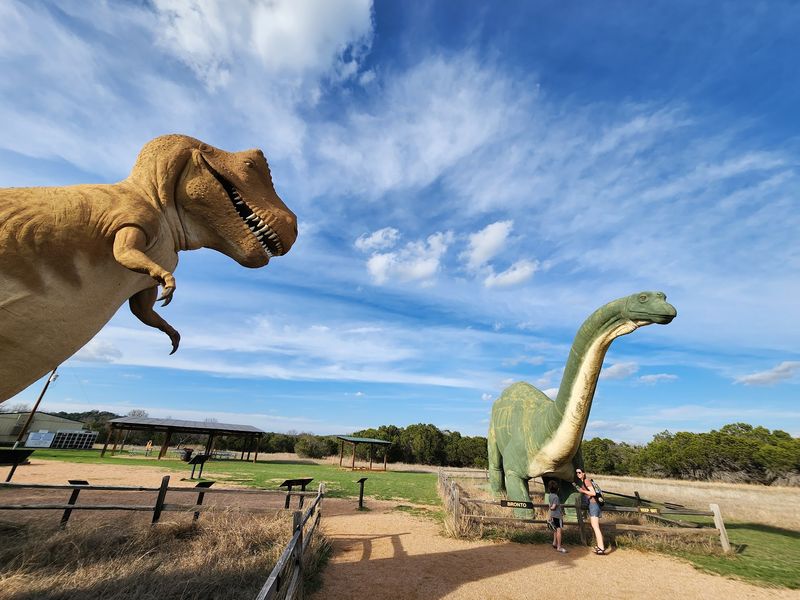
Kids come here hoping to stand in a real dinosaur footprint. What they should also know is that modern reptiles share the neighborhood. The Paluxy River and rocky hills make a comfortable home for several kinds of snakes.
Along the riverbanks, water snakes are common. They slip between rocks and swim across pools in plain view. Most are harmless, yet some look alike, so treat each one with respect and keep your distance.
The hillside trails are another story. Limestone ledges and cedar brush are classic rattlesnake territory. Hikers heading up for the views should keep hands off ledges they cannot see over.
Tracks are best seen when the river is low, which means hot, dry weather. That is the same weather that sends snakes looking for shade and water. Watch under bushes and near shaded rocks by the water.
Wading is part of the fun, so wear water shoes with a good grip. They protect your feet from sharp rock and give you better footing. Look into each step before you take it.
If you bring little ones, keep them close and set a rule about not picking up rocks. Turning stones is a classic way to meet a snake the hard way. Let them be fossil detectives with their eyes instead.
Stay on marked trails and check the park board for recent wildlife notes. A little planning keeps the adventure about the dinosaurs.
6. Choke Canyon State Park (Calliham)
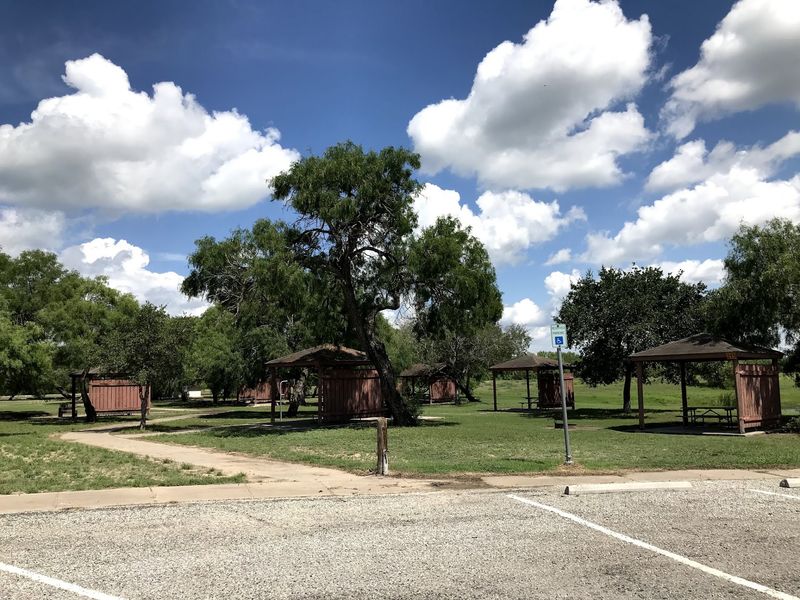
South Texas brush country has its own wild rhythm, and Choke Canyon sits right in the middle of it. Mesquite, prickly pear, and thorny thickets stretch out beside a big reservoir. It is a birder’s dream and a snake’s comfortable neighborhood.
The warm climate keeps reptiles active for much of the year. Western diamondbacks and other brush-country snakes can turn up on trails, along roads, and near campsites. Even a mild winter day can bring one out to bask.
Brush makes the problem harder. Thick thorny plants limit your view, and paths wind through tight spots. Slow down at bends and use your eyes before your feet.
Camping here is a highlight, with wildlife stopping by at all hours. Keep your campsite tidy, since scraps and clutter draw rodents, and rodents draw snakes. Store food well and keep gear off the ground.
Fishing along the shore is another favorite pastime. Wear closed shoes, and avoid sticking your hands into brush piles or under logs. A long-handled net is better than reaching for a lost lure in tall weeds.
Night brings more action. Carry a flashlight on bathroom trips, and watch where you stand before you sit on a log or rock. Most snake bites happen when people are surprised, so light is your friend.
Fun fact: the area is known for wildlife viewing, from javelinas to rare birds. Enjoy it all, and give every creature room.
7. Lake Somerville State Park & Trailway (Somerville)
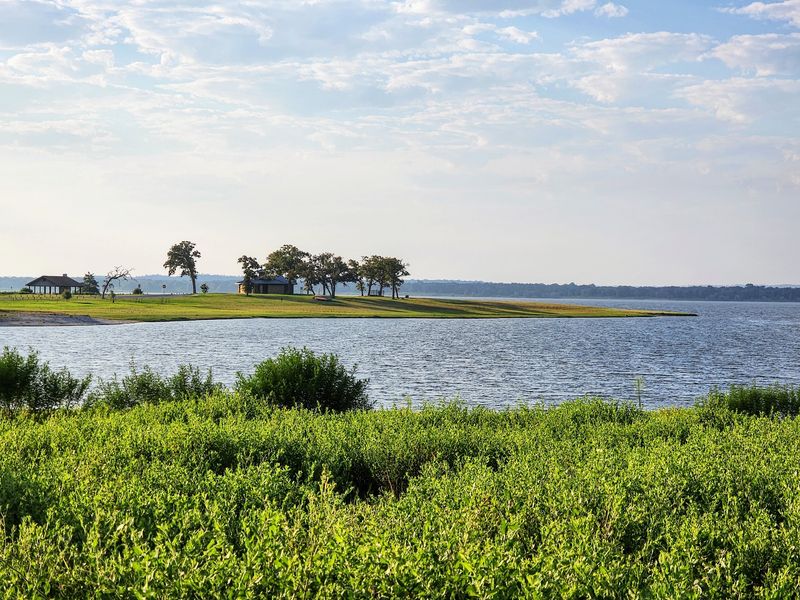
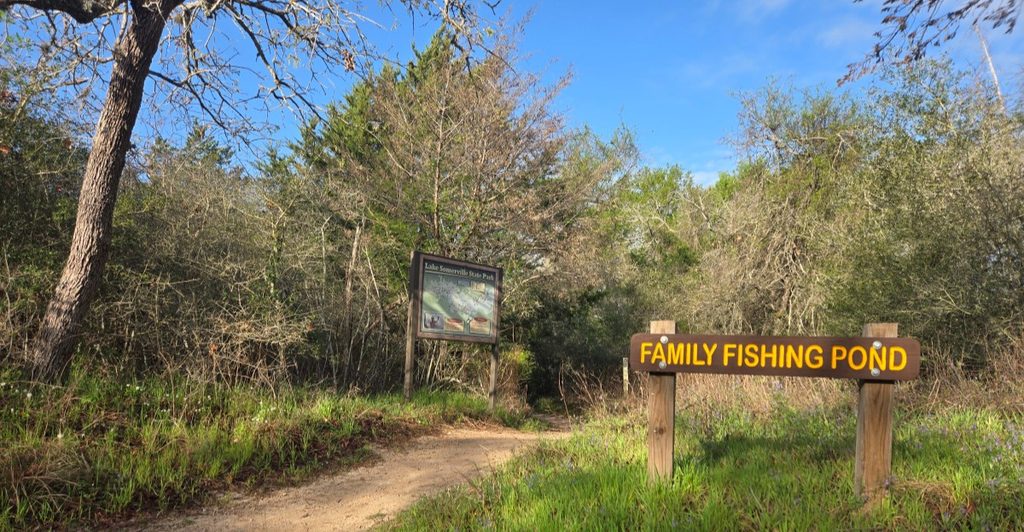
Long forest trails, quiet coves, and plenty of shade make Lake Somerville a favorite for hikers and riders. The same woods hold a wide mix of wildlife. Snakes are part of the package, from rat snakes in the trees to copperheads in the leaf litter.
The trailway stretches for miles, which gives you lots of chances to meet them. Fallen leaves are great camouflage, so a copperhead can blend in almost perfectly. Look closely at the ground, especially near logs and stumps.
Equestrians, bikers, and runners all share the paths. If you move fast, your warning time shrinks. Slow down a notch in wooded sections, and take a moment on shady, damp stretches.
Lake edges draw water snakes, which hunt fish and frogs near the shore. Paddlers should be careful when pulling a kayak into brushy banks. Branches overhead sometimes hold a snake resting in the sun.
Campers will want to be tidy. Zip tents, keep shoes inside, and check chairs before sitting. Woodpiles are favorite hiding spots, so grab firewood with gloves and look first.
Spring wildflowers make this a pretty place to visit, and that is when many snakes wake up and start moving. Cool mornings can find them stretched across sunny patches of trail. A quick look ahead saves a lot of drama.
Bring a friend, tell someone your route, and enjoy the quiet. A calm walk and a watchful eye are all you need.
8. Pedernales Falls State Park (Johnson City)
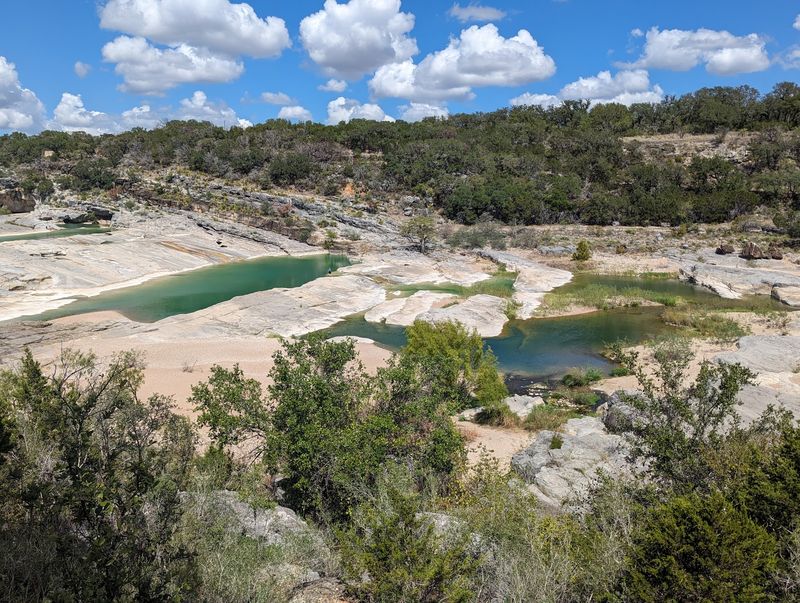
Smooth limestone slabs, rushing water, and shady cypress trees make Pedernales Falls one of the prettiest spots in the Hill Country. Hikers crawl across those rock shelves for photos all day long. Snakes use the same warm stone to soak up heat.
Rocky crevices and brush near the river are common hiding places. Rattlesnakes, copperheads, and water snakes can all be found in Hill Country settings like this. Respect the rocks, and look before you plant a hand or foot.
Swimming is limited in the main falls area because of dangerous flash flooding, so many visitors stay on the rocks. That means a lot of scrambling. Keep three points of contact, and do not reach into cracks.
Trails through the park cross open grassland and cedar woods. The dry parts are good spots for rattlesnakes in warm months. Wear long pants if you are heading into thick brush.
Backpackers have plenty of room to roam. Camp away from heavy brush if you can, and store packs off the ground. Shake out gear in the morning before you pack it.
Fun fact: the river can rise fast after rain upstream, so check weather and flood notices. A flooded river can also push wildlife into new places, including snakes looking for dry ground.
Walk with a steady step and keep a sharp eye on the trail. Do that, and you can enjoy the beauty with confidence.
Share this story