
Tennessee might not be the first place that comes to mind when you think of birdwatching, but this southern state is packed with incredible opportunities to spot rare and beautiful birds.
From misty mountains to quiet wetlands, Tennessee offers habitats that attract hundreds of bird species year-round. Whether you’re a beginner or a seasoned birder, these eight adventures will show you why Tennessee deserves a spot on your birding bucket list.
1. Reelfoot Lake State Park
Few places in Tennessee can match the drama and beauty of Reelfoot Lake, a watery wonderland born from violent earthquakes in the early 1800s. Towering cypress trees rise from the water, creating an eerie yet stunning backdrop for one of the state’s premier birding destinations.
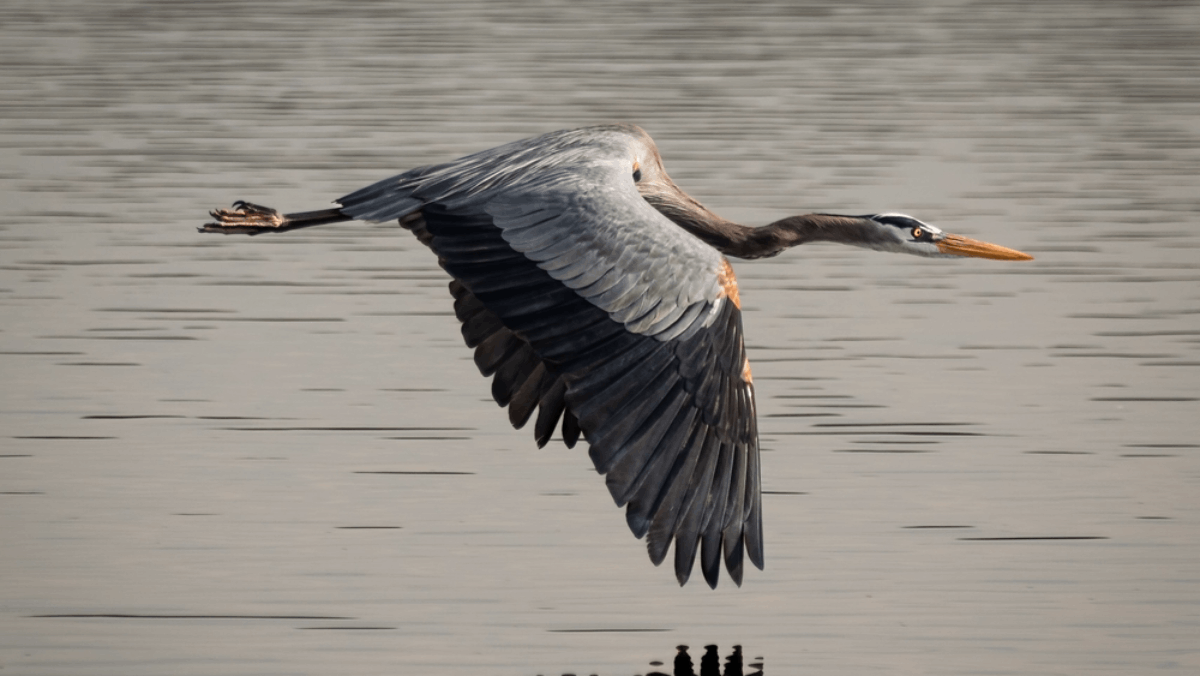
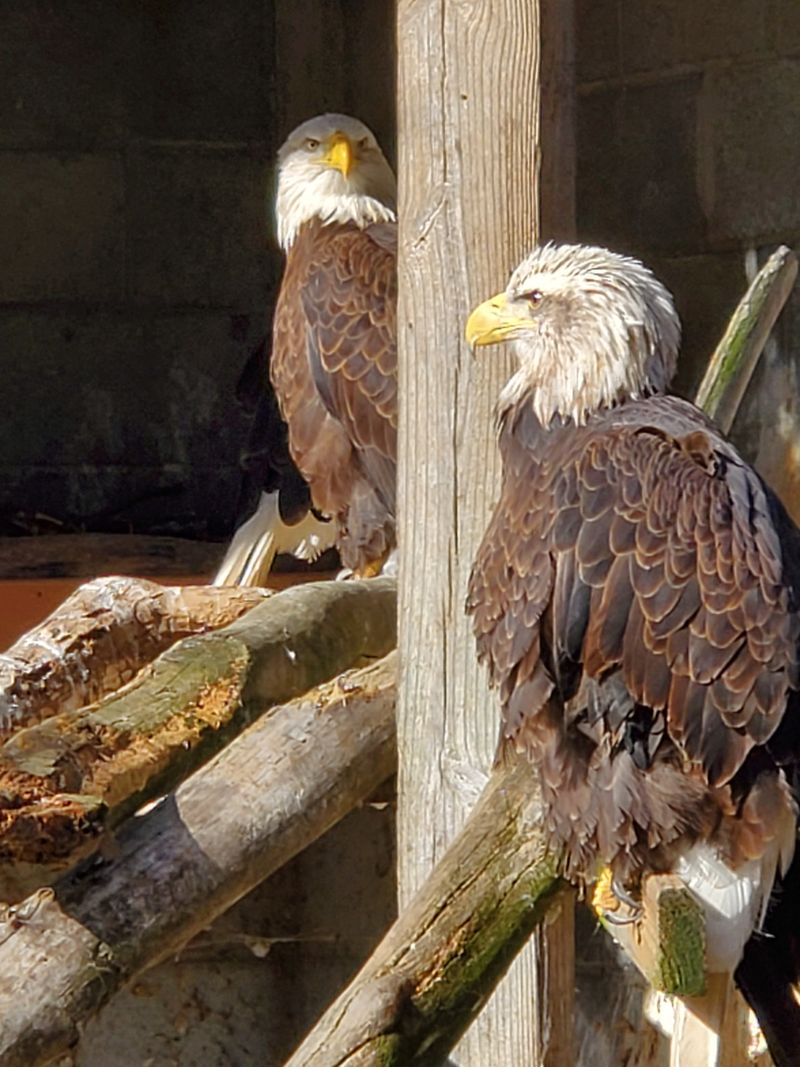
Winter transforms this place into a bald eagle haven, with dozens of these majestic raptors perching along the shoreline. Great blue herons stalk through the shallow waters, while migratory waterfowl fill the skies during peak seasons.
The park offers boat tours that glide silently through the cypress forest, giving you front-row seats to nature’s show. Pack your binoculars and a warm jacket for the best winter birding experience Tennessee has to offer.
2. Radnor Lake State Park
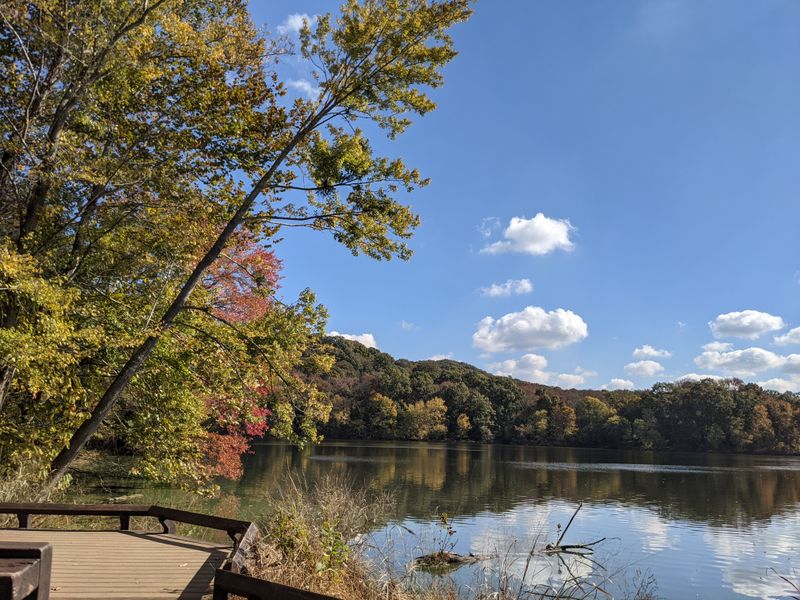
Just minutes from downtown Nashville’s bustling streets lies a peaceful sanctuary where barred owls hoot and woodpeckers drum against ancient trees. Radnor Lake surprises visitors with its rich biodiversity, proving that urban areas can still harbor incredible wildlife.
Well-maintained trails circle the lake, offering excellent vantage points for spotting hawks soaring overhead or herons fishing along the shoreline. Spring and fall migrations bring waves of songbirds passing through on their long journeys.
Even Nashville residents often overlook this gem, making it a quiet escape for serious birders seeking quality sightings.
3. Hatchie National Wildlife Refuge
Bottomland hardwood forests stretch across this refuge like a green carpet, creating perfect conditions for birds that love wet, wooded habitats. The golden flash of prothonotary warblers catches your eye as they flit between cypress knees and flooded timber.
This refuge protects one of the largest remaining intact bottomland ecosystems in Tennessee.
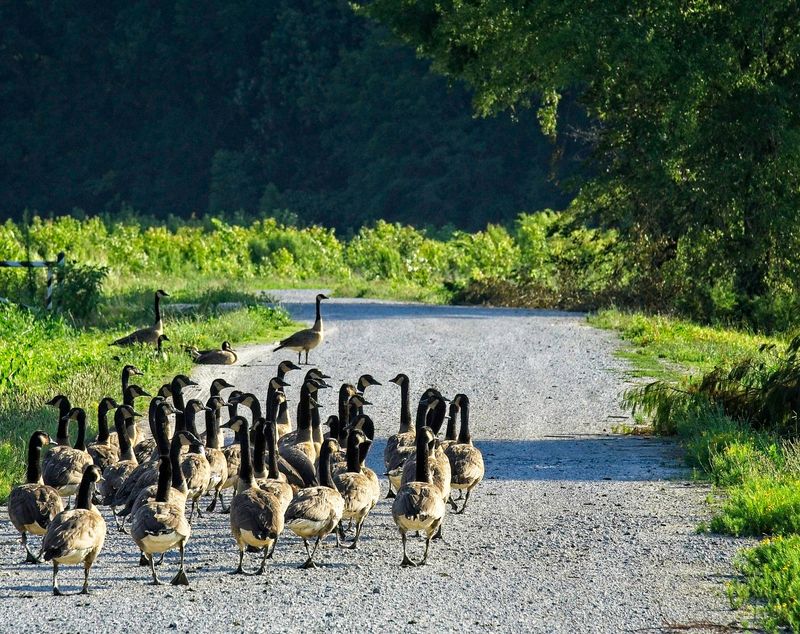
Waterfowl crowd the wetlands during migration periods, while wading birds stalk through shallow waters year-round. Spring brings the most spectacular shows, with breeding birds in full color and song filling the air. Fall migration offers a second chance to witness incredible diversity as birds fuel up for their southern journeys ahead.
4. Fall Creek Falls State Park
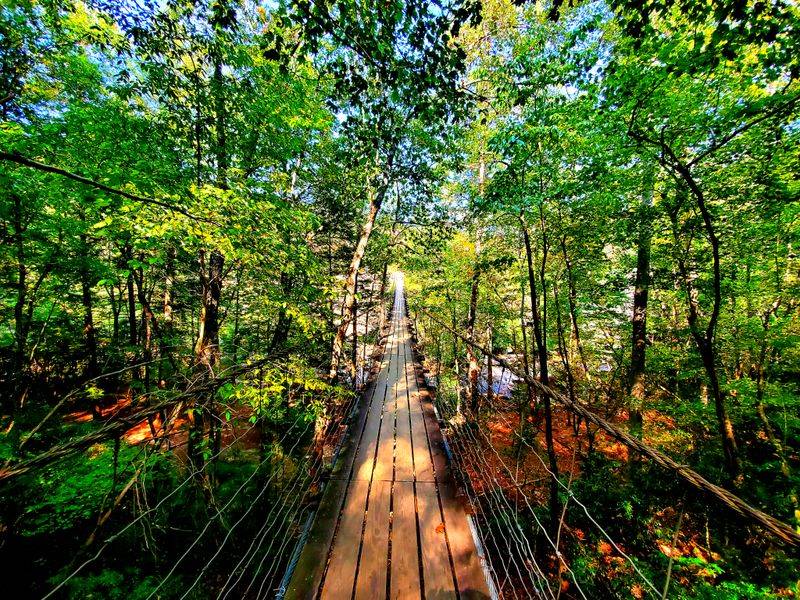
Most visitors come for the waterfalls, but smart birders know the real show happens in the surrounding Cumberland Plateau forests. Pileated woodpeckers hammer away at dead trees with their powerful beaks, their prehistoric calls echoing through the gorges. The dramatic landscape creates varied habitats where forest songbirds and soaring raptors both thrive.
Trails wind through diverse terrain, from creek bottoms to ridge tops, each supporting different bird communities. Hawks ride thermal currents above the waterfalls, hunting for prey in the valleys below.
The park’s size and remote sections mean you can often bird in peaceful solitude, far from the crowds gathered at the main waterfall overlooks.
5. Cherokee National Forest
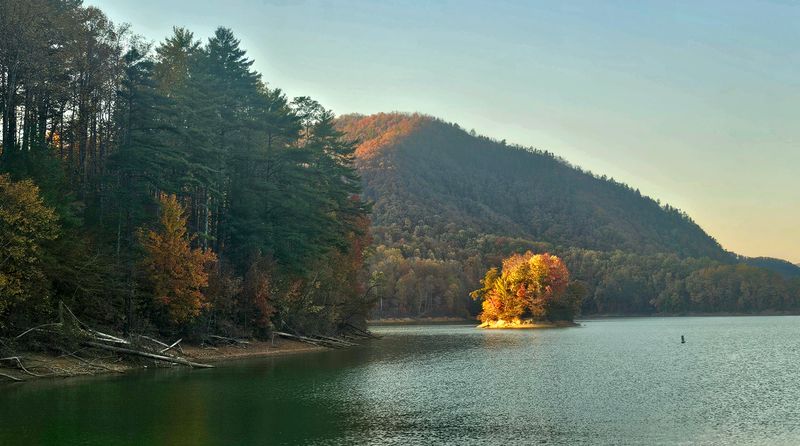
Spanning across East Tennessee’s mountains, Cherokee National Forest provides critical habitat for some of Appalachia’s most sought-after bird species. Cerulean warblers, with their sky-blue plumage, nest in the high canopy of mature forests here. Golden-winged warblers, facing population declines elsewhere, still find suitable breeding grounds in the forest’s shrubby clearings.
The forest’s vast size means exploration can take years, with new birding spots waiting around every bend. Elevation changes create distinct zones where different species prefer to live and breed.
6. Meeman-Shelby Forest State Park
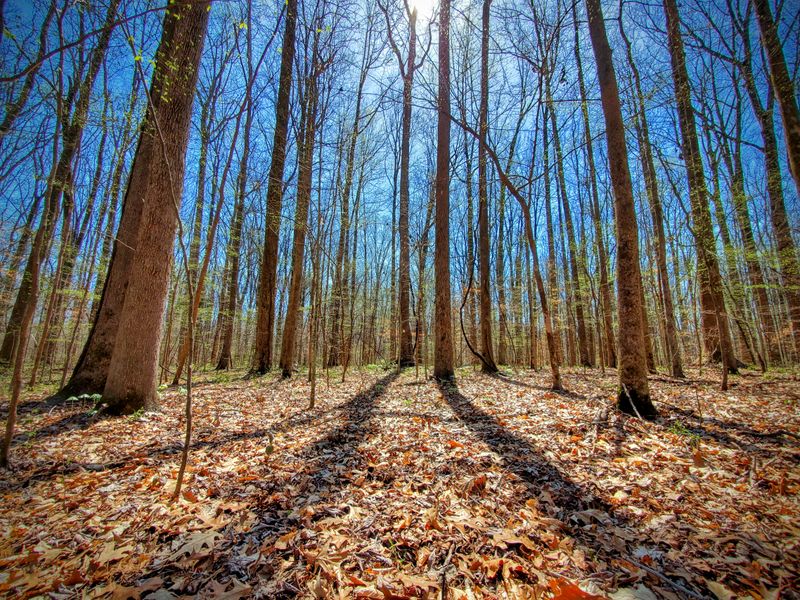
Perched on the bluffs overlooking the mighty Mississippi River, this park serves as a critical stopover for birds migrating along one of North America’s major flyways. Bald eagles return each winter, their white heads visible from miles away as they scan the river for fish.
The mix of river habitats and upland forests creates diverse opportunities for birding throughout the year.
Spring migration turns the park into a birder’s paradise, with exhausted travelers resting in the trees before continuing their journeys north. River-loving species like belted kingfishers and great egrets hunt along the shoreline.
7. Cross Creeks National Wildlife Refuge

This refuge provides essential habitat for waterfowl and shorebirds during their epic migrations.
Winter brings massive flocks of ducks and geese that darken the skies during morning flights. The refuge’s wetlands and open waters attract species that might otherwise pass over Tennessee without stopping.
Early spring reveals shorebirds probing the mudflats for invertebrates, their long bills perfectly adapted for feeding. Observation platforms and trails give birders excellent viewing opportunities without disturbing sensitive habitats.
8. Savage Gulf State Natural Area
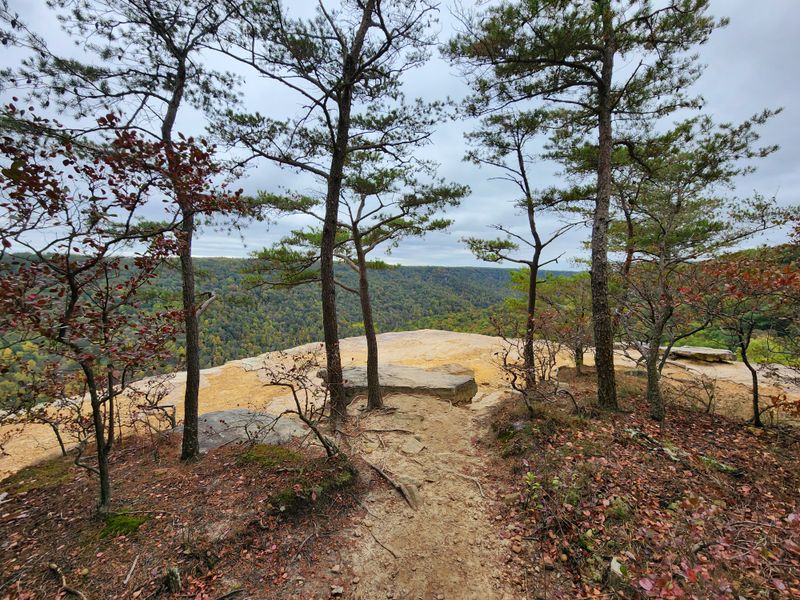
Remote and challenging to access, Savage Gulf rewards adventurous birders who don’t mind hiking rugged trails far from civilization. The natural area’s isolation means forest birds thrive here without constant human disturbance. Raptors soar above the deep gorges, riding updrafts created by the dramatic topography.
Species that prefer quiet, undisturbed habitats find sanctuary in Savage Gulf’s protected forests and streams. The challenging terrain keeps crowds away, creating a true wilderness birding experience. Patient observers willing to sit quietly and wait often enjoy the best sightings, as birds emerge from the forest feeling safe in the peaceful surroundings of this rugged natural treasure.