For many small towns across Tennessee, the local country store is more than just a place to pick up groceries, snacks, or household supplies—it’s a cornerstone of community life. Long before big-box retailers and online shopping became commonplace, these stores served as gathering spots where neighbors exchanged news, shared stories, and stayed connected to the people around them.
Today, many of these classic establishments continue that tradition, offering a welcoming atmosphere that feels increasingly rare in the modern world. Step inside one of these Tennessee country stores and you’ll often find much more than stocked shelves.
Friendly conversations happen at the checkout counter, locals gather around coffee pots in the morning, and visitors are greeted with the kind of hospitality that makes them feel instantly at home. Many stores feature a mix of practical necessities, locally made goods, fresh-baked treats, hardware supplies, and unique items that reflect the character of the surrounding community.
What makes these stores truly special is their ability to bring people together. They serve as informal meeting places where generations of families have crossed paths, celebrated milestones, and maintained long-standing friendships.
Some have been operating for decades, preserving traditions and stories that help define the towns they call home. Whether you’re a Tennessee native looking to reconnect with small-town charm or a traveler eager to experience an authentic slice of local culture, these classic country stores offer a memorable glimpse into a way of life that values community, conversation, and connection.
More than simple retail destinations, they remain beloved gathering places where the spirit of Tennessee continues to thrive one friendly visit at a time.
1. Fox & Locke
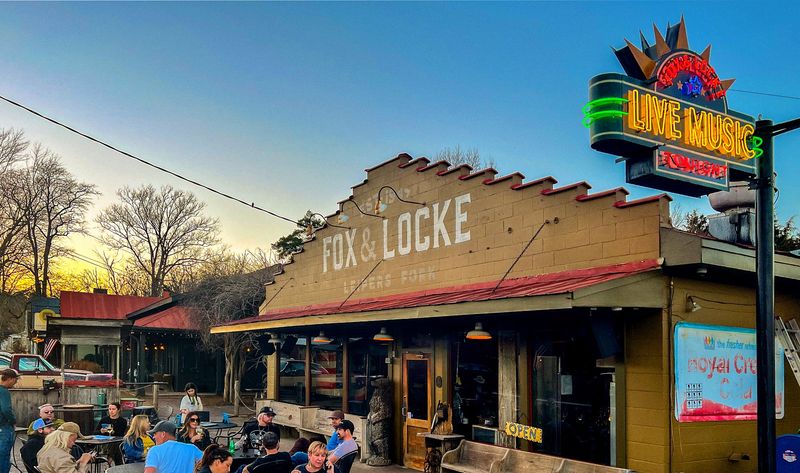
More than just a restaurant, Fox & Locke serves as a cherished gathering place in the heart of Leipers Fork, where Tennessee’s small-town spirit is on full display. Housed in a historic building that dates back to the 1940s, this beloved establishment has long been a destination for locals, musicians, artists, and travelers seeking good food and genuine hospitality.
The venue is especially known for its live music performances, which regularly bring the community together and celebrate the area’s rich musical heritage. Inside, the atmosphere feels warm and welcoming, with rustic décor, friendly faces, and a strong sense of tradition.
Guests can enjoy classic Southern comfort food while soaking in the laid-back charm that has made Fox & Locke a local institution for decades. Whether you’re stopping by for breakfast, catching an evening performance, or simply enjoying conversation with neighbors, the experience feels authentically Tennessee.
Its unique combination of history, community, and culture has helped make Fox & Locke much more than a place to eat—it’s a gathering place where lasting memories are made and local traditions continue to thrive.
2. Bell Buckle Cafe and Old Country Store
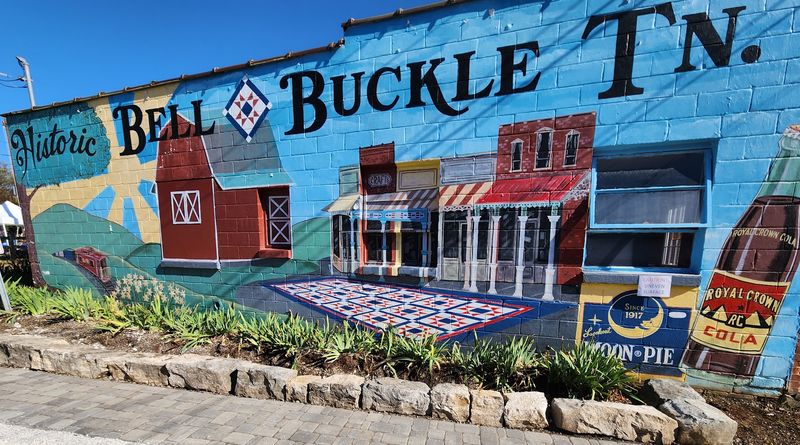
Walk into this charming establishment and you’ll immediately smell fresh-baked pies cooling on the counter. The cafe side dishes out homestyle cooking that reminds visitors of Sunday dinners at grandma’s house, while the store section stocks everything from locally made jams to handcrafted gifts.
Opened decades ago, it has become the unofficial living room for this tiny town of just 500 residents.
Every morning, a group of retired farmers claims the same corner booth, solving world problems over endless cups of coffee. The owners know everyone’s dietary restrictions, favorite desserts, and family histories.
Tourist traffic increased when the annual RC Cola and Moon Pie Festival put Bell Buckle on the map, but locals still treat this place as their personal headquarters.
The bulletin board near the entrance tells the town’s story through layers of event flyers, baby announcements, and thank-you notes. Young mothers meet here for playgroup lunches while their toddlers toddle between tables.
High school students stop by after school for milkshakes and homework sessions. This combination cafe and store perfectly captures small-town Tennessee life, where commercial spaces double as gathering spots and everyone truly knows your name.
3. The Wartrace General Store
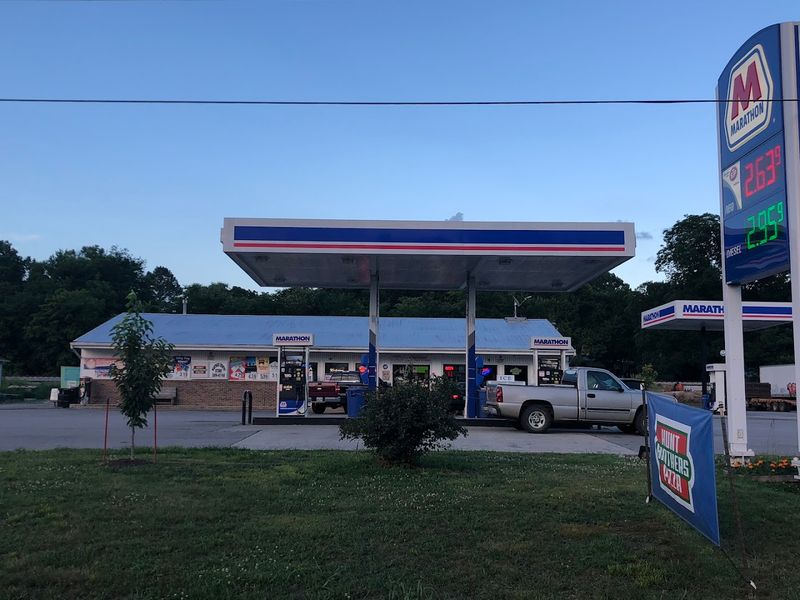
Railroad history runs deep through this structure built when trains were the lifeblood of small Tennessee towns. The original tin ceiling still gleams overhead, and antique display cases showcase both practical supplies and nostalgic treasures.
Locals joke that if you need something and can’t find it here, you probably don’t really need it anyway.
The back room hosts a regular Monday morning breakfast club where town business gets discussed informally before official meetings happen. Farmers swap tips about dealing with stubborn livestock while their wives catch up on family news near the fabric section.
During Christmas season, community members gather here to organize toy drives and coordinate visits to elderly shut-ins.
What makes this place special isn’t just the vintage inventory or reasonable prices. It’s how the owners treat everyone like extended family, extending credit during tough times and celebrating successes with genuine joy.
A handwritten ledger at the register documents decades of transactions, trust, and relationship building. Walking through these doors means entering a space where commerce and community intertwine seamlessly, creating something more valuable than any product on the shelves—a true sense of belonging.
4. Defeated Creek Marina & Store
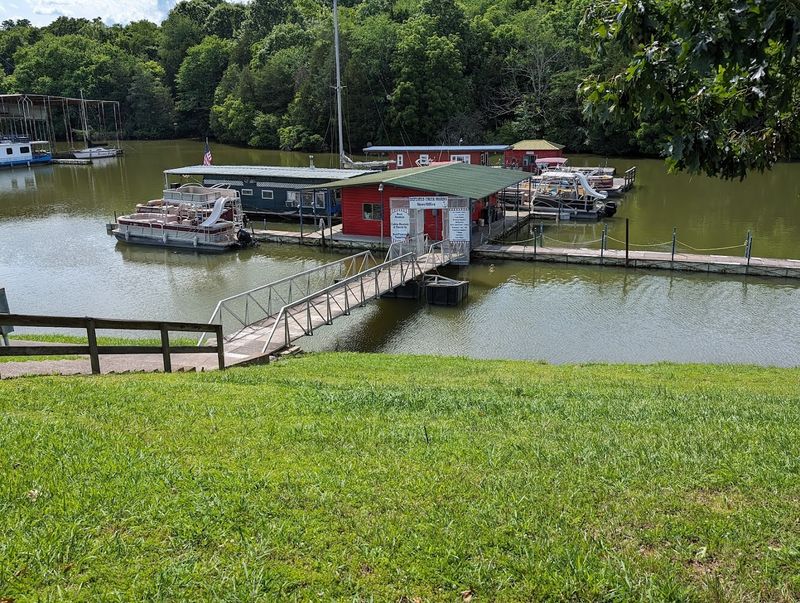
Fishermen have gathered at this Cordell Hull Lake landmark since the 1970s, swapping stories about the one that got away. The store stocks everything needed for a successful day on the water—live bait, tackle, snacks, and cold drinks—but its real inventory consists of fishing wisdom passed down through generations.
Early morning finds truck beds loaded with gear and customers comparing lake conditions.
Summer weekends transform the property into a bustling social hub where families rent pontoon boats and teenagers learn water skiing from patient instructors. The covered porch provides shade for older folks who prefer watching the action rather than joining it.
Inside, a massive map of the lake shows marked fishing holes, and regulars add updates about recent catches and water levels.
Beyond recreational boating, this store serves people living year-round on houseboats or in lakeside cabins. Emergency supplies, propane refills, and package deliveries keep isolated residents connected to necessary resources.
Annual events like the Fourth of July boat parade start here, with decorating contests judged from the dock. When storms knock out power to lake houses, this place becomes an information center and charging station, proving once again how country stores serve as community lifelines.
5. The General Store of Lynchburg
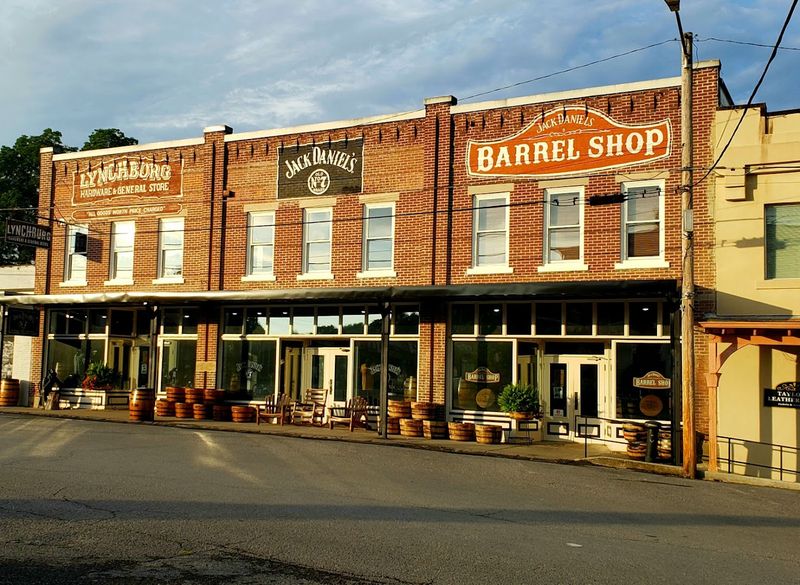
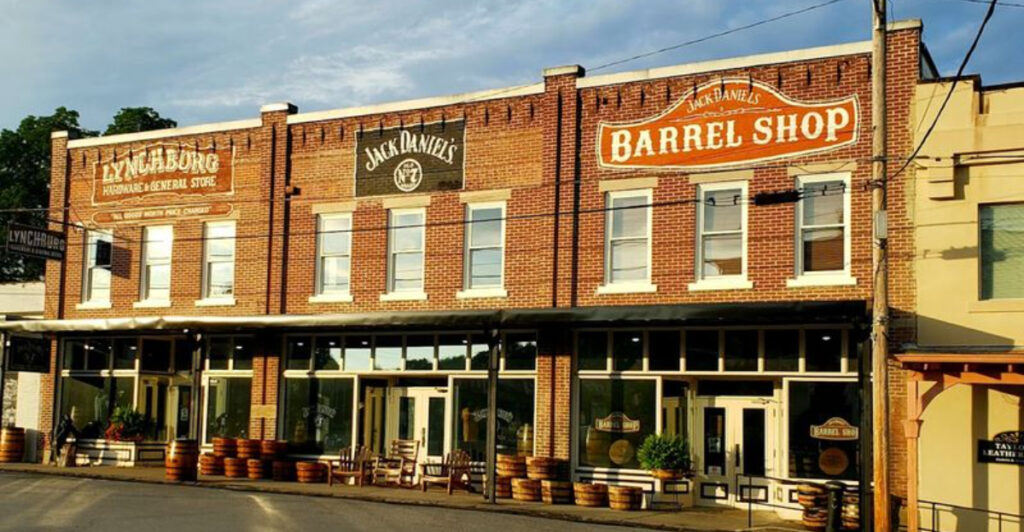
Sitting in the shadow of the world-famous Jack Daniel’s distillery, this store manages the delicate balance between serving tourists and maintaining its role as a local institution. Yes, distillery merchandise fills several shelves, but locals know to head straight for the back corner where real groceries, hardware supplies, and practical goods await.
The cash register still dings with each transaction, a sound that’s become rarer in modern retail.
Morning coffee crowds arrive before tour buses roll into town, claiming their territory with good-natured stubbornness. They tolerate the afternoon influx of visitors with Southern hospitality, sometimes even offering impromptu history lessons about the town’s past.
The owners orchestrate this daily dance skillfully, ensuring neither group feels unwelcome or overlooked.
Saturday mornings feature a farmer’s market setup outside where local growers sell produce directly to customers who’ve been buying from their families for generations. Inside, a community bulletin board advertises everything from lost pets to church suppers to houses for rent.
During the Christmas season, locals coordinate their town decorations here, meeting to plan the courthouse square lighting ceremony. Tourism brought prosperity, but this store’s heart remains firmly rooted in serving the Moore County residents who’ve sustained it through quiet decades before the world discovered their tiny dry county.
6. Pratt’s Country Store (Murfreesboro)
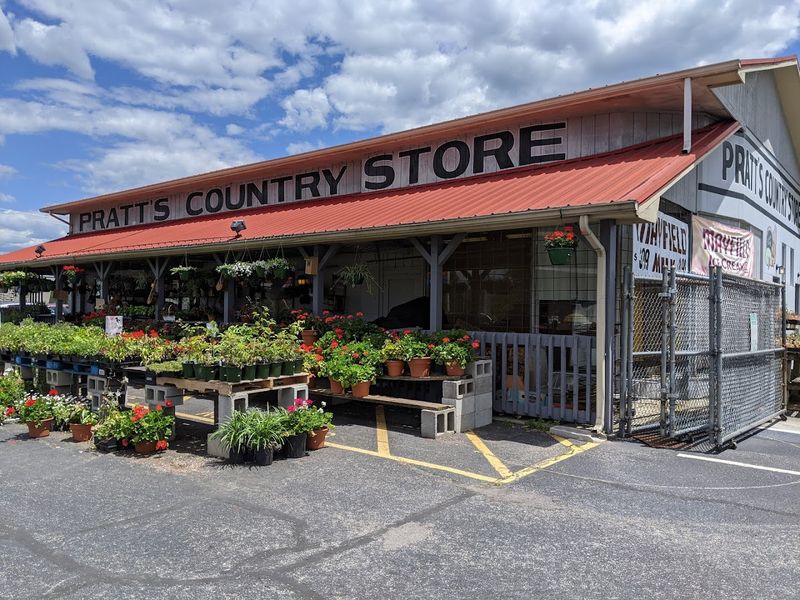
A longtime favorite among Murfreesboro residents, Pratt’s Country Store captures the charm and simplicity that have made Tennessee country stores such enduring community landmarks. Known for its welcoming atmosphere, fresh local products, and friendly service, the store has become a regular stop for both locals and visitors looking for a taste of authentic Tennessee hospitality.
Whether customers are picking up seasonal produce, homemade treats, or everyday essentials, they’re often greeted by familiar faces and a sense of community that feels increasingly rare. What sets Pratt’s apart is its ability to bring people together.
Beyond shopping, the store serves as a gathering place where neighbors catch up, families make traditions, and travelers discover a slice of local culture. Its blend of small-town warmth, quality products, and community spirit has helped make Pratt’s Country Store more than just a place to shop—it’s a beloved destination that reflects the best of Tennessee’s country-store tradition.
7. The Old Country Store in Jackson
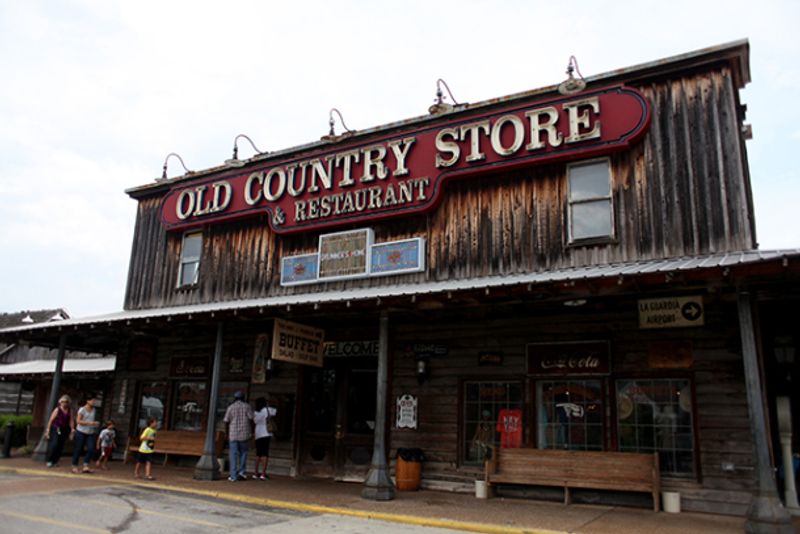
Casey Jones Village visitors often discover this treasure tucked among other historic buildings, but locals have been shopping here for necessities and nostalgia long before the tourist complex developed around it. Wooden floorboards worn smooth by a century of foot traffic create a gentle slope toward the back, where the original store layout remains mostly unchanged.
Penny candy still fills glass jars near the register, delighting children who can’t believe a quarter buys a handful of treats.
Tuesday afternoons bring a quilting circle to the back room, where experienced sewers teach younger women traditional patterns and techniques. Their laughter and conversation drift through the store, adding warmth to the shopping experience.
Local artists display handmade crafts on consignment, earning fair prices while the store takes only minimal commission to support community creativity.
During West Tennessee’s unpredictable weather events—ice storms, tornadoes, flooding—this store becomes an unofficial emergency center. Owners open early and stay late, sometimes running generators to provide community members with basic supplies and a warm gathering space.
The store’s survival through economic depressions, social changes, and retail revolutions proves that some institutions become too valuable to lose, serving purposes that transcend simple commerce and touch something deeper in community identity.
8. Rugby Commissary General Store
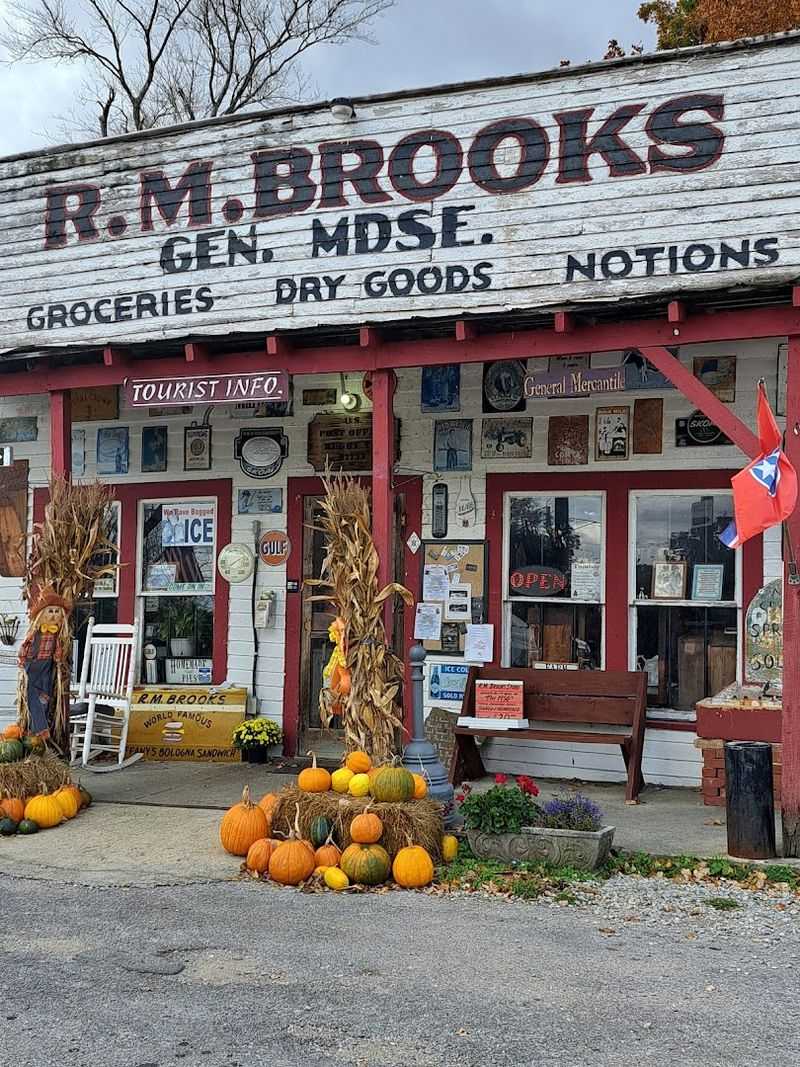
Built in 1880 as part of an experimental utopian community founded by British author Thomas Hughes, this remarkable store continues serving visitors to one of America’s most unusual historic sites. Unlike typical country stores that evolved organically, the Rugby Commissary was designed with intentional purpose—to provide colonists from England with familiar goods while they established new lives in Tennessee wilderness.
Original imported items still occupy some shelves, protected as museum pieces.
Modern operations blend commerce with education, as staff explain the colony’s fascinating history to tourists while also stocking practical items for the small year-round population and vacation rental guests. British imports—teas, biscuits, preserves—honor the settlement’s origins and attract Anglophiles from across America.
The Victorian architecture creates an atmospheric shopping experience unlike any other Tennessee country store.
Book club meetings happen monthly in the upstairs space, focusing on Victorian literature and local history. Scholars researching utopian communities make pilgrimages here, conducting interviews with longtime residents and examining archived records.
During Rugby’s festival weekends, the store becomes command central for volunteer coordinators managing historic home tours and craft demonstrations. This unique establishment proves that country stores can preserve specific cultural heritage while remaining relevant and financially viable, serving both educational missions and practical community needs simultaneously.
Share this story