Texas flea markets are where treasure hunting meets pure weekend fun. Whether you’re searching for vintage furniture, handmade crafts, or quirky collectibles you never knew you needed, the Lone Star State delivers some seriously impressive shopping experiences. From small-town gems to sprawling vendor villages, these markets bring together dealers, collectors, and curious shoppers ready to dig through piles of possibilities and walk away with something special.
1. Wimberley Market Days (Wimberley)
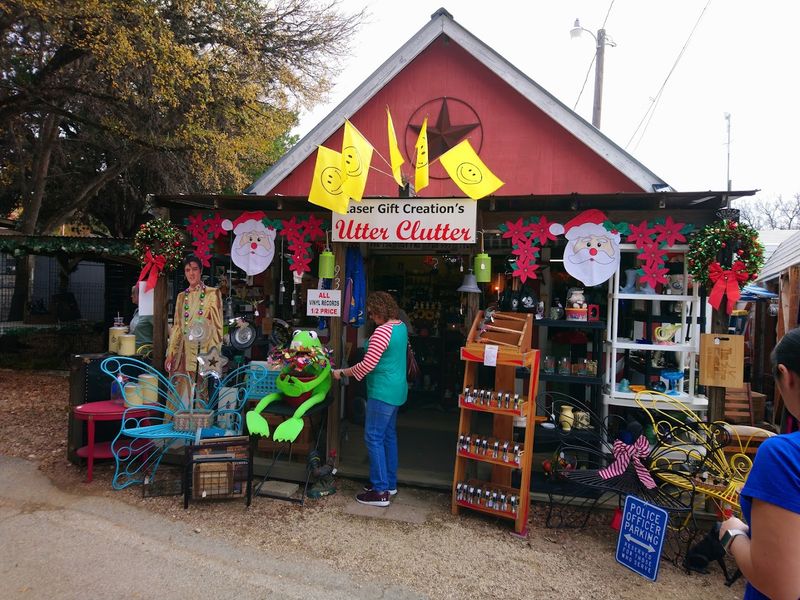
Picture a charming Hill Country town where the first Saturday of every month transforms into a shopper’s paradise. Wimberley Market Days sprawls across Lion’s Field Park, featuring over 475 vendors selling everything from handcrafted jewelry to vintage signs. The vibe here leans heavily toward artisan goods and unique finds rather than dusty attic leftovers.
What sets this market apart is its carefully curated mix of creators and collectors. You’ll spot booths packed with handmade soaps, custom leather goods, repurposed furniture, and garden art that actually looks good in your yard. Local artists display paintings and pottery alongside dealers specializing in Texas memorabilia and antique farm tools.
The setting makes shopping here feel like a mini vacation. Massive oak trees provide natural shade, and the park’s layout keeps foot traffic flowing smoothly even during peak hours. Families bring kids to enjoy the relaxed atmosphere while serious shoppers arrive early to snag the best pieces.
Parking fills up fast, especially during spring and fall when weather cooperates perfectly. Smart visitors arrive before 9 a.m. or accept a short walk from overflow lots. The market runs rain or shine from March through December, with vendors packing up around 5 p.m.
Food trucks and snack stands keep energy levels high throughout the day. You’ll find everything from breakfast tacos to kettle corn, plus plenty of cold drinks when Texas heat kicks in. Wimberley’s downtown shops and restaurants sit just minutes away, making it easy to extend your visit beyond market hours.
Bring cash for smaller vendors, though many now accept cards. Wear comfortable shoes because you’ll cover serious ground exploring every aisle. This market rewards patience and curiosity, with unexpected treasures hiding in nearly every booth you pass.
2. Traders Village (Grand Prairie)
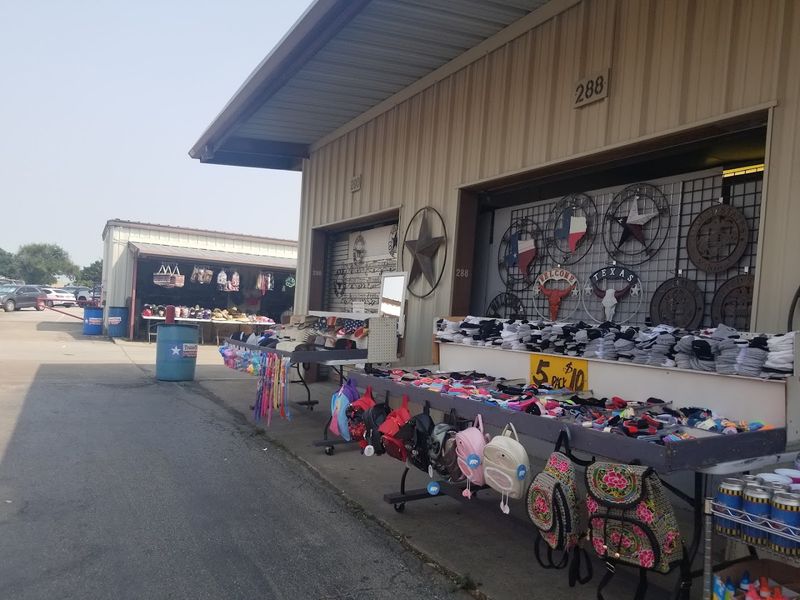
Sprawling across 106 acres between Dallas and Fort Worth, this isn’t your typical weekend pop-up situation. Traders Village operates year-round as a permanent marketplace where over 1,600 dealers set up shop every Saturday and Sunday. The sheer scale makes it one of Texas’s largest and most visited flea markets.
Inventory here covers absolutely everything imaginable. Electronics, clothing, tools, furniture, toys, fresh produce, automotive parts, and random imports fill booth after booth. Some vendors specialize in specific niches like sports memorabilia or Western wear, while others stock whatever deals they’ve scored that week.
Bargaining is practically expected, and prices generally start negotiable. Vendors know their competition sits just a few stalls away, creating opportunities for shoppers willing to compare and haggle. Weekend crowds can get intense, particularly in covered pavilions when weather drives everyone indoors.
Beyond shopping, the village hosts special events throughout the year. Car shows, concerts, and holiday markets add extra entertainment value. An onsite RV park even lets dedicated bargain hunters camp overnight between market days.
The layout requires strategy because walking every aisle in one visit is nearly impossible. Regulars develop favorite sections and vendors they check first. Maps available at entrances help newcomers navigate, though getting slightly lost is part of the experience.
Food options range from sit-down restaurants to quick snack stands serving everything from funnel cakes to tamales. Restrooms and ATMs are scattered throughout, and covered areas provide relief from summer sun or unexpected rain.
Admission costs just a few dollars, and kids under 12 enter free. Parking is plentiful and close to entrances. Serious shoppers bring wagons or carts because finds add up quickly.
The market opens at 8 a.m., but arriving early means better selection before picked-over booths become the norm.
3. Antique Alley Texas (Grandview and surrounding towns)
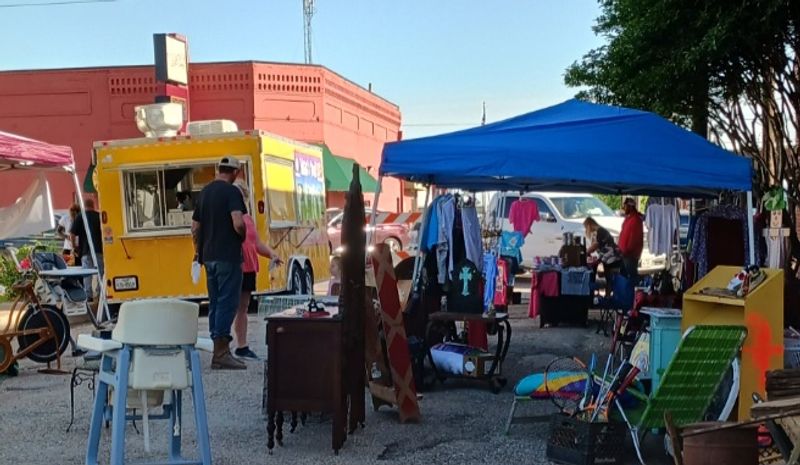
Forget single-location shopping because this experience stretches across multiple small towns south of Fort Worth. Antique Alley isn’t one market but rather a scenic route connecting Grandview, Cleburne, Rio Vista, and Covington through their collective antique shops and vintage stores. Plan on spending the entire day cruising between stops.
Each town brings its own character to the trail. Grandview anchors the route with several packed-to-the-rafters shops specializing in furniture, glassware, and farmhouse decor. Cleburne offers the largest concentration of dealers, including multi-dealer malls where dozens of vendors share warehouse-sized spaces.
What makes this trail special is the authentic small-town atmosphere surrounding every shop. These aren’t tourist traps manufactured for weekend crowds. They’re real businesses serving local collectors and designers who appreciate quality pieces and fair pricing.
Inventory leans heavily toward genuine antiques rather than reproductions or crafts. Expect Victorian furniture, Depression glass, vintage advertising signs, antique tools, and estate jewelry. Serious collectors hunt for specific items while casual browsers enjoy discovering unexpected treasures.
The drive between towns showcases classic Texas countryside with rolling hills, grazing cattle, and historic buildings. This makes the journey between shops as enjoyable as the shopping itself. Most stores cluster along main streets or old highways, making navigation straightforward.
Operating hours vary by shop, with most open Thursday through Sunday and some closing Mondays and Tuesdays. Calling ahead prevents disappointment if you’re targeting specific stores. Several shops close during extreme weather or slow winter weekdays.
Dining options in these towns range from home-style cafes to barbecue joints perfect for refueling between shopping stops. Local restaurants often display the same vintage charm as surrounding antique shops, adding to the overall nostalgic experience.
Bring patience and flexible schedules because rushing defeats the purpose. Successful Antique Alley trips involve leisurely browsing, chatting with knowledgeable shop owners, and enjoying the slower pace these small towns naturally provide.
4. Fredericksburg Trade Days (Fredericksburg)
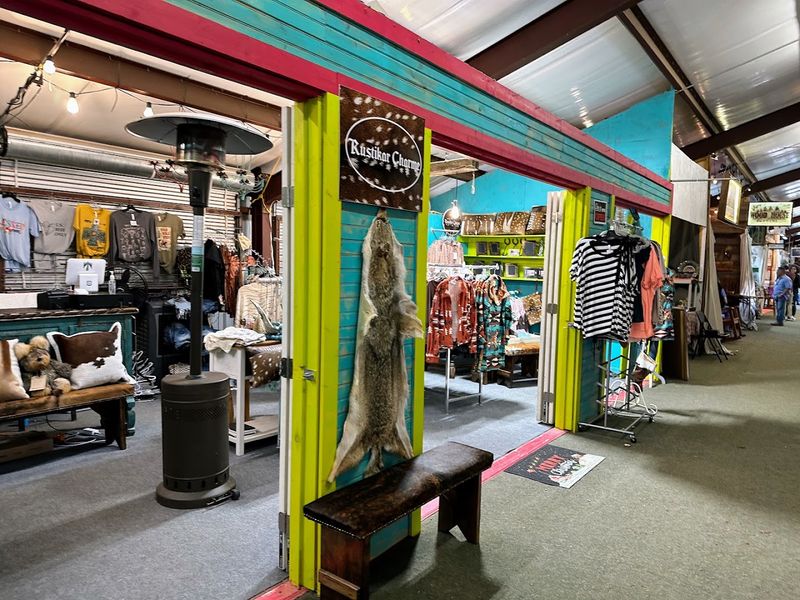
German heritage meets Texas flair at this Hill Country market happening the third weekend of every month except December. Fredericksburg Trade Days attracts vendors and shoppers to Marktplatz, a dedicated event space designed specifically for these monthly gatherings. The location keeps things organized while maintaining that authentic market atmosphere.
Vendor mix skews toward antiques, vintage items, and artisan crafts rather than mass-produced imports. You’ll find restored furniture, architectural salvage, handmade quilts, Texas wine, gourmet foods, and garden decor. Quality tends to run higher than typical flea markets, with pricing reflecting the curated selection.
Fredericksburg’s tourist appeal means crowds arrive ready to shop and explore the surrounding town. Main Street’s boutiques, wineries, and restaurants provide plenty of reasons to extend your visit beyond market hours. This makes Trade Days an excellent excuse for a full weekend getaway.
The market runs Saturday and Sunday, typically from 9 a.m. to 5 p.m., though times shift slightly depending on season and weather. Spring and fall weekends draw the biggest crowds when Hill Country weather hits its sweet spot. Summer markets start earlier to beat afternoon heat.
Parking requires patience during peak hours, but shuttles and overflow lots keep things moving. Walking from downtown hotels or bed-and-breakfasts is possible if you’re staying close. The compact layout means you can cover the entire market in a few hours, though dedicated shoppers easily spend all day browsing.
Food vendors serve German-inspired treats alongside Texas barbecue and standard festival fare. Local restaurants within walking distance offer sit-down meal options when you need a proper break. Fredericksburg’s reputation for excellent dining makes lunch decisions particularly enjoyable.
Cash helps with smaller vendors, though card readers are increasingly common. Bring reusable shopping bags because you’ll accumulate purchases quickly. The market’s monthly schedule means inventory refreshes regularly, giving repeat visitors new discoveries each trip.
Fredericksburg’s charm and the market’s quality selection create an experience worth planning around.
5. First Monday Trade Days (Canton)
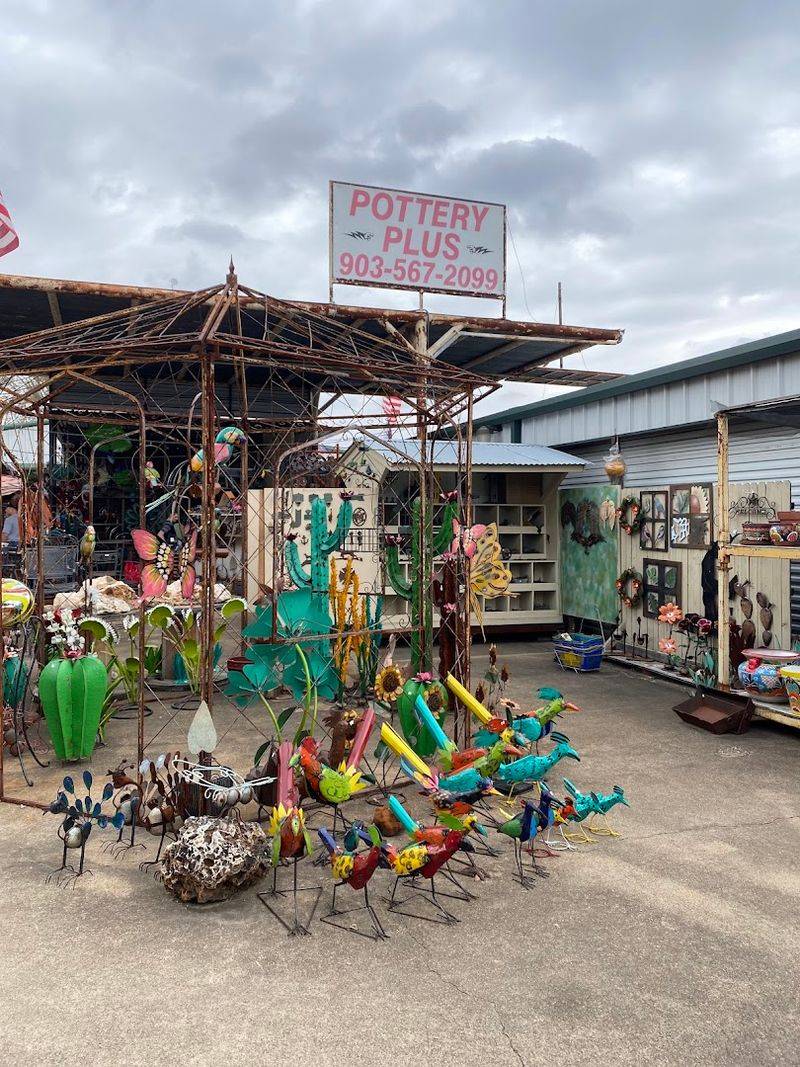
Claiming the title of world’s largest flea market, Canton’s monthly extravaganza covers over 400 acres with thousands of vendors. The event happens the Thursday through Sunday before the first Monday of each month, which explains the slightly confusing name. What started in the 1850s as a small trade day has evolved into a shopping phenomenon attracting 300,000 visitors monthly.
The market divides into distinct pavilions and outdoor areas, each with its own character. Original Trade Grounds features traditional flea market finds and antiques. Dog Alley specializes in home decor and gifts.
Mill Creek Ranch offers upscale vendors with furniture and art.
Inventory variety is absolutely staggering. Antique furniture sits beside new clothing. Handmade jewelry competes with power tools.
Fresh produce shares space with vintage signs. If it exists, someone’s probably selling it somewhere on these grounds.
Navigation requires strategy because walking every aisle is physically impossible in one visit. Regulars focus on specific pavilions matching their interests. First-timers should grab maps at entrance gates and accept that they’ll miss sections entirely.
Weather dramatically impacts the experience. Summer heat demands early arrival and frequent breaks. Spring and fall provide ideal conditions.
Rain turns dirt paths muddy but rarely stops determined shoppers. Covered pavilions offer refuge regardless of conditions.
Accommodations in Canton book months ahead for Trade Days weekends. Smart planners reserve hotels early or camp at onsite RV parks. Day-trippers from Dallas arrive early to maximize shopping time before crowds peak.
Food options range from food trucks to permanent concession stands serving everything imaginable. Multiple ATMs and restroom facilities are scattered throughout. Bringing wagons or rolling carts is standard practice because carrying purchases gets old fast.
Admission and parking are free, making this an incredibly affordable day out despite the temptation to buy everything. Serious shoppers arrive Thursday when vendors are still setting up and negotiating is easiest. Weekend crowds bring energy but also competition for the best finds.
6. Third Monday Trade Days (McKinney)
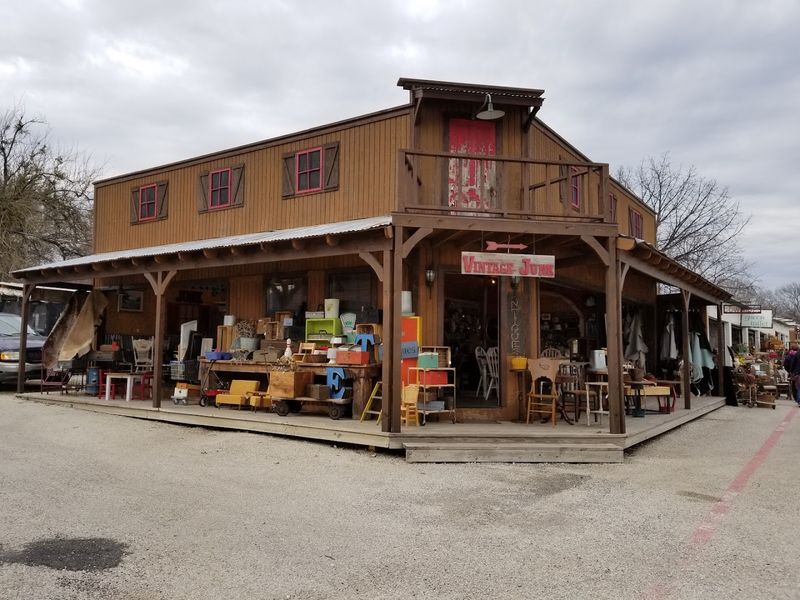
McKinney’s version happens the weekend before the third Monday of each month, running Friday through Sunday. Located at the historic Collin County Courthouse square, this market maintains a more intimate feel than Canton’s massive operation while still delivering serious shopping opportunities. The downtown setting adds charm that parking lot markets simply can’t match.
Around 200 vendors fill the square and surrounding streets with antiques, collectibles, vintage items, and handmade goods. The smaller scale means you can actually browse every booth without needing a full weekend. Quality tends to be quite good, with vendors knowing their audiences appreciate authentic pieces over cheap imports.
McKinney’s revitalized downtown provides the perfect backdrop. Historic buildings house antique shops, boutiques, and restaurants that stay open during Trade Days. This creates a seamless shopping experience where market browsing flows naturally into exploring permanent stores.
The market attracts a mix of serious collectors and casual browsers. Dealers specialize in everything from vintage advertising to mid-century furniture to antique jewelry. Prices are generally fair, with room for negotiation on bigger purchases.
Vendors appreciate educated questions and enjoy discussing their inventory.
Parking downtown requires patience, but the compact area makes walking easy once you find a spot. Arriving early Friday secures the best parking and first crack at new inventory. Sunday afternoons offer potential bargains as vendors prepare to pack up.
Food trucks and nearby restaurants handle dining needs perfectly. McKinney’s food scene has grown considerably, with excellent options ranging from casual cafes to upscale dining. Many visitors make Trade Days part of a larger downtown experience.
Weather is less of a factor than at sprawling outdoor markets because downtown buildings provide natural windbreaks and shade. Summer heat still requires planning, but the urban setting offers more escape options. Spring and fall markets enjoy particularly pleasant conditions.
The monthly schedule means regular visitors develop relationships with favorite vendors. Dealers remember customers and sometimes hold items they think will interest specific buyers. This personal touch separates McKinney’s market from more anonymous shopping experiences.
7. Round Top Antiques Show (Round Top)
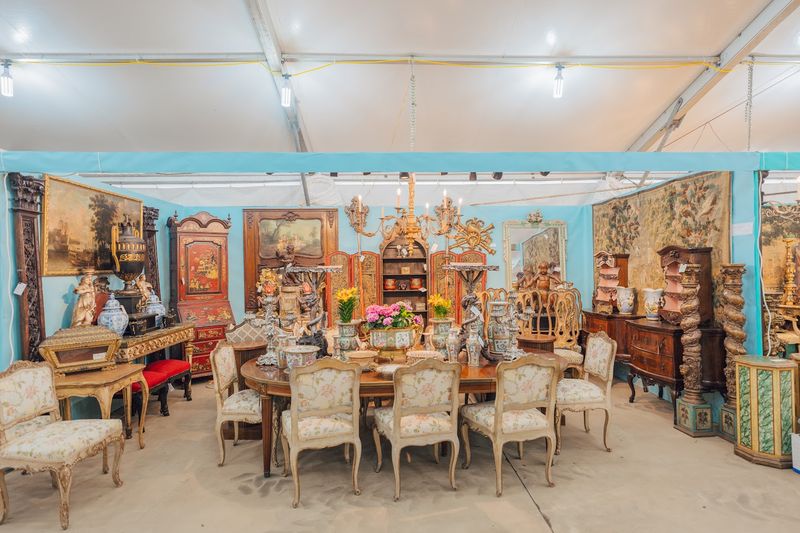
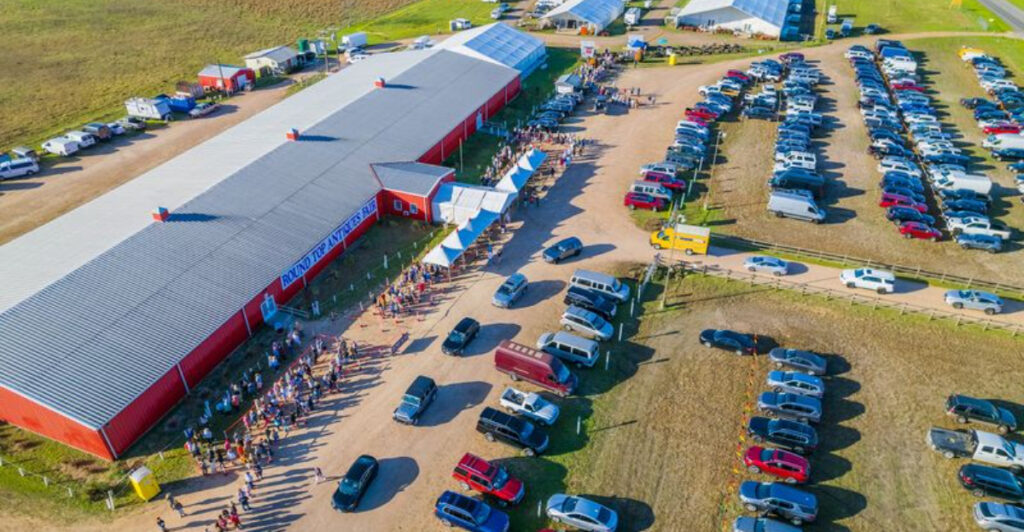
Twice yearly, this tiny town of fewer than 100 residents transforms into the antiques capital of America. Round Top Antiques Show actually encompasses multiple shows happening simultaneously across the area during late March/early April and late September/early October. What started as a small country show has become an internationally recognized event drawing dealers and designers from around the world.
The main show and surrounding venues stretch along Highway 237, with fields and buildings converted into temporary showrooms. Inventory leans decidedly upscale, with European antiques, architectural elements, fine art, and high-end furniture dominating displays. Prices reflect the quality, with many pieces commanding thousands of dollars.
Interior designers, decorators, and serious collectors plan trips months in advance. Hotels within 50 miles book solid, and rental homes in the area command premium rates. The show runs for roughly two weeks, with different venues opening on staggered schedules.
Early access tickets allow professional buyers first pick, but general admission provides plenty of shopping opportunities. Weekdays are less crowded than weekends, giving casual shoppers better browsing conditions. Many vendors will negotiate, especially later in the show’s run.
Beyond antiques, the show attracts food vendors, live music, and special events. The festive atmosphere makes it feel like a celebration rather than just a market. Locals embrace the chaos, with residents renting their yards for parking and opening pop-up shops.
Comfortable shoes are absolutely essential because you’ll cover miles walking between venues. Bring measurements if you’re furniture shopping, and don’t hesitate to ask dealers about shipping options for large pieces. Many vendors offer delivery services or can recommend reliable shippers.
The surrounding countryside provides beautiful scenery between shopping stops. Historic towns like Warrenton and Carmine host their own shows during Round Top weeks, extending shopping opportunities even further. Wineries and restaurants in the area benefit from the influx, creating a full cultural experience.
This isn’t a casual Saturday morning market but rather a destination event requiring planning and commitment. The payoff is access to extraordinary pieces and the electric atmosphere that happens when antiques lovers gather.
8. Weatherford First Monday Trade Days (Weatherford)
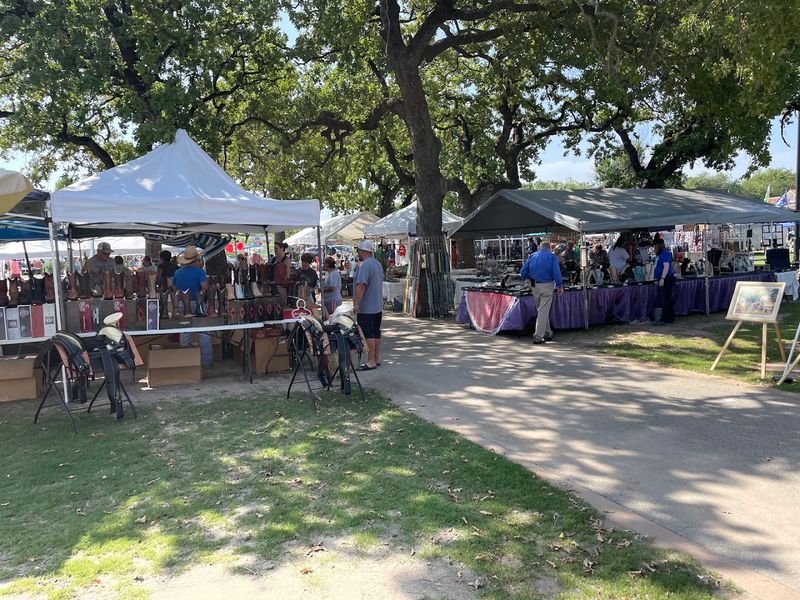
Located just west of Fort Worth, Weatherford hosts its Trade Days the weekend before the first Monday of each month. The market occupies the Parker County Peach Fair Grounds, providing ample space for vendors and parking that doesn’t require hiking miles from your car. This makes it particularly appealing for shoppers who want the Trade Days experience without Canton’s overwhelming scale.
Roughly 300 vendors set up Friday through Sunday, offering a solid mix of antiques, vintage items, handmade crafts, and general merchandise. The inventory balance skews more toward collectibles and home decor than random flea market leftovers. You’ll find furniture, primitives, garden art, jewelry, and plenty of Texas-themed items.
The covered pavilions protect shoppers from weather while maintaining good airflow during hot months. Outdoor vendor areas expand the market when weather cooperates. The layout keeps everything accessible without requiring the physical endurance that larger markets demand.
Weatherford’s small-town character adds appeal beyond just shopping. The historic downtown square sits minutes from the fairgrounds, with antique shops, boutiques, and restaurants worth exploring. Many visitors split their day between Trade Days and downtown browsing.
Crowds are manageable compared to Canton, allowing more relaxed shopping and easier conversation with vendors. Dealers tend to be friendly and willing to negotiate, especially on Sunday afternoons. The smaller scale means you can actually remember where you saw specific items if you need to circle back.
Food vendors and concession stands handle basic dining needs, though downtown restaurants provide better options for sit-down meals. The fairgrounds include clean restrooms and plenty of seating areas for breaks between shopping sessions.
Admission and parking are free, making this an affordable outing even before you start spending on merchandise. Bringing cash helps with smaller vendors, though card readers are increasingly common. Reusable shopping bags or a wagon make hauling purchases easier.
The monthly schedule creates regular opportunities for return visits. Vendors rotate somewhat between months, keeping inventory fresh for repeat customers. Weatherford’s convenient location makes it easy for Fort Worth and Dallas residents to make Trade Days a monthly tradition without committing entire weekends.
Share this story