Ohio has a way of hiding its eeriest stories in plain sight, tucking abandoned furnaces, crumbling mansions, forgotten locks, and haunted corridors into forests, parks, and quiet towns where you might expect nothing more than a scenic afternoon drive. If you are the kind of traveler who feels a thrill at the sight of moss-covered stone, dark passageways, and places where local legends still cling to the walls, this is the side of Ohio that deserves a place on your list, because every ruin here feels like a doorway into the state’s industrial grit, social ambition, and ghostly folklore.
Some of these sites were built for ironmaking, some for reform, some for wealth, and some simply to conquer the landscape, yet each one now stands as a broken reminder that even the strongest structures can slip into silence while their stories grow stranger with time. From lonely tunnels in Vinton County to a reformatory made famous by tragedy and film, these forgotten Ohio ruins invite you to slow down, look closer, and discover the kind of creepy history that lingers long after you leave.
1. Hope Furnace Ruins, McArthur
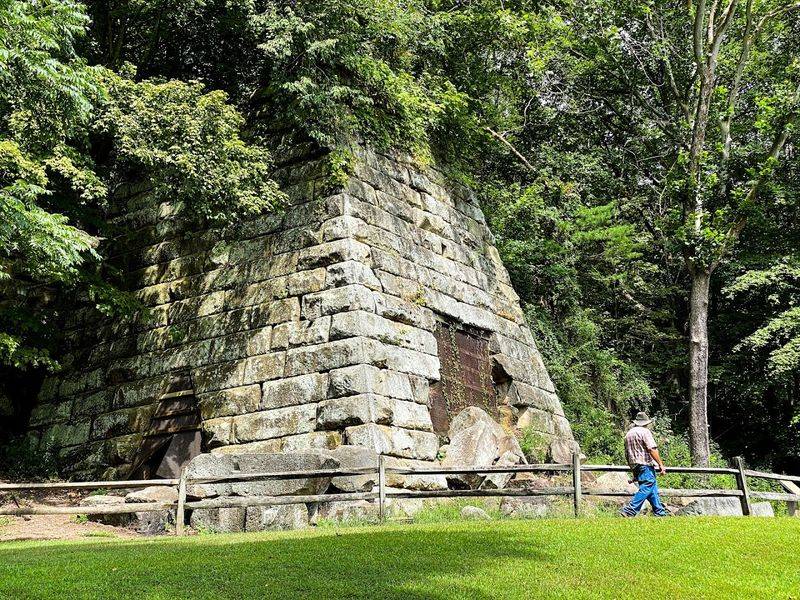
Tucked deep within the wooded hills of Vinton County, this abandoned iron furnace feels like the kind of place you stumble upon and instantly lower your voice. The towering stone stack rises from the forest with a solemn presence, reminding you that Ohio’s iron industry once powered entire communities.
Today, the quiet around Hope Furnace Ruins makes its past feel even more dramatic.
Built in 1854, the furnace was part of the Hanging Rock Iron Region, a major force in nineteenth-century production. Men labored here with iron ore, charcoal, and limestone, feeding a blazing operation that helped shape southeastern Ohio’s economy.
When the iron boom faded and technology changed, sites like this were left behind to weather time and trees.
What makes the ruin especially creepy is how complete it still feels without being alive. You can study the thick stonework, imagine wagons arriving, and picture workers moving through smoke and fire where birds now nest.
That contrast between industry and silence gives the site an almost haunted stillness.
There is no overproduced tourist gloss here, and that is part of the appeal. You are not just looking at old masonry, but at a physical memory of labor, danger, and isolation in Appalachian Ohio.
The surrounding forest seems to absorb sound, making every footstep feel like an interruption.
Local history does not need a ghost story to feel unsettling, but this place easily invites one. On a gray day, the furnace can look less like a ruin and more like a shrine to a vanished era.
If you want one of Ohio’s most atmospheric industrial relics, Hope Furnace Ruins delivers a chilling blend of beauty, hardship, and abandonment that stays with you long after the trail ends.
2. Moonville Tunnel, McArthur
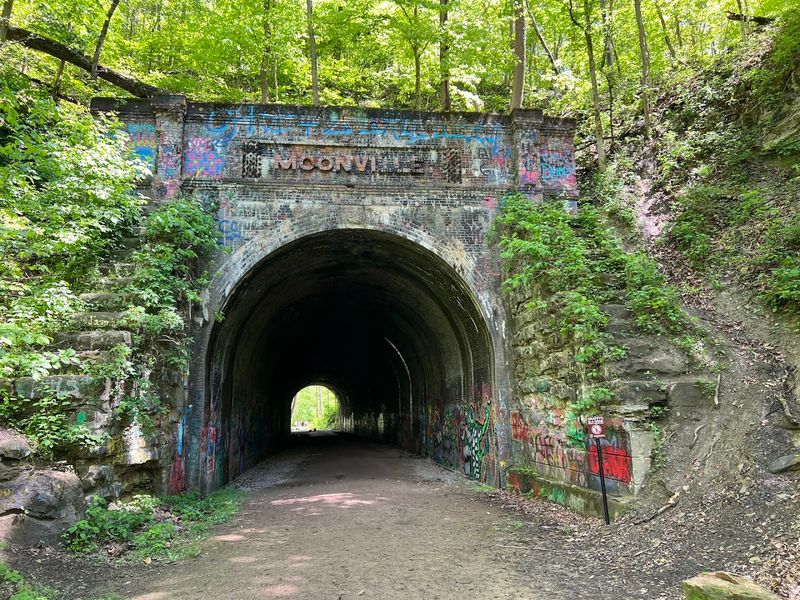
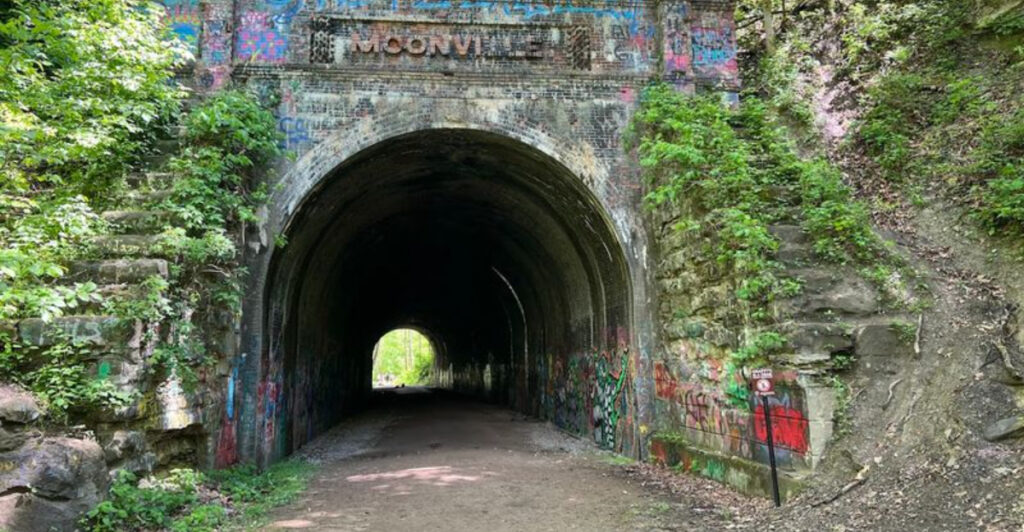
Hidden along an old rail corridor in the rugged hills near McArthur, this tunnel has become one of Ohio’s most famous haunted places for good reason. The dark brick passage cuts through the landscape with a lonely, abandoned look that instantly sparks curiosity.
Even before you know its history, Moonville Tunnel feels like a place where stories refuse to die.
The tunnel was part of the Marietta and Cincinnati Railroad, serving the now vanished mining community of Moonville. In its working years, trains carried coal and people through a remote region where accidents could turn deadly.
Several deaths connected to the tracks helped fuel generations of local legends about ghostly lanterns, shadow figures, and voices in the darkness.
What makes the site so memorable is not just the haunting reputation, but the isolation surrounding it. The town itself largely disappeared, leaving the tunnel as one of the last major reminders that life once pulsed through this narrow valley.
When you walk the trail and approach the opening, the silence can feel heavy enough to make every rumor seem possible.
Graffiti now colors parts of the tunnel, but it does not erase the sense of history. Instead, it adds another layer, showing how people keep returning to mark a place that already carries emotional weight.
The damp air, filtered light, and echoing interior make the experience cinematic in the best unsettling way.
Moonville Tunnel is perfect if you love Ohio places where folklore and fact overlap. You can come for the hike, the photography, or the history, but the atmosphere is what lingers.
Few ruins in the state capture loss, mystery, and local imagination as completely as this forgotten passage through the hills.
3. Vesuvius Iron Furnace, Pedro
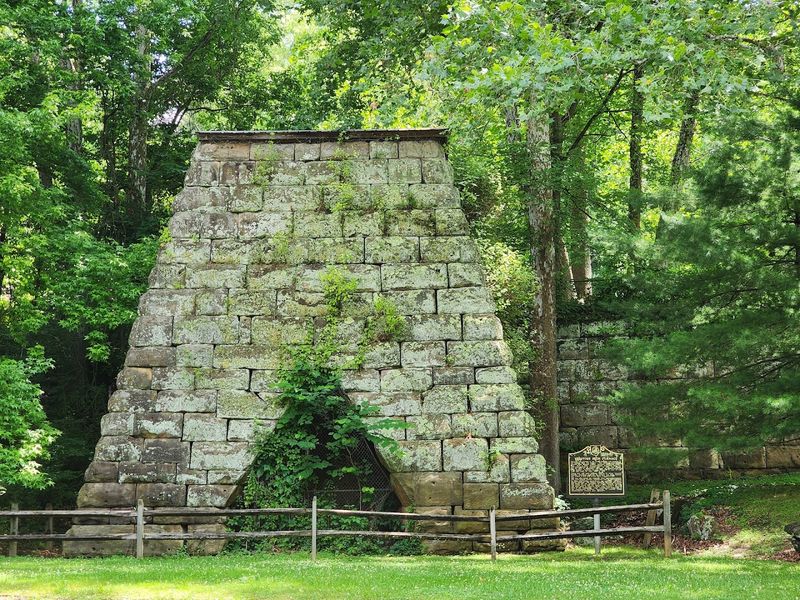
Standing in quiet contrast to the surrounding woods, this weathered furnace ruin offers a stark reminder of Ohio’s ironmaking past. Its heavy stone form looks built to outlast generations, and in many ways it has.
Visiting Vesuvius Iron Furnace feels like stepping into a chapter of southeastern Ohio where fire, labor, and raw materials shaped both landscape and livelihood.
Constructed in the nineteenth century, the furnace was one of many operations in the Hanging Rock Iron Region. These furnaces transformed local ore into iron using charcoal made from the region’s timber, linking forests, mines, and communities in a demanding industrial network.
Work here was intense, hot, and dangerous, even when production meant prosperity.
What gives this site its unsettling quality is the way nature now surrounds a place once defined by heat and noise. The stone stack remains imposing, but the bustle is gone, replaced by birdsong and the occasional visitor.
That dramatic reversal makes it easy to imagine the lives spent here and how quickly an industry can disappear.
There is also something deeply human about the ruin’s endurance. You are looking at a structure that once depended on constant motion, skilled labor, and nearby settlements, yet now survives as an isolated relic.
The absence of those workers can feel almost louder than their former presence.
Vesuvius Iron Furnace does not rely on theatrical legends to leave an impression. Its history is strong enough on its own, rooted in the boom and decline that defined much of rural Ohio.
If you enjoy ruins that combine regional industry, scenic seclusion, and a faintly haunted mood, this site in Pedro is an unforgettable stop that captures the lonely afterlife of the state’s iron frontier.
4. Squire’s Castle, Willoughby Hills
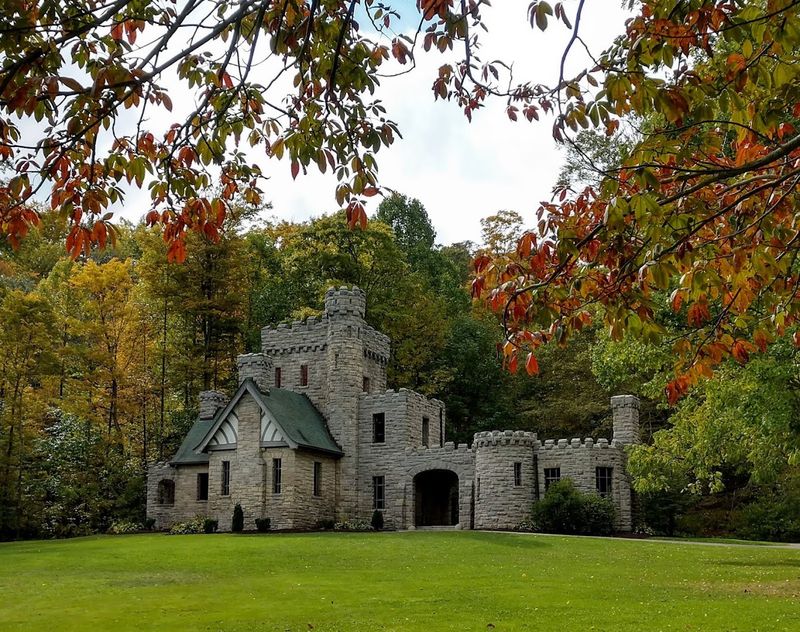
Rising unexpectedly from the woods of North Chagrin Reservation, this stone structure looks like a medieval fantasy that lost its kingdom. Turrets, arches, and rugged masonry give it an instantly dramatic appearance, especially when the sky turns gray.
Although often called a castle, Squire’s Castle is really a gatehouse ruin with a story more melancholy than grand.
It was built in the 1890s for Feargus B. Squire, a wealthy Standard Oil executive who planned a larger country estate in what is now Willoughby Hills.
Family tragedy and changing circumstances kept the dream from fully developing, and the gatehouse became the lasting symbol of an unfinished vision. That alone gives the place a slightly haunted emotional pull.
Over the years, rumors and ghost stories have wrapped themselves around the stone walls. Visitors have long whispered about strange sights, unusual feelings, and lingering sorrow tied to the family history.
Whether you believe any legend or not, the setting does much of the work, because the building feels isolated and strangely theatrical among the trees.
What I find most compelling is how elegant and lonely it looks at the same time. You can admire the craftsmanship while also sensing the failure of a much bigger plan that never came to life.
The ruin seems caught between ambition and abandonment, which is often where the creepiest places live.
Squire’s Castle is one of Ohio’s easiest ruins to visit, but it still manages to feel mysterious. The surrounding park softens the scene, yet the structure keeps its brooding charm in every season.
If you are drawn to places where wealth, loss, and legend collide, this northern Ohio landmark offers a beautifully eerie stop with just enough unanswered questions to keep you lingering nearby.
5. Ohio State Reformatory, Mansfield
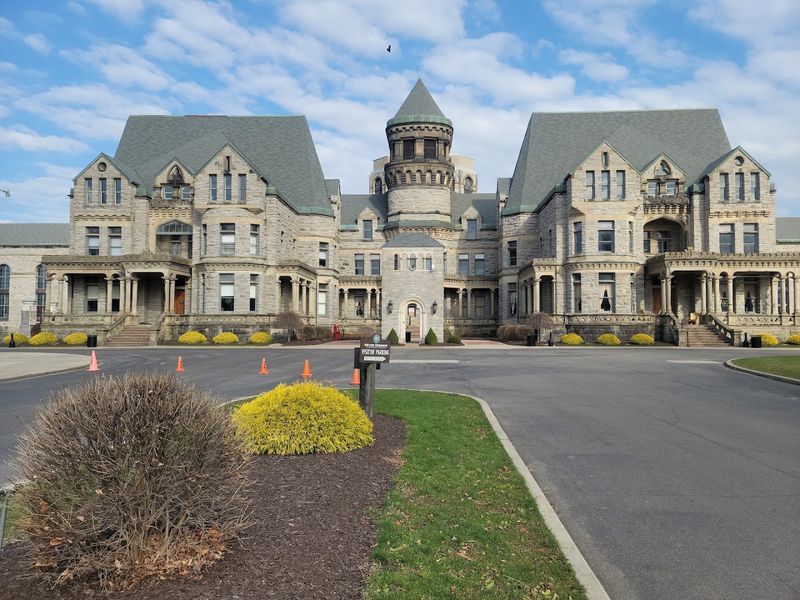
Few places in Ohio feel as overwhelmingly atmospheric as this massive former prison rising over Mansfield like a stone warning from another century. Its Gothic and Romanesque architecture is beautiful from a distance, but the beauty quickly turns severe once you consider what happened inside.
The Ohio State Reformatory is one of those rare ruins where history, suffering, and legend all compete for your attention.
Opened in 1896, the institution was originally intended to reform first-time offenders through discipline, education, and moral structure. That ideal gradually gave way to overcrowding, harsh conditions, violence, and neglect, leaving behind a grim record of human misery.
Former inmates and staff described an environment that could be punishing, unstable, and deeply traumatic.
The building later gained pop culture fame as a filming location for The Shawshank Redemption, but that recognition only adds another layer to its identity. Visitors arrive expecting a cinematic landmark and often leave most affected by the real stories embedded in the cells, corridors, and chapel.
Reports of paranormal activity have circulated for years, from shadowy figures to cold spots and unexplained sounds.
Even if you are skeptical, the scale of the place is enough to unsettle you. Long cell blocks, iron bars, peeling surfaces, and cavernous halls create a constant sense of confinement that never fully lifts.
It is easy to imagine the weight of thousands of lives compressed into one enormous institution.
Among Ohio’s creepiest historic sites, the reformatory stands apart because its ruin is not simply picturesque. It confronts you with the failure of a system and the emotional residue of everyone who passed through it.
If you want a place where architecture alone can chill you before the ghost stories begin, Mansfield’s most famous relic is impossible to forget.
6. Lusk Lock at Beaver Creek State Park, Lisbon
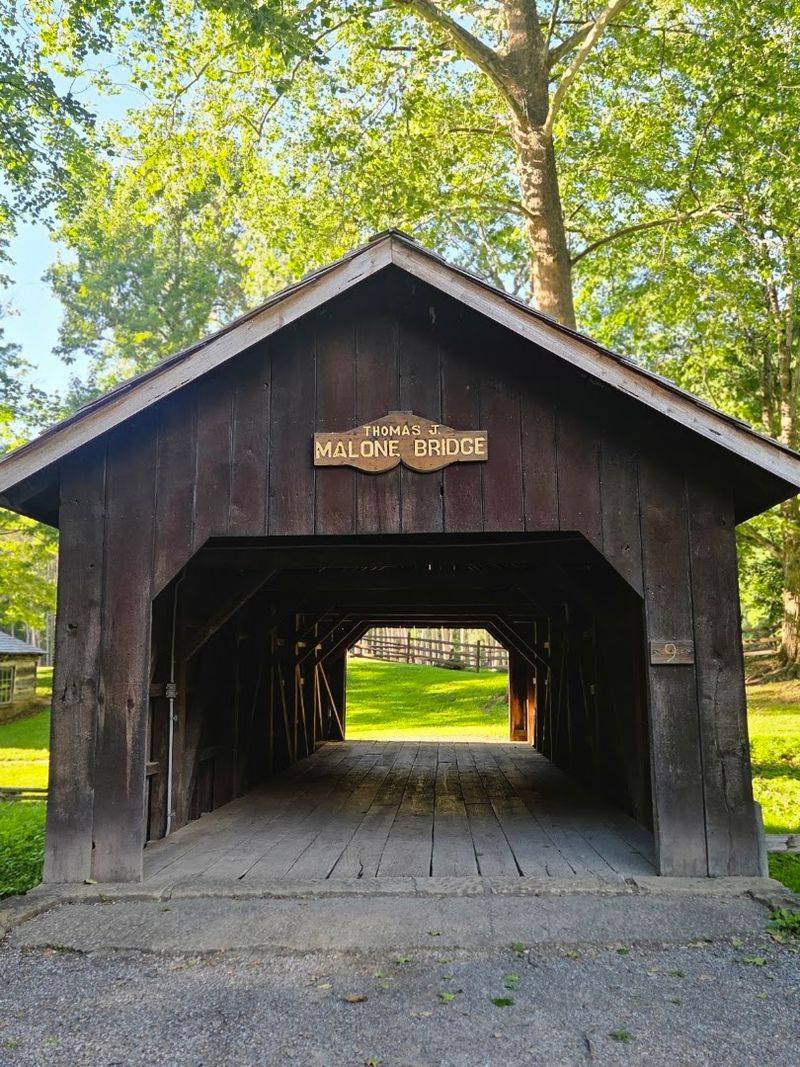
Set within the green quiet of Beaver Creek State Park, this old canal lock ruin offers a different kind of eerie experience. There are no towering prison walls or dark tunnels here, just weathered stone, water, and the remains of an ambitious transportation era.
Yet that quiet can be exactly what makes Lusk Lock feel so haunting.
The lock was part of the Sandy and Beaver Canal, one of Ohio’s many nineteenth-century canal projects designed to connect communities and move goods efficiently. Canals once represented progress, engineering skill, and economic hope across the state.
When railroads overtook them, many of these routes fell into neglect, leaving fragments like this behind.
What survives today is enough to spark the imagination. You can look at the masonry and picture mules, boats, and workers navigating a system that once mattered deeply to local commerce.
Now the lock sits in a landscape better known for recreation, making its industrial past feel strangely distant and ghostlike.
I like how this ruin rewards slower attention. At first glance, it can seem modest compared with Ohio’s larger abandoned landmarks, but the longer you stay, the more its silence works on you.
The thought that entire transportation networks can fade into forest and memory gives the place an unexpectedly powerful presence.
Lusk Lock also reveals a less obvious side of Ohio history, one tied to waterways, trade, and the short-lived optimism of canal expansion. There is something poignant about ruins that were built for movement yet now stand still forever.
If you are drawn to forgotten infrastructure and hidden stories rather than flashy destinations, this Lisbon-area site offers a peaceful, creepy reminder that even grand plans can sink quietly back into the landscape.
7. Lockington Locks, Lockington
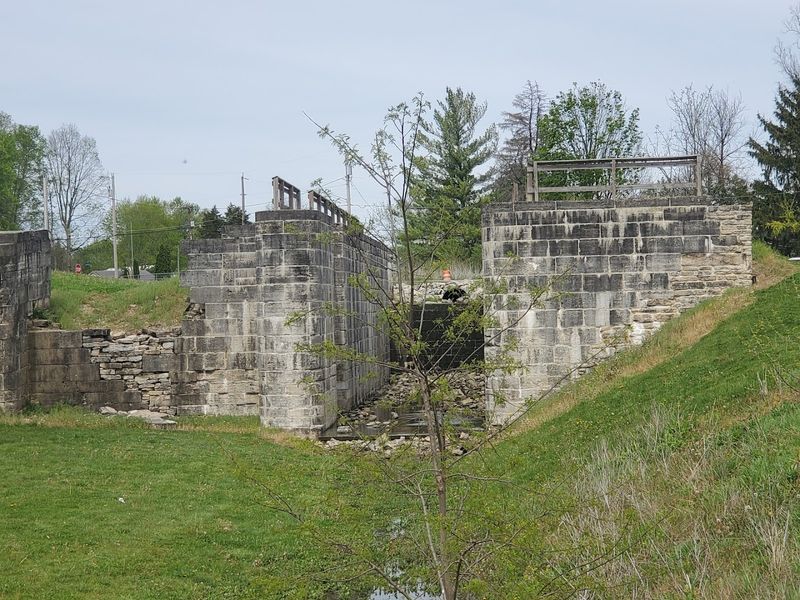
Spread across a surprisingly open landscape, these canal lock ruins feel less like a single site and more like the bones of an abandoned system. Stone chambers step through the terrain with a rugged, practical beauty that still hints at the scale of the original project.
Lockington Locks turns engineering history into something both impressive and faintly melancholy.
The site preserves a major section of the Miami and Erie Canal, one of Ohio’s most significant nineteenth-century transportation routes. Built to move boats through changing elevation, the lock system once played a critical role in connecting trade and travel across the state.
For a time, canals like this represented innovation and economic confidence on a grand scale.
Walking among the ruins today, you are struck by how much labor and planning went into something now mostly visited for history and curiosity. The locks no longer lift boats, but they still shape the land with remarkable authority.
That disconnect between former purpose and present stillness gives the site a quietly ghostly character.
Unlike places that rely on dramatic legends, Lockington unsettles you through absence. You can imagine the water levels, the gates, the crews, and the rhythm of canal life, then realize how completely that world has vanished.
It is a reminder that even highly functional infrastructure can become mysterious once its context disappears.
This is one of those Ohio ruins that grows more interesting the more you understand it. The preserved stonework offers a tangible link to the state’s canal age, while the emptiness around it invites reflection on what progress leaves behind.
If you enjoy historic places where craftsmanship, ambition, and abandonment meet in plain view, Lockington Locks offers a thoughtful kind of creepiness that lingers far longer than you might expect.
8. Frankenstein’s Castle at Hills and Dales MetroPark, Kettering
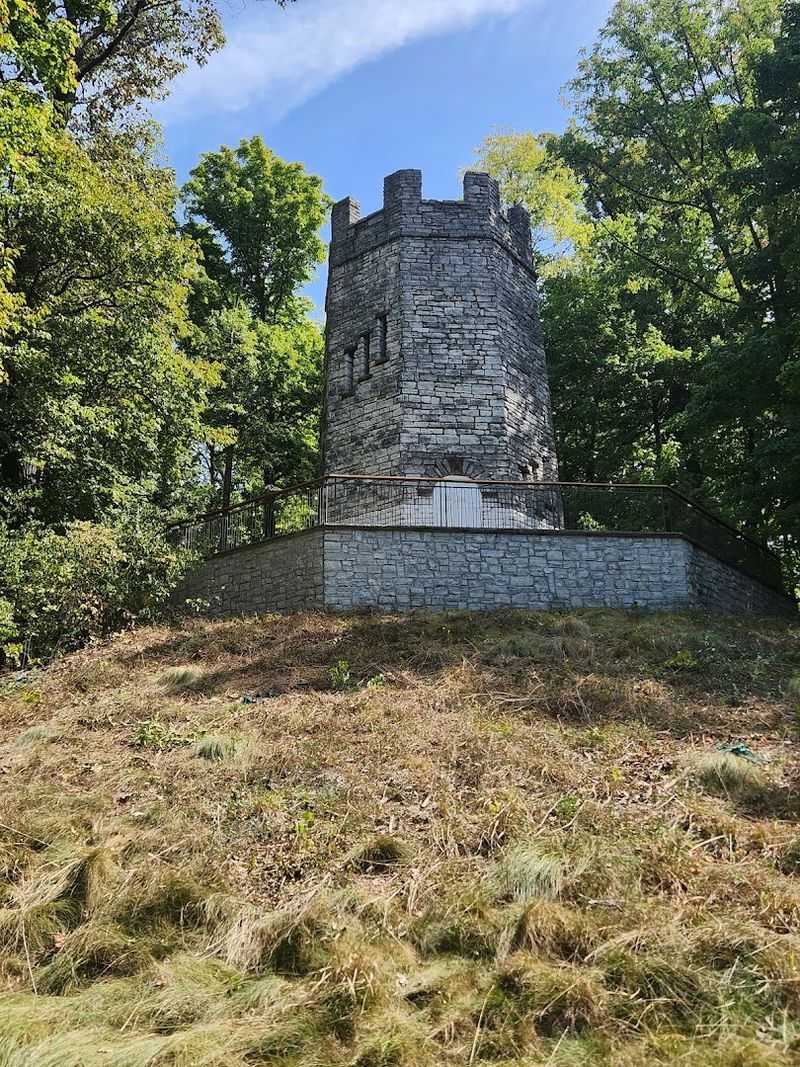
Perched within the wooded beauty of Hills and Dales MetroPark, this ruin wins points for atmosphere before you even learn the nickname. Known as Frankenstein’s Castle, the stone structure looks like something lifted from a gothic novel and dropped into southwestern Ohio.
It is not a real castle, but that hardly matters when the setting already encourages your imagination to run wild.
The ruin was originally built as part of the estate landscape created by industrialist John H. Patterson, the founder of National Cash Register.
Designed as a scenic folly or lookout in the early twentieth century, it was meant to add romance and drama to the grounds rather than serve as a fortified residence. Time, weather, and changing use eventually left it in a partial state of decay.
The nickname did the rest, giving the structure a playful but spooky identity that still attracts curious visitors. On a cloudy day, the stonework and surrounding trees can make the site feel much older and stranger than it really is.
That gap between historical reality and emotional effect is exactly what makes it memorable.
What I enjoy here is how the ruin balances elegance with creepiness. It does not feel tragic in the same way as an abandoned prison or vanished industrial town, yet there is still something eerie about a decorative landmark outlasting the social world that created it.
You are left with a fragment of someone else’s dramatic vision, now interpreted through local legend.
Frankenstein’s Castle proves Ohio ruins do not need gruesome histories to capture your attention. Sometimes a suggestive name, a wooded hillside, and weathered stone are enough to make a place feel enchanted and unsettling at once.
If you want a ruin near Kettering that blends park beauty, architectural curiosity, and a touch of theatrical gloom, this one is well worth seeking out.
Share this story