Texas offers incredible outdoor experiences without charging a single penny. From peaceful nature trails to stunning urban gardens, the Lone Star State proves you don’t need a big budget to create lasting memories. Whether you’re looking for weekend adventures near the city or peaceful escapes into nature, these eight spots deliver big experiences at zero cost.
1. Fort Worth Water Gardens (Fort Worth)
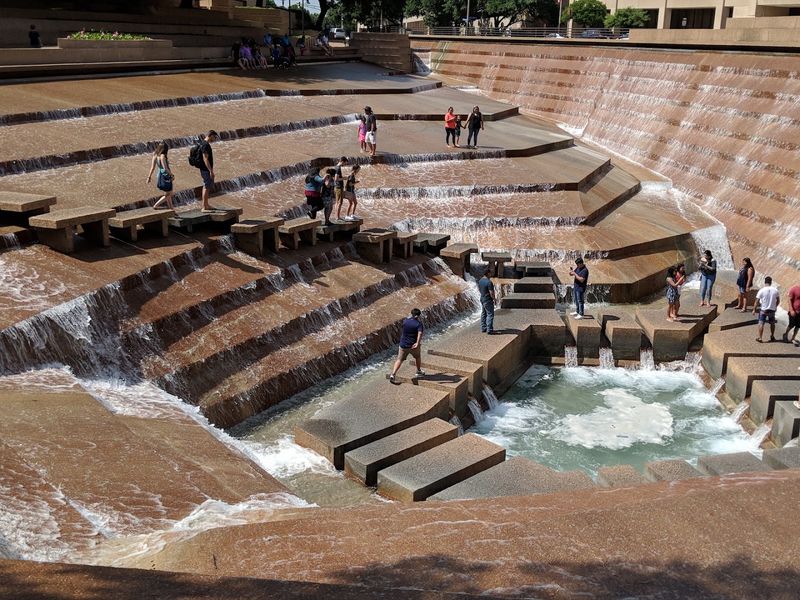
Concrete never looked so alive. This architectural wonder in downtown Fort Worth transforms water into art, creating a cooling escape right in the middle of the city. Built in 1974, the gardens cover 4.3 acres and feature three distinct pools that each tell their own story through water movement and sound.
The Active Pool steals the show with water cascading down terraced steps, creating a thunderous roar that drowns out city noise. You can walk right down into it, getting close enough to feel the mist on your face. The Quiet Pool lives up to its name with still water reflecting the sky, while the Aerating Pool shoots fountains in carefully choreographed patterns.
Summer afternoons here feel about 10 degrees cooler than the surrounding streets. Families spread out on the grassy areas for picnics while kids chase each other around the pools. Photographers love the dramatic angles and play of light on water, especially during golden hour.
The concrete channels and geometric shapes might seem harsh at first glance, but they create surprisingly peaceful spaces. Sound echoes differently in each section, making every pool feel like its own world. Early mornings bring joggers and meditation seekers, while lunch hours see downtown workers escaping their desks.
Parking fills up fast on weekends, so arriving before 10 a.m. gives you the best shot at nearby spots. The gardens sit within walking distance of several museums and restaurants, making them perfect for a full day downtown. Pack water shoes if you plan to wade—the concrete can get slippery, and those terraced steps demand respect.
2. Balcones Canyonlands National Wildlife Refuge (near Marble Falls)
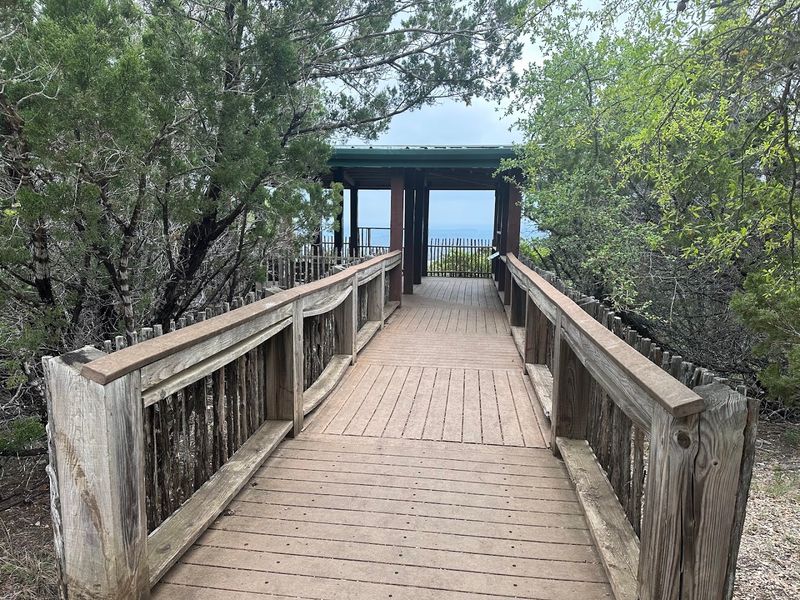
Bird watchers practically pilgrimage here. This 27,000-acre refuge protects some of the last remaining habitat for the endangered Golden-cheeked Warbler, a tiny songbird that nests nowhere else on Earth except the Texas Hill Country. Spring migration turns the canyons into a feathered highway, with over 230 species passing through or calling this place home.
The landscape shifts dramatically as you explore. Steep limestone canyons give way to rolling grasslands, then back to dense juniper-oak woodlands. Hiking trails range from easy half-mile loops to challenging treks that climb ridge lines for sweeping views of the Hill Country.
Wildlife sightings happen regularly if you stay quiet and observant. White-tailed deer browse in meadows at dawn and dusk. Armadillos shuffle through leaf litter, completely focused on finding insects.
Black-capped Vireos, another endangered species, flit through low shrubs during breeding season.
The refuge manages access carefully to protect sensitive habitats, so only certain areas open to the public. Call ahead or check their website for current trail availability and seasonal closures. Some sections require advance reservations, especially during peak warbler season from March through July.
Bring binoculars even if you’re not a serious birder—the views alone justify them. The refuge sits about 45 minutes from Austin and an hour from San Antonio, making it doable as a day trip. Cell service gets spotty once you’re deep in the canyons, so download maps beforehand.
Pack plenty of water and sun protection. These exposed hillsides offer little shade during summer afternoons when temperatures easily hit the 90s. Morning visits reward you with active wildlife and bearable heat, plus better chances of hearing those warblers sing their buzzy songs from the treetops.
3. Japanese Tea Garden (San Antonio)
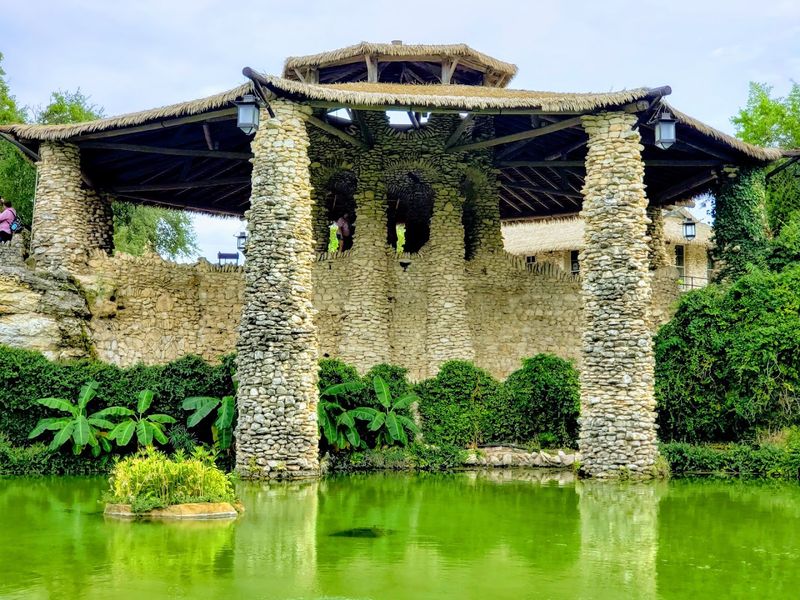
Built inside an old rock quarry, this garden turns industrial scars into beauty. Stone cliffs that once echoed with dynamite blasts now frame tranquil pools filled with massive koi. The transformation began in 1917 when the city hired Japanese artist Eiji Yamamoto to design a peaceful retreat in what was then called Brackenridge Park.
Koi the size of small dogs glide through crystal-clear ponds, their orange and white patterns flashing beneath lily pads. Kids go absolutely wild feeding them—fish food dispensers cost a quarter and create instant feeding frenzies. The koi have zero fear, practically climbing over each other to reach the surface when they spot visitors approaching.
Stone pathways wind past bamboo groves and under curved bridges that photograph like postcards. Waterfalls tumble down the old quarry walls, their gentle splashing mixing with wind chimes hung throughout the garden. Shaded benches hide in quiet corners, perfect for reading or just watching dragonflies dart across the water.
The garden sits adjacent to the San Antonio Zoo, so you’ll hear occasional animal calls drifting over—lions roaring, peacocks screaming. Somehow it adds to the experience rather than detracting from it. The juxtaposition of wild sounds and cultivated peace creates something unexpectedly magical.
Peak blooming happens in spring when azaleas and wisteria explode with color, but the garden rewards visits year-round. Summer brings intense green and the soothing sound of more active waterfalls. Fall colors pop against the limestone backdrop.
Even winter has charm when morning mist rises from the warm ponds into cold air.
Arrive early on weekends to beat the crowds and snag parking in the adjacent lot. The garden’s compact size—just a few acres—means you can thoroughly explore it in an hour, though many visitors linger much longer on those shaded benches, reluctant to return to the Texas heat outside.
4. Lady Bird Lake Hike-and-Bike Trail (Austin)
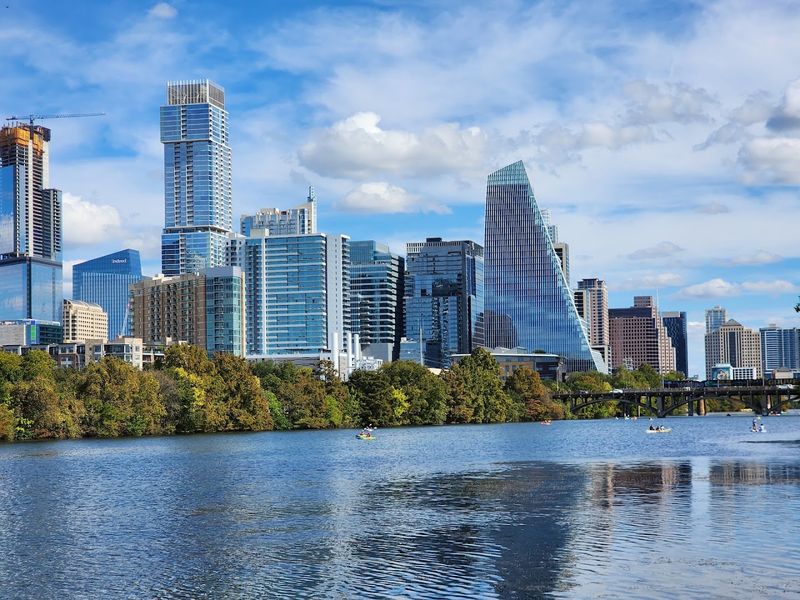
Austin’s favorite ribbon of pavement circles Lady Bird Lake for 10 miles of car-free bliss. Runners, cyclists, dog walkers, and stroller-pushers share this urban trail that somehow feels miles away from the surrounding city. The Colorado River flows beneath you while downtown skyscrapers rise in the background—pure Austin contradiction.
Boardwalk sections extend out over the water, putting you eye-level with turtles sunbathing on logs and herons fishing in the shallows. Kayakers and stand-up paddleboarders glide past below while you walk above. The interplay of land and water users creates constant movement and energy along the entire loop.
Landmarks break up the journey and give you mental checkpoints. The Stevie Ray Vaughan statue marks a popular photo stop on the south shore. The pedestrian bridge near Lamar Boulevard offers killer sunset views looking west.
Zilker Park’s great lawn provides space to sprawl out and rest before continuing your loop.
Different sections have distinct personalities. The south side runs quieter and shadier through trees, while the north shore opens up with better skyline views but less shade. East of I-35, the trail gets wilder and less crowded, attracting serious distance runners and cyclists looking to rack up miles.
Parking challenges your patience on nice weekends—everyone has the same idea. The Barton Springs parking area fills by 9 a.m. on Saturdays. Consider biking to the trail from wherever you’re staying, or use ride-share to avoid the parking headache entirely.
Summer heat makes afternoon walks brutal, but early mornings bring perfect temperatures and golden light. Bats emerge from under the Congress Avenue Bridge at dusk during warm months, creating a natural spectacle visible from the trail. Winter rarely freezes Austin, making this a year-round destination that locals use daily, not just when tourists visit.
5. Cattail Marsh Scenic Wetlands & Boardwalk (Beaumont)
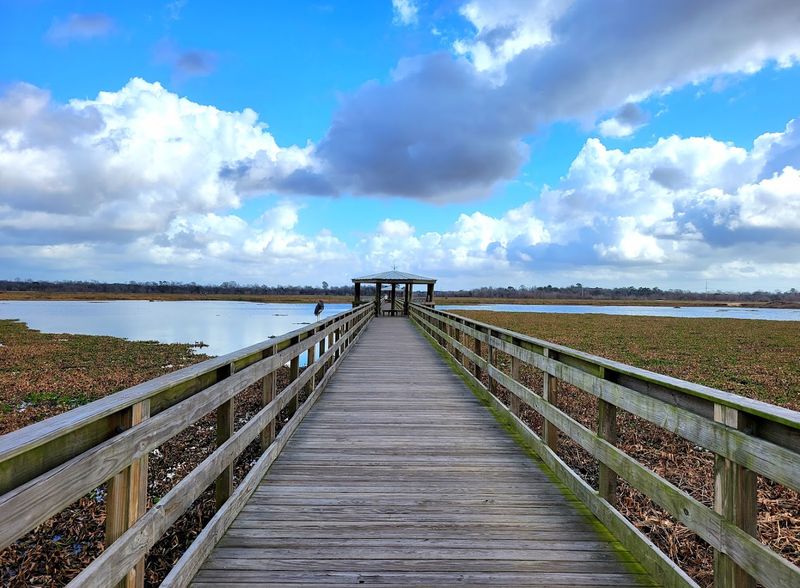
A wastewater treatment facility sounds like the last place you’d want to spend a Saturday, but Beaumont flipped that script entirely. This 900-acre wetland system cleans the city’s water while providing spectacular bird habitat, proving that environmental engineering and nature tourism can coexist beautifully. The elevated boardwalk keeps your feet dry while putting you right in the middle of the action.
Alligators sun themselves on muddy banks below the walkway. Yes, actual alligators—Southeast Texas sits firmly in gator territory, and Cattail Marsh has a healthy population. They mostly ignore humans, focused instead on fish and turtles, but spotting one never gets old.
Bring binoculars for safe viewing from the boardwalk’s observation platforms.
Bird diversity here rivals anywhere in Texas. Roseate Spoonbills sweep their bizarre bills through shallow water, their pink feathers almost neon against green vegetation. Great Blue Herons stand statue-still, waiting to spear fish.
During migration seasons, the marsh becomes a rest stop for thousands of ducks, geese, and shorebirds traveling between breeding and wintering grounds.
The boardwalk stretches nearly a mile through different marsh zones, each supporting different wildlife. Interpretive signs explain the wetland ecology and water treatment process, turning your walk into an unexpected science lesson. Kids love the hands-on exhibits at the nature center, which also offers free binocular rentals if you forgot yours.
Mosquitoes can be intense during humid months—spray up before hitting the trail. Morning visits generally see less bug activity and more active wildlife. The marsh sits just off I-10, making it an easy stop if you’re passing through Beaumont on the way to Louisiana or Houston.
Photography opportunities happen constantly. The combination of birds, alligators, and dramatic wetland landscapes gives you endless subjects. Sunrise and sunset paint the marsh in incredible colors, with mist rising off the water creating ethereal scenes that don’t look real until you’re standing there witnessing them yourself.
6. Oak Point Park and Nature Preserve (Plano)
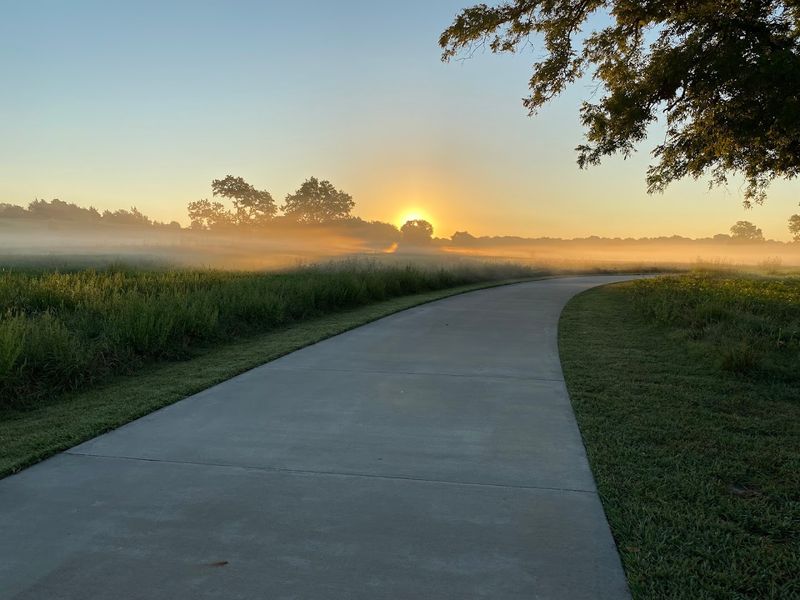
Plano hides serious wilderness behind its suburban sprawl. This 800-acre preserve protects native blackland prairie, oak forests, and wetlands right where you’d expect another shopping center. Five miles of trails wind through ecosystems that once covered most of North Texas before development paved them over.
The prairies come alive with wildflowers from March through October. Bluebonnets kick off spring, followed by Indian paintbrush, coreopsis, and black-eyed Susans. By summer, big bluestem grass towers overhead, creating tunnels of green that rustle in the breeze.
Butterflies work the flowers while grasshoppers explode from your path with every step.
Trails split into different difficulty levels, from paved paths perfect for strollers to narrow dirt tracks that challenge mountain bikers. The longest loop takes about two hours at a casual pace, passing through all the major habitat types. Shorter connector trails let you customize your route based on time and energy levels.
Lake views open up along the eastern edge where Oak Point Park meets Lake Lewisville. Fishermen work the shoreline while sailboats dot the water beyond. Picnic tables and covered pavilions cluster near the parking areas, making this popular for family gatherings that combine hiking with eating.
Dog walkers dominate the trails on weekday mornings. The preserve allows leashed dogs on all trails, and the local crowd takes full advantage. Weekend afternoons bring more families and cyclists, but the trail network spreads people out enough that it rarely feels crowded.
Native plant enthusiasts geek out over the prairie restoration work happening here. The park actively manages invasive species and replants native grasses and flowers, slowly returning the land to its pre-settlement condition. Interpretive signs explain which plants are native versus introduced, turning your hike into a botany lesson.
Parking lots close at sunset, and rangers actually enforce it, so plan accordingly. Summer heat peaks brutally in the exposed prairie sections—early morning or evening walks make way more sense than midday suffering. Winter visits reveal the preserve’s bones when grasses die back, offering different but equally beautiful landscapes.
7. Sheri Capehart Nature Preserve (Arlington)
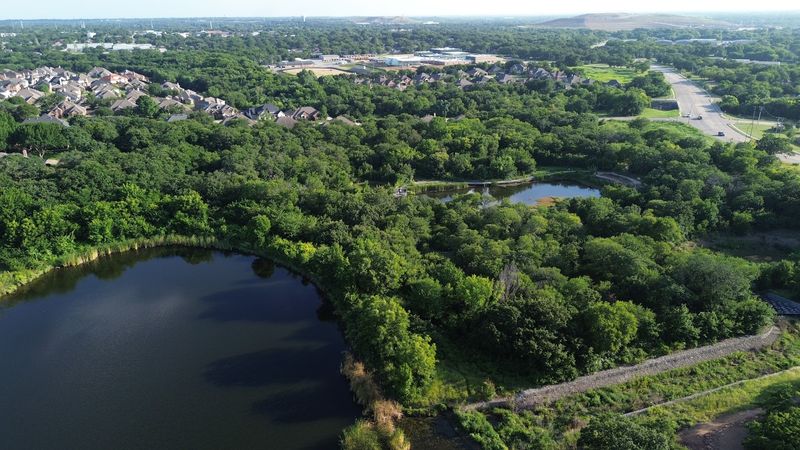
Tucked between Arlington neighborhoods, this 22-acre preserve punches way above its weight class. Dense woods, a spring-fed creek, and surprisingly rugged terrain create the illusion of being miles from civilization when you’re actually minutes from Six Flags. The preserve honors local conservationist Sheri Capehart, who fought to protect this land from development.
The creek runs year-round, a rarity in North Texas where many streams dry up by August. Water draws wildlife like a magnet—deer tracks press into muddy banks, raccoons leave handprints on rocks, and countless birds visit to drink and bathe. The sound of flowing water follows you along most of the trail system.
Trail difficulty surprises first-time visitors. This isn’t some flat park stroll—elevation changes and rocky sections require decent balance and real hiking shoes. Tree roots cross the path in spots, and after rain, things get legitimately slippery.
The challenge adds to the authentic nature experience rather than detracting from it.
Native trees create a canopy that blocks summer sun, dropping temperatures noticeably once you step into the woods. Post oaks, cedar elms, and hackberries tower overhead while smaller understory plants fill the middle layers. Fall brings excellent color when the elms and oaks turn yellow and orange.
The preserve stays quiet most weekdays, offering genuine solitude despite sitting in the middle of a major city. Local schools use it for outdoor education, so you might encounter a class learning about ecosystems and watershed protection. Weekends see more visitors, but the small parking lot naturally limits crowds.
Arlington Parks and Recreation maintains the trails well, with clear markers and occasional benches for resting. No restrooms exist on site, so plan accordingly. The preserve opens dawn to dusk, giving early risers and evening walkers both access to cooler temperatures and active wildlife hours.
Birdsong fills the canopy during spring and summer. Woodpeckers hammer on dead trees, cardinals whistle from the understory, and warblers flit through during migration. Even non-birders appreciate the soundtrack.
This little preserve proves that meaningful nature experiences don’t require driving hours—sometimes the best outdoor spaces hide right in your own backyard.
8. Houston Arboretum & Nature Center (Houston)
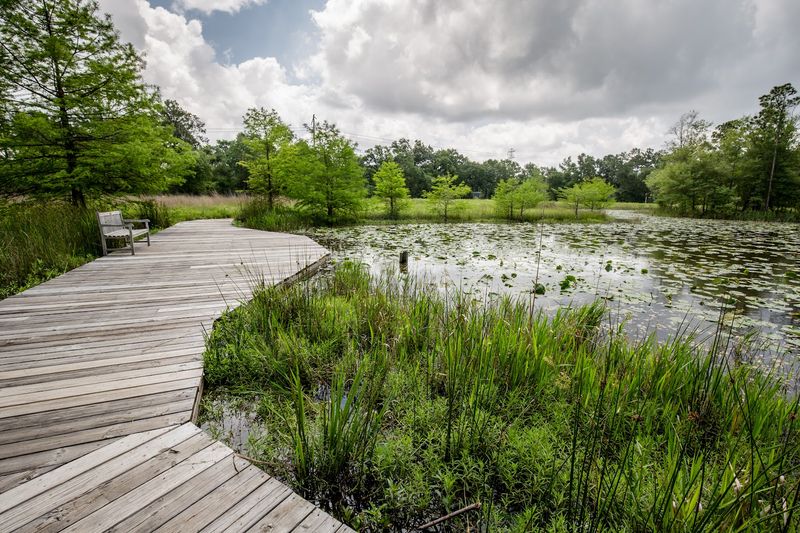
Nestled inside Memorial Park, this 155-acre sanctuary protects the kind of forest that once covered the entire Houston area. Towering pines, massive oaks, and dense understory vegetation create genuine wilderness minutes from downtown skyscrapers. Five miles of trails loop through different habitats, from wetlands to upland forests, all within the fourth-largest city in America.
The nature center building offers air-conditioned relief and excellent educational exhibits about Texas coastal ecosystems. Staff naturalists lead free guided walks most weekends, sharing knowledge about native plants, wildlife tracking, and forest ecology. Kids gravitate toward the discovery room with its hands-on activities and live animal displays.
Trails vary from wide, accessible paths perfect for wheelchairs and strollers to narrow tracks that feel genuinely wild. Boardwalks cross swampy sections where cypress knees poke through standing water and frogs chorus loudly during spring. The Outer Loop Trail circles the entire preserve, taking about 90 minutes at a relaxed pace.
Wildlife sightings happen constantly despite Houston’s urban intensity. Armadillos rootle through leaf litter, oblivious to human observers. Turtles sun on logs in the ponds.
Hawks patrol overhead while songbirds work the forest canopy. The arboretum maintains feeding stations that attract cardinals, woodpeckers, and occasionally rarer species that send local birders running for their cameras.
Summer humidity here reaches epic levels—Houston doesn’t do subtle when it comes to moisture. Morning walks before 9 a.m. offer the best combination of bearable temperatures and active wildlife. Winter brings mild conditions perfect for hiking, with daytime temps often in the 60s while northern states freeze.
The arboretum sits just off Loop 610, making access easy from anywhere in Houston. Parking fills up on nice weekends, especially Saturday mornings when running groups and families converge. Weekday visits guarantee more solitude and better wildlife viewing since fewer people means less disturbance.
Educational programs run year-round, from summer camps for kids to adult workshops on native landscaping and wildlife gardening. The arboretum actively promotes conservation beyond its boundaries, teaching Houstonians how to create wildlife habitat in their own yards using native plants instead of water-hungry lawns.
Share this story