
Tennessee roads take you past more than just scenic views and highway signs. Tucked away from the main routes are incredible places that most travelers never notice, even though they might pass them dozens of times.
From mysterious caves to historic parks and quiet trails, these hidden spots offer adventures that feel like your own secret discovery, waiting just beyond the next exit or turn.
1. Lost Cove Cave — Franklin County
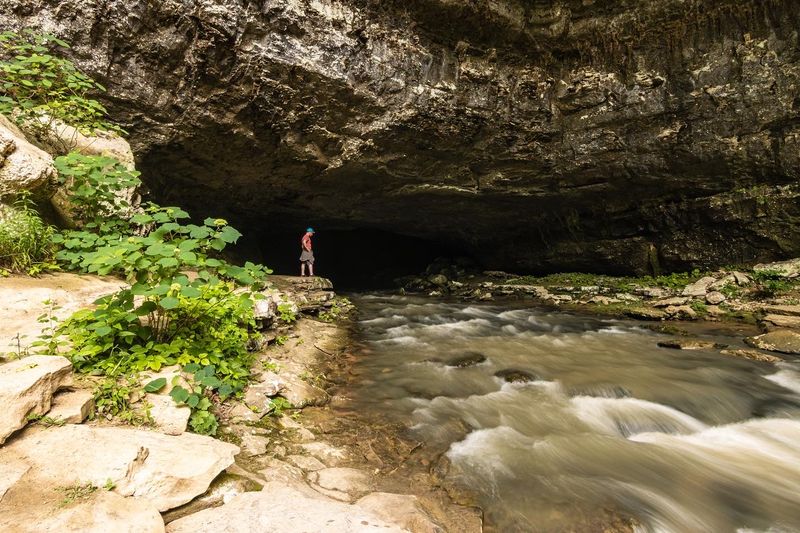
Massive stone walls tower above you as cool air rushes from the darkness inside. Lost Cove Cave sits quietly in the South Cumberland region, where most drivers zoom past without realizing what natural wonder lies just off the road. The cave features two enormous entrances that look like gateways to another world, with an underground creek that echoes through the chambers.
Hikers who make the trek down the trail are rewarded with views that feel prehistoric and untouched. The limestone formations create dramatic shadows and textures that change throughout the day. Bring a flashlight if you want to explore deeper, but even standing at the entrance feels like discovering something ancient.
Spring and fall provide the best visiting conditions when temperatures stay comfortable and water levels showcase the creek beautifully.
2. Thumping Dick Hollow — Sewanee Area
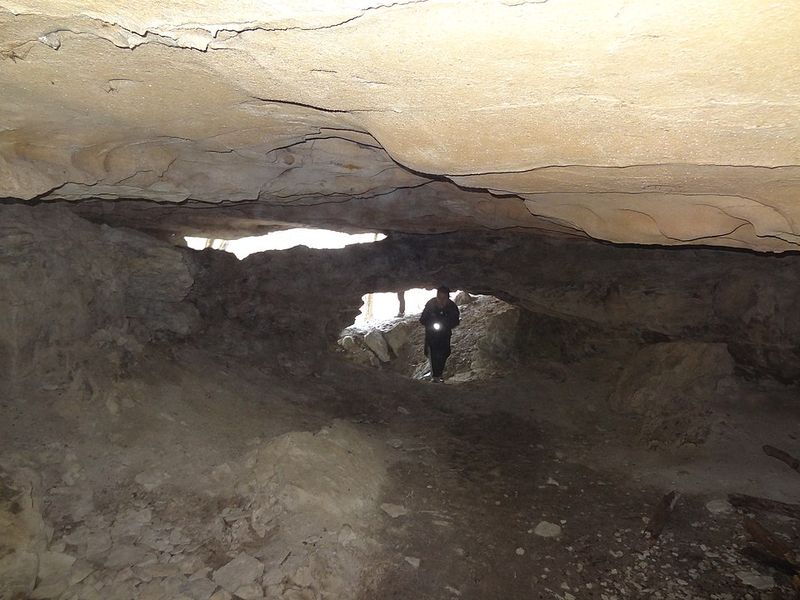
Yes, that’s really the name, and locals love telling the story behind it. Thumping Dick Hollow earned its quirky title from an early settler, but today it’s known for peaceful walks through old-growth forest that feels worlds away from civilization. The Sewanee Perimeter Trail winds through this area, passing sinkholes and hidden cave openings that surprise even experienced hikers.
Tall trees create a canopy that filters sunlight into dancing patterns on the forest floor. The trail stays relatively easy, making it perfect for families or anyone wanting a gentle nature escape. Wildlife sightings happen frequently here, from deer to various bird species that call these woods home.
Most people drive right past the trailhead without noticing the small parking area.
3. Harpeth River State Park — Kingston Springs
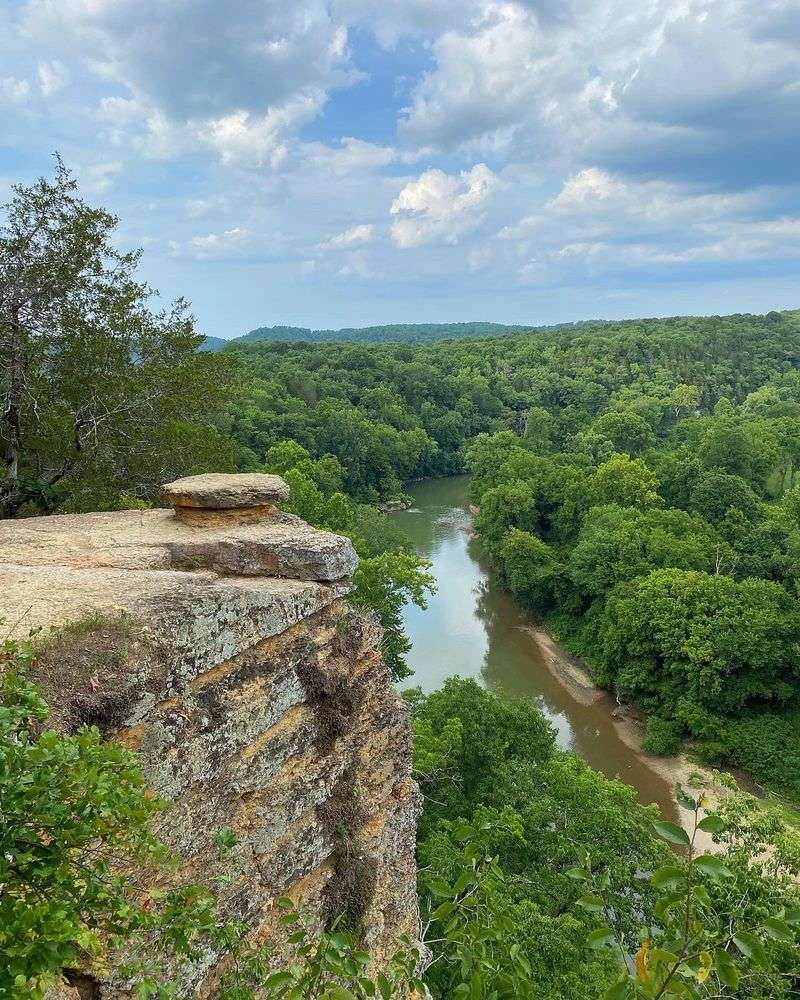
Someone once carved a tunnel through solid rock by hand, and you can still walk right up to it today. The Montgomery Bell Tunnel at Harpeth River State Park represents an incredible piece of Tennessee history that most travelers miss completely. Built in the early 1800s to power an iron forge, the 290-foot tunnel redirects the river in a massive loop that’s both beautiful and historically fascinating.
The park offers multiple access points along the Harpeth River, each with its own character and scenery. Kayakers and canoeists love the gentle current and limestone bluffs that line the water. Several hiking trails connect different areas, revealing river bends and forest views that feel surprisingly remote.
Picnic areas provide perfect spots for lunch after exploring the tunnel. The park sees far fewer visitors than nearby attractions, meaning you often get these natural and historical treasures mostly to yourself.
4. Standing Stone State Park — Hilham
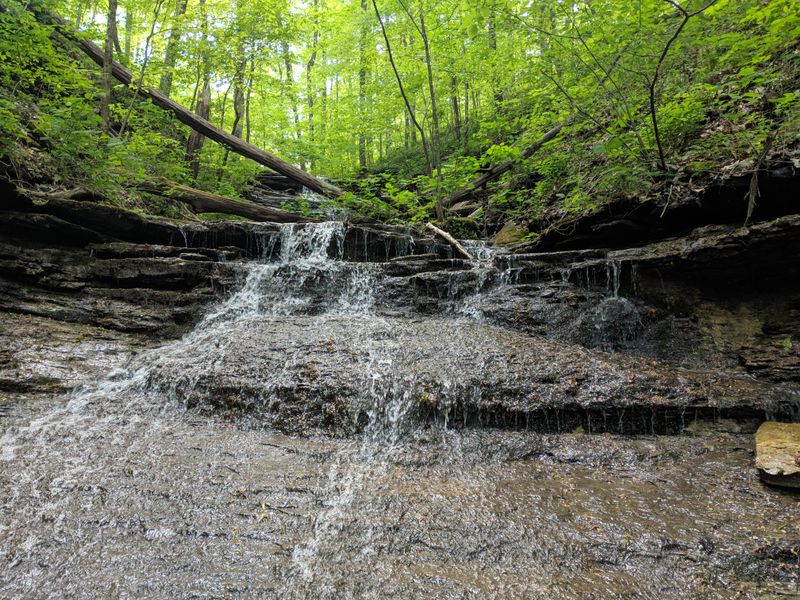
A mysterious stone once stood here, marking a boundary that Native Americans recognized for generations. Standing Stone State Park takes its name from this legendary landmark, though the original stone disappeared long ago. What remains is a gorgeous park centered around a peaceful lake that reflects the surrounding forest like a mirror.
Hiking trails wind through diverse terrain, from lakeside paths to ridge-top views that stretch for miles. The park feels genuinely off the beaten path, located in a part of Tennessee that doesn’t see heavy tourist traffic.
Cabins and campsites provide overnight options for visitors wanting more than a day trip.
5. Red Clay State Historic Park — Cleveland
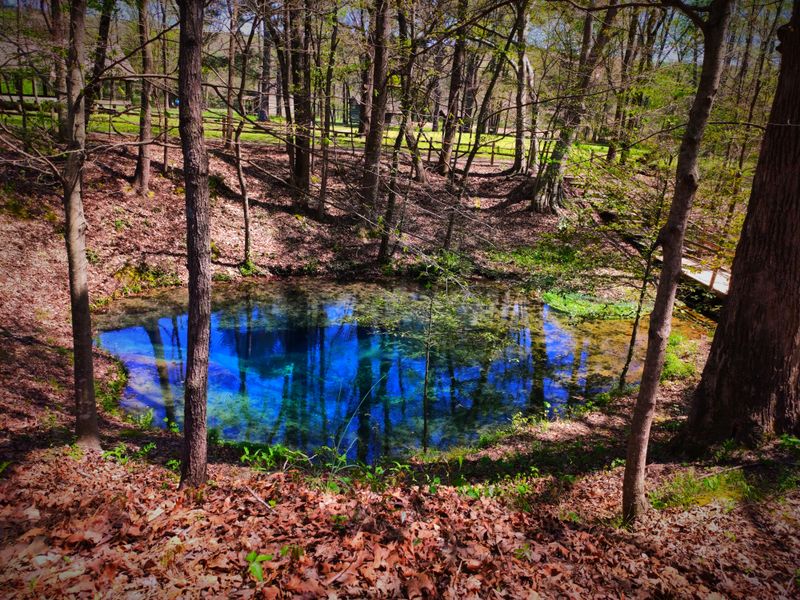
History weighs heavy in the air at Red Clay, where the Cherokee Nation held their last council meetings before the tragic Trail of Tears. This quiet park near Cleveland preserves the final eastern capital of the Cherokee people, a place where important decisions were made and families gathered. Most travelers never realize they’re passing such a culturally significant site.
The park features a recreated council house and interpretive center that tells the Cherokee story with respect and detail. A sacred spring still flows here, the same water that Cherokee families drank nearly two centuries ago.
Shaded paths connect different areas of the park, making it easy to explore at your own pace. The peaceful setting contrasts sharply with the difficult history it represents, offering space for reflection and learning.
6. Dunbar Cave State Park — Clarksville
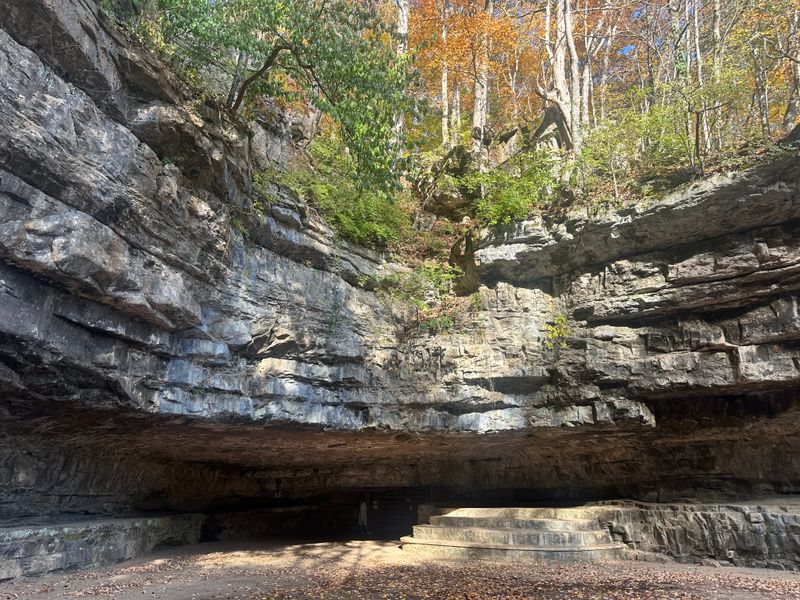
Ancient hands painted mysterious symbols on these cave walls thousands of years ago, and you can still see them today. Dunbar Cave State Park protects one of Tennessee’s most historically rich cave systems, complete with prehistoric pictographs that archaeologists are still studying. The cave stretches over eight miles underground, though guided tours cover the most accessible and interesting sections.
Native Americans used this cave for ceremonies and shelter long before European settlers arrived. Later, the cave became a dance hall and concert venue in the 1930s and 40s, adding another layer to its fascinating story. Today, the park offers both cave tours and surface trails through beautiful woodland.
The cave maintains a constant cool temperature year-round, making it a refreshing escape during hot Tennessee summers. Above ground, the park features a small lake and picnic areas perfect for family outings after your underground adventure.
7. Big Soddy Creek Gulf Trail — Soddy-Daisy
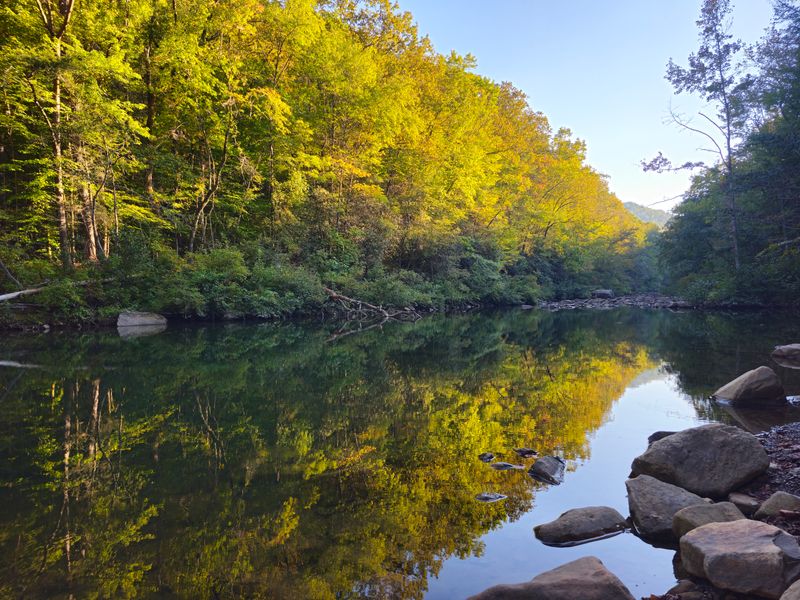
Your dog will absolutely love this trail, and so will you. Big Soddy Creek Gulf Trail winds through a gorgeous gorge that somehow stays under the radar despite being near I-75. The trail follows the creek through a narrow valley where rock walls rise on both sides, creating a sense of adventure and discovery.
Water tumbles over small cascades and pools in quiet spots perfect for cooling off on warm days. The path stays mostly shaded under a canopy of hardwoods and hemlocks, keeping temperatures comfortable even in summer.
The trail offers moderate difficulty with some rocky sections that require careful footing. Most hikers complete the route in a couple of hours, though it’s tempting to linger at the prettiest spots.
8. Overton Park — Memphis
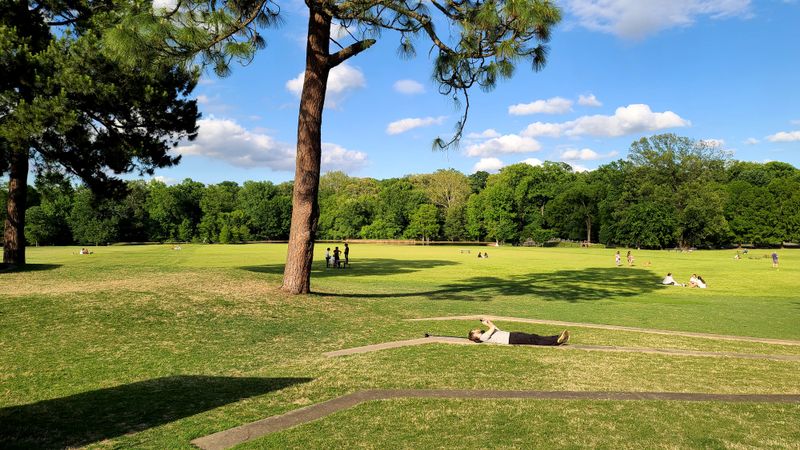
Elvis Presley played his first paid concert right here in 1954, launching a career that changed music forever. Overton Park sits in the heart of Memphis, yet many visitors never venture beyond Beale Street to discover this massive urban oasis. The park spans 342 acres filled with trails, art, golf, and history that locals treasure.
The Brooks Museum of Art anchors one corner, while the Memphis Zoo draws families to another section. Old-growth forest in the park’s center offers surprising wilderness just minutes from downtown. The Levitt Shell, where Elvis made his debut, still hosts free concerts that pack the lawn with music lovers.
Walking and biking paths crisscross the park, connecting different attractions and quiet spots for picnics. The nine-hole golf course provides affordable recreation with a relaxed atmosphere.