The difference between an ordinary bratwurst and one made by an experienced butcher can show up with the very first snap of the casing. Across Illinois, sausage shops and meat markets keep traditional methods alive with carefully seasoned recipes, fresh preparation, and the hands-on skills that once defined neighborhood butcher counters.
Some follow recipes shaped by generations of sausage-making, while others put their own local spin on the classic brat. Either way, these links offer something the mass-produced freezer aisle struggles to replicate. At these 8 Illinois sausage shops, bratwurst remains a craft worth preserving—and tasting.
1. Ream’s Meat Market in Elburn
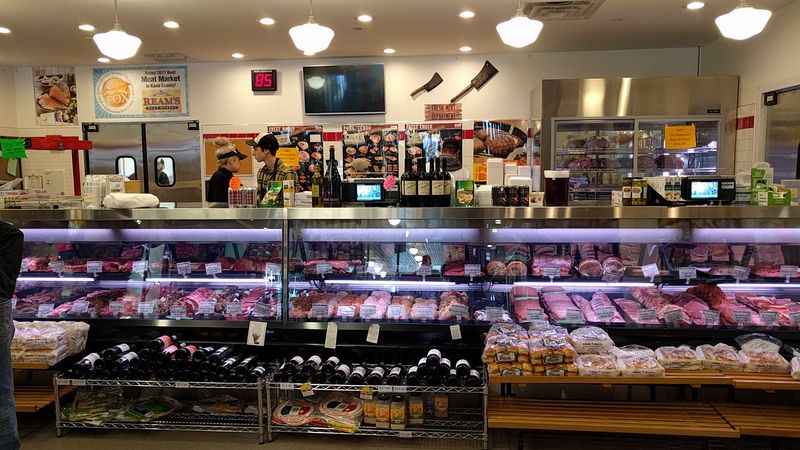
Some meat markets make sausage part of the lineup. Ream’s Meat Market in Elburn builds real excitement around it, especially for bratwurst fans who like seeing more than one familiar option in the case.
Fresh links made in-house are the draw, and the variety gives shoppers a reason to slow down, look carefully, and plan a meal instead of grabbing the same pack every time.
Traditional bratwurst has a clear place here, but the interesting part is the range around it. Seasonal flavors can mix things up when regular shoppers want something new for the grill, while German specialties such as Munchener Weisswurst and veal brats bring a different style to the counter.
That kind of selection helps people compare textures, seasoning, and richness without needing a special trip to several stores.
For anyone buying bratwurst the old-fashioned way, a good move is to ask what is freshest that day and build dinner around that answer. Mild varieties work well with simple buns, mustard, and onions, while lighter sausages like weisswurst pair nicely with softer bread and gentler toppings.
Veal brats can shine when cooked carefully over moderate heat, since a slower cook helps keep the sausage juicy instead of drying out the inside.
Elburn may be quieter than a big city food district, yet that can be part of the appeal. A shop like this turns sausage shopping into a more direct experience, with fewer distractions and more attention on the product itself.
When bratwurst is made in-house and offered in both classic and less common styles, the case starts to look less like a display and more like a working map of German-style sausage traditions in Illinois.
2. Paulina Market in Chicago
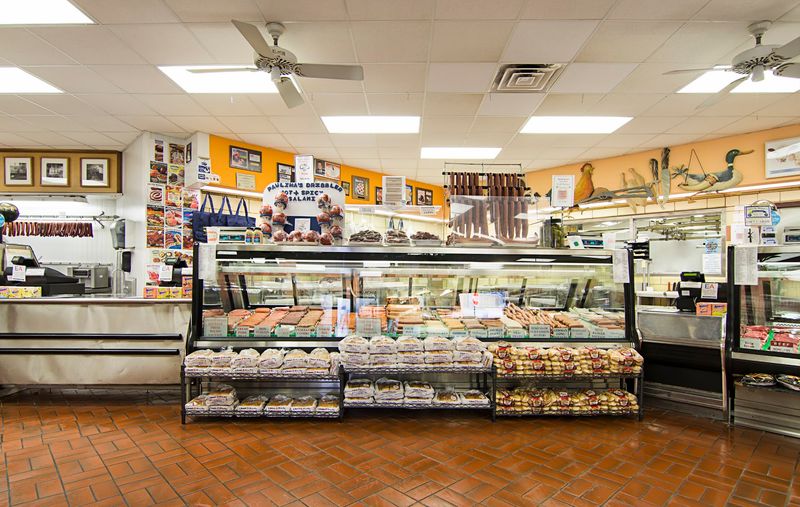
Chicago has plenty of places to buy meat, but Paulina Market stands out because sausage is not treated like a side item. Open since 1949, it has the kind of long-running presence that gives shoppers confidence when they step up to the counter and see bratwurst sitting beside many other house-made choices.
That history matters because old-school sausage making depends on consistency, patience, and a strong sense of what customers actually want to cook.
Fresh pork bratwurst is the anchor here, and that is a smart starting point for anyone testing the shop for the first time. From there, the lineup stretches into Sheboygan bratwurst, Weisswurst, and more inventive varieties that show how a traditional product can still leave room for creativity.
A case like that makes comparison easy, whether someone wants a mild, classic brat for a cookout or a different style for a colder-weather dinner.
One helpful way to shop Paulina Market is to think in categories instead of grabbing at random. Pick one straightforward brat for a baseline, then add another with a regional or less common profile to taste side by side at home.
Cooking them separately and labeling the buns sounds simple, but it helps families figure out which texture and seasoning level they really prefer before buying in bigger amounts for a party.
In a city known for bold food opinions, a market with a broad sausage program can earn attention fast. Paulina Market does that by balancing dependable favorites with enough variety to keep the counter interesting all year.
For readers chasing old-fashioned bratwurst in Illinois, this is the kind of Chicago stop that makes sense because it respects the basics, then gives shoppers several smart ways to branch out without losing sight of the craft.
3. Jones Boys Market in Ashland
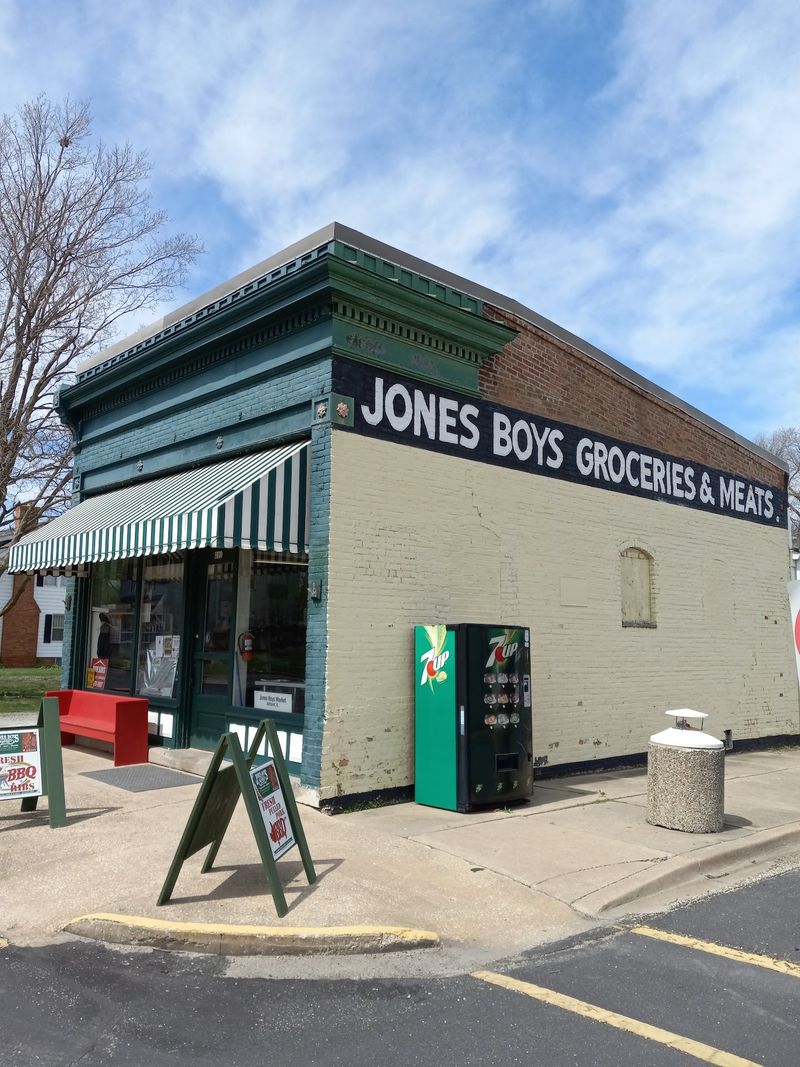
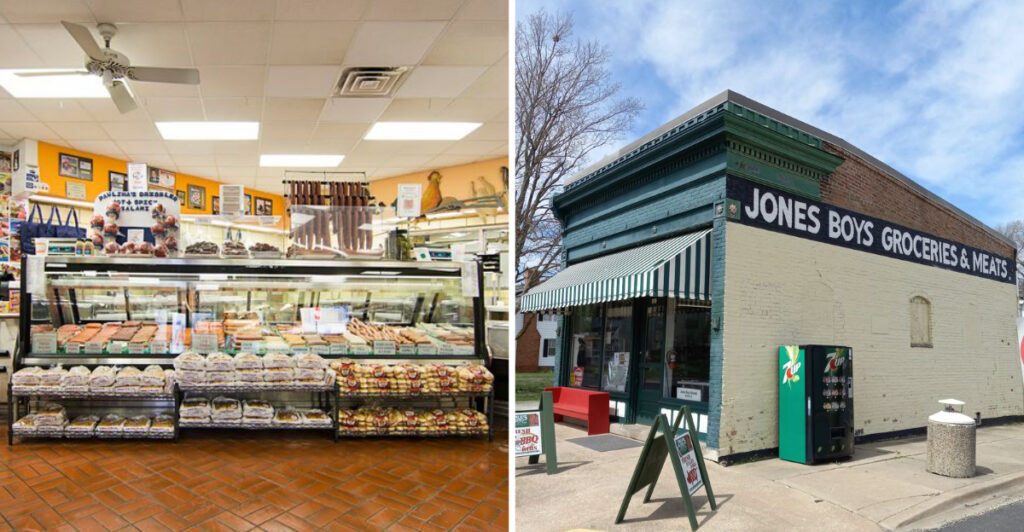
A long-running butcher shop does not need much help proving its staying power. Jones Boys Market in Ashland has been serving the community since 1932, building a reputation around fresh meats and a sausage selection substantial enough to make bratwurst fans pay attention.
Brats are a major part of the appeal here, with more than 25 sausage varieties giving shoppers plenty of room to move beyond a single familiar flavor. Traditional German-style bratwurst provides the old-school connection this list calls for, while specialty varieties add enough personality to make repeat visits more interesting.
A practical way to explore Jones Boys is to build a mixed order instead of committing to one variety. Start with a traditional brat as the baseline, then add one or two specialty links and cook them side by side.
Keeping the toppings simple with mustard, onions, sauerkraut, and sturdy rolls lets the differences in seasoning and texture come through without burying them beneath too many extras.
Ashland may not immediately come to mind when people talk about Illinois food destinations, but that is part of what makes a longtime market like this worth noticing.
A family-owned business that has lasted for generations depends on customers having reasons to return, and a broad sausage selection certainly gives them one.
Jones Boys Market fits this list particularly well because bratwurst is not simply another product tucked into a crowded meat case.
Sausage is part of the shop’s identity, backed by decades of local history and enough varieties to make choosing what goes on the grill part of the fun. For anyone interested in the enduring butcher-shop side of Illinois bratwurst culture, Ashland offers a compelling place to explore.
4. Kreger’s Brat & Sausage Haus in Naperville
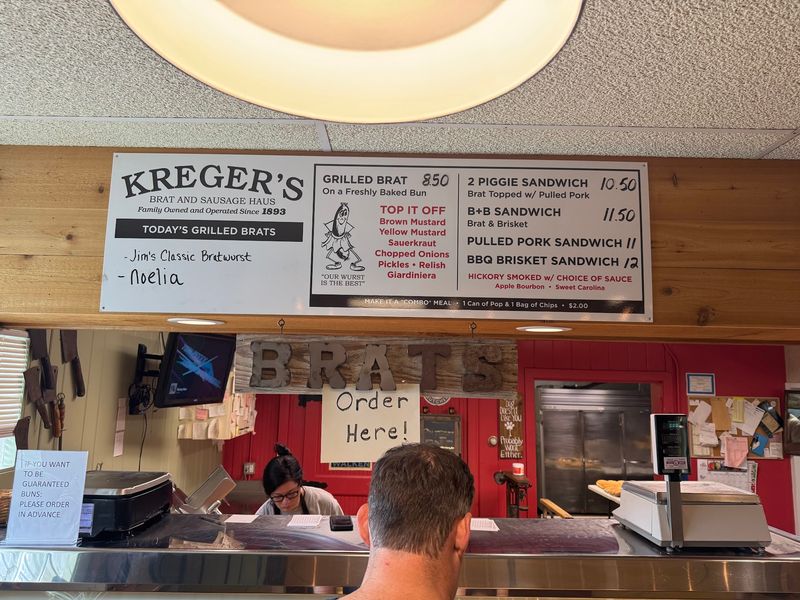
Naperville may surprise people who assume old-school bratwurst belongs only to tiny towns or big city legacy markets. Kreger’s Brat & Sausage Haus makes a strong case for the suburbs, leaning hard into handcrafted sausage and a family tradition that reaches back to 1893.
That kind of timeline brings an extra layer of interest before the grill even gets hot. More than 40 handmade varieties have been offered here, so the bratwurst story is not limited to one standard recipe.
A wide selection invites shoppers to think beyond basic backyard cookouts and try links that fit different moods, side dishes, and seasons.
Even better, customers can sometimes catch brats being grilled on-site, which turns a shopping stop into a ready-to-eat meal with almost no extra planning.
That grilled option is useful for first-time visitors. Instead of guessing from the case alone, trying a hot brat right away gives people a clear sense of the seasoning, texture, and casing snap before they decide what to take home.
It is also a handy trick for groups, since one person can taste-test lunch while someone else studies the display and narrows down which fresh links should head to the cooler.
Another smart approach here is mixing classic and adventurous picks in the same order. Buy one tried-and-true brat for easy crowd appeal, then add a less expected variety for a second course or a side-by-side tasting.
A shop built around handcrafted sausage makes that kind of comparison fun instead of complicated. Kreger’s earns its spot on this list because it links old family methods with a broad, playful brat lineup, all while keeping the experience practical for both quick lunches and serious grill planning.
5. Wurst Kitchen in Aurora
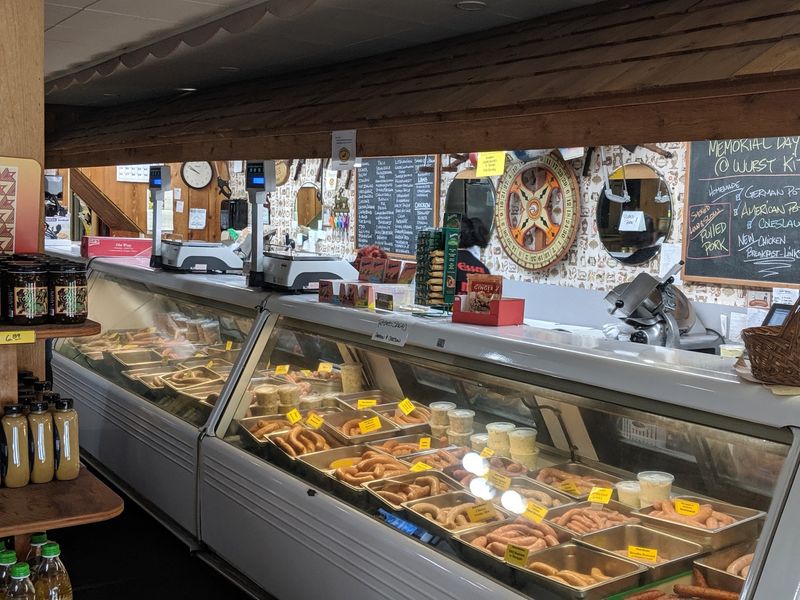
One glance at the name Wurst Kitchen tells shoppers exactly what the place cares about. In Aurora, this long-running shop has been making sausage since 1895, drawing from old German-inspired recipes while still leaving room for a creative streak.
That mix can be a sweet spot for readers who want old-fashioned bratwurst but do not mind seeing a few unexpected ideas nearby in the case.
Traditional brats remain a key part of the appeal, and they sit beside distinctive varieties and smoked meats that broaden the visit. A counter with both standards and unusual picks lets customers decide how far they want to go, from a simple grill pack to a more curious spread for a weekend gathering.
The setup also makes it easier for different eaters to find common ground when one person wants classic and another wants a sausage with extra personality.
For practical shopping, this is a good place to think about contrast. Pair traditional bratwurst with one creative option, then cook both with similar methods so the differences stand out clearly.
Keep toppings basic the first time, maybe mustard, kraut, onions, and sturdy rolls, because too many extras can blur the reason for buying distinct sausages in the first place.
Aurora has no shortage of food history, and Wurst Kitchen fits neatly into that larger story without needing flash. The old roots give the shop credibility, while the broader assortment keeps the experience from feeling stuck in one lane.
Readers looking for bratwurst made the old-fashioned way can appreciate that balance. A place does not need to choose between heritage and imagination when the foundation is solid, and this shop shows how a traditional sausage counter can stay lively across generations.
6. Stiglmeier Sausage Co. Inc. in Wheeling
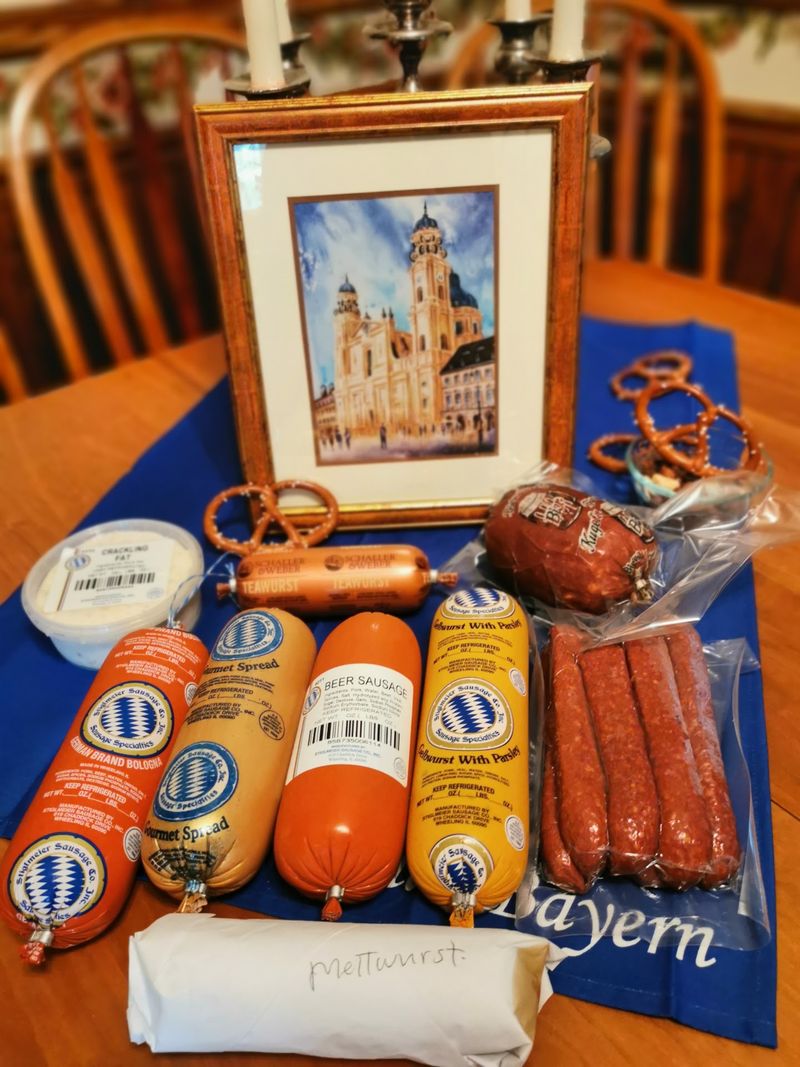
Some shops cast a wide net, while others make their identity clear right away. Stiglmeier Sausage Co. Inc. in Wheeling belongs in the second group, with German sausages and deli meats rooted in Bavarian traditions and a background tied to a Munich-trained master butcher.
For bratwurst fans, that creates a useful signpost because the shop’s focus points toward a specific sausage culture rather than a vague all-purpose lineup.
Bavarian-style bratwurst is part of the selection, and Nuremberg-style Rostbratwurst adds another notable branch of the German sausage tree. Alongside dozens of other specialties, those choices give shoppers a chance to notice how one broad category can contain very different expressions of flavor, size, and texture.
The benefit is not just variety for its own sake. It is a chance to learn by eating, which is often the best way to understand regional food traditions.
At a place like this, buyers can get more out of the visit by planning around style. Bavarian-inspired links may call for one kind of meal, while smaller Nuremberg-style sausages can work better in another setup with bread, mustard, or a mixed sausage plate.
Asking for a recommendation based on how you plan to serve them can also help, since the counter selection may include several options that look similar at first glance but eat quite differently.
Wheeling has a strong connection to European food culture, and Stiglmeier fits neatly into that landscape. The shop earns attention not by trying to be everything at once, but by staying centered on German traditions and doing so in a way that gives bratwurst real context.
For readers chasing old-fashioned methods, that focus matters. Bratwurst becomes more interesting when it is presented as part of a larger, well-defined sausage heritage.
7. Schneider’s Quality Meats in Waterloo
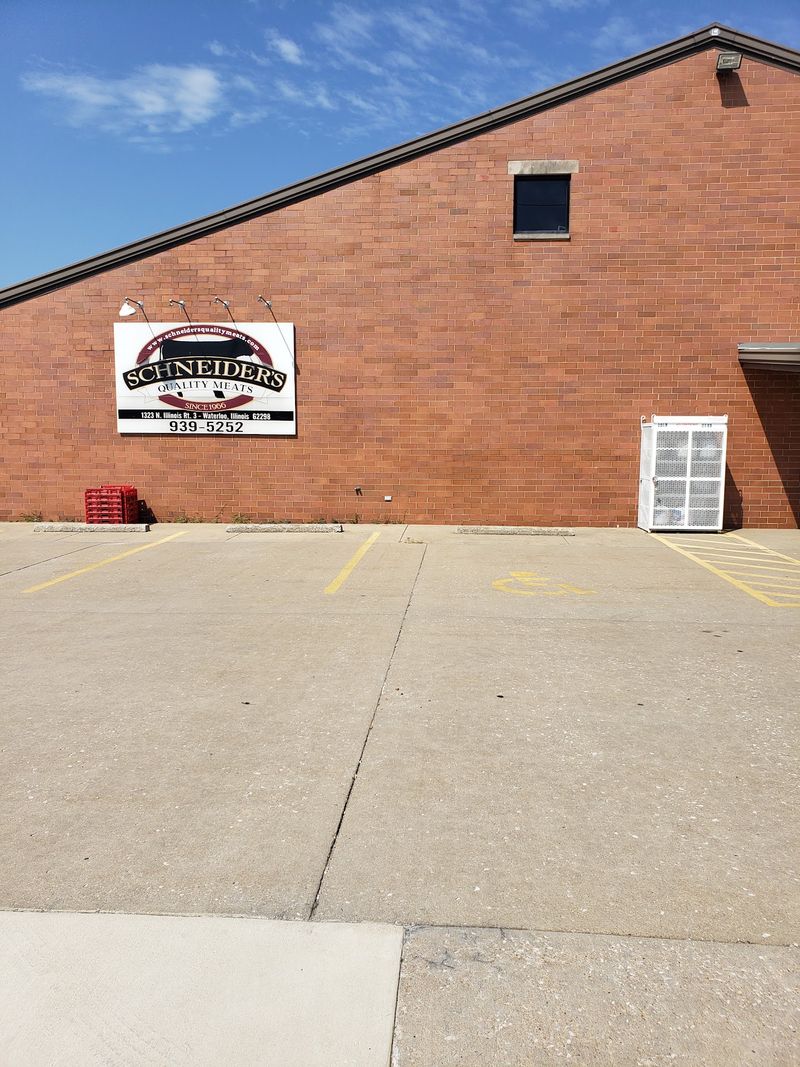
Flavor variety can be a gimmick in some places, but Schneider’s Quality Meats in Waterloo gives it a more grounded purpose.
The family-run market has served the community since 1966, and its bratwurst selection stretches from an original recipe to apple, jalapeno and cheese, bacon and cheddar, and other specialty flavors.
That range works because it starts with a classic base instead of skipping straight to novelty. For readers who want old-fashioned bratwurst without getting stuck in one lane, this shop offers a practical middle ground.
The original recipe gives a benchmark for judging the rest, while the specialty links show how a brat counter can adapt to changing tastes without dropping the core idea.
That can be especially helpful for cookouts where one guest wants traditional sausage and another wants something with a little extra kick or sweetness.
A smart shopping plan here is to build a mixed pack with purpose. Choose the original for comparison, then add one richer style like bacon and cheddar and one brighter or sharper option such as apple or jalapeno and cheese.
Grilling them in batches and slicing each into small pieces can turn dinner into a simple tasting board, which helps a group settle the classic-versus-flavored debate without needing a giant order.
Waterloo adds a small-town angle that suits this kind of market well. A family-run shop with a long local run often understands repeat buying, which means sausages need to be both interesting and dependable.
Schneider’s earns a place on this list because it appears to manage that balance with ease. Old-fashioned bratwurst is still part of the backbone, yet the broader lineup keeps the case lively and useful for more than one kind of eater, party, or weeknight meal plan.
8. Gene’s Sausage Shop and Delicatessen in Chicago
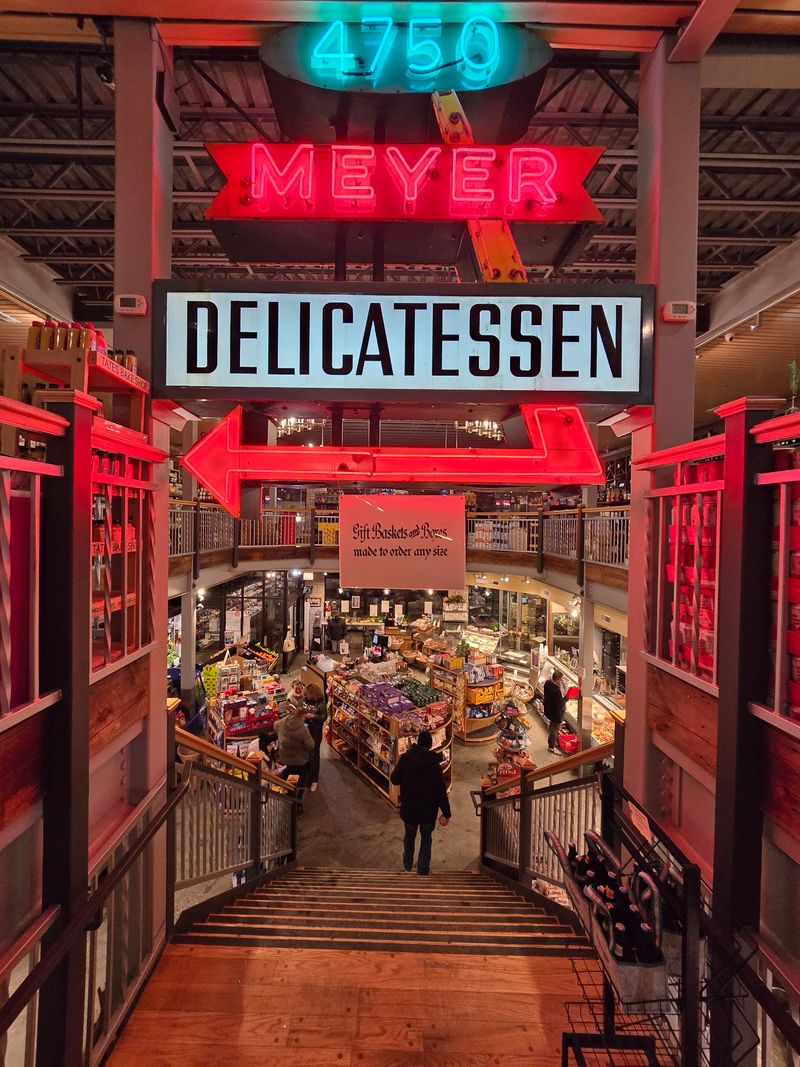
Gene’s Sausage Shop and Delicatessen gives bratwurst fans two good reasons to pay attention. Fresh artisan sausages are prepared on the premises, and the butcher counter carries numerous bratwurst varieties shaped by a strong European sausage-making tradition.
Then, during rooftop season, the experience can shift from shopping to eating when sausages hit the open wood grill above the store.
That rooftop detail matters because bratwurst is easier to understand when tasted hot and fresh instead of imagined behind glass. The grill adds smoke, char, and immediacy, which can help first-time visitors decide which varieties deserve a spot in the take-home bag.
It also turns a practical errand into a more memorable Chicago food stop without losing the core point of the place, which is still the sausage itself.
The best move here may be splitting the visit into two parts. Start at the butcher counter and ask about the range of bratwurst available that day, then head upstairs in season to taste one cooked over wood before making final choices.
That approach gives shoppers a clearer read on texture and flavor, and it can make buying for a party much easier than guessing based on labels alone.
Chicago has many food landmarks, but Gene’s fits this article because it connects old-world sausage habits with a lively, modern way of serving them. The fresh preparation on-site keeps the craft visible, while the rooftop grill shows how bratwurst can move naturally from butcher case to plate.
Readers looking for old-fashioned methods in Illinois will likely appreciate that direct line. Good sausage does not need much explanation once the casing snaps, the smoke shows up, and the seasoning speaks for itself through a simple, well-cooked bite.
Share this story