Texas is packed with natural wonders that most people never even hear about. While everyone talks about the big cities and famous landmarks, some of the most incredible spots are hidden in corners of the state where towering canyons, crystal-clear springs, and desert dunes create landscapes that feel like another planet. If you’re planning your 2026 adventures and want to experience Texas beyond the usual tourist traps, these eight destinations will blow your mind with their raw beauty and unforgettable experiences.
1. Caddo Lake State Park (Karnack)
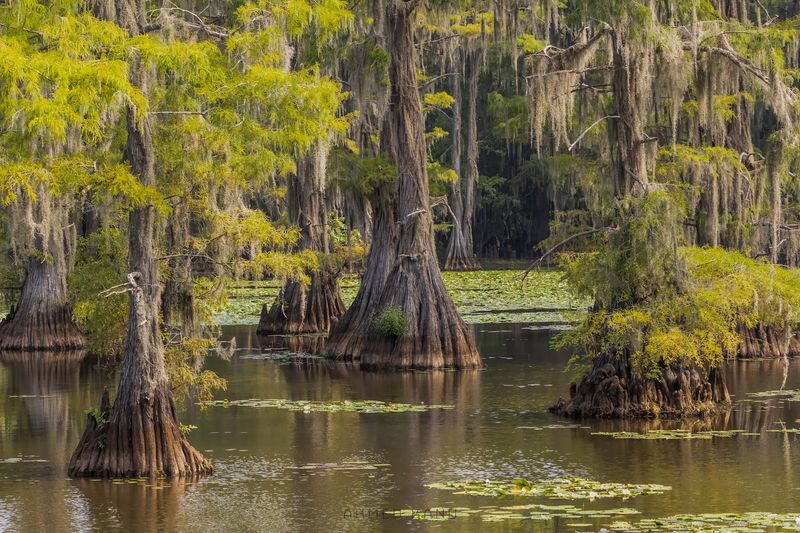
Paddling through a flooded forest sounds like something from a fantasy movie, but it’s exactly what you’ll experience at this East Texas gem. Ancient bald cypress trees rise from dark, tannin-stained water, their knobby knees poking up like wooden sculptures while Spanish moss drapes from every branch. The maze of bayous and sloughs creates a watery labyrinth that feels completely otherworldly.
Rent a canoe or kayak and glide beneath the canopy where sunlight filters through in golden shafts. The silence here is profound, broken only by the splash of an alligator sliding into the water or the call of a great blue heron. It’s the only natural lake in Texas, formed by a massive logjam on the Red River centuries ago.
Spring and fall offer the best conditions when temperatures are mild and wildlife is most active. You might spot river otters, beavers, or even one of the resident gators sunning themselves on a log. The park has campsites if you want to wake up to mist rising off the water at dawn.
Guided boat tours are available if you’re nervous about navigating the channels yourself. Local guides know every twist and turn, plus they’ll share stories about the lake’s history and ecology. The whole area feels frozen in time, like a slice of the Deep South that somehow ended up in Texas.
Bring your camera because the photo opportunities are endless. Morning fog creates an ethereal atmosphere that photographers dream about. Whether you’re an outdoor enthusiast or just looking for something completely different, this swampy wonderland delivers an experience you won’t find anywhere else in the state.
2. Monahans Sandhills State Park (Monahans)
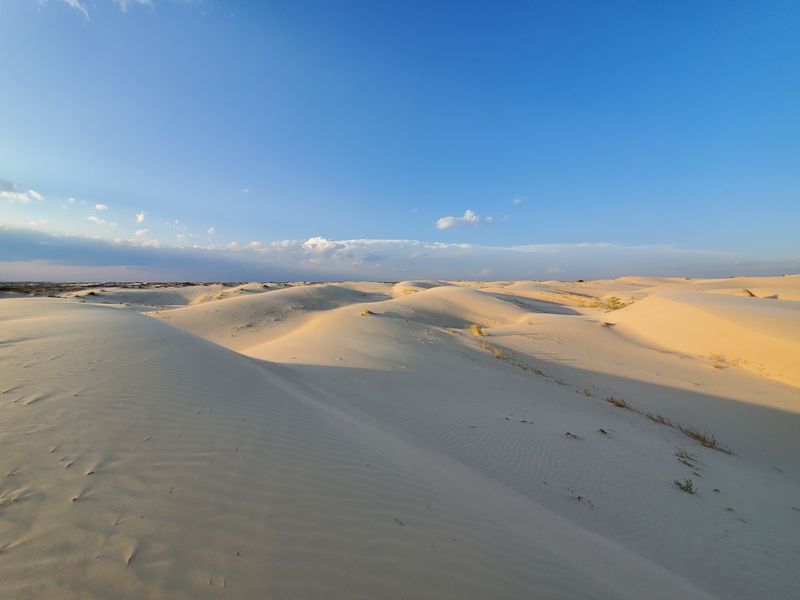
Picture the Sahara Desert, then drop it right in the middle of West Texas. That’s essentially what you get with these massive sand dunes that stretch for 70 miles. The hills rise up to 70 feet high, creating waves of golden sand that shift and reshape with every windstorm.
It’s so unexpected that first-time visitors often think they’ve taken a wrong turn.
The park rents out sand discs for a few bucks, and trust me, you’ll want one. Climbing to the top of a dune takes some effort in the soft sand, but flying down the slope at ridiculous speeds makes it totally worth it. Kids and adults alike spend hours trudging up and zooming down, laughing the whole way.
What makes this place even cooler is that these aren’t your typical desert dunes. They’re held together by shin oak plants that have adapted to survive in pure sand. During certain times of year, you’ll see greenery poking through the dunes, creating this bizarre contrast between desert and vegetation.
Visit in the cooler months because summer temperatures here can hit triple digits easily. The sand gets scorching hot, so bring shoes you can hike in. Sunset transforms the dunes into something magical as the low light creates dramatic shadows and the sand glows orange and pink.
The park has an interpretive center that explains how these dunes formed thousands of years ago when this whole region was covered by ancient seas. There’s also a small equestrian area where you can arrange horseback rides through the dunes. Pack plenty of water and sunscreen because there’s zero shade out on those hills.
3. Krause Springs (Spicewood)
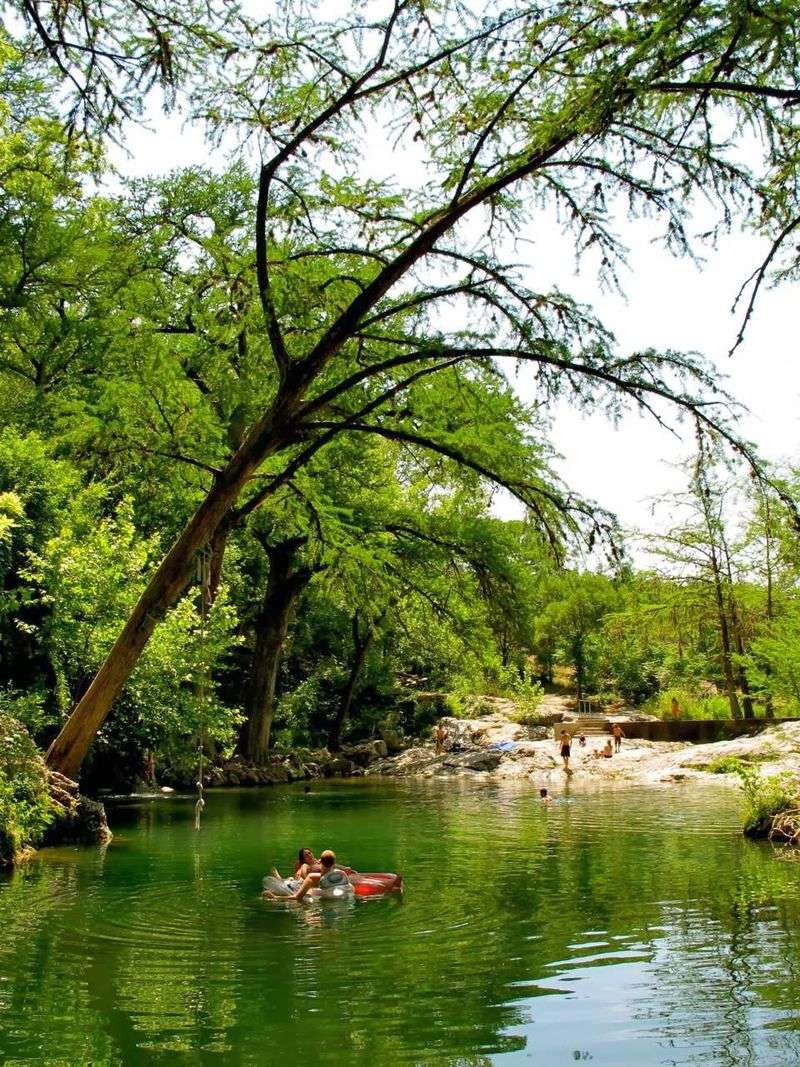
Hidden on private property in the Hill Country, this spring-fed oasis has been a local secret for generations. Multiple pools cascade down a hillside, each one fed by 32 natural springs that pump out crystal-clear water year-round at a constant 68 degrees. The main pool sits beneath a small waterfall, creating the perfect spot to cool off on scorching summer days.
The property has been in the Krause family since the 1950s, and they’ve kept it beautifully natural. Massive cypress and oak trees provide plenty of shade, and the grounds are dotted with gardens that the family maintains. There’s a rustic, authentic vibe here that you don’t get at commercial water parks.
Camping is available if you want to make it a weekend trip. The campsites are basic but clean, and waking up to the sound of spring water is pretty special. During peak season, the place can get crowded, so arriving early is smart if you want to snag a good spot by the water.
Rope swings hang over some of the deeper pools, and you’ll see brave souls launching themselves into the cold water with varying degrees of grace. The water stays chilly even in July, which is exactly what you want when it’s 100 degrees outside. Bring water shoes because the rocks can be slippery.
There’s a small admission fee that helps the family maintain the property. They also have a butterfly garden that’s worth checking out between swims. The whole place feels like stepping back in time to when swimming holes were the main entertainment.
No fancy amenities, no crowds of tourists, just pure, cold spring water and beautiful Hill Country scenery.
4. Guadalupe Mountains National Park (Salt Flat / Dell City area)
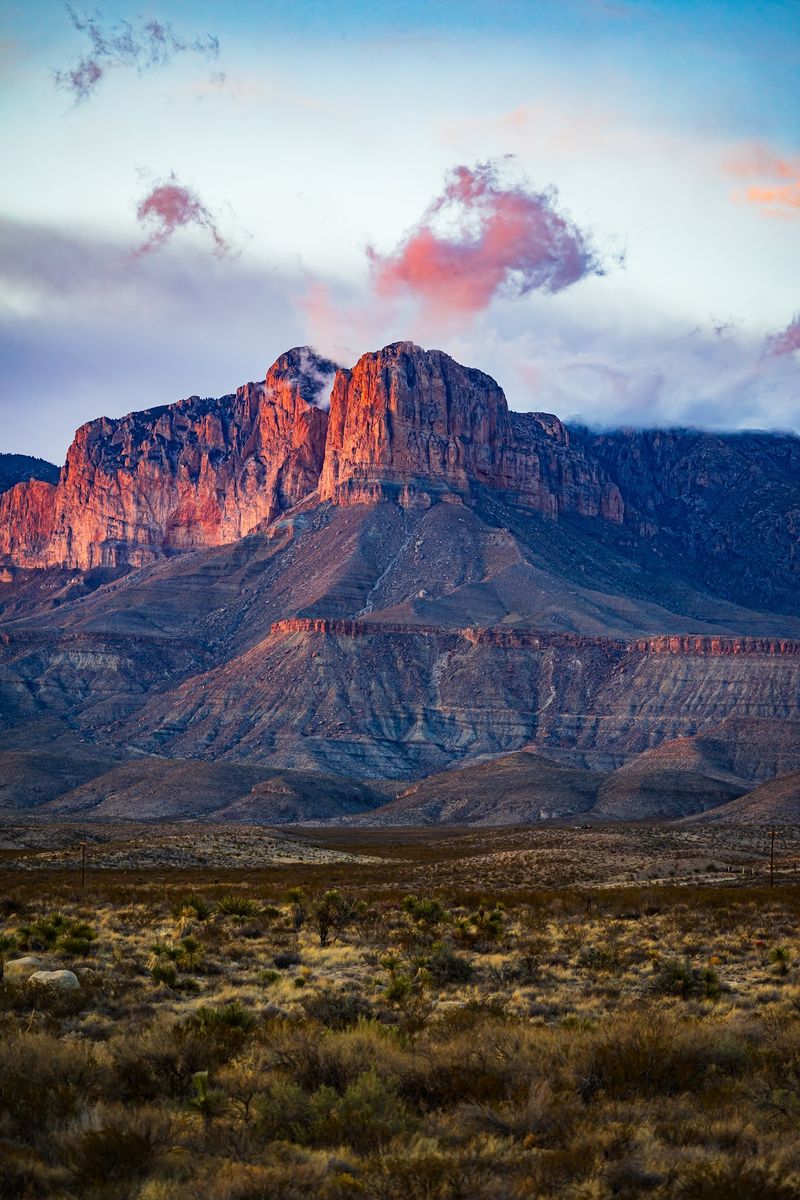
Most people associate Texas with flat prairies and oil fields, but this park throws that stereotype out the window. Here you’ll find the highest peak in the entire state, towering 8,749 feet above the Chihuahuan Desert. The mountains rise so abruptly from the desert floor that they create their own weather patterns and ecosystems.
El Capitan, a massive limestone cliff, serves as a landmark that’s been guiding travelers for centuries. The peak trail is challenging but doable for anyone in decent shape, and the views from the top stretch for a hundred miles in every direction. You can see into New Mexico and watch thunderstorms rolling across the desert far below.
Fall is absolutely spectacular here because the park contains one of Texas’s few deciduous forests. McKittrick Canyon explodes with color as maples, oaks, and other hardwoods turn brilliant shades of red, orange, and gold. It’s a shocking contrast to the surrounding desert and proves that Texas has way more ecological diversity than people realize.
The park is remote, sitting hours from any major city. That isolation means incredible stargazing on clear nights when the Milky Way stretches across the sky like a river of light. Bring all your supplies because there are no stores or services inside the park boundaries.
Wildlife includes mountain lions, black bears, and hundreds of bird species. The park protects an ancient fossil reef from when this whole area was underwater millions of years ago. Geologists come from around the world to study the exposed limestone formations.
Several trails range from easy nature walks to strenuous backcountry routes that take you deep into canyons and up to alpine meadows that feel nothing like Texas.
5. Tonkawa Falls City Park (Crawford)
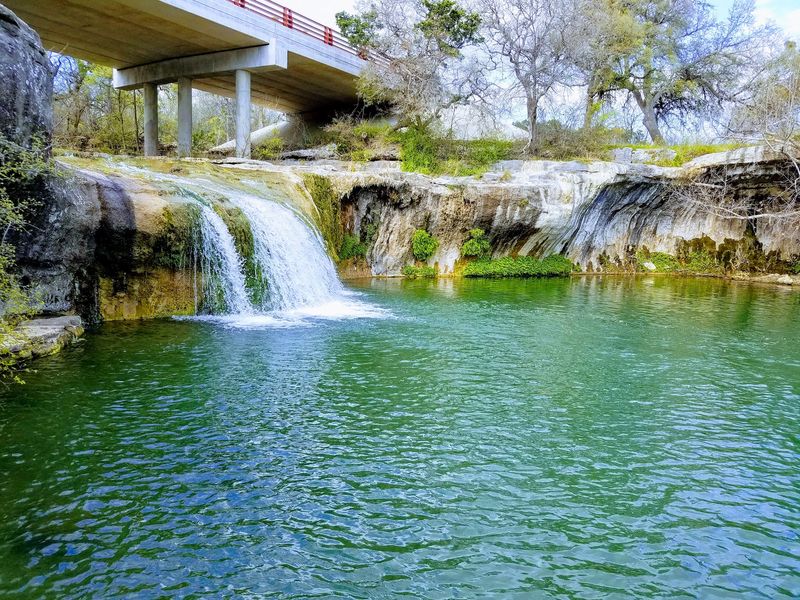
Just outside the tiny town of Crawford sits this charming little park that locals love but tourists rarely discover. The waterfall isn’t huge or dramatic, but it has a gentle beauty that makes it perfect for a relaxing afternoon. Water spills over limestone shelves into a shallow pool where kids can wade and splash around safely.
The park itself is well-maintained with picnic tables, grills, and a playground. Families come here for birthday parties and weekend cookouts, giving it a genuine community feel. The falls flow year-round thanks to springs feeding the creek, though they’re most impressive after good rains when the water volume increases.
Hiking trails wind through the surrounding woods, offering easy walks through typical Central Texas landscape. Live oaks and cedar trees provide shade, and wildflowers bloom along the paths in spring. It’s not wilderness by any means, but it’s a pleasant escape that doesn’t require hours of driving or serious hiking gear.
What makes this spot special is its accessibility and family-friendly atmosphere. You can pull right up, unload your cooler, and be swimming in minutes. The shallow pools make it ideal for younger children who aren’t ready for deeper swimming holes.
Older kids enjoy climbing on the rocks and exploring the creek.
The town of Crawford is famous for being near President Bush’s ranch, but the falls are the real attraction for locals. Summer weekends can get busy as Waco residents escape the heat, so weekdays or early mornings offer more solitude. Pack a lunch and plan to spend a few hours just relaxing by the water.
It won’t change your life, but it’s exactly the kind of low-key natural spot that Texas does really well.
6. Caprock Canyons State Park & Trailway (Quitaque)
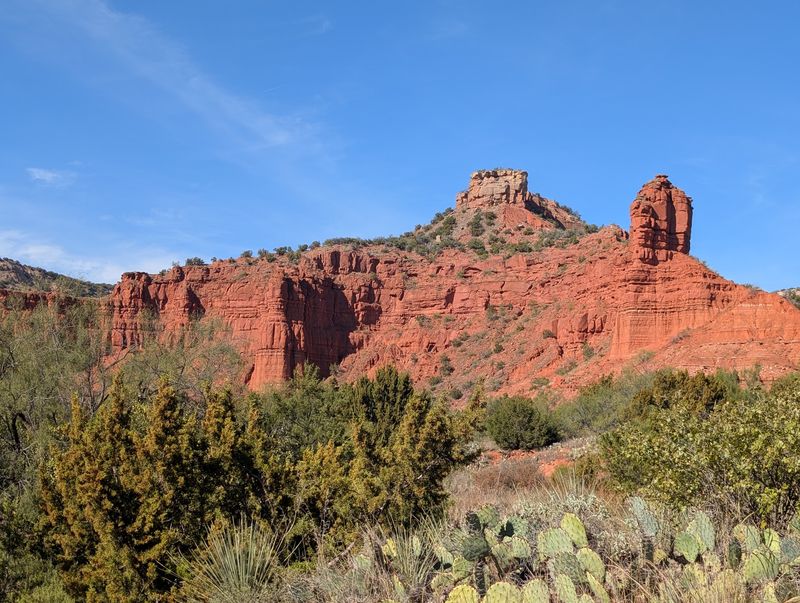
Way up in the Panhandle where most people think there’s nothing but flat farmland, these canyons slice through the landscape like a secret world. Red rock walls glow orange and purple at sunset, creating scenery that rivals anything in the Southwest. The park preserves part of the Caprock Escarpment, a dramatic geological feature where the High Plains suddenly drop away into broken canyon country.
The official state bison herd roams freely here, descendants of the millions that once covered the Great Plains. Seeing these massive animals grazing among the red rocks and juniper trees is genuinely moving. They’re wild and should be given plenty of space, but spotting them is one of the park’s biggest thrills.
Over 90 miles of trails crisscross the park, ranging from short nature walks to multi-day backpacking routes. The Trailway follows an old railroad bed for 64 miles, making it popular with mountain bikers and horseback riders. You can explore side canyons, climb to mesa tops, and discover hidden caves and rock formations.
Spring wildflowers carpet the canyon floors in brilliant colors, while fall brings cooler temperatures perfect for longer hikes. The park’s remoteness means you’ll often have trails to yourself, something that’s increasingly rare in Texas parks. Primitive camping is allowed in the backcountry for those wanting a true wilderness experience.
The night skies here are phenomenal thanks to minimal light pollution. The park occasionally hosts star parties where amateur astronomers set up telescopes and share views of planets, galaxies, and nebulae. During the day, watch for golden eagles, prairie dogs, and the occasional roadrunner zipping across the trail.
This place proves that the Panhandle has way more to offer than most people realize.
7. Balmorhea State Park (Toyahvale)
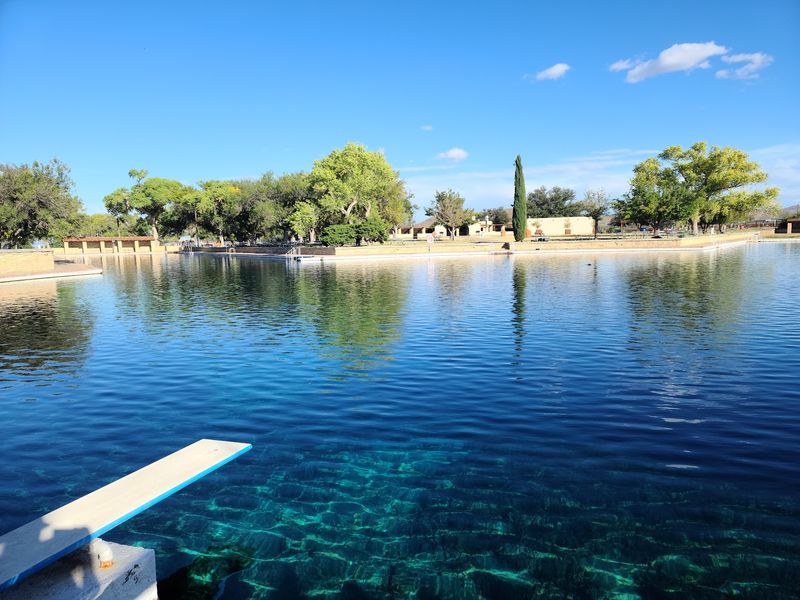
Imagine a swimming pool the size of a city block filled with crystal-clear spring water in the middle of the West Texas desert. That’s Balmorhea, and it’s as close to perfect as a swimming hole gets. The pool holds 3.5 million gallons of water that stays around 72-76 degrees year-round, pumped in by San Solomon Springs at a rate of 15 million gallons per day.
Built by the Civilian Conservation Corps in the 1930s, the pool reaches depths of 25 feet in some spots. Scuba divers come here to explore the underwater landscape and observe the endangered Comanche Springs pupfish that live nowhere else on Earth. You can snorkel along the bottom and watch these tiny fish darting through the aquatic plants.
The water is so clear you can see every detail on the bottom from the surface. Families float on inner tubes while serious swimmers do laps in the designated lanes. There’s something for everyone, from toddlers splashing in the shallow areas to divers exploring the depths.
The park has camping facilities and a few motel-style rooms if you want to spend the night. Watching the sunset from the pool while the desert sky turns pink and orange is an experience you won’t forget. The surrounding desert landscape provides a stark contrast to the lush, cool oasis of the pool.
Summer weekends get crowded as people drive from El Paso, Midland, and beyond to escape the heat. Weekdays are much quieter and offer a more relaxed experience. The constant flow of fresh spring water means the pool never feels dirty or chlorinated.
It’s pure, cold, and incredibly refreshing when you’ve been driving through the desert for hours. This is desert swimming at its absolute finest.
8. Big Bend National Park (Far West Texas / Terlingua-Marathon area)
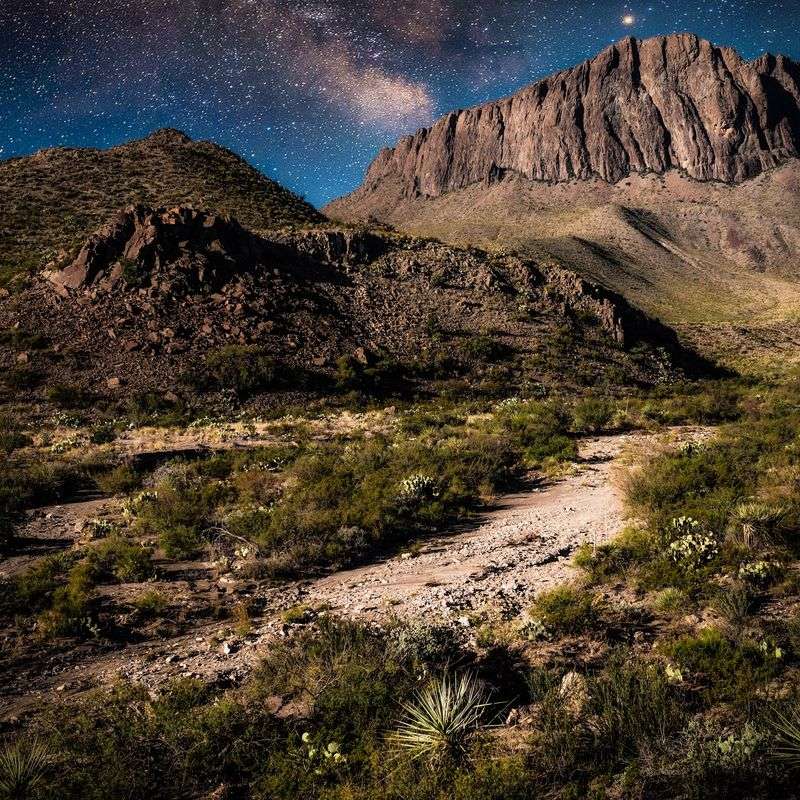
When Texans talk about getting away from it all, they mean Big Bend. This massive national park sits in the most remote corner of the state, where the Rio Grande carves spectacular canyons through ancient rock. It’s one of the least visited national parks, which means you can still find solitude in a landscape that feels untouched by modern civilization.
The park contains three distinct ecosystems: desert lowlands, the Chisos Mountains rising to 7,800 feet, and the river corridor along the Rio Grande. You can hike through cactus-studded desert in the morning, climb to pine-covered peaks by afternoon, and camp beside the river at night. The diversity is stunning and completely unexpected.
Santa Elena Canyon is the park’s crown jewel, where 1,500-foot cliffs tower above the river on both sides. You can kayak through the canyon or hike the trail that leads to its mouth. The scale is humbling, making you feel tiny against the massive rock walls.
The park has over 200 miles of trails, from easy nature walks to challenging backcountry routes.
Wildlife includes black bears, mountain lions, javelinas, and over 450 bird species. The park is one of the best birdwatching destinations in North America, with species found nowhere else in the United States. Roadrunners zip across highways while hawks circle overhead looking for prey.
The night skies here are among the darkest in the continental United States. On moonless nights, the stars are so bright they cast shadows. The Milky Way stretches overhead in a brilliant band, and you can see satellites crossing the sky.
Plan to spend at least three days to really experience the park’s vastness and beauty.
Share this story