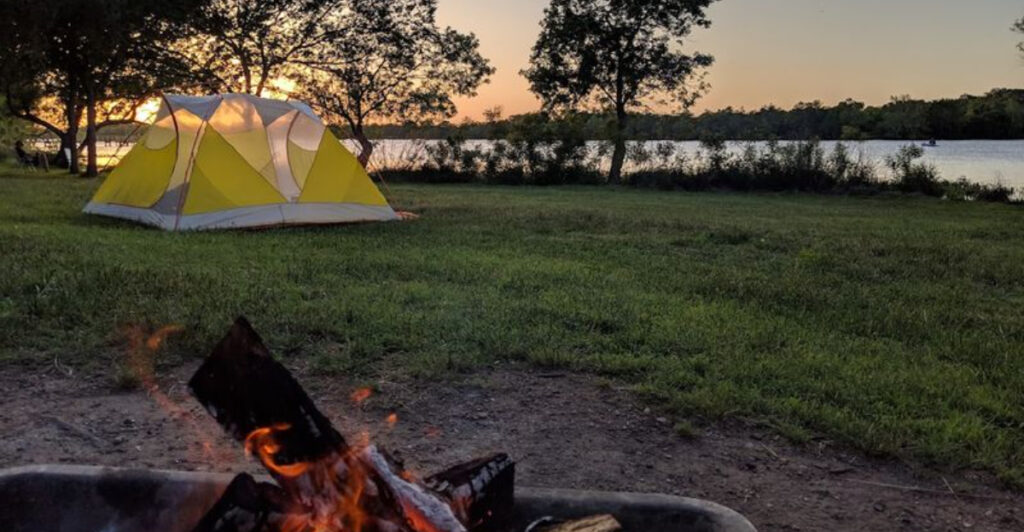
Texas has some of the most stunning lakeside camping spots where you can pitch a tent, breathe in fresh air, and wake up to water views that feel like a postcard. Whether you’re craving a quiet weekend away from the city or planning a family adventure, these campgrounds offer the perfect mix of natural beauty and outdoor fun. From mysterious cypress swamps to crystal-clear swimming holes, each location brings its own flavor of Texas charm and scenery that’ll have you planning your next trip before you even pack up to leave.
1. Caddo Lake State Park (Karnack)
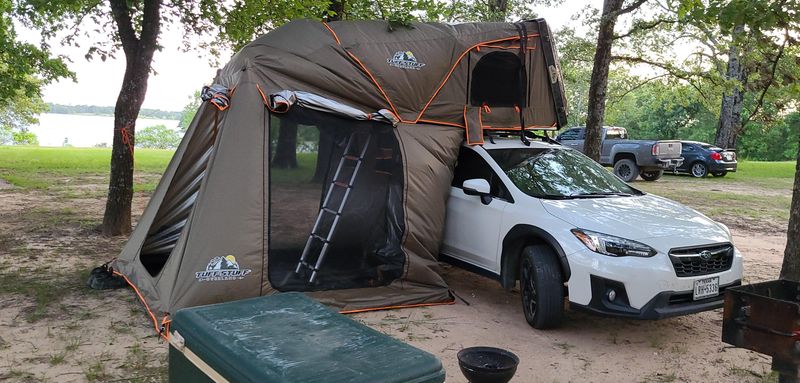
Moss-draped cypress trees rising from dark, mysterious waters create an atmosphere unlike anywhere else in Texas. This isn’t your typical lake—it’s a labyrinth of bayous, sloughs, and ponds that stretch across the Texas-Louisiana border, making every paddle feel like an adventure into the unknown. The Spanish moss hanging from ancient trees gives the whole place an almost mystical vibe that photographers and nature lovers can’t get enough of.
Campsites here sit tucked among pine and hardwood forests, just steps from the water’s edge. You can rent a canoe or kayak to explore the maze of waterways, where alligators sunbathe on logs and herons stalk through the shallows. Fishing is excellent year-round, with bass, catfish, and crappie all calling these waters home.
The park offers both tent sites and spots with water and electricity, so you can choose your comfort level. Screened shelters are available if you want a roof overhead without losing that outdoor camping feel. Interpretive trails wind through the forest, and a fishing pier extends over the lake for those who prefer to cast a line without hopping in a boat.
Spring and fall bring the best weather, with cooler temperatures perfect for hiking and paddling. Summer can get steamy, but the thick canopy provides plenty of shade, and early morning mist rolling across the water creates scenes straight out of a Southern Gothic novel. Winter camping is surprisingly peaceful, with fewer crowds and crisp air that makes campfires extra cozy.
This spot attracts folks who appreciate a slower pace and aren’t afraid of a little wilderness. The park’s remote location means you’ll actually disconnect and enjoy the kind of quiet that’s hard to find these days.
2. Potters Creek Park (Canyon Lake)
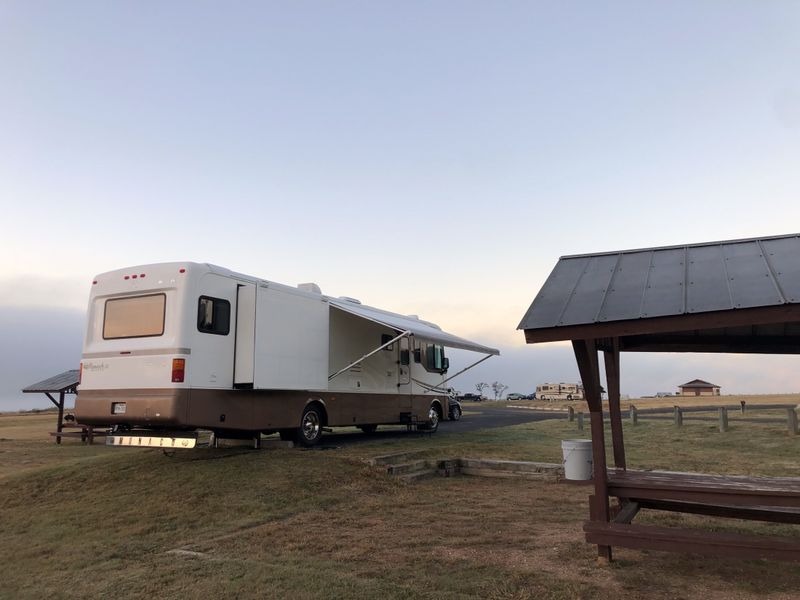
Clear, turquoise water lapping against rocky shores makes this Hill Country gem a favorite for campers who love to swim, fish, and soak up the sun. Canyon Lake’s limestone cliffs and rolling hills create a backdrop that feels more like the Mediterranean than Central Texas. The water stays refreshingly cool even in summer, thanks to springs feeding the reservoir from below.
Potters Creek sits on the northern shore, offering both developed campsites and primitive areas for those who want a more rugged experience. The park features boat ramps, making it easy to launch kayaks, paddleboards, or fishing boats. White bass runs in spring draw anglers from across the state, and catfish bite year-round for patient night fishers.
Campsites range from basic tent pads to full hookup spots with shade trees and picnic tables. Several sites sit right along the water, so you can literally roll out of your sleeping bag and jump in the lake. The park gets busy on summer weekends, but weekdays and shoulder seasons offer plenty of elbow room and peaceful mornings with nothing but birdsong and gentle waves.
Hiking trails connect to the Canyon Lake Gorge, a geological wonder carved by a massive flood in 2002 that exposed millions of years of limestone layers. Guided tours run regularly, offering a fascinating peek into Texas’s ancient past. The park also connects to the Guadalupe River, so you can explore different waterways without breaking camp.
Local wildlife includes deer, armadillos, and countless bird species that nest in the oak and juniper forests surrounding the lake. Sunsets here paint the sky in shades of orange and pink that reflect off the water, creating the kind of evening view that makes you forget about your phone for a while.
3. Double Lake Recreation Area (Coldspring)
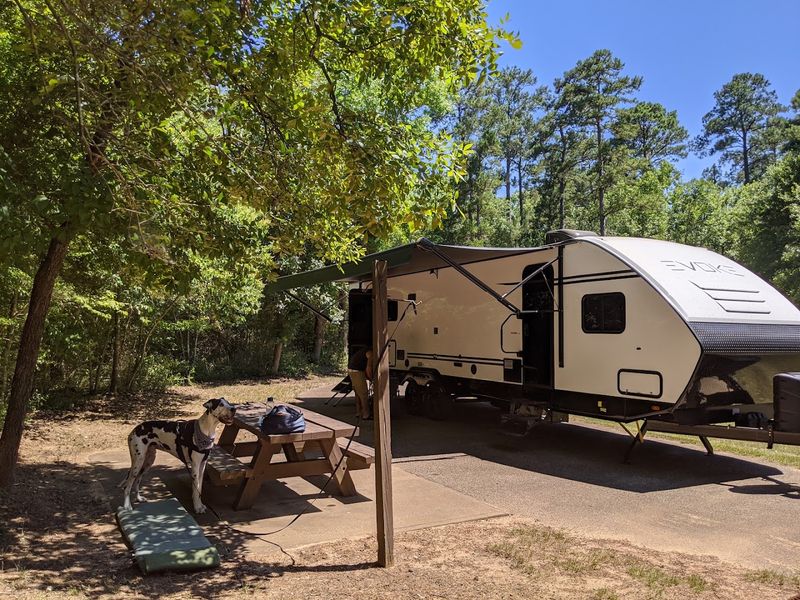
Towering loblolly pines surround a spring-fed lake that stays cool and inviting even when East Texas heat cranks up. This Sam Houston National Forest spot feels worlds away from city life, with sandy beaches and clear water that’ll remind you why people used to pack up the station wagon for weekend camping trips. The 24-acre lake was actually created by the Civilian Conservation Corps back in the 1930s, and their handiwork still holds up beautifully today.
Campsites scatter throughout the pine forest, offering a mix of sun and shade depending on your preference. A designated swimming area with a sandy beach makes it perfect for families with kids who want to splash around safely. The lake’s modest size means you can paddle across it in a kayak or canoe without wearing yourself out, and fishing from the shore or a small boat yields bass, catfish, and sunfish.
The recreation area maintains well-kept facilities including restrooms, showers, and a boat ramp for non-motorized watercraft. Several miles of hiking trails loop through the forest, where you might spot white-tailed deer, wild turkeys, or even a bobcat if you’re lucky and quiet. The Lone Star Hiking Trail, Texas’s longest continuous footpath, runs nearby for serious trekkers wanting to extend their adventure.
Fall brings spectacular foliage as sweetgums and maples turn brilliant reds and golds against the evergreen pines. Spring wildflowers carpet the forest floor, and summer evenings fill with fireflies dancing above the grass. Winter camping is surprisingly pleasant here, with milder temperatures than North Texas and the kind of crisp air that makes s’mores taste even better.
This spot draws a loyal crowd of regulars who appreciate the peaceful atmosphere and well-maintained grounds. It’s not the biggest or flashiest destination, but that’s exactly what keeps it special.
4. Sanford-Yake Campground (Fritch)
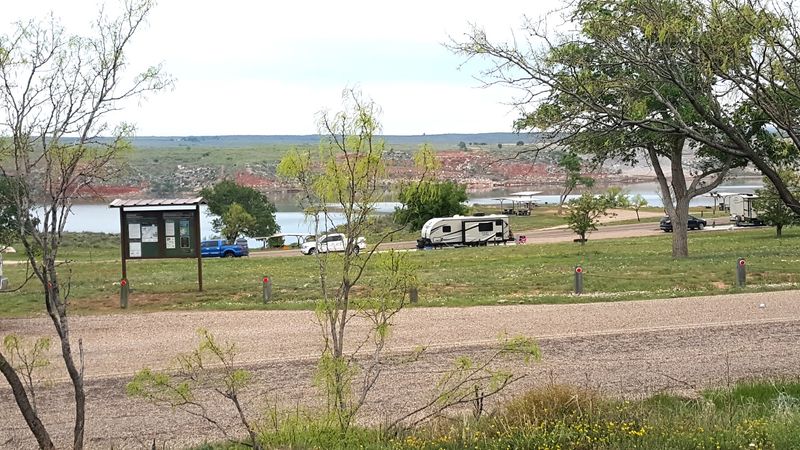
Red rock cliffs tower above sapphire blue water in the Texas Panhandle, creating a landscape that surprises anyone expecting flat prairie as far as the eye can see. Lake Meredith sits in a dramatic canyon carved by the Canadian River, with layers of colorful sedimentary rock telling stories millions of years old. The contrast between desert-like surroundings and the massive reservoir makes this place feel like a secret oasis.
Sanford-Yake offers primitive camping with incredible views across the water toward striped canyon walls. You won’t find hookups or fancy facilities here, just wide-open spaces where you can set up camp and enjoy unobstructed sunsets that light up the whole sky. The lack of development means darker nights perfect for stargazing—the Milky Way stretches overhead in a brilliant band that city dwellers rarely get to see.
Boating and fishing dominate the activities here, with walleye, bass, and catfish all thriving in the cool depths. The lake’s 16,500 acres give you plenty of room to explore by boat, and hidden coves along the shoreline offer quiet spots for swimming or picnicking. Strong winds are common, making it popular with sailors and windsurfers who appreciate the reliable gusts.
Hiking along the shoreline reveals fossilized shells and ancient rock formations that geology buffs find fascinating. Bison occasionally wander down from nearby ranches, and golden eagles soar on thermal currents above the cliffs. The area’s elevation and dry climate mean comfortable camping most of the year, though summer afternoons can get toasty.
This campground attracts independent campers who value solitude and don’t mind roughing it without modern conveniences. Bringing your own water and supplies is essential, but the trade-off is having some of the most unique lakeside scenery in Texas practically to yourself.
5. Inks Lake State Park (Burnet)
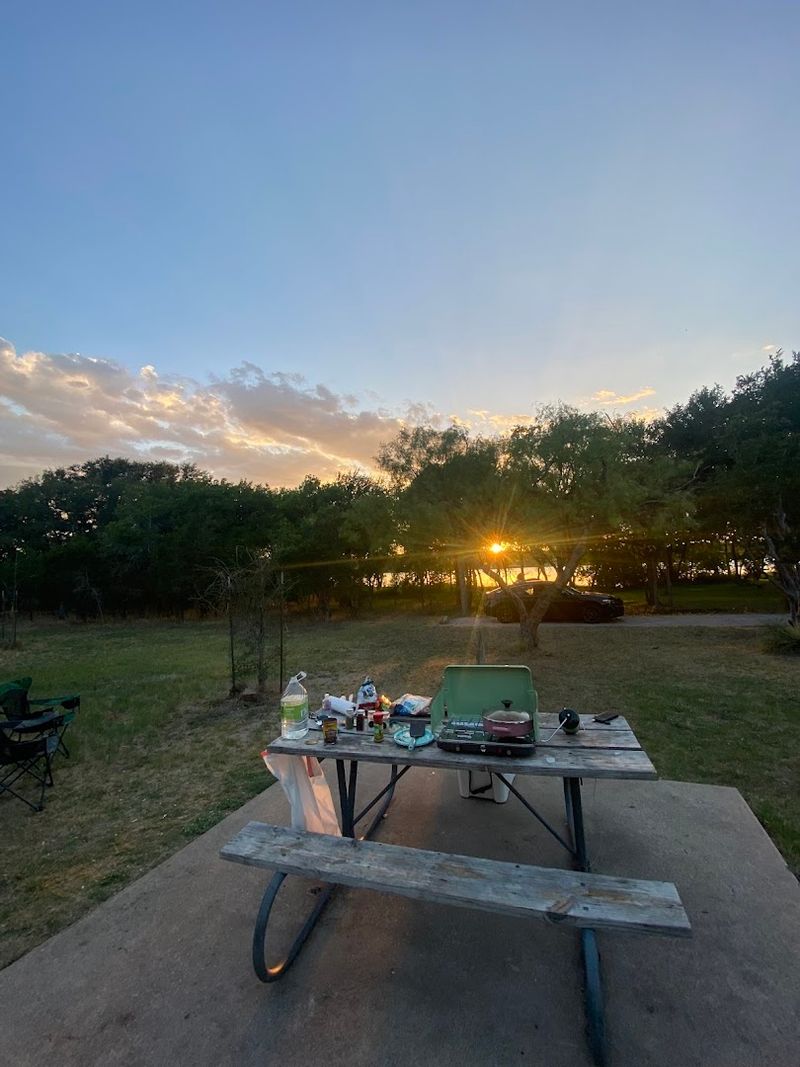
Pink granite boulders the size of houses tumble down to water so clear you can watch fish swimming twenty feet below the surface. This Highland Lakes gem stays full year-round thanks to a constant-level dam, meaning you’ll always find the same beautiful shoreline no matter when you visit. The distinctive pink rock formations create a landscape that feels more like the Southwest than Central Texas, with twisted junipers clinging to stone outcroppings and century plants sending up dramatic flower stalks.
The park offers over 200 campsites ranging from primitive walk-in spots to full hookup sites with water views. Several campgrounds sit right on the water, so you can fish from your campsite or take a quick dip before breakfast. A swimming beach with a bathhouse provides a designated area for families, while more adventurous swimmers scramble over the granite slabs to find their own private swimming holes.
Nine miles of hiking trails wind through the park, including the popular Devil’s Waterhole trail that leads to a spring-fed swimming area surrounded by cliffs perfect for jumping. Kayaking and canoeing are excellent here, with calm waters ideal for beginners and interesting coves to explore. Fishing yields bass, catfish, and the occasional monster carp that’ll test your tackle.
The park’s location in the Highland Lakes chain means you can easily visit nearby attractions like Longhorn Cavern or the charming town of Burnet for supplies and local barbecue. Spring brings wildflowers including bluebonnets and Indian paintbrush that carpet the hillsides in color. Summer weekends draw crowds, but weekdays stay relatively peaceful even in peak season.
Rock hounding is popular here, with interesting mineral specimens weathering out of the granite. Bird watchers enjoy spotting golden-cheeked warblers, black-capped vireos, and painted buntings during migration seasons. The combination of reliable water levels and beautiful scenery makes this a favorite for families returning year after year.
6. Tyler State Park (Tyler)
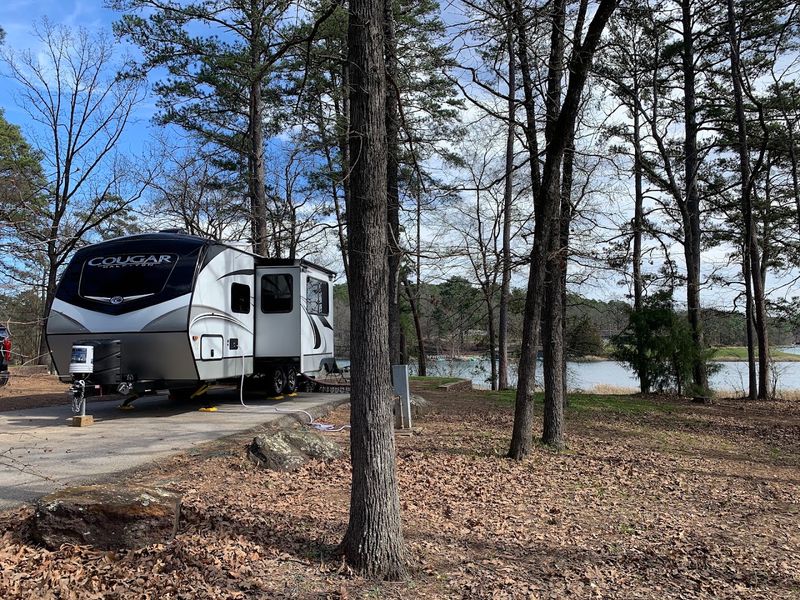
Dense pine forests encircle a 64-acre lake that feels like your own private swimming hole, even though it’s just minutes from Tyler’s city limits. This East Texas retreat offers the perfect blend of accessibility and natural beauty, with towering loblolly pines providing shade and a carpet of needles that makes every step whisper-quiet. The lake’s spring-fed waters stay cool and refreshing, with a sandy beach that’s been welcoming Texas families since the park opened in 1939.
Campsites nestle among the trees in several different areas, giving you options whether you want full hookups or a more primitive experience. Some sites sit close enough to the water that you can hear gentle waves lapping the shore as you fall asleep. The park maintains excellent facilities including clean restrooms, hot showers, and a well-stocked camp store for forgotten essentials.
A pier extends into the lake for fishing, and paddle boats are available to rent if you want to explore without bringing your own gear. Bass, catfish, and perch keep anglers happy, though catch-and-release rules help maintain healthy fish populations. Swimming is allowed in designated areas, and the sandy beach gradually slopes into deeper water, making it safe for kids learning to swim.
Thirteen miles of trails loop through the forest, ranging from easy lakeside strolls to more challenging paths that climb gentle hills for forest views. Mountain bikers share some trails with hikers, and the well-maintained paths stay in good shape year-round. Wildlife sightings include deer, raccoons, and an impressive variety of woodpeckers that hammer away at dead trees throughout the forest.
The park’s proximity to Tyler means you can enjoy camping while still having access to restaurants, shopping, and attractions like the Tyler Rose Garden. Fall colors arrive later here than in North Texas, usually peaking in November when sweetgums turn brilliant crimson.
7. Lake Livingston State Park (Livingston)
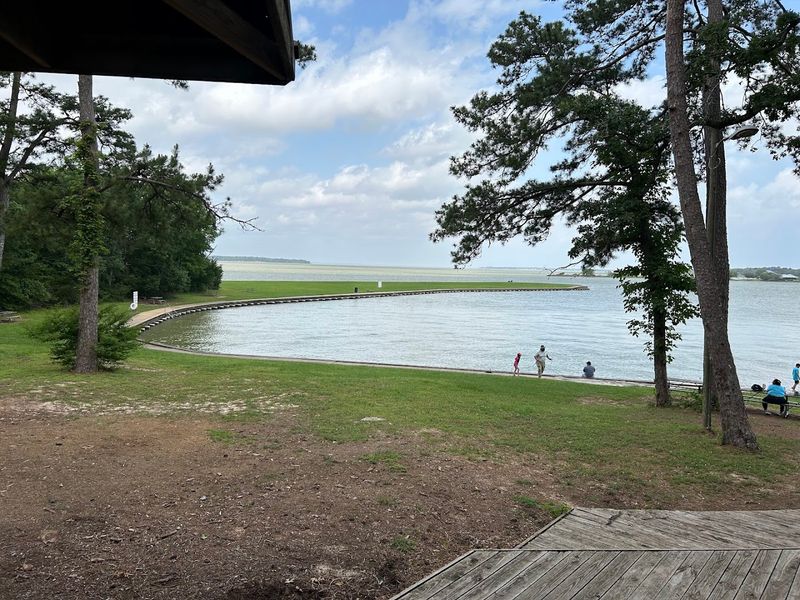
Texas’s second-largest lake stretches across 90,000 acres of East Texas landscape, offering more shoreline than most campers could explore in a lifetime. The state park sits on the lake’s eastern shore, where oak and pine forests meet water that’s perfect for boating, fishing, and watching spectacular sunsets paint the sky in impossible colors. This isn’t a rocky Hill Country lake—it’s a sprawling reservoir with sandy bottoms and gentle slopes that make swimming easy and safe.
The park maintains over 150 campsites split between several camping areas, each with its own character and amenities. Some sites offer full hookups with 50-amp service for big rigs, while others provide basic water and electric for tent campers and smaller trailers. Screened shelters are available year-round, giving you a roof and walls while keeping that outdoor camping vibe alive.
A swimming beach with a designated area keeps families happy, and a fishing pier extends far enough into the lake to reach deeper water where the big ones hide. Bass fishing here is legendary, with largemouth bass tournaments drawing competitors from across the region. Crappie fishing picks up in spring, and catfish bite year-round for patient anglers willing to fish at dawn or dusk.
Hiking trails wind through the forest, though they’re modest compared to Hill Country parks—this is more about water activities than mountain climbing. Bird watching is excellent, especially during spring and fall migrations when countless species stop to rest and refuel. The lake’s vast size means you can always find a quiet cove even on busy holiday weekends.
Nearby Livingston offers restaurants, tackle shops, and grocery stores for restocking supplies. The park’s location makes it popular with Houston-area campers looking for a quick weekend escape without driving across half the state. Summer can get humid and hot, but lake breezes and plenty of swimming opportunities keep things bearable.
8. Martin Dies, Jr. State Park (Jasper)
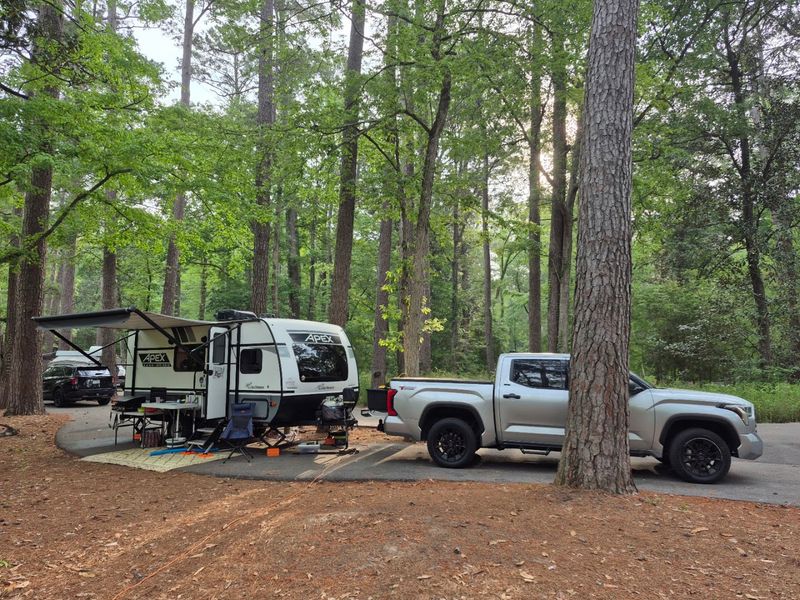
Where the Neches and Angelina rivers meet to form Steinhagen Lake, you’ll find a landscape that feels more like Louisiana bayou country than typical Texas terrain. Bald cypress trees rise from the water’s edge, their knobby knees poking up through the surface like ancient sculptures. Spanish moss drapes from branches, and the whole scene carries an old-world atmosphere that slows your heartbeat and makes worries feel very far away.
The park splits into two units on opposite sides of the lake, each offering different camping experiences. The Hen House Ridge unit provides more developed campsites with water and electric hookups, while the Cherokee unit offers a more rustic feel with primitive sites closer to the water. Both areas give you access to excellent fishing, with the lake known for producing hefty bass, crappie, and catfish that keep coolers full.
Paddling through the cypress swamps reveals a hidden world of wildlife—alligators sunning on logs, turtles plopping into the water as you approach, and countless wading birds stalking through the shallows. Great blue herons stand motionless like statues, while egrets flash brilliant white against dark water. The park’s location in the Big Thicket region means incredible biodiversity, with plants and animals from multiple ecosystems all converging in one place.
Hiking trails explore both bottomland hardwood forests and upland pine areas, giving you a sampler of East Texas ecology. Interpretive signs explain the unique environment and point out interesting plants and geological features. The park isn’t huge, but what it lacks in size it makes up for in atmosphere and character.
Spring brings wildflowers and comfortable temperatures perfect for exploring. Summer gets steamy but also brings the most active wildlife viewing as animals emerge at dawn and dusk to escape the heat. This park attracts campers who appreciate a quieter, more contemplative outdoor experience away from crowded tourist destinations.
Share this story