
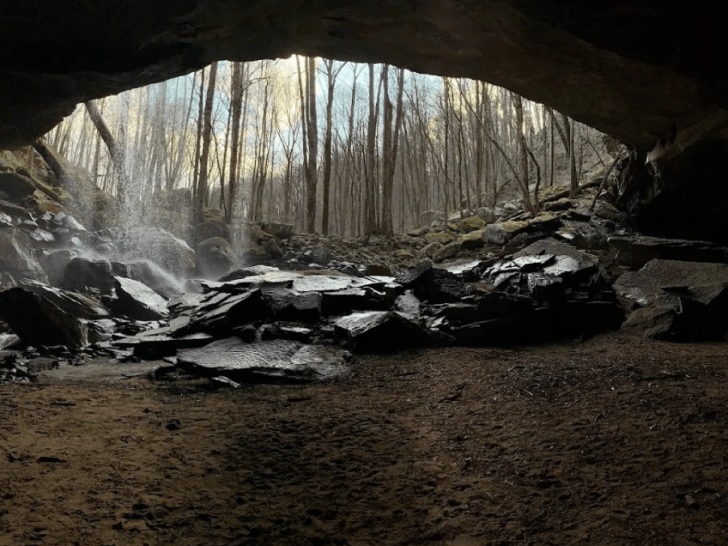
Tennessee holds countless hidden treasures beyond its famous music cities and the Smoky Mountains. While tourists crowd the usual hotspots, locals know about incredible places that remain wonderfully off the beaten path.
These eight secret destinations offer adventures ranging from mysterious caves to breathtaking natural wonders that will make your 2026 travel plans truly unforgettable.
1. Brushy Mountain State Penitentiary (Petros)
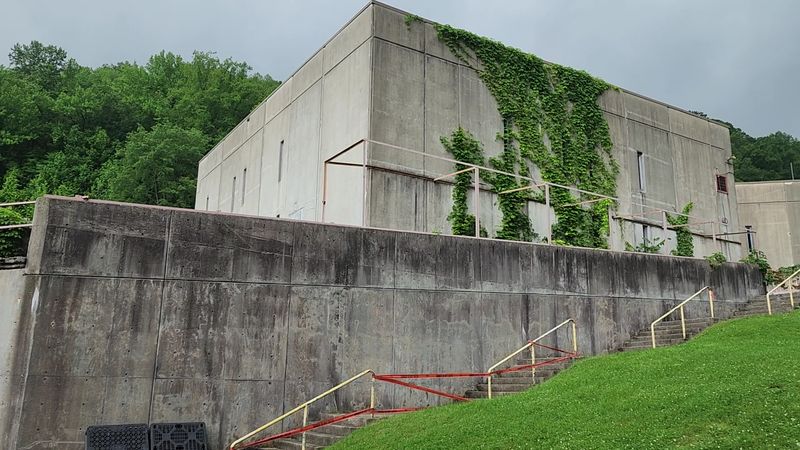
Walking through the cell blocks where James Earl Ray once plotted his escape gives you chills you won’t forget. This former maximum-security prison operated from 1896 until 2009, housing Tennessee’s most dangerous criminals in the remote mountains.
Today, visitors can explore the eerie cellblocks during guided tours that share spine-tingling stories. The moonshine distillery on-site adds a uniquely Appalachian twist to your visit.
Special overnight ghost tours let brave souls spend the night inside actual cells. You’ll learn about daring escape attempts, riots, and daily prison life while surrounded by authentic artifacts. The museum showcases confiscated weapons, prisoner artwork, and historical photographs that bring this dark chapter of Tennessee history to life.
2. The Bell Witch Cave (Adams)
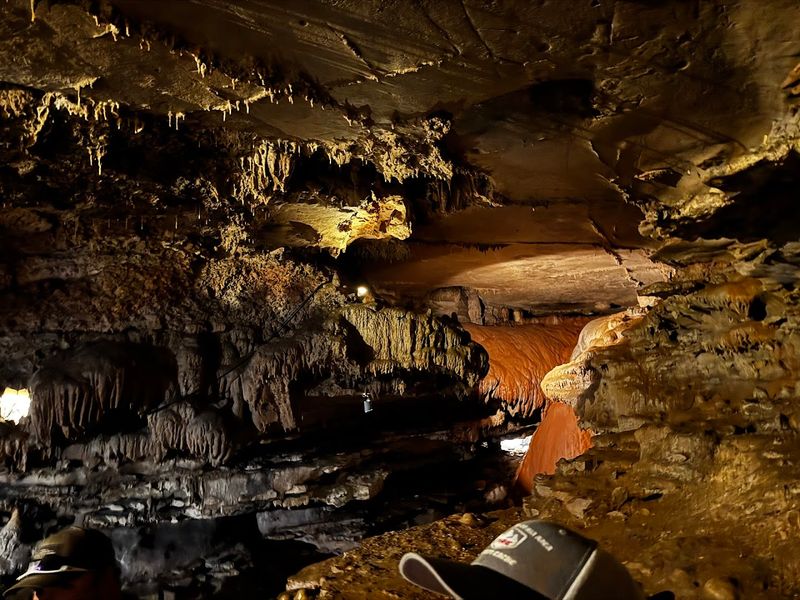
America’s greatest ghost story happened right here in Robertson County, where the Bell family endured terrifying supernatural attacks in the early 1800s. The cave on their property became central to the legend when the witch’s voice echoed from its depths.
Brave explorers can venture into the damp, narrow passages where strange occurrences still happen today. Visitors report unexplained cold spots, mysterious voices, and equipment malfunctions that defy explanation.
The cave tour takes about 30 minutes and isn’t for the claustrophobic or faint of heart. Your guide shares documented accounts of the Bell Witch’s torment of John Bell and his daughter Betsy. Even skeptics admit feeling an unsettling presence in these limestone chambers that have fascinated paranormal investigators for generations.
3. Lost Creek State Natural Area (Sparta)
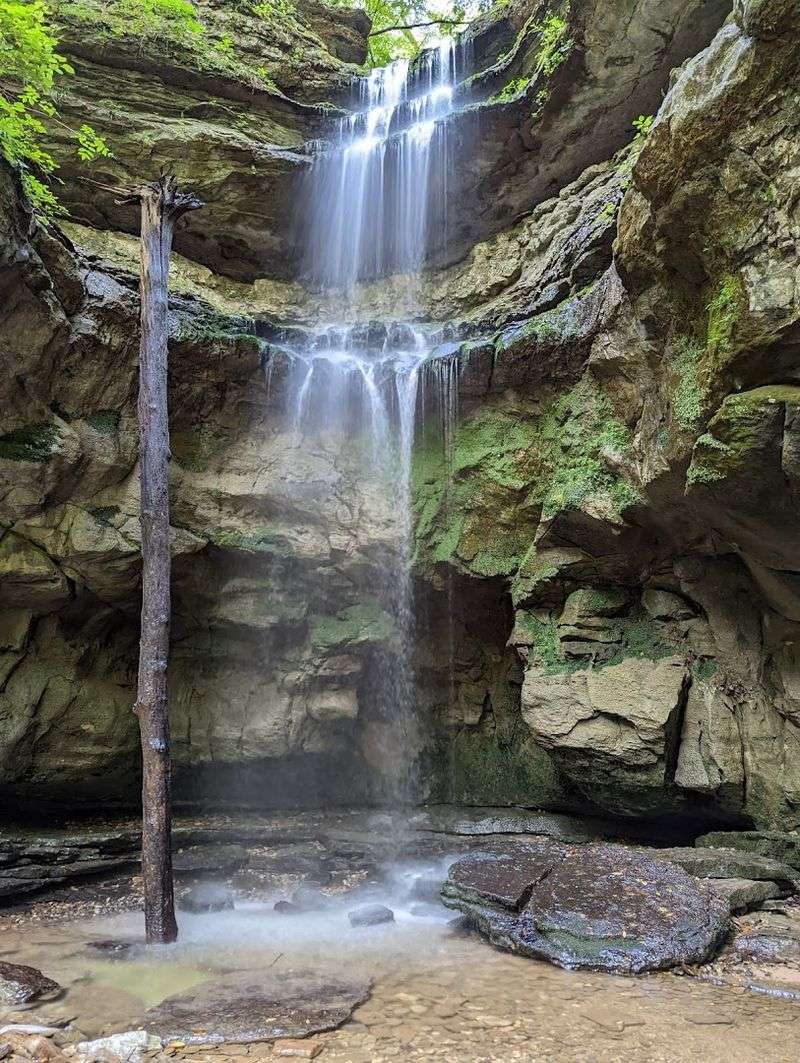
Hidden waterfalls reward hikers who tackle the challenging trails through this 580-acre wilderness sanctuary. Lost Creek vanishes underground multiple times, creating mysterious disappearing acts that gave this natural area its perfect name.
The main attraction is a stunning 50-foot waterfall that plunges into a deep pool surrounded by moss-covered boulders. Spring wildflowers carpet the forest floor while fall transforms the canopy into brilliant oranges and reds.
Pack sturdy boots because the terrain gets rocky and slippery near water features. Several smaller cascades dot the trail system, each offering peaceful spots for lunch breaks or photography.
This undeveloped gem sees far fewer visitors than nearby state parks, making it ideal for solitude seekers.
4. Blue Hole (Soddy-Daisy)
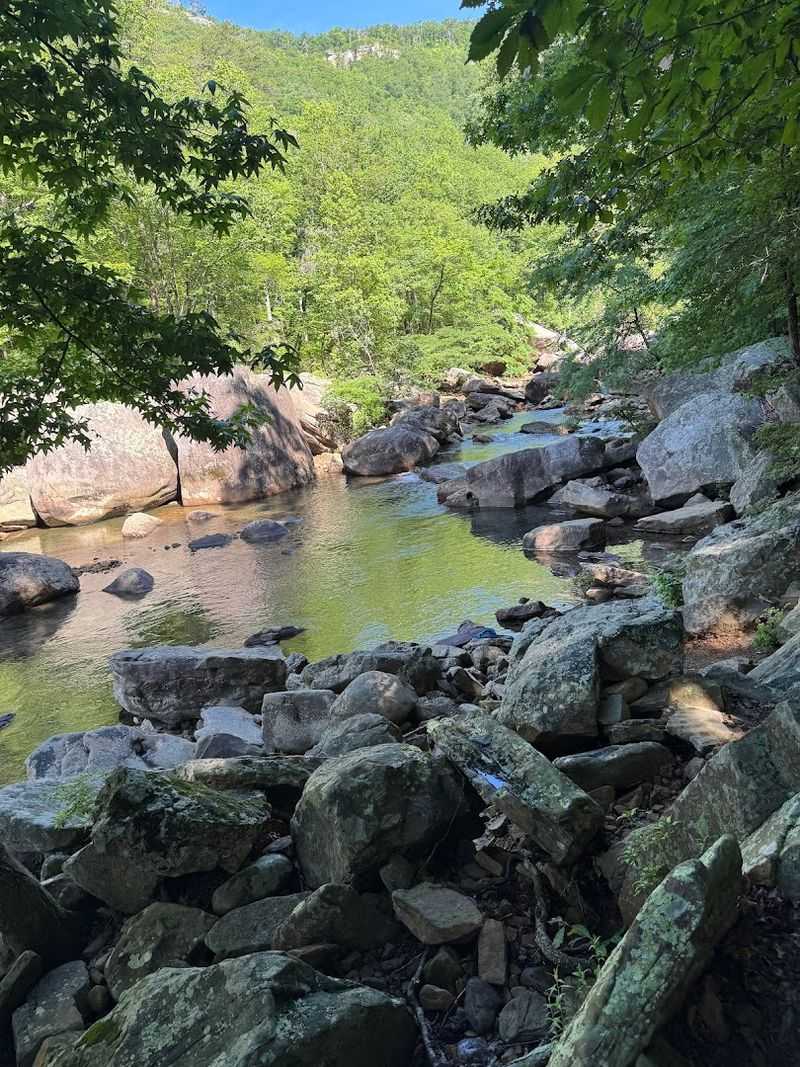
This natural swimming hole reaches depths of 100 feet, with water so clear you can see straight to the bottom on sunny days.
Local teenagers have been leaping from various heights here for generations, though you should assess your comfort level carefully. The main cliff stands about 30 feet high, while smaller ledges accommodate less daring swimmers.
The water stays refreshingly cold even during August heatwaves, fed by underground springs that maintain crystal clarity. Arrive early on weekends because word has spread about this magical spot among Tennessee residents.
5. Virgin Falls State Natural Area (Sparta)
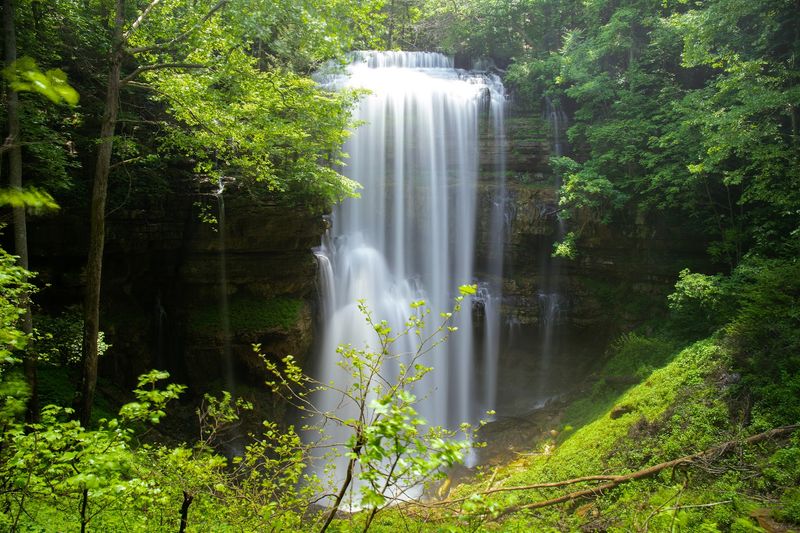
This waterfall does something impossible – it emerges from a cave, drops 110 feet, then disappears into another cave below. Virgin Falls never touches a visible creek or river, making it one of Tennessee’s most unusual natural wonders.
The 8-mile round-trip hike demands good fitness but rewards you with three major waterfalls along the route. Big Laurel Falls and Big Branch Falls serve as appetizers before the main attraction.
Budget at least five hours for the full journey, bringing plenty of water and snacks for energy. The trail winds through old-growth forest and crosses several streams on wooden bridges. Camping is allowed at designated backcountry sites if you want to split the hike over two days.
6. Window Cliffs State Natural Area (Baxter)
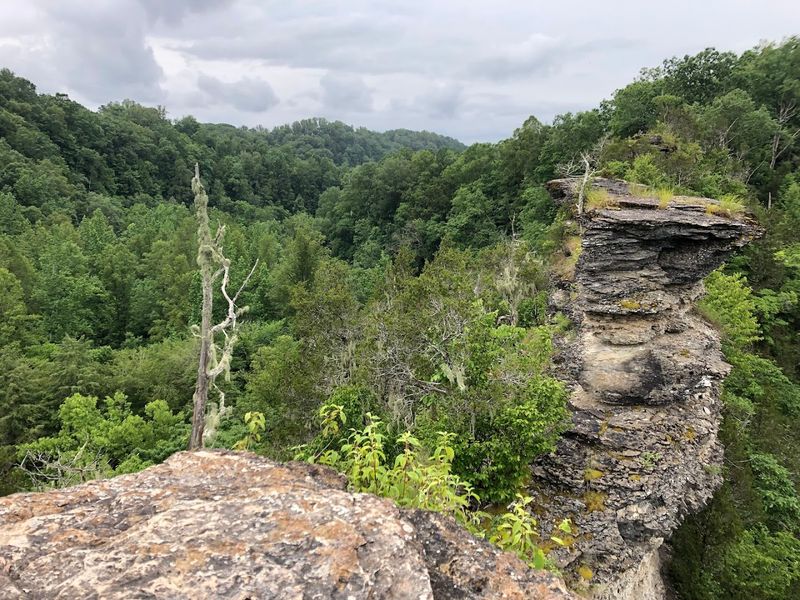
Nature carved a perfect window through solid rock, framing views of the Caney Fork River valley that take your breath away. This 1,100-acre natural area protects rare plant species and offers some of Middle Tennessee’s most dramatic scenery.
Rock climbers tackle the challenging cliff faces while hikers stick to safer overlook points. Fall colors explode across the valley in October, making it the most popular season for visiting. Bring binoculars for spotting hawks and vultures riding thermal currents below the cliffs.
The natural arch measures roughly 15 feet across, large enough to walk through while admiring the panoramic vista stretching for miles.
7. Twin Arches (Oneida)
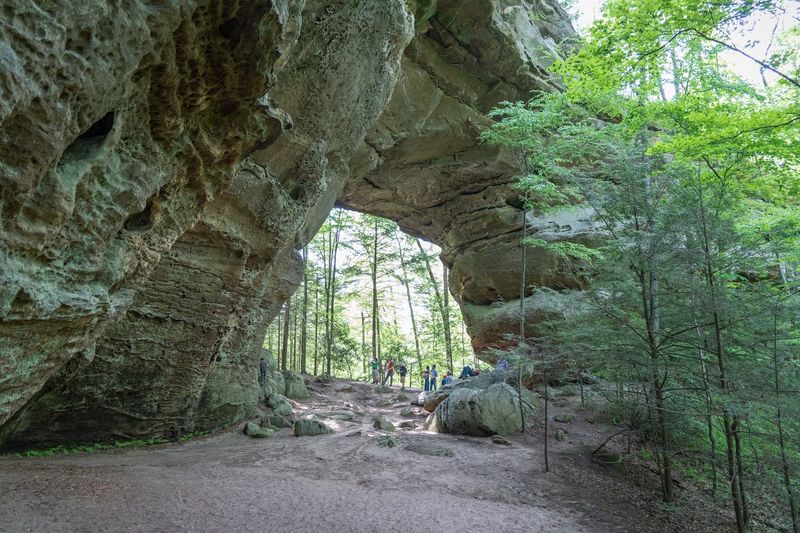
Two massive stone arches stand side by side like nature’s cathedral, creating one of the largest natural bridge formations in the eastern United States. The larger arch spans 135 feet with a 70-foot opening, while its sibling measures nearly as impressively.
A relatively easy 0.7-mile trail from the parking area makes this wonder accessible for most fitness levels. Wooden stairs and platforms let you walk beneath and around both arches safely.
The surrounding Big South Fork area offers additional trails, waterfalls, and rock shelters for extended exploration. Native Americans used these natural shelters for thousands of years, leaving behind cultural artifacts.
8. The Lost Sea (Sweetwater)
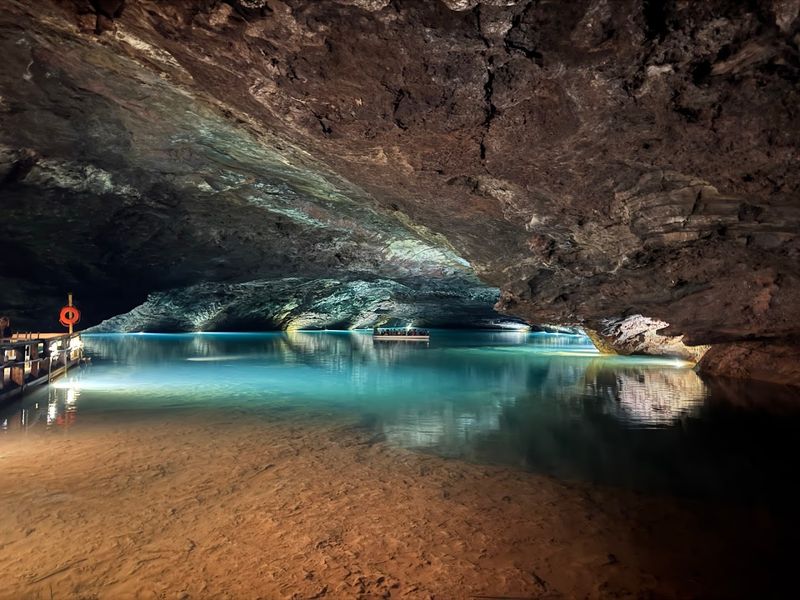
America’s largest underground lake stretches through cathedral-sized caverns 140 feet below the surface. Glass-bottom boat tours glide across the eerily still water while your guide points out rare cave-dwelling fish that exist nowhere else on earth.
The temperature stays at a constant 58 degrees year-round, making it a perfect escape from summer heat or winter cold. Confederate soldiers once mined the cave for saltpeter to make gunpowder during the Civil War.
Your tour begins with a walk through beautiful formations, including flowstone, stalactites, and stalagmites, millions of years old. The lake portion covers 4.5 acres of visible water, though divers have mapped additional submerged rooms totaling over 13 acres. Rainbow trout were stocked here in 1965 and somehow thrived despite complete darkness, growing pale and blind over generations.