
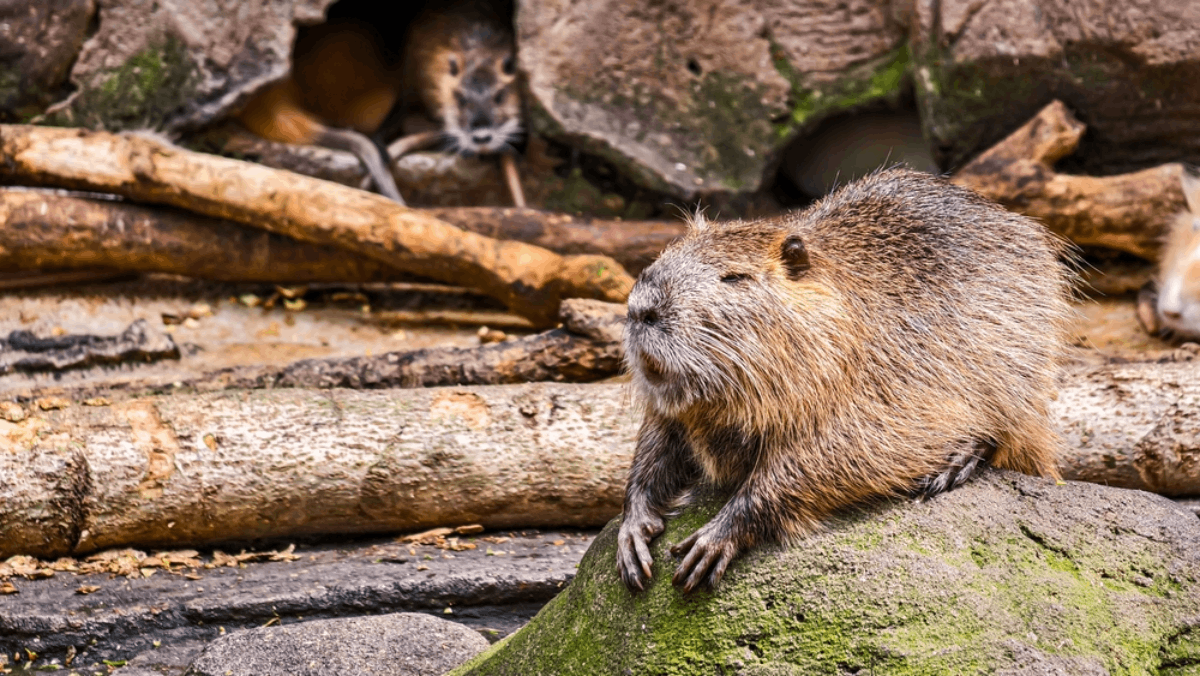
Tennessee’s waterways provide perfect homes for one of nature’s most fascinating engineers. Beavers reshape landscapes by building dams and lodges, creating wetlands that benefit countless other species. From mountain streams to lowland lakes, these industrious rodents leave unmistakable signs of their presence.
Whether you’re a wildlife enthusiast or just curious about local nature, these eight locations offer your best chances to spot beavers in action across the Volunteer State.
1. Cades Cove
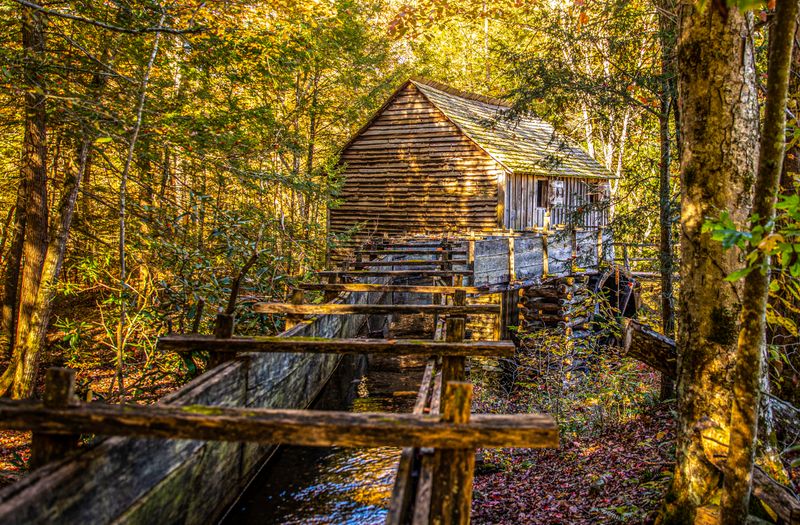
Morning fog rolls across the valley floor as Abrams Creek winds through this historic mountain cove. Beavers have discovered the slower sections where water pools naturally, creating perfect conditions for dam construction.
Watch for gnawed tree stumps and freshly peeled branches along the creek banks. The animals work mostly at dawn and dusk when visitor traffic is lighter. Fallen logs near the water often show tooth marks from their constant building projects.
The wet meadows surrounding the creek provide additional foraging areas where beavers gather willow and other preferred plants. Early spring and late fall offer the clearest views before vegetation grows thick.
2. Reelfoot Lake (Tiptonville)
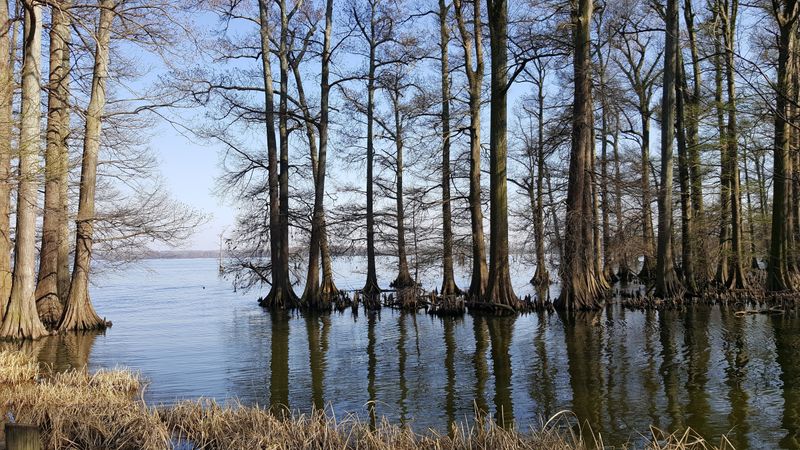
Formed by earthquakes centuries ago, this shallow lake creates a beaver paradise. Cypress trees rise from the water like ancient sentinels, their roots providing perfect anchor points for lodges and dams.
The lake’s average depth of just five feet means beavers can easily access the bottom vegetation and build throughout the area. You’ll spot their handiwork everywhere—mud mounds, gnawed cypress knees, and channels cut through marshy sections. Boat tours increase your chances significantly since many active sites sit away from shore.
The refuge status protects both beavers and their habitat, making populations here among Tennessee’s healthiest and most visible.
3. Radnor Lake State Park (Nashville)
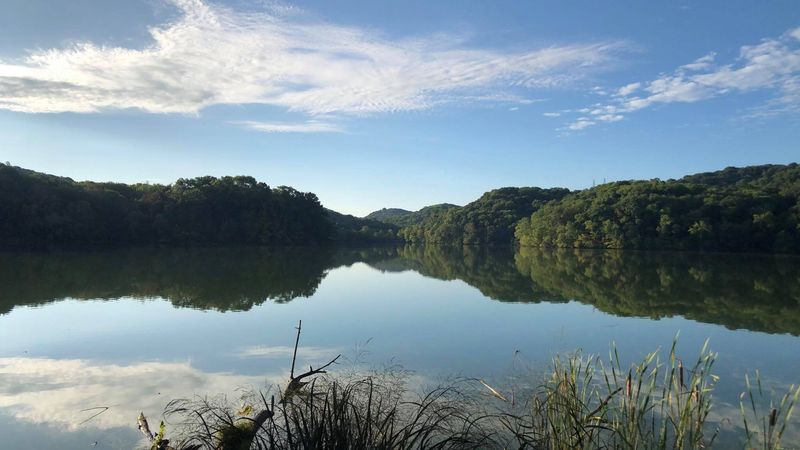
This urban oasis surprises visitors with its thriving beaver population just minutes from downtown. The lake’s protected status means minimal human disturbance, allowing these animals to establish territories along quieter stretches.
Focus your search near the eastern shoreline where fallen trees create natural workstations. Beavers drag branches into the water here, leaving distinctive drag marks in the mud. The paved trail offers excellent vantage points without disturbing wildlife.
Visit during weekday mornings for the best sightings when fewer hikers are present. Look for V-shaped ripples moving across calm water—a telltale sign of swimming beavers.
4. Shelby Bottoms Greenway (Nashville)
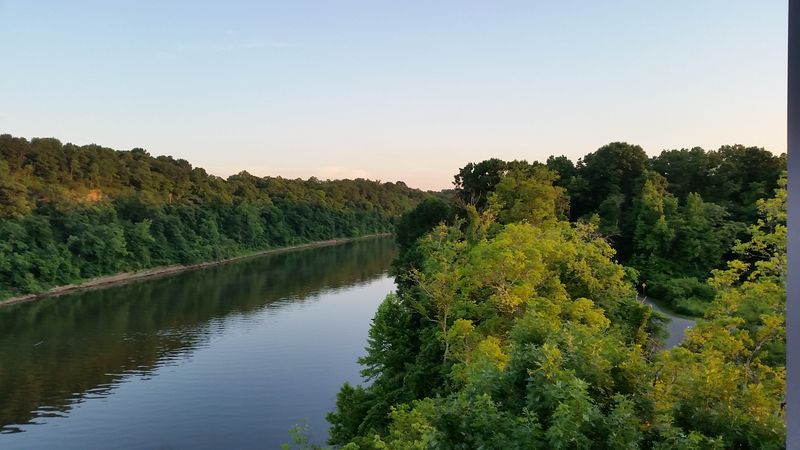
Where the Cumberland River slows and spreads, beavers have claimed territory in Nashville’s largest greenway. Backwater channels and oxbow lakes provide the still water these builders prefer over fast-moving currents.
The multi-use trail system gives access to numerous observation points along five miles of river habitat. Spring flooding renews vegetation that beavers harvest, ensuring consistent food supplies. Watch for recently felled saplings near the water—beavers can drop a four-inch tree in just fifteen minutes.
Kayakers enjoy unique perspectives when paddling the quieter channels during summer evenings. The urban location means beavers here have adapted to human presence, sometimes working in daylight hours.
5. Meeman-Shelby Forest State Park (Millington)
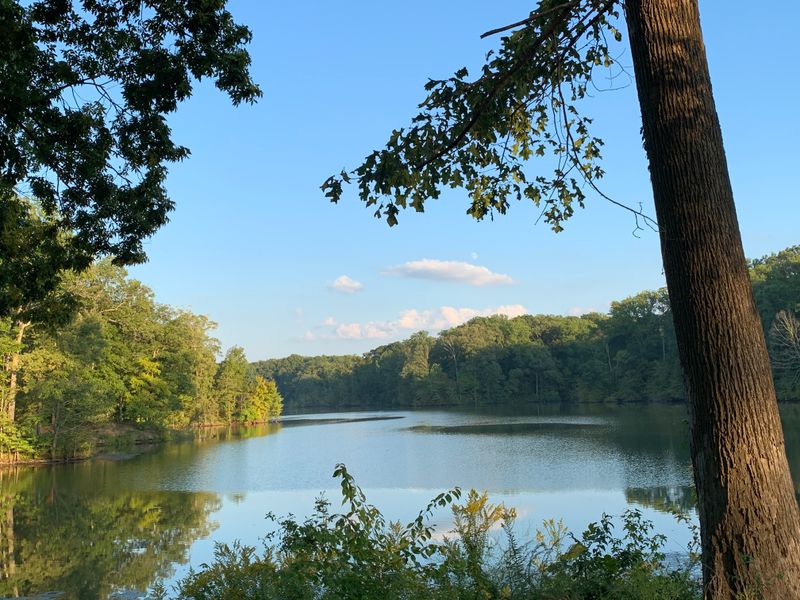
Ancient oxbow lakes dot this Mississippi River bottomland forest, creating premier beaver real estate. These crescent-shaped water bodies form when the river changes course, leaving behind still pools perfect for dam building.
Hardwood forests surrounding the wetlands supply abundant food sources—oak, sweetgum, and willow all feature in beaver diets here. The park’s remote sections see less traffic, allowing family groups to establish multiple lodges within the same wetland complex.
Autumn brings increased activity as beavers stockpile winter food supplies underwater near their lodges.
6. Land Between the Lakes (Dover)
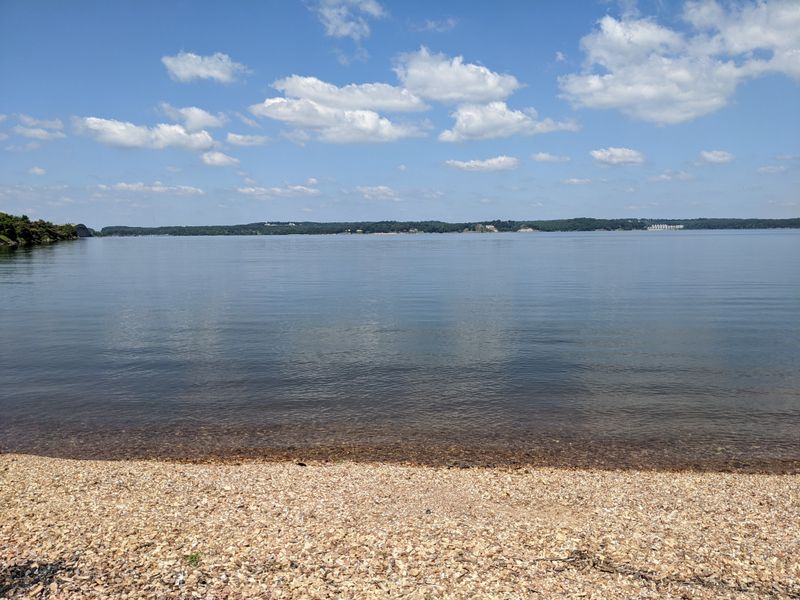
Sprawling across 170,000 acres, this national recreation area contains countless coves where beavers thrive undisturbed. Kentucky Lake and Lake Barkley create hundreds of miles of shoreline with varying depths and vegetation types.
The best viewing spots are tucked-away inlets where water barely moves and aquatic plants grow thick. Beavers construct bank dens here rather than freestanding lodges, burrowing into soft shoreline soil. Boat access opens up remote areas rarely seen by land-based visitors.
Spring and summer evenings are prime time—beavers emerge to feed on new growth and repair winter-damaged structures. The area’s size means you can always find quiet spots even during busy weekends.
7. Hiwassee Wildlife Refuge (Birchwood)
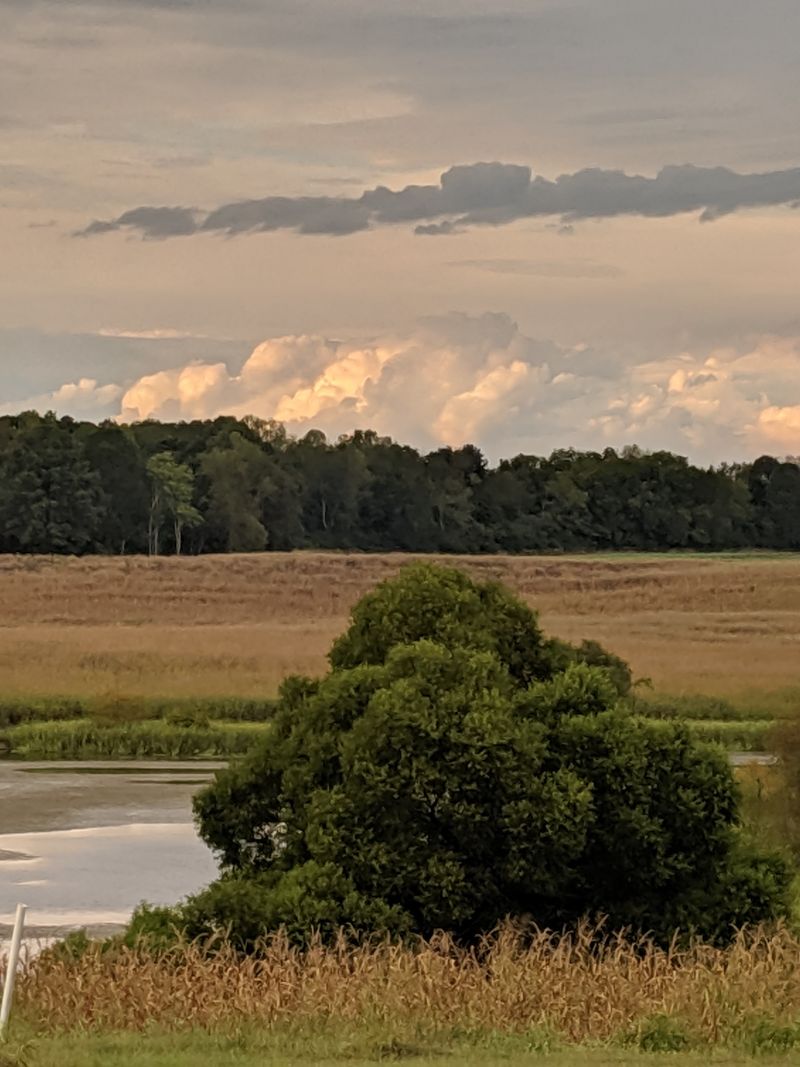
Managed specifically for wildlife, this refuge along the Hiwassee River provides textbook beaver habitat. Slow-moving waters and extensive marshlands give these animals room to build complex dam systems that create additional wetland areas.
The refuge’s agricultural fields border wetlands, and beavers sometimes venture into cropland edges to harvest corn stalks and other vegetation. This behavior makes them more visible than in purely wild settings. Observation platforms and photography blinds let you watch without causing disturbance.
Migration season brings thousands of sandhill cranes to the refuge, but beavers remain active year-round. Winter offers the advantage of bare trees and clearer sightlines across frozen marshes.
8. Chickamauga Lake
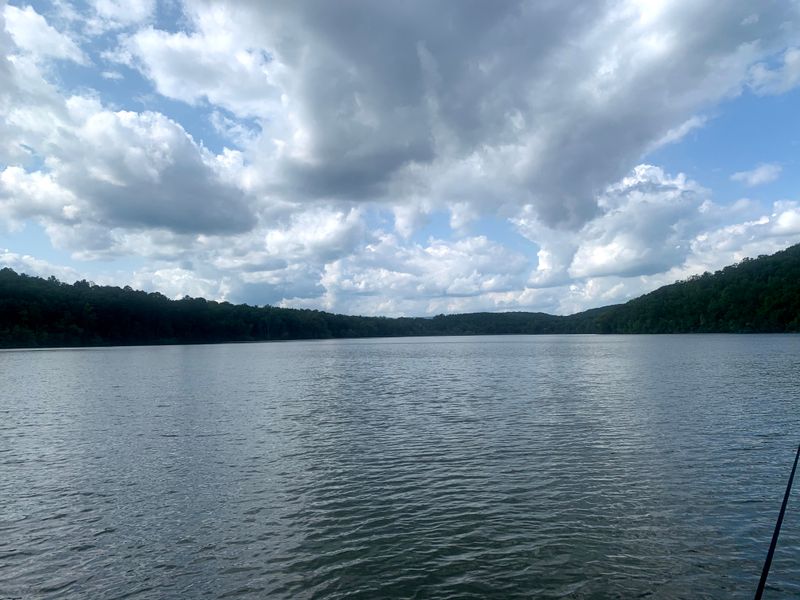
Stretching nearly sixty miles, this Tennessee Valley Authority reservoir hides beaver populations in its undeveloped back coves. Development crowds the main channel, but tributaries and side arms remain wild enough for beaver colonization.
Focus on coves with overhanging hardwoods and minimal boat traffic. Beavers here face challenges from fluctuating water levels caused by dam operations, so they adapt by building more flexible lodge structures. Some construct multiple dens at different elevations to accommodate water changes.
Local fishing guides know which coves show fresh beaver activity since the animals’ dam-building sometimes affects fish movement. Exploring by kayak or canoe during weekday mornings yields the best results. The lake’s size means beaver populations remain scattered, but once you locate an active area, you can return repeatedly to observe the same family group throughout the seasons.