Texas cities don’t just exist side by side—they measure themselves against one another in ways both obvious and subtle. From who has the best tacos to which skyline looks more impressive at sunset, these urban centers are locked in friendly (and sometimes not-so-friendly) competition. Whether it’s a battle over cultural coolness, economic growth, or just plain bragging rights, the rivalry between Texas towns runs deep and shapes how they grow, market themselves, and define their identities.
1. Austin: The Cool Kid Taking on Everyone
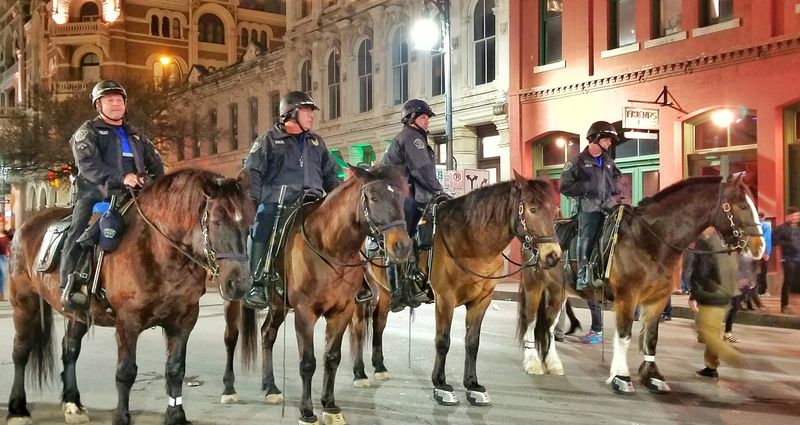
Austin doesn’t compete with just one city—it takes on the whole state at once. This capital city built its reputation on being weird, creative, and unapologetically different from every other Texas metropolis. Live music spills out of dive bars on Sixth Street while tech startups hum away in glass towers downtown, creating a mashup that no other Texas city has managed to replicate.
The competition really heats up when Austin claims cultural superiority over Houston and Dallas. While those cities focus on business suits and oil money, Austin doubles down on food trucks, outdoor concerts, and a lifestyle that prioritizes breakfast tacos over board meetings. San Antonio might have deeper history, but Austin argues it has a more vibrant present.
Housing prices tell part of the story. As people flood in from California and other states, Austin’s cost of living has skyrocketed, making it less accessible than it once was. Yet the city wears this like a badge of honor, proof that everyone wants what Austin has.
Traffic has become legendary, with locals joking that rush hour now lasts from dawn to dusk. Still, newcomers keep arriving, drawn by job opportunities in tech and the promise of a city that values creativity. The competition with other Texas cities isn’t just about being different—it’s about being the place where young professionals want to build their lives.
Austin’s rivalry extends to sports, food scenes, and even which city throws better festivals. South by Southwest and Austin City Limits put the city on a global stage, something other Texas towns watch with a mix of admiration and envy. The cool kid knows it, and that confidence fuels the ongoing competition.
2. Corpus Christi: The Coastal Contender
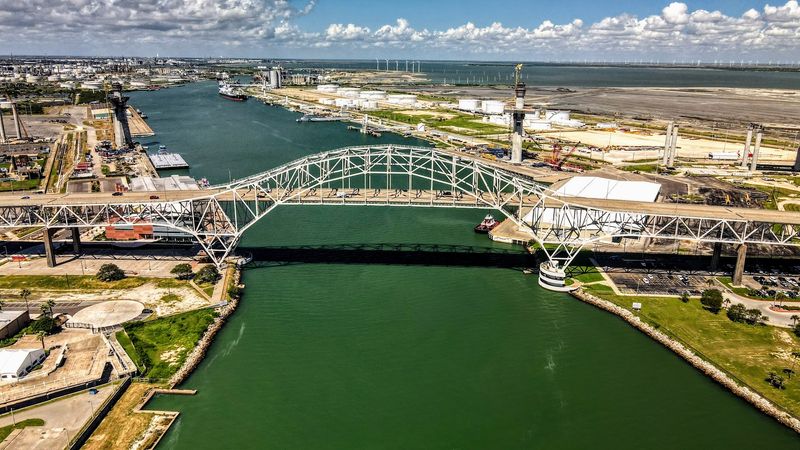
Perched along the Gulf Coast, Corpus Christi often flies under the radar while Houston and San Antonio grab the spotlight, quietly carving out a distinct identity of its own. This coastal city has what inland rivals lack—miles of beaches, a working waterfront, and a laid-back vibe that comes from living where land meets sea. The competition isn’t loud, but it’s there in every tourism campaign and economic development plan.
When Houston flexes its port muscle, Corpus responds by highlighting its own deepwater facilities and growing industrial sector. The Port of Corpus Christi handles massive amounts of crude oil and other cargo, making it a serious player in Texas commerce. Beach lovers choose Corpus over Galveston, arguing the water is clearer and the crowds smaller.
The USS Lexington sits permanently docked on the bay, a floating museum that gives the city a unique attraction other coastal towns can’t match. Padre Island National Seashore stretches for miles, offering wilderness beaches that feel worlds away from urban Texas. These natural and historical assets become ammunition in the quiet competition for tourist dollars and new residents.
Real estate remains more affordable here than in Austin or Dallas, attracting families and retirees who want coastal living without breaking the bank. The city has invested in its downtown, adding restaurants and entertainment venues to compete with the nightlife scenes in bigger metros. Seafood restaurants serve fresh catches that landlocked cities can only dream about.
Corpus Christi doesn’t shout about its advantages—it just keeps building them. The competition with inland cities is about lifestyle quality, proving that you don’t need a million people to have everything you need. The coast provides natural advantages that no amount of urban planning can replicate elsewhere in Texas.
3. Fort Worth: The Western Counterweight to Dallas
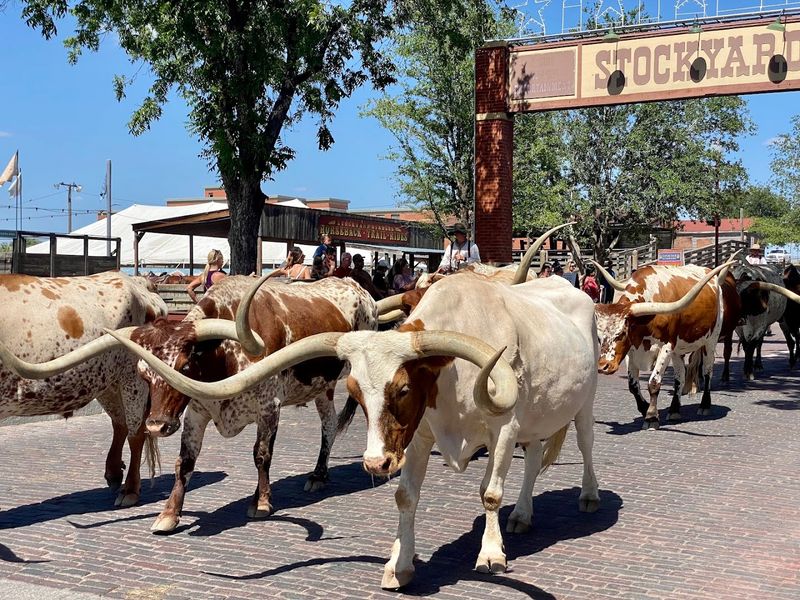
Fort Worth exists in Dallas’s shadow geographically but refuses to be overshadowed culturally. Where Dallas is all glass towers and corporate headquarters, Fort Worth leans into its cowboy heritage with pride. The Stockyards still host daily cattle drives, and locals wear boots not as a fashion statement but as practical footwear.
This intentional distinction drives the rivalry that defines both cities.
The competition shows up in how each city markets itself. Dallas calls itself cosmopolitan and sophisticated, a place for fine dining and luxury shopping. Fort Worth counters with authenticity, claiming to be where the real West begins.
Museums in the Cultural District rival anything Dallas offers, but with a distinctly Fort Worth flavor that emphasizes art over pretension.
Sports fans in Fort Worth root for the same teams as Dallas, but they do it with different attitudes. The shared metro area creates strange dynamics where the cities compete for the same businesses and residents while technically being partners. Fort Worth’s lower cost of living becomes a selling point against its eastern neighbor.
Downtown Fort Worth has transformed over recent decades, adding modern apartments and trendy restaurants while keeping its historic character intact. Sundance Square buzzes with activity, proving you don’t need Dallas’s scale to create urban energy. The city’s airport, Alliance, competes for cargo business, carving out niches Dallas Love Field and DFW don’t fully serve.
Billy Bob’s Texas, the world’s largest honky-tonk, represents everything Fort Worth does differently. While Dallas chases New York and Los Angeles comparisons, Fort Worth stays true to Texas roots. The rivalry isn’t hostile—it’s more like siblings who took different paths but still show up at the same family gatherings, each convinced their way is better.
4. The Woodlands: The Master-Planned Marvel
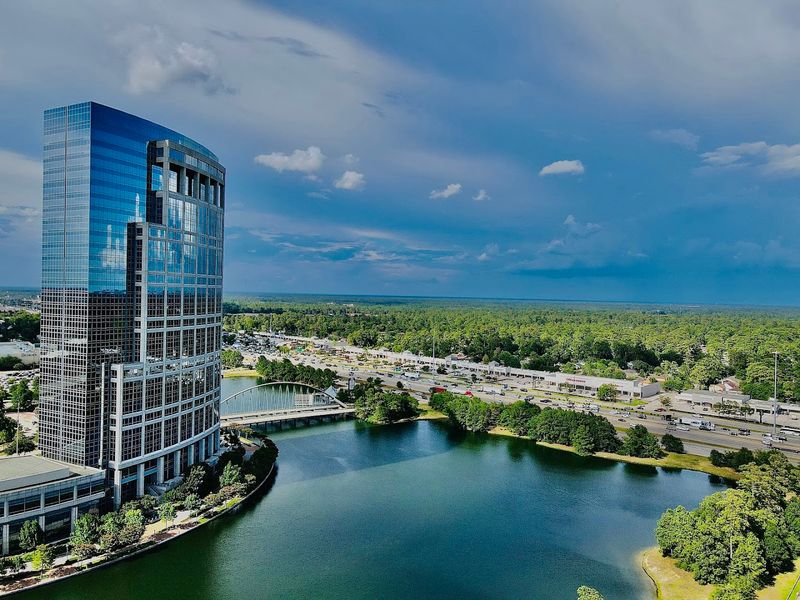
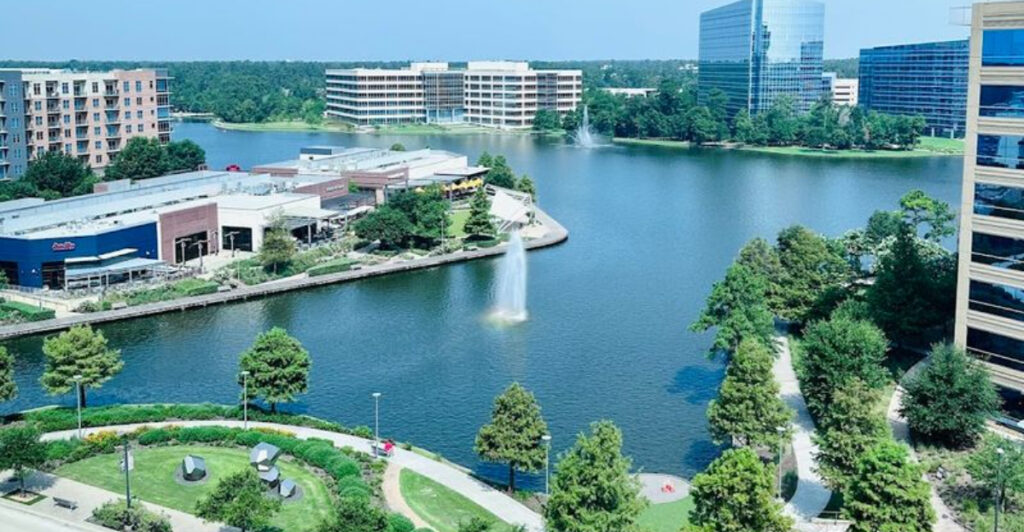
Just north of Houston, The Woodlands represents a different kind of competition—the suburbs versus the city itself. This master-planned community was designed from scratch to be everything urban Houston isn’t: green, organized, and built around quality of life rather than industrial growth. Trees outnumber concrete, and everything from schools to shopping centers was planned decades in advance.
The rivalry with Houston proper is subtle but real. Families move to The Woodlands specifically to escape Houston’s traffic, crime, and chaos while staying close enough to access big-city jobs and amenities. The community offers top-rated schools that Houston’s urban districts struggle to match, making it a magnet for parents willing to pay premium prices for their kids’ education.
The Woodlands also competes with other affluent suburbs like Sugar Land and Katy. Each claims to offer the best combination of safety, schools, and lifestyle, but The Woodlands markets its extensive green spaces and walkable town centers as superior. The Cynthia Woods Mitchell Pavilion brings in major concerts, giving residents culture without the downtown Houston drive.
Corporate headquarters have relocated here, lured by the environment and workforce quality. This economic growth feeds the competition, as The Woodlands proves that businesses don’t need to be in the urban core to thrive. Property values keep climbing, reflecting demand that shows no signs of slowing.
Residents develop fierce loyalty to their community, sometimes looking down on both urban Houston and other suburbs. The master-planned aspect creates uniformity that some find appealing and others find sterile. Either way, The Woodlands has carved out an identity distinct from the sprawling city it borders, winning the competition for a specific demographic that values order and greenery over urban grit.
5. El Paso: The Border City Standing Apart
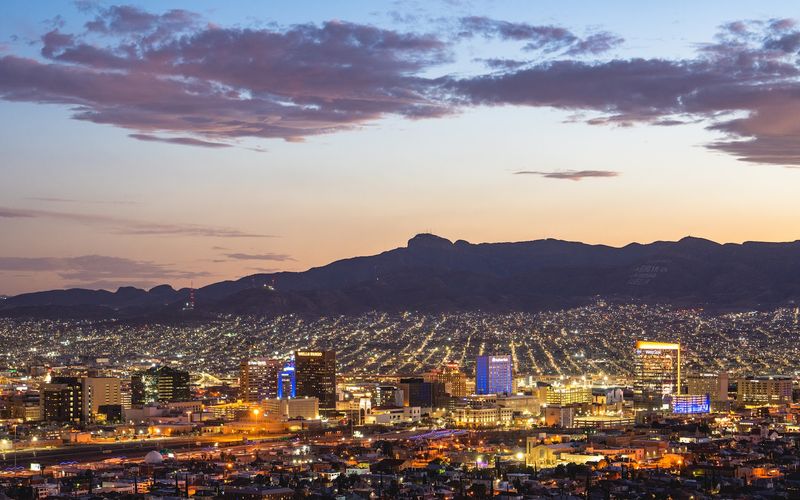
El Paso sits so far west that it’s closer to California than to Houston, and that geographic isolation shapes its competition with the rest of Texas. This border city has more in common with New Mexico and Mexico than with Dallas or Austin, creating a unique cultural identity that other Texas cities can’t claim. The Franklin Mountains rise dramatically from the desert, giving El Paso scenery that flat East Texas can’t touch.
The competition isn’t about being bigger or richer—it’s about recognition and respect. El Paso often feels forgotten by state government and media centered in Austin and Houston. When Texas politicians talk about border issues, they rarely visit El Paso to see how a binational community actually functions.
The city proves that border regions can be safe, prosperous, and culturally rich despite political rhetoric suggesting otherwise.
El Paso’s cost of living undercuts almost every other major Texas city, attracting military families and retirees who want affordability without sacrificing urban amenities. Fort Bliss brings significant military presence, adding economic stability other cities achieve through tech or oil. The food scene blends Mexican and American influences in ways that make Austin’s Tex-Mex look inauthentic by comparison.
The rivalry with San Antonio sometimes surfaces, as both cities claim deep Hispanic heritage and historical significance. But El Paso’s border location gives it daily cultural exchange that San Antonio can’t replicate. Juarez sits just across the Rio Grande, creating a metro area that transcends national boundaries.
When other Texas cities compete over which has better barbecue or music scenes, El Paso stands aside with entirely different strengths. The competition is about proving that Texas isn’t one monolithic culture, that the western edge of the state offers something distinct and valuable that deserves equal attention and investment.
6. San Antonio: The History Buff With Modern Ambitions
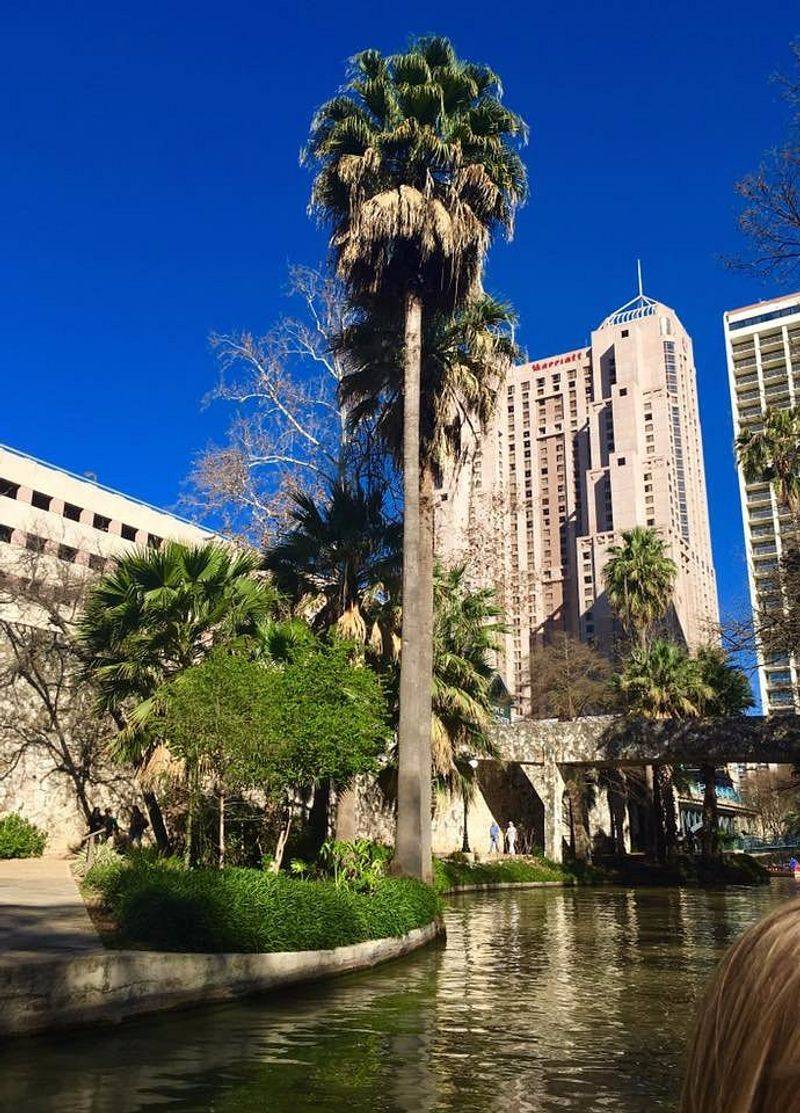
With centuries of history woven into its streets, San Antonio uses its heritage to stand out in a state full of flashier cities. The Alamo sits in the heart of downtown, a constant reminder that this city was here first, fighting battles while Austin and Houston were just ideas. The River Walk winds through the urban core, attracting millions of tourists who spend money that fuels the local economy.
The rivalry with Austin runs particularly deep. Both cities are in Central Texas, close enough that residents commute between them, but their personalities couldn’t be more different. San Antonio sees Austin as a newcomer that got lucky with tech money, while Austin views San Antonio as stuck in the past.
The truth sits somewhere between, as San Antonio works hard to attract modern industries while preserving what makes it special.
Military bases surround the city, bringing stable employment and a transient population that constantly refreshes the community. This military presence gives San Antonio economic resilience that tourism-dependent cities lack. When oil prices crash or tech bubbles burst, San Antonio keeps humming along with government contracts and defense spending.
The competition extends to food, where San Antonio claims the authentic Tex-Mex crown. Breakfast tacos aren’t a trendy import here—they’re a way of life that predates Austin’s foodie fame by decades. Puffy tacos and barbacoa represent local specialties that other cities try to copy but never quite nail.
San Antonio’s growth has been steady rather than explosive, which residents view as a strength. Housing remains more affordable than Austin, and the pace of life feels less frantic than Dallas or Houston. The city competes by being livable, historical, and culturally rich without the pretension that newcomer cities sometimes project.
Modern skyscrapers rise alongside Spanish missions, proving you can honor the past while building the future.
7. Plano and Frisco: The Suburban Challengers
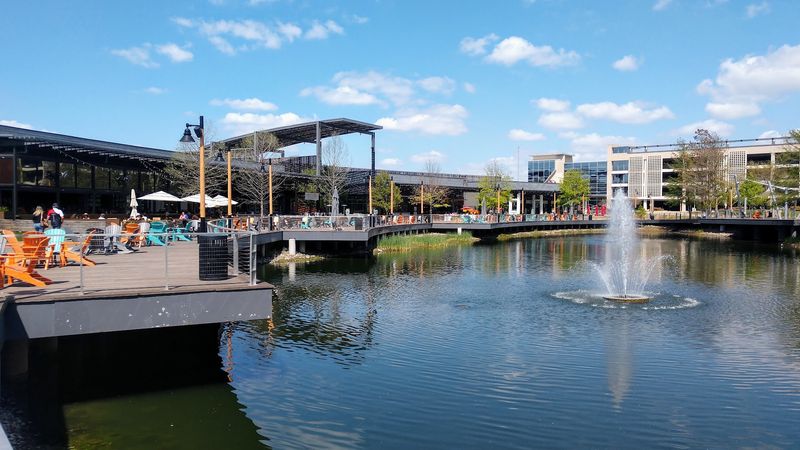
These northern Dallas suburbs don’t just compete with other cities—they challenge the very concept of what a city should be. Plano and Frisco grew from farmland to corporate powerhouses in just a few decades, attracting headquarters from Toyota, Liberty Mutual, and the Dallas Cowboys. Their success proves that businesses and residents will choose suburbs over traditional urban cores when the package is right.
The competition with Dallas itself is fascinating to watch. Both suburbs offer newer infrastructure, better schools, and lower crime than the city that spawned them. Corporate relocations from California and the Northeast often land in Plano or Frisco rather than Dallas proper, shifting the economic center of gravity northward.
This drains tax revenue from Dallas while concentrating wealth in communities that didn’t exist fifty years ago.
Plano and Frisco also compete with each other, despite being neighbors. Frisco has the Dallas Cowboys headquarters and practice facility, plus a minor league baseball stadium and a massive shopping complex called The Star. Plano counters with Legacy West, a mixed-use development that brings urban-style living to the suburbs.
Both cities race to attract the next big corporate relocation or entertainment venue.
The rivalry extends to other affluent suburbs like Allen, McKinney, and Prosper. Each community markets itself as the best place to raise families, with top schools and safe streets as primary selling points. High school football stadiums that cost tens of millions of dollars become symbols of community pride and suburban one-upmanship.
Critics call these places soulless and cookie-cutter, lacking the character of older cities. Supporters point to economic growth, job creation, and quality of life metrics that speak for themselves. The competition isn’t about history or culture—it’s about proving that suburban planning can create thriving communities that eclipse the cities they surround, redefining what urban success looks like in modern Texas.
8. Houston vs. Dallas: The Eternal Metroplex Showdown
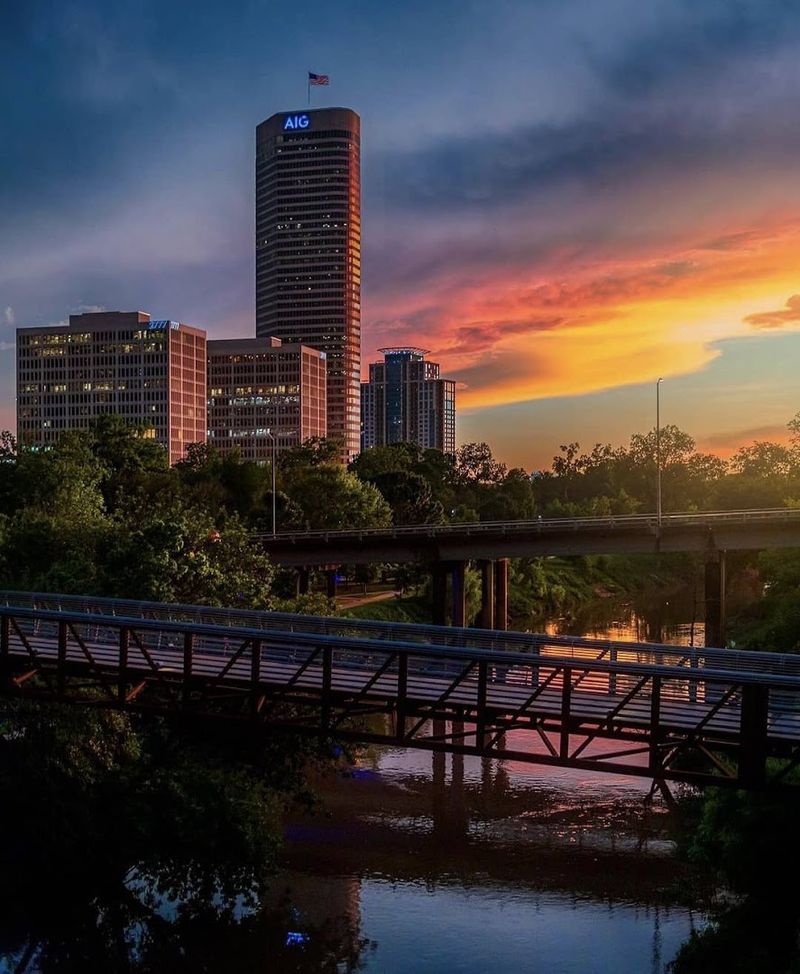
No rivalry in Texas burns hotter or longer than Houston versus Dallas. These two giants have competed for supremacy since before most Texans were born, fighting over everything from economic importance to sports championships to which city truly represents the state’s future. Houston has the port, the energy industry, and NASA.
Dallas has finance, fashion, and the Cowboys. Neither will ever admit the other might be better.
The competition shapes how both cities develop. When Dallas builds a new arts district, Houston responds with museum expansions. When Houston’s port sets cargo records, Dallas highlights its central location and transportation infrastructure.
The rivalry is so ingrained that residents often choose sides without ever living in the other city, basing opinions on stereotypes and sports allegiances.
Size matters in this fight. Houston claims more people within city limits, making it Texas’s largest city by population. Dallas counters that the Dallas-Fort Worth metroplex has more people overall when you count the suburbs.
The argument never ends because both sides use different metrics to declare victory.
Food becomes a battlefield too. Houston’s diversity brings cuisine from every corner of the world, with Vietnamese, Nigerian, and Pakistani restaurants that Dallas can’t match. Dallas fights back with upscale dining and chef-driven concepts that make Houston’s food scene look unsophisticated.
Both cities have incredible barbecue, so that argument ends in a draw.
Professional sports intensify the rivalry. Texans versus Cowboys games feel like civil wars. The Rockets and Mavericks battles carry extra weight.
Even when teams are terrible, fans show up just to root against the other city. The competition extends beyond the field to which city supports its teams better and which has nicer stadiums.
Ultimately, the Houston-Dallas rivalry defines both cities more than either would admit. They push each other to be better, build bigger, and never settle for second place in Texas.
Share this story