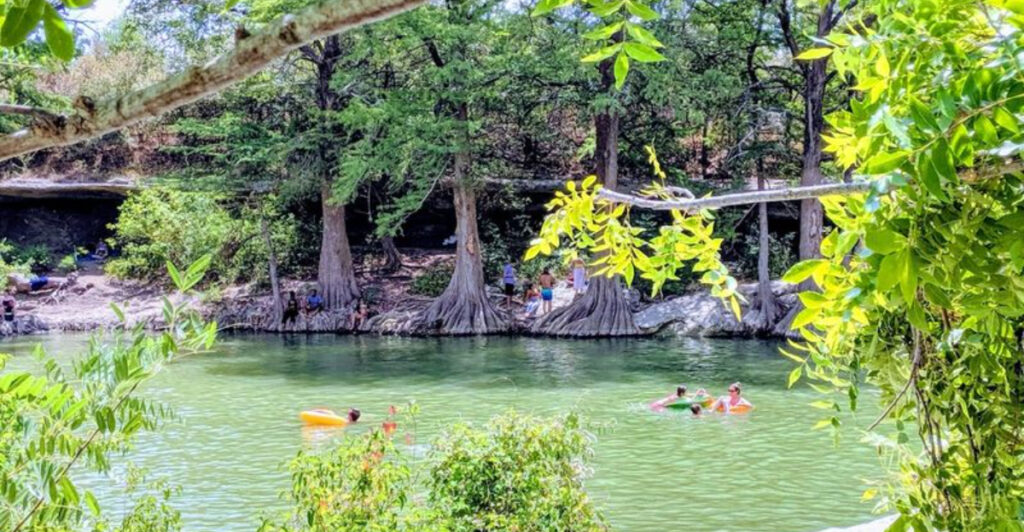
Texas state parks used to be where you could escape the noise and find real peace in nature. But lately, more and more people are discovering these beautiful spots, and some of them have gotten pretty packed. Whether it’s because of social media making them famous or folks just wanting to get outdoors more, these eight parks have gone from hidden gems to crowded destinations that don’t quite offer the solitude they once did.
1. Palo Duro Canyon State Park (Canyon)
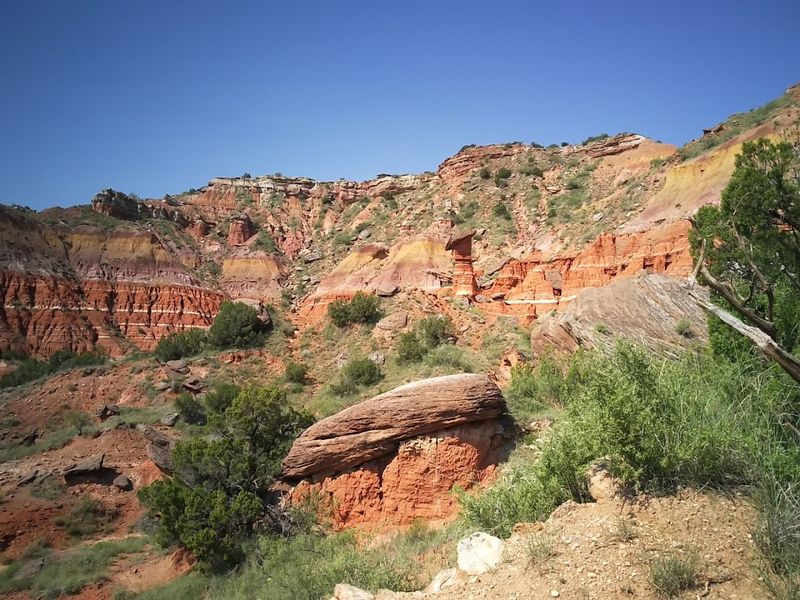
Standing at the rim of the second-largest canyon in America should feel like a private moment with nature. Instead, you might find yourself shoulder-to-shoulder with dozens of other visitors, all jockeying for that perfect Instagram shot. Palo Duro has exploded in popularity over the past few years, transforming from a quiet Panhandle secret into one of the most visited outdoor destinations in Texas.
The campgrounds fill up weeks in advance during peak season, and the main trails see constant foot traffic from sunrise to sunset. What used to be a place where you could hike for hours without seeing another soul now feels more like a busy outdoor mall on weekends. The parking lots at popular trailheads overflow by mid-morning, forcing late arrivals to park along the road and walk extra distance just to reach the trail.
Even the famous Lighthouse Trail, once a moderately challenging hike where you could enjoy solitude, now resembles a conga line of hikers during busy months. You’ll pass groups every few minutes, and the iconic rock formation at the end becomes a staging area for endless photo sessions. Finding a quiet spot to rest and take in the view requires serious effort and timing.
Early morning visits offer your best chance at experiencing something closer to the old Palo Duro vibe. Arriving right when the gates open means you can beat the crowds to the trails and enjoy the canyon in relative peace. Weekdays during the school year also provide better opportunities for solitude, though even those times have gotten busier than they used to be.
The canyon’s beauty hasn’t changed, but the experience of visiting it certainly has.
2. McKinney Falls State Park (Austin)
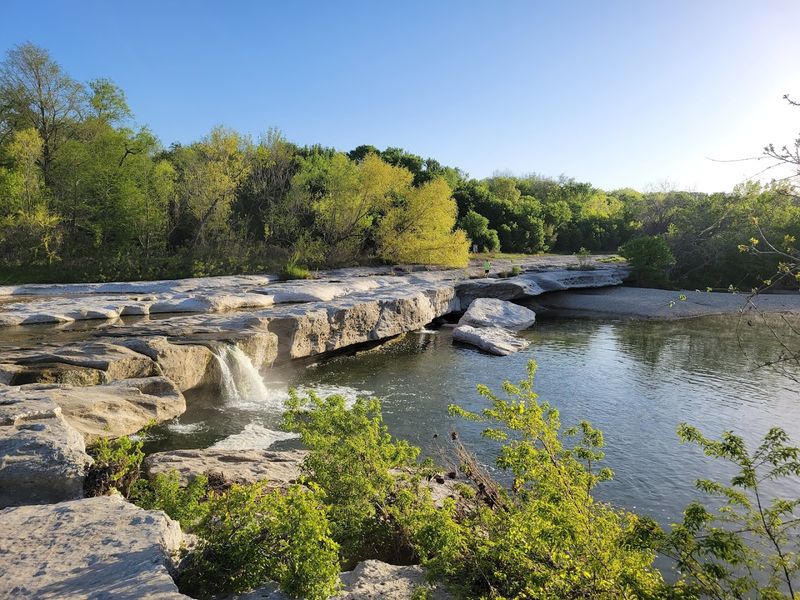
Being just a quick drive from downtown Austin basically sealed McKinney Falls’ fate as a crowded park. This 744-acre park sits in the path of one of the fastest-growing cities in America, and every year it feels like more people discover it. The swimming holes that once offered a refreshing escape now look like community pools on hot summer days, packed with families, college students, and everyone in between.
Weekend parking has become a genuine challenge, with the lots filling up completely before noon during warm months. You might circle for 20 minutes looking for a spot, or you might give up entirely and head somewhere else. The park staff sometimes has to turn visitors away when capacity is reached, something that rarely happened a decade ago.
The two main waterfalls remain beautiful, but good luck getting a clear photo without strangers in the background. People stake out spots on the rocks early and stay all day, especially when Austin temperatures climb into the triple digits. The trails get heavy use too, though they’re less congested than the water features.
Still, you won’t find much solitude even on the woodland paths.
Onion Creek runs through the park and provides additional swimming areas, but these also attract crowds during peak times. The historic ruins and natural features still make McKinney Falls worth visiting, but you need to adjust your expectations. This isn’t a wilderness escape anymore—it’s an urban park that happens to have some nice nature features.
If you want a quieter experience, try visiting on weekday mornings during cooler months when Austin locals are less desperate to escape the heat.
3. Garner State Park (Concan)
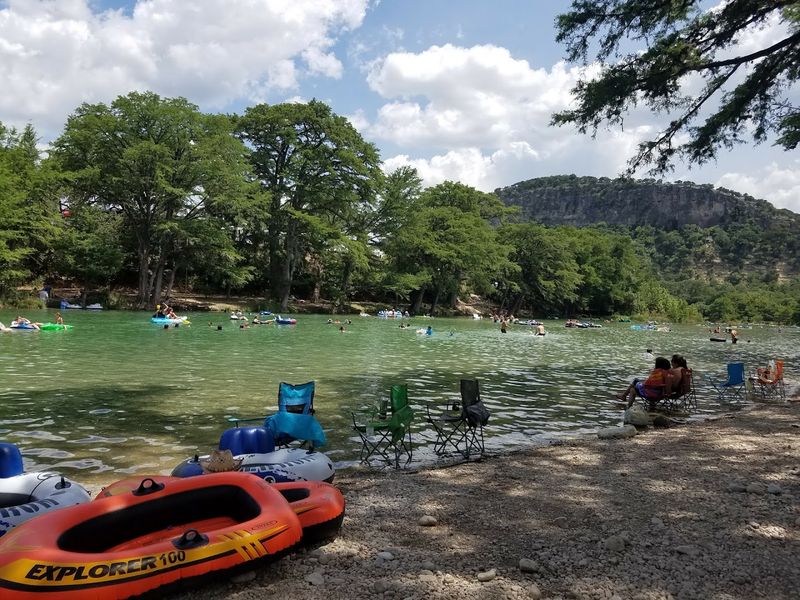
Ask any longtime Texan about Garner, and they’ll probably tell you stories about how it used to be this magical, peaceful spot on the Frio River. Those days are long gone. Now Garner State Park ranks among the most heavily visited parks in the entire Texas system, with reservations snatched up months ahead for summer weekends.
The crystal-clear Frio River still flows beautifully, but it’s lined with so many people that it sometimes looks like a water park.
The famous summer dances still happen, but they’ve grown from charming local gatherings into massive events that draw hundreds of people. Tubing down the river means joining a flotilla of other tubers, all bumping along together in a colorful parade of inflatable donuts and rafts. Finding a quiet bend in the river where you can float in peace?
Nearly impossible during peak season.
Campsites book up incredibly fast, and the competition for spots resembles concert ticket sales more than park reservations. People set alarms and log in the moment bookings open, hoping to snag one of the coveted riverside sites. Day-use areas fill to capacity regularly, and the park has to turn away visitors once it reaches maximum occupancy.
Old Baldy, the park’s signature hill, sees constant traffic as visitors hike up for sunset views. What should be a contemplative moment watching the sun dip below the Hill Country horizon instead becomes a crowded observation deck experience. The park remains genuinely beautiful, and the facilities are well-maintained, but the sheer volume of visitors has fundamentally changed what Garner feels like.
It’s become a victim of its own success and social media fame.
4. Bastrop State Park (Bastrop)
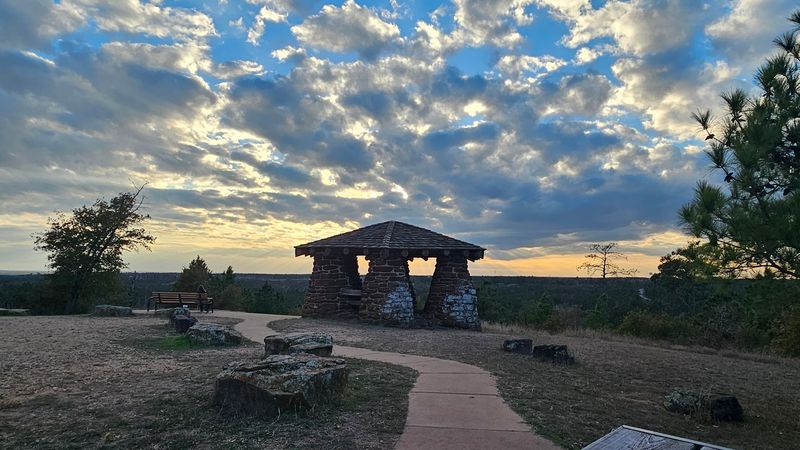
The Lost Pines of Bastrop create a unique ecosystem found nowhere else in Central Texas, and that distinctiveness has made this park increasingly popular. Sitting just 30 miles from Austin, Bastrop offers an easy escape that feels like you’ve traveled much farther. Unfortunately, lots of other people have figured this out too, and the park now sees steady traffic year-round, with particularly heavy use during pleasant weather months.
The 2011 wildfire that burned through much of the park actually didn’t slow visitor numbers for long. As the forest has recovered and regrown, people have returned in even greater numbers to witness the regeneration and enjoy the scenery. The Civilian Conservation Corps-built structures add historic charm, but they also attract crowds who come specifically to see these 1930s stone and timber buildings.
Trail congestion varies depending on which path you choose, but the most scenic routes definitely see their share of foot traffic. The park’s proximity to Austin means it gets hit hard on weekends and holidays, when city dwellers head out looking for nature time. Mountain bikers, hikers, and families all converge on the trail system, creating a busy outdoor scene that doesn’t match the peaceful forest vibe you might expect.
Camping reservations fill up quickly, especially for sites with water and electric hookups. The park’s golf course adds another layer of activity and attracts visitors who might not otherwise come for traditional park activities. During spring and fall, when temperatures are perfect and wildflowers bloom, Bastrop becomes particularly crowded.
If you’re seeking solitude among the pines, you’ll need to visit during off-peak times or venture onto the less-traveled trails deep in the park’s interior.
5. Enchanted Rock State Natural Area (Fredericksburg)
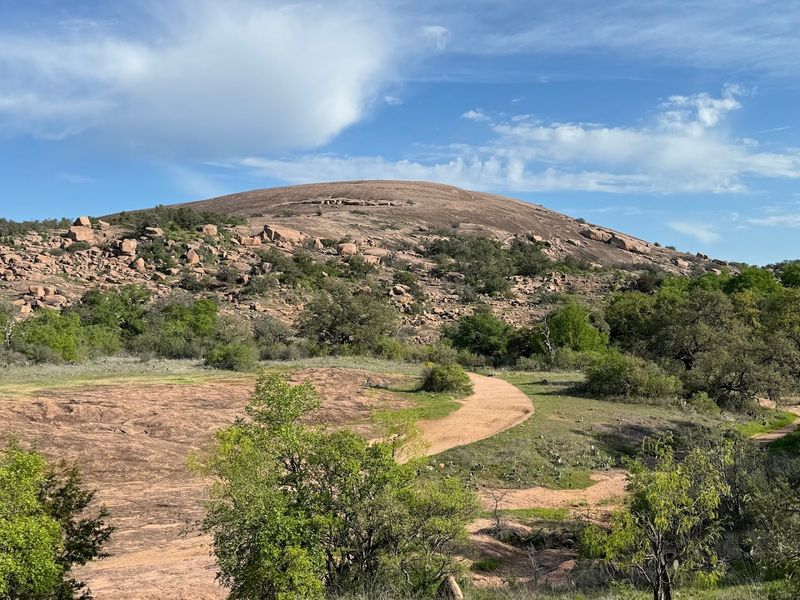
That massive pink granite dome rising above the Hill Country has become one of Texas’s most photographed natural landmarks, and with fame comes crowds. Enchanted Rock now regularly reaches capacity and closes its gates to additional visitors, sometimes by mid-morning on popular days. If you don’t arrive early or have a reservation, you might drive all the way out there only to be turned away at the entrance.
The hike to the summit isn’t particularly difficult, but it’s also not exactly a wilderness experience anymore. You’ll climb alongside dozens of other people, many of whom stop frequently to catch their breath and take photos. The top of the dome, which should offer a stunning 360-degree view of the surrounding countryside in peaceful contemplation, instead resembles a busy overlook with people everywhere you look.
Social media deserves a lot of the blame for Enchanted Rock’s popularity explosion. Every sunset photo posted online inspires ten more people to visit, creating a self-perpetuating cycle of increased traffic. The park implemented a reservation system to manage crowds, but even that fills up fast for weekends and holidays.
You need to plan your visit well in advance if you want guaranteed entry.
The Loop Trail around the base offers a less crowded alternative to summiting, but it still sees steady use. Rock climbers flock to the technical routes on the dome’s face, adding another layer of activity to the park. Weekday visits during cooler months provide your best shot at experiencing something closer to the magic that gave Enchanted Rock its name.
Otherwise, prepare to share this natural wonder with plenty of other admirers who’ve also heard about its legendary status.
6. Hueco Tanks State Park & Historic Site (El Paso)
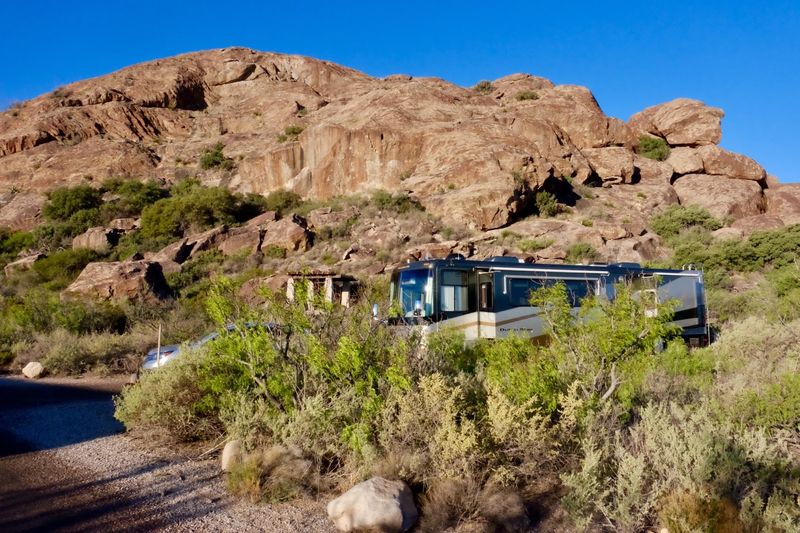
Rock climbers from around the world have discovered Hueco Tanks, transforming this once-quiet desert park into an international climbing destination. The unique rock formations and world-class bouldering routes have put this park on every serious climber’s bucket list. While the park limits daily visitors to protect the site’s ancient pictographs and fragile ecosystem, getting a permit during climbing season can be genuinely difficult.
The park’s restricted access system means you can’t just show up and explore freely like at most Texas state parks. Much of Hueco Tanks requires guided tours or advance reservations, and these book up quickly. During peak climbing season, which runs through the cooler months, competition for permits gets intense.
Climbers plan trips months ahead and coordinate with others to secure access to the best areas.
The pictographs left by Native Americans centuries ago make Hueco Tanks culturally significant beyond its recreational value. This historical importance is precisely why the park restricts access—too many visitors were damaging the rock art and disturbing the natural water tanks. But even with these protections, the areas that are open see heavy use from the limited number of daily visitors allowed in.
If you’re not a climber, you might wonder what all the fuss is about. The landscape is stark and beautiful in that special desert way, and the rock formations create dramatic scenery. But the climbing community’s enthusiasm has fundamentally changed the park’s character.
What was once a hidden gem known mainly to El Paso locals now attracts international attention and visitors from across the globe.
The crowds may be controlled, but they’re still there, and getting your chance to visit requires planning and often a bit of luck.
7. Pedernales Falls State Park (Johnson City)
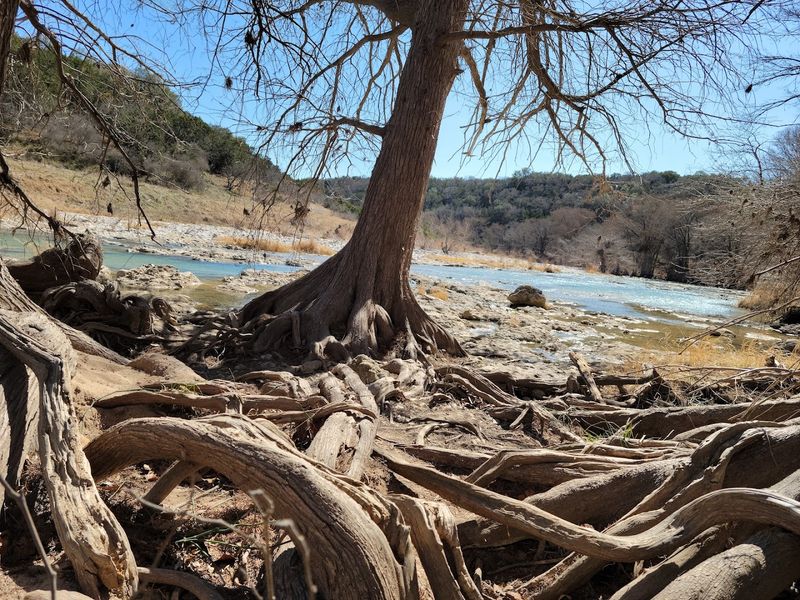
The Pedernales River creates stunning limestone cascades that look almost sculptural as water flows over layered rock formations. These falls have always attracted visitors, but their proximity to Austin and growing social media presence have pushed visitor numbers way up in recent years. When water levels are right, the falls put on a spectacular show, and word spreads fast through Instagram and Facebook, bringing even more people out to see them.
The river’s popularity for swimming and wading means you’ll rarely find yourself alone on the rocks during warm months. Families claim spots early and settle in for hours, and the most photogenic areas of the falls become informal gathering points where strangers congregate. The park’s trail system offers some respite from the river crowds, but even these paths see steady traffic from hikers and mountain bikers.
Spring flooding can make the falls particularly impressive, but it also draws curious onlookers who want to witness the river’s power. The park sits in flash flood territory, and heavy rains upstream can send walls of water through the riverbed with little warning. This danger hasn’t deterred visitors—if anything, the dramatic nature of the floods has added to the park’s appeal and mystique.
Bird watchers appreciate Pedernales Falls for its diverse species, including the endangered golden-cheeked warbler during nesting season. This brings another category of visitors to the park, adding to the overall traffic. Camping areas fill up on weekends, and the day-use parking lots reach capacity during peak times.
The Hill Country setting remains gorgeous, with juniper-covered hills and clear water, but the experience has shifted from serene nature retreat to popular outdoor recreation area where you’ll definitely have company.
8. Big Bend Ranch State Park (Presidio)
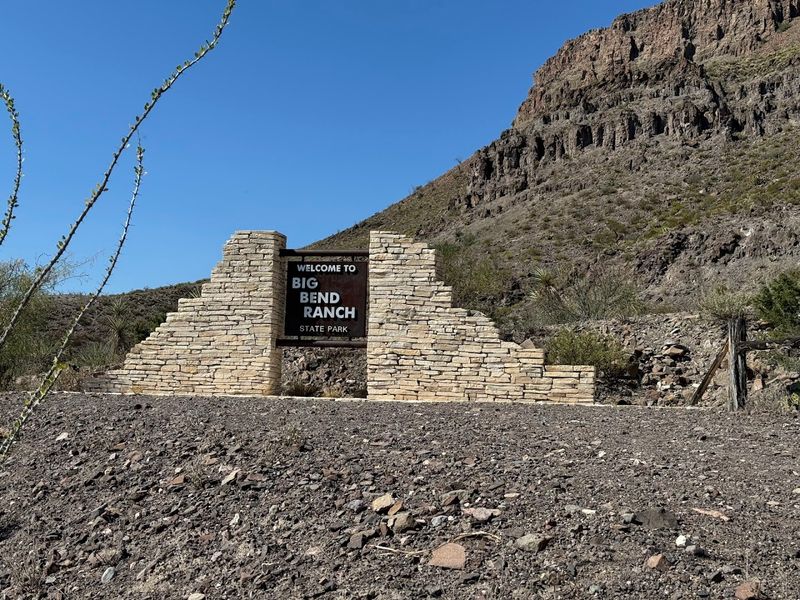
Wait, Big Bend Ranch is crowded? Well, not exactly—at least not compared to the other parks on this list. But for a place that once represented the absolute definition of remote Texas wilderness, the increase in visitors has been noticeable.
This massive park covering over 300,000 acres used to see only the most dedicated adventurers, people willing to drive hours into the middle of nowhere for a true backcountry experience.
The rise in popularity of nearby Big Bend National Park has created spillover traffic to Big Bend Ranch. Visitors who’ve heard about the region’s beauty often explore both protected areas, and social media has helped spread word about the state park’s dramatic landscapes. The Closed Canyon hike, which involves wading through water in a narrow slot canyon, has become particularly Instagram-famous, drawing people who might not otherwise venture into such rugged territory.
Don’t get the wrong idea—Big Bend Ranch is still genuinely remote and wild. You won’t find the kind of crowds that plague parks near major cities. But compared to ten or fifteen years ago, you’re much more likely to encounter other visitors on the trails and at the primitive campsites.
The park’s improved marketing and better facilities have made it more accessible to regular folks, not just hardcore backpackers.
The dirt roads that wind through the park still require high-clearance vehicles and careful navigation. Cell service remains nonexistent across most of the property. Wildlife sightings are common, and you genuinely need to be self-sufficient and prepared for emergencies.
Yet even with these barriers to entry, more people are making the journey every year.
The Chihuahuan Desert landscape is unforgiving and beautiful, and apparently word is getting out that it’s worth the effort to visit.
Share this story