Most people picture deserts and wide-open plains when they think of Texas, but hidden across the Lone Star State are some seriously stunning waterfalls that rival anything you’d find in more mountainous regions. From dramatic canyon drops to spring-fed cascades tucked into limestone cliffs, these natural wonders offer the perfect escape from the Texas heat. Whether you’re looking for an easy family outing or a challenging hike with a rewarding payoff, Texas waterfalls deliver scenery that’ll make you forget you’re in the middle of ranch country.
1. Gorman Falls (Bend)
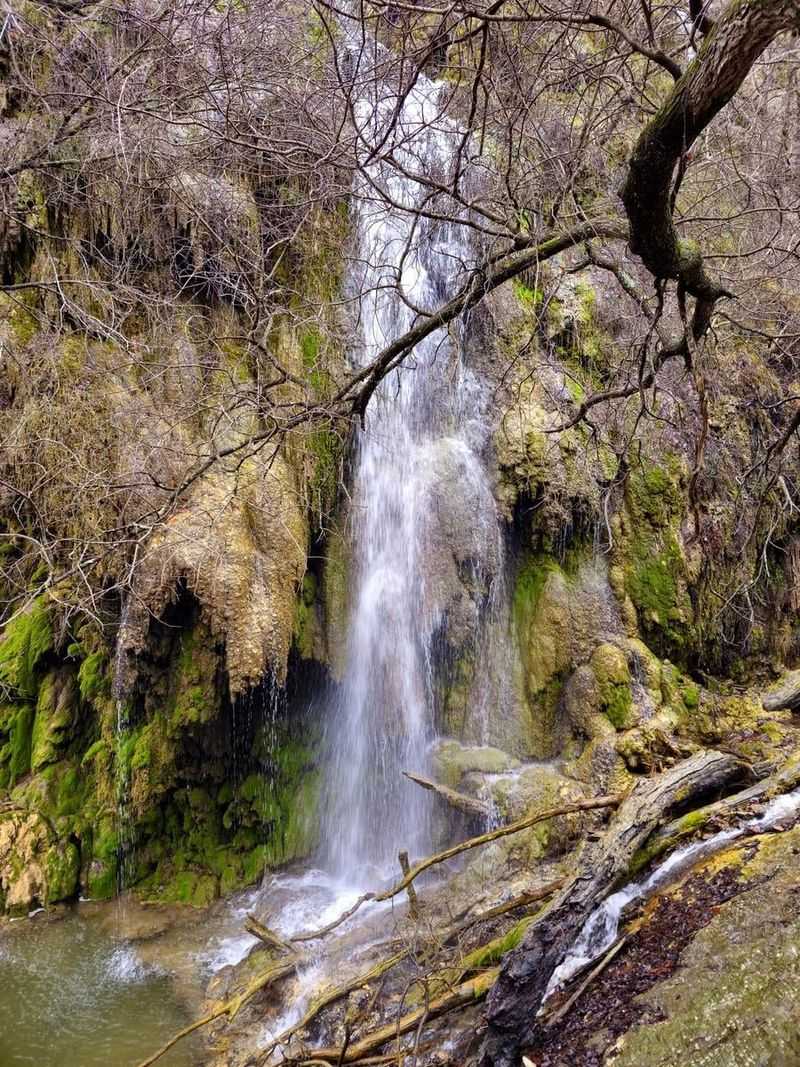
Tucked away in Colorado Bend State Park, this 70-foot cascade tumbles over travertine formations that look like something out of a tropical paradise. The mineral-rich water creates layers of moss and ferns that cling to the cliff face, turning the entire scene into a living, breathing work of art. Getting there requires a bit of effort, but the payoff is absolutely worth every step.
The hike to reach this spot covers roughly three miles round trip, winding through rugged Hill Country terrain that’ll test your endurance. You’ll cross rocky paths and navigate some steep sections, so wear sturdy shoes and bring plenty of water. Park rangers lead guided hikes on weekends, which is actually the only way to visit since the trail passes through a protected area.
What makes this waterfall truly special is the unique ecosystem it supports. The constant mist and mineral deposits create perfect conditions for rare plants that don’t grow anywhere else in Texas. You’ll spot golden columbine, maidenhair ferns, and other moisture-loving species thriving in this microclimate.
Plan your visit for spring or after heavy rains when the flow is strongest. During dry spells, the waterfall can slow to a trickle, though the travertine formations remain impressive year-round. The park also offers primitive camping if you want to make a weekend adventure out of it.
Photography enthusiasts should arrive early morning when soft light filters through the canyon. The contrast between the white limestone, emerald vegetation, and flowing water creates stunning compositions. Just remember that swimming isn’t allowed here to protect the delicate environment, but simply standing near the base and feeling the cool spray is refreshing enough on a hot Texas day.
2. Krause Springs Waterfall (Spicewood)
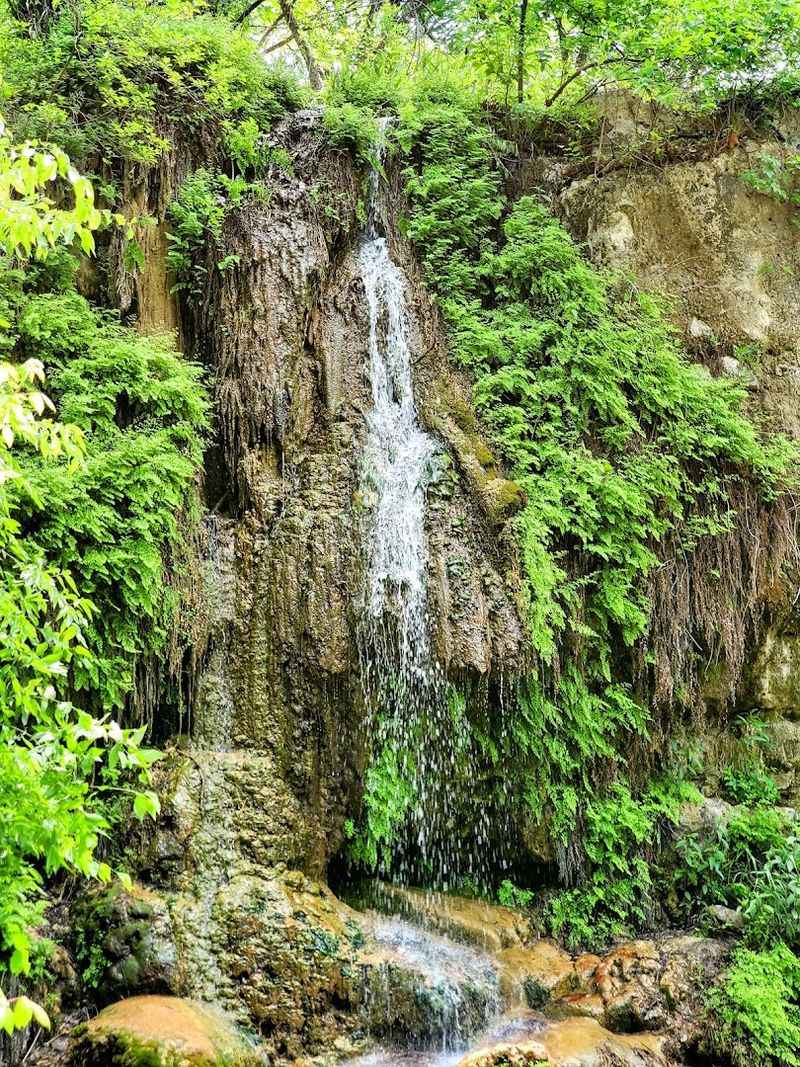
This privately owned oasis has been welcoming visitors since the 1950s, offering a slice of paradise that feels worlds away from the Austin metro area just 30 miles down the road. Multiple springs feed a series of pools and a charming waterfall that drops into a crystal-clear swimming hole surrounded by towering cypress trees. Families have been making memories here for generations, and it’s easy to see why this spot has such a loyal following.
The main attraction is the man-made pool fed by natural springs that maintain a refreshing temperature year-round. But venture up the hillside and you’ll discover the natural springs themselves, cascading down limestone ledges into smaller pools perfect for wading. The property covers 115 acres of Hill Country beauty, with camping areas, picnic spots, and plenty of shade trees.
Unlike some Texas swimming holes that turn murky brown after rain, these spring-fed waters stay remarkably clear thanks to constant flow from underground sources. The water temperature hovers around 68-70 degrees, which feels absolutely perfect on sweltering summer afternoons. Kids love jumping off the small waterfall into the deeper sections while parents relax on the grassy banks.
There’s a small admission fee that helps maintain the property and facilities, which include bathrooms, changing areas, and a camp store. The owners have done an excellent job preserving the natural character while adding just enough amenities to keep everyone comfortable. Camping options range from primitive tent sites to RV hookups, and falling asleep to the sound of flowing water is pretty magical.
Weekends get crowded during summer, so arriving early or visiting on weekdays gives you more elbow room. The butterfly garden near the entrance is worth exploring, and the rope swings scattered around the property add extra entertainment for adventurous kids.
3. Cattail Falls (Big Bend National Park)
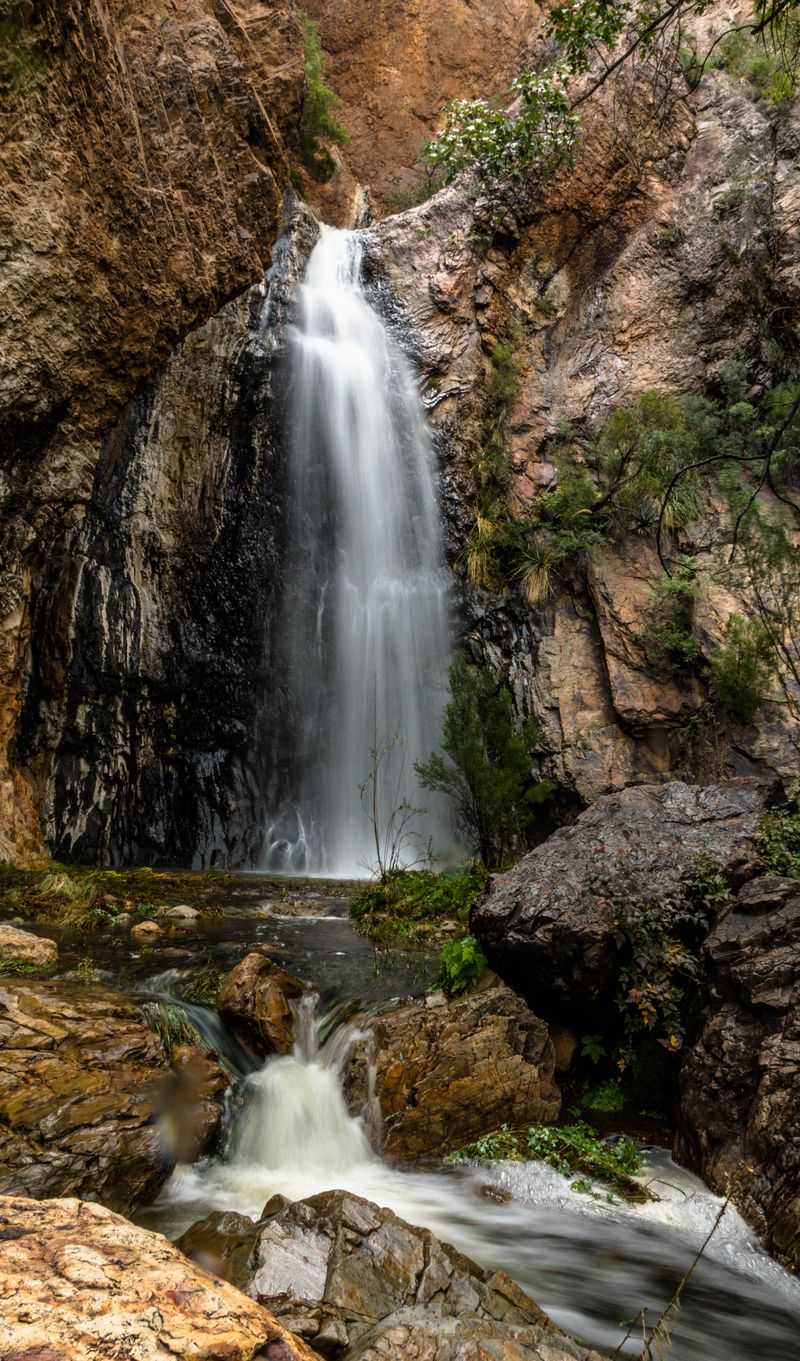
Way out in the Chihuahuan Desert, where most people assume water is scarce, this hidden gem proves that Big Bend holds plenty of surprises. The falls drop about 20 feet into a small pool surrounded by canyon walls and desert vegetation, creating an oasis that attracts wildlife from miles around. Reaching this remote spot requires serious planning and backcountry hiking skills, but adventurers who make the journey find themselves rewarded with solitude and scenery that few people ever witness.
The trailhead starts near the Chisos Basin, and you’re looking at roughly 4.5 miles one way through rugged terrain with minimal shade. Desert hiking demands respect, so start before dawn, carry at least a gallon of water per person, and let someone know your plans. The route follows a primitive trail that requires some scrambling over rocks and careful navigation through arroyos.
Water flow depends entirely on recent rainfall, and the falls can completely dry up during extended droughts. Check with park rangers about current conditions before attempting the hike. Even when flowing, the volume is modest compared to Hill Country waterfalls, but in this harsh desert environment, any water at all feels miraculous.
The pool at the base is deep enough for a quick dip, though the water stays pretty chilly even in summer thanks to its underground source. Cattails and other wetland plants thrive here, creating a stark contrast with the surrounding desert landscape. Birds flock to this water source, making it an excellent spot for wildlife watching.
This isn’t a family-friendly day trip like some other Texas waterfalls. It’s a serious backcountry adventure best suited for experienced hikers who are comfortable with remote desert conditions. But if you’re up for the challenge, discovering a waterfall in the middle of Big Bend feels like finding treasure in the most unexpected place.
4. McKinney Falls (Austin)
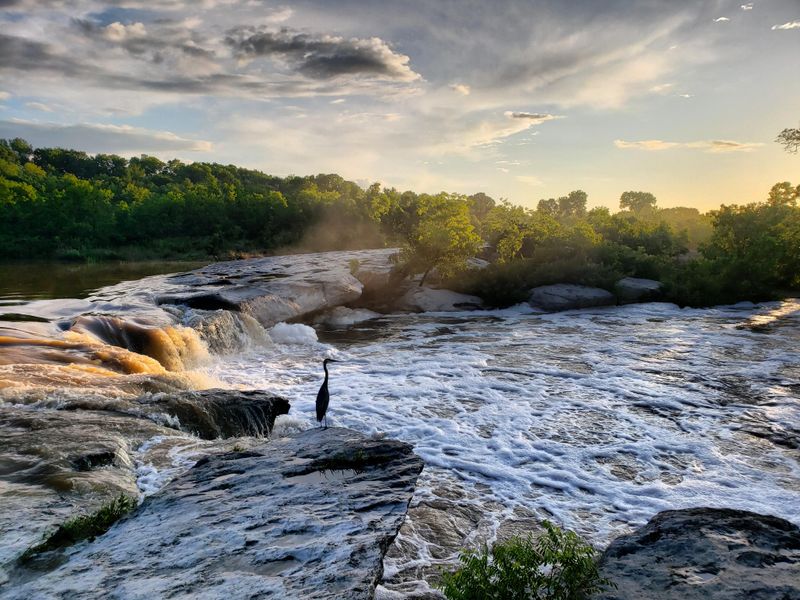
Right on Austin’s southeastern edge, this state park offers two distinct waterfalls along Onion Creek that provide easy access to natural beauty without leaving the city limits. The upper falls create a wide cascade over limestone ledges, while the lower falls drop into a popular swimming hole that locals have been enjoying for decades. Both spots offer different vibes, and you can easily visit them both in a single afternoon.
The lower falls get the most action, especially during summer when the swimming hole fills with families cooling off in the creek. The water flows over smooth limestone that’s been carved by centuries of erosion, creating natural water slides that kids absolutely love. Depth varies depending on recent rainfall, but there are shallow areas safe for younger children and deeper pockets for confident swimmers.
Upper falls sit about a half-mile upstream and tend to be less crowded, offering a more peaceful experience. The cascade spreads wide across the creek bed, and during periods of good flow, it creates a beautiful curtain of water. Limestone shelves near the falls provide perfect spots for picnicking or just sitting and listening to the water.
The park includes over six miles of hiking and biking trails that connect the falls and explore the surrounding woodlands. You’ll find remnants of the original McKinney homestead, which dates back to the 1850s, adding a dose of Texas history to your nature outing. Primitive campsites are available if you want to extend your visit overnight.
Access is incredibly convenient compared to other Texas waterfalls, with paved parking and relatively short walks to both falls. The park can get packed on nice weekends, so arriving early claims better parking and less crowded swimming spots. Admission is just a few dollars per person, making this an affordable escape that delivers way more than you’d expect from an urban park.
5. Westcave Preserve Waterfall (Round Mountain)
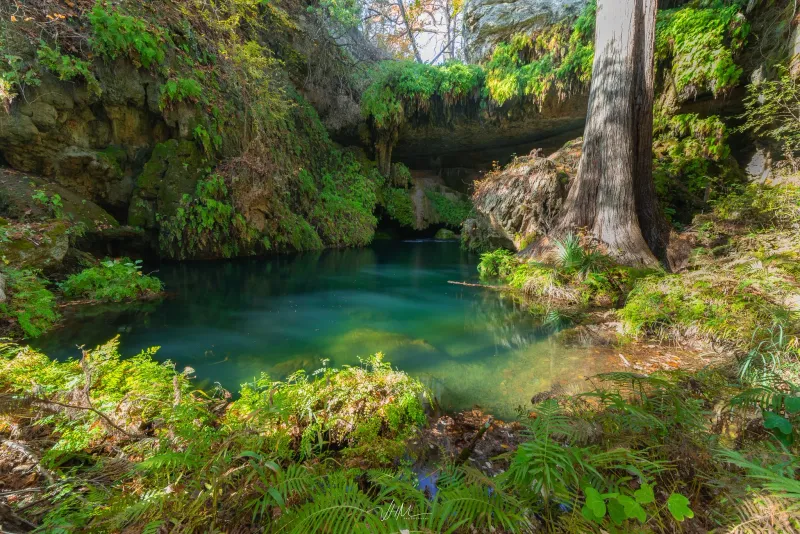
Hidden inside a collapsed grotto, this 40-foot waterfall creates one of the most spectacular scenes in all of Texas. The water plunges from the canyon rim into a cave-like alcove filled with ferns, moss, and maidenhair plants that thrive in the constant mist and shade. Standing beneath the overhang while the waterfall crashes down feels like stepping into a secret world that shouldn’t exist in the middle of Hill Country.
Access to the preserve is strictly controlled to protect this fragile ecosystem, and you can only visit as part of a guided tour. Reservations are required and tours run on weekends, with knowledgeable guides leading small groups down into the canyon. The hike covers about a quarter-mile each way but includes some steep stairs and uneven terrain, so reasonable mobility is necessary.
The preserve encompasses 30 acres of pristine Hill Country habitat, with the grotto representing just one highlight. Your tour guide will point out the unique geology that created this formation, explain the rare plant species, and share the conservation efforts that keep this place protected. The grotto maintains significantly cooler temperatures than the surrounding landscape, sometimes 20 degrees cooler even on scorching summer days.
Water flow varies seasonally, with the most impressive displays following spring rains. Even during drier periods, the seepage from underground springs keeps the grotto damp and the vegetation lush. The interplay of light filtering down from the canyon rim, the sound of falling water echoing off limestone walls, and the smell of wet earth creates a sensory experience that photographs can’t fully capture.
Because tours are limited and the preserve prioritizes conservation over recreation, this isn’t a place for swimming or touching the delicate plants. But simply witnessing this natural cathedral is enough. The $20-30 tour fee supports ongoing preservation work, and the experience ranks among the most memorable waterfall visits in Texas.
6. Pedernales Falls (Johnson City)
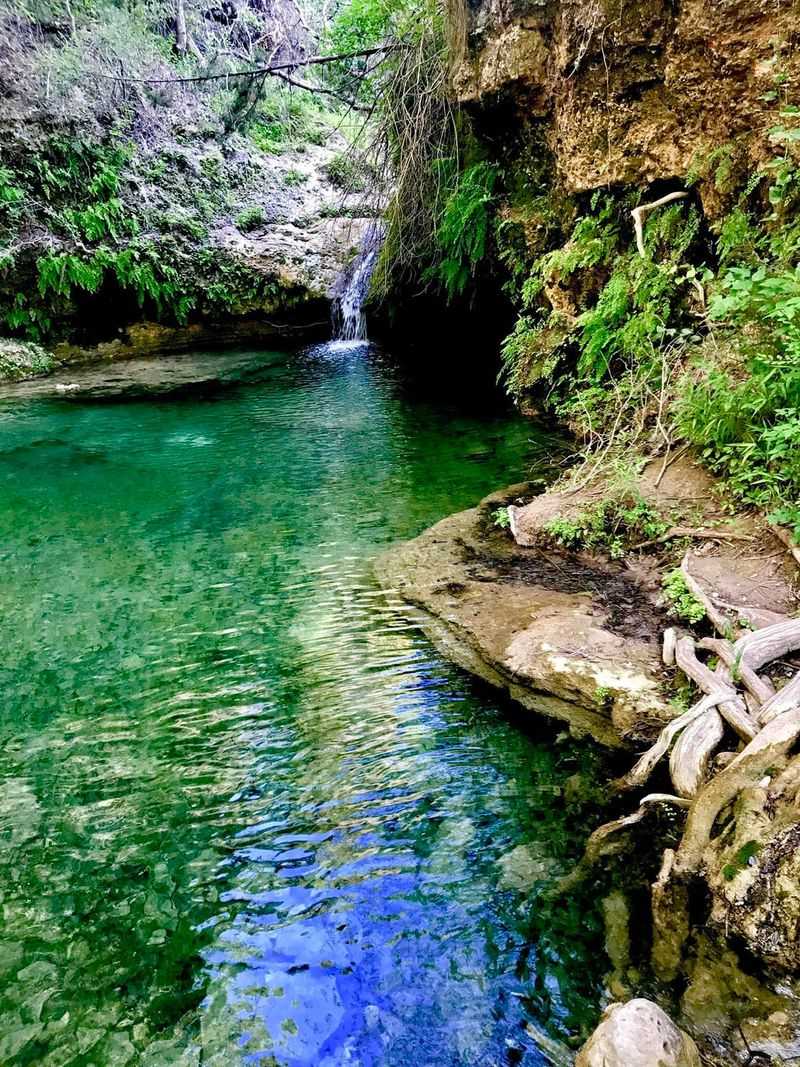
Stretching across a wide expanse of limestone bedrock, these falls create a dramatic series of cascades and pools along the Pedernales River. Unlike a single vertical drop, the water tumbles and slides over multiple tiers of rock that have been sculpted smooth by countless years of flow. When the river is running strong, the entire scene becomes a thundering display of natural power that draws photographers and nature lovers from across the state.
The state park surrounding the falls offers excellent viewing platforms and hiking trails that showcase different perspectives of the cascades. A short walk from the main parking area brings you to overlooks where you can safely watch the water rush past. During lower flow periods, the exposed limestone creates an otherworldly landscape of smooth, curved rock formations that look almost alien.
Swimming is officially prohibited at the falls themselves due to dangerous currents and underwater hazards, but the park includes a designated swimming area downstream where the river calms down. The park’s 5,200 acres also feature miles of hiking and mountain biking trails, camping facilities, and plenty of wildlife viewing opportunities. White-tailed deer, armadillos, and numerous bird species call this area home.
Fall and spring offer the best visiting conditions, with moderate temperatures and typically good water flow. Summer can get brutally hot with less water volume, while winter occasionally sees the falls partially frozen during rare cold snaps. The park gets busy on nice weekends, but the expansive grounds mean you can usually find quieter spots away from the main viewing areas.
Photographers should plan for early morning or late afternoon light, when the sun hits the falls at dramatic angles. The layered limestone and cascading water create endless composition possibilities. Pack a picnic and plan to spend several hours exploring the various trails and viewpoints to fully appreciate what makes this one of Texas’s most impressive waterfall destinations.
7. Dolan Falls (Del Rio)
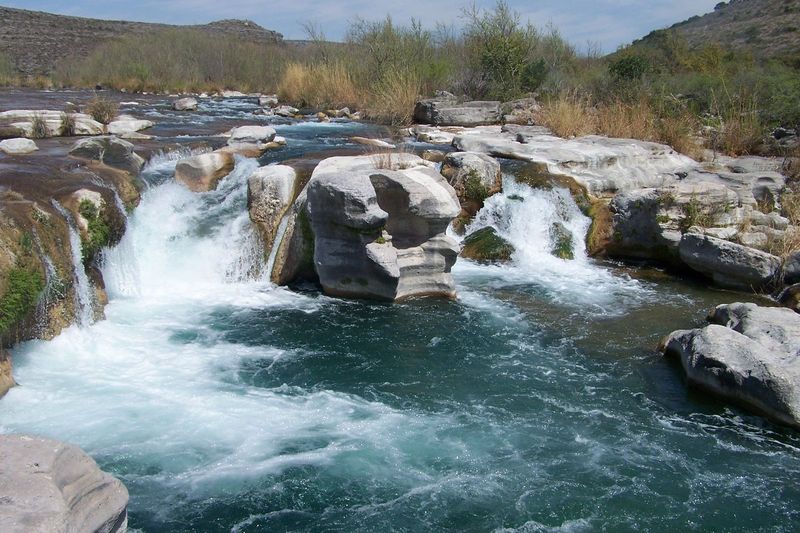
Located on the Devils River in one of the most remote corners of Texas, these falls represent the ultimate wilderness waterfall experience. The river drops about 15 feet over a limestone ledge, creating a wide curtain of water that flows year-round thanks to massive underground springs. Crystal-clear turquoise water, towering canyon walls, and virtually no development make this spot feel like something out of an adventure movie.
Getting here is half the adventure and requires serious commitment. The falls sit on private property within Devils River State Natural Area, accessible only by advance reservation and a rugged dirt road that demands high-clearance vehicles. Most visitors paddle in via multi-day canoe or kayak trips down the Devils River, which is widely considered one of Texas’s most pristine waterways.
The Devils River maintains remarkable clarity because its flow comes primarily from springs rather than surface runoff. You can often see the rocky bottom in water 20 feet deep, and the emerald-green color rivals anything you’d find in tropical locations. The falls create a swimming hole that’s popular with paddlers, offering a refreshing break during long river trips.
Wildlife thrives in this unspoiled environment, with black bears occasionally spotted in the area along with mountain lions, javelinas, and countless bird species. The surrounding canyons feature ancient rock art created by Native Americans thousands of years ago, adding cultural significance to the natural beauty.
This isn’t a casual day trip destination. Planning a visit requires booking reservations months in advance, arranging shuttle services for multi-day paddling trips, and preparing for true backcountry conditions with no cell service or nearby towns. But paddlers and adventurers who make the effort consistently rate the Devils River and Dolan Falls among the most spectacular experiences Texas offers.
The combination of technical rapids, pristine water, towering canyons, and this beautiful waterfall creates memories that last a lifetime.
8. Hamilton Pool Waterfall (Dripping Springs)
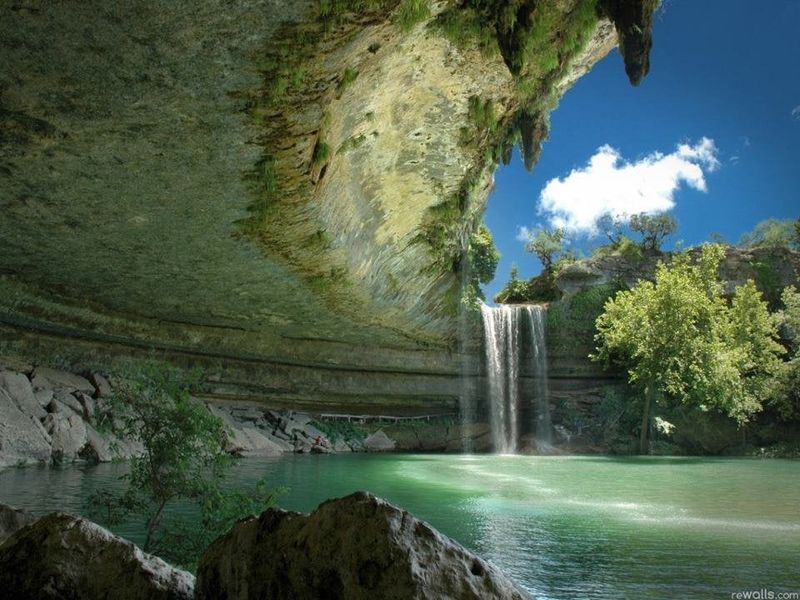
Formed when an underground river collapsed thousands of years ago, this 50-foot waterfall spills over a limestone overhang into a jade-green pool that looks too perfect to be real. The collapsed grotto creates a natural amphitheater with stalactites hanging from the ceiling and moss-covered walls that stay perpetually damp from spray. This is probably the most photographed waterfall in Texas, and standing beneath the overhang with water crashing down beside you explains why it’s become so iconic.
The pool stays a constant cool temperature year-round, fed by underground streams that maintain flow even during droughts. Swimming is allowed when bacteria levels are safe, though periodic testing sometimes closes the pool to protect public health. Even when swimming is off-limits, the scenery alone justifies the visit.
The surrounding preserve includes hiking trails through Hill Country terrain and along the creek.
Reservations are absolutely required and must be made online well in advance, as this preserve became so popular that unrestricted access was damaging the fragile environment. The reservation system limits daily visitors and assigns specific entry times, which has helped preserve the natural beauty while still allowing people to experience this special place. Weekend spots book up weeks ahead during peak season.
The short hike from the parking area to the pool takes about a quarter-mile and includes some uneven terrain and stairs. Once you reach the grotto, multiple vantage points let you appreciate different perspectives of the waterfall and pool. The overhang provides natural shade, making this a surprisingly comfortable spot even on hot days.
Photographers love the way light filters into the grotto during different times of day, creating dramatic shadows and highlights. The best flow occurs after significant rainfall, when the waterfall becomes a powerful cascade. During drier periods, the flow reduces but the pool and grotto remain stunning.
This is Texas waterfall royalty, and the reservation requirement ensures future generations can enjoy it too.
9. Wichita Falls (Wichita Falls)
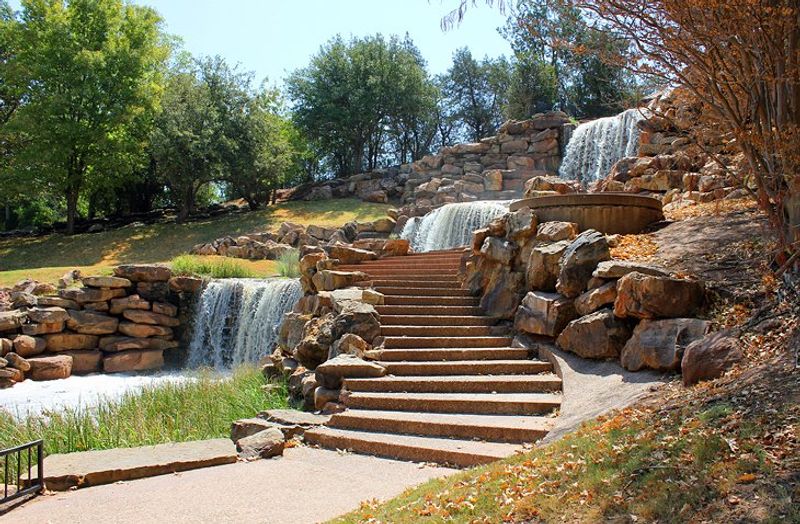
Here’s a fun bit of Texas irony: the city named Wichita Falls lost its original natural waterfall to flooding back in 1886, so locals built an artificial replacement in 1987 to reclaim their namesake. The 54-foot-tall manufactured cascade sits along the Wichita River and has become a beloved landmark that represents the city’s determination to honor its history. While purists might argue that man-made doesn’t count, this waterfall has earned its place in Texas hearts through sheer personality and civic pride.
The falls anchor a beautiful river walk and park system that transformed formerly neglected riverfront into attractive public space. Lucy Park and the surrounding trails offer miles of paved paths perfect for walking, jogging, or cycling while enjoying views of the water. The falls themselves operate seasonally, typically running from spring through fall when water levels allow safe operation.
What makes this spot particularly interesting is how it demonstrates Texas ingenuity and community spirit. When nature took away the original falls, locals didn’t just accept the loss. They engineered a solution that serves multiple purposes: honoring history, creating recreational space, and giving residents a point of pride.
The surrounding park includes playgrounds, picnic areas, and fishing spots along the river.
Evening visits are especially nice when the falls are illuminated, creating a romantic backdrop for walks along the river. The park hosts various community events throughout the year, from concerts to festivals, making the waterfall area a true gathering place. It’s not wilderness or a hidden natural wonder, but rather an example of how Texans adapt and create beauty even when circumstances change.
For visitors passing through on I-44, the falls make a pleasant stop to stretch your legs and grab some photos. Locals treat the area as an everyday amenity, which speaks to how successfully this artificial waterfall has been integrated into community life. Sometimes the best Texas stories aren’t about what nature provided, but about what determined people created themselves.
Share this story