Ohio hides some of its best secrets in the quiet spaces between popular stops, where local lore lingers in plain sight. If you have ever craved the kind of discovery that makes your pulse quicken, this journey invites you off the main roads and into places that feel like whispers shared by a friend.
You will wander across ancient stone, step into tunnels that hum with echoes, and stand beneath trees that turn the sky into a cathedral. Pack an open mind, leave room for surprise, and let these under the radar wonders reshape how you see the Buckeye State.
1. Glacial Grooves (Kelleys Island)
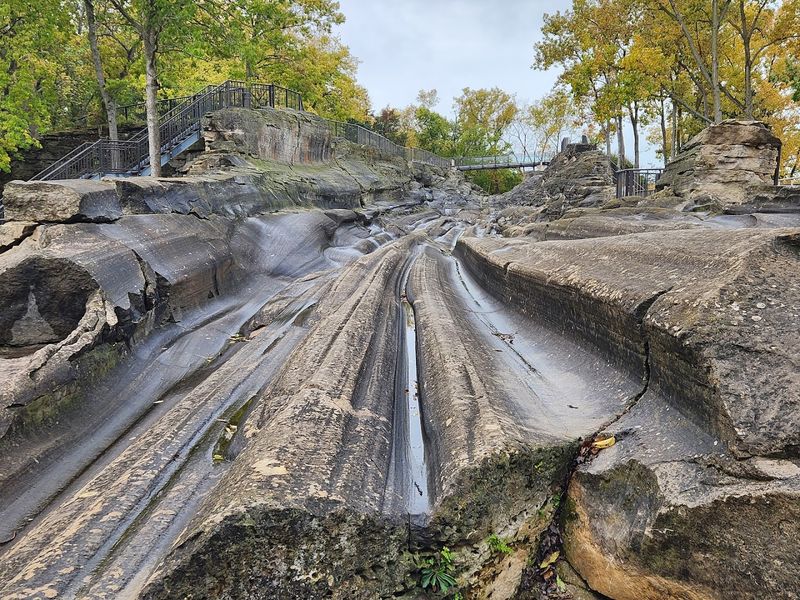
Stand on rock carved by ice and you feel time under your feet. These grooves look like giant claw marks, but they are the patient handwriting of a vanished glacier.
You trace the striations with your eyes, noticing how they run in parallel lines that catch morning light like silver threads.
It helps to slow down here, to let the wind off Lake Erie clear your head. The limestone smells faintly mineral, and the railings guide you along a path that keeps the formations protected.
You can snap photos from different angles, though the best ones happen when you crouch low and let the grooves lead your frame forward.
Locals will tell you to come early in the day or near sunset for softer light and thinner crowds. If you brought kids, turn it into a scavenger hunt for fossils and patterns, reminding them not to touch the fragile edges.
You do not need to be a geology buff to be moved, but curiosity helps unlock what the glacier left behind.
Carry water, wear grippy shoes, and budget time to wander nearby shoreline overlooks where lake and sky blur into a cool horizon. When you finally step back, you realize you have been reading a chapter of Ohio that predates everything built here.
The grooves do not shout, yet they insist that change can be both forceful and exquisitely precise.
2. Field of Corn (Dublin)
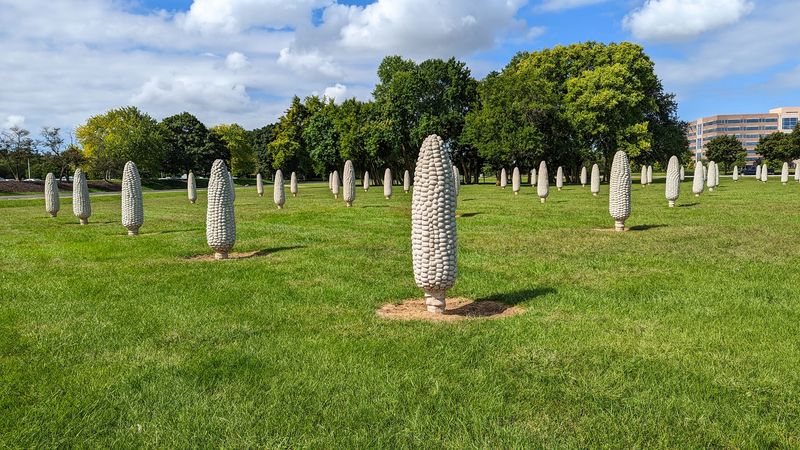
You round a bend in suburban Dublin and suddenly find an army of corn standing at attention. Each ear is oversized, cast in concrete, and arranged in rows that echo the geometry of agriculture.
Cars hum by while you wander out among the sculptures, grinning at the delightful absurdity of it all.
There is humor here, but also history hiding in plain sight. The field nods to Ohio’s farming roots and the hybrids that changed harvests and lives.
Step close and you will notice textures pressed into the concrete, kernels mapped like braille, shadows moving as clouds drift and the sun plays across the grid.
Bring a friend, a camera, and a willingness to be seen laughing in public. The angles are irresistible, and kids love weaving through the rows as if in a maze.
You might think you will be here five minutes, yet the place lingers, tugging you into small experiments with perspective and distance.
Visit during golden hour for softer contrasts, or in winter when snow piles on top like frosting. Pack simple comforts and leave space for a quick picnic on the grass.
As you walk back to the curb, you understand how art can stretch everyday symbols until they become mirrors, reflecting how we grow, gather, and share the things that feed us.
3. Pyramid Hill Sculpture Park (Hamilton)
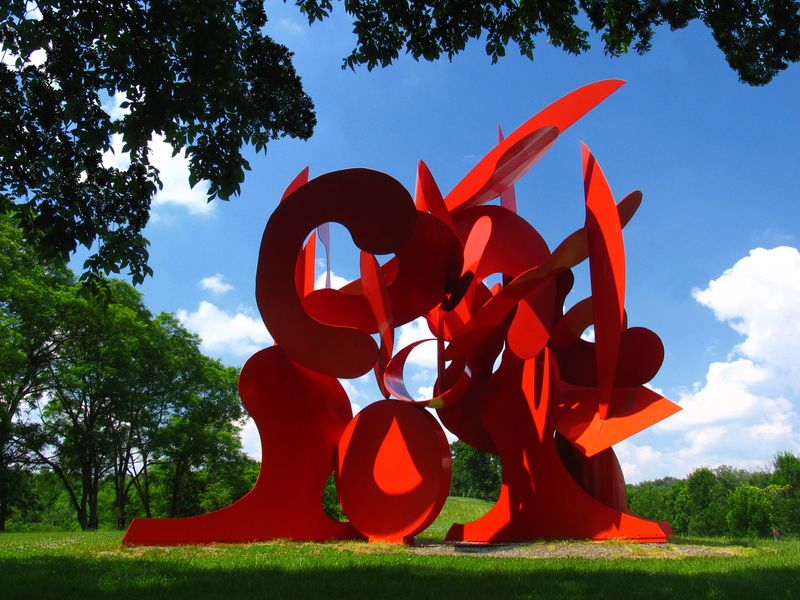
Imagine hills stitched with trails, each turn revealing another bold silhouette against the sky. Large scale sculptures rise from meadows and woodlines, inviting you to circle slowly and discover shifting forms.
You can feel your pace change as the park opens and closes like a living gallery.
Carry a map or rent a cart if you prefer to glide from piece to piece. The collection favors contrasts, placing sharp metal arcs near quiet ponds and polished stone beside prairie grasses.
On breezy days, you will hear leaves applaud the artworks while reflections ripple across small lakes.
There is a small museum on site where you can cool off and explore indoor exhibitions. Pack water and comfortable shoes, because distances add up quickly in the best way.
If you are visiting with kids, turn the visit into a design challenge, asking which piece they would keep and where they would place it at home.
Golden hour is generous here, softening edges and lighting up color fields. Weekdays feel spacious, but weekends carry a pleasant hum.
By the time you leave, you will notice how the park recalibrates your sense of scale, making highways seem temporary and hills feel like permanent pedestals for imagination.
4. The Temple Of Tolerance (Wapakoneta)
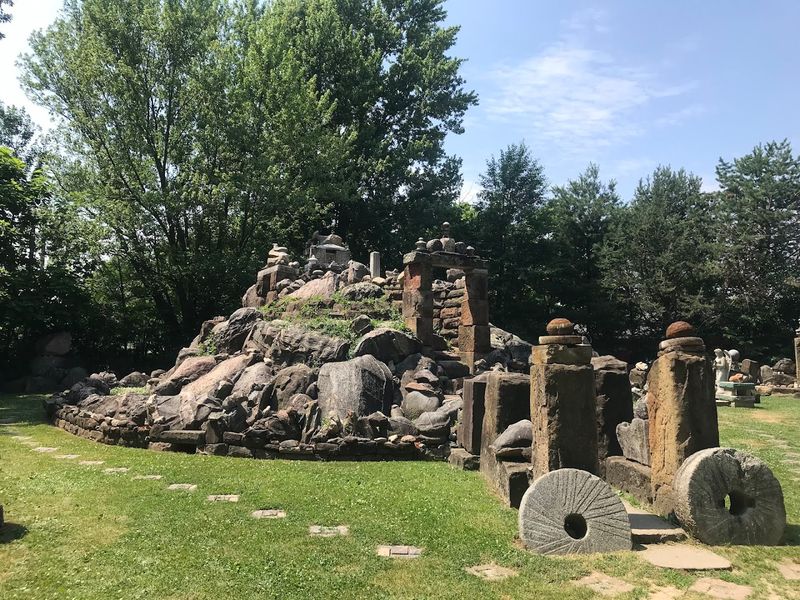
Hidden in a residential neighborhood, a stone sanctuary rises like a dream you can actually visit. Paths zigzag through stacked rock, odd relics, flags, and hand built alcoves where conversations slow down.
You feel welcomed, even if you arrive without any script beyond simple curiosity.
The place is personal and proudly unconventional, a folk art labyrinth built to encourage gathering and listening. You wander, sit, and read small signs, noticing how compassion is not preached so much as made tangible in seating circles and shaded pauses.
It is easy to lose track of time while stories seem to settle in the stones around you.
Come with respect, because this is also a home and a lived story. Snap photos, sure, but mostly linger and observe how strangers become neighbors when they talk.
You might meet locals who have attended weddings, vigils, or quiet chats here, each ceremony woven into the rockwork like a thread.
There is no ticket line, just an open door feeling that asks you to be gentle and present. Bring water, leave no trace, and consider making a small donation if available.
When you step back onto the sidewalk, regular life looks a little softer, and you carry away the calm proof that tolerance can be built, stone by stone.
5. Ash Cave (South Bloomingville)
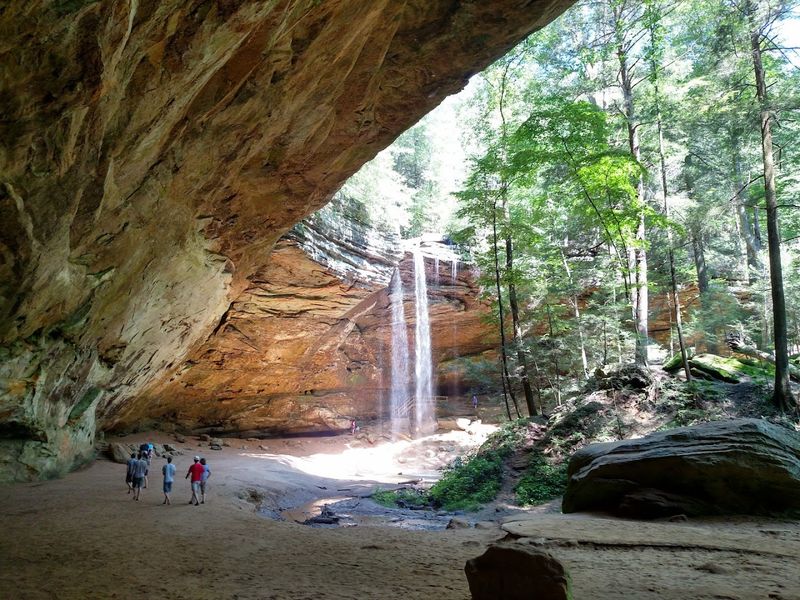
Step into cool shadow and the temperature drops as if the forest is sharing a secret. A vast sandstone overhang curves like a natural amphitheater, guiding your gaze toward a seasonal ribbon of water.
Even your footsteps sound respectful on the sandy floor.
The trail in is friendly and mostly level, making this one of the most accessible wonders in Hocking Hills. You pass hemlocks and ferns, then emerge into a space that silences chatter without trying.
Look up and you might catch a hawk tracing loops across the open mouth of the cave.
After rain, the waterfall writes its name down the rock face, leaving delicate tattoos of moss. On dry days, you explore nooks, notice iron rich streaks, and watch kids play at the edge of the pool.
Keep voices low and eyes open, because the scale rewards attention and care.
Bring sturdy shoes and a light jacket, even in summer, since shade and mist can feel chilly. Mornings and weekdays offer the calmest experience, while winter brings frozen lacework when conditions align.
Walk out feeling freshly calibrated, as though the cave tuned your heartbeat to the forest’s steady rhythm.
6. Squire’s Castle (Willoughby Hills)
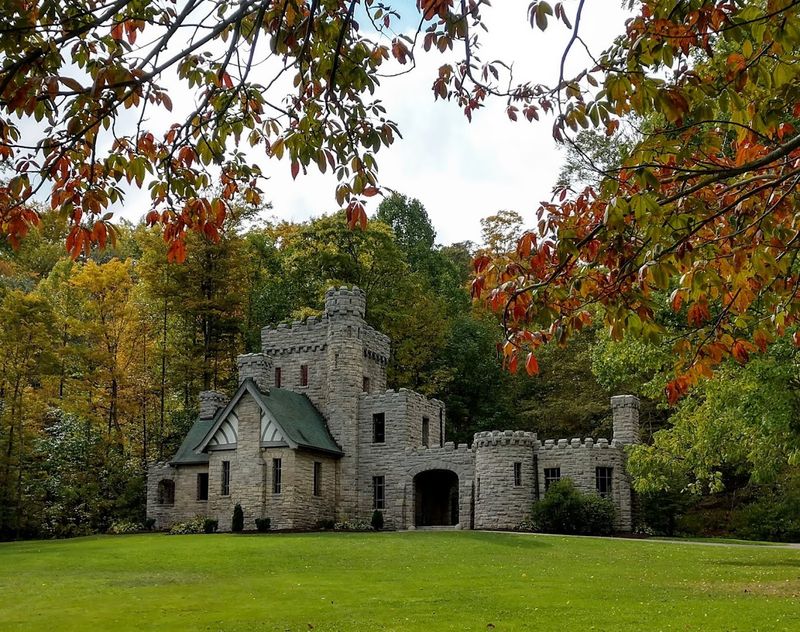
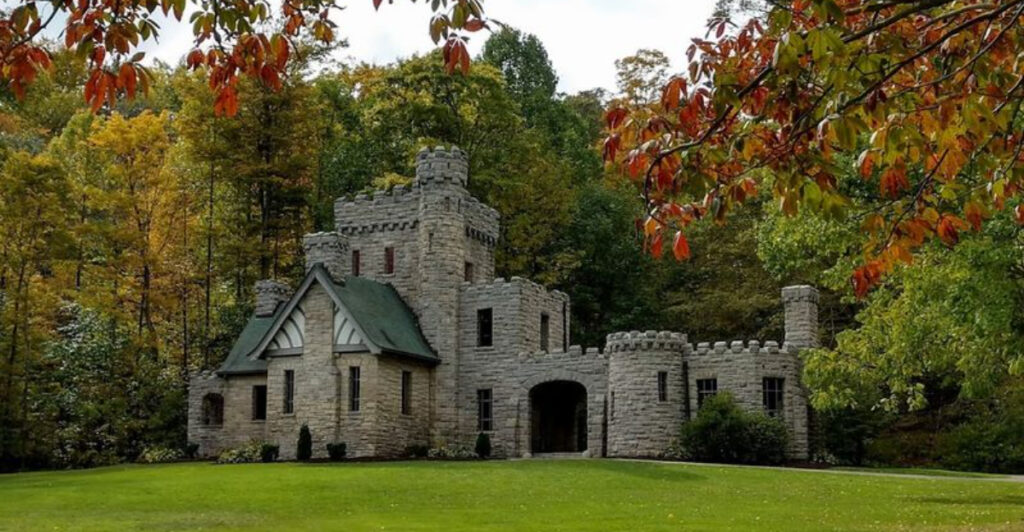
Rounding a bend in North Chagrin Reservation, you catch sight of a stone gatehouse framed by trees. The building looks lifted from a fairytale, with empty windows inviting you to explore.
Families spread blankets on the lawn while photographers chase the soft light that hugs the walls.
Despite the name, it is not a full castle, but a gatehouse with character to spare. Walk inside, peer through arched openings, and let your imagination fill the missing rooms.
You can picture roaring fireplaces and long tables, even though only echoes remain.
The surrounding trails make an easy add on, especially when fall colors turn the whole clearing into a watercolor. Bring a picnic and a lightweight jacket in case a breeze slips through the stone.
Kids love the sense of freedom, darting between doorways like noble explorers.
Come early on weekends to avoid wedding photos and larger groups, or savor a quiet weekday morning. The place is free, photogenic, and relaxed about lingering.
You leave thinking about how shells of old ideas can be perfect for new memories, especially when the walls breathe with light.
7. Judith and Maynard H. Murch IV Canopy Walk (Kirtland)
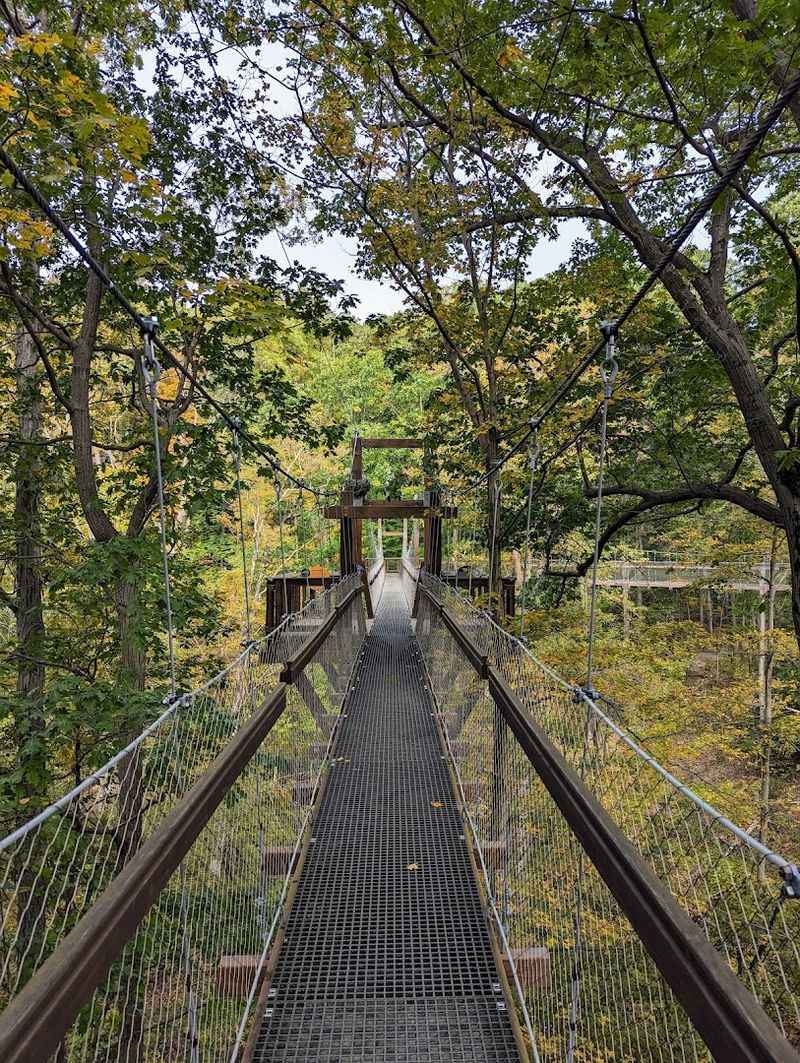
High above the forest floor, you find a ribbon of boardwalk threading through the crowns of trees. The air changes up here, cleaner somehow, scented with resin and leaf.
Every step brings a new horizon as branches part to reveal rolling hills and distant water.
The engineering is elegant, almost invisible once you relax into the sway. Sturdy rails and grippy decking invite careful confidence, even for those who dislike heights.
Pause at the overlooks, breathe slow, and let birdsong settle you into the canopy’s rhythm.
Pair the walk with a climb up the nearby tower if your legs crave a little extra thrill. On bright days, you can see a quilt of forest stitched with meadows and ponds.
Bring a hat, sunscreen, and water, because time accelerates when the world spreads out like this.
Families will find it accessible, yet still adventurous enough to feel rare. Quiet mornings and post rain afternoons deliver the richest colors and fewest crowds.
When your feet return to the forest floor, everyday noise seems distant, as if the treetops taught you a gentler way to move through the world.
8. Moonville Tunnel (McArthur)
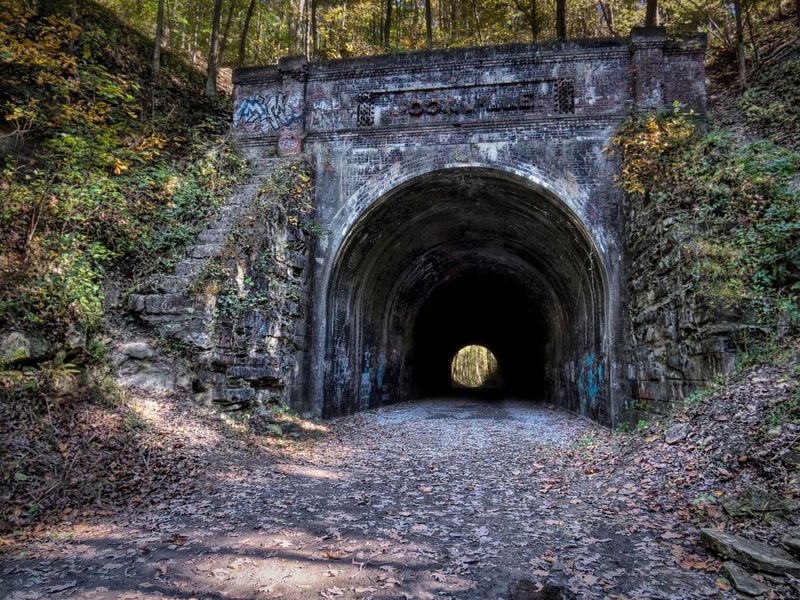
A forest path delivers you to a brick archway that swallows sound. Inside, the tunnel glows with filtered light, graffiti blooming like wildflowers across old masonry.
Your footsteps echo, steady and curious, as cool air breathes from the other side.
Stories cling to this place, including whispers of lanterns and late night apparitions along the tracks. You do not have to chase ghosts to feel the charge in the air.
History is haunting enough, with rail ties, spills of gravel, and the stubborn endurance of the arch.
Bring a flashlight and a friend, because cell service fades and shadows deepen quickly. The approach trail is lovely in fall, when leaves stencil patterns across the portal.
Photo lovers will want a tripod for long exposures when mist turns the tunnel into a smoky watercolor.
Take your time, listen, and let the drip of water set a quiet metronome. Respect the site by packing out trash and stepping gently around fragile edges.
As you emerge into daylight, the woods feel brighter, and you carry a small thrill that lingers long after the echoes fade.
9. The Hartman Rock Garden (Springfield)
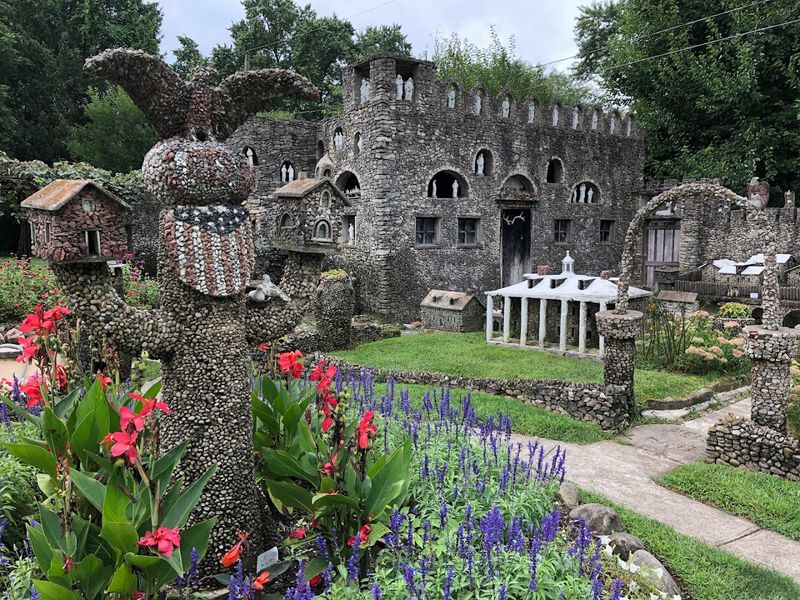
On a quiet street, a front yard unfolds into a miniature world built from stone, glass, and patience. Tiny castles, patriotic scenes, and biblical tableaus share space with bright flower beds.
You lean closer and see the hand of a maker in every mosaic and arch.
This garden began as a personal project and grew into a community treasure. Interpretive signs help you decode details, but half the joy is discovering oddities on your own.
Kids point out hidden figurines while adults trade memories about roadside attractions and family drives.
Visit in spring or early summer when blooms frame the stonework in generous color. Bring small bills if donations are accepted, since care takes time and love.
Photographers should arrive early for soft light and fewer visitors, because the pathways tighten when crowds gather.
You will leave with a grin and a renewed respect for everyday artistry. The scale is humble, but the vision is anything but small.
As you step back to the sidewalk, the garden seems to keep telling stories, even after you turn away.
Share this story