Tennessee has plenty of famous parks that draw huge crowds, but tucked away in corners of the state are places that feel like time stopped decades ago. Some have crumbling histories; others sit in such deep wilderness that you might not see another soul for hours.
Whether it’s old resort towns left to the forest or ancient ceremonial grounds that still hold mysteries, these parks offer a kind of eerie solitude you won’t find on the typical tourist trail.
1. Elkmont Historic District — Gatlinburg
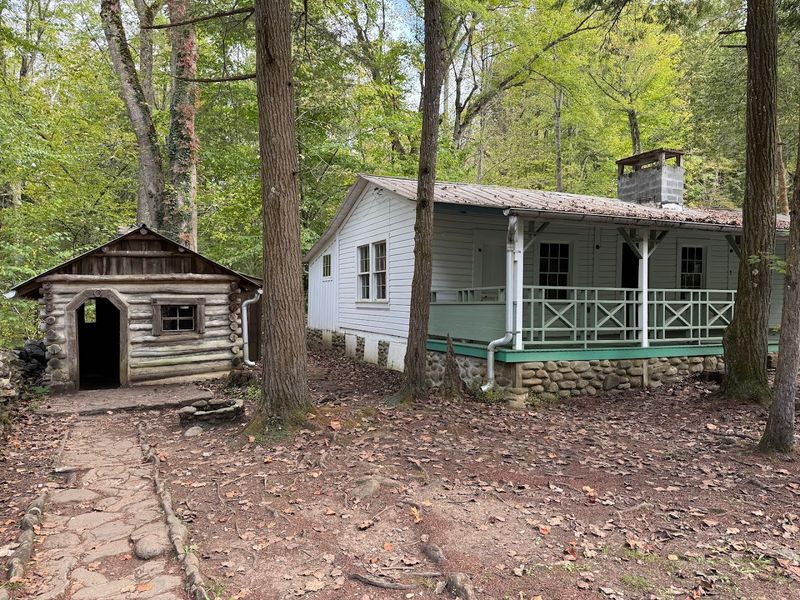
Walking through Elkmont feels like stumbling onto a movie set that was never struck. Rows of old resort cottages stand silent among the trees, their porches sagging and windows dark. This wasn’t always a ghost town—back in the early 1900s, Elkmont was the second-largest settlement in Sevier County, home to more than 1,500 people by 1918.
Logging companies built the town, and wealthy families from Knoxville turned it into a summer escape. The Wonderland Hotel hosted guests, and the Appalachian Club built vacation cabins that still dot the landscape today. When the National Park Service took over the land, most residents left, but the buildings remained.
Now the cottages of Daisy Town sit frozen in time. Paint peels, roofs sag, and moss creeps up the walls. The Park Service has stabilized some structures, but the overall vibe is pure abandonment.
You can walk the loop trail past these relics and imagine what life was like when families gathered on those porches. The forest has reclaimed much of the area, and on a foggy morning, the whole place feels like it belongs to another era.
Elkmont isn’t technically abandoned—it’s preserved—but the emptiness is real. You won’t find gift shops or snack bars here. Just old wood, quiet trails, and the kind of stillness that makes you wonder what stories these walls could tell.
If you’re looking for a place that feels haunted by history rather than actual ghosts, Elkmont delivers. It’s eerie, peaceful, and unlike anything else in the Smokies.
2. Old Stone Fort State Archaeological Park — Manchester
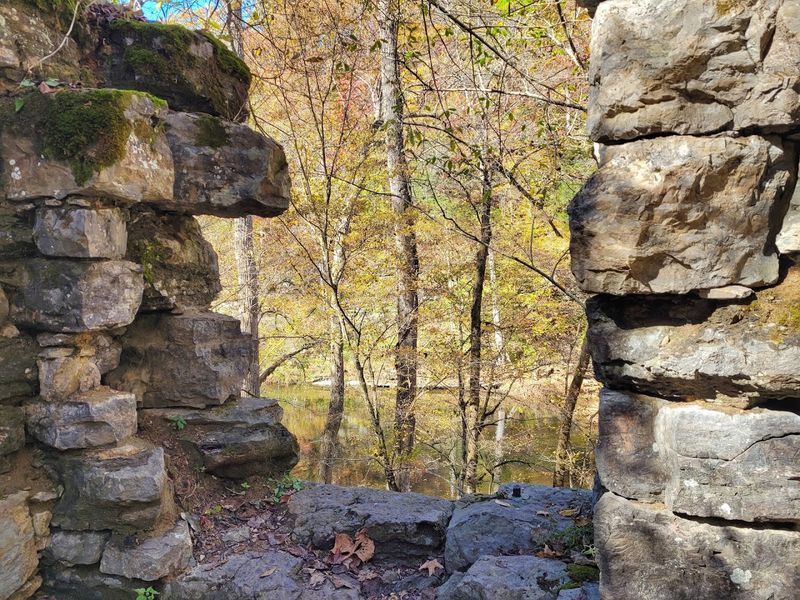
Old Stone Fort isn’t a fort at all. It’s a 2,000-year-old ceremonial enclosure built by Native Americans, and nobody knows exactly why. The walls aren’t stone—they’re earth and rock piled along the edges of two rivers that form a natural peninsula.
Walking the trails here feels like stepping into a riddle. The walls follow the bluffs, waterfalls tumble into gorges, and the whole place has a timeless, sacred quality. Archaeologists still debate the site’s purpose, which only adds to the mystery.
The park sits at the confluence of the Duck River and the Little Duck River. Limestone cliffs rise on both sides, and the enclosure follows the high ground. It’s quiet here—deeply quiet—and the forest seems to absorb sound.
You can hike the full perimeter, explore the museum, and stand where ancient ceremonies likely took place. There’s a waterfall trail that leads to a 60-foot cascade, and the views from the bluffs are striking. But what sticks with you is the feeling that this place holds secrets we’ll never fully understand.
Old Stone Fort doesn’t get the traffic of more famous Tennessee parks. On weekdays, you might have the trails to yourself. The silence isn’t spooky—it’s contemplative, the kind that makes you think about how many people have walked this ground over two millennia.
If you’re drawn to places where history and mystery overlap, this park delivers. It’s not flashy, but it’s powerful. The kind of place that stays with you long after you leave.
3. Mousetail Landing State Park — Linden
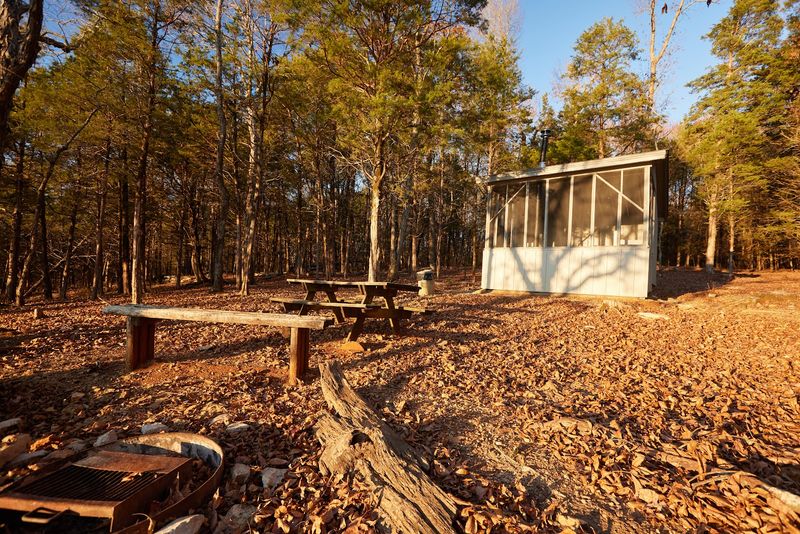
Mousetail Landing has one of the strangest names in the Tennessee state park system, and the story behind it is just as odd. Local legend says an old building near the river caught fire, sending rats fleeing toward the water—hence “mousetail.” Whether that’s true or folklore, the name sets the tone for this quiet, slightly eerie park.
Sitting along the Tennessee River, Mousetail Landing feels like a place that time forgot. The riverbanks are peaceful, the trails are lightly traveled, and remnants of old settlements still linger in the woods. It’s not a big park, but it has that end-of-the-road vibe that makes you feel like you’ve gone farther than you actually have.
The campground is rustic, the boat launch sees occasional use, and the hiking trails wind through hardwood forest and along the water. There’s a sense of isolation here that’s hard to find in more developed parks. You can sit by the river for an hour and not see another person.
History buffs will appreciate the park’s connection to early river commerce and settlement. Before highways and railroads, the Tennessee River was the main artery for trade and travel. Mousetail Landing was one of many stops along the way, and traces of that past still echo through the landscape.
What makes this park feel haunting isn’t ghosts or spooky stories—it’s the quiet. The kind of quiet that makes you aware of every bird call and rustling leaf. It’s a place for solitude seekers, not thrill seekers, and that’s exactly its appeal.
4. Frozen Head State Park — Wartburg
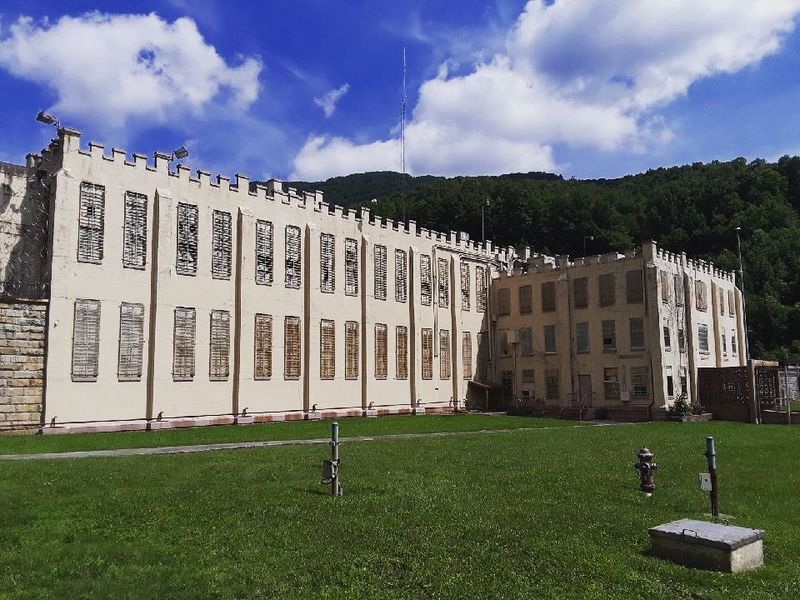
Frozen Head sounds like a place that should come with a warning label, and in some ways, it does. This 24,000-acre park in the Cumberland Mountains is remote, rugged, and wrapped in fog more often than not. The name comes from the mountain’s icy crown in winter, but the whole park carries a cold, untamed energy year-round.
Coal mining scarred this land decades ago, and though the forest has reclaimed most of the damage, you can still find traces of that industrial past. Old roads, rusted equipment, and the bones of a Civilian Conservation Corps camp remind you that people once worked hard in these hills.
The trails here are serious—steep, rocky, and often muddy. Frozen Head is home to the Barkley Marathons, an infamous ultramarathon that breaks most runners who attempt it. Even if you’re not running 100 miles, the terrain demands respect.
Waterfalls punctuate the hollows, and the views from the ridges are worth the climb. But what makes Frozen Head feel haunting is the isolation. Cell service is nonexistent, the campground is primitive, and the forest closes in around you.
It’s the kind of place where you’re very aware you’re alone.
This park isn’t for casual visitors. It’s for people who want to disappear into the woods for a while and feel the weight of wilderness. The silence here is thick, the atmosphere is heavy, and the sense of solitude is absolute.
5. Savage Gulf State Park — Cumberland Plateau
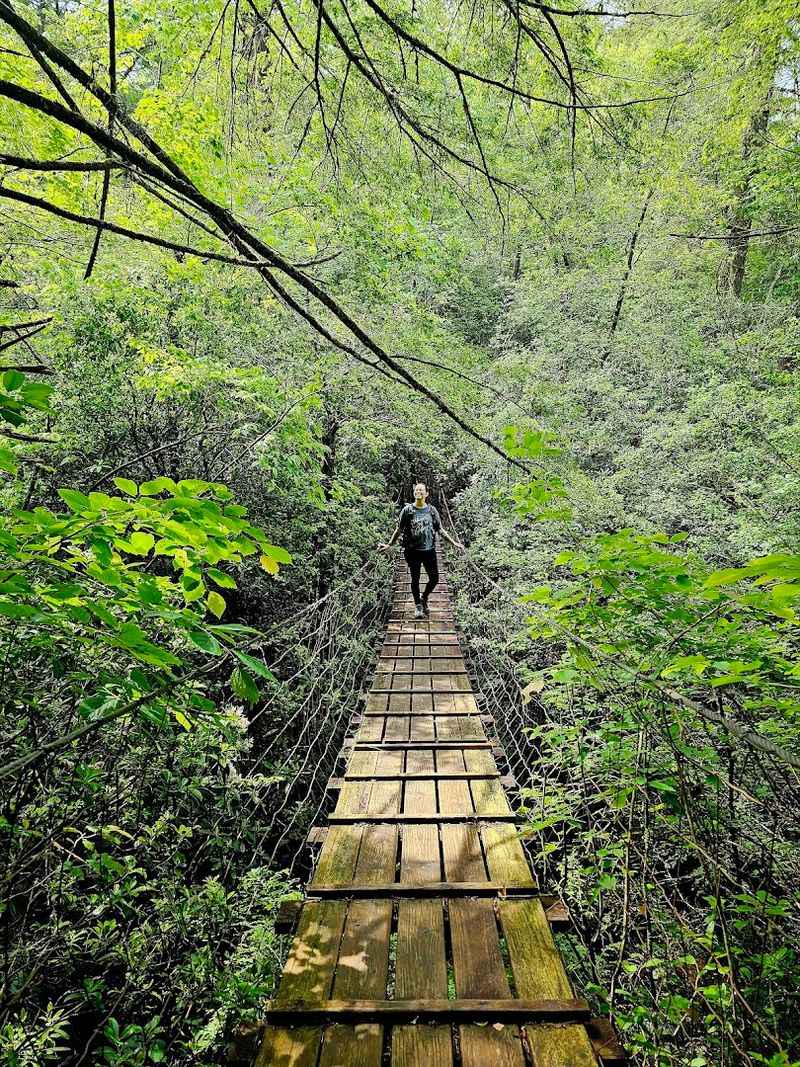
Savage Gulf doesn’t just feel quiet—it feels like it swallowed the sound. Nearly 19,000 acres of wilderness spread across the Cumberland Plateau, carved into deep gorges and sandstone bluffs that rise like fortress walls. This isn’t a park you casually stroll through.
It’s backcountry, and it demands your attention.
The trails here are long and rugged, winding through canyons, past waterfalls, and into hollows that see little sunlight. Some of the remote sections go hours without another hiker. The kind of silence you find here isn’t peaceful—it’s total, almost oppressive in its completeness.
Historic sites dot the landscape, remnants of old homesteads and logging operations that once thrived in these hills. Now nature has taken it all back. Trees grow through foundations, trails disappear into thickets, and the sense of human presence is faint at best.
Savage Gulf has multiple access points, but even on busy weekends, the sheer size of the park means you can find solitude. The Stone Door entrance offers dramatic overlooks, while the backcountry trails lead to hidden waterfalls and primitive campsites where you might be the only person for miles.
What makes this park feel abandoned isn’t neglect—it’s wildness. The forest here is thick, ancient, and indifferent to visitors. You’re a guest in a place that doesn’t need you, and that’s part of the appeal.
6. Big Hill Pond State Park — Pocahontas
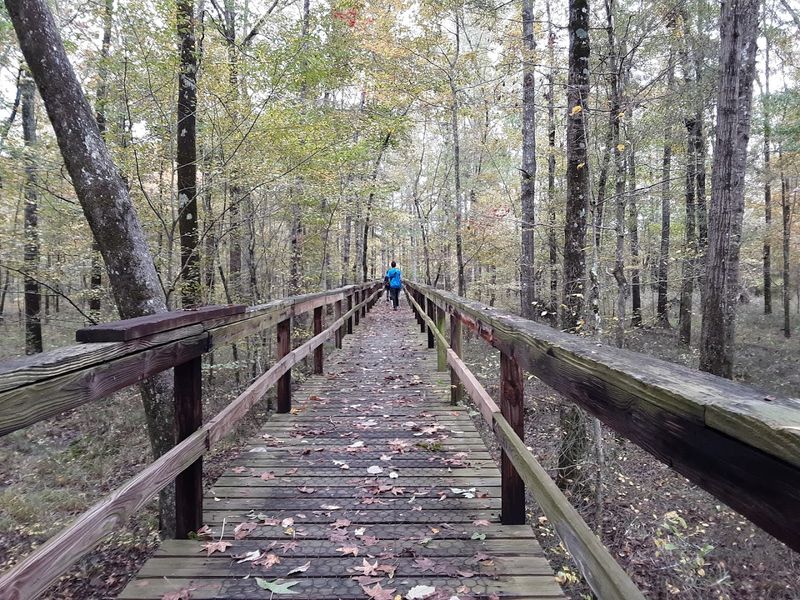
Big Hill Pond has a swampy, forgotten quality that sets it apart from Tennessee’s more polished parks. The centerpiece is Travis McNatt Lake, but the real star is the boardwalk through Dismal Swamp—a name that tells you everything you need to know about the atmosphere.
The boardwalk stretches through cypress stands and murky water, and on a gray day, it feels like you’ve wandered into a Southern Gothic novel. The trees are draped in Spanish moss, the water is still, and the only sounds are frogs and the occasional splash of something unseen.
The park covers hardwood bottomland and upland forest, with trails that wind through both. A 70-foot observation tower offers views across the canopy, but the real draw is the solitude. Big Hill Pond doesn’t get the crowds, and much of the park feels untouched.
Remote backpack-in shelters give you the option to camp deep in the woods, far from any road noise or artificial light. It’s the kind of place where you can spend a night and not see another person. That isolation is either appealing or unnerving, depending on your temperament.
The park’s history includes early settlement and logging, but nature has reclaimed most of it. What remains is a quiet, swampy landscape that feels more Louisiana than Tennessee. It’s not dramatic like the Smokies or rugged like the Cumberland Plateau, but it has its own eerie charm.
If you’re looking for a park that feels like it’s been left to the trees and the frogs, Big Hill Pond is your spot.
7. Pickett CCC Memorial State Park — Jamestown
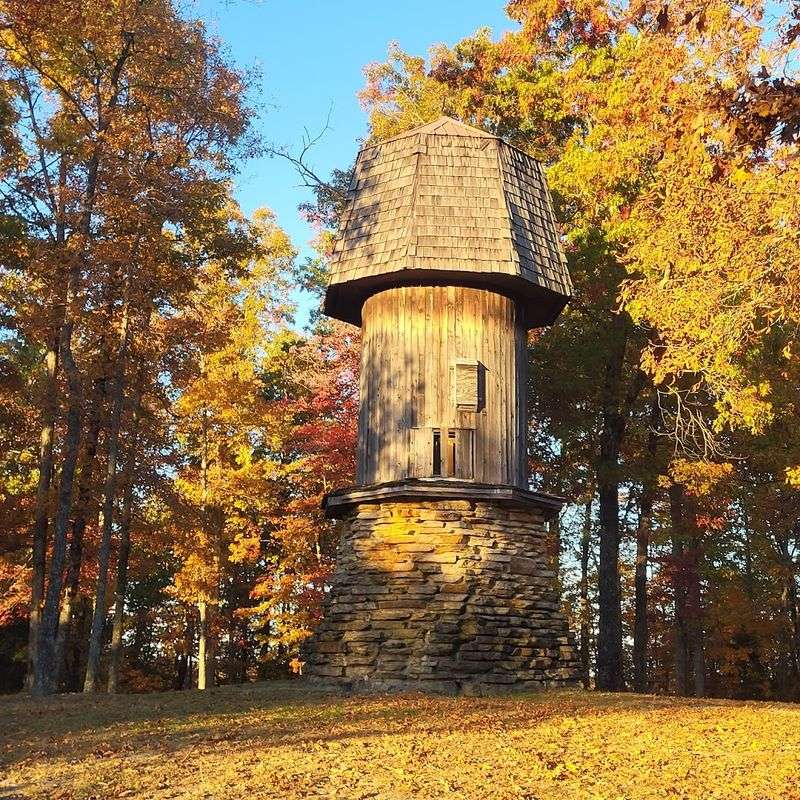
Pickett State Park feels like a place that exists outside of time. Built by the Civilian Conservation Corps between 1934 and 1942, the park has an old-forest atmosphere that’s part wilderness, part museum. The sandstone formations, rock shelters, and CCC-built structures give it a haunting, historical weight.
The forest here is ancient and dense, with hemlocks, oaks, and rhododendrons creating a canopy so thick that even midday feels dim. Trails wind through natural rock arches and past caves that were used by Native Americans centuries ago. The whole place has a moody, secretive quality.
Pickett was the first state park in the Southeast certified for dark-sky viewing, and on a clear night, the stars are overwhelming. The lack of light pollution means you can see the Milky Way in detail, and the silence of the forest makes the experience even more surreal.
The CCC influence is everywhere—stone bridges, log cabins, and trail systems that feel hand-built because they were. The craftsmanship is impressive, and the structures have aged into the landscape rather than standing apart from it. It’s a living memorial to the men who built it.
What makes Pickett feel abandoned is its remoteness. It’s tucked into the northern edge of Tennessee, far from any major city. Visitors are few, and the park’s quiet is profound.
You can hike for hours and hear nothing but wind in the trees.
If you want a park that feels like a secret, Pickett is it. It’s beautiful, eerie, and completely off the beaten path.
8. North Chickamauga Creek Gorge State Park — Soddy-Daisy
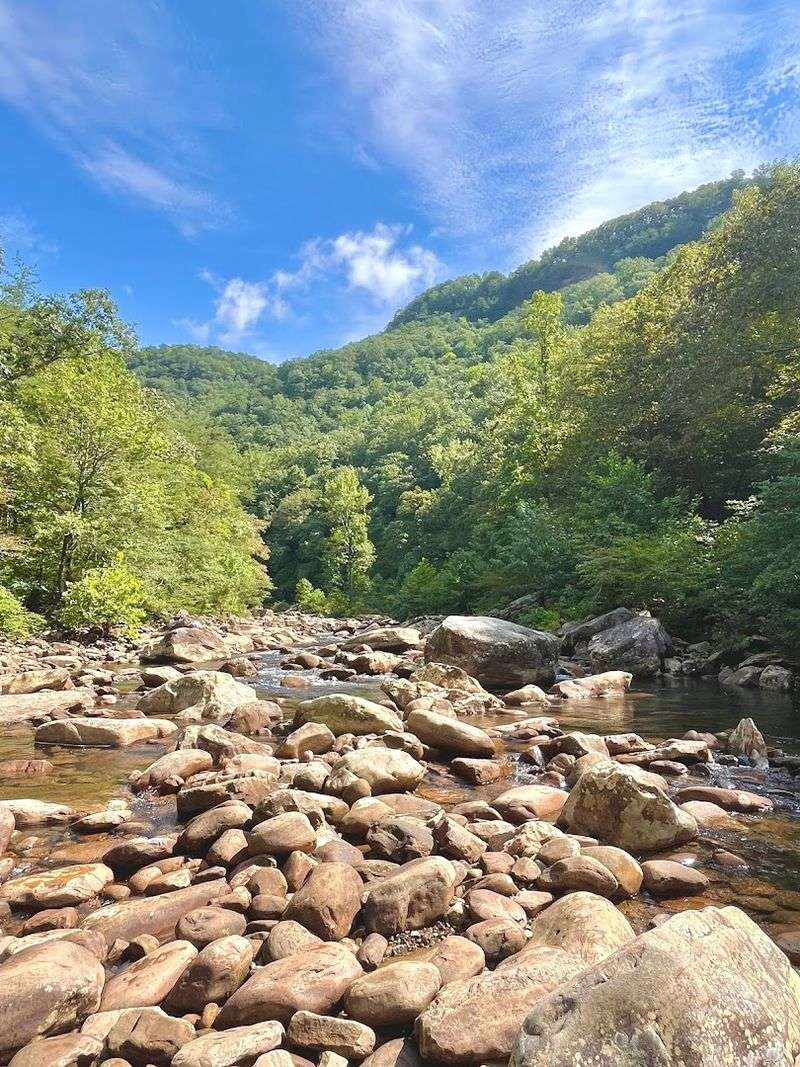
North Chickamauga Creek Gorge has the kind of raw, unpolished feel that makes it seem like it was discovered by accident. The gorge cuts deep into the landscape, with rocky ledges, dark water, and shadowy creek corridors that feel more like wilderness than park. It’s popular with swimmers in summer, but outside of peak season, it’s hauntingly quiet.
The creek runs cold and clear, fed by springs and runoff from the surrounding ridges. Cliffs rise on both sides, and the trail follows the water through sections that feel claustrophobic and dramatic. In some spots, the gorge narrows so much that sunlight barely reaches the bottom.
This park doesn’t have the amenities of more developed sites. There’s no visitor center, no campground, and limited signage. You park at a trailhead and walk in, and the farther you go, the more remote it feels.
The lack of infrastructure is part of the appeal—it’s wild, not curated.
Rock climbing is popular here, and the limestone bluffs offer routes for experienced climbers. But even if you’re just hiking, the verticality of the gorge is striking. You’re either looking up at cliffs or down into dark pools, and the sense of enclosure is constant.
What makes North Chickamauga feel abandoned is the contrast. In summer, swimming holes fill with locals. In fall and winter, the gorge is empty, echoing, and almost eerie.
The creek keeps flowing, the cliffs keep looming, and you’re left with the feeling that this place doesn’t need people to exist.
9. Big South Fork National River & Recreation Area — Oneida
Big South Fork sprawls across 125,000 acres of the Cumberland Plateau, and much of it feels like Appalachia before roads and cell towers. Sandstone bluffs rise above the river, gorges cut deep into the forest, and traces of old communities linger in clearings and along forgotten trails. It’s a place where history and wilderness blur together.
The National Park Service manages the area, but it’s too big to feel managed. You can hike for days without retracing your steps, and many trails lead to remote sections where you won’t see another person. The sense of solitude here is absolute.
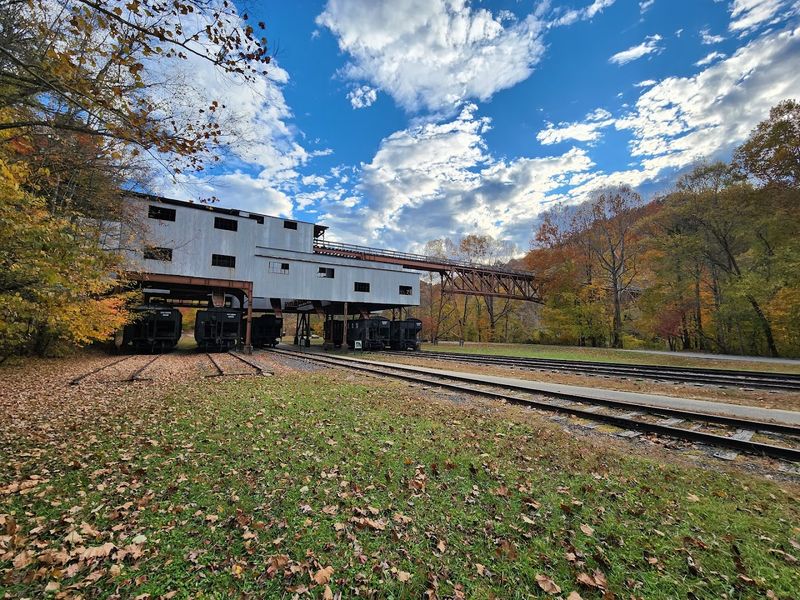
Historic sites dot the landscape—old cabins, cemeteries, and remnants of logging and mining operations. These aren’t polished tourist attractions; they’re just there, slowly being reclaimed by the forest. Walking past a collapsed cabin or a rusted piece of equipment, you get the sense that people lived hard lives here and then left.
The river itself is wild and scenic, popular with paddlers and anglers. But away from the water, the park is quiet. Trails wind through hardwood forests, past waterfalls, and along ridgelines that offer views for miles.
The farther you go, the more the modern world fades.
What makes Big South Fork feel abandoned is scale. It’s too vast to patrol, too remote to develop, and too rugged to tame. You’re on your own out here, and that’s the point.
It’s a place for people who want to disappear into the woods and feel the weight of old Appalachia still hanging in the air.
Share this story