
The Great Smoky Mountains attract millions of visitors every year, but most people stick to the same popular trails and viewpoints. Beyond the crowded parking lots and well-worn paths lie secret waterfalls, forgotten homesteads, and quiet corners that feel like your own private discovery.
These nine hidden spots offer the kind of peaceful beauty and authentic mountain experiences that make you feel like a true explorer rather than just another tourist.
1. Spruce Flats Falls (Townsend)
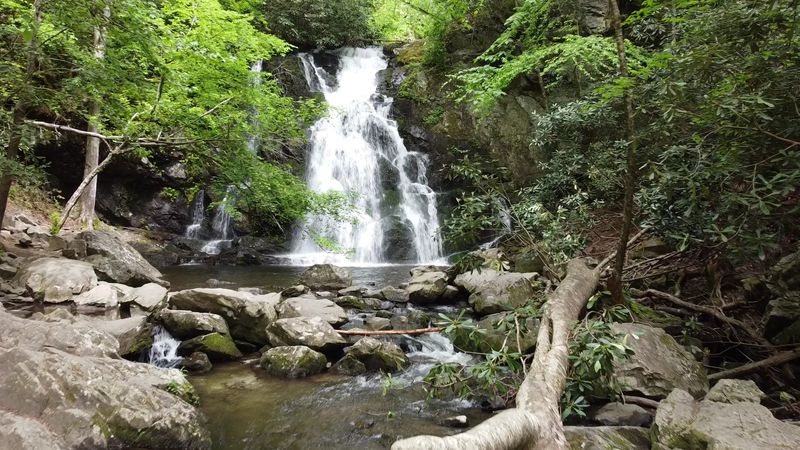
Most waterfall chasers rush past Tremont on their way to more famous destinations, completely missing this peaceful cascade tucked away in the woods. The two-mile hike follows an old logging road that gradually climbs through a forest filled with wildflowers in spring and brilliant colors in fall.
The trail itself feels like stepping back in time, with remnants of the area’s logging history visible along the way. When you finally reach the falls, you’ll likely have the entire place to yourself, unlike the crowded viewing platforms at popular spots.
Pack a picnic and enjoy the soothing sound of rushing water without competing for space with tour groups.
2. Hen Wallow Falls (Cosby)
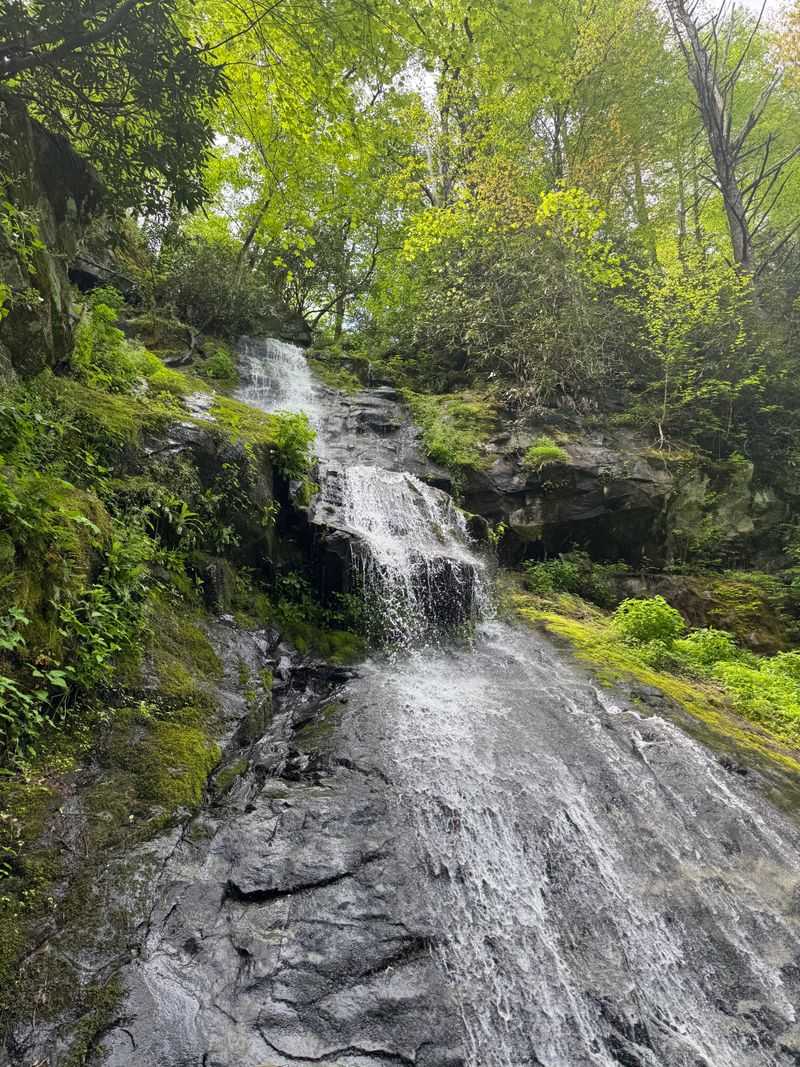
Standing at an impressive 90 feet, this waterfall rivals any famous cascade in the park, yet the trailhead near Cosby remains blissfully quiet. The Gabes Mountain Trail winds through old-growth forest where massive trees create a cathedral-like atmosphere overhead.
About two miles in, you’ll hear the falls before seeing them—a rushing sound that builds anticipation with every step. The waterfall appears suddenly, dropping straight down a smooth rock face into a small pool below.
Early morning visits often reward hikers with sunlight filtering through the mist, creating magical light effects. The trail continues beyond the falls for those wanting to explore further, but most visitors turn around here after soaking in the view. Bring sturdy shoes since the path crosses several small streams.
3. The Jump Off
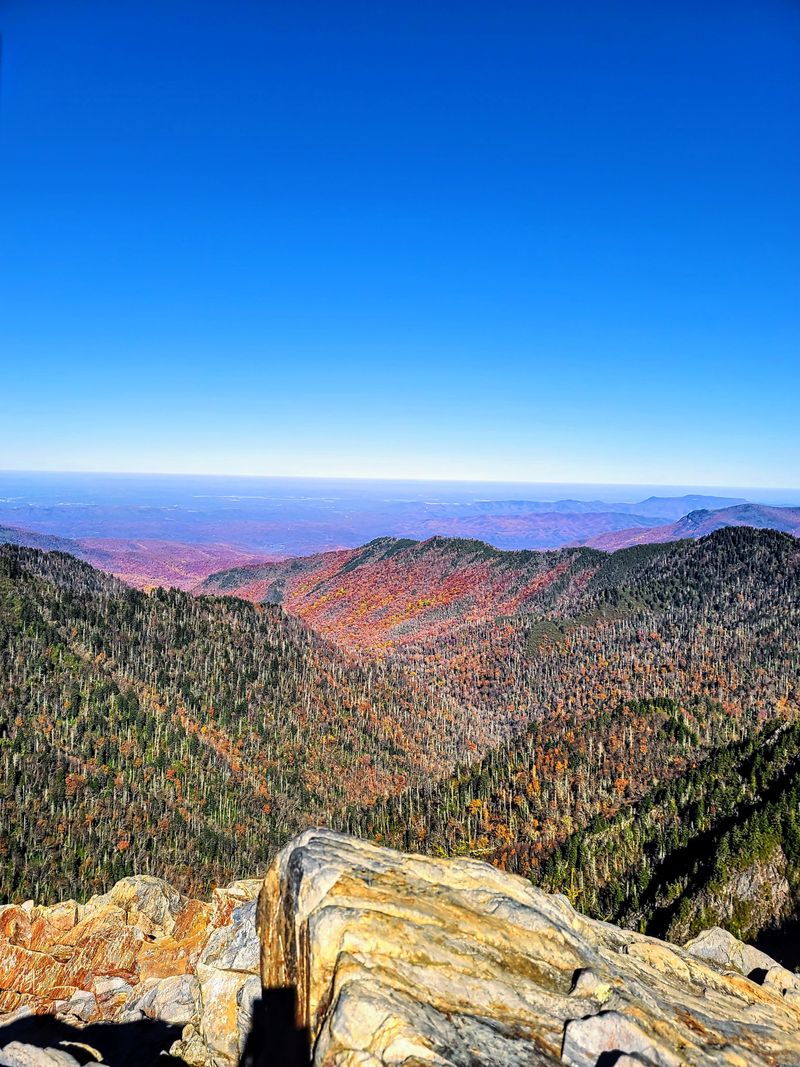
Adventure seekers willing to venture off the main Appalachian Trail corridor discover this dramatic overlook that delivers jaw-dropping views without the crowds. The name perfectly describes the sensation of standing at the edge, where the mountain seems to drop away beneath your feet into endless ridges.
Getting there requires some effort and careful navigation, making it a true reward for those who seek it out. The panorama stretches for miles, with layer upon layer of blue mountains fading into the distance.
Sunrise visits are particularly spectacular, when morning light paints the valleys in shades of gold and purple. Unlike popular overlooks with safety railings and paved paths, this spot maintains its wild character. Always check weather conditions before heading out, as fog can quickly obscure the views you came to see.
4. Elkmont Troll Bridge (near Gatlinburg)
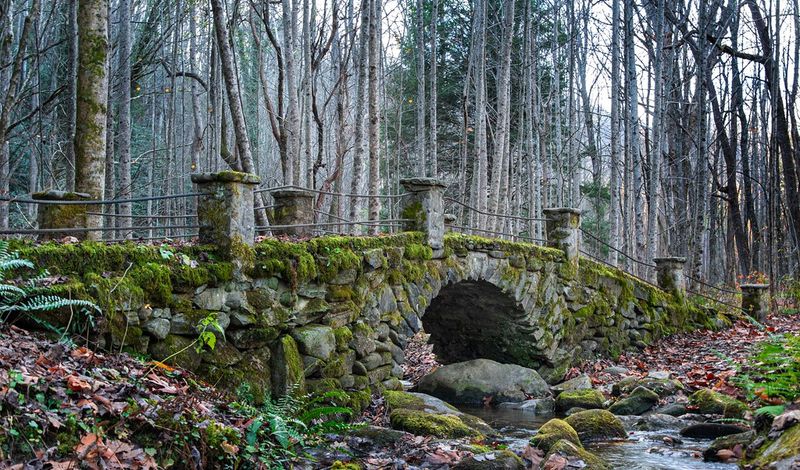
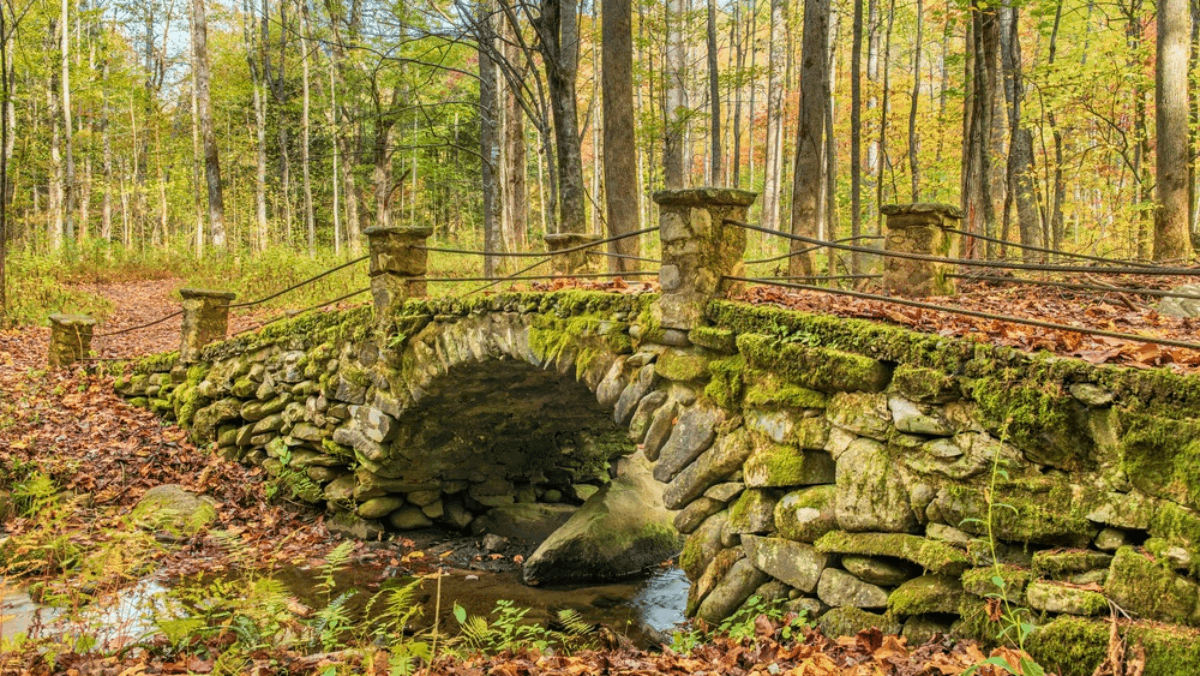
Locals have nicknamed this enchanting footbridge near the historic Elkmont community, and one look explains why. Thick moss blankets the stones, giving the small bridge a storybook quality that makes you expect woodland creatures to appear at any moment.
The bridge sits just off the Little River Trail, but you need to know where to look or you’ll walk right past it. Many hikers exploring the abandoned homes and buildings of old Elkmont never realize this magical spot exists nearby.
Visit after rain when the moss glows its brightest green.
5. Walker Sisters Place (near Gatlinburg)
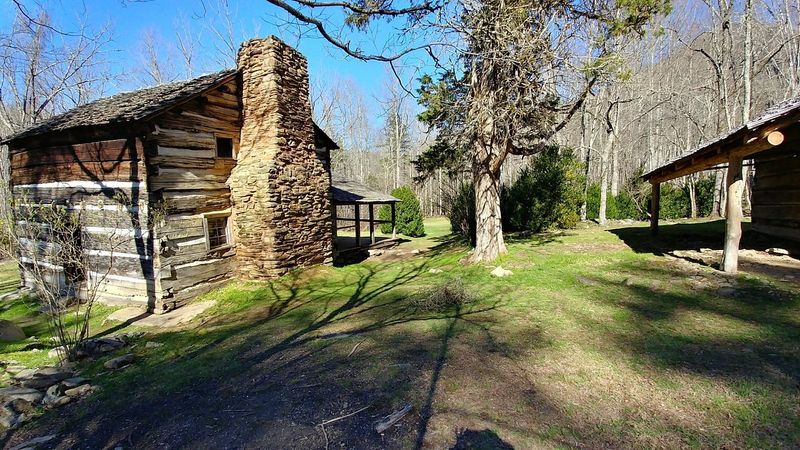
Five unmarried sisters once lived in these weathered cabins, refusing to leave even after the national park formed around them in the 1930s. Their determination to maintain their mountain lifestyle made them local legends, and their homestead remains remarkably preserved today.
The hike to reach the cabins takes you through beautiful forest and past stone walls built by hand generations ago. Each building tells stories of self-sufficient living—from the springhouse that kept food cold to the main cabin with its massive stone fireplace.
Walking through the clearing feels like visiting a living history museum without the crowds or admission fees. The sisters sold their handmade crafts to tourists until the 1960s, becoming some of the park’s earliest unofficial ambassadors.
6. Rich Mountain Road Scenic Drive
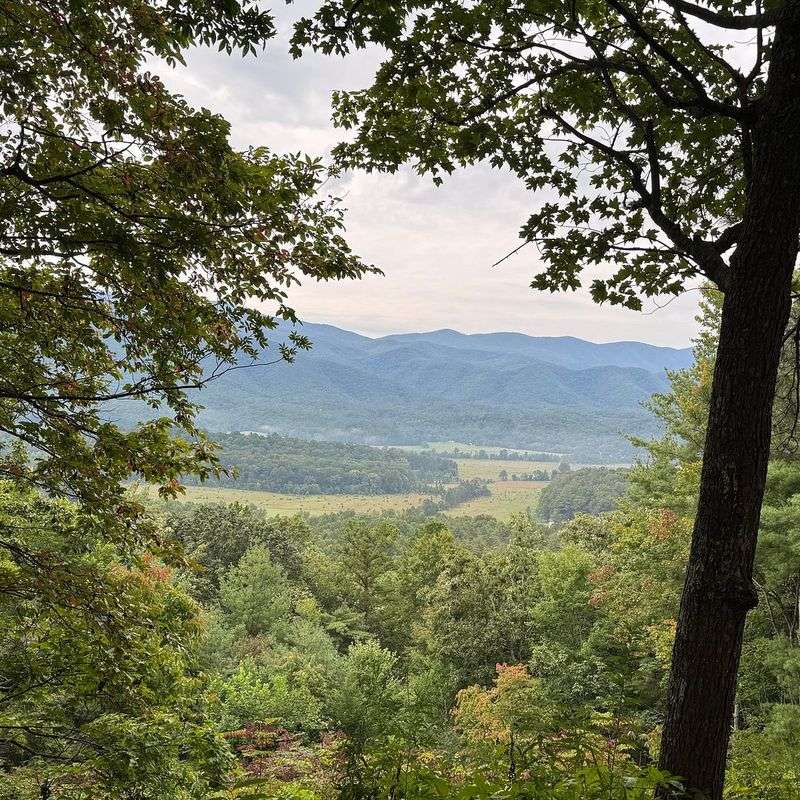
While thousands of cars inch through Cades Cove Loop Road, this quiet gravel route sees only a fraction of the traffic despite offering equally stunning scenery. The one-way road climbs gradually through diverse forest zones, passing hidden waterfalls and crystal-clear streams perfect for cooling off.
Wildlife viewing opportunities abound here, with deer, turkeys, and occasionally black bears making appearances along the roadside. Several pull-offs allow you to stop and explore small cascades or simply listen to the forest sounds.
The drive takes about an hour at a leisurely pace, though you’ll want to allow more time for stops and photo opportunities. Spring brings wildflowers carpeting the forest floor, while fall transforms the canopy into brilliant reds and golds. Take your time and enjoy having this scenic route mostly to yourself.
7. House of the Fairies (near Gatlinburg)
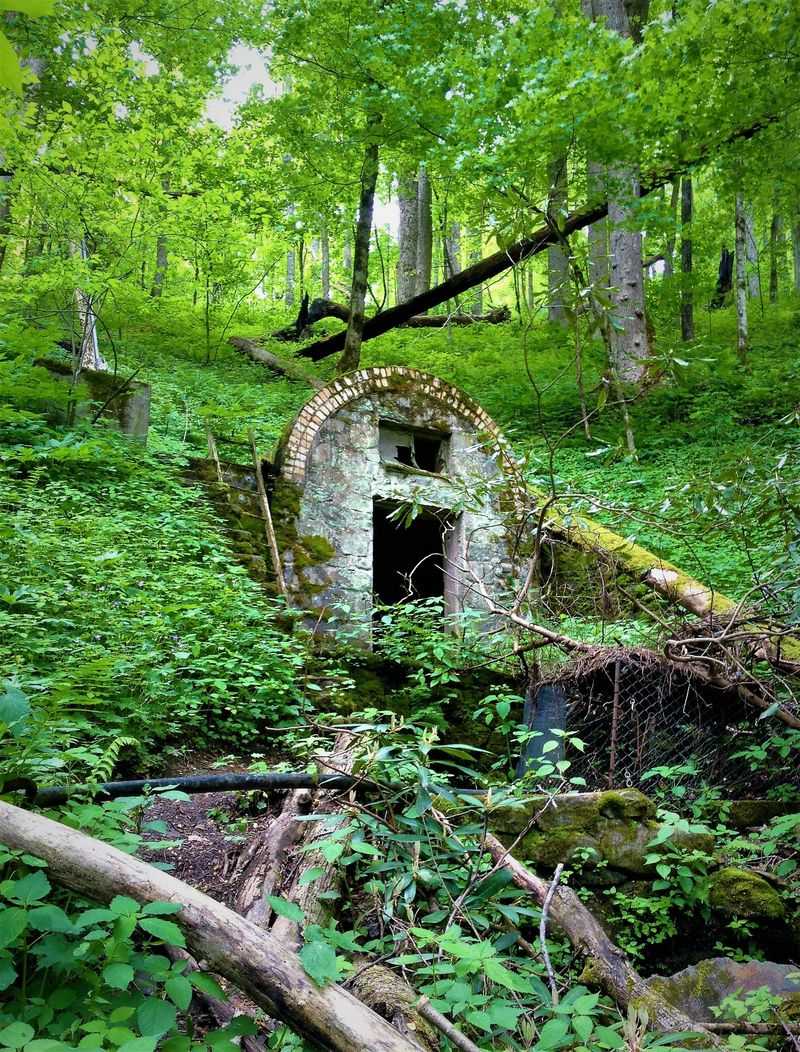
This peculiar stone springhouse hides just off the Twin Creeks Trail, and most hikers pass by without ever noticing it tucked among the trees. Built decades ago to protect a natural spring, the small structure has taken on an almost magical quality over time.
The name comes from its storybook appearance—moss-covered stones stacked to form walls and a tiny doorway that looks sized for woodland sprites. Inside, cold spring water still flows, just as it did when mountain families used the springhouse to keep their milk and butter fresh.
Finding it requires paying attention and possibly asking locals for hints, adding to the sense of discovery when you finally spot it.
8. Thomas Divide Tunnel
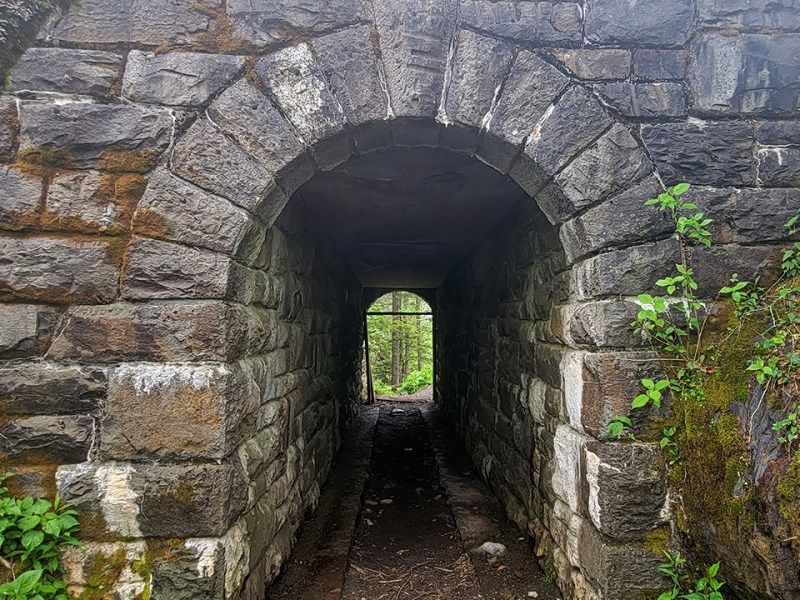
Few visitors realize they’re driving over a piece of trail history when they pass this spot near Clingmans Dome Road. The pedestrian tunnel was built to maintain hiking trail connections when the road was constructed, but today it sits largely forgotten and unused.
Walking through the cool, dark passage feels like discovering a secret shortcut known only to those who explore beyond their car windows. The stone archway shows skilled craftsmanship from an earlier era of park development.
The tunnel represents a time when park planners worked to minimize trail disruptions, a detail most modern visitors never consider. Stop your car safely and take a quick walk through—it only takes a few minutes but adds an unexpected element to your mountain adventure.
9. Wears Valley
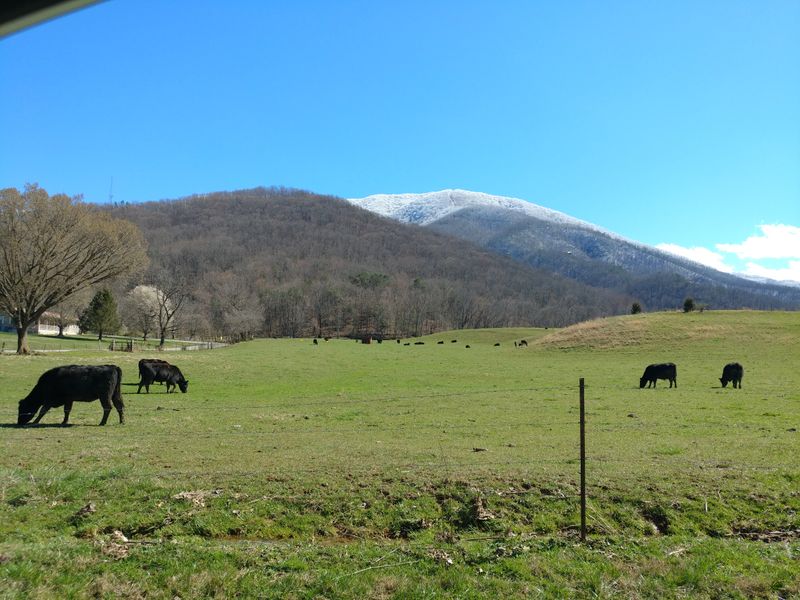
Just outside the official park boundaries lies this peaceful valley that most tourists zoom past on their way to busier attractions. Rolling farmland stretches between mountain ridges, offering the kind of scenic rural beauty that once characterized the entire region.
Several small roads wind through the valley, each revealing different perspectives of the surrounding peaks. The area serves as an excellent base for exploring the Smokies while enjoying quieter accommodations and less traffic.
Local farms, craft shops, and family-owned restaurants give the valley an authentic mountain community feel that’s increasingly rare near major tourist areas. Sunrise and sunset paint the valley in spectacular light, with mist often settling in low areas for dramatic effect.
Consider staying here instead of Gatlinburg or Pigeon Forge for a more relaxed mountain experience with easy park access.