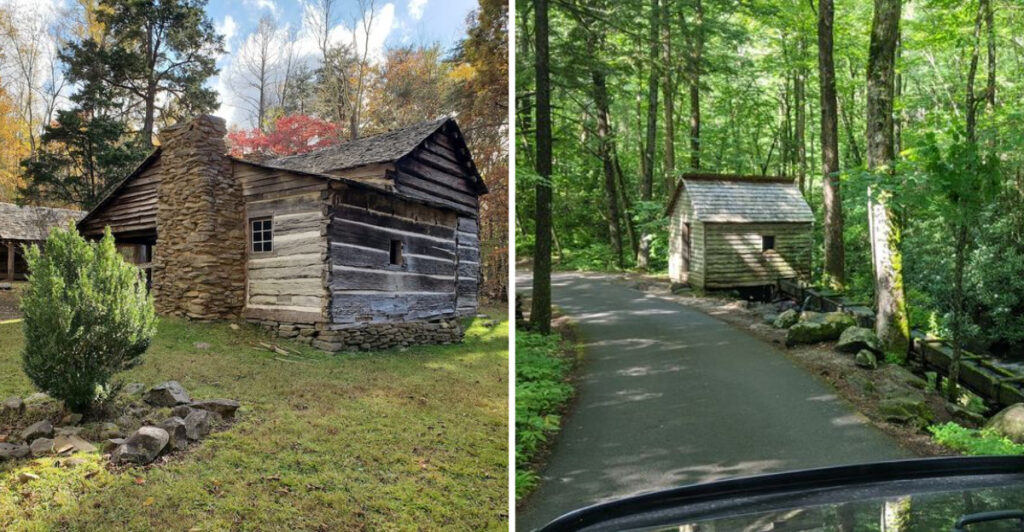
The Smoky Mountains hold stories that stretch back centuries, from Cherokee settlements to pioneer homesteads that shaped Appalachian culture. Walking through these historic sites feels like stepping into a living museum where you can touch log cabins, explore old mills, and imagine what life was really like before modern conveniences.
Whether you’re fascinated by early American settlers or just curious about mountain heritage, these preserved locations offer something special that textbooks can’t capture. Get ready to explore places where history isn’t just remembered—it’s still standing right in front of you.
1. Cades Cove
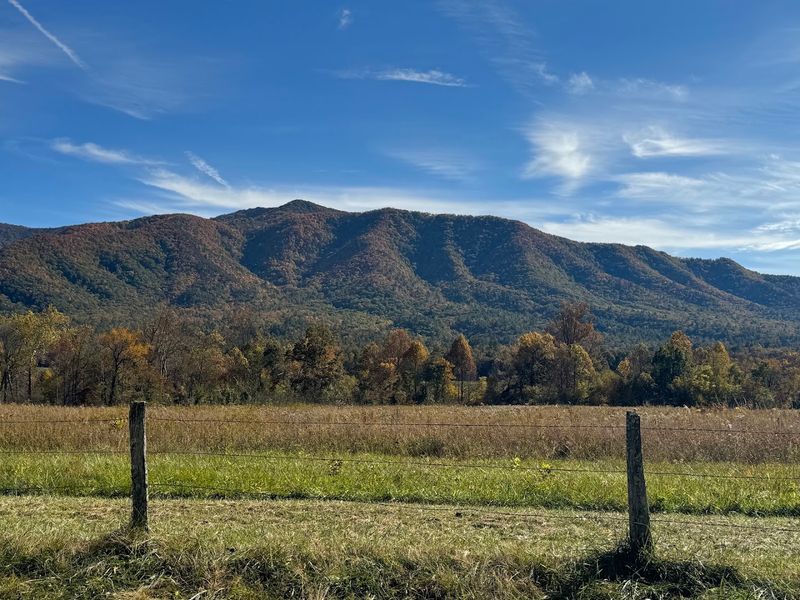
Cades Cove sits in a broad valley surrounded by mountains, and it’s probably the most popular historic area in the entire national park. The 11-mile loop road takes you past churches, cabins, and barns that date back to the 1800s when families farmed this fertile land.
You can actually get out and walk through these buildings, which makes history feel incredibly real.
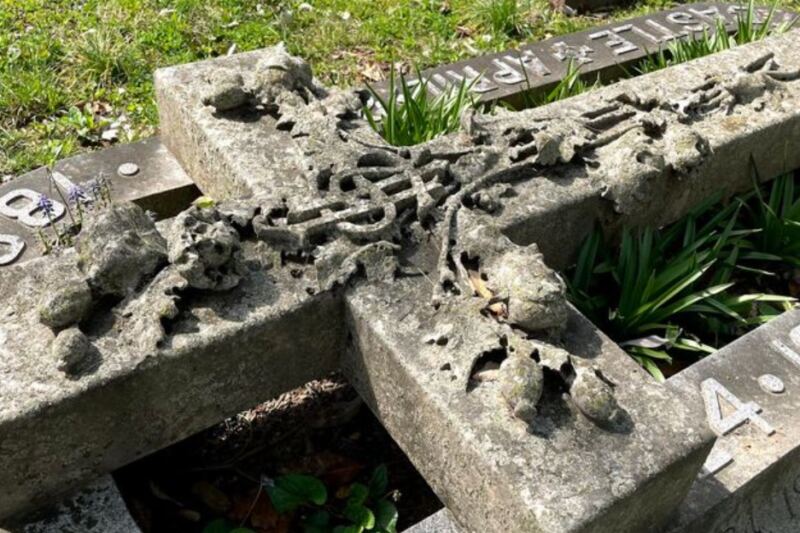
Three churches still stand here—Primitive Baptist, Missionary Baptist, and Methodist—each with its own cemetery full of weathered headstones. The settlers who lived here were tough, self-sufficient people who built everything by hand.
Their log homes show incredible craftsmanship, with notched corners that fit together perfectly without nails.
Wildlife loves Cades Cove too, so don’t be surprised if you spot deer, turkeys, or even black bears grazing in the fields. Early morning visits offer the best chance for animal sightings and fewer crowds.
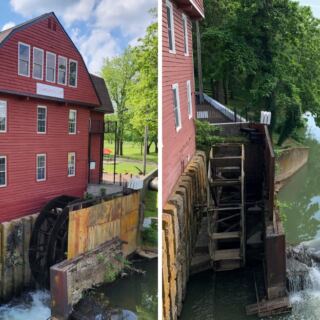
The Cable Mill area includes a working grist mill where you can watch corn being ground just like pioneers did generations ago.
Plan at least half a day here because there’s so much to see and explore at your own pace.
2. Roaring Fork Motor Nature Trail
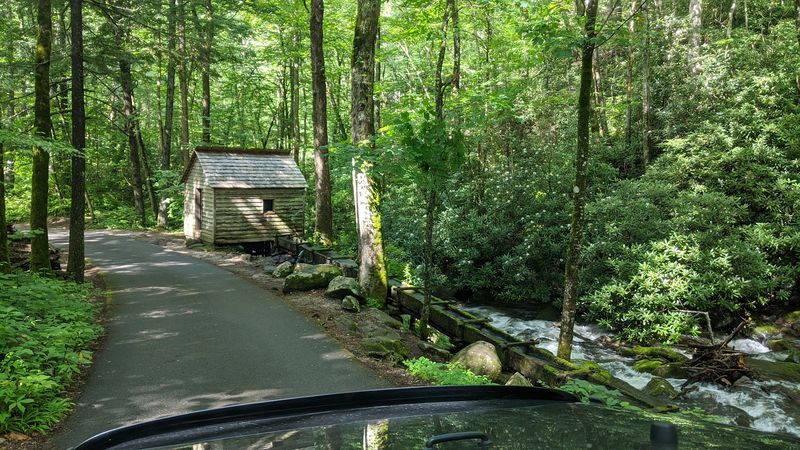
This one-way loop road winds through dense forest past rushing streams and several preserved homesteads that tell stories of isolated mountain living. The narrow, winding route isn’t for big RVs, but regular cars handle it fine, and the scenery alone makes it worthwhile.
History buffs will appreciate the stops at cabins and other structures along the way.
The trail passes several log buildings including the Alfred Reagan Place, where you can explore a cabin, barn, and other outbuildings. Imagine hauling water from the creek, growing all your own food, and living miles from your nearest neighbor.
That was reality for families here.
Waterfalls like Grotto Falls add natural beauty to the historic interest, and short hiking trails branch off if you want to stretch your legs. The road stays open most of the year but closes in winter when ice makes it dangerous.
Spring brings wildflowers, summer offers lush greenery, and fall explodes with color.
Allow about an hour to drive the loop without stops, but plan for two hours if you want to actually get out and explore the historic sites properly. Photography opportunities abound, especially when morning light filters through the trees.
3. John Oliver Cabin
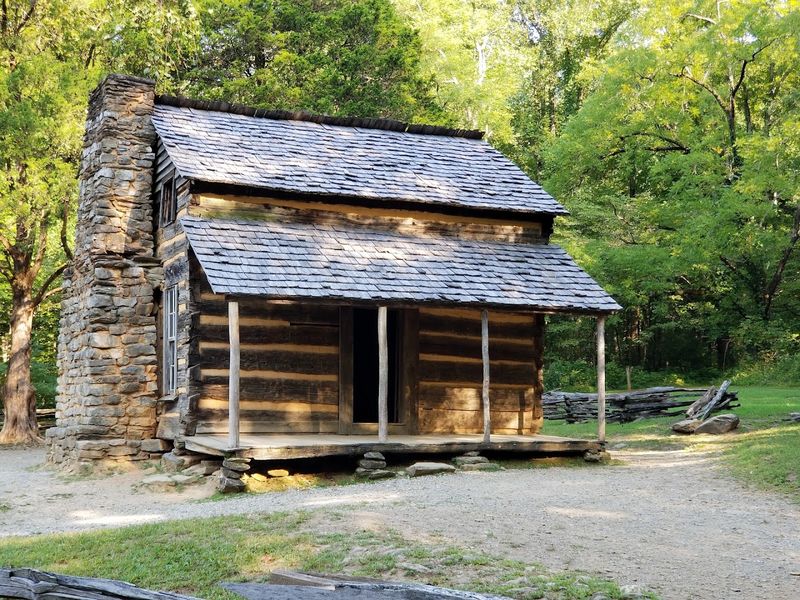
Hidden in the woods near the Cades Cove loop sits one of the oldest structures in the entire park. John Oliver built this cabin in the 1820s, making it a genuine piece of early American frontier history.
The logs are still solid after nearly 200 years, which speaks volumes about pioneer building skills.
Getting here requires a short walk from the parking area, but it’s totally worth the effort. The cabin sits in a clearing that Oliver himself probably carved from the forest.
A stone chimney dominates one end, and the whole structure measures maybe 18 by 20 feet—tiny by modern standards but home to a growing family back then.
John Oliver was actually the first permanent European settler in Cades Cove, so this cabin represents the very beginning of the community that grew here. Looking at the hand-hewn logs and simple construction, you realize how much physical labor went into creating even basic shelter.
No power tools, no hardware stores—just axes, determination, and skill.
The cabin stands as a monument to the courage it took to settle wild mountain country. Visiting during quieter times means you might have the place entirely to yourself, which makes the experience even more powerful.
4. Noah Bud Ogle Place
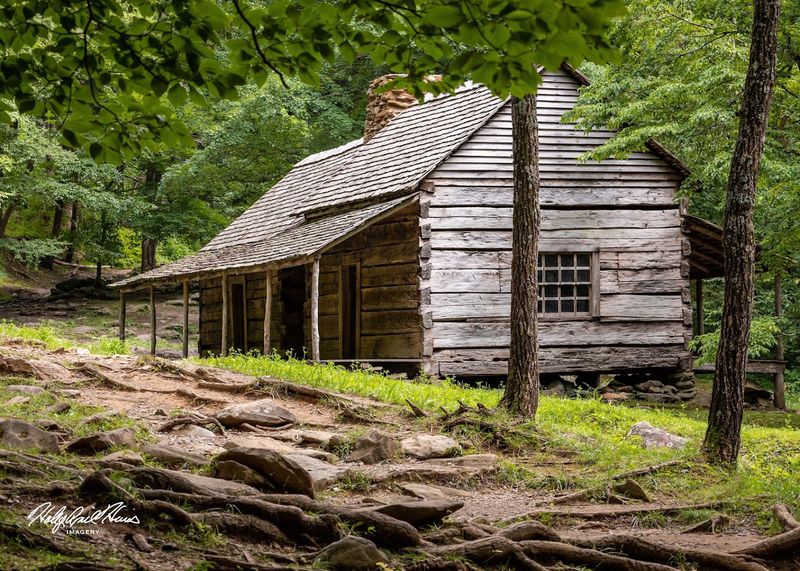
Just off the Roaring Fork Motor Nature Trail, you’ll find one of the most complete historic homesteads in the park. The Noah “Bud” Ogle Place includes not just a cabin but also a barn and a working tub mill powered by a mountain stream.
A short nature trail loops through the property, letting you explore at your own pace.
Bud Ogle lived here with his family in the late 1800s and early 1900s, farming the steep mountain slopes and grinding corn at his ingenious water-powered mill. The tub mill is especially fascinating because it shows how settlers used available resources creatively.
Water channeled through a wooden trough spins the grinding stones—simple but effective technology.
The cabin itself features typical mountain construction with a stone chimney and wooden shake roof. Interpretive signs explain how different parts of the homestead functioned, making this a great educational stop.
The surrounding forest has reclaimed much of the farmland, but you can still see evidence of cleared fields and old fence lines.
Photographers love this spot because the creek, mill, and cabin create beautiful compositions. The half-mile nature trail is easy enough for most visitors and takes maybe 30 minutes if you’re reading the signs and really looking around.
5. Elkmont Ghost Town
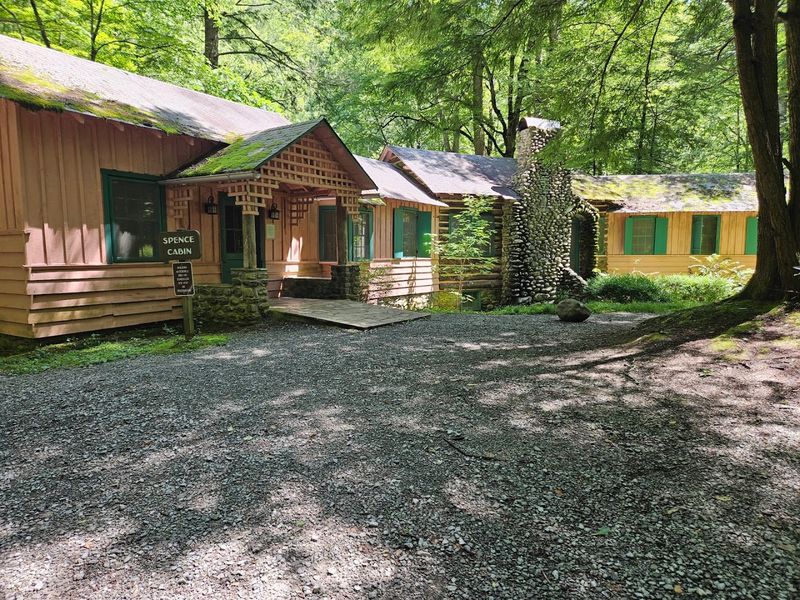
Elkmont tells a different kind of mountain story—one about wealthy families who built summer retreats here in the early 1900s. This collection of vacation cottages and a former logging community now sits abandoned, creating an eerie but fascinating glimpse into a vanished way of life.
Walking among the decaying structures feels like exploring a time capsule.
Two main areas make up Elkmont: the Daisy Town logging camp and the Wonderland Club resort area. The logging camp housed workers who cut timber from these mountains before the national park was created.
The resort section featured elaborate cottages where well-to-do families escaped summer heat, enjoying mountain air and social gatherings.
Many buildings are in rough shape now, with collapsed roofs and vegetation growing through floors. Some structures have been stabilized or restored, but others continue deteriorating.
The National Park Service has worked to preserve certain buildings while letting others return to nature.
The whole area has an atmospheric, slightly spooky quality that’s especially strong on foggy days. Photographers find endless subjects here—peeling paint, broken windows, and nature reclaiming human spaces.
A short walk from the parking area takes you through the main ghost town section, though exploring thoroughly could take an hour or more.
6. Walker Sisters Place
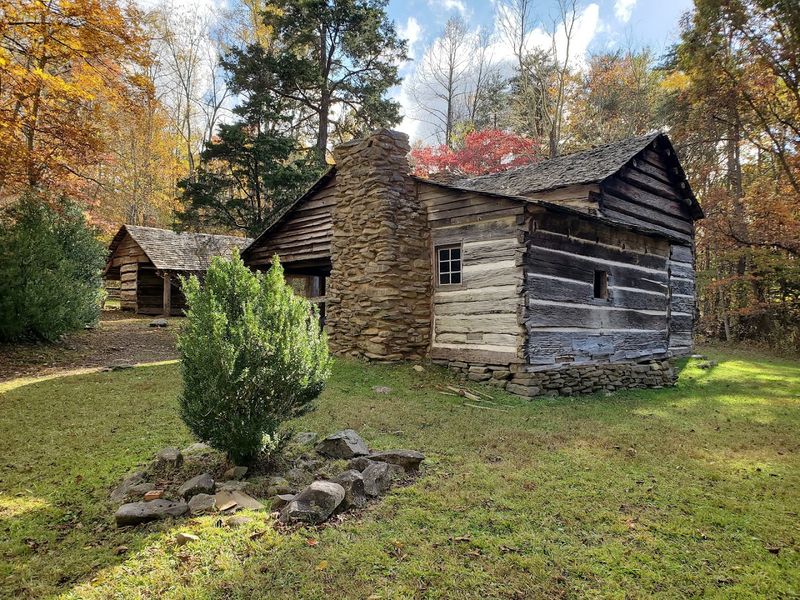
Five sisters lived in this remote cabin well into the 1960s, maintaining a traditional mountain lifestyle long after most people had moved away. The Walker Sisters became famous for refusing to leave when the national park was established, earning lifetime leases that let them stay in their family home.
Their story represents mountain independence and attachment to ancestral land.
Reaching the Walker Sisters Place requires a moderate hike of about 2.5 miles round trip, but the journey is part of the experience. The trail follows an old road bed through beautiful forest, eventually arriving at the homestead tucked into a quiet cove.
The cabin and outbuildings remain much as the sisters left them.
These women spun thread, wove cloth, grew vegetables, and lived without electricity or running water by choice. Tourists began visiting them in the 1940s and 50s, buying handmade items and hearing stories about old-time mountain life.
The sisters welcomed visitors with characteristic Appalachian hospitality.
Standing at their cabin now, you can imagine the sisters going about daily chores—tending chickens, working in the garden, preserving food for winter. Their determination to maintain traditional ways in a changing world makes this site especially meaningful for understanding mountain culture and values.
7. Little Greenbrier School
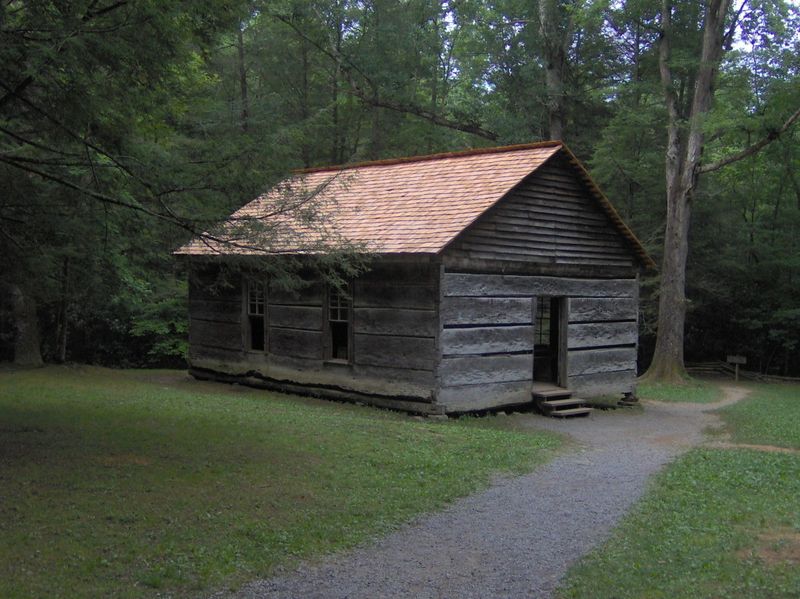
One-room schoolhouses were once common in rural America, but few remain as well-preserved as Little Greenbrier School. Built in the 1880s, this simple frame building educated mountain children for decades, with one teacher handling all grades simultaneously.
The school represents how isolated communities prioritized education despite limited resources.
Getting here involves a pleasant hike of about four miles round trip on a relatively easy trail. The schoolhouse sits in a clearing that also includes the Walker Sisters Place, so you can visit both historic sites in one trip.
The building’s plain construction reflects the community’s practical approach—nothing fancy, just functional space for learning.
Inside, you can see the basic setup: wooden benches, a teacher’s desk, and a potbellied stove for heat. Students brought their own lunches and walked miles through the mountains to attend classes.
Imagine learning reading, writing, and arithmetic in this small space with siblings and neighbors of all ages.
The school closed in 1936 when the national park was established and families relocated. Today it stands as a reminder of mountain education and the value these communities placed on teaching their children despite geographic isolation.
The surrounding forest has grown up around the clearing, creating a peaceful, contemplative atmosphere.
8. Great Smoky Mountains Heritage Center
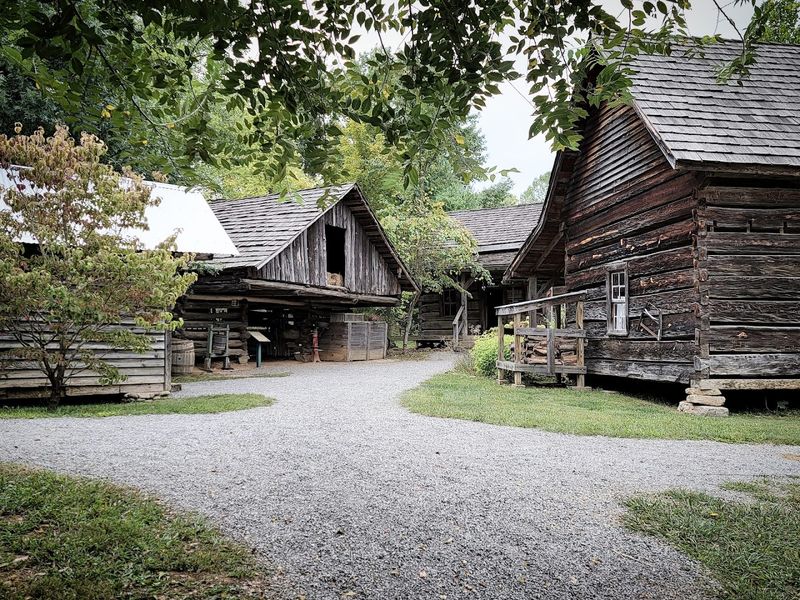
Located in Townsend, Tennessee, just outside the national park, this museum offers comprehensive exhibits about Smoky Mountains history and Appalachian culture. Unlike the outdoor historic sites, the Heritage Center provides context through artifacts, photographs, and interpretive displays that explain how people lived and worked in these mountains.
It’s an excellent educational complement to visiting actual historic structures.
The museum campus includes several buildings featuring different aspects of mountain life—from Cherokee heritage to pioneer settlement to the logging industry that once dominated the region. You’ll see tools, household items, clothing, and other objects that bring history to life.
Rotating exhibits ensure there’s often something new to discover even on repeat visits.
Outside, the grounds feature a historic cabin, blacksmith shop, and other structures that you can explore. During special events, the center hosts demonstrations of traditional crafts like basket weaving, pottery, and woodworking.
These hands-on programs help visitors understand the skills mountain people needed for daily survival.
The Heritage Center charges a modest admission fee, but the quality of exhibits justifies the cost. Friendly staff members are knowledgeable about local history and happy to answer questions.
Plan to spend at least an hour here, though history enthusiasts could easily fill an entire afternoon.
9. Tuckaleechee Caverns
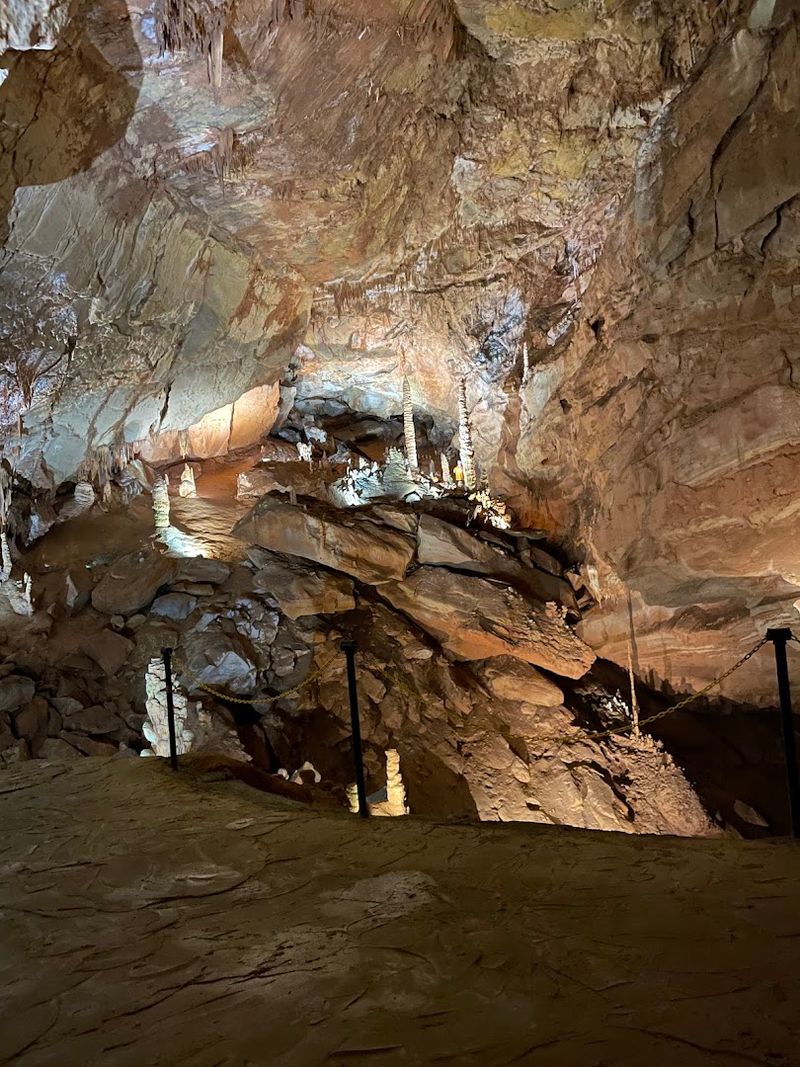
While technically a natural rather than cultural historic site, Tuckaleechee Caverns hold significant historical importance for the region. Cherokee people knew about these caves long before European settlement, and early settlers explored them by torchlight in the 1800s.
The caverns opened as a tourist attraction in the 1950s, making them one of Tennessee’s oldest commercial caves.
Located near Townsend, the caverns feature massive rooms filled with stunning formations—stalactites, stalagmites, flowstone, and underground waterfalls. The Big Room measures 400 feet long with ceilings reaching 150 feet high, creating a cathedral-like space underground.
Guided tours last about an hour and cover nearly a mile of paved walkways.
The temperature inside stays around 58 degrees year-round, so bring a jacket even on hot summer days. Professional guides explain how the formations developed over millions of years and share stories about early exploration.
The caverns maintain their natural state, with minimal artificial alteration beyond lighting and walkways.
For history buffs, the human connection to these caves adds extra interest beyond geological wonders. Imagining Cherokee hunters taking shelter here or pioneer families exploring by flickering torchlight connects you to generations of people who marveled at this underground world.
The caverns operate seasonally, typically from spring through fall.
Share this story