
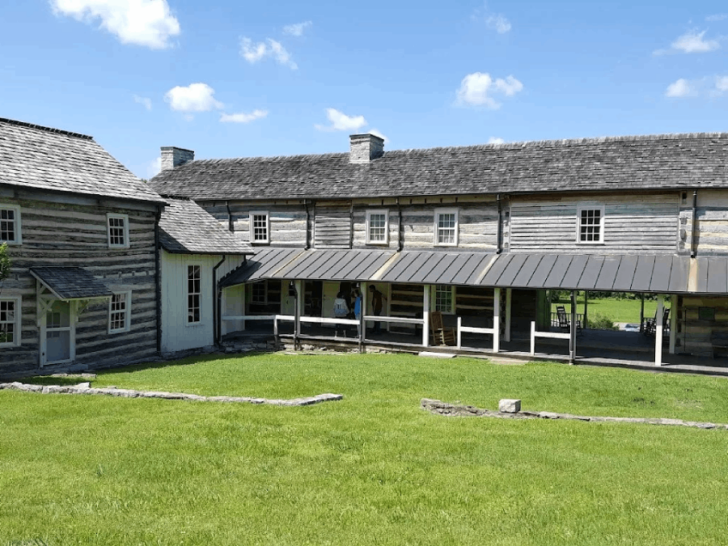
Tennessee holds some of America’s most powerful historical treasures, from Civil War battlefields to ancient Native American villages. Walking through these preserved locations gives you an authentic connection to the people and events that shaped our nation. Each site tells its own remarkable story through original buildings, artifacts, and landscapes frozen in time.
Whether you’re a history buff or just curious about the past, these nine destinations will transport you to different eras of Tennessee’s fascinating heritage.
1. Shiloh National Military Park — Shiloh
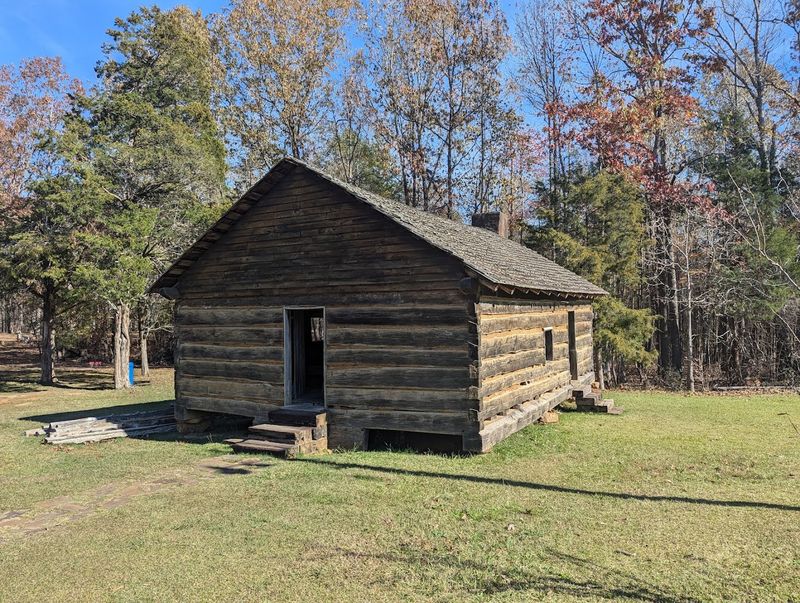
Over 23,000 soldiers fell during two days of brutal fighting at Shiloh in April 1862, making it one of the Civil War’s deadliest encounters. The battlefield remains remarkably unchanged, with peaceful fields and forests that witnessed unimaginable violence. Monuments mark where regiments fought and fell throughout the 4,000-acre park.
Walking the preserved grounds, you’ll see original trenches, historic cabins, and the Hornet’s Nest where Union forces held their ground for hours. The national cemetery contains nearly 4,000 graves, most marked simply as “unknown.”
2. Andrew Jackson’s Hermitage — Hermitage
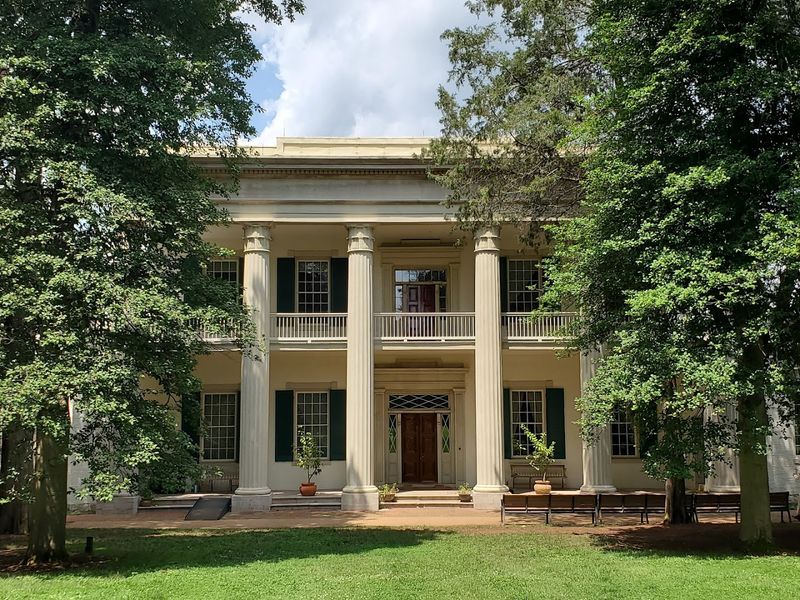
President Andrew Jackson’s Greek Revival mansion sits exactly as it did when Old Hickory lived here from 1804 until his death in 1845. Original wallpaper, furniture, and family portraits fill the rooms where Jackson made decisions that shaped America’s westward expansion. His tomb rests in the garden beside his beloved wife Rachel.
The 1,120-acre estate includes slave cabins that tell the difficult stories of the 150 enslaved people who worked this plantation. Costumed interpreters demonstrate 19th-century skills like blacksmithing and gardening using period-appropriate tools.
3. Fort Pillow State Historic Park — Henning
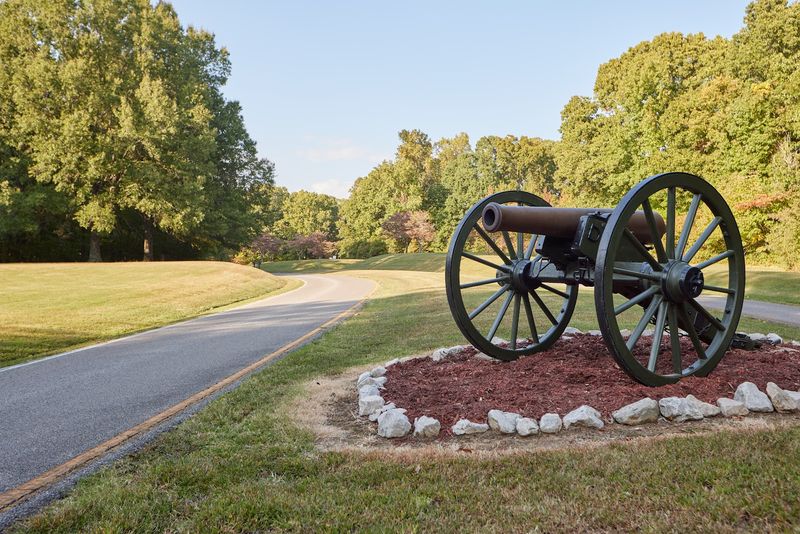
Perched high above the Mississippi River, Fort Pillow witnessed one of the Civil War’s most controversial battles in April 1864. Confederate forces under Nathan Bedford Forrest attacked the Union garrison, and what happened next remains debated by historians. The site’s earthworks have been carefully reconstructed to show how soldiers defended this strategic river position.
A museum interprets the complex and tragic events through artifacts, documents, and personal accounts from both sides. Walking trails lead through the fortifications where you can imagine the desperate fighting that occurred. The bluff offers stunning river views that explain why both armies wanted control of this location.
4. Carter House — Franklin
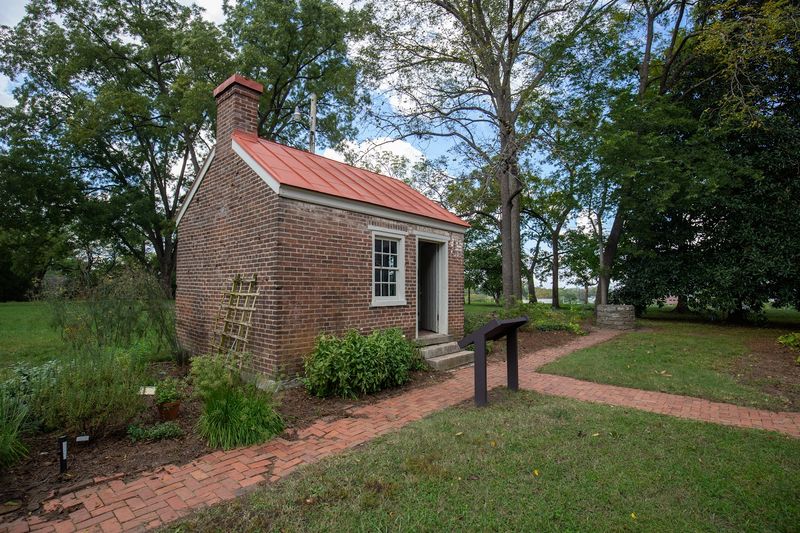
Hundreds of bullet holes still pockmark the walls of this 1830 brick home that stood in the center of the Battle of Franklin’s fiercest fighting. On November 30, 1864, Confederate troops launched a desperate frontal assault across open fields toward Union lines positioned around the Carter family’s property. The family and neighbors huddled terrified in the basement while bullets and cannonballs tore through their home.
Tod Carter, the family’s son fighting for the Confederacy, fell mortally wounded just yards from his childhood home. He died two days later in the house, never regaining consciousness. The preserved interior shows where families sheltered during the five-hour battle that killed or wounded nearly 10,000 men.
Guided tours reveal the human cost of war through the Carter family’s heartbreaking story.
5. Chucalissa Archaeological Site — Memphis
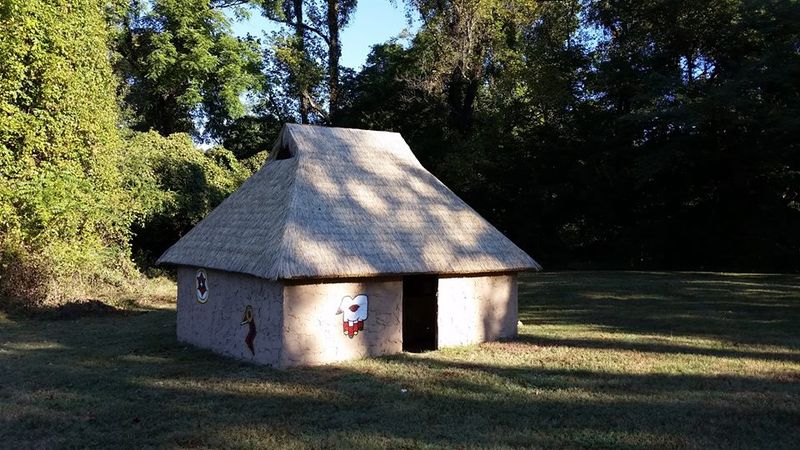
Long before European settlers arrived, a thriving Native American community built earthen mounds and lived here for over 500 years. The Mississippian culture created sophisticated settlements with temple mounds, plazas, and organized neighborhoods. Archaeological excavations have uncovered thousands of artifacts revealing daily life from 1000 to 1550 CE.
Reconstructed dwellings show how families lived, cooked, and worked using materials from the surrounding forests and river. Platform mounds rise dramatically from the landscape, topped with buildings where leaders conducted ceremonies and governed. The museum displays pottery, tools, jewelry, and other objects that demonstrate the culture’s artistic achievements and trading networks.
6. Ryman Auditorium — Nashville
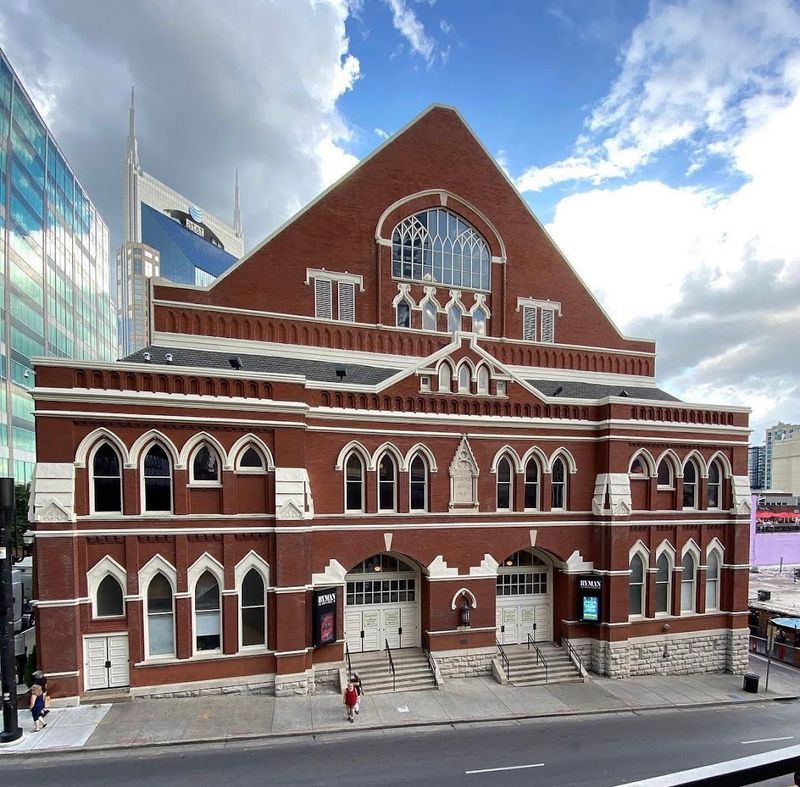
Built in 1892 as a tabernacle for revival meetings, this red-brick building became country music’s most sacred venue. The Grand Ole Opry broadcast from the Ryman’s stage from 1943 to 1974, launching legends like Patsy Cline, Hank Williams, and Johnny Cash. Original wooden pews still fill the main floor where audiences sat for both sermons and honky-tonk performances.
The building’s exceptional acoustics made every note ring clear without amplification in the days before modern sound systems. Backstage areas preserve dressing rooms where nervous performers prepared for their Opry debuts.
Today, the Ryman hosts concerts year-round, and stepping inside feels like entering country music’s living history book.
7. Fort Granger — Franklin
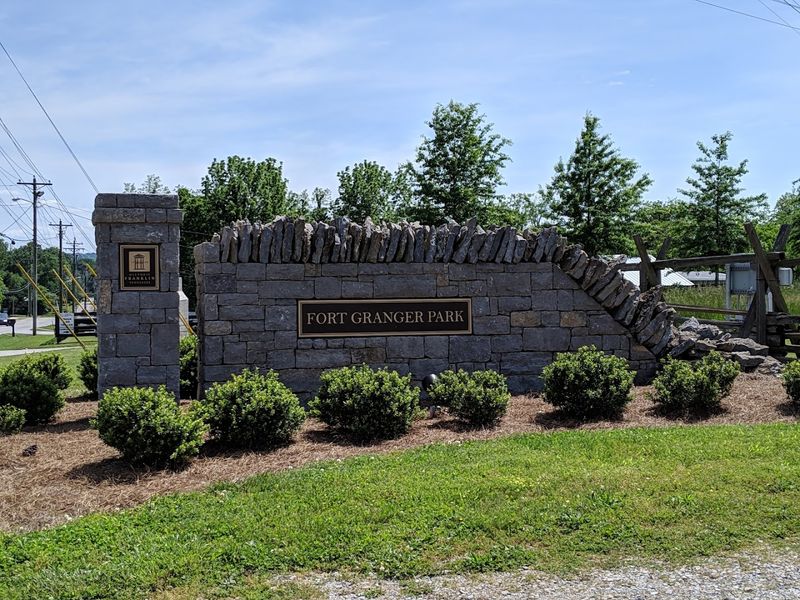
Union soldiers spent months in 1862 constructing a massive earthen fort on a hill commanding views of Franklin and the surrounding countryside. The star-shaped fortification could hold artillery and hundreds of troops defending the Nashville and Columbia Turnpike below. Confederate forces never successfully captured it, though they tried during multiple campaigns.
Today, you can walk through the preserved earthworks and trenches where Union soldiers stood guard. Interpretive signs explain how the fort’s design used overlapping fields of fire to defend against attacks from any direction. The hilltop position offers panoramic views that show why military planners chose this strategic location.
8. Rocky Mount State Historic Site — Piney Flats
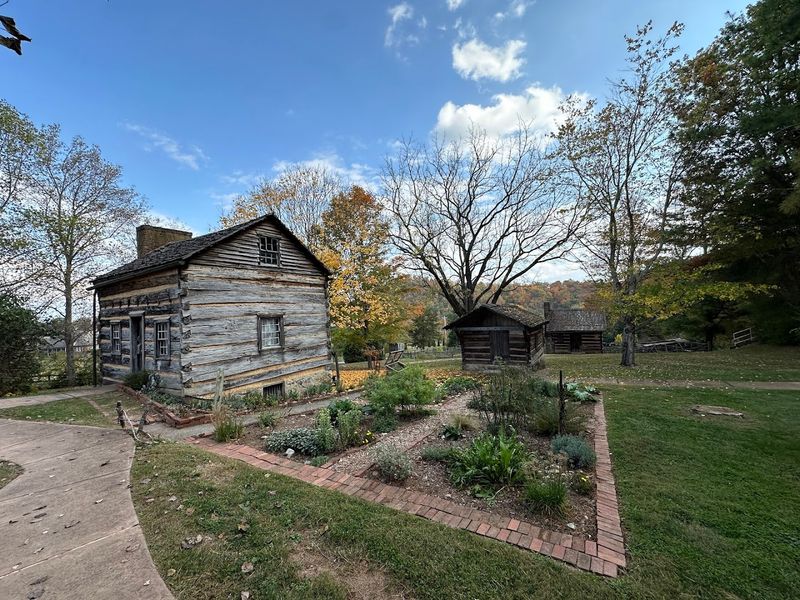
This reconstructed frontier settlement served as the capital of the Southwest Territory from 1790 to 1792, making it Tennessee’s first seat of government. William Cobb’s two-story log home housed territorial governor William Blount as he worked to organize the region for eventual statehood. The original structure burned, but careful reconstruction using 18th-century techniques recreated the buildings exactly as they appeared.
Costumed interpreters demonstrate frontier skills like spinning, weaving, and cooking over open hearths using period recipes. Outbuildings include a smokehouse, loom house, and kitchen that show how frontier families lived and worked.
9. Wynnewood State Historic Site — Castalian Springs
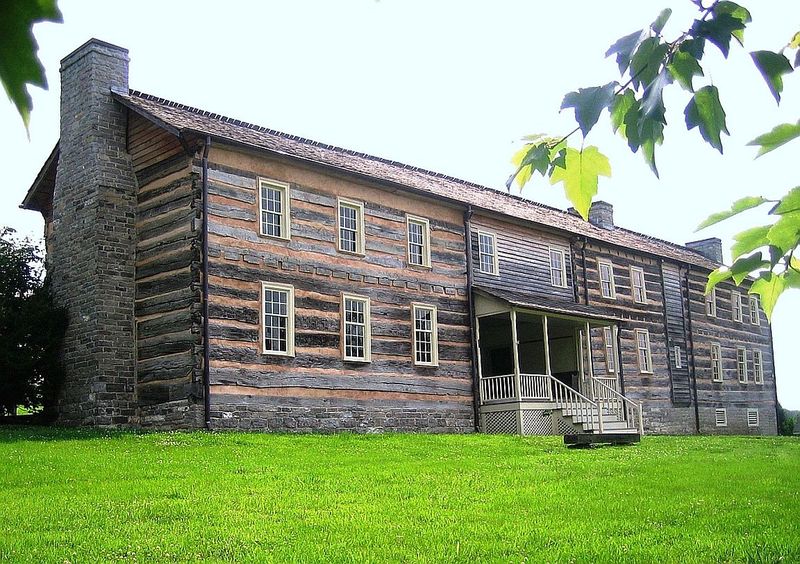
Measuring 110 feet long, this enormous log structure ranks among Tennessee’s largest historic wooden buildings still standing. Built in the 1820s, Wynnewood served as a stagecoach inn, mineral springs resort, and overnight stop for travelers on the Avery Trace between Kentucky and Nashville. The hand-hewn logs and original construction techniques showcase frontier building skills at their finest.
The building’s massive scale accommodated dozens of travelers, their horses, and freight wagons simultaneously. Original furnishings and artifacts fill the rooms, showing how innkeepers served meals and provided lodging on the frontier.