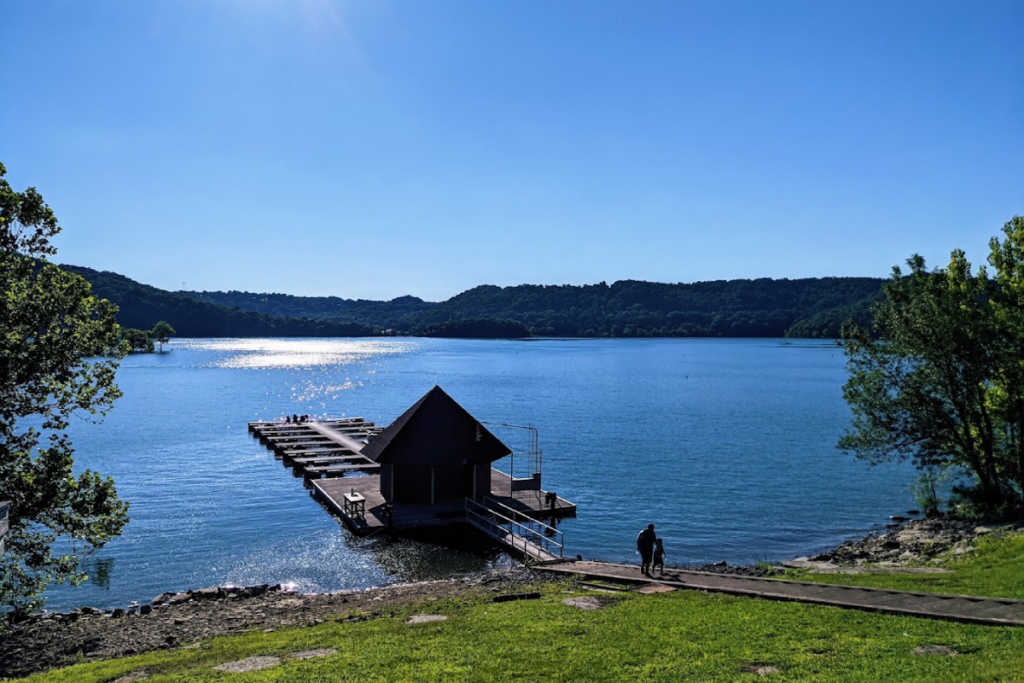
Cookeville sits right in the heart of Tennessee’s Upper Cumberland region, surrounded by some of the most beautiful natural landscapes in the state. Within an hour’s drive, you’ll find waterfalls that tumble over rocky cliffs, peaceful lakes perfect for a quiet afternoon, and miles of trails that wind through forests and gorges.
Whether you’re looking for a quick escape from town or planning a full weekend adventure, these nine nature spots offer something special for every outdoor lover.
1. Cummins Falls State Park
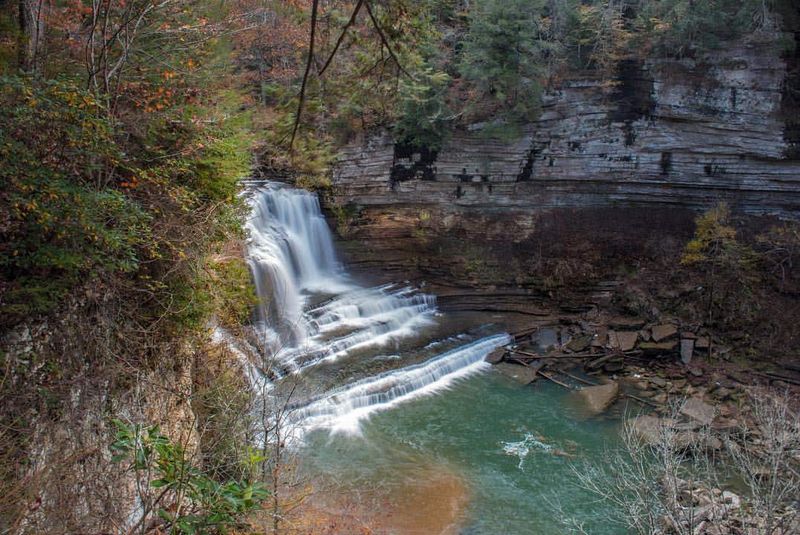
Pack your swimsuit and prepare for one of the most rewarding hikes in Middle Tennessee. Cummins Falls drops 75 feet into a wide, swimmable pool that’s become legendary among locals who know where to find the best natural swimming holes.
The hike down follows the Blackburn Fork State Scenic River, crossing rocky terrain that gets your heart pumping just enough to make that cool water feel amazing when you finally reach it.
This isn’t your typical walk-in-the-park experience. The trail covers about a mile and a half roundtrip, but it involves scrambling over boulders, wading through shallow water, and navigating some uneven ground.
Good hiking shoes with grip are essential, and you’ll want to bring a dry bag for anything you don’t want getting wet. During summer weekends, the park limits the number of visitors to protect the natural area, so reservations are strongly recommended.
The gorge itself tells a geological story millions of years in the making. Limestone walls rise on either side of the river, carved smooth by centuries of flowing water.
In spring, wildflowers dot the banks, while fall brings a canopy of gold and crimson overhead. Winter transforms the falls into a frozen sculpture, though the trail becomes significantly more challenging in cold weather.
Families with older kids who are comfortable with moderate physical activity will find this adventure unforgettable. Younger children or those with mobility concerns might struggle with the terrain.
Arrive early on weekends to secure parking and avoid the midday crowds. The park doesn’t have many amenities beyond basic restrooms at the trailhead, so bring plenty of water, snacks, and sun protection.
Cell service is spotty once you head down the trail. Despite requiring some effort, Cummins Falls delivers an authentic Tennessee wilderness experience that feels miles away from civilization, even though it’s just a short drive from Cookeville.
2. Burgess Falls State Park
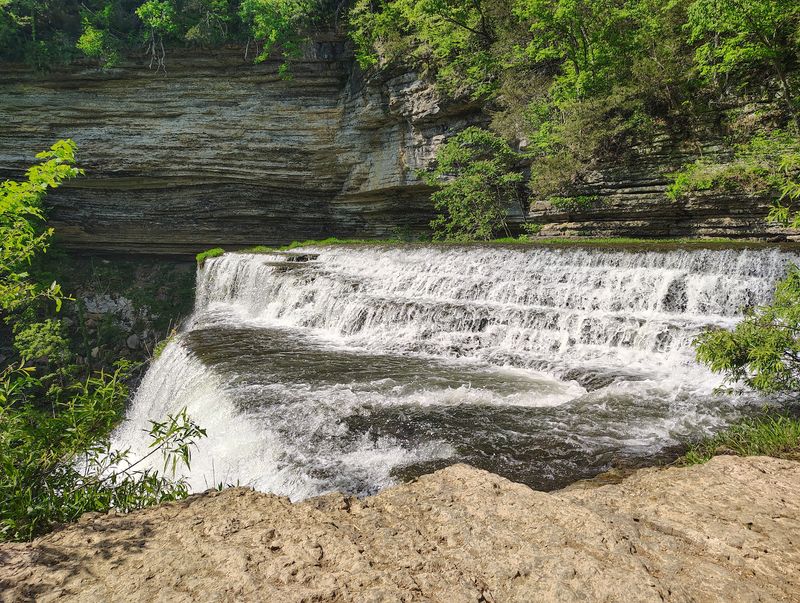
Four distinct waterfalls await along a single trail that follows the Falling Water River downstream. The finale? A spectacular 136-foot plunge that ranks among Tennessee’s most photographed natural wonders. Even better, the main overlook sits just a short walk from the parking area, making this gorgeous scenery accessible to almost everyone.
The easy .75-mile River Trail takes you past the first three falls, each with its own character and viewing platform. You’ll hear the water before you see it, a constant rumble that grows louder as you approach each cascade.
The path is paved and relatively flat, perfect for families with strollers or visitors who prefer a gentler outdoor experience. Benches along the way offer spots to rest and soak in the river views.
For those seeking more adventure, the 1.5-mile Cane Creek Overlook Trail branches off and climbs to higher vantage points. This route is steeper and more rugged but rewards hikers with panoramic views of the gorge and surrounding forest.
Spring brings rushing water that makes the falls even more dramatic, while summer’s lower flows reveal more of the underlying rock formations.
The main overlook platform for the big falls provides an unobstructed view straight down into the misty gorge below. Rainbow formations often appear in the spray on sunny afternoons.
It’s a popular spot for proposals, family photos, and simply standing in awe of what water and time can create. Safety railings keep everyone secure while still allowing excellent photo opportunities.
Picnic tables near the parking area make this an ideal lunch-break destination. The park stays open year-round, and each season paints the gorge in different colors.
Ice formations in winter create an otherworldly landscape, though trails can be slippery. Wildflower enthusiasts will find dozens of species blooming along the trail edges from March through May.
Unlike some waterfall hikes that require serious endurance, Burgess Falls welcomes everyone from toddlers to grandparents, making it one of the most visitor-friendly natural attractions near Cookeville.
3. Fall Creek Falls State Park
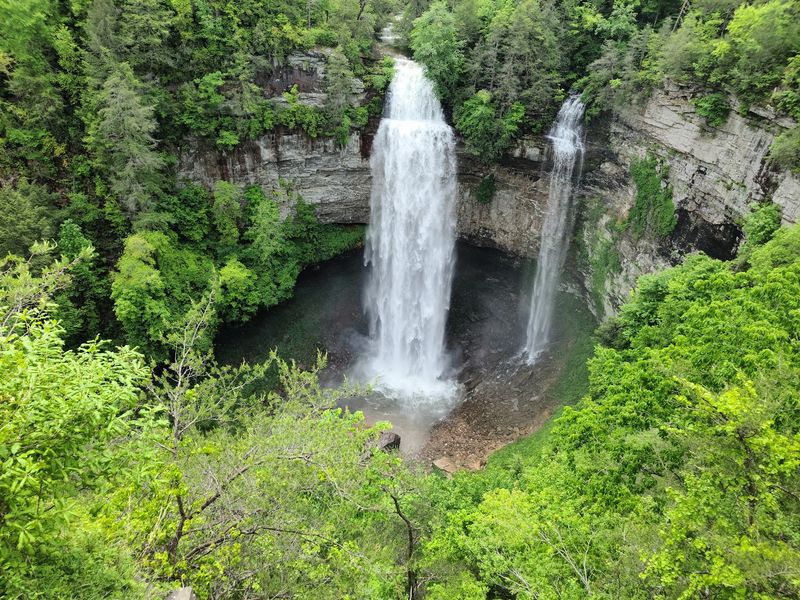
Tennessee’s largest state park by acreage doesn’t mess around when it comes to natural beauty. Fall Creek Falls plunges 256 feet, making it one of the tallest waterfalls east of the Mississippi River.
But that’s just the headline attraction in a park packed with gorges, cascades, rock houses, and over 56 miles of trails that could keep you exploring for days.
Five major waterfalls punctuate the landscape, each accessible by trails ranging from easy strolls to challenging backcountry routes. Cane Creek Falls and Cane Creek Cascades offer their own dramatic drops, while Piney Falls hides in a more secluded section of the park.
The overlooks have been thoughtfully designed to provide safe viewing while preserving the wild character of the gorges.
Beyond waterfalls, the park functions as a full-service outdoor resort. An 18-hole golf course, swimming pool, restaurant, and nature center provide amenities you wouldn’t expect in such a wild setting.
Overnight options include everything from primitive campsites to comfortable cabins with full kitchens and fireplaces. You could easily spend a long weekend here without running out of things to do.
The bike trails wind through hardwood forests and along ridgelines, offering a different perspective than hiking. Fishing enthusiasts cast lines into Fall Creek Lake for bass, bluegill, and catfish.
Horseback riding trails cover miles of terrain, and the park even has its own stable if you don’t bring your own mount. In winter, the trails see far fewer visitors but offer equally beautiful views without the summer crowds.
Suspension bridges span gorges at dizzying heights, adding a touch of adventure to several trails. Rock climbers find challenging routes on the limestone bluffs, though proper equipment and experience are essential.
The nature center offers programs that help visitors understand the geology, ecology, and history of this remarkable landscape.
Plan to spend more than a few hours here. Fall Creek Falls deserves at least a full day, and many visitors return season after season, always finding new corners to explore.
The drive from Cookeville takes about an hour, making it perfect for weekend getaways when you want a true escape into Tennessee’s wild side.
4. Rock Island State Park
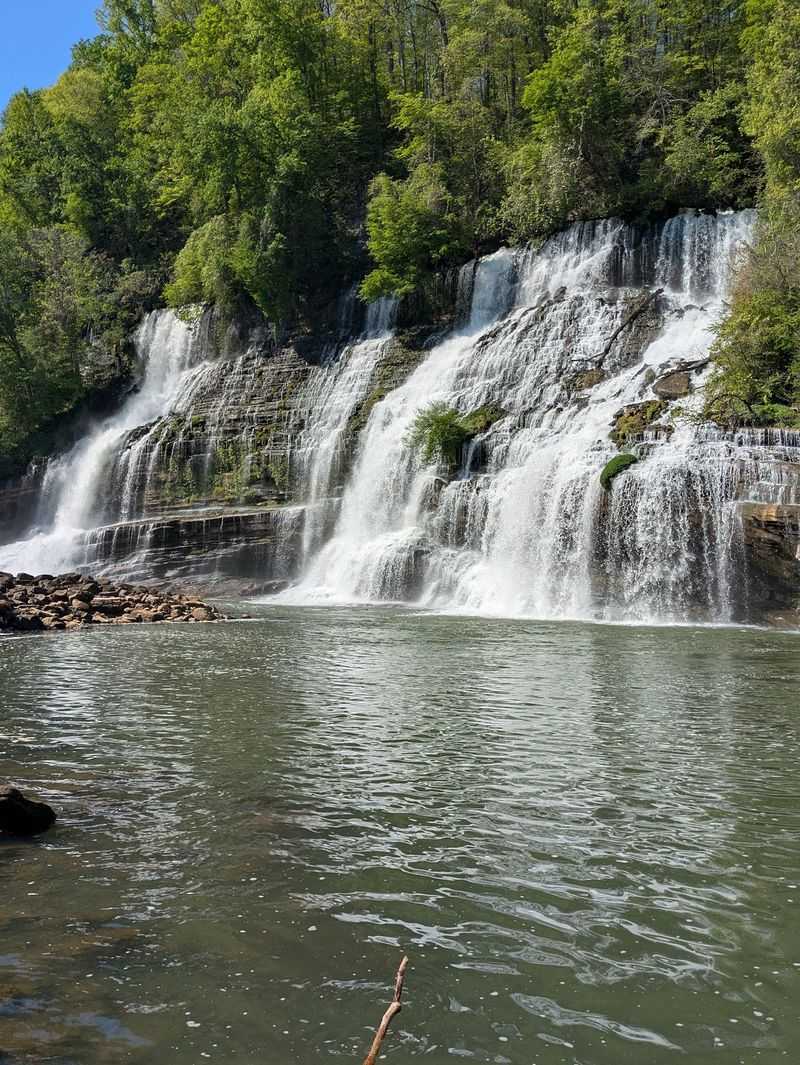
Where the Caney Fork, Collins, and Rocky rivers converge, Rock Island State Park creates a water lover’s paradise. Multiple waterfalls, deep swimming holes, and dramatic rock formations make this one of the most diverse natural playgrounds in the region.
The Great Falls of the Caney Fork drops in stages, creating pools and cascades that have drawn visitors for generations.
Swimming areas range from gentle wading spots perfect for young children to deeper pools where teenagers love to jump from rocks. The Twin Falls area offers two distinct cascades side by side, with observation platforms that provide excellent views without requiring difficult hikes.
During hot summer days, these swimming holes become community gathering spots where locals and visitors mingle in the cool, clear water.
Kayakers and paddlers find challenging whitewater below the falls, though this requires skill and proper safety equipment. The calmer sections upstream offer more relaxed paddling experiences.
Fishing is popular year-round, with smallmouth bass, rock bass, and catfish among the common catches. You’ll need a Tennessee fishing license, available online or at local sporting goods stores.
The park’s history adds another layer of interest. Old mill ruins and remnants of early hydroelectric operations dot the landscape, reminders of when this area powered industries and communities.
Interpretive signs explain how the falls were harnessed for energy long before modern dams existed. Some of the stone structures have stood for over a century, slowly being reclaimed by vegetation.
Hiking trails connect the various falls and overlooks, with options for short walks or longer explorations. The terrain varies from easy riverside paths to steeper climbs that reward effort with panoramic views of the gorge.
Picnic areas with grills make this an excellent spot for outdoor meals, and the large pavilions can be reserved for group gatherings.
Camping options include both RV sites with hookups and primitive tent areas tucked into the woods. Waking up to the sound of rushing water and birdsong sets the tone for peaceful mornings.
The park stays open year-round, though swimming is obviously seasonal. Fall foliage reflected in the pools creates stunning photo opportunities, and winter’s lower water levels reveal rock formations usually hidden beneath the surface.
5. Virgin Falls State Natural Area
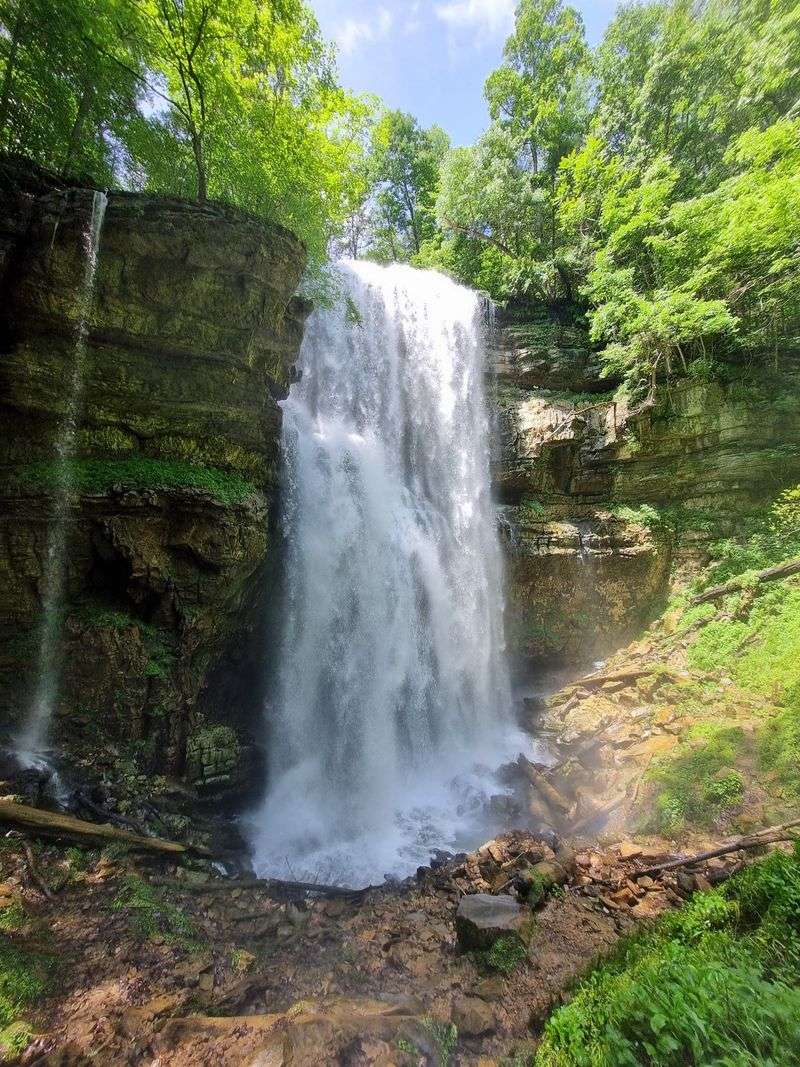
Here’s something you don’t see every day: a waterfall that emerges from one cave and disappears into another. Virgin Falls performs this geological magic trick in a remote natural area that requires commitment to reach.
The 8-mile roundtrip hike keeps casual visitors away, which means those who make the journey often have this wonder mostly to themselves.
The trail descends into a gorge, crosses streams, and winds through old-growth forest before reaching the falls. Along the way, you’ll pass Big Laurel Falls and several smaller cascades that would be headline attractions in less spectacular parks.
The path is well-maintained but challenging, with steep sections, rock scrambles, and stream crossings that can be tricky after heavy rain. Sturdy boots and trekking poles earn their keep on this hike.
Virgin Falls itself drops 110 feet from the mouth of a cave, creating a curtain of water that seems to appear from solid rock. The pool at the base swirls briefly before vanishing into another cave opening, continuing its underground journey.
The constant temperature of cave water means the falls run year-round, though flow varies with seasonal rainfall. The amphitheater of rock surrounding the falls creates natural acoustics that amplify the water’s roar.
This is backcountry hiking, so come prepared. Cell service is nonexistent once you leave the parking area.
Bring plenty of water, snacks, a first-aid kit, and a map. The trail is marked, but having a backup navigation method is smart.
Weather can change quickly in the gorge, so pack layers even on warm days. Starting early gives you more daylight for the return trip and helps you avoid afternoon thunderstorms common in summer.
Primitive camping is allowed in designated areas for those wanting to turn this into an overnight adventure. Imagine falling asleep to the sound of the falls and waking to mist rising from the gorge at dawn.
No fires are permitted, so bring a camp stove for cooking. Everything you pack in must come out, including all trash.
The natural area protects rare plant species and delicate cave ecosystems. Stay on marked trails and never enter the caves themselves, which are fragile environments home to unique species.
This isn’t a place for large groups or anyone looking for an easy outing. But for experienced hikers seeking genuine wilderness and one of Tennessee’s most unusual waterfalls, Virgin Falls delivers an unforgettable experience.
6. Window Cliffs State Natural Area
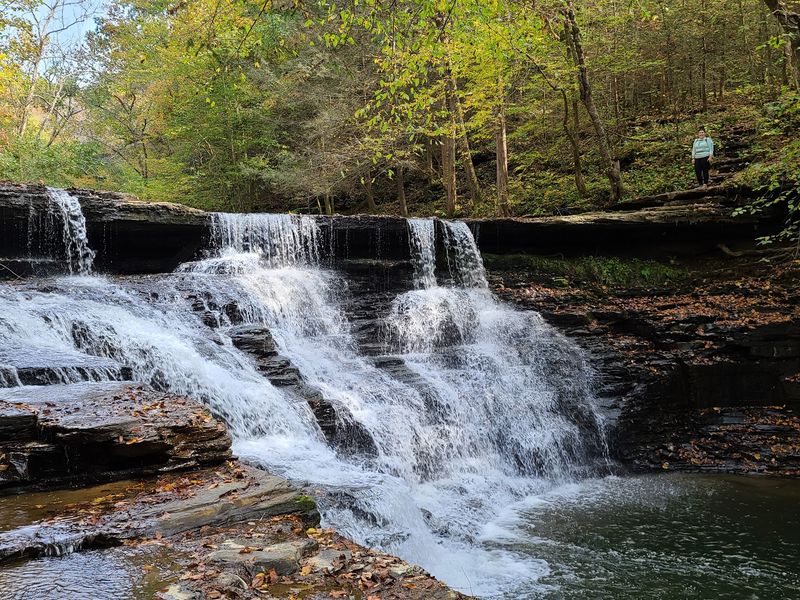
A natural stone arch frames views of the Caney Fork Valley like a picture window carved by millions of years of erosion. Window Cliffs gets its name from this remarkable geological formation, a massive opening in the bluff that creates one of the most photogenic spots in the Cumberland Plateau.
The hike to reach it covers about 4 miles roundtrip with moderate elevation changes that get your blood pumping without being brutal.
The trail begins at the Scott’s Gulf parking area and follows the rim of the gorge through mixed hardwood forest. Overlooks along the way provide glimpses of the valley below, but save your camera battery for the main event.
When you finally reach Window Cliffs, the scale becomes apparent: this isn’t a small arch but a genuine window in the rock face, large enough to walk through and tall enough to make you feel tiny.
Standing in the opening, you can see for miles across the valley. The perspective shifts depending on where you position yourself within the arch.
The surrounding area offers additional exploration for those with energy left. Side trails lead to other overlooks and rock formations, though they’re less developed and require more caution.
Wildflowers bloom in cracks and crevices throughout spring and early summer. In fall, the valley becomes a patchwork of red, orange, and gold that stretches to the horizon.
This natural area sees fewer visitors than more famous parks, partly because it requires more effort to reach and partly because it’s less publicized. That means you might have the Window to yourself, especially on weekdays or during shoulder seasons.
The quiet adds to the experience, allowing you to hear wind whistling through the arch and birds calling from the valley below.
Safety matters here. There are no railings or barriers at the overlooks. Watch your footing, especially if rocks are wet or icy. Keep children close and under control.
The drop is significant and unforgiving. Respect the natural area by staying on established trails and packing out all trash.
The parking area is small, so arrive early on nice weekends. This is a place that rewards those who seek it out with views and experiences that feel truly special.
7. Cane Creek Park
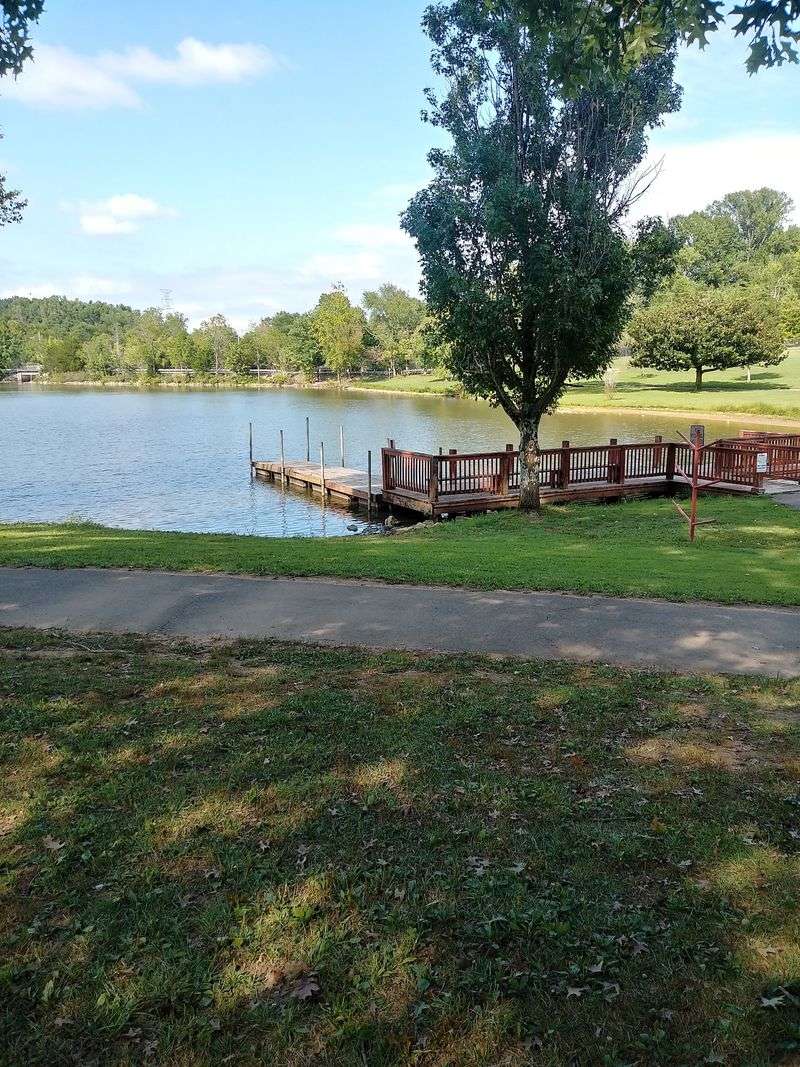
Sometimes you want nature without the drama of gorges and waterfalls. Cane Creek Park delivers exactly that: a relaxed, accessible green space right in Cookeville where you can spend a few hours or a whole afternoon without breaking a sweat.
The centerpiece is a scenic lake that reflects the sky and surrounding trees, creating postcard views from multiple angles.
Walking trails loop around the lake and through wooded areas, paved and flat enough for strollers, wheelchairs, and anyone who prefers easy terrain. Benches appear at regular intervals, perfect for resting, reading, or just watching ducks paddle by.
The trails connect to playgrounds, picnic shelters, and open fields where families spread blankets or toss frisbees. It’s the kind of park where you might see grandparents walking with toddlers, joggers getting in their miles, and office workers eating lunch on a bench.
Fishing from the shore or the dock attracts anglers of all ages. Bass, bluegill, and catfish populate the lake, and you’ll often see parents teaching kids to bait hooks and cast lines.
The fishing is catch-and-release for some species, so check posted regulations. No boat launch exists, but the lake is small enough that shore fishing covers plenty of water.
Picnic shelters can be reserved for birthday parties, family reunions, or company outings. They include grills, tables, and nearby parking, taking the hassle out of outdoor gatherings.
Even without a reservation, you’ll find plenty of tables scattered throughout the park. The playground equipment caters to different age groups, with separate areas for toddlers and older children.
Sports facilities include tennis courts, disc golf, and open fields suitable for soccer or volleyball. The park hosts community events throughout the year, from outdoor concerts to seasonal festivals. It’s a genuine community hub where locals come not just for nature but for connection.
Unlike the remote natural areas that require planning and preparation, Cane Creek Park welcomes spontaneity. Forgot your hiking boots? No problem. Only have 30 minutes? That’s plenty. Want to bring your dog? Leashed pets are welcome.
The park stays open from dawn to dusk year-round, and there’s no entrance fee.
This is where Cookeville residents come to decompress after work, where families create weekend traditions, and where visitors find a peaceful break without driving far from town. It may not offer the dramatic scenery of Tennessee’s state parks, but its accessibility and versatility make it a nature getaway in its own right.
8. Standing Stone State Park
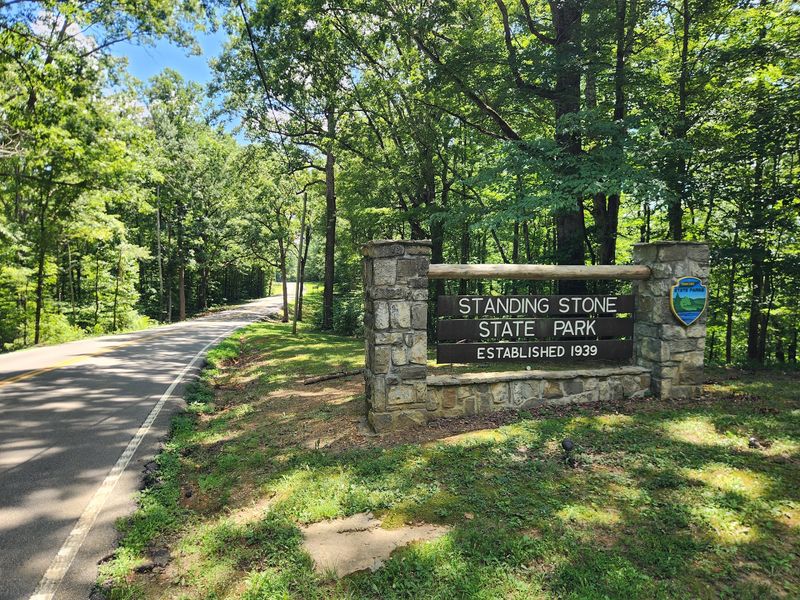
Quiet. That’s the word that comes to mind at Standing Stone State Park.
Tucked into the hills northeast of Cookeville, this park doesn’t shout for attention like its more famous neighbors. Instead, it offers something increasingly rare: genuine solitude in beautiful surroundings.
The 69-acre lake sits at the heart of the park, its calm surface mirroring the forest that rises on all sides.
Ten miles of hiking trails wind through the woods, ranging from easy lakeside walks to more challenging ridge routes. The trails aren’t dramatic or particularly difficult, but they provide exactly what many hikers crave: peaceful time in the woods.
You might spot white-tailed deer browsing in clearings, hear woodpeckers hammering on dead trees, or startle a great blue heron fishing along the shore. Wildlife sightings feel more likely here simply because fewer people mean less disturbance.
The lake allows non-motorized boats, making it perfect for kayaking, canoeing, or paddleboarding. Rentals are available during peak season if you don’t have your own watercraft.
Fishing from the shore, dock, or boat produces catches of bass, crappie, and catfish. The park maintains a swimming area during summer, though it’s modest compared to commercial water parks, which is exactly the point.
Cabins scattered throughout the park provide comfortable overnight options for those wanting more than a day trip. They’re simple but well-maintained, with kitchens, bathrooms, and screened porches where you can sit with morning coffee and watch the forest wake up.
Campgrounds offer both RV sites and tent areas, all set back in the woods rather than lined up in rows. The sense of space and privacy exceeds what you’ll find at busier parks.
Standing Stone gets its name from a large rock formation that once stood in the area, considered sacred by Native Americans. Though the original stone no longer stands, the park preserves the history and natural character of this special place.
Interpretive programs during summer teach visitors about local ecology, history, and wildlife.
Fall transforms the park into a showcase of color, with maples, oaks, and hickories competing for the brightest display. Winter brings a hushed quality, with ice patterns forming along the lake edges and bare trees revealing views hidden during leafy months.
Spring means wildflowers and migrating birds. Summer offers full shade and cool water.
This park rewards those seeking restoration over stimulation, quiet over excitement. It’s where you go to hear yourself think, to reconnect with simpler pleasures, and to remember why spending time in nature matters.
9. Edgar Evins State Park
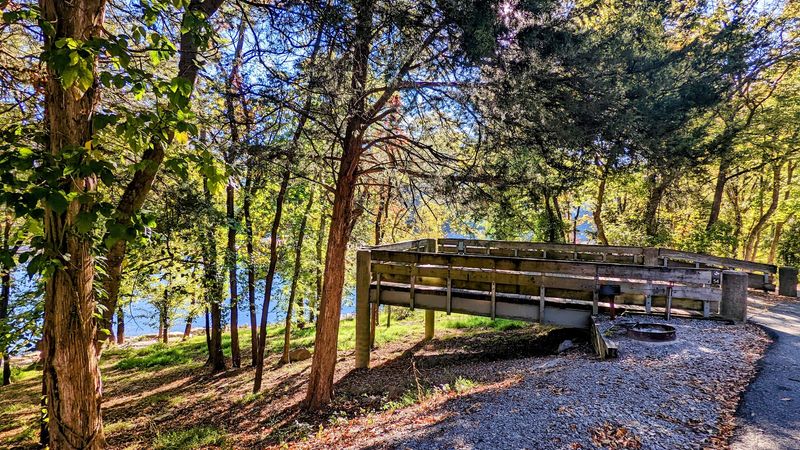
Center Hill Lake stretches for miles, its deep blue waters backed up behind one of Tennessee’s major dams. Edgar Evins State Park claims a prime piece of shoreline, offering access to all that water along with forest trails that climb the surrounding hills.
It’s a place where water sports and woodland hiking combine, giving visitors options whether they want to get wet or stay dry.
The marina serves as the hub for water activities. Boat rentals, a launch ramp, and fuel make it easy to get out on the lake for fishing, skiing, or just cruising.
Center Hill is known for excellent fishing, particularly for smallmouth bass, walleye, and trout in the tailwaters below the dam. Tournament anglers regularly compete here, and you’ll see serious fishing rigs at the launch on any given weekend.
If you prefer staying on land, six miles of hiking trails explore the wooded ridges above the lake. The trails aren’t exceptionally long or difficult, but they provide good exercise and nice views, especially in fall when the hardwood forest puts on its color show.
Overlooks along the trails offer glimpses of the lake below, where you can watch boats creating white wakes across the blue water.
Picnic areas with tables and grills dot the park, many positioned to take advantage of lake views. It’s an ideal spot for family gatherings or casual outdoor meals.
Playgrounds keep younger children entertained while adults relax in the shade. The park maintains a swimming beach during summer months, with a designated area marked off for safety.
Cabins and campsites provide overnight options for extended stays. The cabins sit on the hillside with views filtering through the trees to the water below.
Modern amenities include full kitchens and bathrooms, plus screened porches for bug-free evening relaxation. Campgrounds accommodate both RVs and tents, with some sites offering water and electric hookups.
The park’s location on Center Hill Lake means it attracts a different crowd than purely hiking-focused parks. You’ll see families with boats, anglers gearing up for early morning fishing trips, and water skiers enjoying smooth summer mornings. But there’s room for everyone, and the park manages to feel spacious rather than crowded even during busy weekends.
Sunset over the lake creates memorable moments, with the water reflecting orange and pink skies while the forested shoreline darkens to silhouette. It’s a scene that makes you understand why people keep coming back, why some families have been visiting for generations.
Edgar Evins offers that perfect combination of natural beauty and recreational opportunity that defines the best of Tennessee’s state parks.