You do not need a huge budget to uncover incredible treasures at Illinois flea markets. From sprawling outdoor markets to beloved community favorites, these bargain-hunting hotspots are packed with antiques, vintage collectibles, furniture, home décor, and unexpected finds waiting to be discovered.
Part of the excitement comes from never knowing what might be around the next corner—or how little it might cost. Whether you’re a seasoned collector, a weekend treasure hunter, or simply looking for a fun day trip, these 9 Illinois flea markets prove that some of the state’s best finds still come with surprisingly affordable price tags.
1. Swap-O-Rama Flea Market (Alsip)
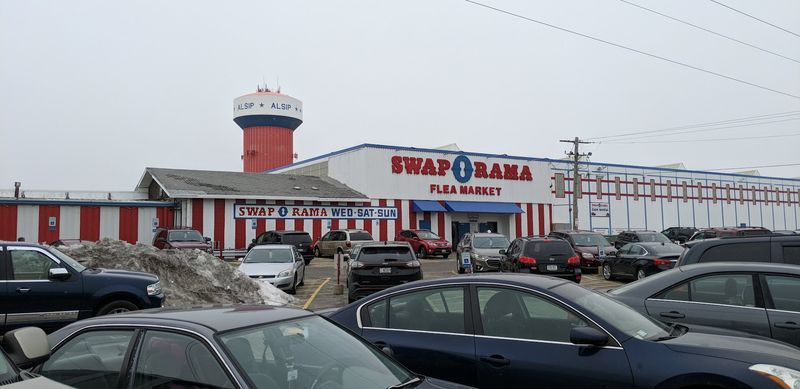
Start in Alsip if the goal is variety without blowing through your cash in the first twenty minutes. Swap-O-Rama has the kind of scale that rewards patience, with indoor booths, outdoor sellers, and a little bit of everything competing for your attention.
You can move from vintage glassware to toolboxes, then swing past sneakers, fruit, framed prints, and random kitchen gadgets before you even realize how far you have walked.
The smart play here is to keep an open list instead of a rigid one. Markets like this are strongest when you let price and surprise guide the day, because one booth may have affordable records while the next has practical winter gear or small furniture at numbers that beat many resale shops.
Budget shoppers tend to do well when they compare a few aisles before committing, especially on common items with multiple sellers.
There is also a nice balance between collectible shopping and everyday usefulness. One table might pull you in with old signs or costume jewelry, while another offers extension cords, cookware, socks, and phone accessories at prices that leave room for one more purchase.
That mix matters when you want a trip to feel fun and productive instead of becoming a hunt for only decorative pieces.
Timing helps, but attitude matters more. Showing up ready to browse, check condition, and politely ask about price can stretch your budget further than most first-time visitors expect.
Swap-O-Rama works best as a layered hunt, where the flashy find gets the attention, but the real win might be the solid, underpriced item you needed anyway and spotted three rows later near the back fence.
2. Buyer’s Flea Market (Chicago)
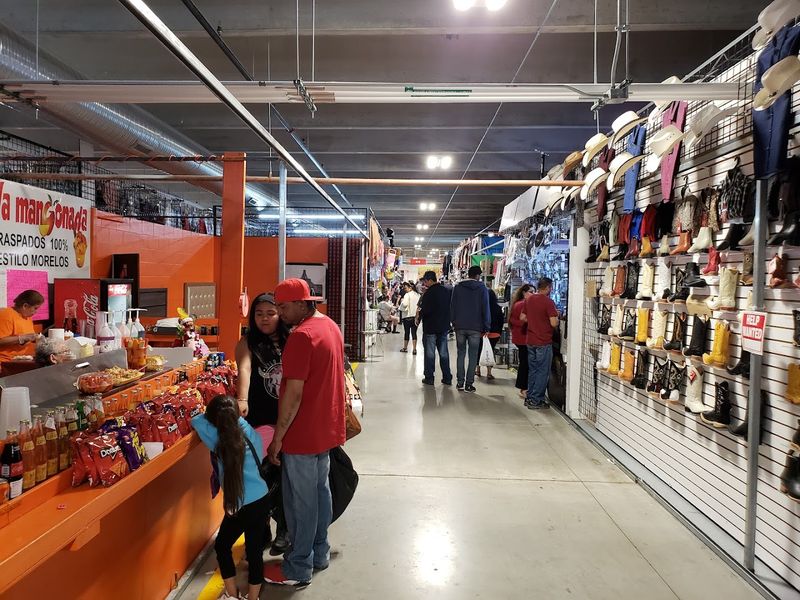
Chicago bargain hunters usually want two things at once: selection and shelter from the weather. Buyer’s Flea Market delivers that practical combo with a sprawling indoor setup where apparel, electronics, toys, housewares, and giftable oddities all compete for space.
The layout encourages wandering, and that works in your favor when your budget is modest but your wish list is all over the map.
This is the kind of market where a careful shopper can leave with both planned purchases and a few totally unplanned wins.
You might come for basic home items, then spot discounted headphones, a stack of kitchen towels, or a toy still in good shape for less than expected.
Prices often reflect the quick-moving, volume-based style that makes flea markets appealing in the first place, especially if you are comparing several booths before settling on one deal.
Another strength here is accessibility for shoppers who do not want to spend half the day decoding a niche antique scene.
There is plenty to browse, but the merchandise stays grounded in things people actually use, wear, plug in, or bring home right away.
That makes the market especially useful when you want the excitement of discovery without needing expert knowledge of vintage makers, pattern names, or collectible eras.
To get the most from Buyer’s, focus on categories instead of trying to inspect every table. Scan clothing first if basics are on your list, then circle toward electronics and home goods once you have a sense of prices.
The overall appeal is straightforward: a big city market with enough inventory to create real choice, and enough bargain energy to give your small budget room to do more than one thing.
3. Pickers Market (Litchfield)
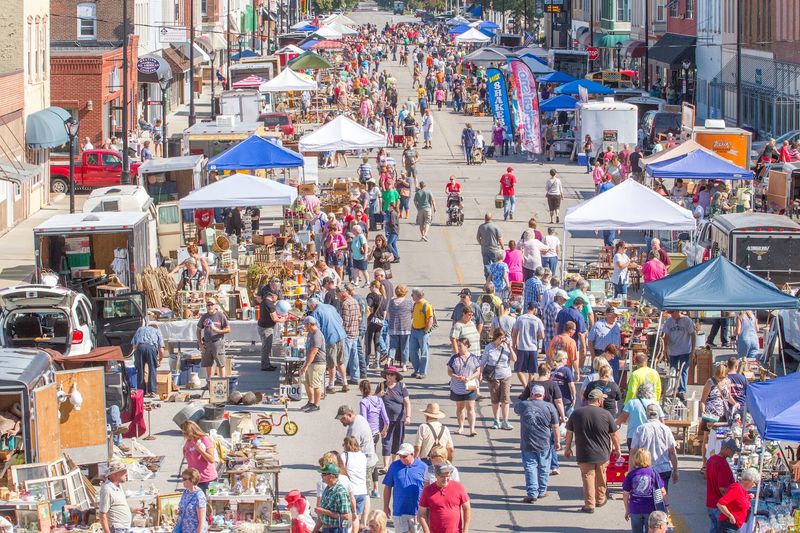
Litchfield is where the hunt gets a little dustier, a little more rustic, and often more rewarding for sharp-eyed shoppers.
Pickers Market leans into antiques, primitives, repurposed furniture, vintage decor, and the sort of worn-in collectibles that look better with age instead of despite it.
When your budget is small, that style can work in your favor, because less polished pieces often come with more negotiable pricing and more personality.
This is a strong stop for anyone outfitting a home with texture rather than showroom perfection. Chippy paint, weathered wood, old baskets, enamelware, stools, crocks, and small farm-related pieces can create depth in a space without requiring a designer markup.
Even when furniture is beyond the spending plan, the accessory category usually offers plenty of room to find one or two meaningful additions.
Pickers Market also encourages a slower pace than some larger, more crowded venues. That gives you a better chance to inspect condition, imagine alternate uses, and notice the booth tucked behind a busier row where the prices may be friendlier.
Repurposed items are especially worth a close look, since they can bridge the gap between decorative and practical in ways that justify the purchase more easily.
Go in expecting texture, not polish, and the value becomes easier to spot. A crate can become storage, a small bench can anchor an entryway, and a stack of old metal pieces can bring edge to a shelf that currently says very little.
Pickers Market suits budget treasure hunters who enjoy the search for pieces with grit, utility, and enough visual history to stand out once they get home.
4. Kane County Flea Market (St. Charles)
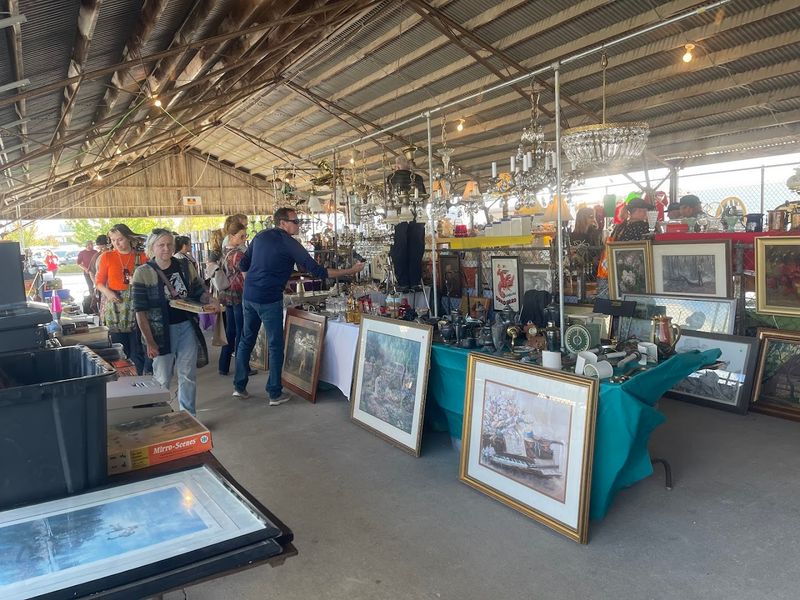
Head to St. Charles when you want a flea market day that can easily fill several hours without running out of fresh ground.
Kane County Flea Market has a large fairgrounds setting and a reputation for drawing dealers with antiques, furniture, collectibles, vintage decor, and the kind of unusual pieces that stop you mid-aisle.
Even on a small budget, the range matters, because plenty of sellers bring smaller, lower-cost items alongside the big statement pieces.
The trick here is not to get distracted by the first impressive booth. Large markets reward pacing, and Kane County especially benefits from one full loop before serious buying if time allows.
You may spot antique frames near the entrance, only to find better-priced barware, linens, postcards, tools, or ceramic pieces tucked deeper into the grounds where fewer shoppers crowd the tables.
This market also works well for people who enjoy mixing aspiration with practicality. Maybe the painted cabinet is out of budget, but a drawer pull, old scale, brass candlestick, or stack of vintage magazines can still deliver that same thrill at a much friendlier number.
There is value in looking at categories that larger antique malls often mark up, because flea market sellers sometimes move smaller goods quickly rather than hold out for premium pricing.
Bring comfortable shoes, a measured plan, and enough patience to inspect condition closely. You are not guaranteed a perfect bargain every few feet, but you are very likely to find multiple chances to buy smarter than you would in a curated boutique.
Kane County suits shoppers who enjoy the search itself, especially when the search includes affordable pieces with history, character, and more personality than standard retail shelves.
5. Wolff’s Flea Market (Rosemont)
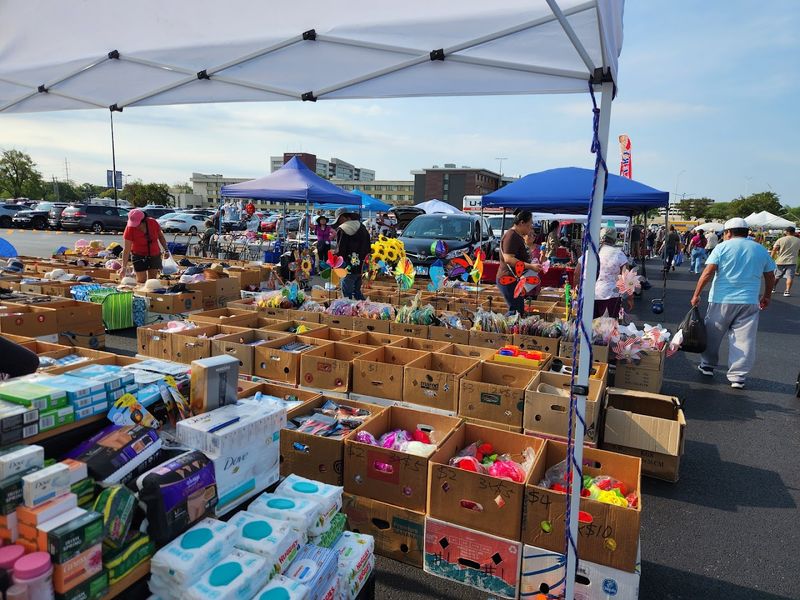
Rosemont brings serious scale to the bargain hunt, and Wolff’s Flea Market makes that obvious fast. Set at the Allstate Arena, it spreads out with rows of sellers offering antiques, collectibles, plants, clothing, tools, decor, and a rotating stream of useful oddities that can change the mood of a whole apartment for very little money.
For shoppers on a budget, that constant turnover is the hook, because inventory does not sit still long enough to become predictable.
You can approach Wolff’s with a plan, but flexibility usually pays off better. One aisle might deliver practical finds such as garden tools or storage pieces, while another turns into a goldmine of framed art, vintage kitchenware, or old sports memorabilia.
Prices can vary widely from booth to booth, which is good news when you are willing to compare and circle back instead of buying at the first decent number.
There is also a satisfying rough-edge quality to a market this large. Not every table is carefully curated, and that is part of the advantage for value seekers, because the less polished booths often hide the strongest prices.
Digging through boxes, scanning blankets on the ground, and giving an overlooked shelf a second glance can uncover the underpriced piece that polished vintage stores would have cleaned up and tagged far higher.
Come early enough for broad selection, but do not rush so much that you miss the side rows and modest setups. Wolff’s rewards eyes that stay curious and feet that keep moving, especially when your spending cap is firm.
Instead of chasing only showpiece antiques, aim for the mix that makes flea markets so satisfying: one useful item, one conversation piece, and one surprise you did not know you wanted until it appeared in front of you.
6. Market at the Square (Urbana)
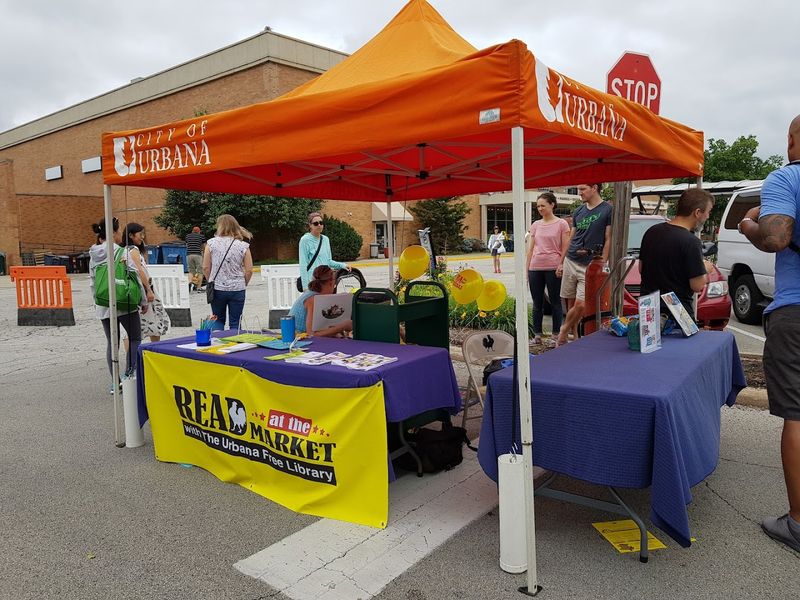
Urbana offers a different kind of budget-friendly market stop, one that leans local, open-air, and food-forward without losing the thrill of discovery.
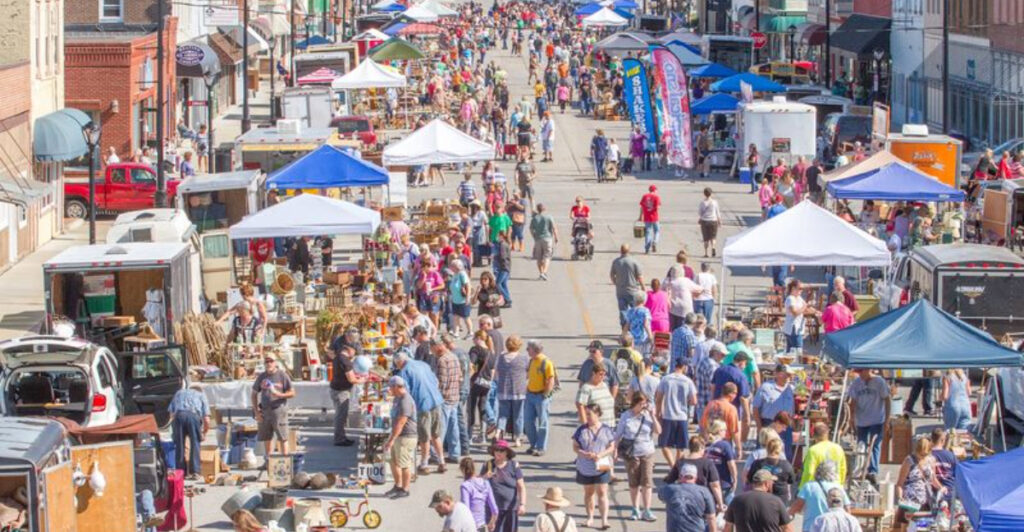
Market at the Square brings together farmers, bakers, artisans, and specialty sellers, so your shopping bag can shift from tomatoes and herbs to handmade soap, small gifts, or a loaf that disappears before you get home.
That blend gives you more ways to spend modestly while still leaving with something memorable. For practical shoppers, this market can be especially satisfying because many purchases pull double duty.
Fresh produce covers the weekly basics, while preserves, flowers, candles, ceramics, and handcrafted accessories add just enough personality to turn routine errands into a better morning.
The strongest strategy is to treat it like a flexible mix of grocery run and local maker browse, rather than separating needs from fun.
Because the setup is outdoors and vendor-driven, pacing matters in a different way than at giant flea grounds. It helps to scan the full stretch once, note which stands are busy for a reason, and then return for the items that match your budget and actual plans for the week.
Smaller handmade goods can be the best value here, especially when you want a useful, well-made item instead of another impulse buy that ends up forgotten in a drawer.
Market at the Square is ideal when your version of a great find includes flavor, freshness, and a personal touch. You may not leave with antique trunks or toolboxes, but you can easily score excellent produce, baked treats, and thoughtful gifts without overspending.
That makes this stop stand out in Illinois, especially for shoppers who appreciate markets where everyday needs and small indulgences share the same aisle under a line of tents.
7. 3rd Sunday Market (Bloomington)
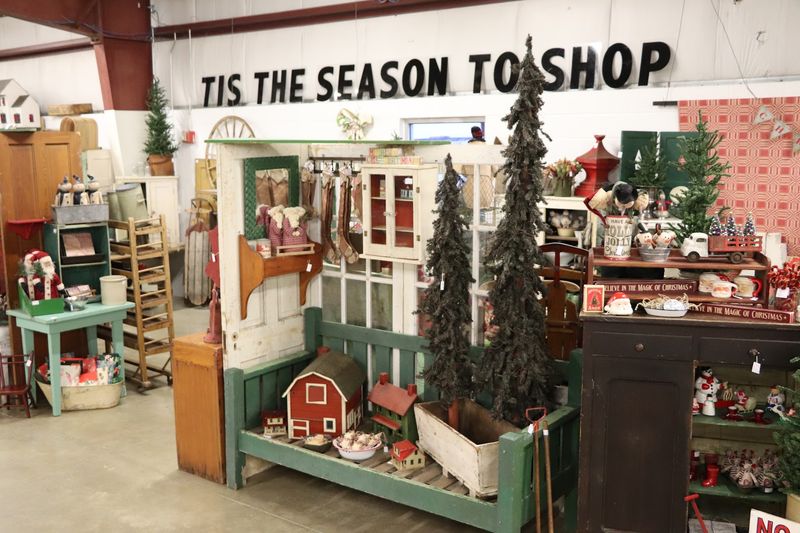
Bloomington’s 3rd Sunday Market has the kind of mix that makes careful browsers sharpen their focus. Antiques, vintage goods, handmade crafts, collectibles, and architectural salvage all show up here, creating a shopping field where a small budget can still land something distinctive.
Instead of chasing mass-produced basics, you get the chance to bring home a piece with age, texture, or just enough weirdness to make it memorable.
Architectural elements are a big part of the appeal, especially for shoppers decorating on a budget. Old windows, hardware, signs, wood pieces, and repurposed materials can add character to a room without requiring full-room renovation money.
Even if larger salvage items run high, related small pieces such as knobs, hooks, tins, or crates often deliver the same visual payoff for far less.
The market also balances serious collecting with approachable browsing. One vendor may specialize in tightly arranged antiques, while the next lays out handmade items or vintage household goods that are easier to fit into everyday budgets.
That variety helps you pivot quickly when one category prices out, because another booth may offer a completely different route to a strong find.
Your best move is to stay open to use beyond original purpose. A factory cart might be out of reach, but a salvaged drawer can become storage, an old sign can anchor a gallery wall, and a bundle of vintage tools can add texture to a shelf without trying too hard.
3rd Sunday Market suits shoppers who enjoy hunting for objects that carry visual punch, especially when those objects are still obtainable without emptying the wallet before lunch.
8. Rockford City Market (Rockford)
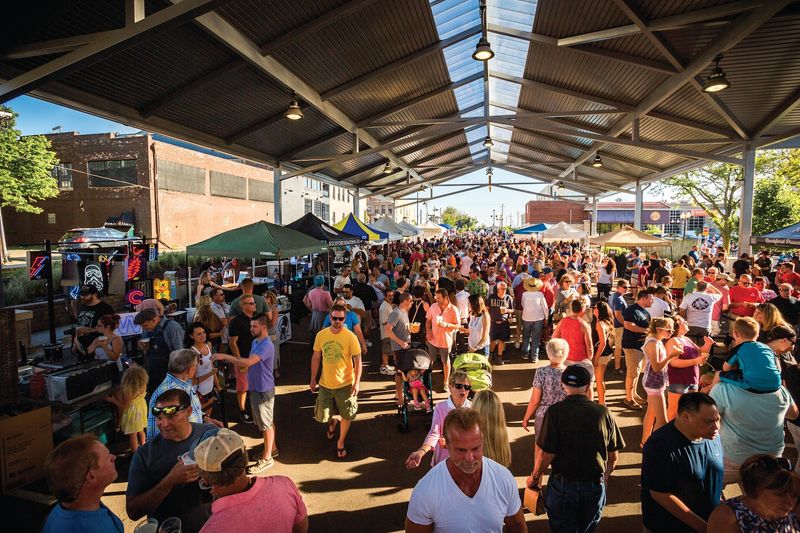
Rockford City Market plays by slightly different rules, and that is exactly why it earns a spot here. This downtown gathering blends local vendors, artisans, food stands, entertainment, and specialty products, giving you more of a community market setup than a classic rows-of-junk flea scene.
For budget-conscious shoppers, that variety creates a choose-your-own-adventure outing where you can browse, snack, and still find something original to bring home.
The merchandise tends to reward shoppers who want smaller, more personal purchases instead of big-ticket furniture or formal antiques. Think handmade goods, local specialties, gifts, accessories, pantry items, and the kind of practical or decorative pieces that fit easily into a tote bag and a modest spending plan.
When every purchase has to justify itself, markets like this can be easier to navigate because the scale of items stays manageable.
Another advantage is the surrounding energy of a downtown event. You can move between booths, pause for food, watch the crowd, then return with clearer eyes before deciding which item actually deserves your money.
That rhythm helps prevent rushed buying, and it also turns the outing into more than a straight transaction, which matters when you want entertainment value along with the purchase itself.
Rockford City Market works best when you lean into selective shopping. Set a spending cap, make one loop for food and orientation, then go back for the vendor tables that keep pulling your attention.
You are less likely to score a giant antique cabinet here, but very likely to leave with locally made goods, smart small finds, and a stronger sense that a limited budget can still buy originality when the market is built around creative local sellers.
9. Grayslake Antique & Vintage Flea Market (Grayslake)
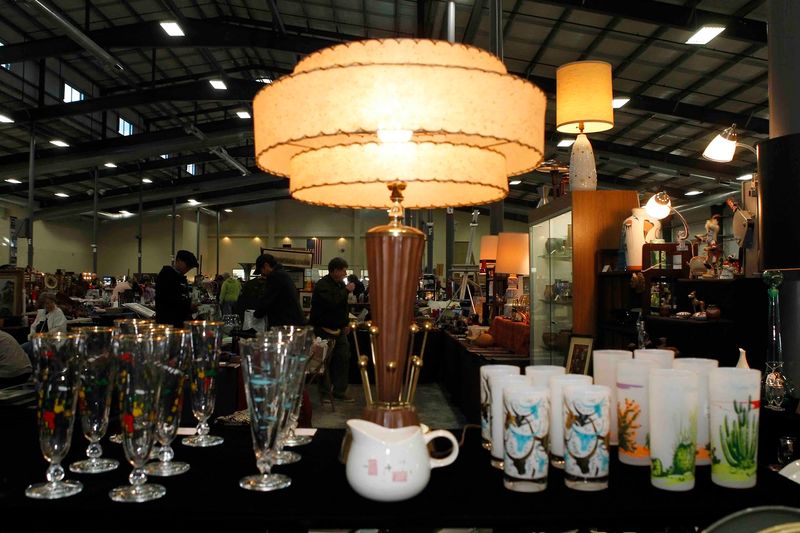
Grayslake is the place to go when you want a market with collector appeal but still enough range for everyday shoppers watching their spending.
Hosted at the Lake County Fairgrounds, the Antique and Vintage Flea Market draws a large crowd of exhibitors with furniture, jewelry, signage, artwork, collectibles, and plenty of smaller pieces that let you participate without committing to a major purchase.
That balance is key, because serious inventory does not automatically mean serious prices on every table. The smartest approach here is to separate admiration from buying strategy.
Larger statement items may grab the eye first, but small vintage goods often deliver the best budget wins, especially when you focus on categories like costume jewelry, barware, linens, ceramics, old advertising pieces, or framed prints.
In a market this broad, patience can save real money, since similar items may appear across multiple booths at noticeably different prices.
Grayslake also rewards shoppers who appreciate condition, display potential, and collector flavor without needing museum-grade perfection.
A slightly worn sign, a set of mismatched silverplate, or a single standout lamp can carry far more character than something new off a chain-store shelf.
Those middle-ground finds often hit the sweet spot between affordability and impact, which is exactly where budget-minded treasure hunting gets interesting.
Wear comfortable shoes and bring enough focus to avoid being overwhelmed by the volume. You do not need to chase the rarest piece in the building to leave happy, because the market shines just as brightly for buyers picking up one excellent small find.
Grayslake suits shoppers who want the scale and excitement of a premier vintage event, while still having real options when the budget says no to the huge stuff and yes to the smart stuff.
Share this story