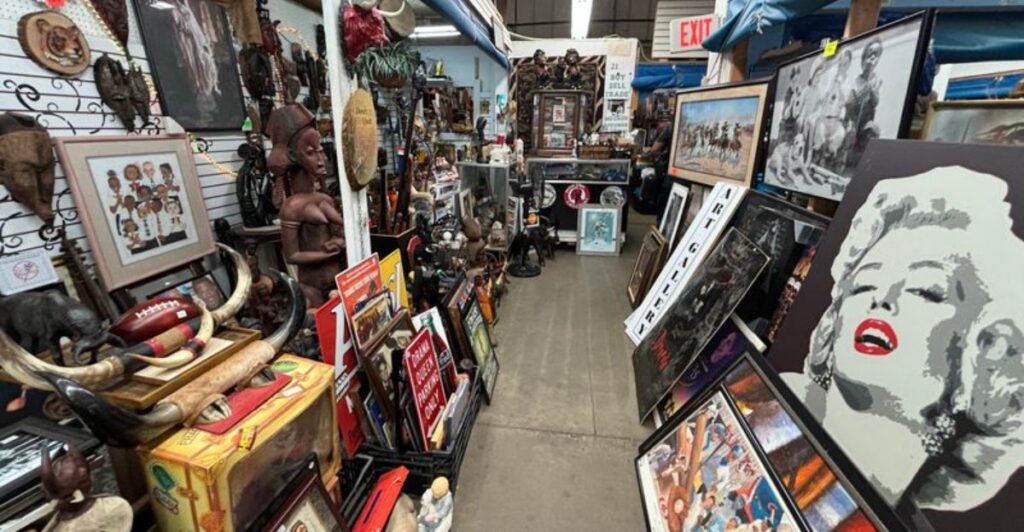
A rainy forecast can ruin a beach day, cancel a hike, and turn an outdoor flea market into a field of soggy cardboard boxes. It does not have to end the treasure hunt.
Across New Jersey, sprawling market buildings, heated vendor halls, antique shops, and converted military barracks keep the rummaging going when the weather refuses to cooperate.
These are the places where a quick look can become three hours of flipping through vinyl, inspecting old tools, and wondering whether a wonderfully strange lamp will fit in the car.
Some lean heavily toward true antiques and collectibles; others mix secondhand surprises with clothing, produce, specialty foods, and practical household bargains. A few even have enough snack counters to make lunch part of the plan.
Inventory changes constantly, which is exactly the appeal: show up with an open mind, a little cash, and enough trunk space for the thing you had no intention of buying.
1. Avenel Flea Market – Avenel
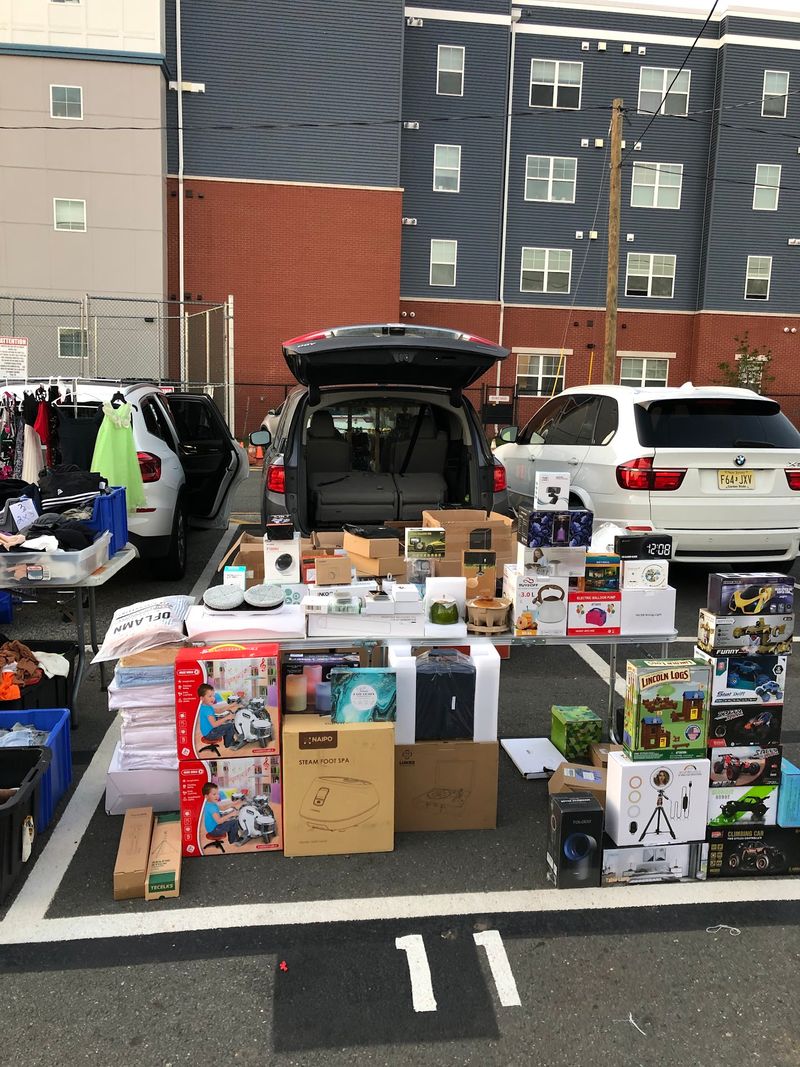
There is a particular kind of optimism required to sort through a box marked “everything $2,” and Avenel rewards it. This long-running Woodbridge Township market combines indoor and outdoor shopping, allowing bargain hunters to duck inside when rain, cold, or summer humidity makes the open-air tables less appealing.
The merchandise covers a wonderfully broad spectrum: used tools, costume jewelry, clothing, toys, household goods, collectibles, produce, and the occasional object that requires a conversation with the vendor just to identify it. That unpredictable mix gives Avenel its old-school flea-market character.
It is less about strolling through perfectly styled displays and more about checking the bottom of every bin because that is often where the interesting piece is hiding. Prices generally suit shoppers who enjoy negotiating, although a friendly question works better than charging in with an aggressive offer.
The market operates on Thursdays, Saturdays, and Sundays, making it one of the more flexible choices for anyone who prefers a weekday hunt. Early arrivals see the widest selection, while later shoppers may find sellers more willing to make a deal rather than pack something back up.
The market sits on Rahway Avenue with on-site parking, so it is easy to visit without turning the outing into a complicated expedition. Bring cash in small denominations, inspect used items carefully, and allow more time than you think you need.
2. Collingwood Auction & Flea Market – Farmingdale
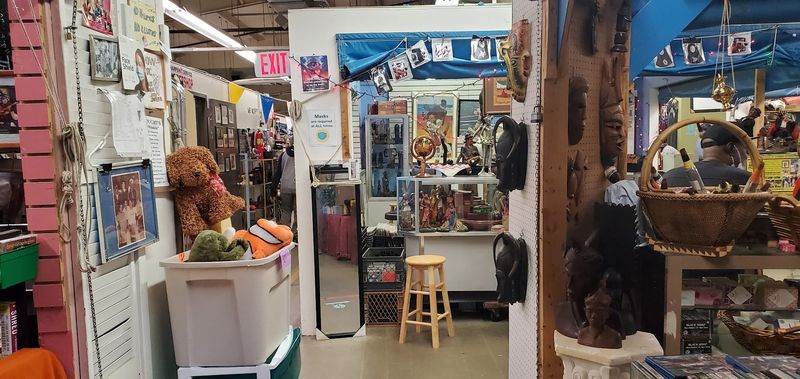
Step into the main building at Collingwood and the scale becomes clear almost immediately: this is not a token row of indoor tables added as a backup plan. The Farmingdale institution has a roughly 60,000-square-foot enclosed market filled with permanent booths, giving shoppers plenty to browse even when the outdoor section is washed out.
Vendors stock furniture, watches, jewelry, sports memorabilia, records, toys, tools, clothing, glassware, and useful household items alongside plenty of unclassifiable oddities. One aisle might feel like an antique mall, while the next resembles the most interesting garage sale in Monmouth County.
That variation is the reason to move slowly. Permanent dealers often organize their specialties carefully, but other spaces demand a proper dig through stacked boxes and crowded shelves.
Collingwood also has food vendors, so a morning browse can easily stretch through lunch without requiring a drive elsewhere. The indoor building generally welcomes shoppers Friday through Sunday, with vendor hours extending through much of the day.
Weekends bring the fullest flea-market experience, particularly when the weather is good enough for outdoor sellers to join the indoor regulars. Admission and parking are free, removing the pressure to find an expensive trophy piece to justify the trip.
Come with measurements if you are hunting for furniture, keep reusable bags in the car, and do not skip a booth simply because its front display looks ordinary—the best finds here are frequently tucked several shelves deep.
3. Englishtown Auction Sales – Manalapan
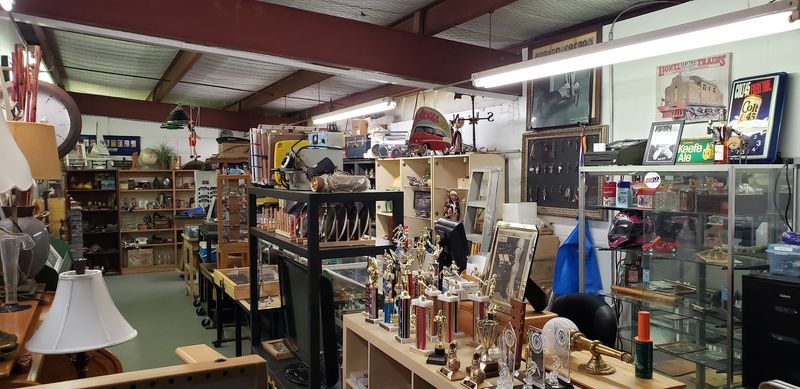
Weekend mornings have been drawing deal hunters to this Manalapan property since 1929, and nearly a century of practice has produced a market that understands serious browsing. Englishtown is famous for its enormous open-air section, but several indoor buildings give visitors somewhere to keep searching when the skies turn gray.
Inside, the selection can jump from vintage toys and old advertising pieces to guitars, records, glassware, clothing, electronics, jewelry, and automotive odds and ends in a matter of steps. It is the kind of place where collectors with extremely specific wish lists cross paths with shoppers who simply want to see what turns up.
The buildings also make it possible to focus on more established vendors whose merchandise is arranged for repeat customers rather than unpacked for a single morning. Still, Englishtown has not lost its rummage-sale spirit.
Look behind the obvious items, ask whether a dealer has more stock tucked away, and take a second lap before leaving; newly noticed details have a funny way of becoming the day’s best purchase. The market opens every Saturday and Sunday throughout the year, rain or shine, generally from 8 a.m. to 4 p.m.
Arriving near opening provides first crack at desirable collectibles, but the indoor areas remain worth exploring later in the day. Wear comfortable shoes, bring cash, and remember where you parked—the sprawling grounds can make a spontaneous two-hour visit considerably longer.
4. Manahawkin Flea Market – Manahawkin
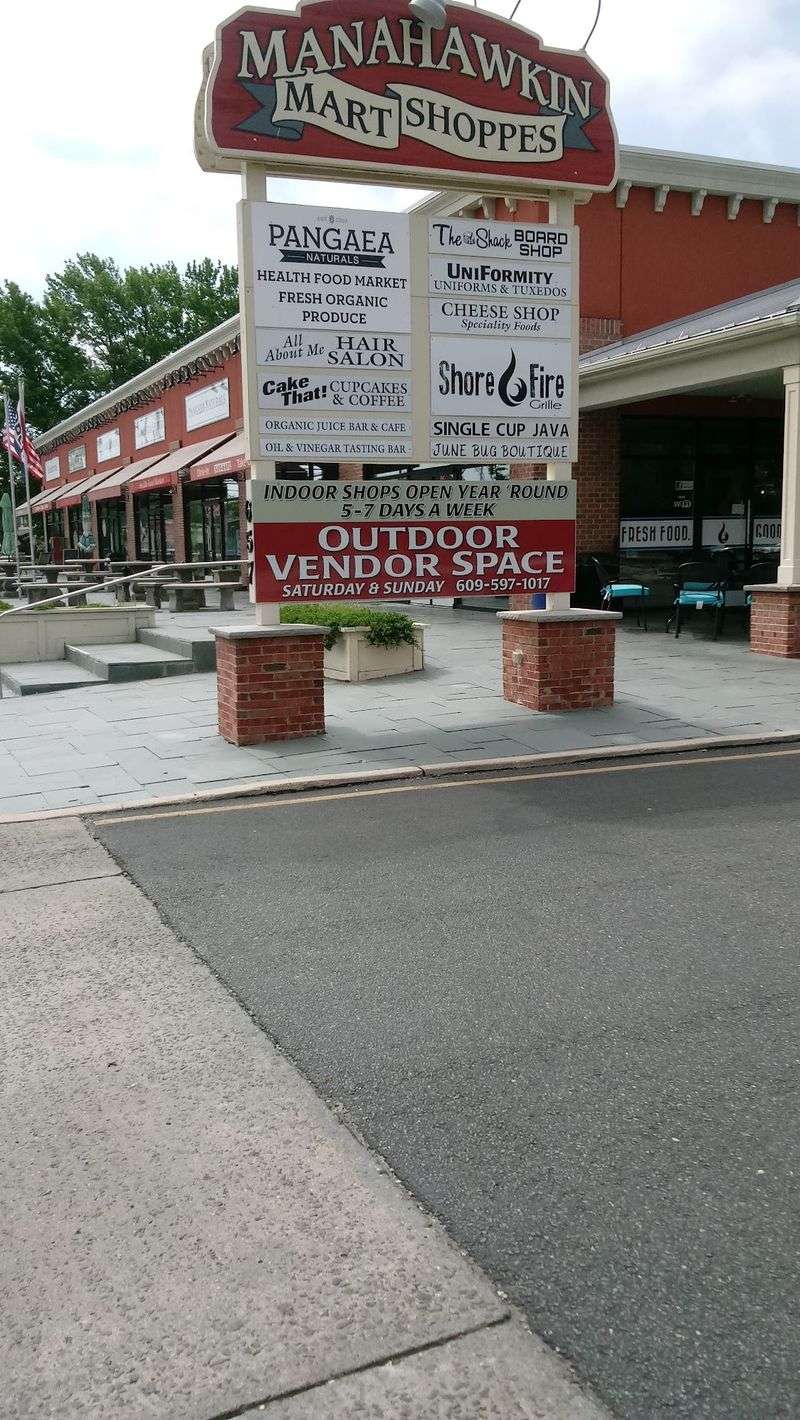
Shopping here feels less like entering one cavernous warehouse and more like wandering through a miniature commercial neighborhood.
The indoor portion of Manahawkin Flea Market is arranged as a collection of permanent shops, complete with a streetscape-style design that gives the property a different rhythm from the usual rows of folding tables.
Visitors may encounter antiques, coins, jewelry, home décor, gifts, clothing, health products, and specialty foods, with the precise mix shifting as businesses change. That variety makes it especially useful for groups whose members have different definitions of treasure.
One person can inspect collectibles while another checks the bakery case or heads for lunch. Current food choices include Mexican fare, café staples, baked goods, and plant-based options, turning the market into an easy rainy-day stop rather than a quick shopping errand.
The indoor businesses operate independently, so hours can differ from shop to shop and are not always identical to the outdoor flea-market schedule. Weekends are the safest bet if you want the broadest experience, though several permanent merchants open during the week as well.
The property is located on East Bay Avenue, a convenient stop for anyone traveling toward Long Beach Island, and parking is available on-site. This is a better destination for relaxed wandering than a frantic race for first pick.
Check individual shop hours before making a special drive, arrive hungry, and leave enough time to browse beyond the first cluster of storefronts.
5. New Egypt Flea Market Village – Cream Ridge
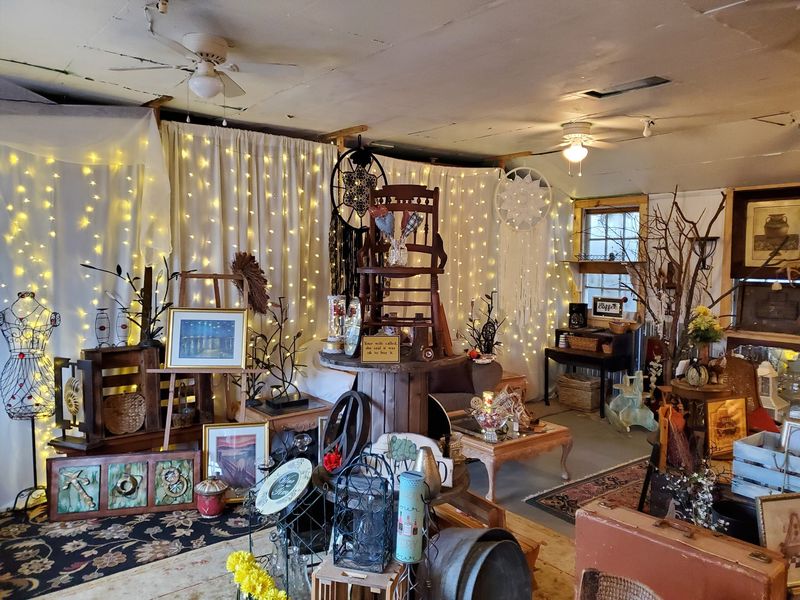
Old wooden buildings line unpaved lanes, doors swing open onto rooms packed with antiques, and suddenly a flea-market trip feels like an expedition through a forgotten settlement. New Egypt earns the “village” in its name with approximately 40 individual structures, including former World War II barracks relocated from Fort Dix.
Those buildings shelter an assortment of dealers and give the market its weather-resistant appeal, although moving between them still requires short walks outdoors.
Inside, shoppers can hunt for vintage furniture, records, instruments, coins, stamps, books, tools, glassware, art, and collectibles that range from carefully displayed to gloriously jumbled.
The strongest reason to visit is character. This is not a polished antique center with identical booths and bright retail lighting; floors creak, merchandise accumulates in corners, and every doorway seems to lead into a different dealer’s private universe.
The market has operated since 1959 and still maintains the unhurried personality of a country flea market. It opens on Wednesdays and Sundays, with outdoor selling beginning early and most buildings opening around 8 a.m.
A Wednesday visit usually offers a calmer experience, while Sunday tends to deliver more bustle and additional vendors. Admission and parking are free.
Wear shoes suitable for dirt or mud, especially after rain, and bring a vehicle capable of carrying any furniture you might find. Most importantly, do not rush through the buildings; New Egypt saves some of its strangest and most memorable treasures for the back rooms.
6. Golden Nugget Antique Flea Market – Lambertville
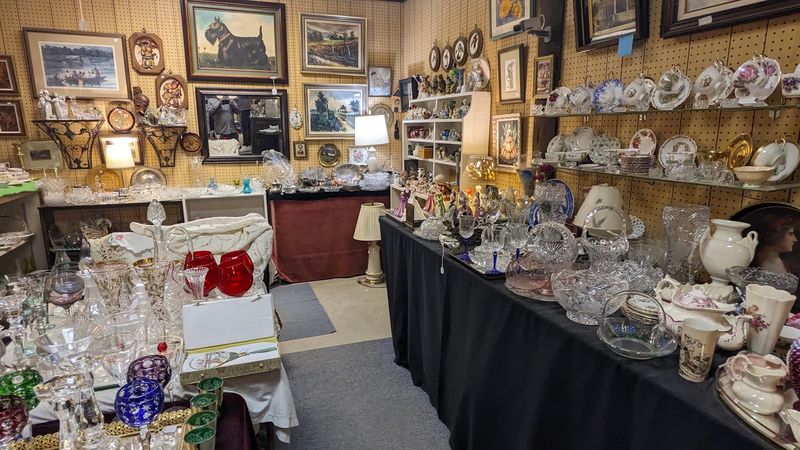
A dealer specializing in autographs, a shop filled with old books, another devoted to rocks and minerals—Golden Nugget gives collectors reasons to arrive with a plan. The Lambertville market has operated since 1967 and places a stronger emphasis on antiques, art, and vintage goods than many general-purpose flea markets.
Its indoor antique mall contains numerous permanent shops covering jewelry, sports memorabilia, tribal art, architectural pieces, Christmas collectibles, vintage clothing, furniture, and decorative objects. That concentration makes rainy-day browsing feel substantial rather than like a reduced version of the outdoor market.
Displays are generally more curated, and prices can reflect the quality or rarity of the merchandise, but patient shoppers can still uncover affordable pieces and negotiate with dealers. Asking questions is part of the experience; many sellers know the history of their stock and may have additional items not currently displayed.
The market opens Wednesday, Saturday, and Sunday throughout the year. Outdoor tables begin trading at 6 a.m., while the indoor shops generally run from 8 a.m. to 4 p.m.
Parking and admission are free, and an on-site café provides breakfast, sandwiches, and other refueling options. Golden Nugget sits along Route 29, just south of Lambertville, making it easy to pair with the city’s antique stores and galleries.
Start indoors during bad weather, check any covered vendor areas that are operating, and keep a mental shortlist before buying—another fascinating piece is almost certainly waiting upstairs.
7. Berlin Farmers Market – Berlin
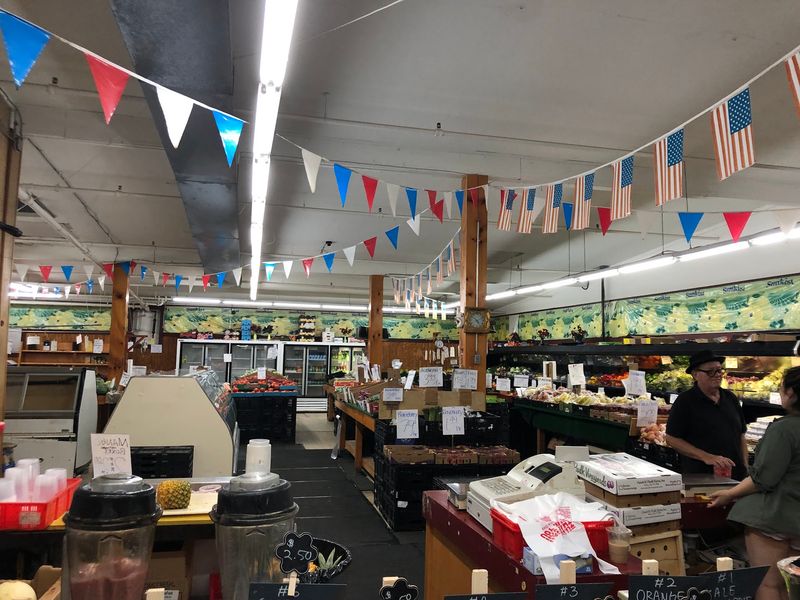
The smell of hot pretzels has a way of wrecking even the most disciplined shopping plan. At Berlin Farmers Market, that is part of the fun.
The indoor shopping center contains dozens of independently operated businesses, while the adjacent outdoor flea market adds hundreds of vendors when conditions cooperate. Inside, the selection spans jewelry, electronics, clothing, shoes, furniture, toys, collectibles, specialty foods, services, and household goods.
This is not exclusively a vintage market, and shoppers expecting nothing but midcentury lamps and rare records will find a much broader commercial mix. The advantage is variety: a practical purchase, an inexpensive gift, an old collectible, and lunch can all come from the same visit.
Longtime merchants give the indoor building the feel of a compact town marketplace, with narrow storefronts and counters that invite quick conversations. Freshly made soft pretzels are the signature snack, best eaten while still warm, although the market offers enough additional food choices to support a longer visit.
Indoor businesses generally open Thursday through Sunday, with later closing times on Thursday, Friday, and Saturday than many traditional flea markets. Individual merchant schedules can vary, so checking ahead is wise when one specific shop is the goal.
The market is located on Clementon Road and offers abundant free parking. Visit Friday through Sunday for the fullest experience, bring both cash and a card, and explore the whole interior before deciding where to eat—the aroma near the entrance is persuasive, but it is not the only temptation.
8. Columbus Farmers Market – Columbus
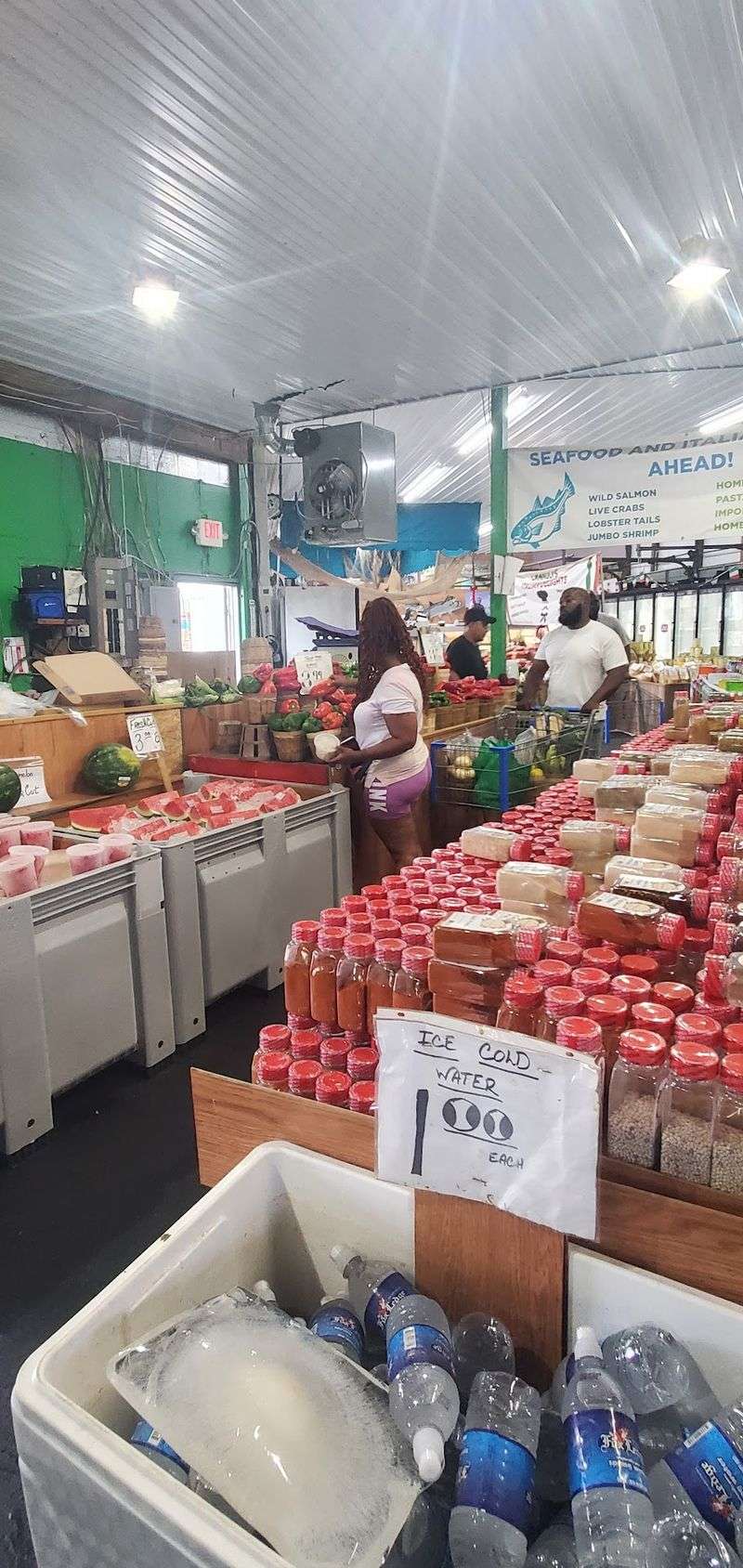
Trying to see all of Columbus in one lap is like trying to finish a diner menu in one sitting: technically imaginable, practically unwise. The sprawling Burlington County complex brings together more than 65 indoor retail stores, an outdoor flea market, Produce Row, and a separate Amish market.
Even if rain sidelines some outdoor dealers, the enclosed sections contain enough merchandise and food to occupy several hours. Indoor shops carry toys, collectibles, jewelry, clothing, home furnishings, electronics, gifts, and everyday services, while the Amish building adds meats, baked goods, candy, crafts, pantry staples, and ready-to-eat dishes.
A warm soft pretzel makes a fine browsing companion, but the roasted chicken, ribs, deli sandwiches, doughnuts, and pies can quickly turn snack plans into a full meal. The main indoor market operates Thursday through Sunday, with its longest hours on Thursday and Saturday.
The Amish section opens Thursday, Friday, and Saturday only, so choose one of those days if food is a major part of the trip. Thursday is also a traditional flea-market day and often provides the most complete Columbus experience.
Parking is free, but the property is large enough that noting your section before walking away is a smart move. Located directly on Route 206, the market is easy to reach by car.
Bring a cooler if you plan to buy meat or perishables, wear comfortable shoes, and resist filling your hands too early—you have much more ground to cover than the first building suggests.
9. Cowtown Farmers Market – Pilesgrove
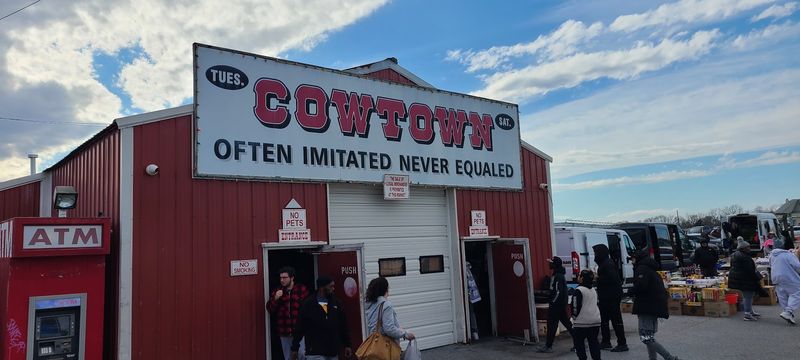
Few New Jersey markets can say they grew from a livestock auction, reached their hundredth year, and still know how to make a wet Tuesday interesting. Cowtown began in 1926 and has evolved into a twice-weekly farmers and flea market with more than 400 indoor and outdoor vendors.
Its heated interior is the key attraction when winter bites or rain clears the open-air rows. Merchandise ranges from antiques, vintage pieces, toys, tools, and home décor to clothing, footwear, jewelry, beauty products, baked goods, and fresh food.
Some booths feel like compact stores with predictable inventory; others offer the true flea-market thrill of unrelated objects sharing a table simply because somebody decided to sell them. That balance makes Cowtown useful for both purposeful bargain hunting and aimless wandering.
Food counters are scattered through the market, providing an easy excuse to pause, compare purchases, and plan another circuit. The market opens every Tuesday and Saturday from 8 a.m. to 4 p.m., all year and rain or shine.
Tuesday is a great choice for avoiding the biggest weekend crowds, while Saturday usually feels busier and can bring a larger overall selection. Admission and parking are free at the Route 40 property in Pilesgrove.
Pets are not permitted, so leave four-legged shopping assistants at home. Bring small bills, inspect secondhand goods before paying, and arrive early if you collect anything competitive—regulars tend to know exactly which booths deserve their first stop.
Share this story