
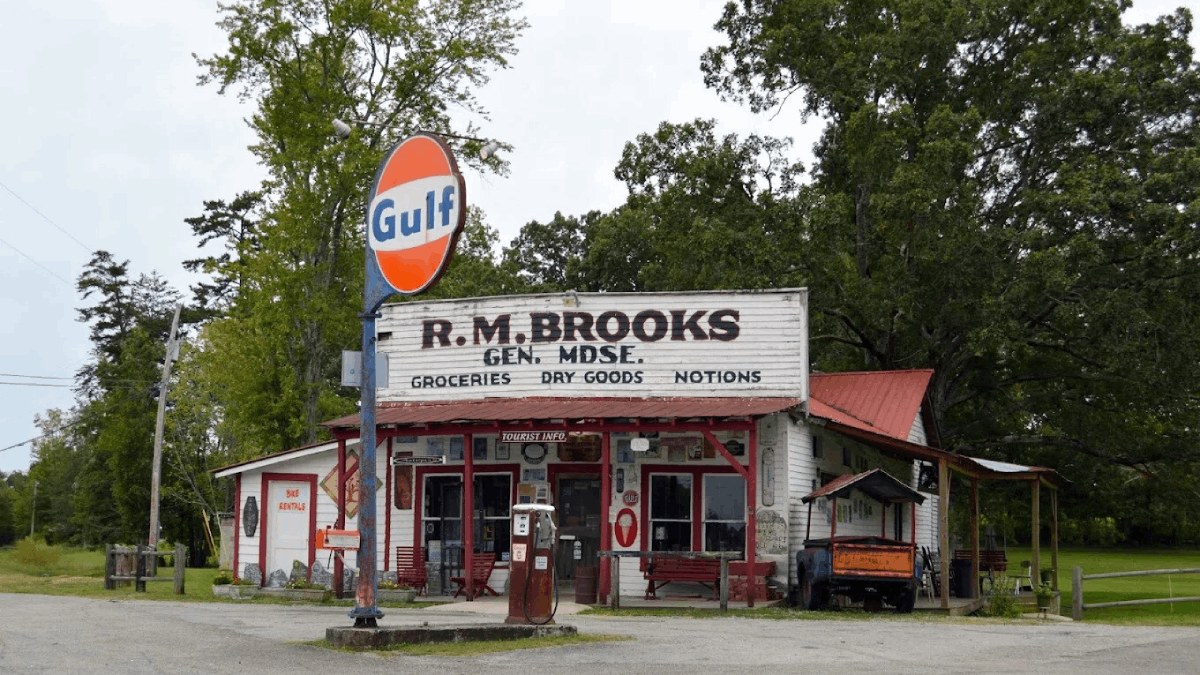
Tennessee is famous for its music and mountains, but some of its most memorable spots fly under the radar. Scattered across the state are quiet landmarks that carry deep history, stunning natural beauty, or a powerful sense of place.
These hidden gems may not make the front page of travel guides, but they stay with you long after you visit.
1. Rock Island State Park (Rock Island)
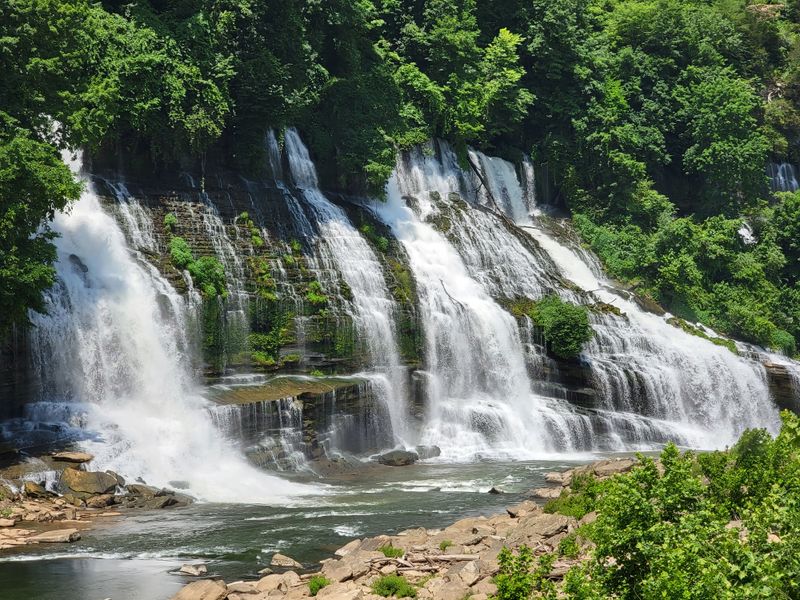
Rock Island State Park sits where three rivers meet, creating a series of waterfalls that tumble into pools so blue they almost glow. The park feels wild and rugged, with fewer visitors than the more famous spots in the state. You can hike along the river, explore old mill ruins, or just sit and listen to the roar of the water.
The main waterfall drops nearly 200 feet, and the gorge below is lined with smooth limestone cliffs. It’s a place that feels remote even though it’s easy to reach.
The beauty here is raw and untouched, making it feel like a secret even when others are around. It’s the kind of place that makes you want to come back again and again.
2. Andrew Jackson’s Hermitage (Hermitage)
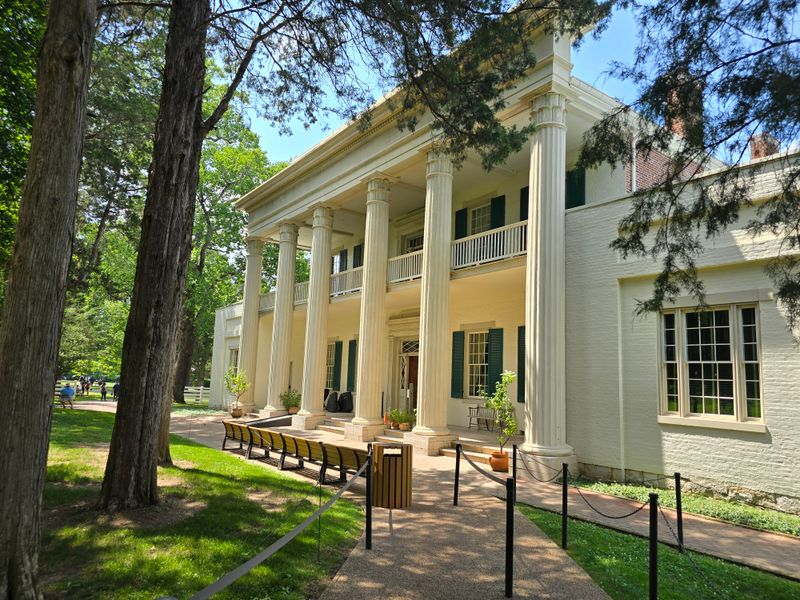
Andrew Jackson’s home sits on over 1,000 acres of rolling Tennessee countryside, where the seventh president lived and is now buried. Walking the property feels more like stepping into a quiet story than touring a museum. The mansion itself is grand but not overwhelming, and the surrounding gardens and slave quarters tell a fuller, more complex history.
Tall oak trees line the pathways, and the grounds are peaceful enough to make you forget you’re near a busy city. Inside, you’ll see Jackson’s personal belongings, from his military uniform to family portraits. The site doesn’t shy away from the harder truths of his legacy, including the enslaved people who worked the land.
3. Historic Hales Bar Dam Powerhouse (Guild)
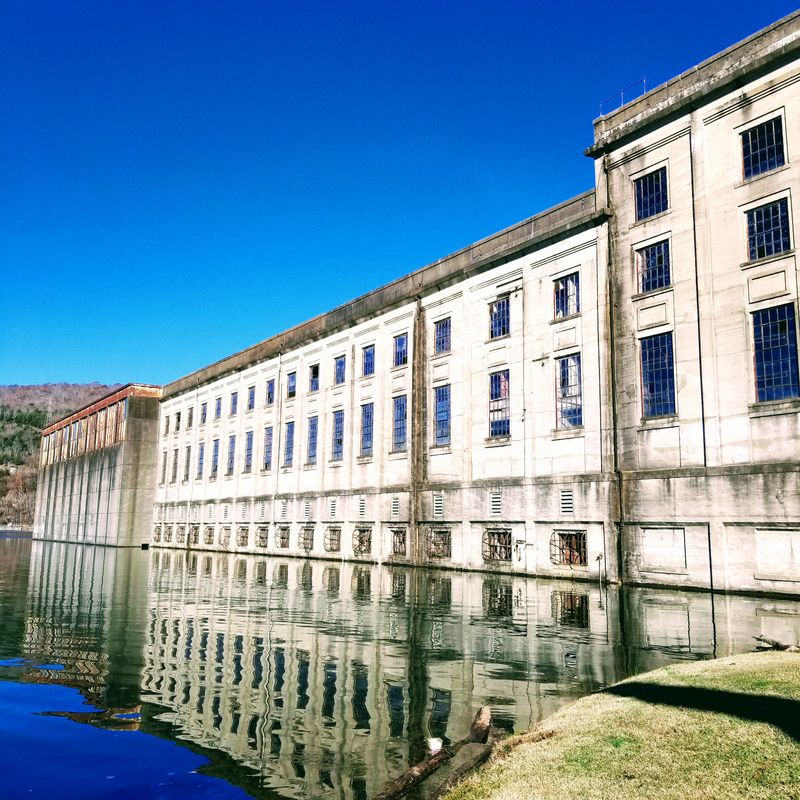
Built in 1913, Hales Bar Dam earned a dark reputation early on. Construction troubles, accidents, and drownings gave it the nickname “Dam of Death,” and workers whispered about curses and bad luck. Today, the powerhouse stands abandoned along Nickajack Lake, its concrete walls cracked and weathered, surrounded by water and steep mountain ridges.
You can explore the area by boat, and some visitors claim to feel a strange energy around the ruins. The dam was decommissioned decades ago, but its presence is still commanding.
Standing near it, you can almost hear the hum of machinery and the voices of the workers who risked their lives here. It’s haunting, unforgettable, and deeply atmospheric.
4. Rhea County Court House (Dayton)
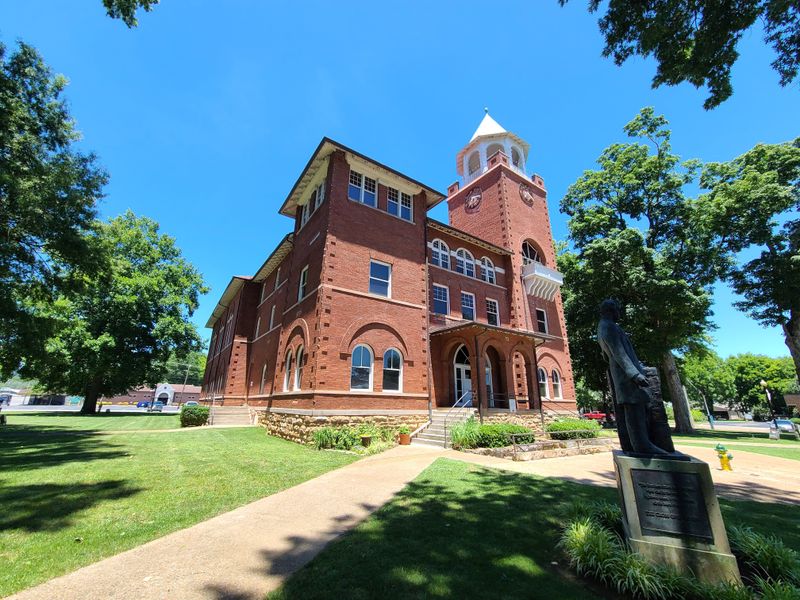
In 1925, this unassuming courthouse became the center of a national debate when teacher John Scopes was put on trial for teaching evolution. The Scopes “Monkey Trial” drew reporters, lawyers, and crowds from across the country, turning tiny Dayton into a media circus. Today, the courthouse looks much like it did back then, with original wooden benches and courtroom details still intact.
Inside, a small museum displays trial artifacts and newspaper clippings, but the real power comes from just sitting in the same room where history was made. The building itself is modest, with simple brick walls and tall windows.
5. Cades Cove Primitive Baptist Church (Townsend)
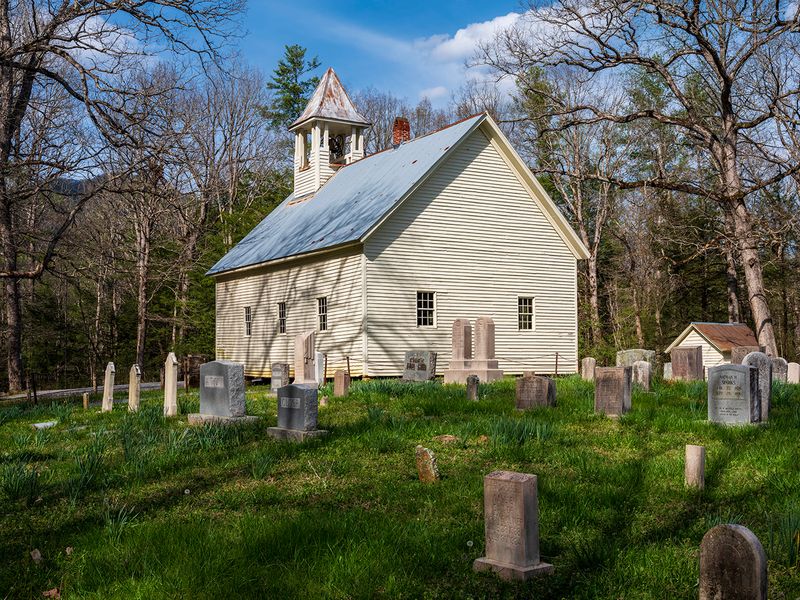
Tucked into a wide valley inside the Great Smoky Mountains, this simple white church has stood since 1887. Cades Cove Primitive Baptist Church is surrounded by open fields, split-rail fences, and mountain ridges that seem to cradle the building. The church is small, with plain wooden pews and no electricity or modern additions.
Visitors often stop here while driving the loop through Cades Cove, drawn by its quiet beauty and sense of stillness. The congregation that built it lived hard lives in the mountains, and the church reflects their values of simplicity and faith.
Standing in the doorway, you can almost hear hymns echoing across the valley. It’s a place that feels timeless, untouched, and deeply peaceful.
6. The Tennessee River Gorge (near Chattanooga)
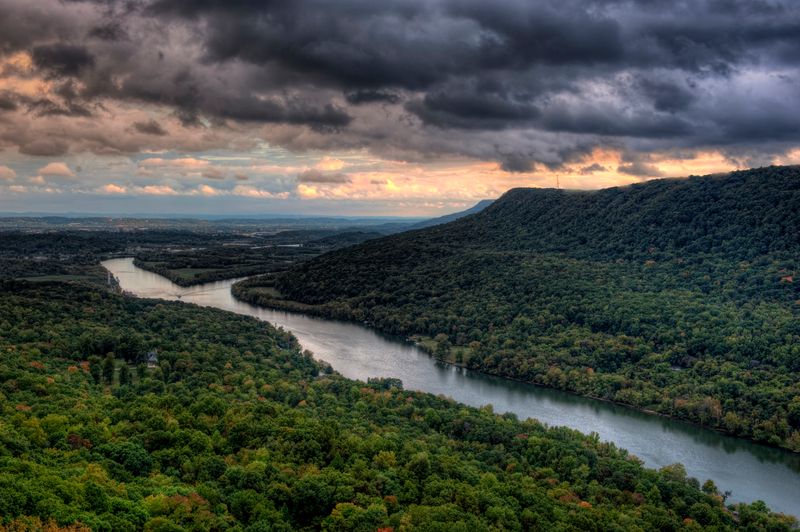
Often called the “Grand Canyon of Tennessee,” this river gorge cuts through the Cumberland Plateau with dramatic cliffs and sweeping views. Unlike the crowded Smokies, the gorge feels serene and overlooked, even though it’s just outside Chattanooga. The Tennessee River winds through the canyon, creating a landscape that’s both rugged and peaceful.
Hiking trails along the rim offer stunning overlooks, and kayakers paddle the calm waters below. The gorge is home to rare plants and wildlife, making it a favorite spot for nature lovers. Some trails are challenging, but the views at the top are worth every step.
7. Rugby Historic Village (Rugby)
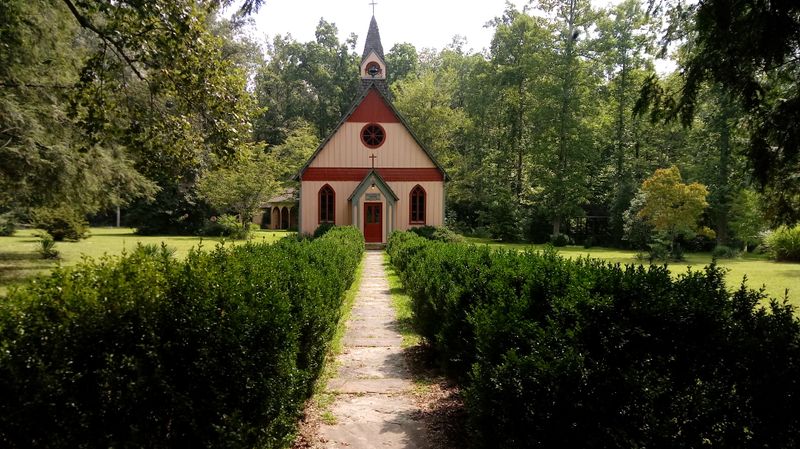
In 1880, an English author named Thomas Hughes founded Rugby as a utopian colony for younger sons of British aristocrats. The experiment didn’t last, but the village remains, preserved as if time stopped over a century ago. Victorian cottages, a library filled with original books, and a tiny church sit along quiet, tree-lined streets.
Walking through Rugby feels like stepping into another world, one that’s both foreign and familiar. The buildings are painted in soft colors, and the surrounding hills are thick with forest. Guides in period clothing share stories of the settlers who tried to build a new life here.
8. Cummins Falls Gorge (Cookeville)
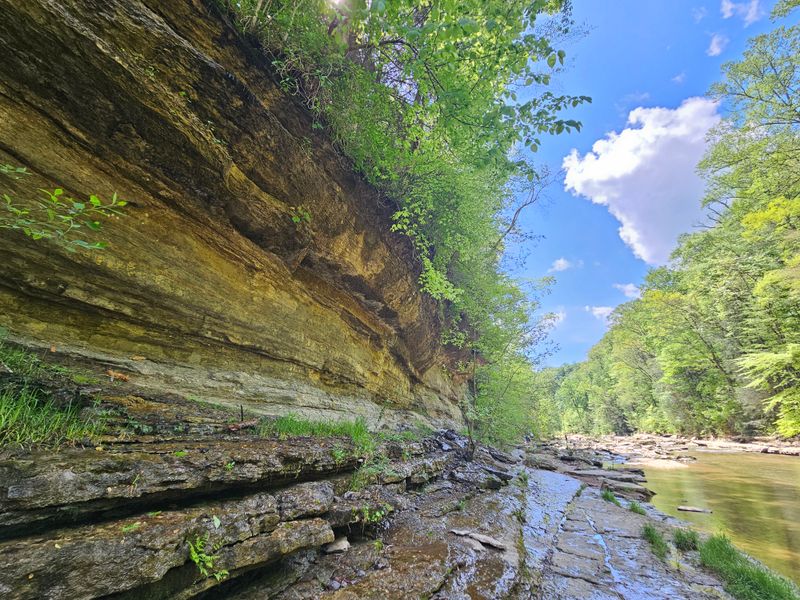
Cummins Falls is Tennessee’s eighth-largest waterfall, but the gorge surrounding it is what really takes your breath away. Steep rock walls tower on both sides, and the river rushes through with enough force to carve the stone smooth. Getting to the falls requires a hike through the creek itself, so be ready to get wet and scramble over rocks.
The gorge feels wild and powerful, especially after a rain when the water surges. It’s a popular spot in summer, but even with other visitors, the scale of the place makes it feel vast.
9. Alex Haley Museum & Interpretive Center (Henning)
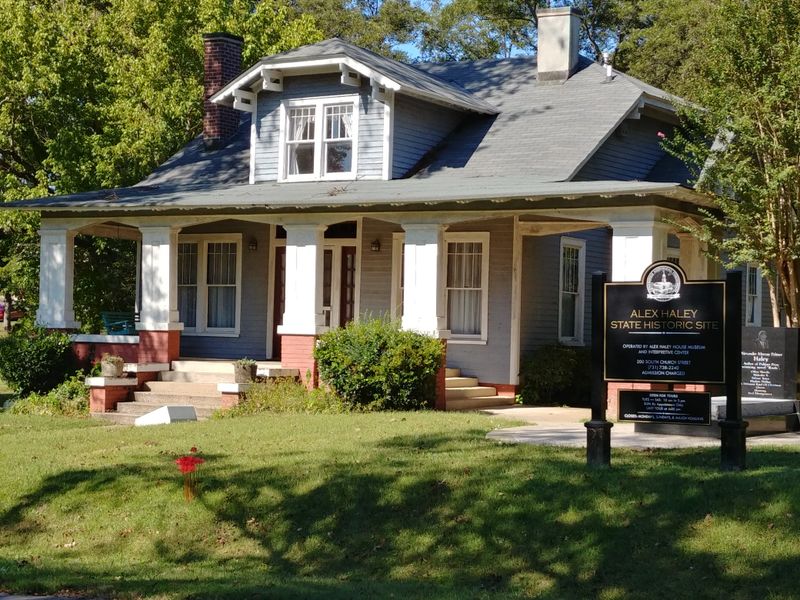
Alex Haley, author of Roots, grew up in this small house in Henning, listening to his grandmother’s stories about their family’s past. Those stories became the foundation for a book that changed how millions of Americans understood their history. The museum is modest, just a few rooms filled with photographs, manuscripts, and personal items, but the emotional weight is enormous.
Visitors walk through the rooms where Haley lived and wrote, and hear recordings of his voice. The house itself is simple, a reminder that powerful stories can come from humble beginnings.
Henning is a tiny town, and the museum doesn’t draw huge crowds, but those who visit often leave moved. It’s a place that honors memory, family, and the power of storytelling in the quietest, most respectful way.