Nashville might steal the spotlight with its neon lights and honky-tonks, but the real magic happens just beyond the city limits. Within an hour’s drive, you’ll find charming small towns where life slows down, neighbors wave from their front porches, and Main Streets look like they were designed by a movie set decorator.
These aren’t just pretty places to visit—they’re communities where local shops thrive, festivals bring everyone together, and every corner feels like the perfect backdrop for a heartwarming story.
1. Franklin
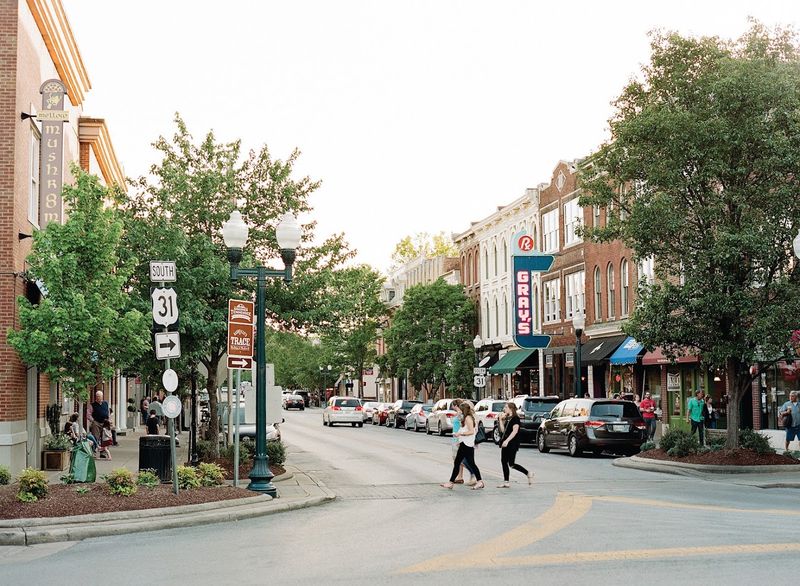
Franklin doesn’t just look like a Hallmark movie—it practically invented the aesthetic. Its Main Street stretches for blocks, lined with beautifully preserved 19th-century buildings that now house independent boutiques, cozy bookstores, and restaurants where everyone seems to know each other’s names.
The brick sidewalks, vintage lampposts, and seasonal flower baskets create an atmosphere so picture-perfect you’ll catch yourself expecting a film crew to appear around every corner.
Shopping here feels like treasure hunting through someone’s carefully curated collection. You’ll find handmade jewelry, locally crafted home goods, vintage finds, and specialty shops that change with the seasons.
The bookstores invite you to linger for hours, and the cafés serve coffee that tastes better when you’re sitting on a patio watching the world go by. Every storefront seems designed to make you slow down and appreciate the details.
Seasonal festivals turn Franklin into full-blown movie magic. The Main Street Festival in spring brings live music, art vendors, and food trucks that pack the downtown area.
Fall transforms the town with pumpkin displays, harvest decorations, and events that celebrate everything cozy about the season. Christmas might be the most enchanting time, when twinkling lights wrap around every tree and storefront, carolers stroll the sidewalks, and the Dickens of a Christmas festival recreates Victorian England right in the heart of Tennessee.
Beyond downtown, Franklin’s historic neighborhoods feature gorgeous homes with wraparound porches, perfectly manicured gardens, and architecture that tells stories from different eras. The surrounding countryside offers scenic drives through rolling hills, and nearby parks provide peaceful spots for picnics or afternoon walks.
Whether you’re browsing shops, grabbing lunch at a farm-to-table restaurant, or simply soaking in the atmosphere, Franklin delivers that small-town charm with sophisticated polish that makes every visit feel special.
2. Leiper’s Fork
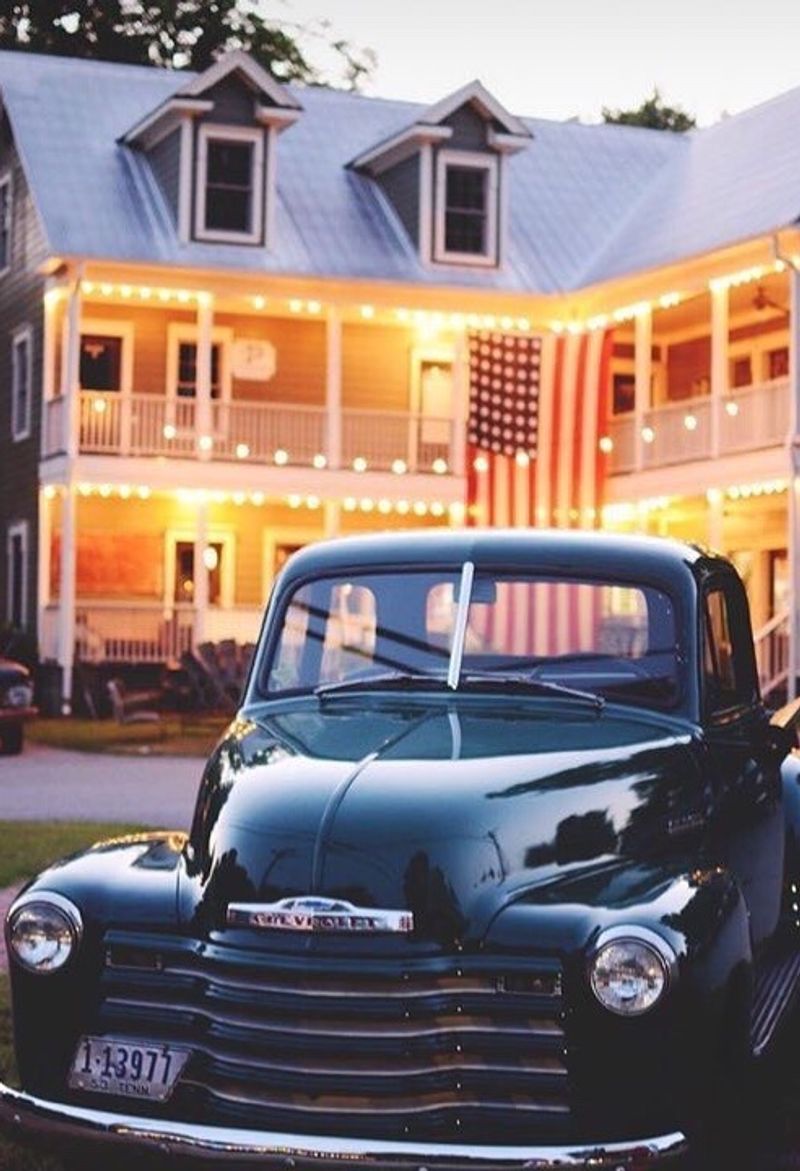
Tucked into the rolling hills southwest of Nashville, Leiper’s Fork operates on its own timeline. This unincorporated village barely spans a few blocks, yet it packs more character per square foot than places ten times its size.
Old wooden buildings house art galleries showcasing local painters and sculptors, antique shops overflowing with treasures from decades past, and restaurants serving Southern comfort food that tastes like someone’s grandmother made it with extra love.
Live music spills out from Puckett’s Grocery almost every night, turning dinner into an impromptu concert where Nashville songwriters test new material on appreciative crowds. The vibe stays refreshingly low-key—no velvet ropes or cover charges, just good music, cold drinks, and conversations that flow as easily as the melodies.
Local musicians treat Leiper’s Fork as their creative sanctuary, and visitors get to experience Music City’s talent without the downtown hustle.
Art lovers could spend hours gallery-hopping through spaces that feature everything from contemporary paintings to handcrafted pottery and photography. Many artists live and work in the area, so you might meet the creator of that piece you’re admiring.
The antique stores reward patient browsing with unexpected finds—vintage furniture, old farm tools, quirky collectibles, and items that spark stories about their previous lives. Nobody rushes you here; taking your time is part of the Leiper’s Fork experience.
The surrounding countryside amplifies the storybook setting with pastures, old barns, winding roads, and views that look hand-painted. Horses graze in fields bordered by wooden fences, and the landscape changes beautifully with each season.
Walking through Leiper’s Fork feels like stepping onto a movie set where everyone decided to stay in character permanently. The pace stays deliberately slow, the people genuinely friendly, and the atmosphere refreshingly authentic in a world that often feels too polished and rushed.
3. Columbia
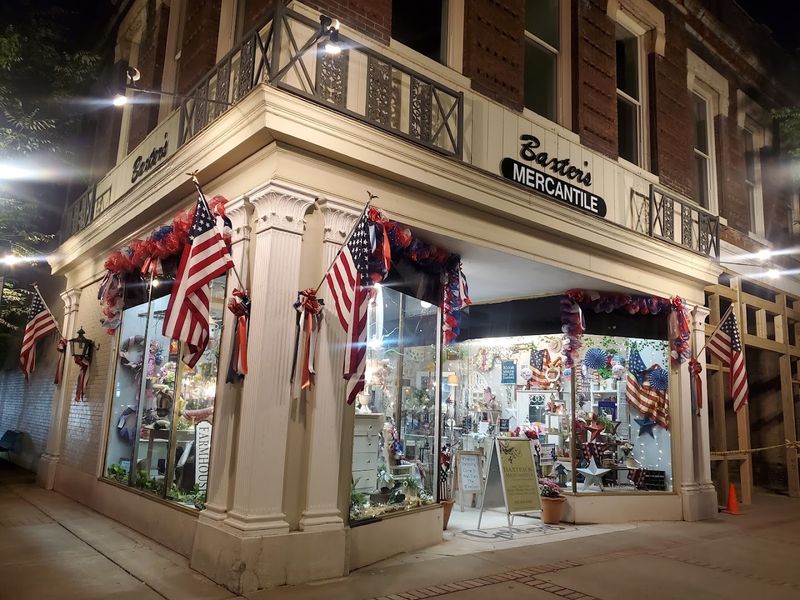
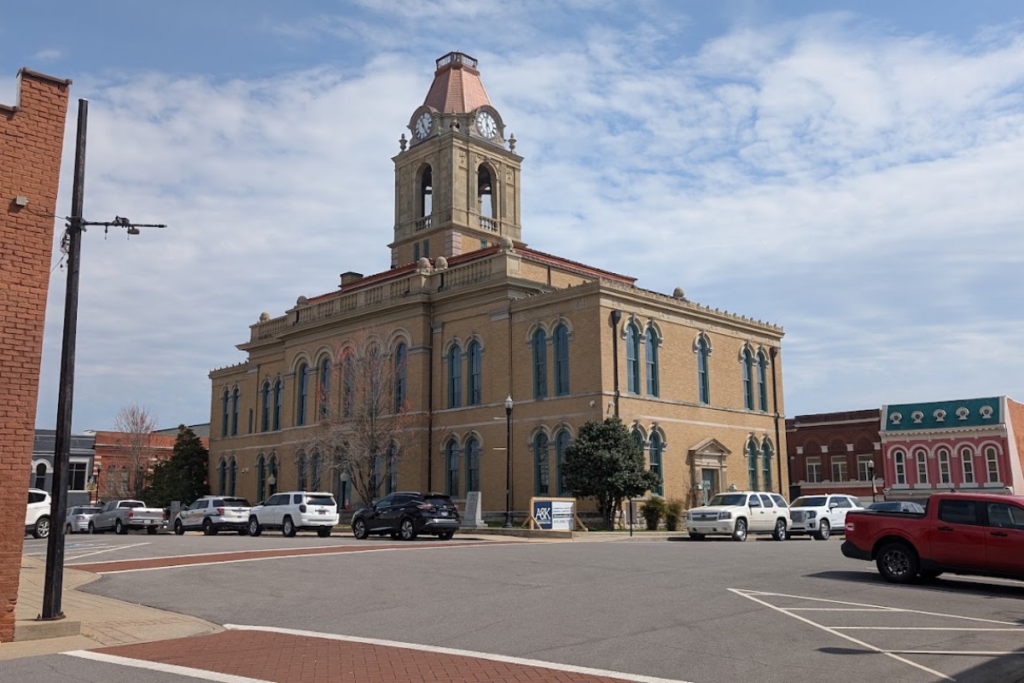
Columbia’s courthouse square commands attention the moment you arrive. The impressive Maury County Courthouse sits at the heart of downtown, surrounded by mature trees and historic buildings that have anchored this community since the 1800s.
The square layout creates a natural gathering spot where locals meet for coffee, browse shops, and catch up on neighborhood news. Everything radiates outward from this central point, making downtown easy to explore on foot.
Independent shops fill the storefronts around the square with personality you won’t find in chain stores. Antique markets offer room after room of vintage furniture, glassware, linens, and curiosities that span generations.
You’ll discover architectural salvage pieces, mid-century modern gems, and quirky collectibles that make perfect conversation starters. The shop owners know their inventory and love sharing stories about where items came from and the history they carry.
Local restaurants serve everything from classic Southern cooking to creative farm-to-table menus that change with the seasons. Coffee shops provide cozy spots to settle in with a book from the charming downtown bookstore, where staff recommendations actually match your taste and browsing feels like visiting a friend’s well-stocked library.
Storybook appeal extends beyond the square into residential neighborhoods lined with Victorian homes, Craftsman bungalows, and Southern colonials that showcase architectural details from different eras. Spring brings blooming dogwoods and azaleas that frame the historic streets in color.
Fall transforms the landscape with golden leaves that crunch underfoot as you walk past homes decorated for the season. Columbia maintains that lived-in authenticity where history isn’t just preserved—it’s actively woven into daily life, creating a setting that feels both timeless and welcoming to newcomers discovering its charm for the first time.
4. Bell Buckle
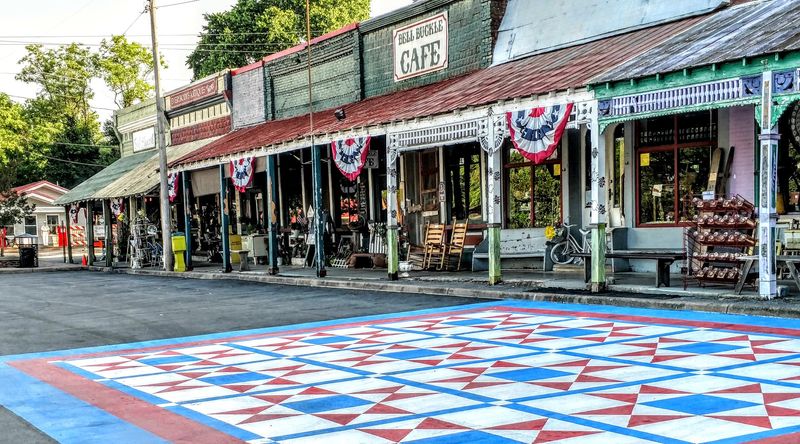
Bell Buckle earned its name from a bell-shaped buckle found in a creek, and the town has embraced quirky charm ever since. Colorful storefronts line the main street with personality that makes each building distinct—turquoise trim here, vintage signage there, front porches perfect for rocking chairs and afternoon conversations.
This tiny railroad town covers just a few blocks, but those blocks pack enough character to fill a much larger place.
Antique shops beckon with window displays that change seasonally and inventory that rewards repeat visits. You’ll find everything from Depression-era glassware to vintage advertising signs, handmade quilts to repurposed furniture that blends old craftsmanship with new functionality.
Shop owners greet you by name after one visit and remember your interests for next time. Browsing here feels more like visiting friends who happen to have excellent taste in vintage goods.
Old-fashioned cafés serve breakfast all day and lunch menus featuring homemade soups, sandwiches on fresh bread, and desserts that tempt you even when you’re full. The Bell Buckle Café has fed locals and visitors for decades, maintaining recipes and hospitality that keep people coming back.
Eating here means settling into a booth, taking your time, and probably striking up a conversation with whoever sits nearby. Nobody’s in a rush, and the coffee pot makes endless rounds.
Community festivals transform Bell Buckle into full celebration mode several times yearly. The RC Cola and Moon Pie Festival draws thousands every June for small-town fun that includes live music, craft vendors, and competitions involving the iconic Southern snack combo.
The Webb School Arts and Crafts Festival showcases regional artists and craftspeople who display their work across the historic campus. Even without festivals, Bell Buckle maintains that cheerful energy where people wave from their porches, shops stay open late when customers are enjoying themselves, and the whole town feels like a place where good things happen to good people.
5. Springfield
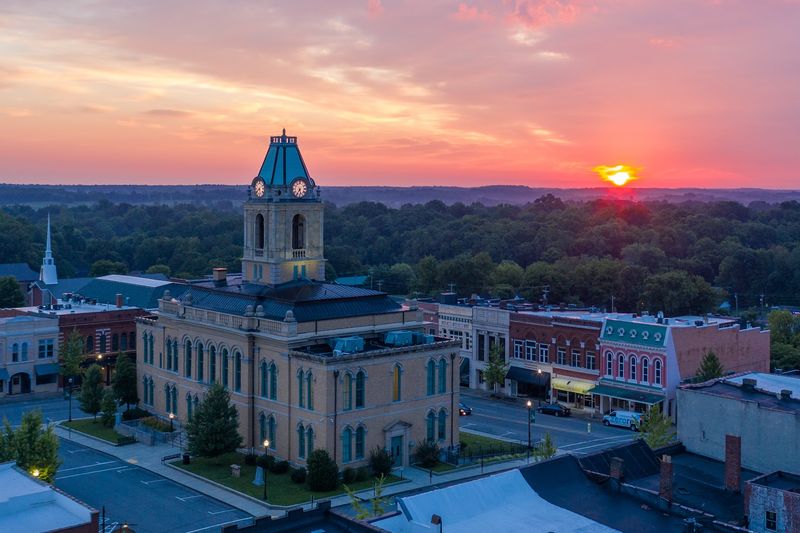
Just north of Nashville, Springfield offers everything you’d expect from a cozy small-town movie without feeling like it’s trying too hard. The downtown area invites walking, with locally owned businesses occupying buildings that have served this community for generations.
You won’t find corporate chains dominating the landscape—instead, you’ll discover shops run by people who live here, restaurants serving recipes passed down through families, and services provided by neighbors who genuinely care about doing good work.
Historic architecture tells Springfield’s story through different building styles that represent various eras of growth and prosperity. Victorian-era homes with detailed woodwork stand near Craftsman bungalows with wide porches and tapered columns.
Downtown storefronts feature pressed tin ceilings, original hardwood floors, and architectural details that modern construction rarely replicates. Preservation efforts have maintained these historic elements while adapting buildings for current uses, creating that perfect blend of old character and contemporary function.
The surrounding countryside reinforces Springfield’s pastoral setting with farmland, rolling hills, and scenic roads that make driving a pleasure rather than a chore. Robertson County’s agricultural heritage remains visible in working farms, roadside produce stands, and landscapes that change dramatically with the seasons.
That relaxed pace expected from small-town movies actually exists here—people take time for conversations, businesses close for local high school football games, and community events bring everyone together regardless of how long they’ve lived in Springfield. The farmers market showcases local growers and makers, the library hosts book clubs and children’s programs, and seasonal festivals celebrate everything from Christmas to summer fun.
Springfield doesn’t pretend to be something it’s not; it simply maintains the authentic small-town values that make these communities special in the first place.
6. Nolensville
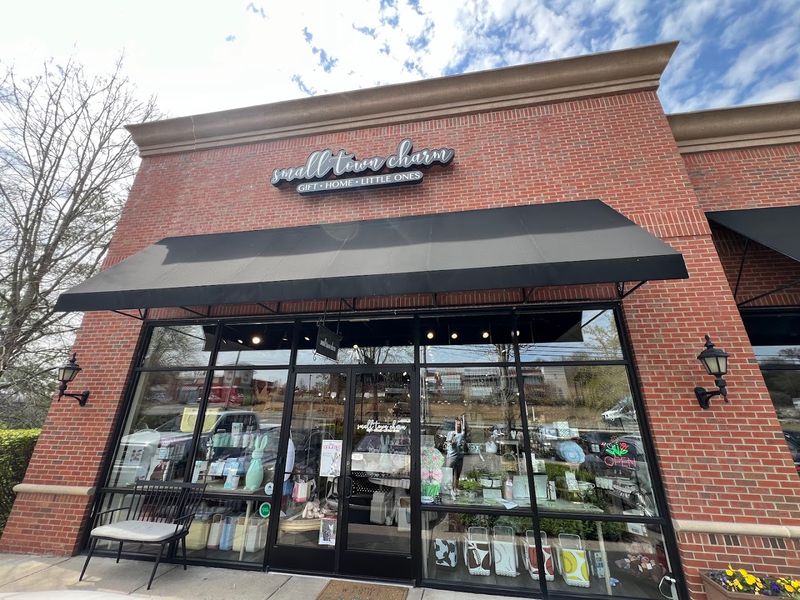
Nolensville walks the line between preserving its historic character and welcoming new growth with remarkable balance. Historic buildings anchor the downtown area, their original architecture intact while housing modern businesses that serve both longtime residents and newcomers.
Locally owned shops offer everything from home décor to specialty foods, gifts to services, all run by people invested in making Nolensville a place where community matters more than convenience.
Peaceful streets invite exploring on foot, with sidewalks that connect shops, restaurants, and gathering spaces in a compact downtown that feels designed for people rather than cars. Trees provide shade in summer, their leaves creating golden canopies in fall and bare branches that frame winter skies.
The scale stays human-sized—no towering buildings or intimidating spaces, just comfortable storefronts where you can see through windows and know what’s inside before you enter.
Community celebrations bring Nolensville together throughout the year with events that strengthen neighborhood bonds and welcome visitors into the fold. The Christmas parade lights up downtown with floats, marching bands, and Santa arriving to flip the switch on holiday decorations.
Summer concerts in the park draw families with blankets and picnic baskets for evenings of live music under the stars. Farmers markets showcase local growers, bakers, and craftspeople who create products reflecting the area’s agricultural heritage and creative spirit.
That warm, close-knit atmosphere persists despite Nolensville’s growth, thanks to intentional efforts to maintain the town’s character while accommodating change. New residents embrace the community values that attracted them here, volunteering for local causes, supporting hometown businesses, and participating in traditions that make Nolensville feel like more than just a place to live.
The result is a town that honors its past while building a future, creating that increasingly rare combination of historic charm and contemporary vitality. Walking through downtown, you feel the genuine welcome extended to everyone who appreciates what makes small towns special—connection, character, and community that can’t be replicated in cookie-cutter developments.
7. Gallatin
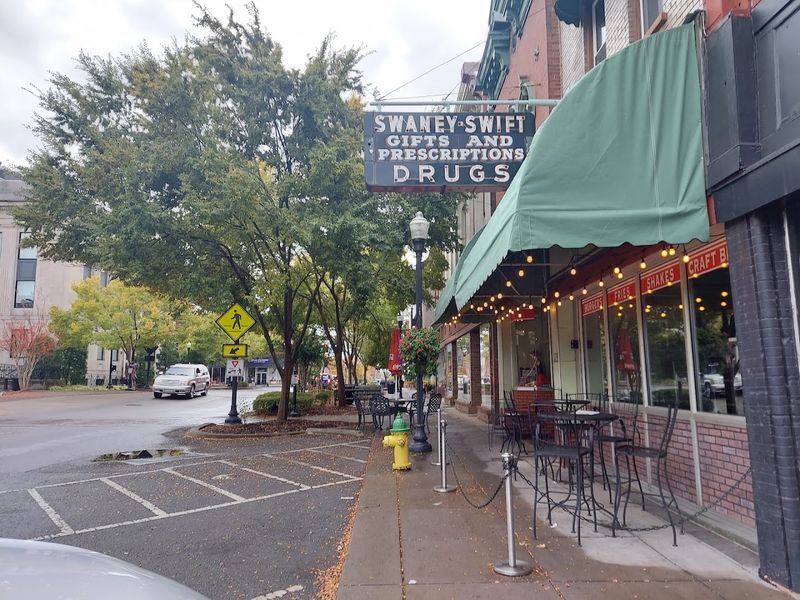
Gallatin’s historic downtown square provides the perfect backdrop for any small-town romance, with its classic courthouse square layout that Tennessee does so well. Brick storefronts surround the square in neat rows, their facades beautifully restored to highlight original architectural details while housing contemporary businesses.
Boutiques fill these historic buildings with curated selections you won’t find at the mall—clothing that reflects personal style rather than mass trends, jewelry made by regional artisans, home goods that add character to living spaces. Shop owners take time to help you find exactly what you’re looking for, and they remember your preferences for future visits.
Shopping here supports local entrepreneurs who’ve invested their creativity and capital into making Gallatin’s downtown vibrant and welcoming.
Restaurants range from casual cafés serving breakfast and lunch to dinner spots where date nights unfold over carefully prepared meals and good wine. The food scene emphasizes fresh ingredients, often sourced from nearby farms, and menus that change with the seasons.
Coffee shops provide gathering spots where locals meet friends, remote workers claim corner tables, and everyone enjoys the relaxed atmosphere that encourages lingering over another cup.
Beautifully restored buildings showcase the craftsmanship of earlier eras—detailed brickwork, large storefront windows, decorative cornices, and architectural flourishes that modern construction rarely includes. Preservation efforts have maintained these historic structures while adapting interiors for current uses, creating spaces that honor the past while serving present needs.
Walking through downtown, you notice the care taken to preserve what makes Gallatin special while allowing the town to evolve and grow. The square hosts festivals, farmers markets, and community gatherings that bring residents together and welcome visitors into the fold.
Gallatin delivers that small-town warmth without feeling stuck in time, balancing historic charm with contemporary energy that keeps downtown thriving and relevant to people of all ages who appreciate authentic community character.
8. Watertown
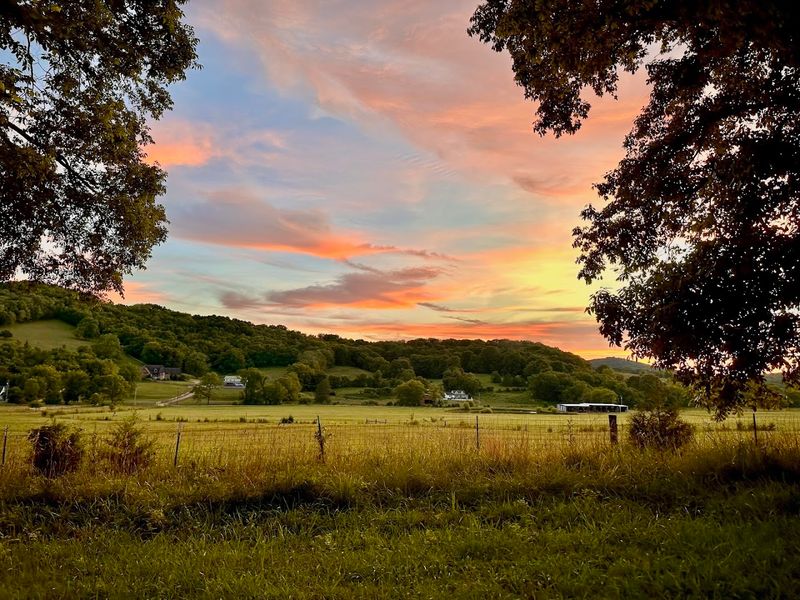
Watertown embraces its role as a peaceful escape from Nashville’s bustle, maintaining a quiet town square that feels wonderfully removed from urban chaos. Vintage storefronts line the square with the kind of authentic patina that can’t be faked—weathered brick, original signage, architectural details that tell stories about the businesses that have occupied these spaces over decades.
Nothing here screams for attention; instead, the town invites you to slow down and notice the details that make it special.
Antique shops reward patient exploration with inventory that spans generations of American life. You’ll find furniture that needs a little love and imagination, glassware in patterns your grandmother might recognize, vintage tools that remind you when things were built to last, and quirky collectibles that spark memories or start new obsessions.
The dealers know their stuff and price fairly, making Watertown a destination for serious collectors and casual browsers alike who appreciate quality vintage goods.
Scenic train excursions operated by the Tennessee Central Railway Museum transform ordinary weekends into adventures through Middle Tennessee’s countryside. Vintage passenger cars roll through landscapes that showcase the region’s natural beauty—forests, farmland, small communities, and views best appreciated at the relaxed pace of rail travel.
Special themed rides celebrate holidays, seasons, and local history, turning transportation into entertainment that appeals to families, train enthusiasts, and anyone who enjoys a different perspective on familiar territory.
The town’s location off the beaten path contributes to its appeal for people seeking genuine small-town atmosphere without tourist crowds or commercialization. Local businesses serve residents first, visitors second, creating an authentic vibe where you’re welcome but not catered to with artificial charm.
Restaurants serve straightforward food at fair prices, shops keep hours that work for their owners, and community life continues regardless of whether outsiders show up to observe it. Watertown doesn’t perform small-town life for an audience—it simply lives it, making every visit feel like you’ve discovered something special that hasn’t been ruined by too much attention or misguided attempts at improvement.
9. Lebanon
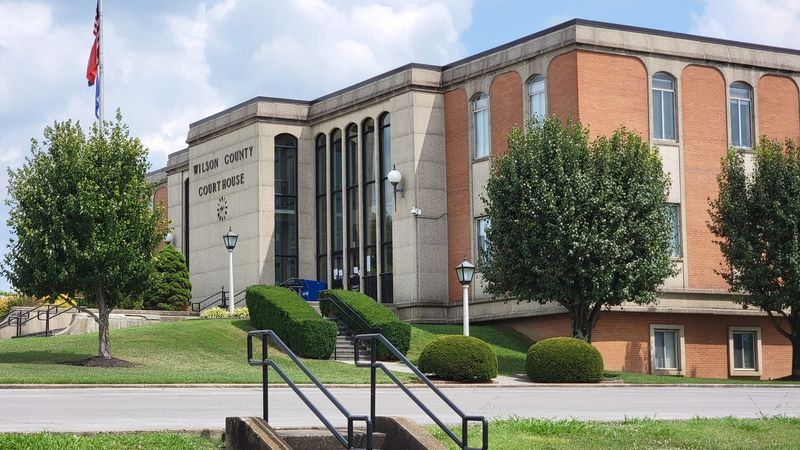
Lebanon’s downtown square radiates that welcoming spirit that makes Hallmark movies so appealing, with a layout that encourages community gathering and casual exploration. The Wilson County Courthouse anchors the square, surrounded by local shops occupying buildings that have served Lebanon for generations.
Classic architecture provides the backdrop for contemporary businesses, creating visual interest that blends historical preservation with current vitality. Everything centers around the square, making downtown easy to navigate and pleasant to experience.
Local shops reflect the personalities of their owners, offering goods and services tailored to community needs rather than corporate strategies. You’ll find gift shops with carefully selected items, clothing boutiques featuring styles for real people rather than runway models, specialty stores catering to specific interests, and services provided by people who take pride in their work.
Shopping here means supporting neighbors who’ve invested in making Lebanon’s downtown a destination worth visiting repeatedly.
Classic architecture showcases different eras of Lebanon’s development through building styles that range from Victorian commercial blocks to early 20th-century storefronts. Original details survive in pressed tin ceilings, tile floors, large display windows, and decorative elements that modern construction rarely replicates.
Preservation efforts have maintained these historic structures while allowing adaptive reuse that keeps buildings occupied and functional rather than frozen as museums nobody can touch.
Beloved community traditions strengthen Lebanon’s social fabric throughout the year with events that bring people together regardless of how long they’ve lived here. The Wilson County Fair celebrates agricultural heritage with livestock competitions, carnival rides, concerts, and food that makes healthy eating impossible for a week.
Christmas on the Square transforms downtown with lights, decorations, visits from Santa, and festivities that draw families for photos and memories. The farmers market connects growers with consumers, showcasing local produce, baked goods, and handmade items that reflect the area’s creative and agricultural abundance.
Lebanon doesn’t just look like a Hallmark movie setting—it lives up to the values those movies celebrate, maintaining genuine community connections in a world that often feels too disconnected and rushed.
Share this story