Texas flea markets are legendary playgrounds for bargain hunters, collectors, and anyone who loves the thrill of discovery. From vintage furniture and handmade crafts to quirky antiques and one-of-a-kind finds, these sprawling marketplaces offer endless rows of treasures waiting to be unearthed. Whether you’re a seasoned picker or just looking for a fun weekend adventure, the Lone Star State has some of the biggest and best flea markets in the country that can easily fill an entire day with excitement.
1. Sunny Flea Market (Houston)
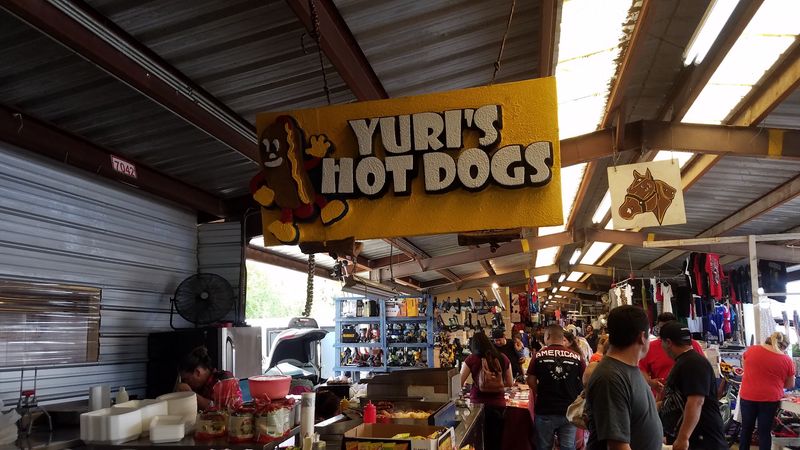
Houston’s Sunny Flea Market sprawls across acres of open space where vendors set up shop every weekend with everything from power tools to handmade jewelry. The sheer size of this place means you’ll want to wear comfortable shoes and bring plenty of water, because you could easily spend five or six hours wandering the aisles without seeing everything twice. Families love this spot because kids can tag along without getting bored, and there’s always something unexpected around the next corner.
What makes this market stand out is the incredible variety of goods you’ll encounter. One booth might be selling brand-new electronics at discount prices, while the next table over features vintage records from the 1970s or hand-stitched quilts made by local artisans. The mix of new and old, practical and decorative, keeps things interesting no matter what you’re hunting for.
Food vendors scattered throughout the market offer everything from tacos to funnel cakes, so you won’t have to leave when hunger strikes. The atmosphere is lively and friendly, with vendors who are usually happy to negotiate on price if you’re buying multiple items. Many shoppers make this a weekly ritual, checking in to see what new inventory has arrived.
Parking can get crowded on Saturday mornings, so arriving early gives you first pick of the best items and easier access to the entrance. The market operates rain or shine, though vendors might pack up early if weather turns really nasty. Cash is king here, though some sellers do accept cards or mobile payments now.
Regular visitors recommend bringing a wagon or cart if you’re planning to buy larger items, and don’t be shy about asking vendors to hold something while you continue browsing. The deals are real, the energy is infectious, and you never know what treasure might be waiting in the next row.
2. First Monday Trade Days (Canton)
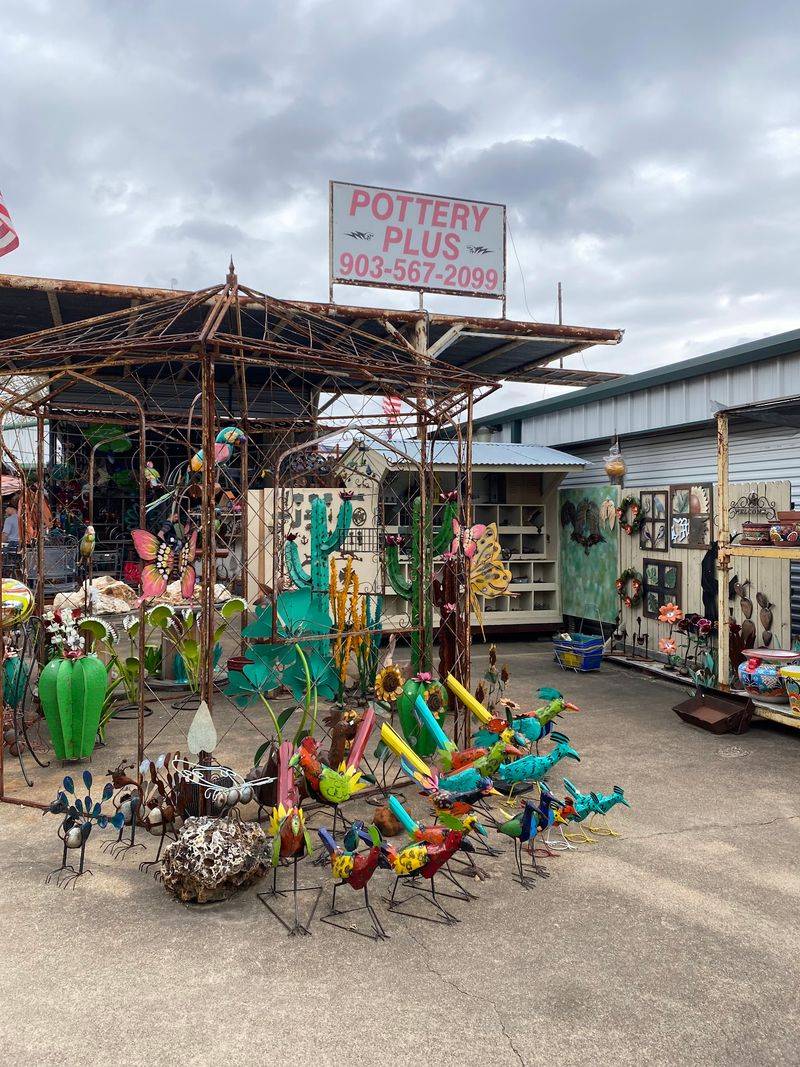
Canton’s First Monday Trade Days is a Texas institution that dates back to the 1850s, making it one of the oldest and largest flea markets in the entire United States. Spread across multiple pavilions and open-air areas, this market attracts vendors and shoppers from across the country during its monthly events. The name is a bit misleading since the market actually runs Thursday through Sunday before the first Monday of each month, giving visitors four full days to explore.
With over 400 acres of shopping space and thousands of vendors, this isn’t just a flea market but a full-blown treasure hunting expedition. You’ll find everything from handcrafted furniture and Western wear to garden decorations and gourmet food products. The market is divided into different sections, each with its own personality and specialty items, so mapping out your route beforehand can help you hit your must-see areas first.
The atmosphere feels like a festival meets a giant garage sale, with live music often playing in the background and food trucks serving up Texas barbecue and other regional favorites. Shoppers come prepared with rolling carts, comfortable walking shoes, and plenty of stamina because covering the entire market in one day is nearly impossible. Many visitors turn their trip into a weekend getaway, staying in nearby hotels or RV parks.
Prices range from dirt cheap to investment-worthy antiques, and haggling is not only accepted but expected. Vendors appreciate serious buyers who know their stuff, but they’re also patient with casual browsers just soaking in the experience. The market has permanent covered pavilions as well as outdoor spaces, so weather can affect your comfort level but rarely stops the show.
Arriving early on Thursday gives you the best selection before the weekend crowds descend. Bring cash for the best deals, though ATMs are available on-site. This is Texas flea market royalty, and one visit usually turns into a lifelong tradition.
3. Austin Country Flea Market (Austin)
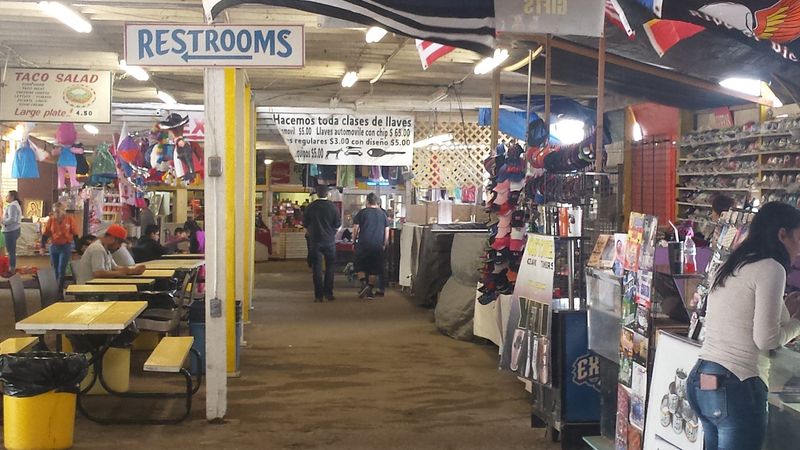
Nestled in South Austin, this flea market has been a local favorite for decades, offering a blend of vintage finds, handmade crafts, and everyday bargains. The market operates year-round on weekends, giving Austin residents and visitors a reliable spot to hunt for treasures without having to wait for special events. The vibe here is distinctly Austin, with an eclectic mix of vendors who reflect the city’s quirky, creative spirit.
Inside the covered areas, you’ll discover booths packed with vintage clothing, retro furniture, and collectibles that range from mid-century modern pieces to kitschy 1980s memorabilia. Outside, the open-air section features vendors selling everything from plants and garden supplies to tools and household goods. The mix keeps things unpredictable in the best possible way, because you might come looking for a vintage lamp and leave with a hand-painted sign and a crate of old vinyl records.
What sets this market apart is the community feel and the repeat vendors who’ve been setting up shop here for years. Regulars know which booths to hit first and which vendors are willing to cut deals for loyal customers. The staff is friendly and helpful, and the overall atmosphere is relaxed rather than overwhelming, making it a great spot for flea market beginners.
Food options are available on-site, including food trucks that rotate weekly, so you can refuel without leaving the grounds. The market also hosts special events throughout the year, including holiday markets and themed weekends that draw even bigger crowds. Parking is free and plentiful, which is a rare treat in Austin.
Prices are generally reasonable, with plenty of items under twenty dollars and higher-end antiques clearly marked. Bring cash for smoother transactions, though many vendors now accept digital payments. The market opens early on Saturday and Sunday mornings, and serious shoppers know that arriving right at opening time gives you first crack at the freshest inventory before the crowds arrive.
4. Traders Village San Antonio (San Antonio)
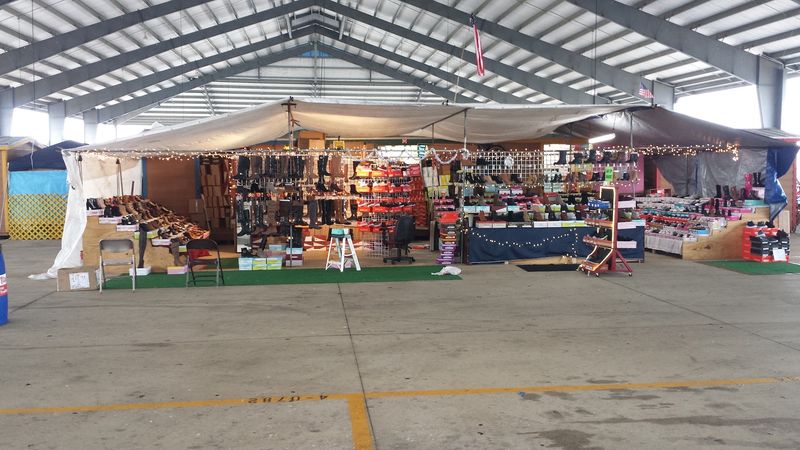
San Antonio’s Traders Village is a weekend destination that combines a traditional flea market with carnival rides, live entertainment, and special events throughout the year. Covering over 100 acres, this market has been a San Antonio staple since the 1970s and continues to draw crowds every Saturday and Sunday. The sheer scale of the place means you could visit multiple times and still discover new vendors and hidden corners you hadn’t explored before.
The vendor mix here is impressively diverse, with permanent indoor shops selling everything from Western boots to electronics, plus hundreds of outdoor vendors who set up tents each weekend with rotating inventory. You’ll find new merchandise alongside vintage treasures, handmade crafts next to discount tools, and food vendors serving everything from elote to turkey legs. The variety ensures that every family member can find something interesting, even if they’re not die-hard flea market fans.
Kids especially love Traders Village because of the carnival rides and games scattered throughout the property. Parents can browse while children burn off energy on the Ferris wheel or bumper cars, making this a true family outing rather than just a shopping trip. The market also hosts car shows, concerts, and seasonal festivals that add extra excitement to regular weekend visits.
Parking is free and abundant, though the lot fills up quickly on nice-weather weekends. The layout can be a bit confusing for first-timers, so grabbing a map at the entrance helps you navigate efficiently. Many vendors are open to negotiation, especially if you’re buying multiple items or shopping later in the day when they’re looking to unload inventory.
Covered pavilions provide shade and shelter from unexpected rain, and plenty of seating areas are scattered throughout so you can rest your feet between shopping sessions. The market accepts cash and cards, though smaller vendors prefer cash for quicker transactions. Plan to spend at least three to four hours here to really experience everything, and don’t be surprised if you end up staying even longer.
5. Bussey’s Flea Market (Schertz)
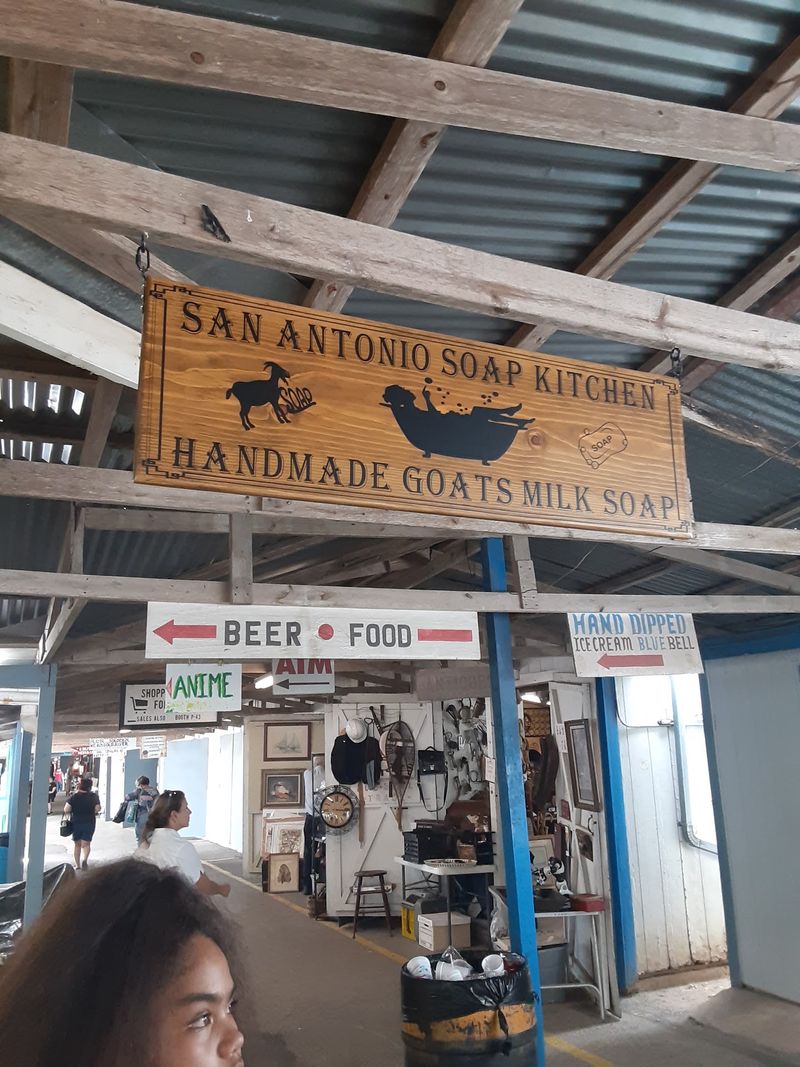
Located just outside San Antonio in the town of Schertz, Bussey’s has earned a reputation as a no-frills, old-school flea market where serious bargain hunters come to find real deals. Operating on weekends, this market attracts vendors who specialize in tools, antiques, collectibles, and household goods rather than trendy crafts or mass-produced items. If you’re looking for authenticity and genuine treasures rather than a polished shopping experience, Bussey’s delivers.
The market has a laid-back, local feel where vendors and shoppers often know each other by name. This isn’t a massive commercial operation but rather a community gathering spot where people come to buy, sell, and socialize. The inventory changes weekly, so regular visitors know that each trip offers new possibilities and unexpected finds that weren’t there the week before.
You’ll encounter everything from vintage tools and farm equipment to antique furniture and military memorabilia. The vendors here tend to be knowledgeable about their merchandise and happy to share stories about where items came from or how they work. Prices are generally lower than at bigger, more touristy markets, and haggling is not only accepted but expected as part of the experience.
The market operates outdoors, so weather plays a bigger role in your comfort level than at climate-controlled venues. Bring sunscreen and a hat during summer months, and check the forecast before heading out during rainy season. The casual setup means amenities are basic, so plan accordingly with water and snacks if you’re planning an extended visit.
Parking is easy and free, and the smaller size compared to mega-markets like Traders Village means you can actually see everything in a few hours without feeling overwhelmed. Cash is definitely preferred here, and ATMs aren’t always available, so come prepared. The crowd tends to be older and more experienced, with fewer families and more dedicated collectors who know what they’re looking for.
Bussey’s represents the traditional flea market experience without the bells and whistles, and that’s exactly what keeps loyal customers coming back week after week for decades.
6. Brownsville Farmers’ Market (Brownsville)
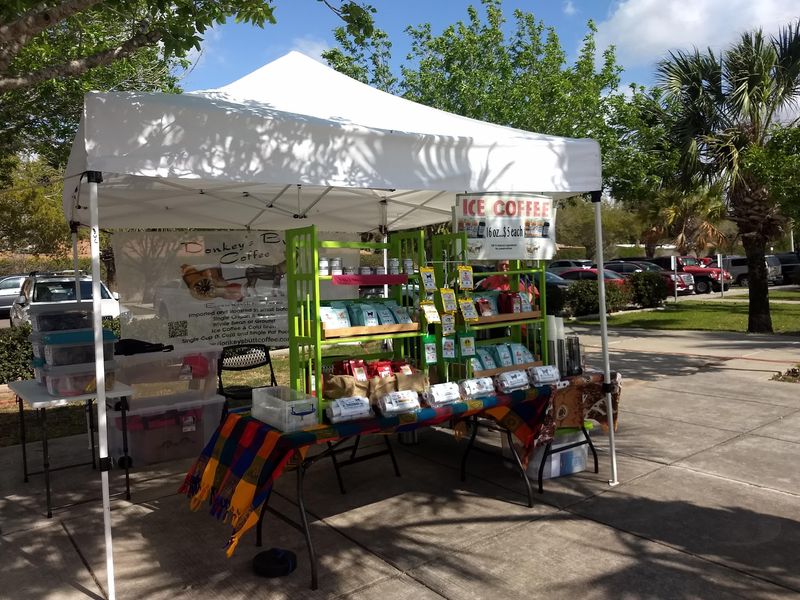
While primarily known as a farmers market, Brownsville’s weekend market has evolved into a hybrid venue where fresh produce shares space with flea market vendors selling crafts, clothing, and household items. Located in the Rio Grande Valley near the Mexican border, this market reflects the region’s unique cultural blend with vendors offering both traditional American flea market fare and Mexican imports. The bilingual atmosphere and diverse merchandise make this a distinctive shopping experience you won’t find in other parts of Texas.
Early morning is the best time to visit, when farmers arrive with fresh vegetables, fruits, and herbs picked that same morning. As the day progresses, more flea market-style vendors set up with everything from handmade jewelry to used electronics. The mix of agricultural products and secondhand treasures creates an interesting dynamic where you might fill your shopping bag with organic tomatoes and vintage kitchen gadgets in the same trip.
The market operates year-round, taking advantage of the Valley’s mild winter climate that allows for outdoor shopping even in January. The crowd is a mix of locals doing their weekly grocery shopping and treasure hunters looking for unique finds. Vendors are friendly and many speak both English and Spanish, reflecting the border community’s bilingual nature.
Prices are extremely reasonable, especially for produce that often costs a fraction of what you’d pay at grocery stores. Flea market items are similarly affordable, with vendors willing to negotiate on price. The informal setup means you’ll be shopping in open-air tents or from vendors who’ve simply spread their wares on tables, giving everything a casual, neighborhood feel.
Parking can be tight on busy Saturday mornings, so arriving early solves multiple problems at once. Bring reusable bags for produce and cash for the easiest transactions. The market doesn’t have the massive scale of Canton or Traders Village, but the cultural flavor and community atmosphere make it a worthwhile stop if you’re in the Rio Grande Valley.
Food vendors serve breakfast tacos, fresh juice, and other regional specialties that make the market as much about the experience as the shopping. This is grassroots Texas commerce at its finest.
7. Traders Village Grand Prairie (Grand Prairie)
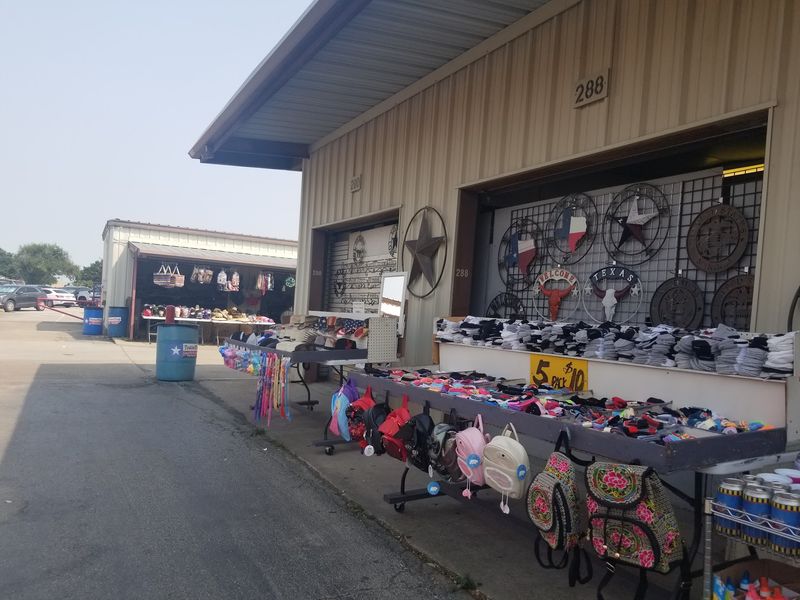
Situated between Dallas and Fort Worth, Traders Village Grand Prairie is the original location that launched the Traders Village brand back in 1973. Spanning over 100 acres with more than 1,600 vendor spaces, this market has grown from a simple weekend swap meet into a major regional attraction. The Grand Prairie location maintains the authentic flea market vibe while offering modern conveniences and entertainment options that make it accessible for all ages.
The vendor mix is incredibly varied, with permanent shops housed in covered buildings alongside outdoor weekend vendors who bring fresh inventory each Saturday and Sunday. You’ll find everything from Western wear and cowboy boots to electronics, furniture, toys, and handmade crafts. The permanent vendors often have the best selection of specific categories like tools or clothing, while weekend vendors offer more unpredictable treasures and one-time finds.
Entertainment is a big part of the Traders Village experience, with carnival rides, pony rides, and a petting zoo that keep kids entertained while parents shop. The market also hosts special events throughout the year, including classic car shows, concerts, and holiday celebrations that draw even larger crowds than typical weekends. These events transform the market from a shopping destination into a full day of family entertainment.
The layout is easier to navigate than some massive flea markets, with clear signage and wide aisles that accommodate strollers and wagons. Covered pavilions provide relief from Texas heat, and plenty of food vendors offer everything from barbecue to funnel cakes. Seating areas are scattered throughout, giving shoppers places to rest and regroup between shopping sessions.
Parking is free and plentiful, though arriving before 10 a.m. on Saturdays gives you the best selection and easier parking access. The market accepts both cash and cards, though cash often gets you better deals when negotiating with vendors. Many shoppers bring coolers to store perishable purchases, especially during summer months.
The Grand Prairie location has a loyal following of regular visitors who’ve been coming for decades, and first-timers quickly understand why this market has stood the test of time in the competitive Dallas-Fort Worth area.
8. Traders Village Houston (Houston)
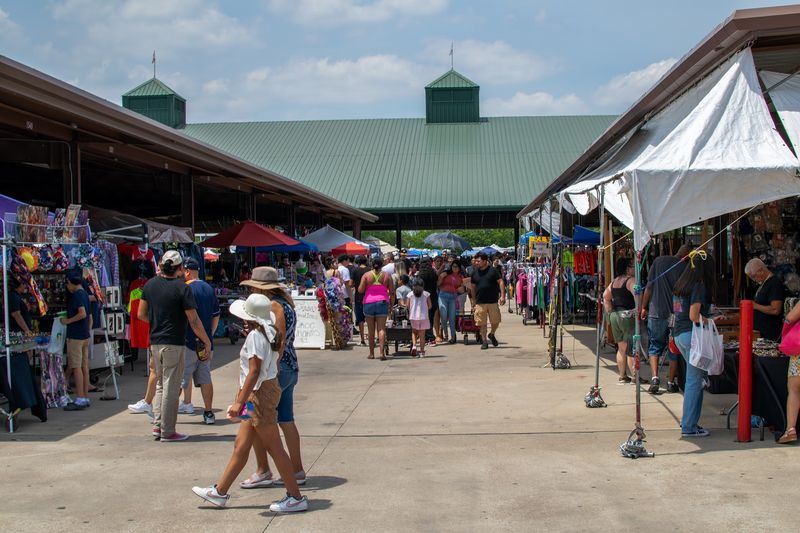
Houston’s version of Traders Village brings the same winning formula to the Bayou City, offering over 800 covered vendor spaces plus hundreds of outdoor weekend sellers. Open every Saturday and Sunday year-round, this market has become a weekend tradition for Houston families looking for bargains, entertainment, and a fun way to spend a few hours outdoors. The Houston location rivals its Grand Prairie sibling in size and scope, making it one of the largest flea markets in Southeast Texas.
The covered shops create a mall-like experience where you can browse in air-conditioned comfort, which is a real blessing during Houston’s notoriously hot and humid summers. These permanent vendors carry consistent inventory, so if you find a shop you love, you can return knowing they’ll still be there next weekend. The outdoor vendors bring rotating merchandise that changes weekly, ensuring there’s always something new to discover even if you visit regularly.
Amusement rides and games are scattered throughout the property, making this genuinely kid-friendly territory. Parents can split up, with one shopping while the other supervises children on rides, then swap roles. The market also features live music on many weekends, adding to the festival atmosphere that makes Traders Village more than just a shopping trip.
Food options are abundant, with everything from traditional carnival fare to authentic Mexican food and Texas barbecue. The market has its own food court area with covered seating, plus food trucks positioned throughout the grounds. You won’t go hungry, and the variety means even picky eaters can find something appealing.
The Houston location hosts special events including lowrider shows, wrestling matches, and holiday markets that add extra excitement to regular weekend operations. These events can draw huge crowds, so checking the calendar before you visit helps you decide whether you want to experience the extra energy or prefer a quieter shopping day.
Parking is free but fills up quickly on nice-weather weekends, so early arrival is recommended. The market is well-maintained with clean restrooms and helpful staff who can point you toward specific types of vendors. Cash is preferred by many sellers, though card acceptance has improved in recent years.
9. 77 Flea Market (Brownsville)
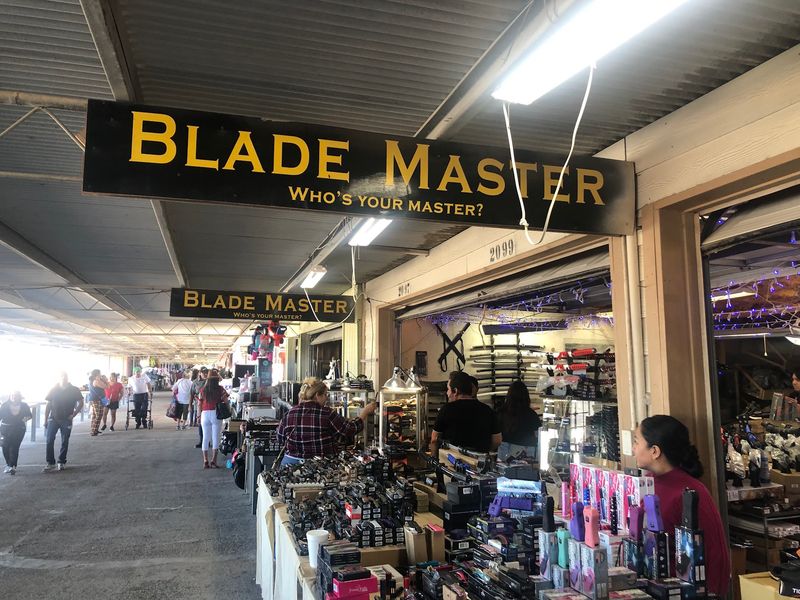
Named for its location along Highway 77, this Brownsville flea market captures the border town spirit with a mix of American flea market staples and Mexican imports. Operating on weekends, the market draws shoppers from both sides of the border looking for deals on everything from clothing and electronics to home goods and automotive supplies. The proximity to Mexico gives this market a distinct flavor you won’t find at flea markets in North or Central Texas.
Vendors here often carry items you’d typically find in Mexican mercados alongside traditional American garage sale fare, creating an interesting fusion of shopping cultures. You might find handcrafted leather goods from Mexico next to used power tools from American sellers. The bilingual environment and border town vibe make this an authentic Rio Grande Valley experience where cultural exchange happens naturally through commerce.
Prices are extremely competitive, with vendors eager to move merchandise and willing to negotiate on almost everything. The informal setup and straightforward approach to selling means you won’t encounter high-pressure tactics, just honest dealing and friendly conversation. Many vendors have been setting up at the same spot for years, building relationships with regular customers who return specifically to see what new items they’ve brought.
The market operates outdoors, so weather is a factor in your comfort level and sometimes in whether vendors show up at all. Heavy rain can mean sparse attendance, while pleasant weather brings out the biggest crowds and most vendors. The South Texas climate means you can shop here comfortably most of the year, though summer afternoons get blazing hot and are best avoided.
Parking is informal but generally adequate, with space along the highway and in adjacent lots. The market doesn’t have the organized layout of larger commercial operations, giving it a more authentic, grassroots feel. Cash is definitely king here, and having small bills makes transactions smoother since vendors may not always have change for large denominations.
This isn’t a destination market that will occupy your entire day, but it’s a great stop if you’re in the Brownsville area and want to experience local commerce with a border town twist.
Share this story