Pennsylvania hides a surprising crystal hunting story beneath its forests, ridges, creeks, and old mining grounds, and if you have ever wanted a trip that feels equal parts treasure hunt and outdoor escape, this state delivers in a big way. From quartz tucked into weathered rock to mineral-rich zones shaped by iron mining, schist outcrops, and river erosion, these destinations can turn an ordinary weekend drive into a memorable search for something sparkling in the dirt.
You do not need to be a professional geologist to enjoy the thrill here, because many of the best experiences come from learning the landscape, slowing down, and noticing the details that most people walk right past. If you are ready to explore Pennsylvania with a bucket, sturdy boots, and a little curiosity, these nine adventures are the kind of places that can make you want to plan your next outing before the first one is even over.
1. Greenwood Furnace State Park Area
Tucked into the wooded heart of central Pennsylvania, this area feels like the kind of place where a slow walk can turn into an unexpected find.
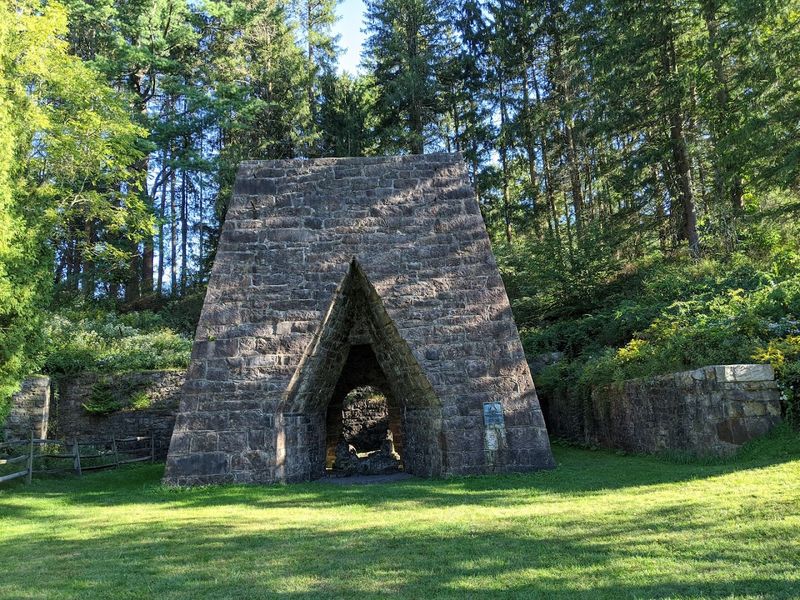
Around Greenwood Furnace State Park, the folded ridges, old iron history, and exposed rocky ground create a setting that keeps rockhounds curious from the first step.
You are not walking into a commercial dig here, but that is part of the appeal.
The surrounding landscape includes stream beds, weathered slopes, road cuts, and disturbed ground where quartz and other common minerals may appear with patient searching.
I would focus on checking gravelly edges, naturally exposed rock, and places where erosion has already done the hard work for you.
After rain, the contrast between damp soil and pale stone can make small crystals much easier to spot.
What makes this adventure memorable is the atmosphere as much as the hunt itself.
The park is framed by dense forest, historic structures, and mountain scenery that make even a modest crystal find feel like a reward earned in a beautiful place.
If you enjoy combining hiking, photography, and casual collecting, this part of Pennsylvania has a grounded, old-school charm that is hard to fake.
You should always verify current park rules before collecting and stick to ethical rockhounding practices, especially in protected recreational areas.
Bringing gloves, water, a small hand lens, and a bag for obvious loose material is usually enough for a beginner-friendly outing.
Even if you leave with only a few quartz fragments, the experience around Greenwood Furnace State Park still feels like one of Pennsylvania’s most satisfying crystal hunting adventures.
2. Crystal Cave Park
If you want a crystal adventure with a little more structure and a lot of visual payoff, this stop offers a different kind of Pennsylvania experience.
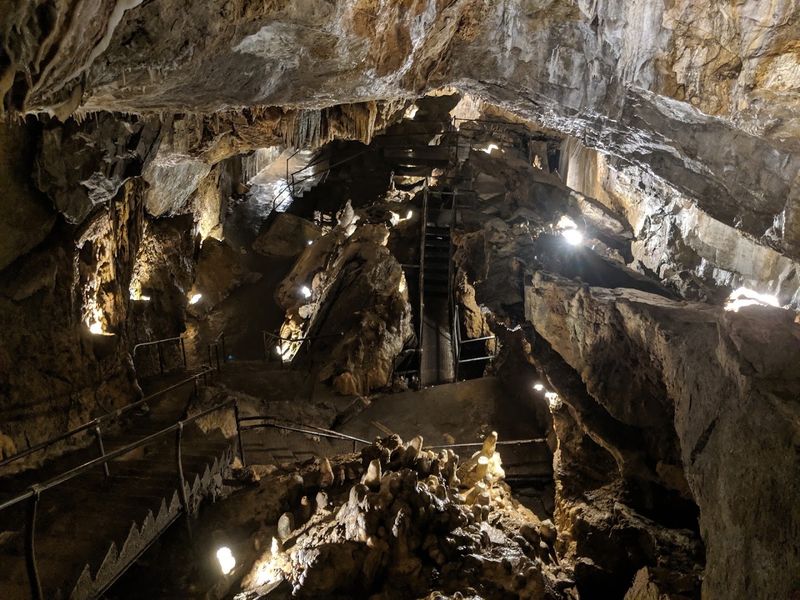
Crystal Cave Park is better known for its famous cave than for open collecting, but the location still belongs on a crystal lover’s itinerary because it introduces you to the state’s mineral story in an accessible way.
Sometimes the best hunt begins with understanding what the ground has been building for ages.
The cave environment highlights how mineral-rich water and limestone geology create striking underground formations, and that context can make future rockhounding trips far more rewarding.
You are not likely to be prying specimens from protected cave walls, of course, but you can study textures, colors, crystal growth patterns, and local geology in a setting that feels immersive instead of abstract.
For families or first-time collectors, that makes this adventure especially useful.
Above ground, the surrounding Berks County landscape adds to the appeal with rolling countryside and a long history of geological interest.
I like places that pair learning with scenery, because they give you more than a single quick thrill and help sharpen your eye for future trips elsewhere in Pennsylvania.
Once you have seen mineral formation up close here, creek gravel and exposed road cuts start to look a lot more interesting.
This is the kind of stop that works best when you treat it as inspiration rather than a take-home specimen site.
Check tour availability, respect all site rules, and leave protected formations exactly where they are.
Crystal Cave Park may not be the most hands-on collecting location on this list, but it absolutely deserves a place in a Pennsylvania crystal hunting adventure plan.
3. Valley Forge-Wissahickon Schist Areas
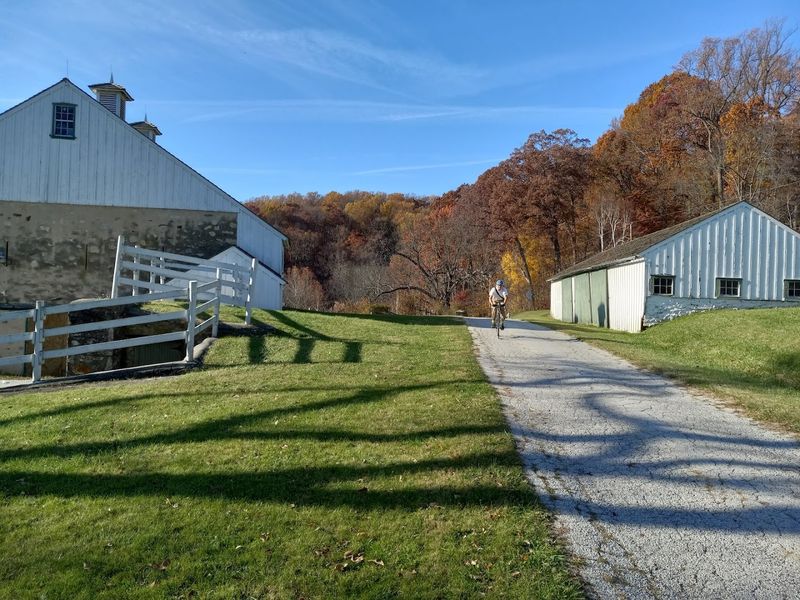
Some of the most interesting crystal hunting adventures begin with rocks that do not look flashy at first glance.
In the Valley Forge and Wissahickon schist areas, Pennsylvania’s metamorphic geology reveals layered stone, glittering mica, and occasional quartz veins that reward careful attention more than fast collecting.
If you enjoy learning how landscapes tell their own story, this region feels especially rich.
Schist is not always the first rock beginners get excited about, yet it can be one of the most visually satisfying once sunlight catches its mineral content.
As you move along legal access points near trails, creek exposures, and naturally weathered outcrops, you may notice sparkling surfaces, fractured sections, and small quartz pockets in the surrounding rock.
I like this kind of hunting because it teaches you to read texture, structure, and light all at once.
There is also something compelling about searching in places so closely tied to Pennsylvania’s natural and cultural identity.
Valley Forge carries obvious historical weight, while Wissahickon is loved for its dramatic gorge scenery, and both settings make a simple rockhounding outing feel more layered and memorable.
Even if you collect only loose pieces from approved areas, the visual character of the terrain stays with you.
Before heading out, make sure you understand the regulations for each park or public land segment, since collecting rules can differ sharply.
Focus on observation first, photography second, and only gather clearly permitted loose material where it is allowed.
The Valley Forge-Wissahickon schist areas may not promise giant crystals, but they offer one of the most thoughtful and distinctly Pennsylvanian mineral adventures you can have.
4. Cornwall Iron Mines Area
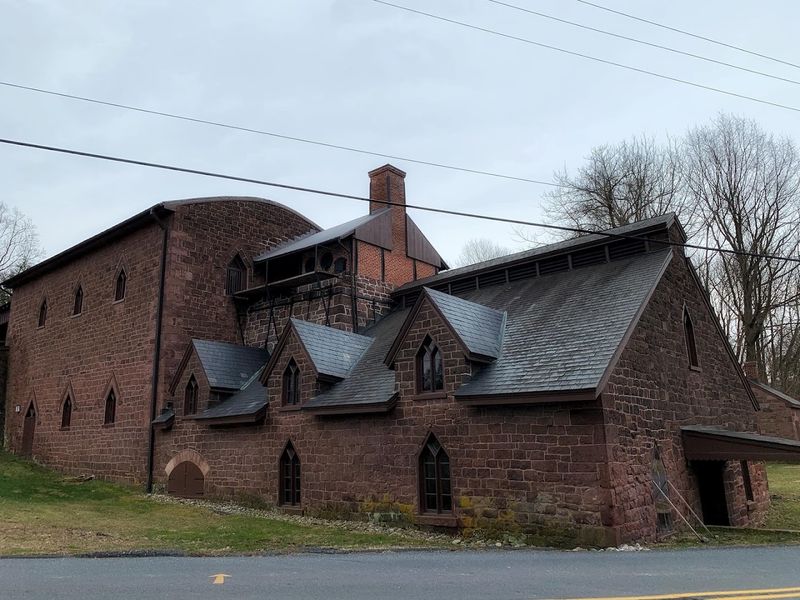
History and geology come together in a powerful way around this classic Pennsylvania mining district.
The Cornwall Iron Mines area is best known for its deep connection to the state’s iron industry, but that same legacy also makes it fascinating for anyone interested in minerals, altered rock, and the stories hidden in old ground.
You can feel that sense of industrial past even before you start studying the stone.
Iron-rich terrain often produces bold colors, unusual textures, and weathered material that stands out against surrounding soil.
While you should not expect unrestricted access to mine property, the broader area can still be interesting for educational exploration, historical interpretation, and identifying common mineral associations in legal locations nearby.
Quartz, iron-stained rock, and related mineral specimens can be especially appealing when erosion exposes them clearly.
What I love about this kind of destination is that it changes the mood of crystal hunting completely.
Instead of a purely scenic forest search, you get a landscape shaped by labor, extraction, and Pennsylvania’s industrial backbone, which makes every rocky slope feel more significant.
Even a small find seems connected to something larger here, and that adds depth to the adventure.
Be especially careful with access in this region, because former mining areas can include private land, unstable ground, and preserved historic sections where collecting is not appropriate.
Good planning means researching public access, respecting fencing and signage, and treating the site as much as a learning experience as a collecting trip.
The Cornwall Iron Mines area earns its place on this list because it offers one of Pennsylvania’s most atmospheric mineral adventures.
5. Hickory Run State Park Boulder Field
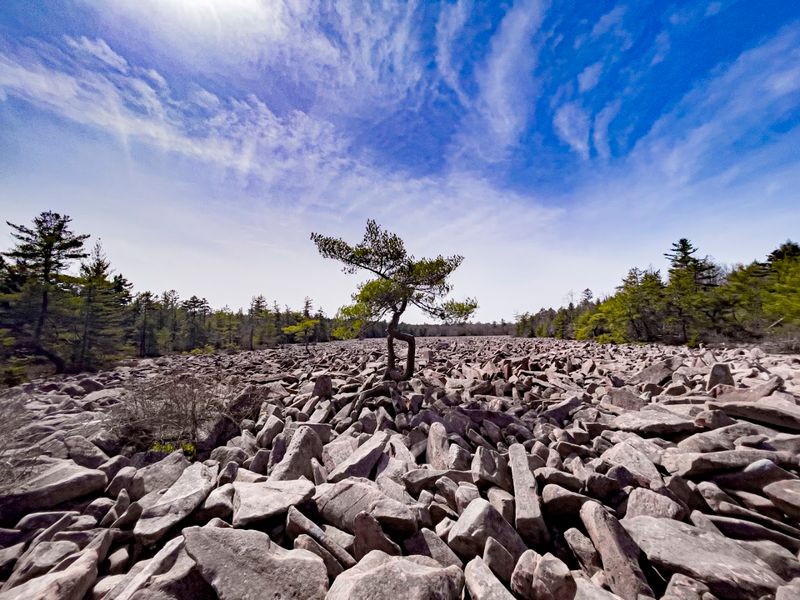
Few places in Pennsylvania look as instantly dramatic as this one, and that alone makes it worth the trip.
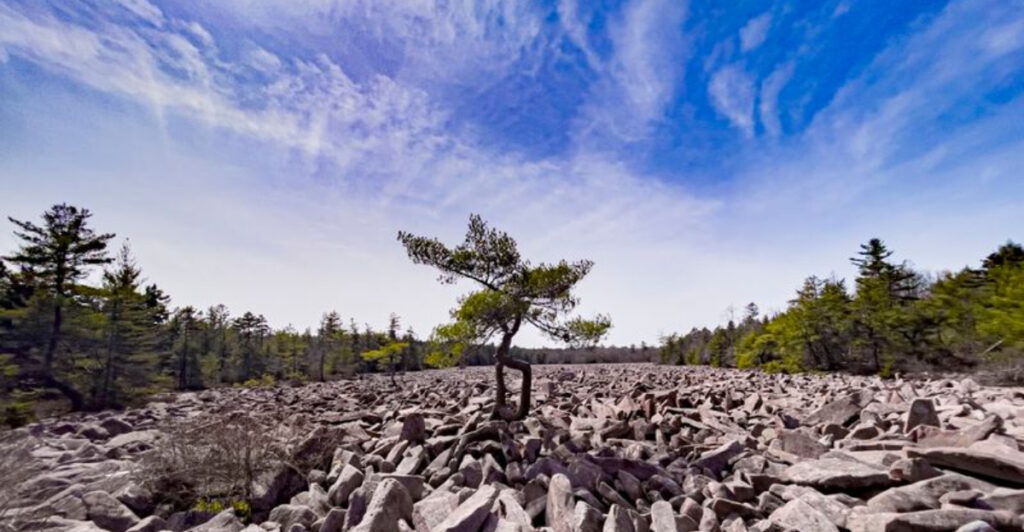
The massive spread of rock at Hickory Run State Park’s Boulder Field is famous for scale rather than crystal abundance, yet it still offers a memorable experience for anyone who loves studying stone, texture, and geological process up close.
Sometimes the adventure is as much about observation as actual collecting.
The field itself is a striking reminder of ancient climate forces, weathering, and movement across Appalachian terrain.
You are more likely to appreciate quartz veins, mineral variation, and the character of fractured rock here than to walk away with a pocket full of specimens, especially since collecting restrictions may apply.
Even so, the sheer concentration of exposed stone sharpens your eye and makes every subtle sparkle feel worth noticing.
What really makes this destination stand out is the atmosphere of standing among boulders that seem to go on forever.
It feels rugged, open, and oddly quiet, which gives you time to slow down and study surfaces, grain, and color in a way wooded collecting spots sometimes do not.
If you pair the visit with nearby trails and stream areas where permitted, the outing becomes even more rewarding.
This is a place where respecting the landscape matters as much as your curiosity, so check current park rules before assuming anything can be removed.
I would bring sturdy boots, water, and a camera, because photographs of mineral textures and huge stone formations may end up being the best souvenirs.
Hickory Run State Park Boulder Field belongs on this list because it delivers a truly unforgettable Pennsylvania geology adventure.
6. McAdoo Quartz Site (Schuylkill County)
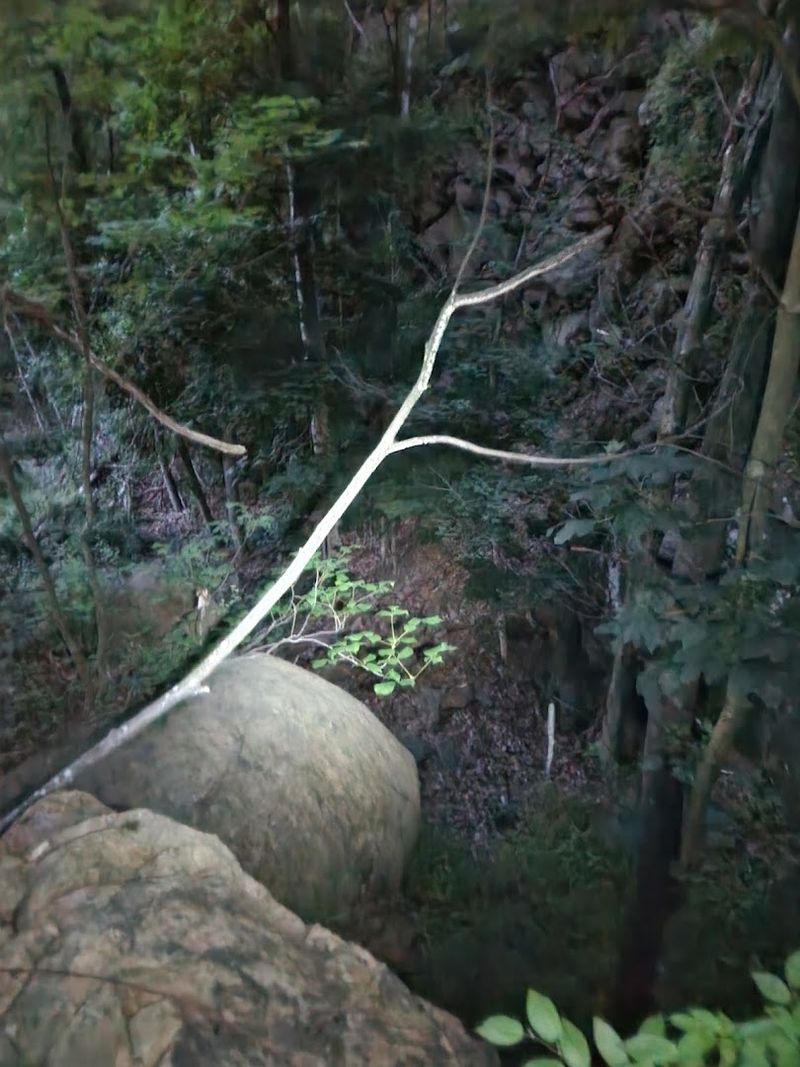
For anyone who wants a destination with quartz in the name and real promise in the landscape, this Schuylkill County stop is easy to love.
The McAdoo Quartz Site has a reputation that naturally draws crystal hunters, especially those hoping to find white quartz fragments, vein material, and other common but satisfying pieces in a classic Pennsylvania setting.
You can tell right away this is a place where the geology takes center stage.
The surrounding terrain reflects the rugged character of northeastern Pennsylvania, with exposed rock, weathered ground, and the broader influence of the region’s mining history.
Loose material near disturbed areas and natural exposures can sometimes provide the best opportunities, particularly if you are patient and willing to sort through more ordinary stone to find cleaner crystal-bearing pieces.
I think that process is part of the fun because every good find feels earned.
Another thing that makes this adventure stand out is how strongly it captures the feel of Pennsylvania’s old resource landscapes.
The hills, rock cuts, and working-class history of Schuylkill County give the outing a practical, no-frills atmosphere that many collectors actually prefer.
It is less about polished tourism and more about quietly reading the ground in front of you.
Because site conditions and ownership can change, always confirm whether the exact collecting area is open, legal, and safe to enter before making plans.
Bring gloves, eye protection, sturdy footwear, and realistic expectations, since quartz hunting often rewards persistence over speed.
The McAdoo Quartz Site earns its place on this list by offering one of the most direct and satisfying crystal-focused adventures in Pennsylvania.
7. Lehigh Gap / Blue Mountain Area
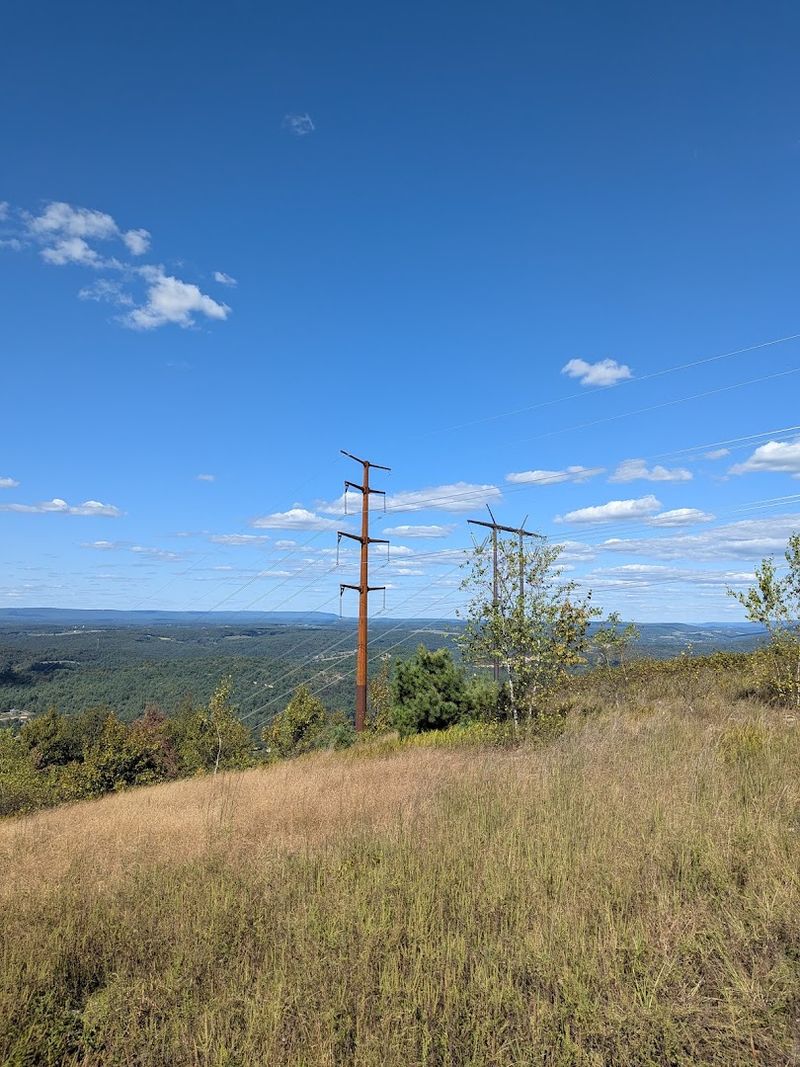
Mountain scenery and mineral curiosity come together beautifully in this eastern Pennsylvania adventure.
The Lehigh Gap and Blue Mountain area offers exposed rock, steep terrain, and a rugged Appalachian setting where quartz-bearing material, interesting fractures, and weathered outcrops can reward a careful search.
If you want your crystal hunting to feel like a real outdoor excursion, this is the kind of place that delivers.
The geology here is visually dramatic, which makes the hunt more engaging even before you find anything worth pocketing.
Rocky slopes, trail-side exposures, and loose stone from natural weathering can all become part of the search, especially when light catches pale mineral streaks against darker surrounding rock.
I like areas like this because they force you to pay attention to angle, shadow, and structure rather than just scanning the ground casually.
Lehigh Gap also brings a sense of scale that smaller collecting spots sometimes lack.
With Blue Mountain rising around you and the gap cutting through the landscape, every stop feels tied to bigger geological forces that shaped this part of Pennsylvania over immense time.
That backdrop turns simple specimen hunting into something more immersive and memorable.
You will want to research access carefully, since some parts of the region are protected, privately owned, or best appreciated without removing material.
Focus on legal areas, stick to marked routes where necessary, and be ready for uneven footing, wind, and quick weather shifts at higher elevations.
The Lehigh Gap and Blue Mountain area belongs on this list because it offers one of Pennsylvania’s most scenic blends of hiking, geology, and crystal-hunting potential.
8. Tuscarora State Forest
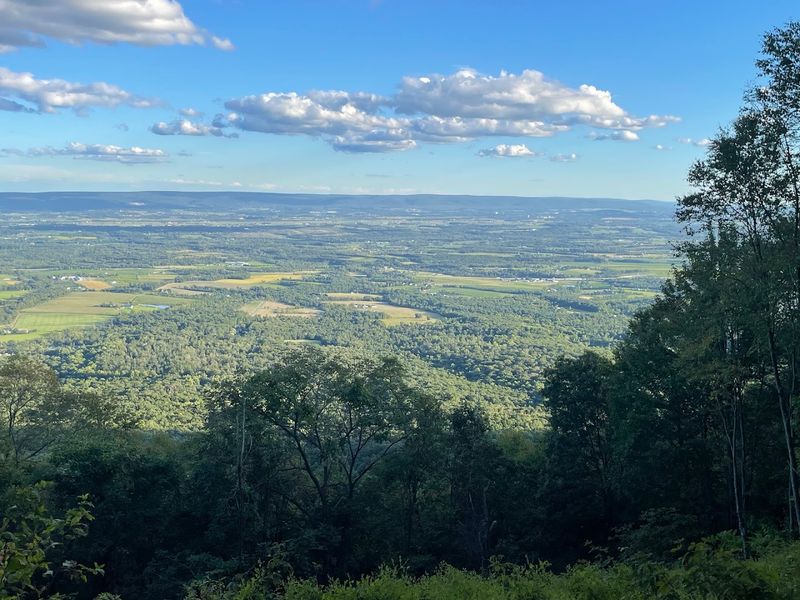
Remote forest ground has a way of making crystal hunting feel more personal, and this destination captures that mood perfectly.
Tuscarora State Forest spreads across a rugged part of Pennsylvania where road cuts, rocky trails, streams, and weathered slopes create plenty of reasons for a collector to stay alert.
If you enjoy quiet searching away from crowds, this is an especially appealing place to explore.
The forest setting means you are often relying on subtle clues rather than obvious exposed mineral piles.
Quartz fragments, interesting vein material, and weathered stone can appear along legal access points where erosion, maintenance cuts, or natural drainage reveal the bedrock more clearly.
I would slow down near creek crossings and exposed banks, because those transitions often show the most geological detail.
Part of what makes this adventure so rewarding is the feeling of discovering Pennsylvania through its less polished corners.
The long ridges, deep woods, and changing light give every search a sense of possibility, even when the best part of the day ends up being the landscape itself.
That combination of solitude and geological curiosity is hard to match in more developed areas.
Preparation matters here because state forest outings can quickly become rugged, especially if weather turns or trails are less maintained than expected.
Bring navigation support, water, gloves, and a clear understanding of current regulations regarding collecting on state forest land.
Tuscarora State Forest deserves a place on your crystal hunting list because it offers a classic Pennsylvania backcountry experience where patience, observation, and respect for the land can really pay off.
9. French Creek Mines Area
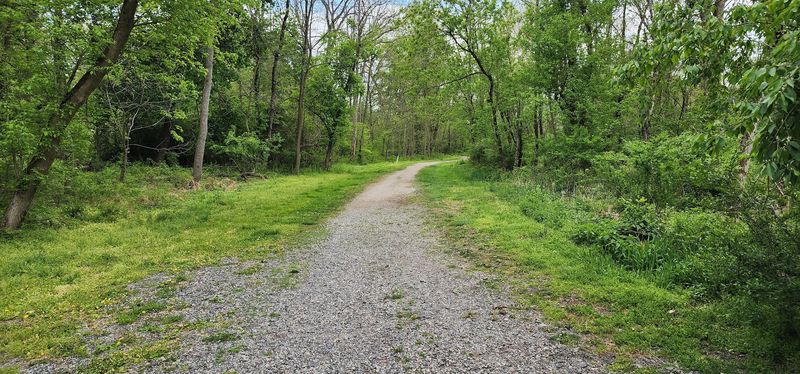
Old mines always carry a certain magnetism, and this southeastern Pennsylvania location has plenty of it.
The French Creek Mines area is known for its long mineral history, making it one of those places where geology enthusiasts and casual crystal hunters alike can appreciate the ground for what it once produced and what it still reveals.
Even before you look closely, the landscape hints that something interesting happened here.
The area has strong associations with iron mining and related mineralization, which can lead to eye-catching textures, staining, and specimen variety in appropriate nearby locations.
You may not be harvesting museum-grade pieces on every outing, but quartz, iron-rich fragments, and notable rock patterns can still make the search worthwhile.
I think this is the kind of destination where knowledge adds almost as much excitement as the finds themselves.
Another reason it stands out is its balance of accessibility, history, and scenic Pennsylvania character.
Wooded surroundings soften the industrial story without erasing it, and that mix creates a hunting atmosphere that feels both grounded and intriguing.
It is easy to imagine how generations of miners, collectors, and curious visitors have looked at the same hills with completely different goals.
Be cautious and selective about where you go, because former mining districts can include unsafe terrain, private property, and culturally important sites that deserve protection.
Research legal access, avoid entering unstable excavations, and treat the broader area with the respect you would give any historic landscape.
The French Creek Mines area rounds out this Pennsylvania list beautifully by offering a crystal hunting adventure rooted in both natural process and human history.
Share this story