Texas is huge, but you don’t need a week off work to explore its best spots. Some of the most memorable adventures happen just a couple hours from home, where small towns, natural wonders, and quirky attractions wait to surprise you. Whether you’re craving Hill Country vineyards, dinosaur tracks, or coastal breezes, these quick escapes prove that the best trips are often the shortest ones.
1. Austin to Fredericksburg
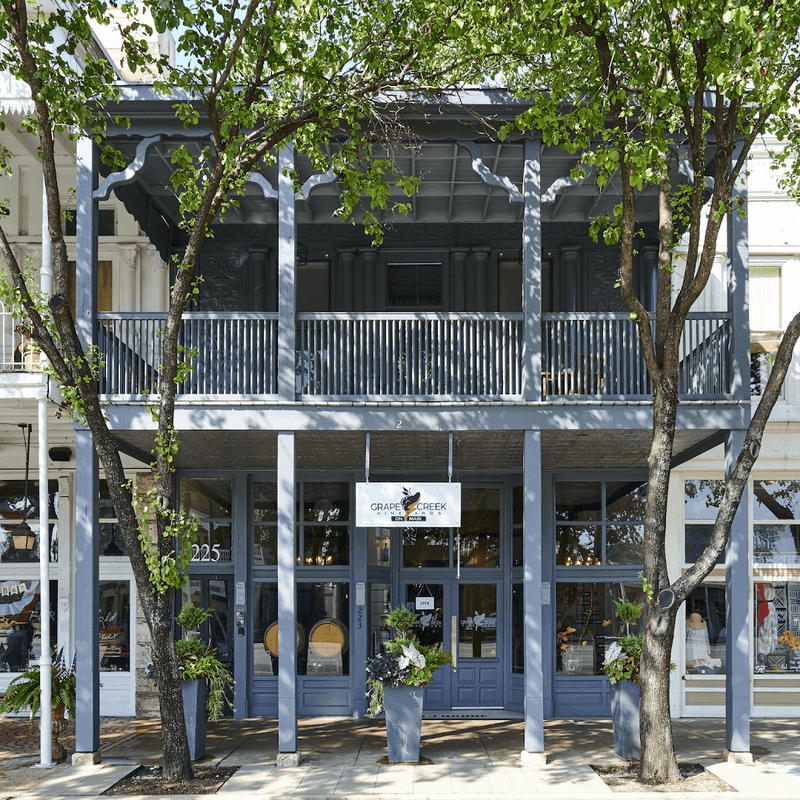
Head west out of Austin and watch the city fade into rolling hills dotted with wildflowers and peach orchards. Fredericksburg sits just 80 miles away, making it an easy morning drive that lands you in the heart of Texas Hill Country by lunchtime. This German-founded town has kept its heritage alive through bakeries, breweries, and a Main Street that feels like stepping back in time.
Wine lovers treat this route like a pilgrimage. The area boasts over 50 wineries, many with tasting rooms along Highway 290. Stop at a few to sample Texas-grown Tempranillo or Viognier, then grab lunch at one of the biergartens downtown.
The schnitzel is legit, and the beer gardens have that laid-back vibe that makes you want to linger all afternoon.
History buffs should carve out time for the National Museum of the Pacific War, which honors Admiral Nimitz and tells the story of World War II’s Pacific theater. It’s surprisingly massive and well-curated, with outdoor exhibits that include actual planes and tanks. Kids love climbing around the equipment, and adults appreciate the depth of storytelling.
Don’t skip the quirky shops lining Main Street. You’ll find everything from handmade cowboy boots to vintage antiques and local honey. Fredericksburg also has a thriving art scene, with galleries showcasing Texas landscapes and sculptures.
If you time it right, the town hosts festivals nearly every month, from peach celebrations in summer to Oktoberfest in fall.
Pack a picnic and drive out to Enchanted Rock State Natural Area on your way back. This massive pink granite dome offers hiking trails and panoramic views that make the detour worthwhile. The whole trip feels like a mini vacation without needing to pack an overnight bag.
2. Dallas to Granbury
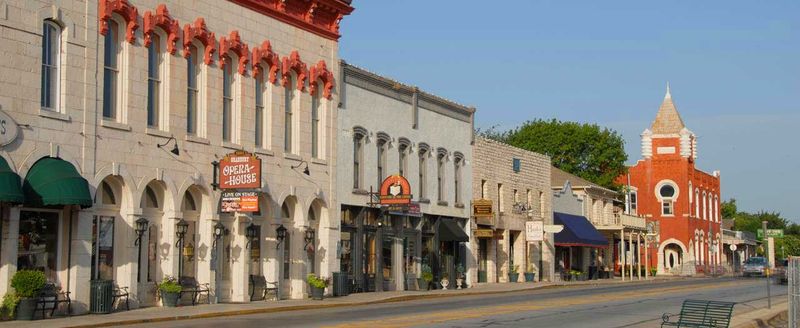
Granbury feels like the kind of town where time slows down on purpose. Just an hour southwest of Dallas, this Victorian gem wraps around a courthouse square that looks straight out of a postcard. The buildings are original, the storefronts are locally owned, and the vibe is pure small-town Texas without any of the tourist trap nonsense.
Start your visit by walking the square. Pop into bookshops, antique stores, and candy shops that still hand-scoop ice cream. The Granbury Opera House anchors the square and hosts live performances year-round, from musicals to comedy shows.
Even if you don’t catch a show, the building itself is worth admiring for its restored 1886 architecture.
Lake Granbury stretches along the Brazos River, offering paddleboarding, kayaking, and lazy afternoons on the water. Rent a boat or just find a shady spot along the shore to relax. The lake has a peaceful energy that makes it easy to forget you were stuck in Dallas traffic just an hour earlier.
Foodies will appreciate the local dining scene. Several restaurants overlook the water, serving everything from Texas barbecue to fresh seafood. The town also has a surprising number of bakeries and coffee shops, perfect for grabbing breakfast before exploring.
Don’t leave without trying a slice of pie from one of the local spots.
Granbury takes Halloween seriously, with haunted history tours that wind through the square and share ghost stories tied to the old buildings. Even outside October, the town has a slightly mysterious charm, especially at dusk when the streetlights flicker on and the courthouse glows. It’s the kind of place that makes you want to come back with a book and spend the whole day doing nothing.
3. Houston to Brenham

About 70 miles northwest of Houston, Brenham is best known as the home of Blue Bell ice cream. The creamery offers tours that walk you through the ice-creation process, ending with free samples that make the drive worth it on their own. Book ahead because spots fill up fast, especially on weekends when families flock in for a taste of Texas’s favorite frozen treat.
But Brenham is more than just ice cream. The town has a charming downtown filled with antique malls, boutiques, and restaurants housed in historic buildings. Stroll down Main Street and you’ll find everything from handmade jewelry to vintage furniture.
The pace here is unhurried, and shop owners actually take time to chat with visitors.
Spring brings the biggest draw: bluebonnets. The roads around Brenham explode with wildflowers, turning fields into seas of blue and orange. Families pack picnic baskets and head out to spots like Chappell Hill or Independence to snap photos and let kids run through the blooms.
It’s a Texas tradition that never gets old, no matter how many times you’ve done it.
Washington-on-the-Brazos State Historic Site sits just outside town and marks the birthplace of Texas independence. The park includes a museum, a replica of the building where the Texas Declaration of Independence was signed, and walking trails along the river. It’s a solid stop for anyone interested in Texas history, and the grounds are beautiful for a leisurely walk.
Local wineries dot the area, offering tastings of Texas wines in relaxed settings. Many have outdoor patios where you can sip a glass while overlooking vineyards or pastures. Brenham also hosts festivals throughout the year, including the popular Maifest in May, which celebrates the town’s German heritage with food, music, and dancing.
4. San Antonio to Bandera
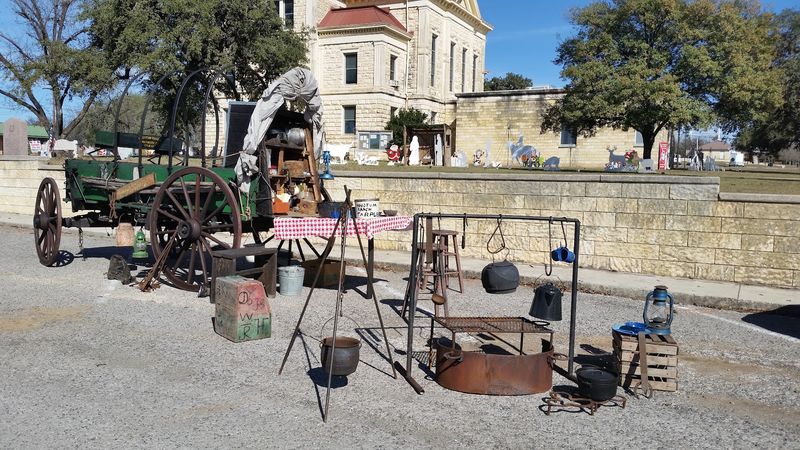
This Hill Country town, just 50 miles northwest of San Antonio, has more honky-tonks per capita than anywhere else in Texas. Live country music spills out of saloons most nights, and locals still ride horses down Main Street like it’s the most normal thing in the world.
Dude ranches surround the town, offering everything from horseback riding to cattle drives. Even if you’ve never been on a horse, the ranches cater to beginners with guided trail rides through cedar-covered hills and along the Medina River. Some ranches offer day visits, so you can get a taste of cowboy life without committing to an overnight stay.
The Medina River runs right through town, providing tubing, swimming, and fishing spots that locals guard like secrets. The water stays cool even in summer, making it a perfect escape from the heat. Rent a tube and float downstream, or just wade in the shallows and let the current work its magic on your stress levels.
Bandera’s downtown is small but packed with character. Western wear shops sell everything from cowboy boots to hand-tooled leather belts. Stop by the Frontier Times Museum to see artifacts from the Old West, including vintage saddles, firearms, and oddities collected over decades.
It’s quirky and fascinating in equal measure.
Friday and Saturday nights bring live music to venues like Arkey Blue’s Silver Dollar Saloon, where two-stepping is practically mandatory. Don’t worry if you don’t know the steps—someone will teach you. The atmosphere is friendly, the beer is cold, and the music is authentic Texas honky-tonk.
Bandera doesn’t put on a show for tourists; it just keeps being itself, which is exactly why people keep coming back.
5. El Paso to Hueco Tanks State Park
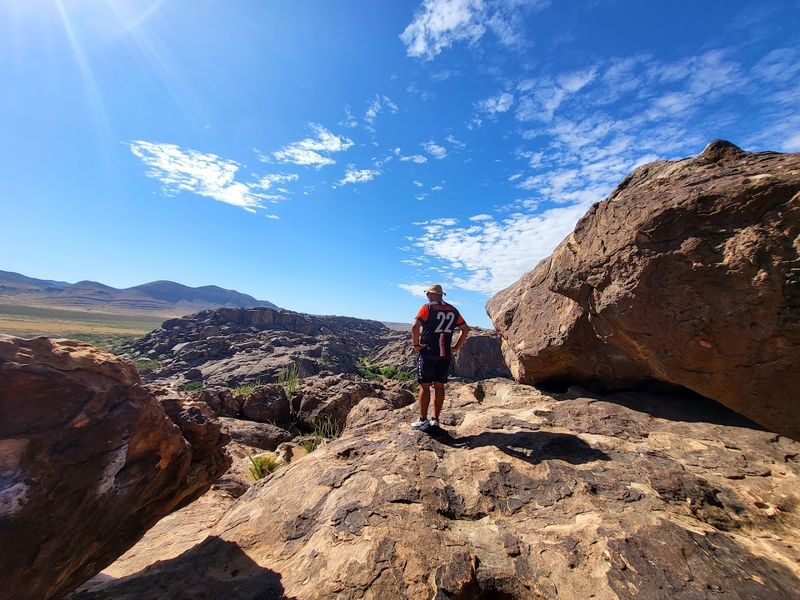
Located about 30 miles northeast of El Paso, Hueco Tanks rises from the desert with massive granite boulders that form natural basins for collecting rainwater. Ancient peoples recognized this as a vital water source, leaving behind thousands of pictographs that still cover the rock faces today. The park protects these cultural treasures while offering some of the best rock climbing and bouldering in the entire state.
Climbers travel from around the world to tackle the problems here. The rock formations create unique challenges, with routes ranging from beginner-friendly to expert-only. Even if you’re not a climber, watching people scale the boulders is entertaining, and the park offers guided tours that focus on the history and pictographs rather than the vertical stuff.
The pictographs are the real treasure. Native American groups, Spanish explorers, and early settlers all left their marks on these rocks, creating a visual timeline of human presence in the region. Park rangers lead tours to areas where the most significant artwork appears, sharing stories about the symbols and the people who created them.
These tours require reservations, so plan ahead.
Wildlife thrives in this desert environment. Golden eagles soar overhead, and you might spot roadrunners darting between boulders. The park’s ecosystem supports more life than you’d expect, thanks to those natural water tanks.
Bring binoculars if you’re into birding, because the species list is impressive for a desert location.
Summer in the desert is brutal, so spring and fall are the best times to visit. Early mornings offer cooler temperatures and softer light that makes the rock formations glow. Pack plenty of water, wear sturdy shoes, and don’t underestimate the sun.
The park limits daily visitors to protect the site, which means you won’t deal with crowds even on popular weekends.
6. Fort Worth to Glen Rose
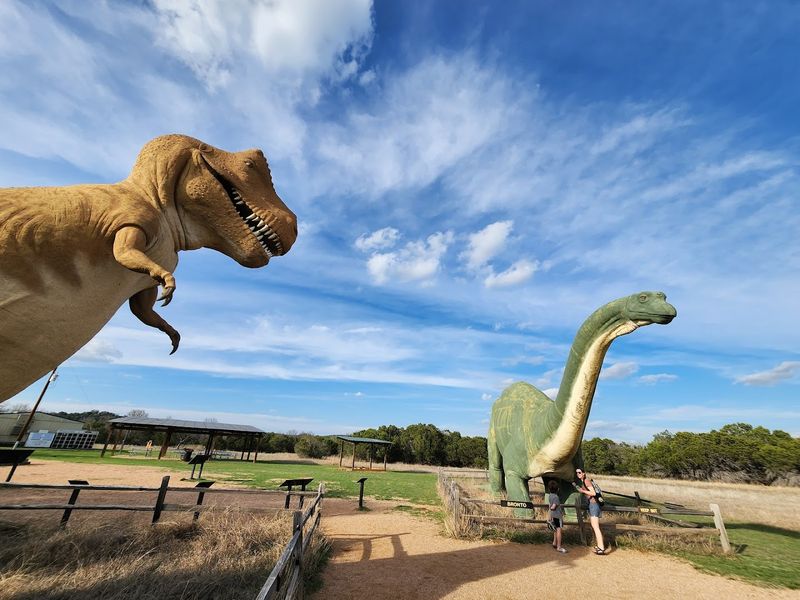
Glen Rose is where you can walk in actual dinosaur footprints. Seriously. Dinosaur Valley State Park preserves tracks left by massive sauropods and theropods millions of years ago, pressed into limestone that now forms the Paluxy River bed.
Kids lose their minds when they realize they’re standing where a real dinosaur once walked, and honestly, adults do too.
The park sits about 70 miles southwest of Fort Worth, making it an easy drive for a day trip. Trails wind through the park, leading to multiple track sites. When the river runs low, you can wade right out to the prints and touch them.
The size alone is mind-blowing—some tracks measure over three feet long, left by creatures that stood taller than most buildings.
Beyond the dinosaur tracks, the park offers excellent hiking and camping. The Paluxy River is perfect for wading and swimming, with clear water flowing over smooth limestone. Bring water shoes because the rocks can be slippery, but once you’re in, it’s refreshing and beautiful.
The river valley creates a lush corridor through otherwise dry terrain.
Glen Rose itself has leaned into its prehistoric past. Downtown features dinosaur statues, fossil shops, and quirky attractions like the Creation Evidence Museum. Whether you’re into paleontology or just want some fun photo ops, the town delivers.
Local restaurants serve up classic Texas comfort food, and the pace is relaxed and family-friendly.
Fossil Rim Wildlife Center is just outside town, offering drive-through safari experiences where giraffes and zebras might stick their heads in your car window. It’s a full-day activity on its own, so if you combine it with the dinosaur tracks, you might want to extend your trip. But if you’re keeping it short, the state park alone provides plenty of adventure and education wrapped into one memorable outing.
7. Corpus Christi to Rockport
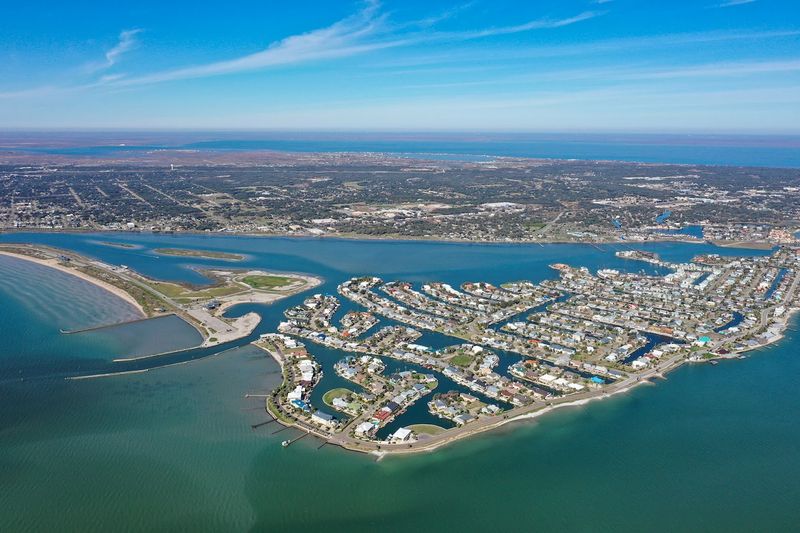
About 30 miles north of Corpus Christi, Rockport lies along the coast where the Gulf blends into calm bays and bird-filled marshes. This artsy beach town has a slower vibe than its bigger neighbor, with galleries, seafood shacks, and fishing charters that feel more authentic than touristy. The drive takes less than an hour, but it feels like you’ve entered a completely different world.
Birding is huge here. Rockport lies along the Central Flyway migration route, making it a hotspot for birdwatchers, especially during spring and fall. The Aransas National Wildlife Refuge, a short drive away, is where whooping cranes spend their winters.
Even casual observers will spot herons, egrets, and pelicans practically everywhere you look.
The harbor area is perfect for wandering. Fishing boats unload their catches, and you can buy fresh shrimp right off the dock. Restaurants along the waterfront serve seafood that was swimming hours earlier.
Try the fried shrimp, the fish tacos, or whatever the daily special is—you really can’t go wrong when everything is this fresh.
Rockport Beach Park offers calm, shallow waters ideal for families with young kids. The beach has picnic areas, playgrounds, and a pier for fishing. It’s not the dramatic surf you’d find on South Padre Island, but that’s the point.
The gentle waves and clear water make it perfect for swimming, paddleboarding, or just wading around collecting shells.
Art galleries fill the downtown area, showcasing local painters, sculptors, and photographers inspired by the coastal landscape. Many artists live in Rockport full-time, drawn by the light and the laid-back lifestyle. First Saturday art walks let you meet the creators and explore studios.
The town also hosts festivals celebrating everything from seafood to fine art, adding extra reasons to visit throughout the year.
8. Lubbock to Caprock Canyons State Park
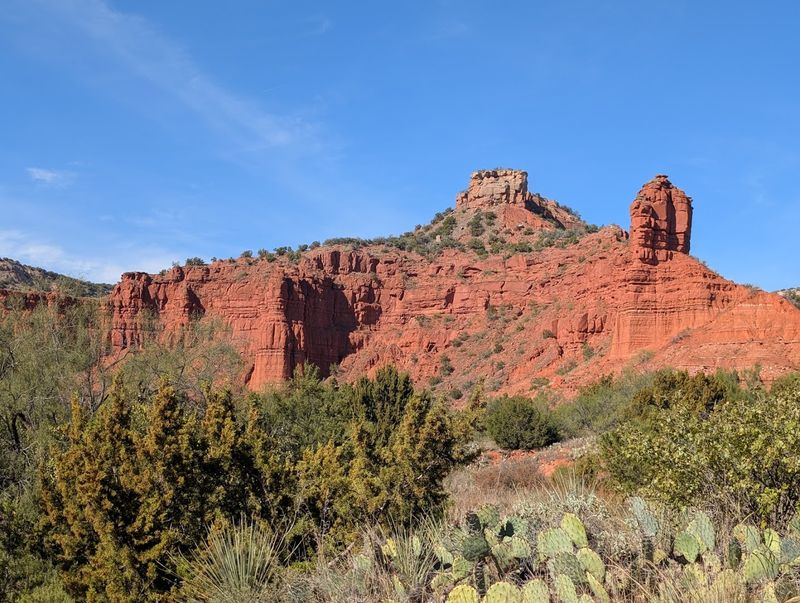
Caprock Canyons State Park breaks up the flatness of the Panhandle with dramatic red rock formations and deep canyons that drop away from the surrounding plains. Located about 100 miles southeast of Lubbock, this park feels like a secret that only locals know about. The landscape shifts from endless horizons to rugged terrain that surprises anyone expecting more of the same flat farmland.
The official Texas State Bison Herd lives here, roaming the canyons and prairies like they did centuries ago. Spotting these massive animals in their natural habitat is thrilling. They’re wild, so keep your distance, but seeing them against the red canyon walls creates a powerful connection to what Texas looked like before fences and highways carved it up.
Hiking trails wind through the canyons, offering routes for all skill levels. The Caprock Canyons Trailway, a converted railway line, stretches over 60 miles for hiking, biking, and horseback riding. You don’t have to tackle the whole thing—even a few miles in gives you stunning views of the layered rock formations and the vegetation clinging to canyon walls.
Stargazing here is exceptional. With minimal light pollution and clear West Texas skies, the Milky Way stretches overhead like someone spilled glitter across black velvet. Bring a blanket and lie back after sunset.
The silence and darkness make the stars feel close enough to touch, and you’ll see more shooting stars in an hour than you have in years.
Camping options range from primitive backcountry sites to developed campgrounds with amenities. Even if you’re not staying overnight, pack a picnic and spend the day exploring. The park rarely gets crowded, so you’ll have trails and viewpoints mostly to yourself.
It’s the kind of place that reminds you how big and wild Texas still is, even in the most unexpected corners.
9. San Marcos to Wimberley
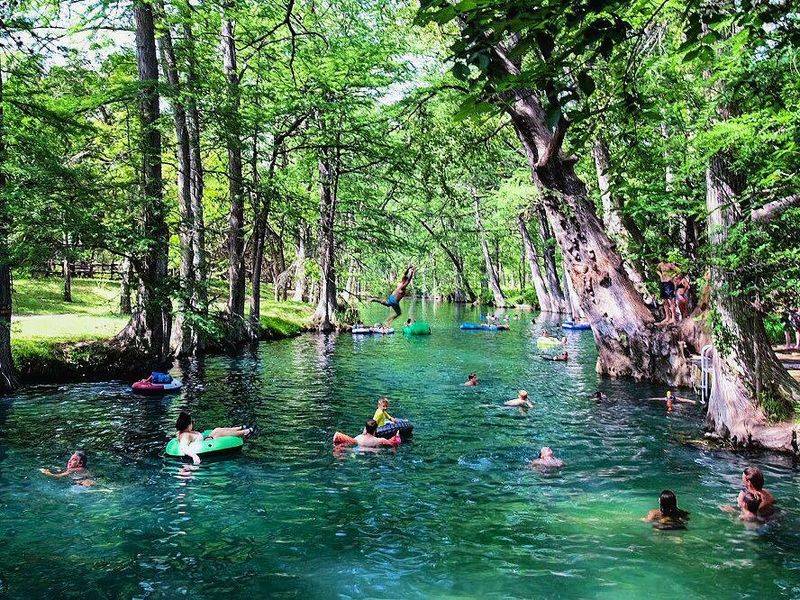
Just west of San Marcos, Wimberley sits where Cypress Creek flows into the Blanco River, surrounded by rolling Hill Country. This tiny town has become a weekend escape for people craving art, nature, and swimming holes that stay cool year-round. The drive is so short you could go for breakfast and still have the whole day to explore.
Blue Hole Regional Park is the main attraction. This natural swimming area features clear spring-fed water surrounded by cypress trees and limestone cliffs. The water stays a refreshing 70-something degrees even in August, making it a popular spot for beating the heat.
Get there early on summer weekends because it reaches capacity and closes the gates once it’s full.
Downtown Wimberley centers around the square, where local shops sell handmade goods, vintage finds, and art from Hill Country creators. The town has attracted artists and craftspeople for decades, giving it a creative energy that sets it apart from other small towns. Galleries showcase everything from paintings to pottery, and many artists welcome visitors into their studios.
The Wimberley Market Days happen the first Saturday of each month from March through December. Hundreds of vendors set up booths selling everything from antiques to food to handcrafted furniture. It’s one of the largest outdoor markets in the Southwest, and people drive in from all over Texas to hunt for treasures.
Even if you’re not buying, the atmosphere alone is worth experiencing.
Cypress Creek runs through town, offering additional swimming spots and scenic walking paths. Rent a kayak or paddleboard and spend a lazy afternoon on the water. Several restaurants have patios overlooking the creek, perfect for lunch or dinner with a view.
Wimberley moves at its own pace, slower than the cities but full of life and creativity. It’s close enough to visit on a whim but feels like a true getaway once you arrive.
Share this story