Tennessee’s lakes and rivers hold more than just fish and scenic views. Beneath the gentle lapping of water along the shore, you’ll find ancient fossils and smooth, colorful stones waiting to be discovered.
Whether you’re a seasoned rockhound or just looking for a fun outdoor activity, these waterways offer a treasure hunt that connects you to millions of years of history right in your own backyard.
1. Center Hill Lake
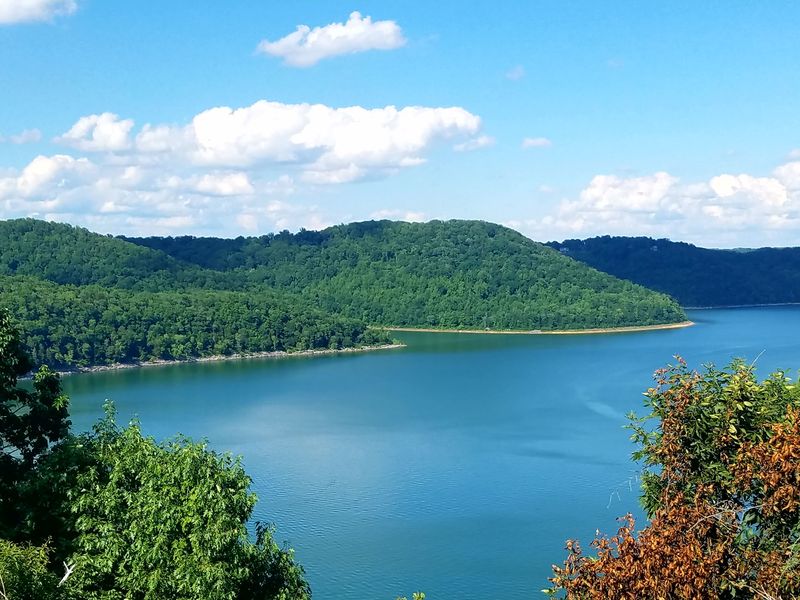
Center Hill Lake hides treasures that date back hundreds of millions of years. When the water levels drop, especially during late summer and fall, the exposed shoreline becomes a natural museum where limestone fossils tell stories of ancient seas that once covered Tennessee.
You’ll spot crinoid stems, brachiopods, and coral imprints embedded in the pale gray rocks that line the banks.
Quartz pieces catch the sunlight here, ranging from milky white to nearly transparent. These chunks often tumble free from the surrounding bedrock and collect in pockets along the shore.
The best hunting spots appear near boat ramps and along rocky points where wave action constantly reshuffles the stones.
Colorful shoreline stones add variety to your collection. Look for pinkish limestone, rust-stained sandstone, and smooth pebbles in shades of tan, cream, and gray.
The diversity comes from different rock layers exposed by the lake’s creation and ongoing erosion.
Timing your visit matters more than you might think. After heavy rains or when the Army Corps of Engineers lowers the lake for winter, fresh material gets exposed. Early morning visits give you the best light for spotting fossils, as the low angle makes details pop.
Bring a small bucket and be prepared to walk. The shoreline stretches for miles, and different sections yield different finds.
Areas near creek inlets often concentrate smaller, more polished stones, while rocky outcrops offer larger fossil specimens still partially embedded in their limestone matrix. Respect private property boundaries and check current regulations before collecting.
2. Dale Hollow Lake
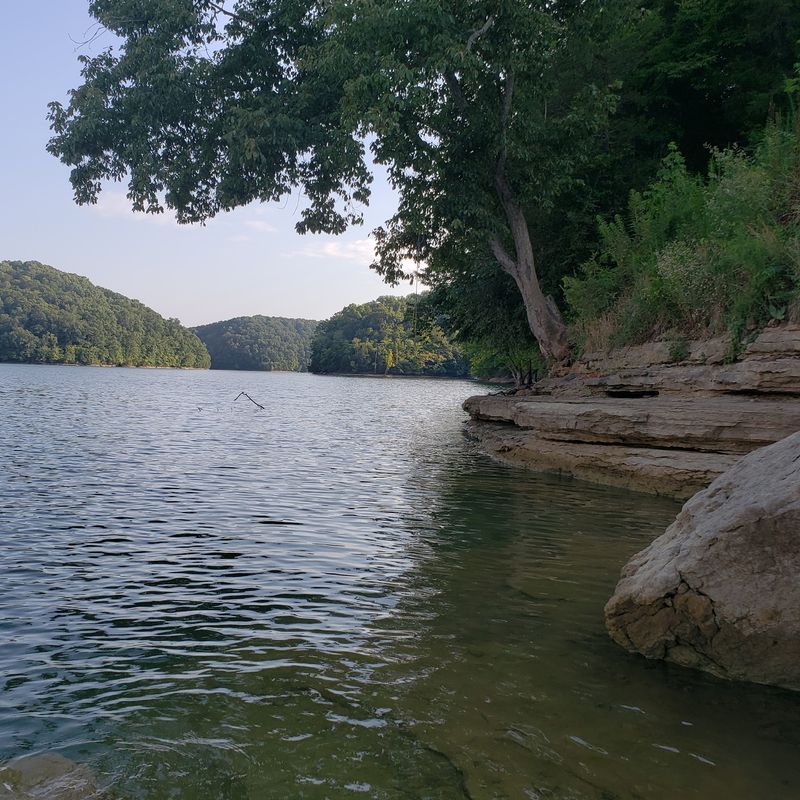
Dale Hollow Lake sits in some of Tennessee’s most geologically interesting territory. The crystal-clear water reveals a rocky bottom that continues right up onto shore, creating perfect conditions for finding fossils trapped in ancient sedimentary layers.
Brachiopods appear frequently here, their shell-shaped impressions preserved in fine detail.
Chert shows up in abundance, which makes sense given the limestone-rich geology. This hard, flint-like rock breaks with sharp edges and comes in colors ranging from white to deep brown.
Native Americans once prized Dale Hollow chert for toolmaking, and you’ll still find pieces with the same glassy texture they valued centuries ago.
Smooth multicolored pebbles collect in certain coves and along points where currents deposit them. These water-worn stones display subtle beauty in shades of cream, gray, rust, and occasionally pale green.
The constant tumbling action of waves over decades creates their rounded shapes and satiny finish.
Winter drawdowns expose extensive shoreline areas that stay underwater most of the year. These newly revealed zones often yield the best finds because fewer people have picked through them.
The lake’s exceptional clarity also lets you spot interesting rocks in shallow water before you even step onto shore.
Focus your search near rocky bluffs and where small streams enter the lake. These transition zones concentrate materials washed down from higher elevations.
Fossils embedded in loose rocks are easier to collect than those still locked in bedrock. Pack sturdy shoes because the exposed shoreline can be slippery, and bring a small chisel if you want to extract fossils from softer limestone matrices.
3. Percy Priest Lake
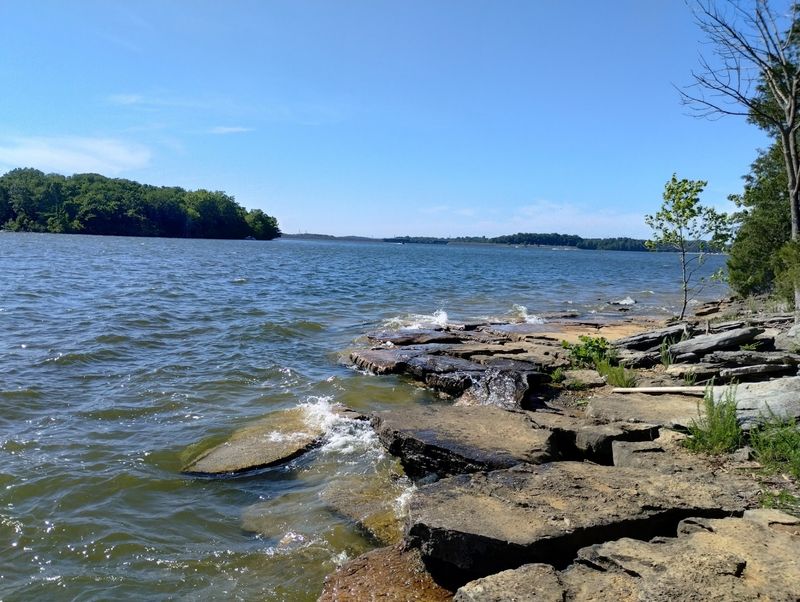
Just minutes from Nashville, Percy Priest Lake offers urban rockhounds an accessible spot for fossil hunting. Crinoid fossils dominate the finds here, their distinctive segmented stems appearing in nearly every piece of limestone you pick up.
These ancient sea lilies lived when Tennessee sat beneath a warm, shallow ocean, and their remains now litter the shoreline.
Limestone fragments come in all sizes, from pebbles to chunks the size of your fist. Many contain multiple fossil types in a single piece, creating natural collages of ancient life. You’ll spot bryozoans, small shell fragments, and occasionally the coiled remains of gastropods alongside the more common crinoid stems.
Quartz pieces add sparkle to your collection. While not as abundant as the limestone, clear and milky quartz nodules appear regularly, especially near the dam and along rocky stretches of shoreline.
Some pieces show crystal faces where they broke free from their matrix.
The lake’s proximity to Nashville means competition from other collectors, but it also means well-maintained access points and plenty of shoreline to explore. Weekday visits typically offer more solitude and better hunting.
The wave action from boat traffic actually helps by constantly turning over new material.
Target areas away from swimming beaches where collecting is often restricted. Rocky points and the backs of coves see less foot traffic and often hide better specimens.
Spring, after winter storms have reworked the shoreline, brings fresh fossils to the surface. The limestone here is relatively soft, so fossils often weather out intact rather than breaking apart.
Bring a spray bottle to wet rocks, which makes fossil details much easier to see.
4. Pickwick Lake
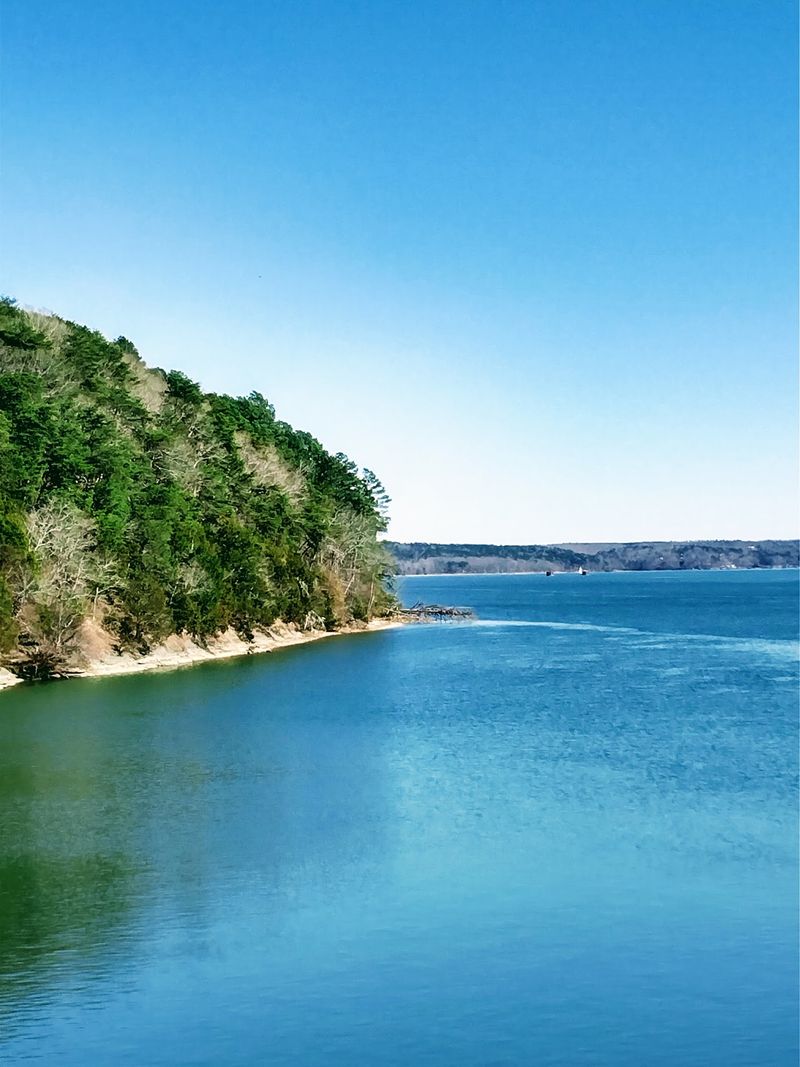
Pickwick Lake stretches across the Tennessee River in the state’s southwestern corner, where geological forces have mixed materials from a vast drainage area. Fossils here represent millions of years of deposition, with everything from ancient coral to shark teeth making occasional appearances.
The river’s long journey brings together rocks and minerals from across the region.
Agate-like stones cause the most excitement among collectors. While true agates are rare, you’ll find plenty of banded chert and chalcedony that display similar patterns and colors.
These stones show bands of white, tan, brown, and sometimes rusty red, polished smooth by their journey downriver.
Chert appears in remarkable variety. Some pieces are nearly black, others are white or gray, and many show mottled patterns or fossil inclusions.
The Tennessee River’s strong current over thousands of years has rounded many chunks into pleasant, palm-sized stones perfect for display.
River-worn rocks of every description collect along certain stretches of shore. Limestone predominates, but you’ll also spot sandstone, quartzite, and occasional pieces of harder igneous rocks carried from far upstream.
The mixing creates a rockhound’s paradise where each handful of gravel might contain something different.
Focus your efforts below the dam and along undeveloped shoreline sections. The dam’s discharge creates strong currents that sort rocks by size and density, concentrating interesting specimens in predictable patterns.
After floods, when the river runs high and fast, new material gets deposited all along the shore. The best agate-like pieces often nestle among ordinary rocks, so sorting through gravel piles pays off.
Bring gloves because chert edges can be sharp, and consider a small sieve to help separate interesting pieces from plain gravel.
5. Tennessee River near Chattanooga
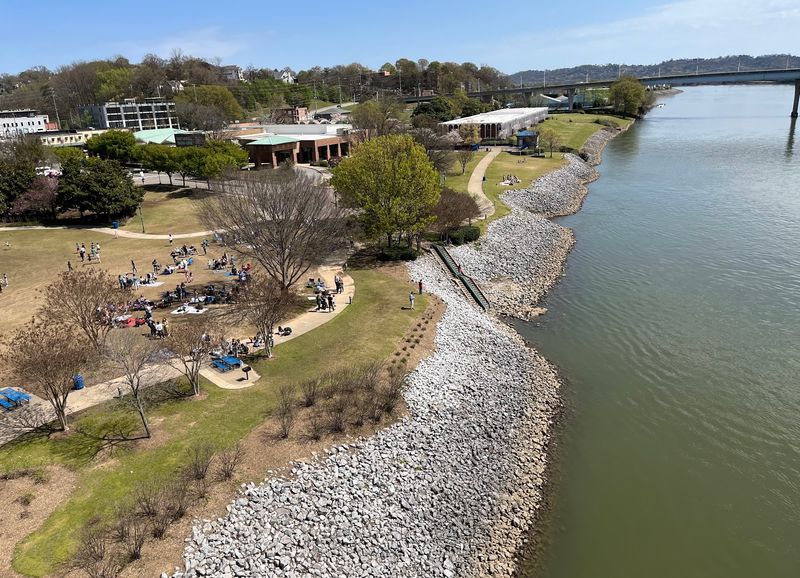
The Tennessee River cuts through Chattanooga with geological drama. Ancient rock layers tilt and fold here, exposing formations that span enormous stretches of time.
Fossilized marine life appears in the limestone and shale along the banks, with brachiopods, crinoids, and coral fragments weathering out of the rock faces.
Quartz shows up in multiple forms. Clear crystals, some with perfect terminations, erode from pockets in the bedrock.
Milky quartz veins break apart and tumble along the shore, creating white stones that stand out against darker materials. Occasionally you’ll spot smoky quartz or pieces with interesting inclusions.
Jasper adds rich color to the mix. This microcrystalline quartz comes in reds, yellows, browns, and greens, often with interesting patterns or banding.
The Tennessee River carries jasper from upstream sources, depositing polished pieces along quieter stretches of shoreline. Some specimens show enough color and pattern to be considered semi-precious.
Colorful pebbles create natural mosaics in the gravel bars. Limestone in various shades, rust-stained sandstone, dark shale, and the occasional piece of greenstone all tumble together.
The river’s mixing action over centuries has rounded these into smooth, satisfying shapes.
Explore both banks where accessible, as different geological formations on each side produce different finds. The area near Moccasin Bend offers particularly interesting hunting because multiple rock types converge there.
Low water in late summer and fall exposes the most shoreline. Watch for fresh gravel bars that form after floods, which concentrate the heaviest and hardest stones in specific zones.
Fossils in shale can be fragile, so collect carefully and wrap delicate specimens in newspaper. The mix of urban accessibility and geological diversity makes this stretch special.
6. Clinch River
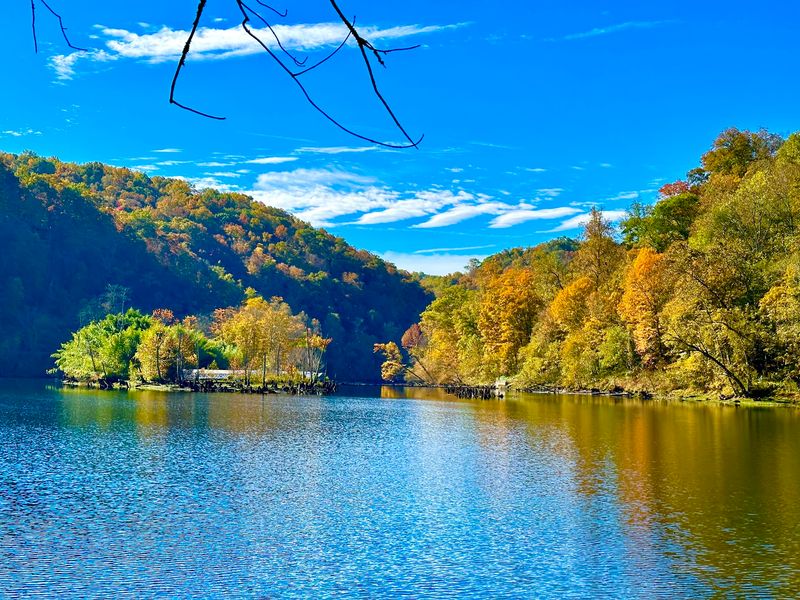
Clinch River flows through East Tennessee with remarkable clarity, its clean water allowing you to spot interesting rocks even before you reach the shore. Fossils embedded in limestone cobbles appear all along the river, particularly in areas where the current has undercut banks and exposed fresh rock faces.
Crinoid stems are everywhere, but patient searching reveals more unusual specimens.
Quartz occurs in veins cutting through the bedrock and as isolated crystals weathered free. The river’s tumbling action doesn’t always break the quartz, so you’ll find angular chunks alongside water-worn pieces.
Clear quartz catches your eye immediately, but don’t overlook the cloudy white pieces, which often hide small crystal pockets inside.
Chert makes up a significant portion of what you’ll find. The Clinch River drainage includes formations rich in this hard, durable material.
Colors range from white to gray to brown, with some pieces showing fossil inclusions or interesting banding patterns. The sharp edges on fresh chert contrast with the rounded smoothness of older pieces.
Polished stones appear wherever the current slows enough to deposit finer materials. These naturally tumbled pieces display the results of decades or centuries of river action.
Their smooth surfaces and rounded shapes make them pleasant to handle, and the variety of colors and textures means no two are quite alike.
Target gravel bars and the inside curves of bends where the river deposits rather than erodes. After spring floods recede, fresh material appears all along the banks.
The Clinch’s relatively gentle flow in most areas makes wading safe in summer, letting you check rocks still in the water. Bring a small bucket and take your time, because the best specimens often hide among more ordinary stones.
The river’s length means you can find new spots to explore for years.
7. Cumberland River
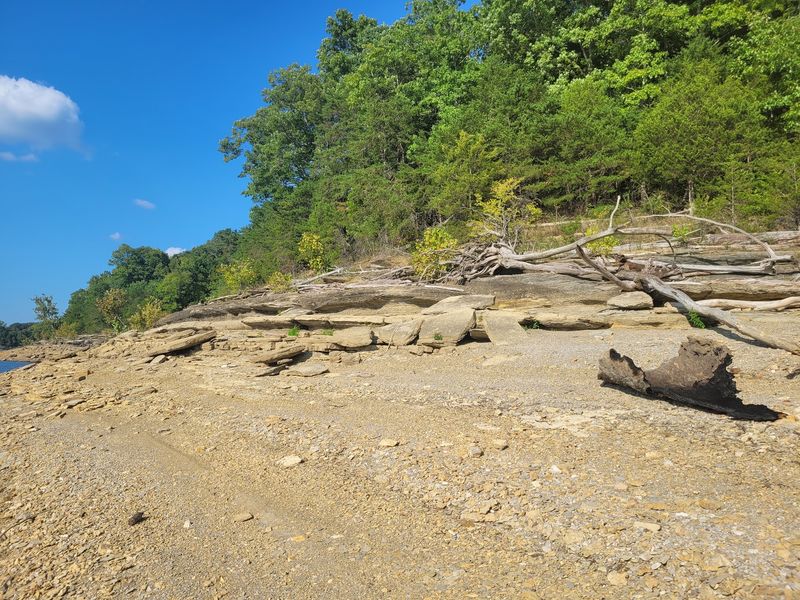
Cumberland River winds through Middle Tennessee carrying geological gifts from a vast watershed. Fossil-rich limestone forms the foundation of much of the riverbed, and chunks constantly break free to tumble downstream.
Bryozoans create lacy patterns in many pieces, while crinoid stems and brachiopod shells add variety. Some limestone slabs contain dozens of fossils in a single hand-sized piece.
Geodes occasionally appear, causing excitement whenever someone cracks one open. These hollow rocks, lined with crystals inside, weather out of certain formations upstream and make their way downriver.
Not every round, bumpy rock is a geode, but learning to recognize the signs becomes part of the fun. Most are small, fist-sized or less, but even tiny ones can contain beautiful crystal formations.
Colorful gravel collects in bars and along slower stretches. The Cumberland drains diverse geology, so the mix includes white limestone, pink and gray granite pebbles, rust-stained sandstone, black shale, and occasional pieces of greenstone.
The variety creates natural sorting as the river deposits different materials based on their weight and size.
The river’s multiple dams create tailwater areas where strong currents concentrate heavy, durable rocks. These zones often yield the most interesting finds because lighter, softer materials wash away, leaving behind the good stuff.
Access can be tricky near dams, so scout locations carefully and respect posted boundaries.
Visit after the river runs high and then drops back to normal levels. The falling water leaves fresh deposits all along the banks and on gravel bars.
Early morning light works best for spotting fossils and the subtle differences that might indicate a geode. Bring a small hammer if you want to test suspected geodes, but crack them over a bucket to avoid losing any crystal fragments.
The Cumberland’s accessibility throughout Middle Tennessee means you’re never far from a potential hunting spot.
8. Duck River
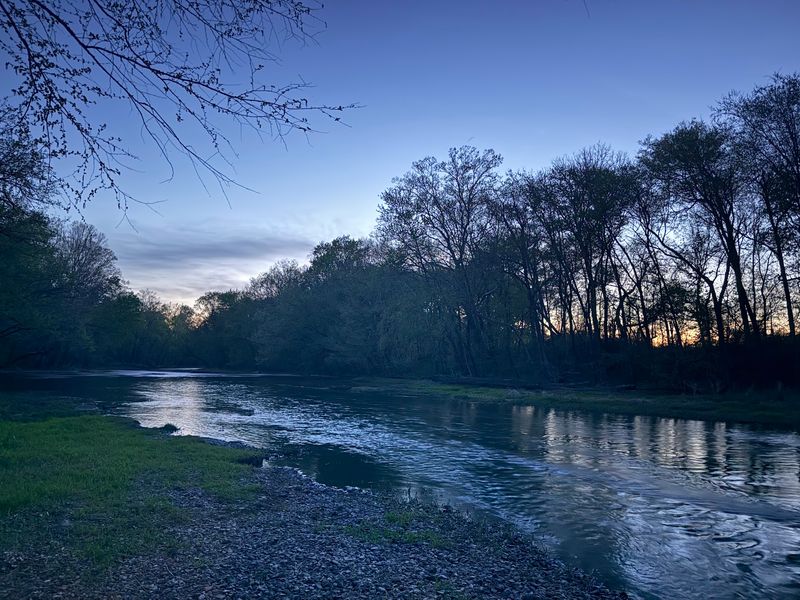
Duck River holds a special place among Tennessee waterways for its incredible biodiversity, and that richness extends to its geology. Ancient marine fossils practically pave certain stretches of the riverbed, their abundance a reminder that this area once lay beneath a vast inland sea.
Brachiopods of various species appear in the limestone, some showing both halves of the shell still articulated.
Crinoid stems occur in such quantities that entire rocks seem made of nothing but these segmented fossils. The circular cross-sections create patterns like stacks of tiny poker chips frozen in stone.
Occasionally you’ll find a section of stem still showing the central canal, or even rarer, pieces of the calyx where the animal’s body attached.
Striking river stones catch your attention with their colors and patterns. The Duck River’s moderate current polishes rocks without pulverizing them, creating smooth specimens that show off their natural beauty.
Look for banded limestone, stones with contrasting fossil inclusions, and pieces where different minerals create color variations within a single rock.
The river’s relatively natural state, without major dams throughout much of its length, means it behaves more like a wild stream. This creates dynamic conditions where gravel bars shift, banks erode, and new fossils constantly weather out of the bedrock.
Each season brings changes, and each flood rearranges the treasures waiting to be found.
Focus on gravel bars and rocky riffles where the current keeps finer sediments from burying interesting specimens. The Duck River can rise quickly after rain, so check conditions before heading out.
Wading is often necessary to reach the best spots, so bring appropriate footwear. The fossils here are so abundant that you can afford to be selective, choosing only the best-preserved or most interesting specimens.
Respect the river’s ecological importance by minimizing disturbance and avoiding sensitive areas during spawning seasons.
9. Buffalo River
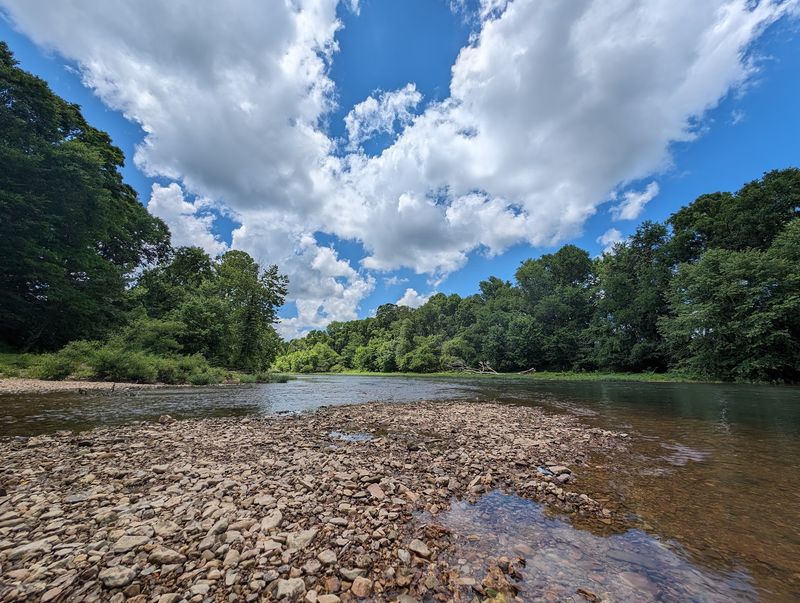
Buffalo River flows through some of Tennessee’s most scenic country, cutting through rock layers that tell geological stories spanning hundreds of millions of years. Fossil fragments appear everywhere the river exposes limestone, from tiny shell bits to substantial pieces of ancient coral.
The variety reflects the different environments that existed here over time, from shallow tropical seas to deeper marine settings.
Quartz arrives in the river from upstream sources, its hardness allowing it to survive the journey intact. You’ll find everything from sharp, angular fragments freshly broken from veins to smooth, frosted pieces that have tumbled for miles.
Clear quartz is common, but watch for pieces with interesting inclusions or unusual crystal habits.
Chert shows up in multiple colors and forms. White, gray, brown, and black pieces all appear, some showing the conchoidal fracture patterns that made this material valuable for prehistoric toolmaking.
The Buffalo River drainage includes formations where chert nodules weather out of limestone, so fresh specimens appear regularly.
Naturally polished pebbles line the gravel bars in satisfying abundance. The river’s clear water and moderate gradient create ideal conditions for tumbling rocks smooth without grinding them to nothing.
These pebbles range from marble-sized to fist-sized, displaying every color and texture the local geology offers. The smoothness comes from years of natural polishing, creating stones that feel pleasant in your hand.
The Buffalo National River designation protects much of the waterway, so check regulations before collecting. Generally, small-scale personal collecting of common materials is permitted, but commercial collecting and removing anything from park areas is prohibited.
The best hunting occurs on gravel bars in the lower river, where materials from the entire drainage accumulate. Spring and fall offer the most comfortable conditions, and lower water levels expose more shoreline.
Bring a day pack because good spots might be a hike from parking areas, and the scenic beauty makes the walk worthwhile even if you find nothing.
Share this story