Texas has some seriously wild places where wooden paths wind through landscapes so strange they feel almost magical. Boardwalks here aren’t just about keeping your boots dry. They’re gateways into swamps, marshes, and forests that look more like movie sets than real life, with cypress trees draped in moss, floating bridges over glassy water, and wildlife you won’t see anywhere else.
1. Shangri La Botanical Gardens and Nature Center (Orange)
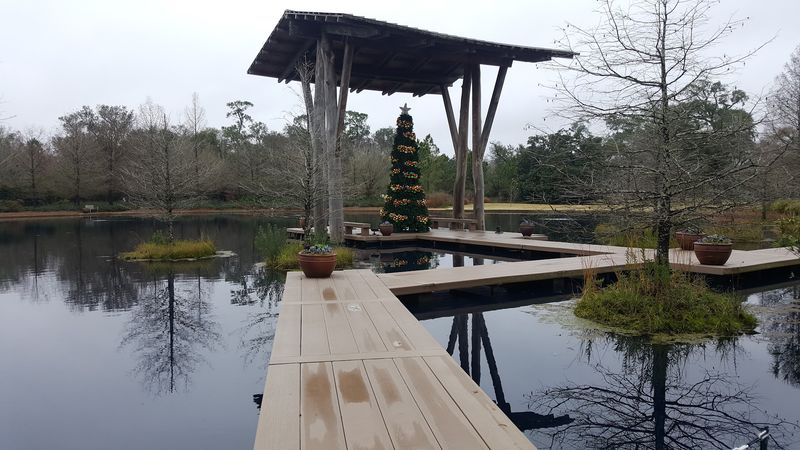
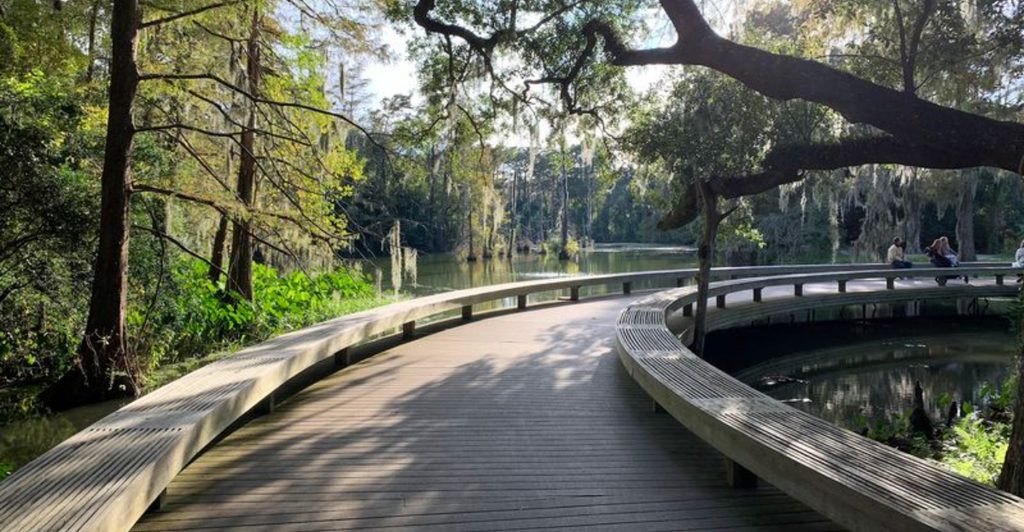
Walk into a place that feels like a secret garden hiding in plain sight. The boardwalk here loops through wetlands and gardens so thick with greenery you might forget you’re still in Texas. Massive cypress trees tower overhead, their roots spreading into shallow water, and Spanish moss hangs like curtains from every branch.
This spot sits near the Louisiana border, where East Texas gets extra swampy and wonderfully weird. The elevated walkways keep you dry while you explore habitats most people never get to see up close. You’ll spot turtles sunning on logs, herons stalking through the shallows, and if you’re lucky, an alligator or two lounging in the murk.
What makes this trail otherworldly is how the garden blends with wild wetlands. One moment you’re surrounded by carefully tended plants and flowers, the next you’re staring into tangled wilderness that looks untouched by human hands. The contrast creates this dreamlike atmosphere where nature feels both curated and completely feral.
The boardwalk stretches for about a mile, giving you plenty of time to soak in the scenery without feeling rushed. Sunlight filters through the canopy in golden beams, especially during morning hours when mist still clings to the water. It’s quiet here, the kind of quiet that makes you whisper without thinking about it.
Bring binoculars if you’re into birds because this place is packed with them year-round. Migratory species stop through during spring and fall, turning the gardens into a feathered convention. Even if you’re not a birder, the sheer variety of sounds and colors will grab your attention.
This trail proves Texas has tropical vibes hiding in unexpected corners.
2. Sundew Trail, Big Thicket National Preserve (Warren)
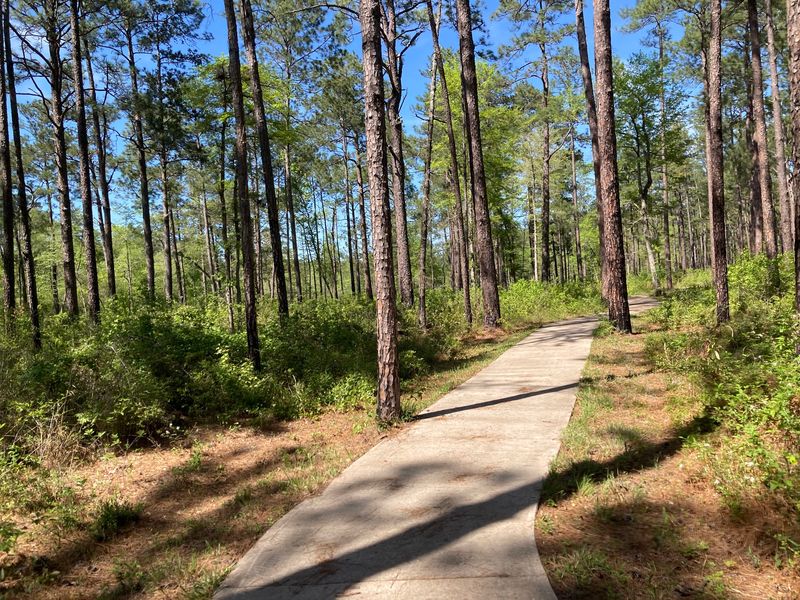
Ever seen a plant eat an insect? The Sundew Trail puts you right in the middle of carnivorous plant country, where the forest floor gets weird in the best way. This short boardwalk cuts through a boggy area where pitcher plants and sundews thrive in acidic soil most plants can’t handle.
It’s like stepping onto another planet, one where the plants fight back.
The trail only runs about a mile round trip, but every step reveals something strange. Carnivorous plants cluster along the boardwalk edges, their sticky leaves or deep pitcher tubes waiting for unlucky bugs. You’ll need to look closely because they’re not huge, but once you spot one, you’ll start seeing them everywhere.
Big Thicket earned its name honestly. This national preserve protects one of the most biologically diverse areas in North America, where desert plants somehow grow next to swamp species. The Sundew Trail showcases this oddity perfectly, with longleaf pines towering above while moisture-loving bog plants carpet the ground below.
The boardwalk keeps you elevated above the soggy terrain, which is good because this area stays wet most of the year. Water pools around the wooden supports, creating reflections that double the forest’s height. On overcast days, fog rolls through the trees and the whole scene turns ghostly and surreal.
Spring and fall offer the best visiting conditions when temperatures drop and mosquitoes ease up a bit. Summer gets brutally humid here, the kind of thick air that makes breathing feel like work. But even in the heat, the trail delivers an experience you won’t find anywhere else in Texas.
The preserve staff maintains the boardwalk well, so it’s accessible for most fitness levels without sacrificing the wild factor.
3. Boardwalk at Lady Bird Lake (Austin)
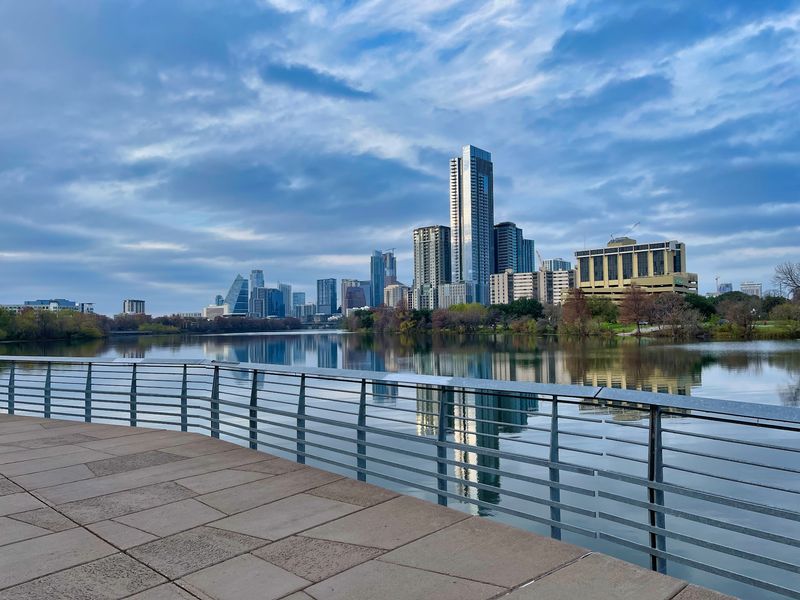
Right in the heart of Austin, this boardwalk floats over Lady Bird Lake like it’s defying gravity. The trail extends out over the water, giving you views that mix city skyline with natural wetlands in a way that shouldn’t work but totally does. Kayakers glide past below while you walk above, creating this layered scene that feels both urban and wild.
The boardwalk section is part of the larger trail system circling the lake, but this floating portion stands out as something special. It literally hovers above the water on support pillars, putting you at eye level with herons and cormorants fishing in the shallows. The downtown buildings rise in the background, a constant reminder that nature and city coexist here in unexpected harmony.
Sunrise and sunset turn this spot into something magical. Golden light hits the water and the Austin skyline simultaneously, creating reflections that photographers dream about. Runners and walkers share the space peacefully, everyone moving at their own pace while taking in the scenery.
It’s surprisingly peaceful for being so close to downtown traffic and activity.
What makes this boardwalk otherworldly isn’t just the floating sensation but how it transforms your perspective. You’re neither fully on land nor in the water, existing in this in-between space where the city feels distant despite being right there. Turtles pop up near the boardwalk edges, and fish swirl in the clear shallows, reminding you that urban doesn’t mean lifeless.
The trail stays open year-round and sees heavy use, especially during cooler months when Austin’s outdoor scene kicks into high gear. Bring water and sunscreen because shade is limited on the floating sections. This is Austin’s answer to waterfront boardwalks, proving you don’t need an ocean to create something memorable.
4. Aransas National Wildlife Refuge Boardwalk (Austwell)
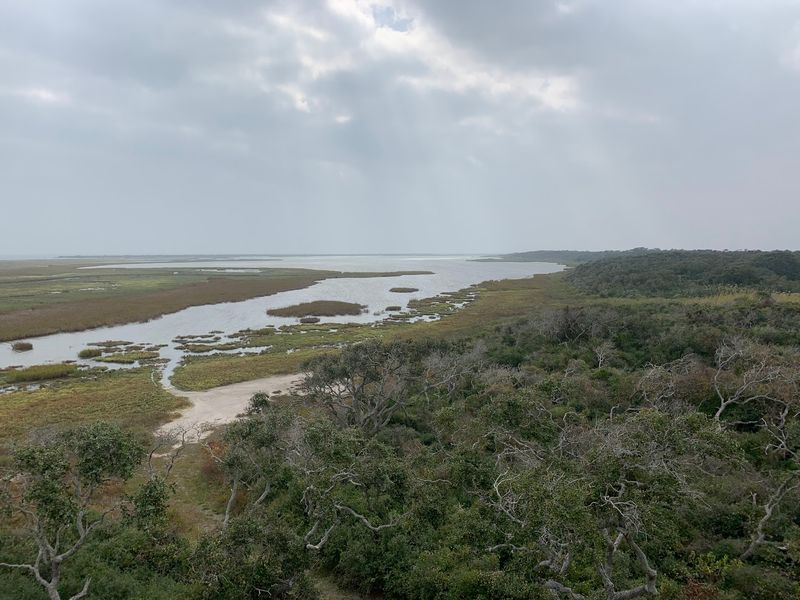
Whooping cranes winter here, the tallest birds in North America, and the boardwalk gives you front-row seats to their habitat. This coastal refuge sits where land meets Gulf waters, creating marshes and tidal flats that look like they belong in a nature documentary. The elevated walkway winds through salt grass and shallow pools where rare birds strut around like they own the place, which they kind of do.
The boardwalk stretches through different habitat zones, each with its own personality. One section crosses freshwater marsh thick with cattails and reeds. Another overlooks brackish ponds where alligators lurk and roseate spoonbills feed in shocking pink groups.
The variety keeps your eyes busy scanning in all directions.
November through March marks whooping crane season when these endangered giants arrive from Canada. Spotting one feels like winning a lottery because fewer than 600 exist in the wild. They’re huge, standing nearly five feet tall with wingspans over seven feet.
When they call, the sound carries across the marsh like nothing else in nature.
Even without the cranes, this place delivers otherworldly vibes. The landscape stays flat and wide open, letting you see for miles across wetlands that shimmer in the coastal light. Wind constantly moves through the grass, creating waves that look almost liquid.
It’s hypnotic watching the marsh respond to every breeze.
The refuge maintains several boardwalk sections as part of its trail system, with the main one being easily accessible for families and casual walkers. Bring binoculars and patience because wildlife watching here requires both. The animals set the schedule, not you.
Early morning offers the best viewing opportunities when birds are most active and the light is perfect for photography. This refuge proves Texas has world-class coastal ecosystems worth protecting.
5. Floating Bridge Lake Weatherford (Weatherford)
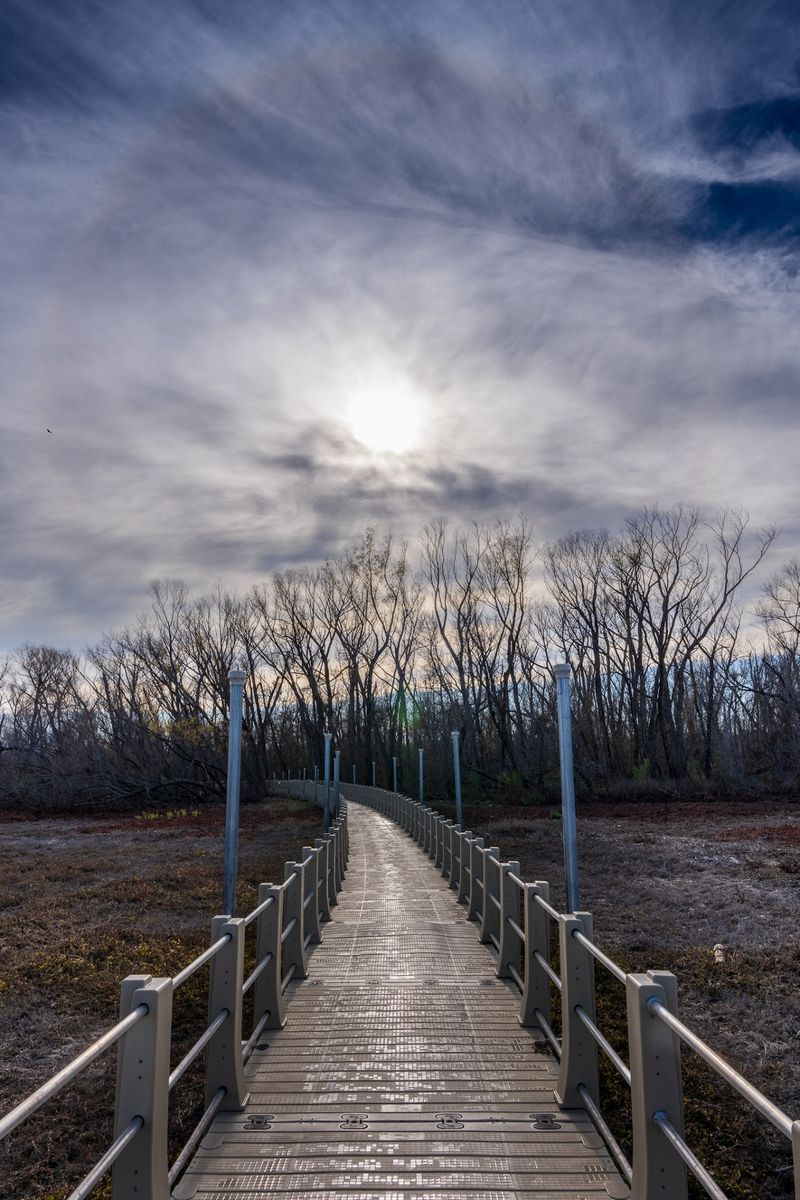
You’re walking on water, or at least that’s what it feels like. This floating bridge actually sits on the lake surface, rising and falling with water levels while you stroll across. It’s engineering meets nature in the most surreal way possible, creating an experience that feels more like theme park magic than a city park feature.
The bridge connects different sections of the park trail system, but it’s become an attraction all by itself. Kids love the gentle bounce and sway as you walk, that slight movement reminding you there’s nothing solid underneath. Adults get a kick out of it too, though some find the floating sensation a bit unnerving at first.
Lake Weatherford spreads out on both sides as you cross, the water often mirror-smooth in early morning before wind picks up. Fish jump occasionally, breaking the glassy surface with sudden splashes. Ducks and geese paddle nearby, completely unbothered by people walking just feet above the water.
The whole scene has this peaceful, almost meditative quality.
What makes this spot otherworldly is the perspective shift. You’re used to bridges being fixed, solid structures high above water. This one puts you right at water level, close enough to trail your fingers in the lake if you wanted.
It changes how you experience the space, making you feel more connected to the water than separated from it.
The floating bridge works year-round unless water levels drop too low, which happens during serious droughts. Spring and fall offer ideal visiting conditions with comfortable temperatures and active wildlife. Summer gets hot out on the water with no shade, so plan accordingly.
The bridge is part of a larger trail network that includes traditional paths and fishing spots, making it easy to spend a few hours exploring the whole area. Weatherford built something genuinely unique here, a simple idea executed in a way that creates genuine wonder.
6. Leonabelle Turnbull Birding Center Boardwalk (Port Aransas)
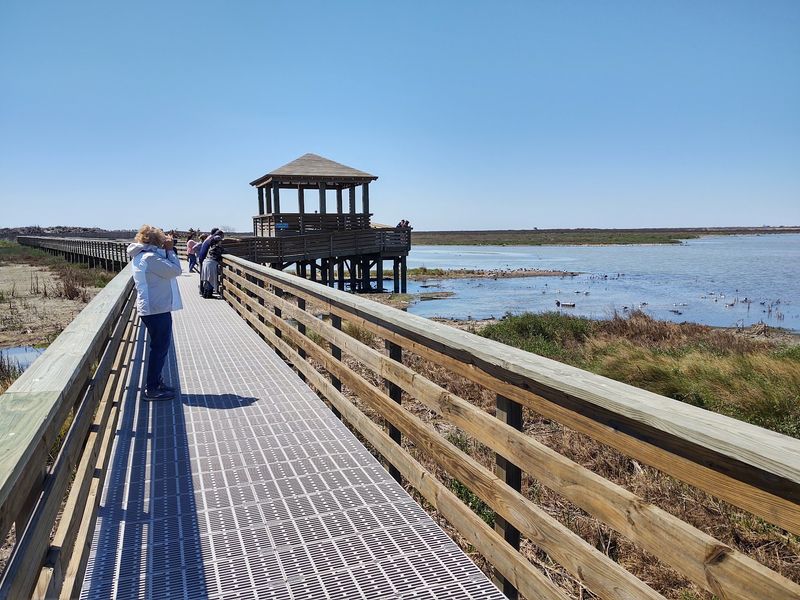
Port Aransas knows birds, and this boardwalk proves it. The trail loops through coastal wetlands where hundreds of species stop during migration, creating one of Texas’s best birding spots. Observation decks jut out over shallow bay waters, giving you elevated views of marshes that stretch to the horizon.
On busy migration days, the sheer number of birds feels almost overwhelming in the best way.
The boardwalk design is smart, keeping visitors above sensitive habitats while providing clear sightlines in multiple directions. Interpretive signs help identify what you’re seeing, which is helpful because coastal birds can be tricky to tell apart. Roseate spoonbills are easy though, those hot pink feathers impossible to miss even from a distance.
What sets this trail apart is how close you get to the action. Birds feed in pools directly beneath the boardwalk, ignoring humans just feet above them. Herons stalk through shallows, egrets cluster in white groups, and ibis probe the mud with curved beaks.
The activity never stops, creating a living show that changes by the minute.
The Gulf location means weather can be dramatic here. Storm clouds roll in fast, darkening the sky and turning the bay choppy. Sunshine breaks through in golden beams, spotlighting individual birds like stage actors.
The light constantly shifts, making the same view look completely different throughout the day.
Spring and fall migration periods bring the biggest bird numbers, but winter offers excellent viewing too as northern species escape colder climates. Summer stays hot and buggy, though early morning visits can still be productive. The boardwalk stays open from dawn to dusk, and serious birders show up at first light when activity peaks.
Bring a camera with good zoom because you’ll want to capture the scenes playing out below. This center takes coastal birding and makes it accessible to everyone, not just experts with fancy equipment.
7. Kirby Nature Trail, Big Thicket National Preserve (Kountze)
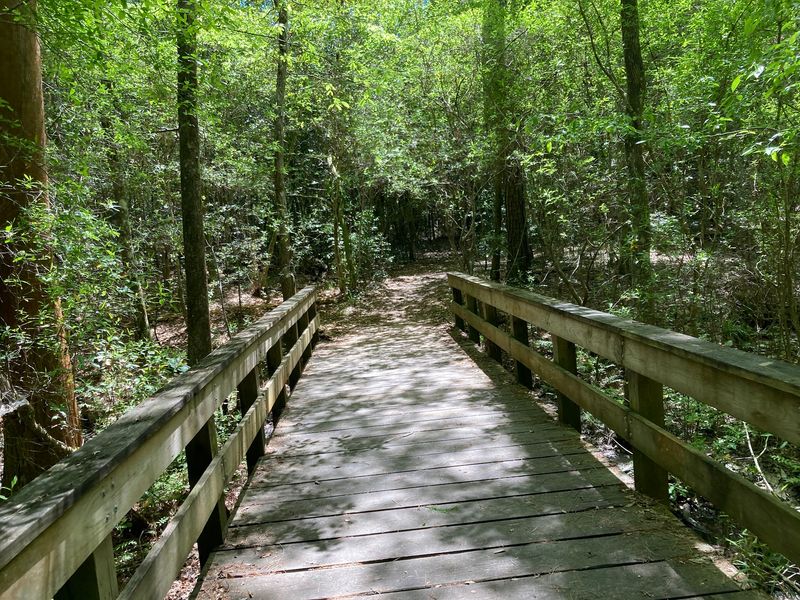
Ancient cypress trees rise from dark water like something from a fairy tale, their knobby knees breaking the surface in weird, wonderful patterns. The Kirby Trail boardwalk loops through this swamp forest where time seems to move differently, where the outside world fades away under a canopy so thick it blocks most sunlight. It’s primeval, the kind of place that makes you understand why people believe in forest spirits.
The trail runs about two miles round trip, entirely on boardwalk that keeps you dry while winding between massive tree trunks. Spanish moss hangs everywhere, draping from branches in gray-green curtains that sway with any breeze. The water below stays dark, stained brown by tannins from decaying vegetation.
It looks mysterious, maybe a little spooky, definitely beautiful.
Big Thicket preserves some of the last old-growth forest in Texas, and this trail showcases it perfectly. These cypress trees have stood for centuries, survivors of logging that cleared most similar forests. Walking among them feels like visiting living history, giants that were already old when Texas became a state.
Wildlife thrives in this swamp environment. Turtles line up on fallen logs, herons wade through shallows, and if you’re quiet and lucky, you might spot a river otter playing in the water. The sounds are constant but subtle: water dripping, birds calling, insects humming, wind moving through leaves high above.
The trail stays relatively cool even in summer thanks to all that shade, though humidity can be intense. Spring brings wildflowers and the best weather, while fall offers colorful foliage and fewer bugs. Winter provides the clearest water views when aquatic plants die back.
The boardwalk is well-maintained and accessible, with benches at intervals for resting and soaking in the atmosphere. This is Texas’s answer to Louisiana swamps, proof that otherworldly forests exist right here.
8. Laguna Madre Nature Trail (South Padre Island)
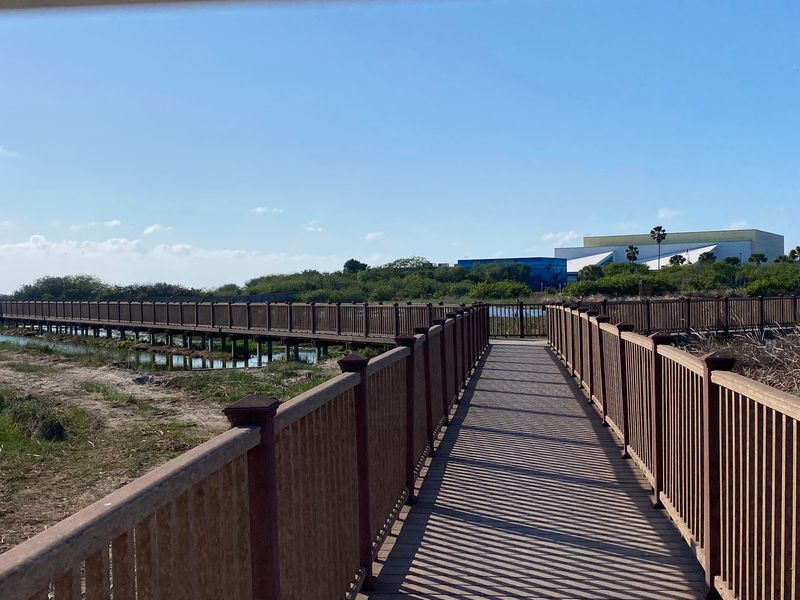
South Padre Island isn’t just beaches and spring break chaos. This nature trail proves the island has a wild side most visitors never see. The boardwalk cuts through wetlands between the Gulf and Laguna Madre bay, creating a narrow strip where salt-tolerant plants thrive and coastal birds gather in impressive numbers.
It’s a completely different vibe from the beach scene just miles away.
The trail includes a tall observation tower that rewards the climb with panoramic views across the island. From up there, you see how thin this barrier island really is, just a strip of land between vast water bodies. The wetlands spread out below in patterns of green and blue, channels cutting through vegetation like natural highways for fish and birds.
Walking the boardwalk at ground level puts you eye-to-eye with the ecosystem. Crabs scuttle through mud, fish jump in shallow channels, and birds constantly move overhead or perch in nearby vegetation. The air smells like salt and marsh, that distinctive coastal scent that means you’re at the edge of land and sea.
What makes this trail otherworldly is the sense of isolation despite being on a developed island. Once you’re on the boardwalk, civilization disappears. It’s just you, the marsh, and whatever wildlife happens to be around.
The quiet feels profound after the noise of island traffic and beach crowds.
The trail works year-round, though summer heat can be brutal with limited shade and high humidity. Spring and fall migration periods bring the most bird activity, turning the wetlands into a major stopover point. Winter offers comfortable temperatures and good wildlife viewing.
The boardwalk is free to access and rarely crowded, making it perfect for anyone wanting a nature break from typical island activities. Bring water, sun protection, and binoculars for the full experience. This trail shows South Padre’s natural side, the ecosystem that existed long before hotels and condos arrived.
9. Cattail Marsh Scenic Wetlands and Boardwalk (Beaumont)
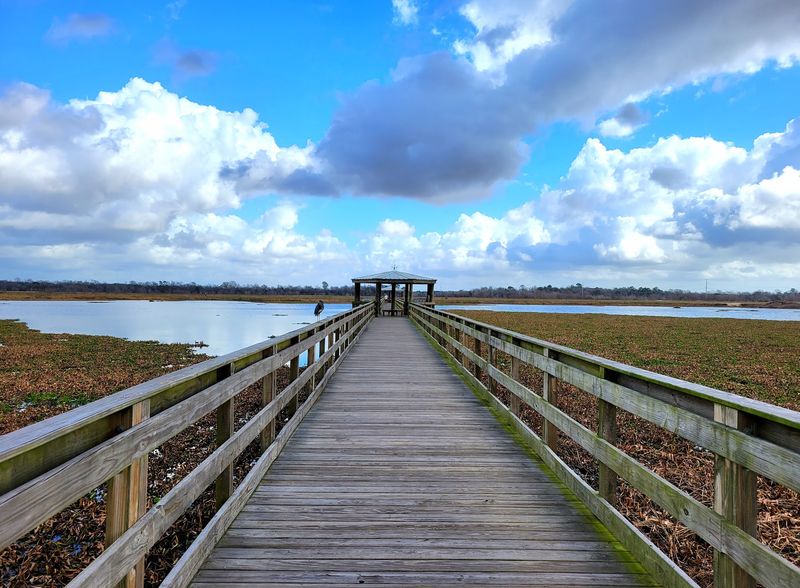
Beaumont turned treated wastewater into a thriving wetland ecosystem, and the result is genuinely stunning. The boardwalk here winds through marshes so rich with life you’d never guess their unusual origin. Cattails grow thick and tall, giving the place its name, while dozens of bird species treat the area like an all-you-can-eat buffet.
It’s environmental engineering that actually works beautifully.
The trail system includes multiple loops and observation platforms, letting you customize your visit based on time and interest. Some sections stay close to parking areas, perfect for quick visits. Others venture deeper into the marsh where the sense of remoteness increases.
All of it runs on elevated boardwalk that provides excellent viewing angles.
Bird diversity here is remarkable because the wetlands attract such varied species. Ducks and geese paddle in open water. Herons and egrets stalk through shallows.
Raptors circle overhead hunting for meals. During migration, rare species show up regularly, making this a hotspot for serious birders keeping life lists.
The marsh changes personality with seasons and weather. Morning mist creates ethereal scenes where birds emerge from fog like ghosts. Afternoon sun turns the water golden and makes the cattails glow.
Storm light adds drama, darkening the sky while spotlighting patches of vegetation in supernatural contrast.
What makes this place otherworldly is knowing its history while experiencing its current beauty. The fact that humans created this ecosystem from scratch, that it functions so well as habitat, challenges assumptions about what’s natural versus artificial. The birds and plants don’t care about the distinction, they just thrive here.
The boardwalk stays open dawn to dusk year-round and never charges admission. It’s well-maintained and accessible for strollers and wheelchairs on main sections. Beaumont did something special here, creating a destination that serves both wildlife and people while solving practical wastewater treatment challenges.
This marsh proves environmental solutions can be beautiful, not just functional.
Share this story