Texas knows how to throw a party, and when certain festivals roll into town, you’ll find nearly everyone from miles around showing up. These aren’t your average weekend gatherings. They’re the kind of celebrations that get marked on calendars months in advance, where schools plan around them and businesses close early so nobody misses out.
From berry-picking traditions to massive carnivals, these events bring entire communities together in ways that remind you why Texas pride runs so deep.
1. Poteet Strawberry Festival (Poteet)
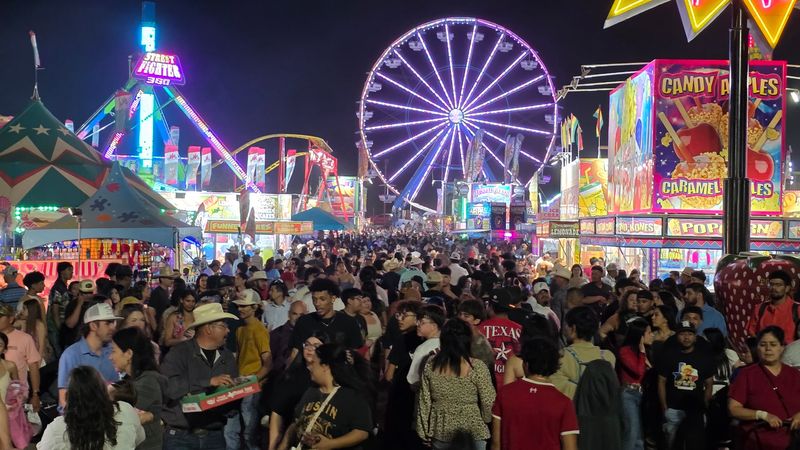
Every April, this small town south of San Antonio transforms into strawberry central, and the crowds that show up are nothing short of amazing. More than 100,000 people flood into Poteet over one weekend, which is wild considering the town’s population hovers around 3,600. The streets fill with the sweet smell of fresh berries, funnel cakes, and barbecue smoke drifting from dozens of food vendors.
The festival started back in 1948 as a way to celebrate the local strawberry harvest, and it’s grown into one of the biggest agricultural festivals in Texas. You’ll find everything from strawberry shortcake eating contests to live country music on multiple stages. Kids run wild through the carnival area while parents browse handmade crafts and sample strawberry everything: strawberry wine, strawberry pizza, even strawberry tamales if you’re feeling adventurous.
What makes this event special is how the entire community pitches in. Local organizations run most of the food booths as fundraisers, and you’ll see generations of families working side by side. The parade down Main Street features elaborate floats, marching bands, and the Strawberry Queen waving to crowds packed ten deep on the sidewalks.
Parking becomes a creative endeavor, with residents renting out their front yards and directing traffic with hand-painted signs. Schools in the area often give students Friday off because they know attendance would be terrible anyway. Teachers, doctors, shop owners, everyone takes a break to soak in the festivities.
It’s the kind of event where you run into your dentist at the strawberry shortcake booth and your kid’s teacher on the Ferris wheel.
The whole town essentially shuts down, and nobody minds one bit.
2. Charro Days Fiesta (Brownsville)
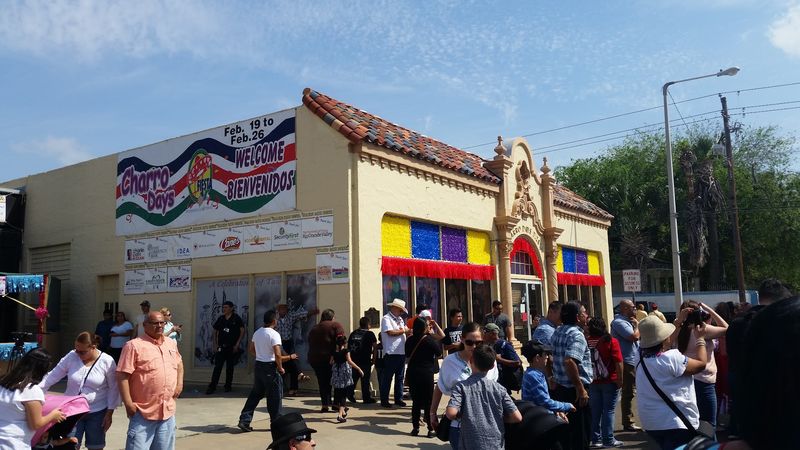
Right on the border with Matamoros, Mexico, Brownsville hosts one of the most vibrant cross-border celebrations you’ll ever witness. For four days each February, the twin cities basically become one giant party, with people crossing the international bridges in both directions to join the festivities. The celebration dates back to 1938, originally created to strengthen ties between the two communities during tough economic times.
Charro Days explodes with color from the moment it kicks off. Traditional Mexican charros parade through downtown on horseback, their silver-studded outfits gleaming in the sun. Dancers in brilliant folkloric dresses swirl through the streets, and the music never stops.
Mariachi bands compete with conjunto groups, creating a soundtrack that echoes off the historic buildings lining Elizabeth Street.
What really sets this apart is how both cities participate equally. There’s a parade in Brownsville and another in Matamoros, with many folks attending both. Local schools release students early or cancel classes altogether because teachers know the kids would rather be at the festival anyway.
Business owners close up shop to either participate in the events or simply enjoy them with their families.
The Mr. Amigo Association crowns an honored guest each year, usually a Mexican celebrity or dignitary, which adds an extra layer of excitement. Street vendors sell elotes, raspas, and tacos from carts positioned on every corner. Families dress in traditional Mexican attire, even if they don’t usually, because that’s just what you do during Charro Days.
The whole region essentially pauses normal life for a week, and the celebration becomes the only thing that matters.
It’s a powerful reminder of how deeply connected these border communities really are.
3. Texas Rose Festival (Tyler)
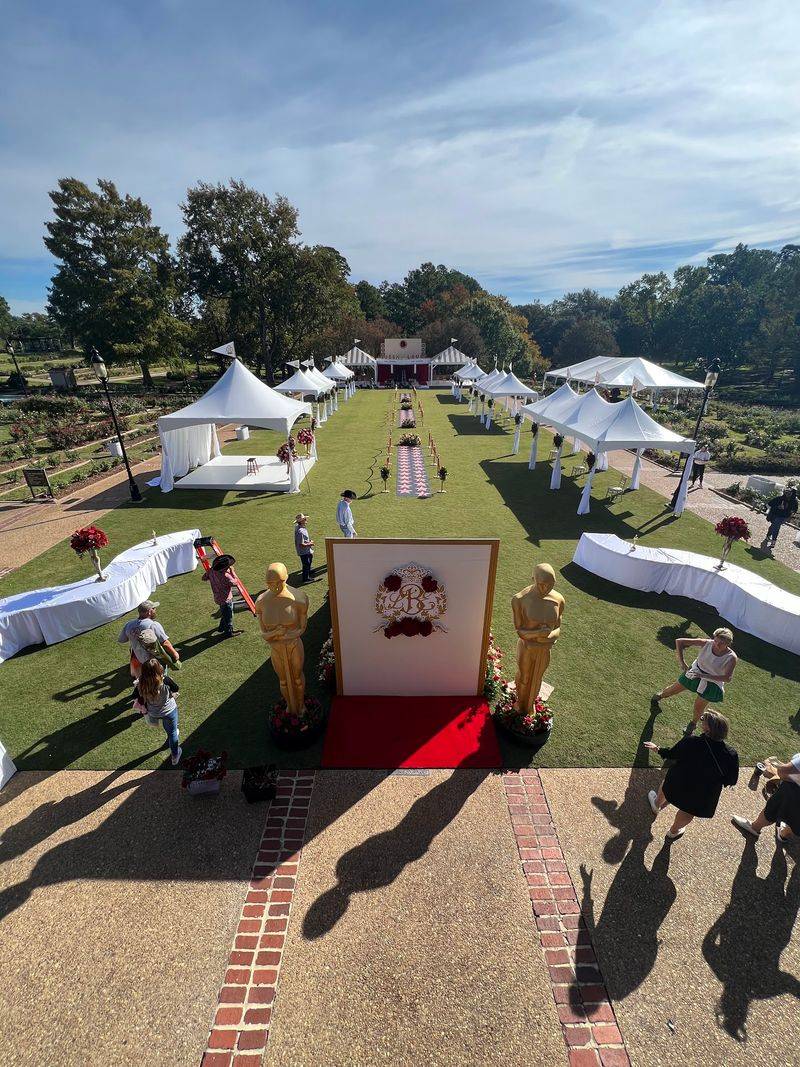
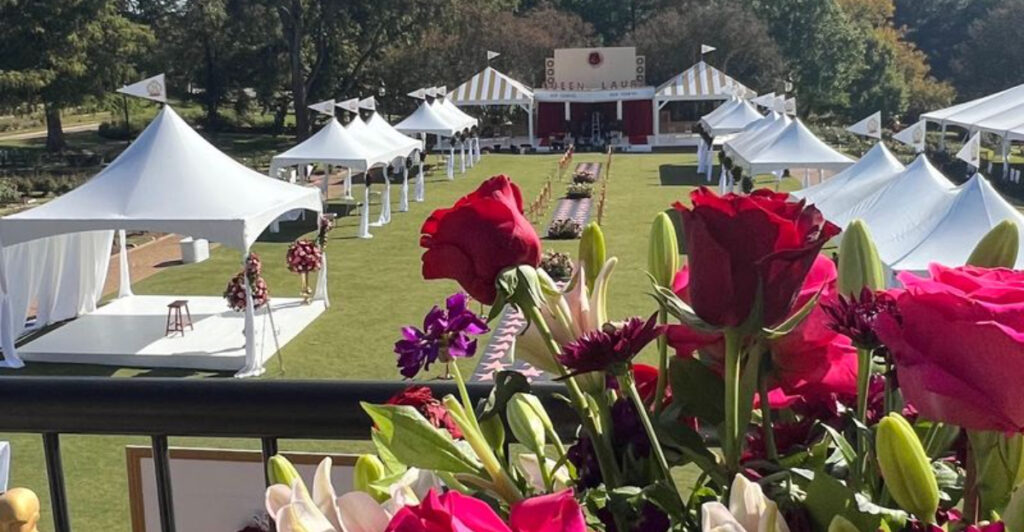
Tyler grows more roses than anywhere else in America, so naturally they throw a massive party about it every October. The Texas Rose Festival has been running since 1933, and it’s evolved into an event so grand that getting chosen as a Rose Queen or duchess is considered one of the highest honors a young woman in East Texas can receive. The selection process starts months in advance, with families investing serious time and resources into the presentations.
The Rose Parade is the crown jewel of the festival, featuring floats covered in thousands of real rose petals arranged in intricate designs. We’re talking about actual fresh roses, not fake ones, which means crews work through the night before the parade carefully placing each bloom. The result is absolutely stunning, especially when the morning sun hits those petals and the whole street smells like a garden.
Schools throughout Tyler and surrounding towns basically shut down on parade day. Teachers give up trying to hold regular classes because students are either participating in the festival or planning to watch it. Local businesses close or operate on skeleton crews, with many owners setting up lawn chairs along the parade route hours before it starts.
The Rose Queen’s coronation ceremony rivals any debutante ball you’ve ever seen, held in a massive auditorium with elaborate sets and costumes that cost thousands of dollars. Former queens and duchesses return year after year, creating a multi-generational tradition that families take incredibly seriously. Even people who don’t have daughters in the court show up to watch because the spectacle is just that impressive.
For one week, roses dominate every conversation, every storefront window, and every social media feed in Tyler.
4. State Fair of Texas (Dallas)
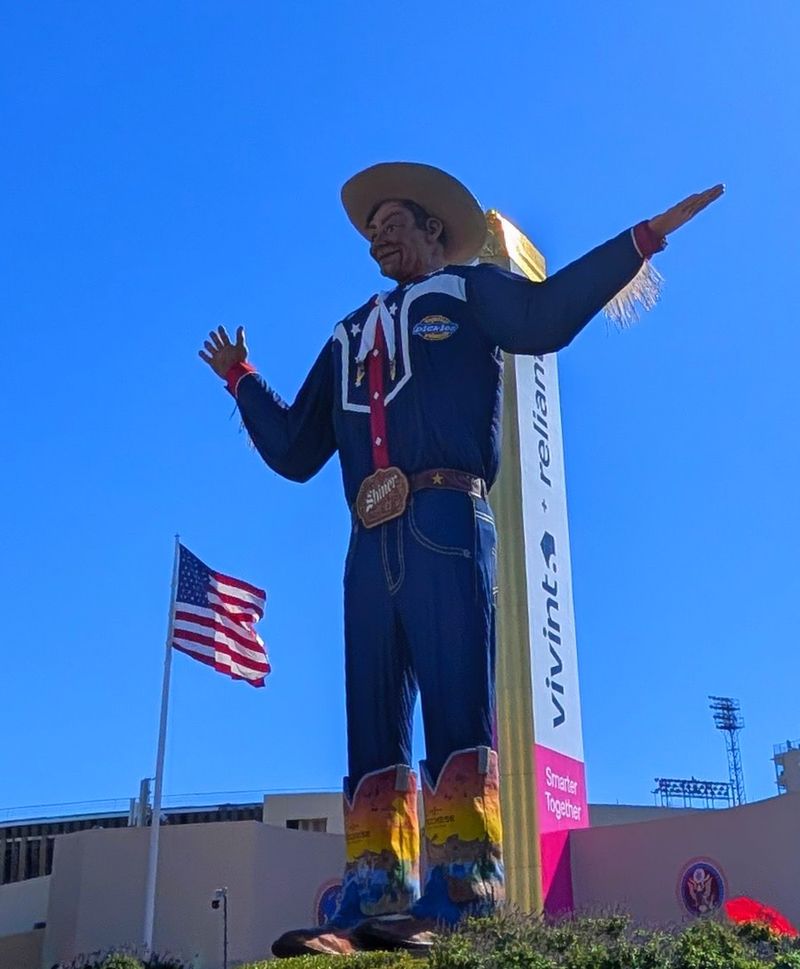
Big Tex towers over Fair Park each fall, welcoming millions of visitors to what’s become a Texas institution since 1886. This isn’t just another state fair. It’s a 24-day cultural phenomenon that draws people from every corner of Texas and beyond, with attendance regularly topping two million.
The fair runs through most of October, and you’ll find Dallas-area schools planning field trips around it while families mark specific days on their calendars based on which promotions are running.
The food situation at the State Fair deserves its own chapter in Texas history. Every year, vendors compete to create the most outrageous fried foods imaginable, and somehow they keep topping themselves. Fried butter, fried Thanksgiving dinner, fried everything basically.
But beyond the novelty items, you’ll find Fletcher’s Original Corny Dogs, which have been a staple since 1942, and turkey legs the size of your forearm.
The midway stretches on forever, packed with rides that range from classic carousel horses to scream-inducing thrill rides. The Texas Star Ferris wheel, one of the tallest in North America, gives you views clear across Dallas when you reach the top. Meanwhile, the livestock shows and agricultural exhibits remind you that this fair still honors its farming roots, even as it’s grown into a massive entertainment complex.
What really makes this event community-stopping is how it affects the entire Dallas metro area. Traffic patterns shift, with highways clogging up around Fair Park during peak hours. Companies offer discounted ticket days for employees.
Churches organize group outings. High school football teams celebrate wins by heading to the fair together.
For nearly a month, the State Fair becomes the default answer to “what are you doing this weekend?” It’s the kind of event that temporarily rewrites the social calendar for millions of Texans.
5. East Texas Yamboree (Gilmer)
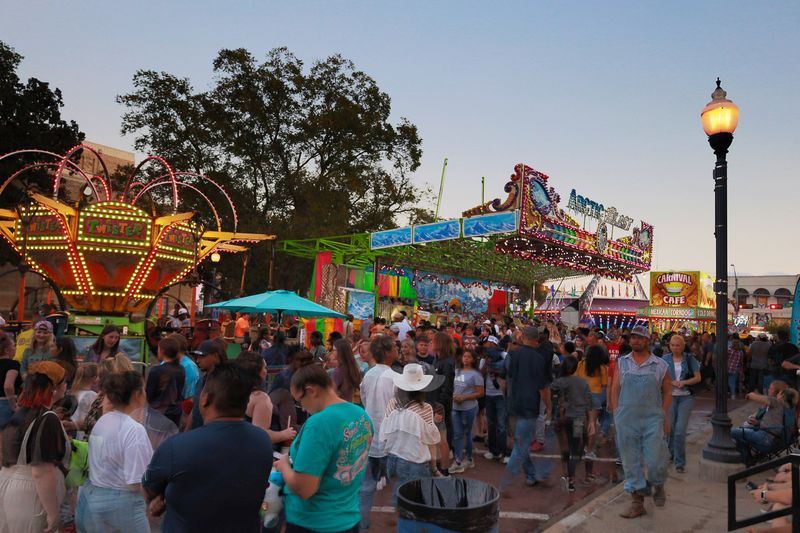
Gilmer takes its sweet potatoes seriously, and the Yamboree proves it every October with a celebration that’s been running since 1935. This East Texas town of about 5,000 people swells to many times that size when the festival kicks off, with former residents traveling from across the country to come home for Yamboree week. It’s the kind of event that defines the community’s identity, where being crowned Yamboree Queen is a bigger deal than almost any other achievement.
The festival kicks off with a massive parade that shuts down Highway 271, the main route through town. Fire trucks from volunteer departments across three counties roll through, horns blaring. High school bands from neighboring schools march in formation, competing for the best performance.
Floats decorated by local businesses and civic organizations showcase everything from historical scenes to current events, all somehow tied back to yams.
What’s remarkable is how the entire region treats this as a legitimate holiday. Schools close for Yamboree, and not just in Gilmer but in surrounding towns too. Local businesses either shut their doors or set up booths at the festival grounds.
The football game on Yamboree weekend becomes the most attended of the season, with the stadium packed beyond capacity and people lining the fences just to catch a glimpse.
The carnival area features rides that have been coming to Gilmer for decades, run by families who consider the Yamboree a regular stop on their circuit. Food vendors serve yam pie, candied yams, yam casserole, and pretty much any other yam dish you can imagine. The whole week feels like a family reunion for the entire community, with generations gathering to share memories of past Yamborees while creating new ones.
6. Fiesta San Antonio (San Antonio)
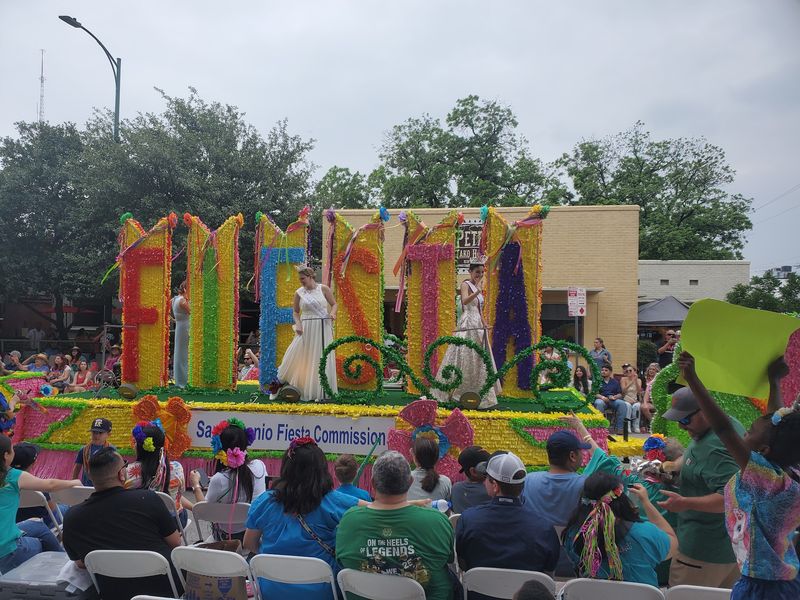
San Antonio basically shuts down for ten days every April when Fiesta takes over the city. What started in 1891 as a one-day event honoring the heroes of the Alamo and Battle of San Jacinto has exploded into a citywide celebration with over 100 events scattered across multiple venues. We’re talking parades, carnivals, art shows, concerts, sporting events, and parties that collectively draw more than three million people annually.
The Battle of Flowers Parade stands as the second-largest parade in America, featuring elaborate floats covered in fresh flowers that take months to design and build. Thousands of participants march, dance, and perform along the route while spectators camp out overnight to claim prime viewing spots. Cascarones, those confetti-filled eggs, get smashed over heads as a sign of good luck, leaving the streets covered in colorful shell fragments and paper confetti.
Fiesta impacts San Antonio in ways that are hard to overstate. Schools adjust their spring break schedules to align with certain Fiesta events. Businesses sponsor their own Fiesta parties, with many closing early so employees can participate.
The River Parade transforms the San Antonio River into a floating stage, with decorated boats and performers drifting past packed crowds lining both banks of the Riverwalk.
Each night brings different neighborhood festivals, from Fiesta Flambeau, the largest illuminated night parade in the country, to NIOSA, a massive food and culture festival in La Villita. Local organizations use Fiesta as their primary fundraiser, selling everything from food to medals to commemorative pins that collectors go crazy for. Traffic becomes a nightmare, parking is impossible, and nobody cares because Fiesta only happens once a year.
The entire city embraces the chaos and celebrates together in a way that feels uniquely San Antonio.
7. Texas SandFest (Port Aransas)
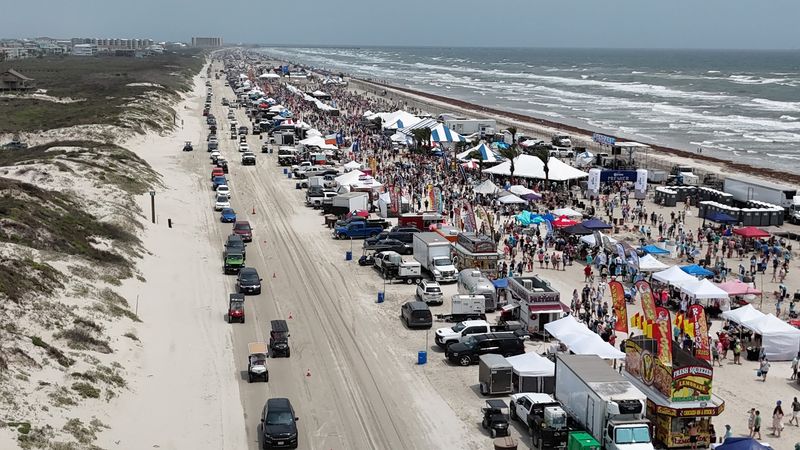
Port Aransas hosts one of the most unique festivals in Texas every April when professional sand sculptors from around the world descend on this barrier island to create temporary masterpieces. Texas SandFest started in 1997 and has grown into a premier sand sculpting competition that attracts tens of thousands of visitors to a town with a permanent population of less than 4,000. The beach transforms into an outdoor art gallery where sand becomes anything from dragons to detailed replicas of famous landmarks.
Watching these artists work is mesmerizing. They use only sand and water, no glues or supports, yet somehow create structures that tower over spectators and feature details so intricate you can’t believe they’re made from beach material. Teams spend days on their creations, working through wind, sun, and the occasional threatening weather that makes everyone nervous about the sculptures surviving until judging day.
The festival essentially takes over the entire town for a long weekend. Hotels book solid months in advance, with many visitors making SandFest an annual tradition. Restaurants run out of food, golf cart rentals disappear, and the ferry line from the mainland backs up for hours.
Local businesses staff up specifically for this weekend because they know the crowds will be intense.
What makes this event community-stopping is how it brings together art enthusiasts, families, and beach lovers in equal measure. Kids run sand sculpting competitions of their own in designated areas while parents marvel at the professional works. Live music fills the air from multiple stages, and food vendors offer everything from fresh seafood to carnival classics.
The whole island shifts into festival mode, with residents either participating directly or adjusting their schedules to accommodate the influx.
For one weekend, Port Aransas becomes the sand sculpting capital of the world.
8. Washington’s Birthday Celebration (Laredo)
Laredo throws the largest George Washington birthday party in the entire United States, and they stretch it out for an entire month every February. This might seem odd for a border city with deep Mexican roots, but the celebration has been running since 1898, making it one of the oldest festivals in Texas. What started as a way to honor Washington has evolved into a massive cultural celebration that blends American patriotism with Laredo’s unique border identity.
The festivities include over 80 events spread across four weeks, from comedy shows to golf tournaments to carnival rides. The Society of Martha Washington hosts elaborate balls where young women in period costumes perform choreographed routines that take months to perfect. These presentations rival any cotillion or debutante ball, with families investing significant resources into gowns and preparations.
The parade is where things really get wild. Hundreds of thousands of people line the streets, many arriving before dawn to stake out spots with lawn chairs and coolers. Floats, marching bands, and equestrian units stretch for miles, with participants coming from both sides of the border.
A George Washington impersonator, complete with white wig and colonial attire, waves to crowds from a prominent position in the parade.
Laredo essentially pauses regular life during this month. Schools plan around major events, businesses close for parade day, and the entire community gets involved in some capacity. The celebration generates millions in economic impact, but more importantly, it serves as a unifying force for a city that sometimes struggles with its dual identity.
For one month each year, Laredo proves that you can honor American history while celebrating the vibrant border culture that makes the city unique.
Everyone participates, from longtime residents to newcomers, making it a true community event.
9. Wurstfest (New Braunfels)
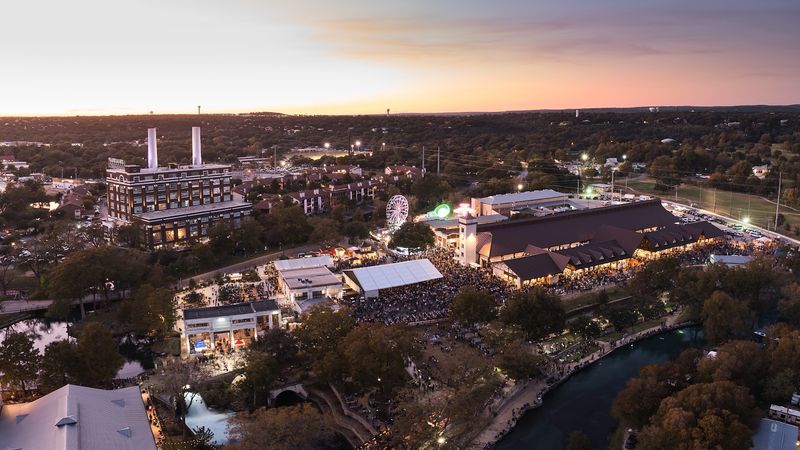
New Braunfels celebrates its German heritage every November with Wurstfest, a ten-day salute to sausage that draws over 100,000 visitors to this Hill Country town. The festival started in 1961 as a way to honor the German immigrants who founded the city in 1845, and it’s grown into one of the top German festivals in America. Oom-pah bands play from morning until late night, beer flows from multiple tents, and the smell of grilled sausage hangs thick in the air.
The festival grounds along the Comal River transform into a Bavarian village, complete with vendors selling everything from cuckoo clocks to lederhosen. Multiple stages feature different types of German music, from traditional polka to more modern interpretations. Dance floors stay packed with people of all ages doing the chicken dance, polka, and various other traditional moves that look ridiculous but feel perfect when you’re caught up in the moment.
Food options go way beyond sausage, though that’s definitely the star. You’ll find schnitzel, potato pancakes, sauerkraut, strudel, and German chocolate cake alongside more Americanized festival food. The beer selection focuses heavily on German imports and German-style brews from Texas craft breweries.
People dress in traditional German attire, even if they don’t have a drop of German blood, because that’s just part of the fun.
New Braunfels residents plan their November around Wurstfest. Schools schedule teacher in-service days during the festival because they know students won’t show up anyway. Local businesses either close to let employees attend or stay open extended hours to serve the crowds.
Hotels book solid, campgrounds fill up, and the whole town takes on a festive atmosphere that lasts well beyond the official festival dates.
It’s the kind of event that defines the community’s character and brings everyone together in celebration.
Share this story