Texas has plenty of famous attractions that everyone knows about, but some of the best experiences come from places that sound totally random or even silly at first. You might roll your eyes when someone suggests visiting a convenience store or a house covered in beer cans, but these quirky stops have a way of winning people over once they actually show up. Whether it’s the unexpected charm, the wild backstory, or just the pure Texas weirdness of it all, these spots prove that sometimes the strangest ideas make the best memories.
1. The Beer Can House (Houston)
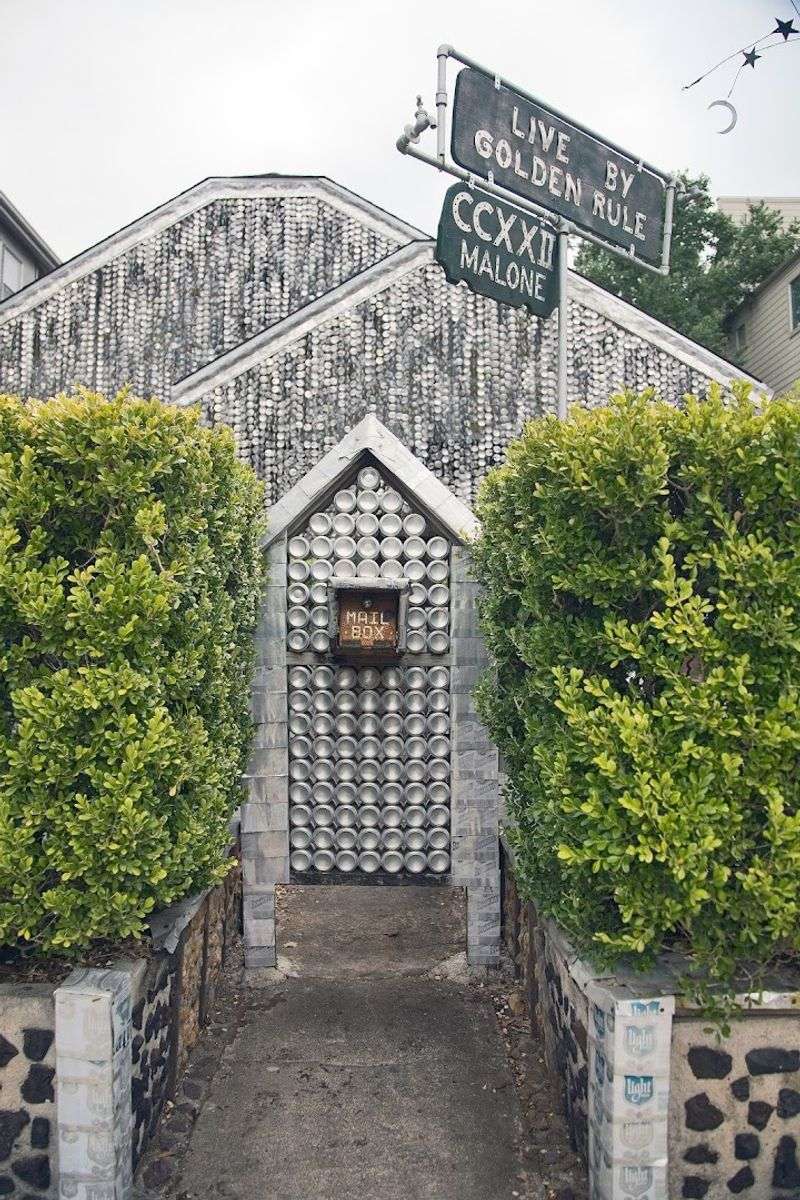
John Milkovisch spent nearly two decades turning his ordinary Houston home into a glittering masterpiece made almost entirely from beer cans. What started as a simple retirement project in the late 1960s became one of the most photographed folk art sites in Texas. He flattened thousands of cans into siding, strung up aluminum pull-tabs into curtains that jingle in the breeze, and created yard decorations that catch the sunlight in the most unexpected ways.
Walking up to this place feels like stepping into someone’s wildly creative dream. The entire house shimmers and clinks with every gust of wind, creating this oddly soothing sound that you won’t hear anywhere else. People assume it’s just a gimmick or something you glance at from the street, but standing there surrounded by decades of collected cans tells a different story about dedication and imagination.
John drank every single beer himself over the years, saving each can for his ongoing project. His wife reportedly wasn’t thrilled at first, but the house eventually became a beloved Houston landmark. The Orange Show Center for Visionary Art now preserves it, offering tours that explain the techniques and the man behind the madness.
Photos don’t do it justice because they can’t capture the sound or the way light dances across thousands of aluminum surfaces. Kids love counting how many different beer brands they can spot, while adults appreciate the sheer commitment it took to cover an entire house this way. It’s weird, it’s wonderful, and it’s absolutely worth the detour through a quiet Houston neighborhood to see what happens when someone refuses to throw anything away.
2. Prada Marfa (Valentine)
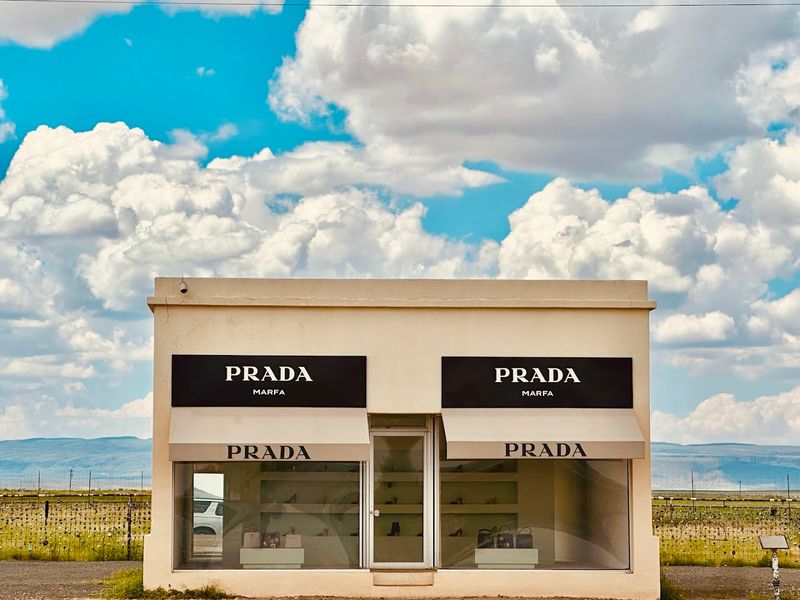
Out in the middle of absolutely nowhere, about 37 miles northwest of Marfa, sits what looks like a high-end Prada boutique that somehow got lost on its way to Rodeo Drive. Artists Elmgreen and Dragset installed this permanent sculpture in 2005 as a commentary on consumerism, and it’s been confusing and delighting road-trippers ever since. The building contains real Prada shoes and handbags from that season, all carefully arranged behind glass like any luxury store, except you can’t actually go inside or buy anything.
Most people hear about it and think it sounds pretentious or not worth the drive through some of the most isolated stretches of West Texas. Then they actually make the trip and find themselves standing in the desert silence, staring at designer heels displayed against a backdrop of tumbleweeds and endless sky. Something about that contrast hits differently in person.
The installation has survived vandalism, repairs, and even a complete restoration after someone broke in and stole the original merchandise. Locals keep an eye on it, and the art world considers it an important piece of land art. It’s become such an icon that you’ll see it on Texas bucket lists and Instagram feeds worldwide.
Visiting means pulling off Highway 90 onto the shoulder and walking right up to the building, which never opens and has no staff. The juxtaposition of luxury fashion in one of the harshest, most remote environments in Texas creates this surreal moment that photographs can suggest but never fully convey. Sunset visits offer the best lighting, and you’ll likely have the place to yourself except for the occasional art pilgrim or curious traveler who finally decided to see what the fuss was about.
3. Buc-ee’s (Any Major Highway)
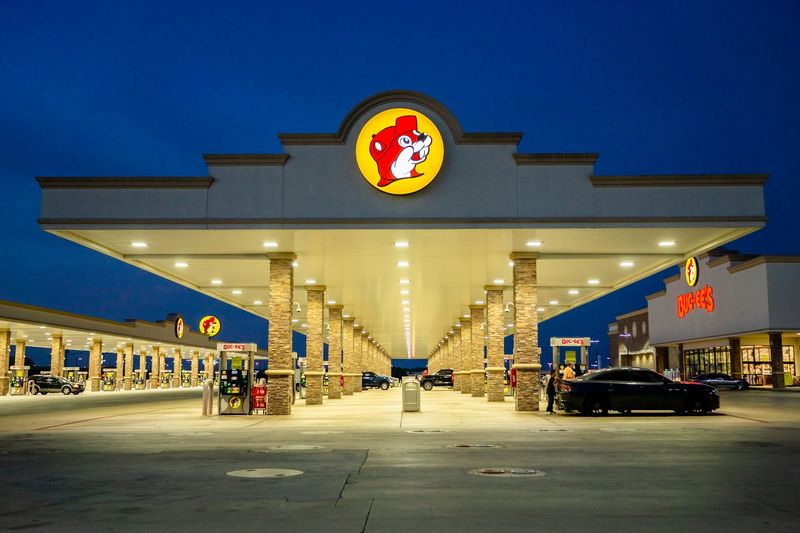
Calling Buc-ee’s just a gas station is like calling the Grand Canyon just a hole in the ground. These massive travel centers have become legendary across Texas and beyond, with some locations sprawling across 50,000 square feet or more. First-timers usually laugh when friends insist they need to stop at a convenience store, but skepticism vanishes the moment they walk through those doors and realize they’ve entered some kind of retail wonderland.
The bathrooms alone have won awards and earned a reputation for being the cleanest you’ll find anywhere on American highways. We’re talking dozens of spotless stalls, attendants constantly cleaning, and enough space that you never feel crowded even during peak travel times. But the restrooms are just the beginning of what makes Buc-ee’s worth the hype.
Inside, you’ll find walls of jerky in every flavor imaginable, fresh-made brisket sandwiches that rival some barbecue joints, kolaches by the dozen, and entire aisles dedicated to road trip snacks you didn’t know existed. The beaver nuggets—sweet corn puff snacks—have developed a cult following, and people stock up like they’re preparing for the apocalypse. Fudge counters, taffy selections, Texas-themed souvenirs, and even home goods fill the seemingly endless aisles.
What really sets Buc-ee’s apart is how they’ve turned a routine gas stop into an experience people actually plan their routes around. The gas pumps number in the dozens at larger locations, so you rarely wait. Prices stay competitive, and the staff moves with impressive efficiency considering the crowds.
Visitors from other states now make Buc-ee’s a mandatory stop, taking photos with the beaver mascot and leaving with bags full of snacks they absolutely didn’t need but somehow couldn’t resist buying.
4. The San Antonio River Walk
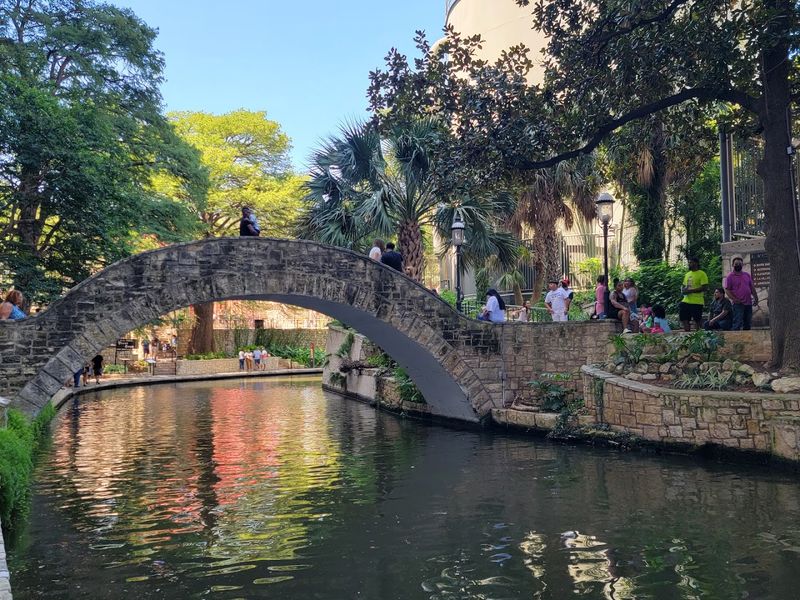
Sure, the River Walk shows up in every San Antonio travel guide, but plenty of people dismiss it as touristy or overcrowded before they actually experience it. Walking along the shaded pathways below street level, surrounded by cypress trees and the gentle sound of water, creates this unexpectedly peaceful atmosphere right in the heart of downtown. The network of walkways stretches for miles, connecting restaurants, bars, shops, and historic sites along the San Antonio River.
What surprises most first-time visitors is how the River Walk manages to feel both lively and relaxing at the same time. You can grab a table at a riverside restaurant and watch boats glide past while mariachi bands provide the soundtrack. Or you can wander the quieter stretches where locals jog and the only sounds come from birds and trickling water.
The River Walk isn’t just one thing—it changes character depending on which section you explore. Museum Reach to the north features public art and connects to the Pearl Brewery area with its farmers market and restaurants. Mission Reach to the south offers a more natural, park-like setting with trails and wildlife.
The downtown section delivers the classic River Walk experience with its famous stone bridges and colorful umbrellas.
Seasonal events transform the space throughout the year, from the spectacular Christmas lights that reflect off the water to Fiesta celebrations that fill every corner with music and energy. Taking a river barge tour gives you a different perspective and some local history, while walking lets you stop wherever catches your interest. Evening visits bring cooler temperatures and a magical quality as lights twinkle along the water.
Even San Antonio residents who thought they’d seen it all find new favorite spots when they actually slow down and explore beyond the main tourist cluster near the Alamo.
5. Cadillac Ranch (Amarillo)
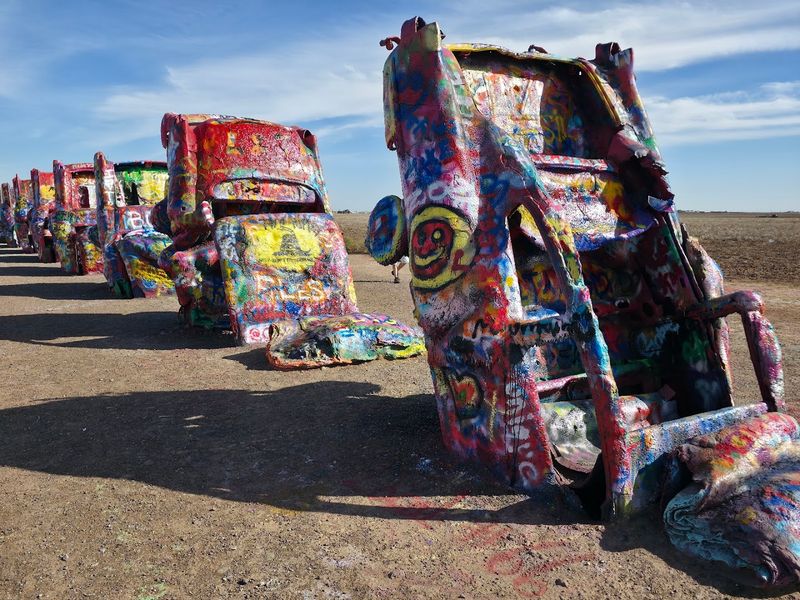
Ten Cadillacs buried nose-first in a field outside Amarillo sounds like either a junkyard mistake or someone’s weird art project, and technically it’s the latter. Installed in 1974 by an art collective called Ant Farm, these tail-finned beauties sit at the same angle as the Great Pyramid of Giza, though that fact matters way less than the explosion of color covering every inch of metal. Visitors are actively encouraged to bring spray paint and add their own artistic contributions, making this one of the few places where graffiti isn’t just allowed but expected.
People often assume it’ll be a quick photo stop, maybe five minutes tops, but something about the wide-open Texas Panhandle sky and the freedom to create keeps folks there longer than planned. Watching families, couples, and solo travelers all wielding spray cans and adding their marks to automotive history creates this unexpected sense of community. The cars get repainted so many times that layers of paint add noticeable thickness to the original metal.
Getting there requires a short walk across an open field, and yes, you’ll probably get dust on your shoes. The site sits right off Interstate 40, making it an easy detour during cross-country road trips. Bring your own spray paint because there’s nowhere to buy it on-site, though you’ll often find leftover cans scattered around from previous visitors.
Sunrise and sunset offer the best lighting for photos, when the graffiti-covered cars glow against dramatic Panhandle skies. The installation has become such an icon that it’s moved once to avoid urban encroachment and will likely be preserved as long as people keep showing up with paint cans and cameras. What seems silly from a distance becomes genuinely moving when you’re standing there, part of an ongoing collaborative artwork that spans five decades.
6. The Eiffel Tower with a Cowboy Hat (Paris, TX)
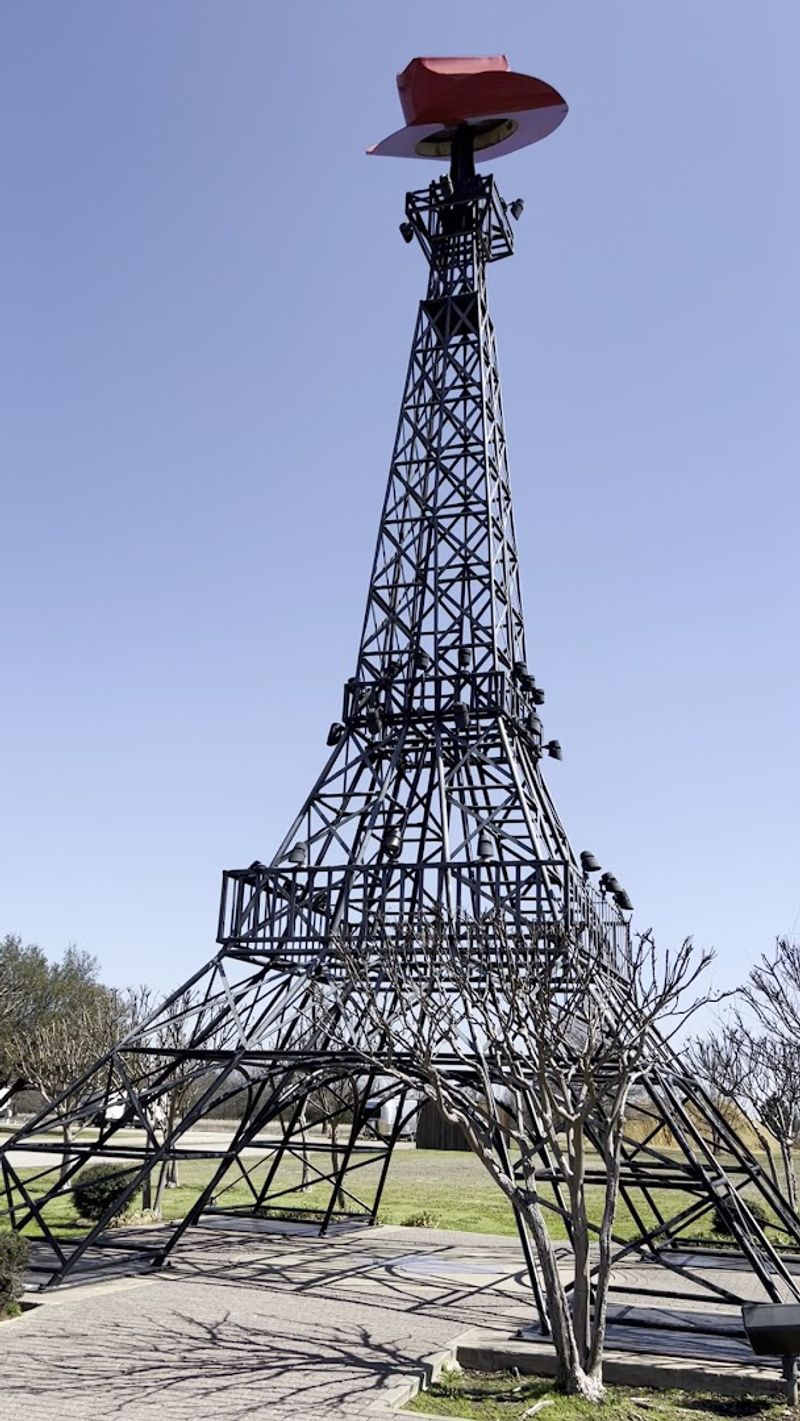
Paris, Texas decided if they couldn’t have the original Eiffel Tower, they’d build their own and make it more Texan. Standing 65 feet tall and topped with a giant red cowboy hat, this replica perfectly captures the state’s ability to take something fancy and give it a Western twist. The hat addition came in 1998, apparently to one-up Paris, Tennessee, which also has an Eiffel Tower replica but no cowboy hat.
Most people chuckle when they hear about it and figure it’s just a small-town gimmick not worth the drive. Then they actually visit and discover that Paris, Texas has fully embraced its namesake connection with French-themed murals, a surprising number of good restaurants, and genuine small-town charm. The tower sits in a park where locals actually hang out, not just a roadside attraction collecting dust.
The structure went through several iterations before landing on its current design. An earlier, shorter version stood elsewhere in town before this taller replica was built in 1993. Adding the cowboy hat was a stroke of genius that transformed it from a simple replica into something uniquely Texan and utterly photograph-worthy.
Visiting takes maybe fifteen minutes unless you explore the surrounding Love Civic Center park, which offers walking trails and picnic areas. The tower lights up at night, creating a surprisingly pretty sight against the small-town Texas sky. Local events sometimes center around the landmark, and downtown Paris offers antique shopping and cafes worth checking out if you’re already making the trip.
What makes this stop special isn’t the tower itself but what it represents about Texas attitude—taking something European and sophisticated, then slapping a cowboy hat on it because why not? It’s silly, it’s fun, and it makes for a great story and photo op that you’ll actually remember unlike dozens of other roadside attractions that blur together.
7. The Big Texan Steak Ranch (Amarillo)
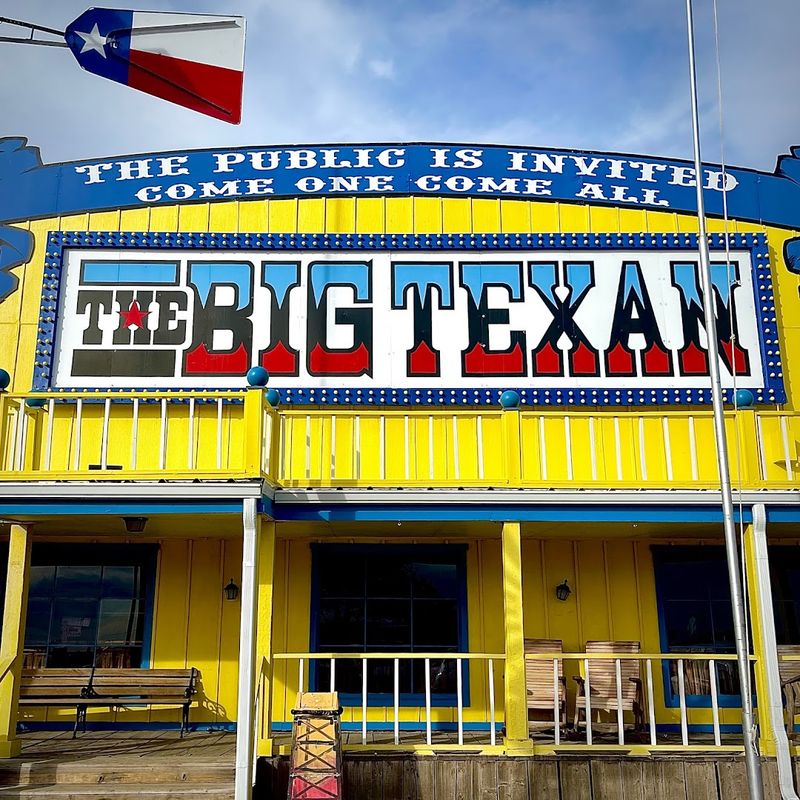
The 72-ounce steak challenge at the Big Texan has become the stuff of legend, but plenty of people write off this place as a pure tourist trap before they actually walk through the doors. Yes, it’s over-the-top with its giant cowboy statue out front and Old West theme throughout, but the steaks are genuinely excellent and the atmosphere delivers exactly what it promises—big, bold, and unapologetically Texan.
That famous free 72-ounce steak comes with a catch: you have to eat it along with all the sides within one hour, and if you fail, you pay around sixty bucks. Watching brave souls attempt the challenge from a special elevated table in the dining room provides dinner entertainment you won’t find at your average steakhouse. Some succeed, many fail spectacularly, and everyone has a story to tell afterward.
Even if you’re not attempting to consume a steak the size of a small child, the regular menu offers plenty of delicious options. Hand-cut steaks, fresh rolls, and classic sides all come in generous portions because this is Texas and nothing here does small. The attached hotel, gift shop, and even a shooting range make it more of a destination than just a restaurant.
What skeptics discover upon visiting is that the Big Texan knows exactly what it is and leans into it with genuine enthusiasm rather than cynical cash-grabbing. The staff treats challenge participants with good-natured encouragement, the food quality exceeds expectations for such a touristy spot, and the whole experience feels fun rather than forced. Route 66 travelers have been stopping here since 1960, and the restaurant has perfected the art of delivering both spectacle and substance.
Going during peak dinner hours means crowds and wait times, but also the best chance of seeing someone attempt the challenge. The gift shop sells everything from hot sauce to cowboy hats, and yes, you’ll probably buy something even if you swore you wouldn’t.
8. The Czech Stop (West, TX)
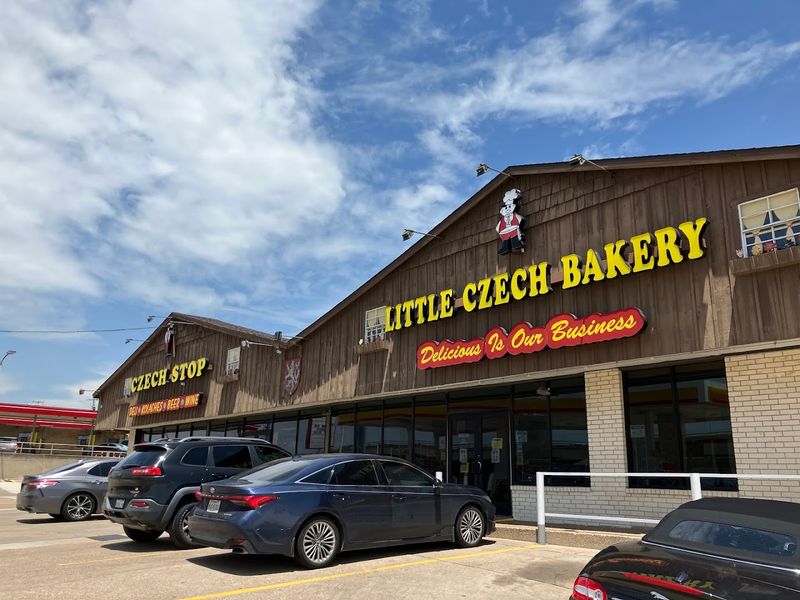
A tiny bakery in a town of barely 2,800 people has lines out the door most mornings, and drivers on Interstate 35 plan their trips around stopping here. The Czech Stop serves kolaches—Czech pastries that Texas has fully adopted and perfected—and they’re so good that people buy them by the dozen for freezing at home. What looks like just another highway exit becomes a pilgrimage site for anyone who’s ever tasted these pillowy pastries filled with fruit, cheese, or savory sausage.
First-timers usually stop because someone insisted they had to, often with an urgency that seems excessive for baked goods. One bite explains everything. The dough achieves this perfect balance of soft and slightly sweet, while fillings range from traditional fruit options to Texas innovations like jalapeño and cheese.
The sausage kolaches, technically called klobasniky, have become breakfast road food royalty.
West, Texas has a strong Czech heritage, and several bakeries compete for the title of best kolaches in town. The Czech Stop and its attached Slovacek’s restaurant have become the most famous, partly due to their location right off the interstate and partly because they’ve simply nailed the recipe. They make thousands of kolaches daily, yet somehow they always taste fresh.
The line moves fast despite the crowds, with staff who’ve perfected the art of quick, friendly service. Most people order at least a half dozen because eating just one or two seems wasteful when you’ve made the stop. The attached convenience store sells Czech sodas, jerky, and other road trip supplies, but everyone’s really there for those pastries.
Stopping here transforms a boring highway drive into something to look forward to, and the kolaches make excellent breakfast for the next morning if you can resist eating them all immediately. What seems like hype until you actually taste them becomes a non-negotiable stop on every future trip up or down I-35.
9. The Stockyards (Fort Worth)
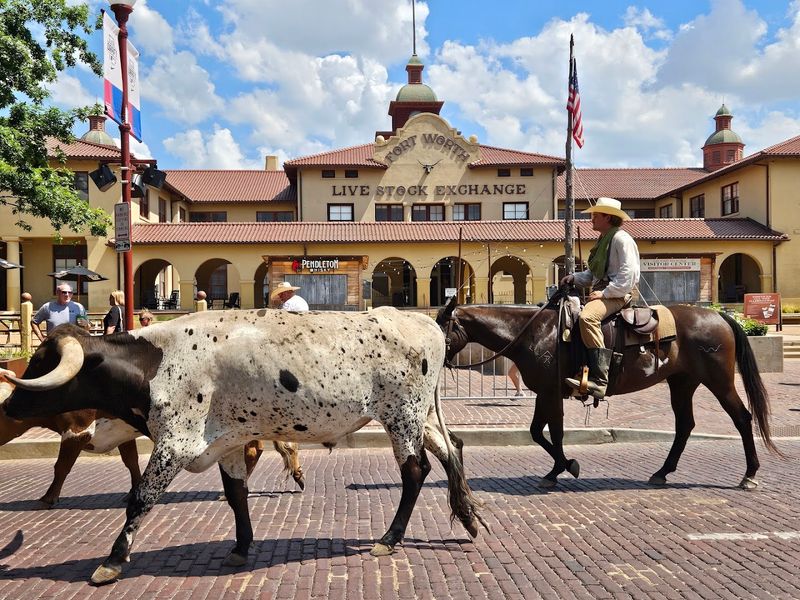
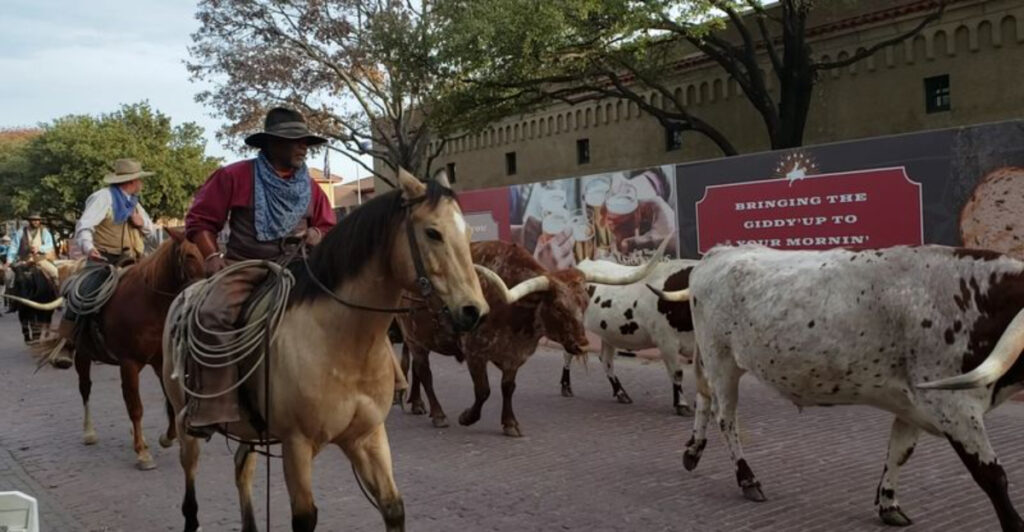
Fort Worth’s Stockyards National Historic District sounds like something that might be cheesy or completely manufactured for tourists, and then you show up and realize it’s the real deal with genuine Western heritage still alive and kicking. Twice daily, actual longhorn cattle get herded down Exchange Avenue by real cowboys on horseback, right through the middle of crowds who’ve gathered to watch. The brick streets, old wooden buildings, and working livestock pens create an atmosphere that feels authentic rather than theme-park fake.
The area served as the center of Fort Worth’s cattle industry for over a century, and while it’s definitely tourist-friendly now, the bones of that history remain visible everywhere. You can watch cattle auctions at the Livestock Exchange Building, visit the Texas Cowboy Hall of Fame, or catch a rodeo at Cowtown Coliseum, which has been hosting them since 1918.
Honky-tonk bars line the streets, offering live country music most nights and cold beer any time. Billy Bob’s Texas claims to be the world’s largest honky-tonk, and whether that’s true or not, the place is massive and hosts big-name country acts regularly. Shopping ranges from authentic Western wear stores where working ranch hands buy their gear to souvenir shops selling decorative cowboy boots.
What makes the Stockyards work is that it hasn’t tried to sanitize or Disney-fy the rough edges of cowboy culture. The bars get loud, the rodeos feature real riders risking real injuries, and the whole place smells faintly of livestock and leather. Families visit during the day for the cattle drive and museums, while the evening crowd skews toward folks ready to two-step and drink whiskey.
Walking these streets at dusk when the neon signs start glowing and live music spills from every doorway, you understand why Fort Worth keeps its cowtown identity while Dallas chases skyscrapers. It’s history you can touch, culture you can participate in, and an experience that delivers on its promises without apology.
Share this story