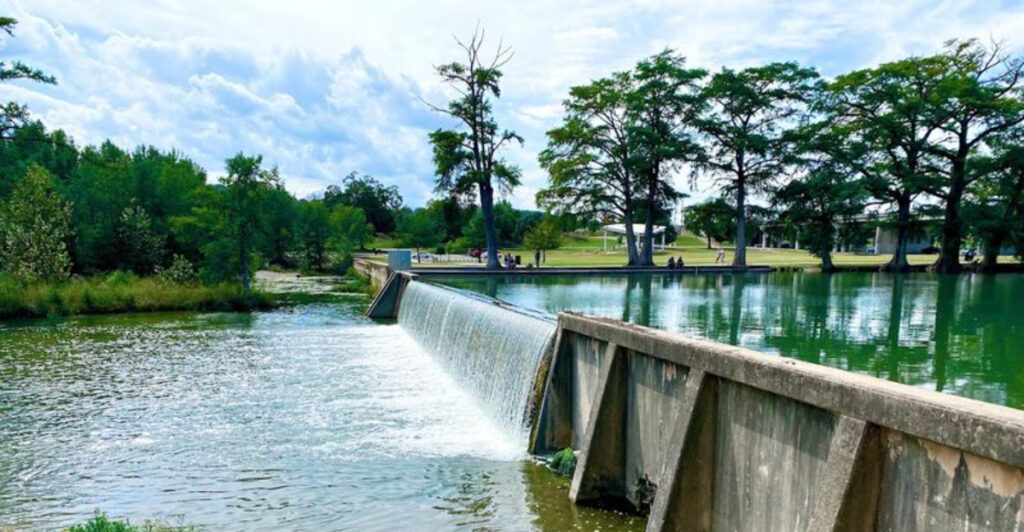
Tucked into the Texas Hill Country where the Guadalupe River cuts through limestone and cypress, Kerrville offers something most river towns don’t: authentic small-town charm without the tourist trap feel. This isn’t a place that reinvented itself for Instagram—it’s been quietly thriving since James Kerr’s friends first settled here in the 1840s. With art galleries, live music, riverside trails, and some of the clearest water in the state, Kerrville has mastered the balance between adventure and relaxation that makes a river town truly unforgettable.
1. The Guadalupe River: Your Floating Playground
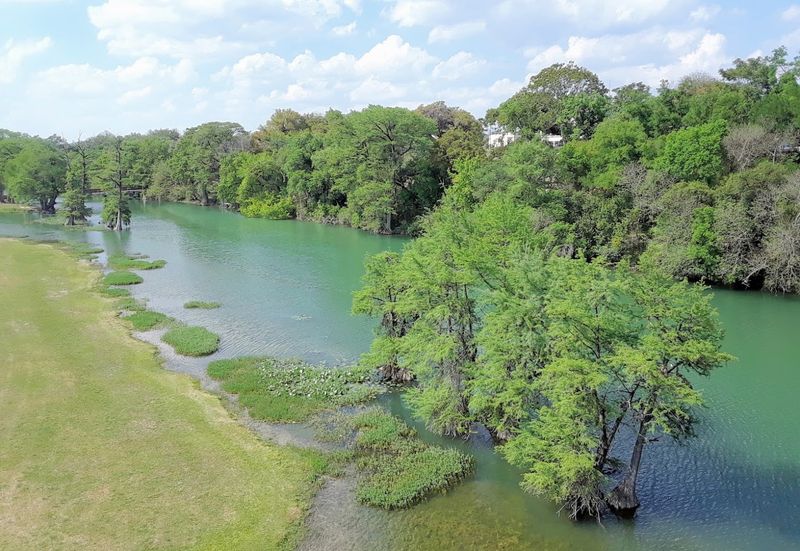
Forget crowded tourist rivers where you’re bumping into strangers every five seconds. The Guadalupe through Kerrville moves at a pace that lets you actually enjoy the scenery—think lazy current, cool spring-fed water, and stretches where it feels like you’ve got the whole thing to yourself. The water stays refreshingly cold even in July, thanks to springs bubbling up from the Edwards Aquifer.
Kerrville’s section of the river is perfect for families because it doesn’t throw gnarly rapids at you. You can tube, kayak, or paddleboard without needing a rescue team on standby. Kerrville-Schreiner Park offers easy river access with picnic areas and campsites right along the water, so you can make a whole day of it without driving all over creation.
Local outfitters will set you up with everything you need if you didn’t bring your own gear. They’ll even shuttle you upstream so you can float back down at your own pace. The best part?
The river stays clean because the community actually cares about keeping it that way—you won’t find trash piles or rowdy party zones ruining the vibe.
Early mornings bring glass-smooth water perfect for standup paddleboarding, while late afternoons turn golden as sunlight filters through the cypress canopy. Bring a waterproof bag for your phone because you’ll want photos, but also be ready to just float and forget about everything else for a while.
2. Museum of Western Art: Cowboys and Culture
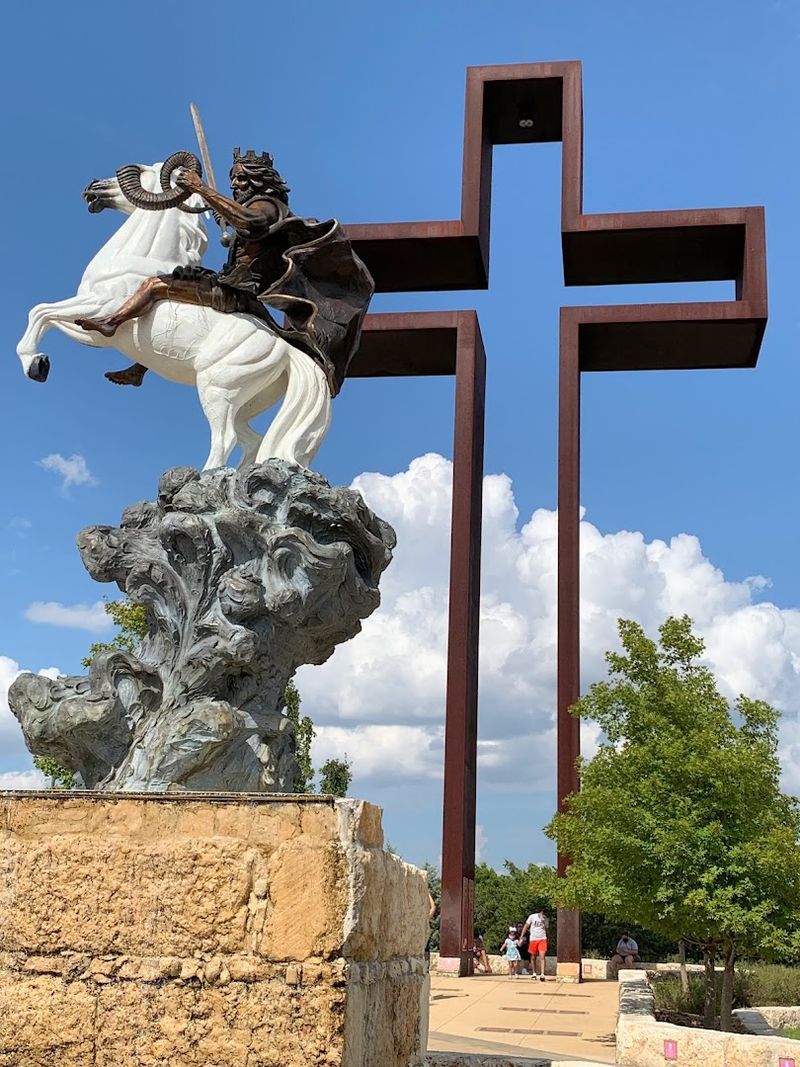
Most folks don’t expect world-class art in a town of 24,000, but Kerrville’s Museum of Western Art proves that Hill Country culture runs deeper than barbecue and boots. This place houses one of the finest collections of Western American art you’ll find anywhere, with paintings and sculptures that capture everything from cattle drives to contemporary ranch life. The building itself sits on a bluff overlooking the river, giving you Hill Country views that rival the artwork inside.
The permanent collection features heavy hitters like Frederic Remington and Charles Russell, but the rotating exhibits keep things fresh. You might catch a show on modern cowboy photography one month and traditional Native American crafts the next. The museum doesn’t just throw art on walls—it tells stories about the people who shaped the West and the artists who documented it all.
What makes this spot genuinely special is how it connects art to the landscape right outside its doors. After wandering the galleries, you can step onto the grounds and see the same rolling hills and big skies that inspired generations of Western artists. The sculpture garden alone is worth the visit, with bronze cowboys and horses positioned against actual Hill Country backdrop.
The staff here actually knows their stuff and loves talking about the pieces, so don’t hesitate to ask questions. Admission won’t break the bank, and the gift shop carries work from local artists if you want to take home something authentic.
3. Kerrville Folk Festival: Music Under the Stars
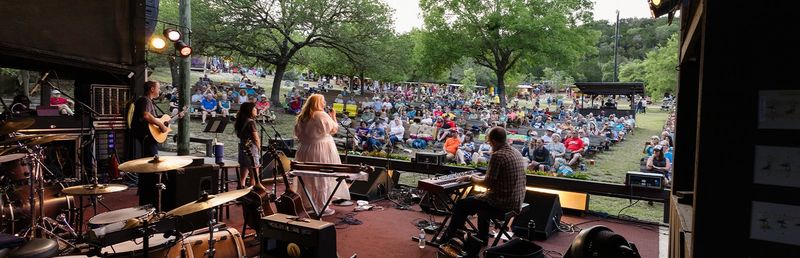
Every May and June, a corner of Quiet Valley Ranch transforms into Texas’s longest-running music campout, and it’s nothing like the massive commercial festivals that have taken over the scene. The Kerrville Folk Festival has been running since 1972, back when folk music meant something other than a Spotify playlist category. This is where songwriters come to be heard, not to chase viral moments.
The festival sprawls across 18 days with multiple stages, but the real magic happens at the smaller songwriter sessions where you’re sitting maybe 20 feet from performers sharing songs they wrote last week. You’ll hear everything from traditional folk to Americana, bluegrass to singer-songwriter stuff that defies categories. Past performers include Lyle Lovett, Steve Earle, and countless others who went on to bigger stages but remember Kerrville as the place that actually listened.
Camping is part of the whole experience—people set up elaborate campsites and return to the same spots year after year, building a community that feels more like a family reunion than a festival. You can day-trip it if camping isn’t your thing, but you’ll miss the late-night jam sessions that spontaneously erupt around campfires when the official shows wrap up.
The festival grounds sit on beautiful Hill Country property with oak trees providing natural shade and a creek running through it. Bring your own chair, pack some snacks, and prepare to discover your new favorite artist before the rest of the world catches on.
4. Louise Hays Park: Where Town Meets River
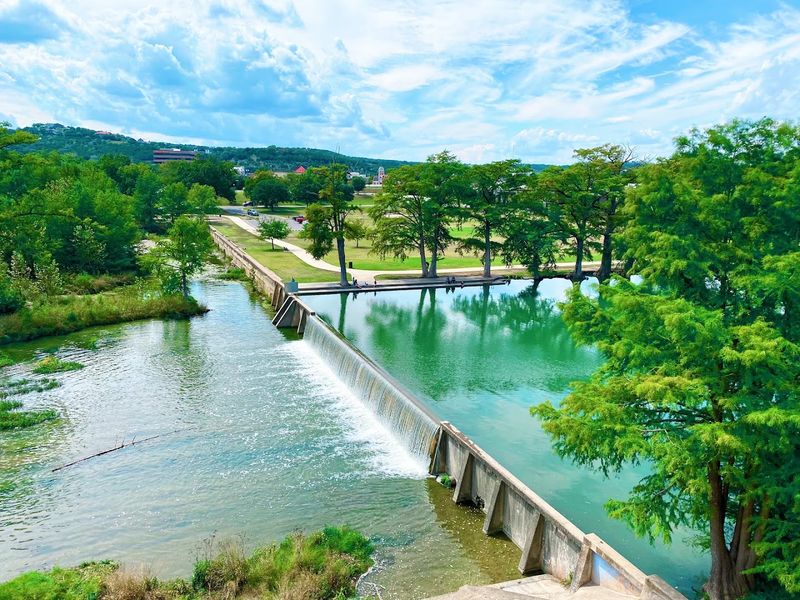
Right in the heart of downtown Kerrville, Louise Hays Park gives you instant river access without leaving civilization behind. This 5-acre green space along the Guadalupe has been the town’s gathering spot for decades, and locals treat it like their collective backyard. You’ll find families feeding ducks, kids wading in the shallow areas, and folks just sitting on benches watching the water flow past.
The park features a paved riverwalk that connects to a longer trail system if you want to stretch your legs. It’s flat, shaded, and perfect for an easy morning walk or evening stroll when the heat backs off. Several covered pavilions make it ideal for picnics, and you’ll often catch free concerts or community events happening on weekends during warmer months.
What sets this park apart from typical city parks is how it blends into the natural riverscape. The Guadalupe runs clear and shallow here, creating little pools and riffles that attract birds and wildlife. You might spot herons stalking fish or turtles sunning themselves on rocks.
The cypress trees lining the banks are massive and ancient-looking, providing shade that keeps things comfortable even in summer.
Parking is easy and free, restrooms are clean and accessible, and you’re literally steps away from downtown shops and restaurants. It’s the perfect spot to decompress after driving through Texas for hours, letting the sound of moving water wash away that highway tension. Bring a book, pack some snacks, and claim a spot under the trees.
5. Hill Country Museum: History Without the Boring Parts
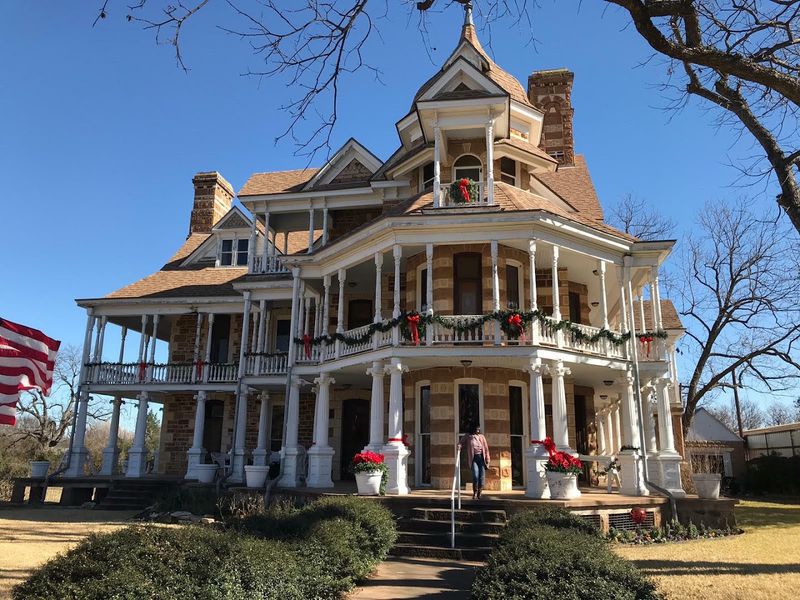
Housed in Charles Schreiner’s 1879 mansion, the Hill Country Museum proves that local history doesn’t have to put you to sleep. This isn’t one of those dusty places with random artifacts behind glass and vague explanatory plaques—it’s a carefully curated look at how Kerrville grew from a shingle-making camp into a thriving Hill Country hub. The mansion itself tells half the story, with its native limestone construction and period furnishings showing how Texas wealth looked in the late 1800s.
Schreiner was a Texas Ranger turned merchant who basically built Kerrville’s economy, and the museum doesn’t shy away from the complicated reality of frontier life. You’ll learn about the challenges of settling this rugged landscape, the conflicts with Native Americans, and how the arrival of the railroad changed everything. The exhibits include everything from antique medical equipment to vintage clothing to photographs that show what downtown looked like before pavement and power lines.
Docents here actually make history interesting because they focus on stories rather than dates. They’ll tell you about the great flood of 1900, the tuberculosis sanitariums that once dotted the area, and the characters who shaped Kerrville into what it is today. The building’s architecture alone is worth studying, with its thick stone walls and high ceilings designed to handle Hill Country heat.
Admission is cheap, tours don’t take forever, and you’ll walk away understanding why Kerrville developed differently than other Texas river towns. It’s quick cultural education that enhances everything else you see around town.
6. Riverside Nature Center: Native Plants and Butterflies
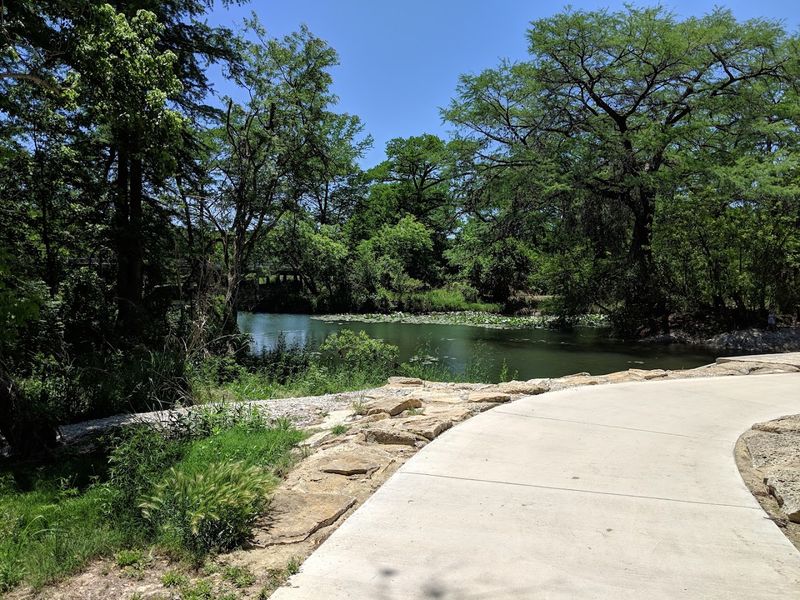
Run entirely by volunteers who genuinely love native plants, the Riverside Nature Center sits on four acres of what used to be neglected riverside property. Now it’s a thriving demonstration garden showing exactly which plants will actually survive Hill Country conditions without constant babying. If you’ve ever wondered why your landscaping keeps dying while your neighbor’s looks effortless, this place has answers.
The gardens showcase hundreds of native Texas species arranged by habitat type—you’ll see what grows in rocky soil versus creek beds versus open prairie. Butterfly gardens explode with color during migration seasons, attracting monarchs and swallowtails by the dozens. It’s not just pretty to look at—it’s practical education about working with Texas’s climate instead of fighting it.
The center offers free advice about which plants will thrive in your specific conditions, potentially saving you hundreds of dollars in landscaping mistakes.
Walking paths wind through different garden areas, with benches positioned in shady spots perfect for bird watching. The arboretum section features native trees labeled with their common and scientific names, plus notes about their wildlife value. Spring brings wildflower explosions, summer showcases heat-tolerant bloomers, and fall migration turns the butterfly garden into a rest stop for thousands of monarchs heading to Mexico.
Admission is free, though donations keep the place running since it’s all volunteer-operated. The gift shop sells native plant seeds and gardening books focused on Hill Country conditions. It’s a peaceful spot that teaches you something useful while giving you a break from Kerrville’s busier attractions.
7. Downtown District: Antiques, Art, and Real Coffee
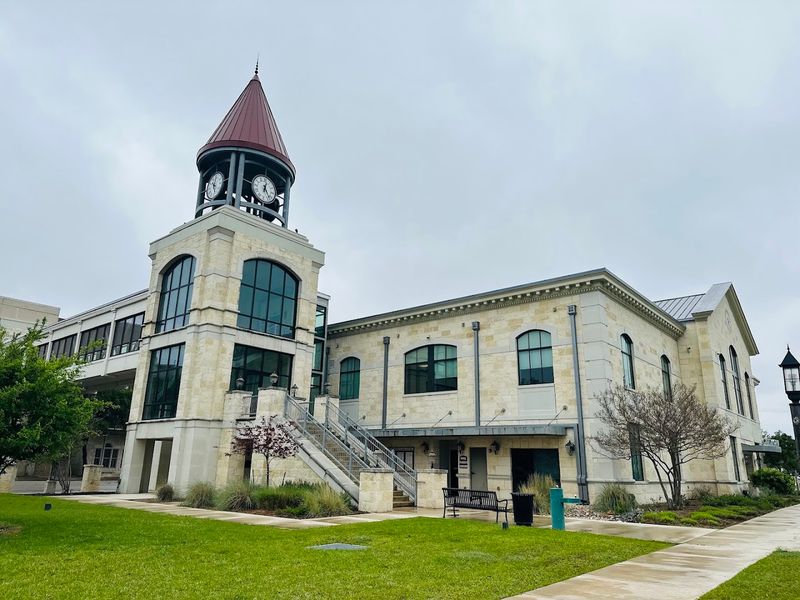
Kerrville’s downtown doesn’t try to be Austin or Fredericksburg, and that’s exactly why it works. The historic buildings along Water Street and Earl Garrett Street house independently owned shops that have been here for years, not pop-up boutiques chasing trends. You’ll find serious antique stores where dealers actually know their stuff, art galleries featuring Hill Country artists, and coffee shops that aren’t part of chains.
The Cailloux Theater, built in 1929, still shows movies and hosts live performances in a gorgeously restored space that looks like theaters used to before multiplexes ruined everything. Nearby, the Kerr Arts and Cultural Center occupies the old post office building, offering rotating exhibits and classes that keep the local art scene alive. These aren’t tourist traps—they’re places where locals actually spend time, which gives downtown an authentic energy you can’t fake.
Several restaurants and cafes have outdoor seating perfect for people-watching, and the pace stays relaxed even during busy weekends. You can park once and walk to everything, with shaded sidewalks making it comfortable even in summer. The architecture mixes limestone buildings from the 1800s with mid-century storefronts, creating a visual timeline of Kerrville’s growth without feeling like a theme park version of history.
Saturday mornings bring a farmers market with actual farmers selling produce they grew, not resellers hawking the same stuff you’d find at grocery stores. Local honey, grass-fed beef, handmade crafts—it’s the real deal. Downtown Kerrville proves small-town Texas can stay vibrant without selling out to tourism.
8. Kerrville-Schreiner Park: Camp Where the River Runs
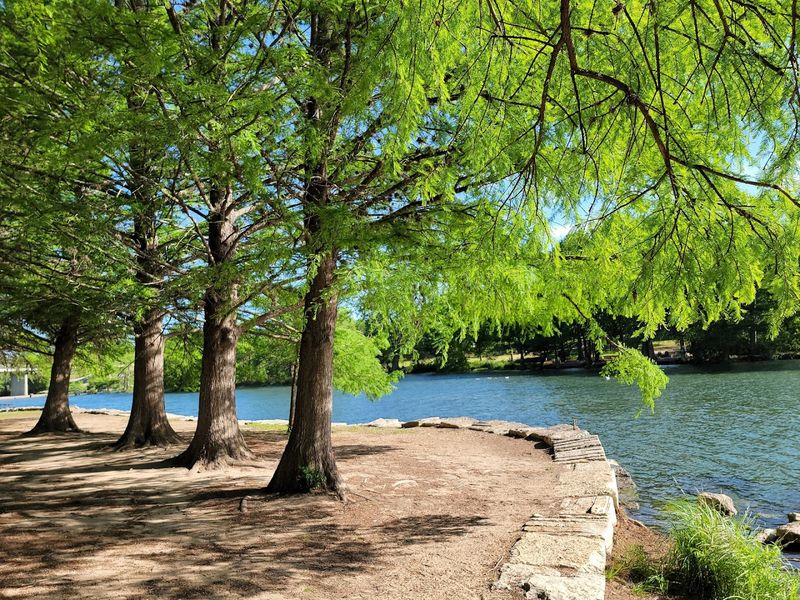
Sitting on 517 acres along the Guadalupe River, Kerrville-Schreiner Park offers camping that doesn’t feel like you’re crammed into a parking lot with strangers. The sites spread out under massive oak trees, with enough space between them that you’re not listening to everyone else’s conversations. Some sites sit right on the river, giving you front-row seats to the water and all the wildlife that comes with it.
The park has options for every camping style—primitive tent sites for purists, RV spots with full hookups for folks who like their creature comforts, and screened shelters if you want a roof without the full cabin experience. Miles of hiking and biking trails wind through the property, ranging from easy riverside strolls to more challenging hill climbs that reward you with views across the valley. The trails connect to the river in multiple spots, so you can cool off mid-hike.
Day-use visitors can access picnic areas, playgrounds, and swimming spots without camping overnight. The park maintains its facilities well—restrooms stay clean, trails get maintained, and rangers actually enforce quiet hours so late-night partiers don’t ruin everyone’s trip. Wildlife is abundant, with deer wandering through campsites at dawn and dusk, armadillos rooting around after dark, and birds everywhere.
Reservations are smart for weekends and holidays, but weekdays often have availability even in peak season. The nightly rate is reasonable, especially considering the prime riverside location and how much space you get. It’s the kind of place that makes camping feel easy instead of like work.
Share this story