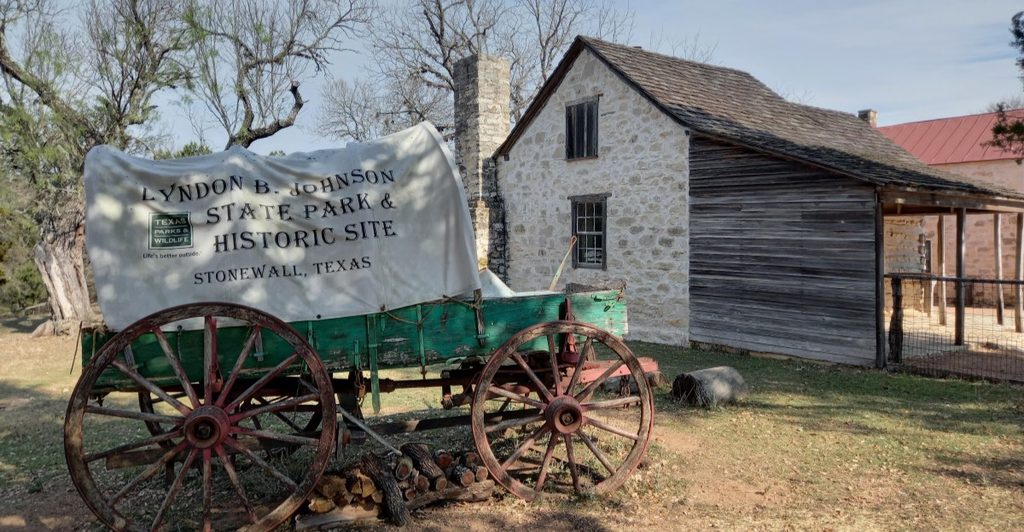
Step back into 1918 at Sauer-Beckmann Living History Farm, where the sights, sounds, and traditions of old Texas come alive. Located in the beautiful Texas Hill Country at Lyndon B. Johnson State Park, this working historic farm offers a fascinating glimpse into everyday life more than a century ago.
Costumed interpreters tend to farm animals, cook meals on wood-burning stoves, churn butter, and carry out traditional chores just as families once did. With its historic buildings, old-fashioned tools, and hands-on history, this unique destination makes you feel like you’ve traveled back in time.
1. Costumed Interpreters Who Never Break Character Fun
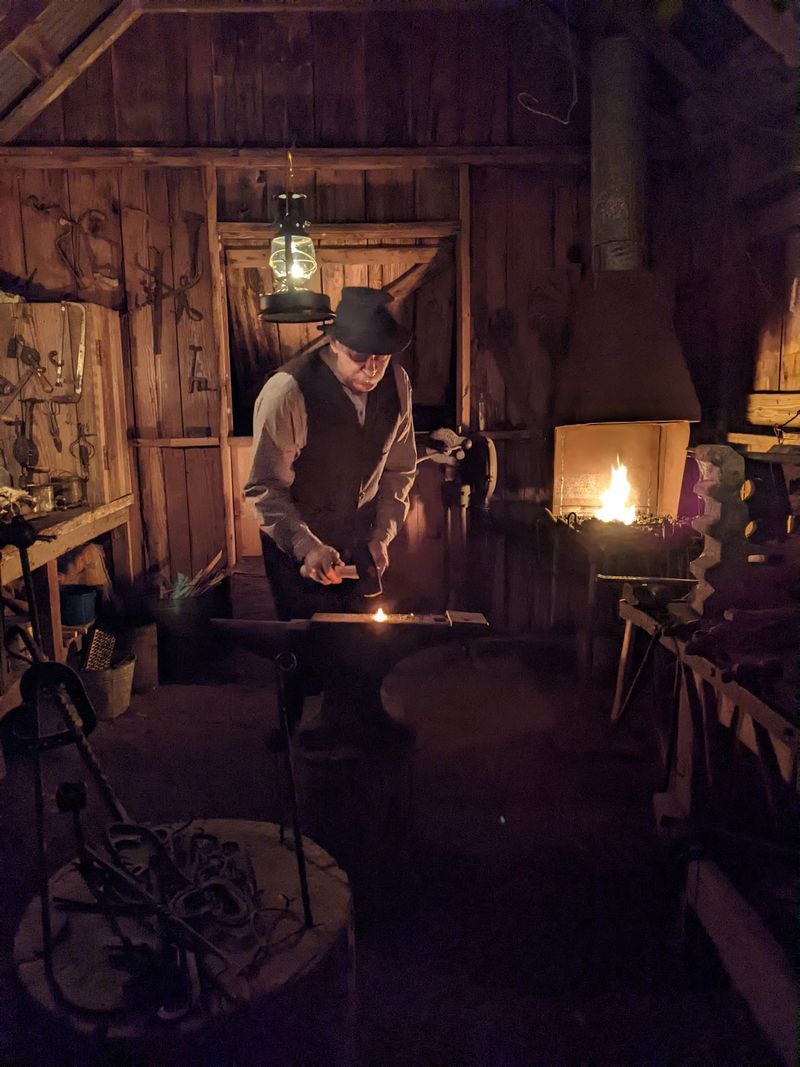
Nobody hands you a pamphlet and waves you off here. Someone in a long skirt or suspenders looks up from a chore and simply starts talking, like you dropped by their place for a visit. That one move changes the whole day.
The interpreters dress as the German settlers who farmed this land in the early 1900s. Reviewers keep praising how friendly and knowledgeable they are, and the staff topic is the most mentioned thing about the place. Ask a question and you will usually get a story, not a one-line answer.
Some visitors have even been invited to pitch in. One parent wrote that a staff member let the kids help with daily chores, which is the kind of memory that sticks far longer than a plaque on a wall.
Here is a tip from the regulars: show up with real curiosity. Ask why the walls are so thick, what is simmering on the stove, or how a tool works. The more you ask, the more the farm opens up.
Keep in mind that school groups sometimes keep a few interpreters busy. If you want more one-on-one time, try an early weekday or a quiet Saturday morning, when folks say crowds stay light and conversations run long.
2. A Farmhouse Frozen In 1918
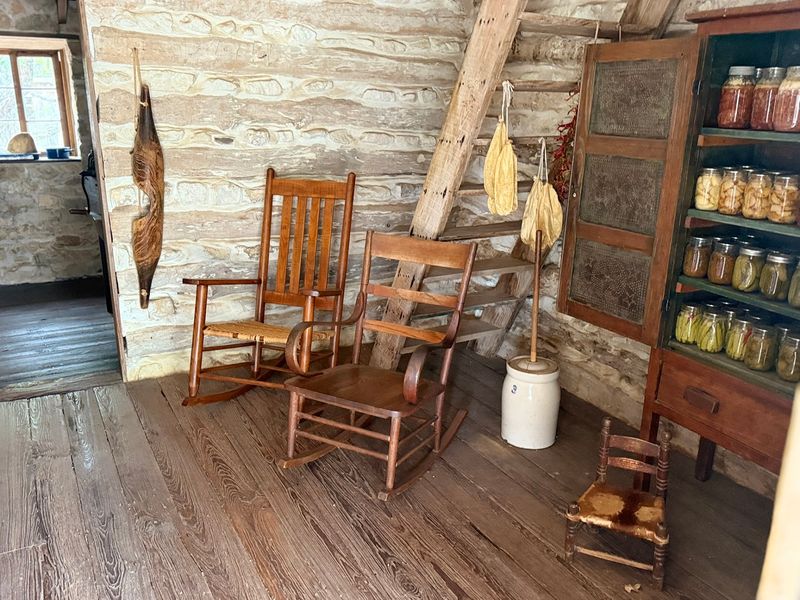
Picture a house with no plumbing, no wires, and not a single outlet. That is the Sauer-Beckmann farmhouse, set up to show life around 1918. Step inside and the quiet feels almost loud.
Look up first. The ceilings are high to let heat escape, and transoms sit above the doors to move air around. Visitors also love the porch and breezeway ceilings, painted a soft sky blue, an old trick said to keep pests from nesting.
Then check the walls, which are impressively thick. They helped the family stay cooler in a Texas summer long before air conditioning. A lamp hanging in the main room raises and lowers in perfect balance, and guests call it one of the neatest little details in the house.
Poke around for the quirky stuff too. Old Sears and Roebuck catalogs show how families ordered goods by mail, kind of like early online shopping. Out back, a two-seat outhouse always gets a chuckle.
Take your time in each room. Many repeat visitors say they spot something new every trip, from antiques to odd tools they cannot name until a guide explains.
3. Cooking From Garden To Plate
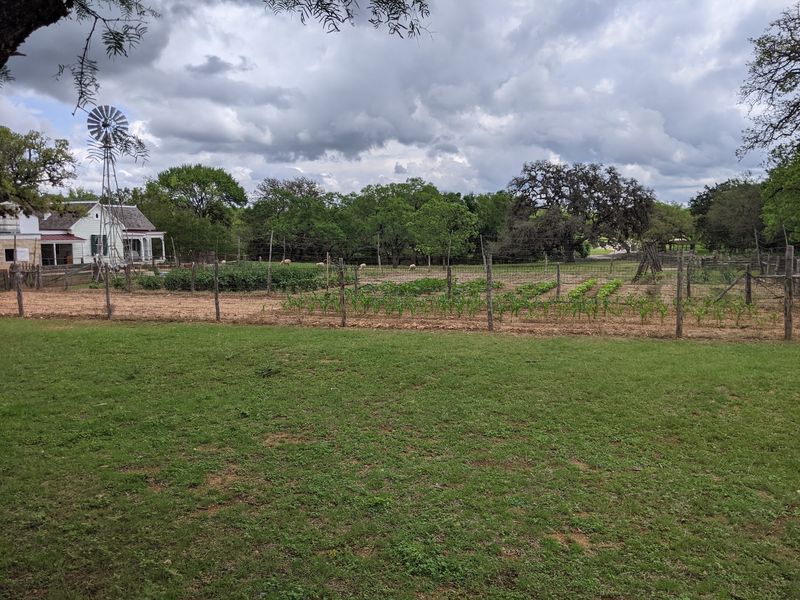
Dinner here starts outside, not at a grocery store. Staff pull vegetables from the garden, use meat from the farm, and cook it all the old way. Watching it happen is a little like seeing a cooking show with no cameras and a lot more smoke.
One visitor loved seeing a meal built from farm-raised ingredients. Others have spotted cheese making, which turns fresh milk into something you can slice. It takes patience, and it shows how much work went into every bite.
Fun fact: the garden has produced some jaw-dropping crops. A guest raved about huge okra and a massive sweet potato that looked like it won a blue ribbon.
Wood stoves heat unevenly, so cooks have to read the fire like a book. Ask them how they know when something is done, and you may hear tricks no recipe card ever printed.
Plan your trip around mealtime if you can. Late morning is a good bet to catch kitchen action, though activities change by day and season. Special event days often feature certain tasks in more detail, so check the park website before you go.
4. Barnyard Residents With Real Jobs
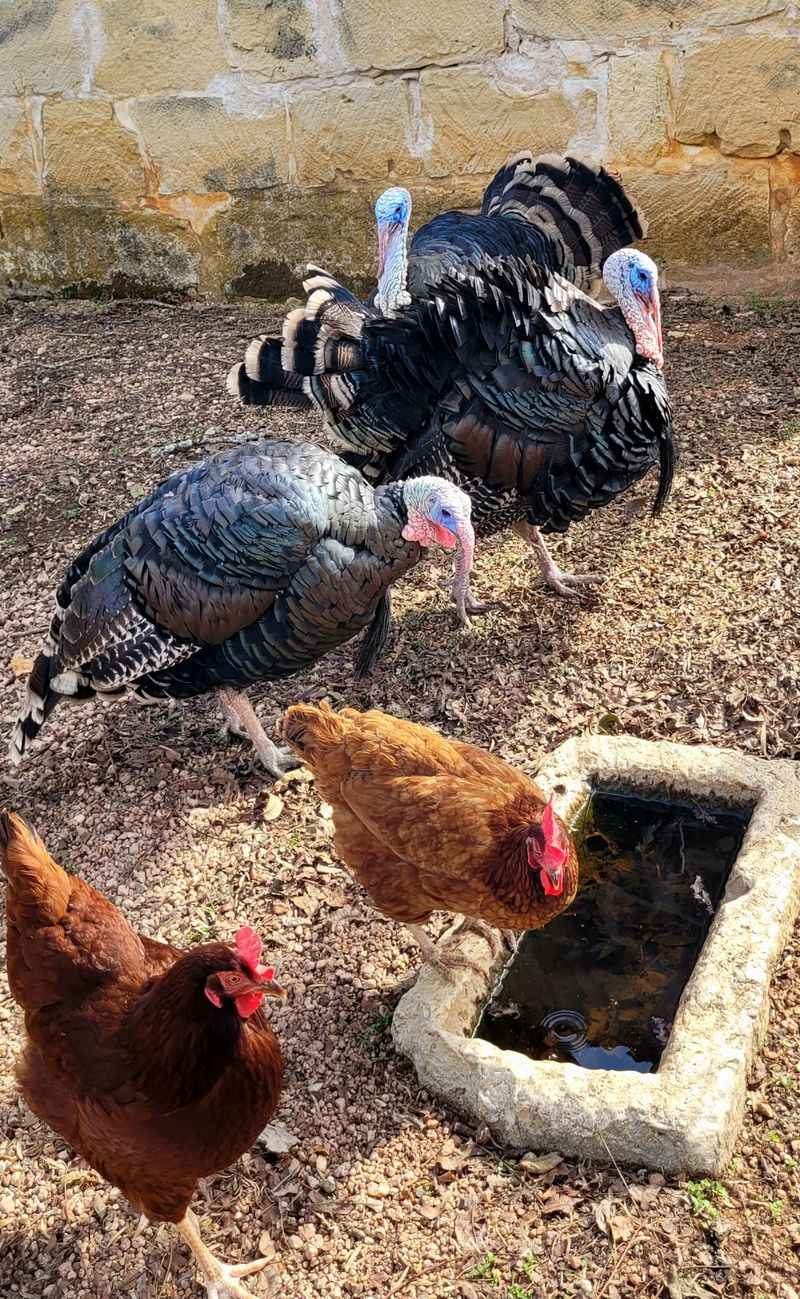
Gobble gobble is only the start. The turkeys here make a whole range of soft little noises, and one visitor said she had never been so close to one before. They wander the grounds like they own the place, which, honestly, they kind of do.
These are not petting zoo props. The animals have roles in the farm’s daily rhythm, giving food or materials for clothing, just as they would have a century ago. That gives every cow, hen, and pig a purpose.
Guests say the animals are calm and used to crowds. They roam freely without bolting or crowding anyone. If a baby calf or another critter wanders up, you may get a gentle pet, but let them make the first move.
Bring kids, but set a few ground rules. Walk slowly, keep hands low, and skip chasing. Good manners work on farm animals just like they do on people.
Do not forget to glance up and around. One visitor spotted a bright red cardinal on the grounds, and another remembered seeing buffalo nearby in the park. The wider area is full of wildlife if you keep your eyes open.
5. Skills You Can Watch Up Close
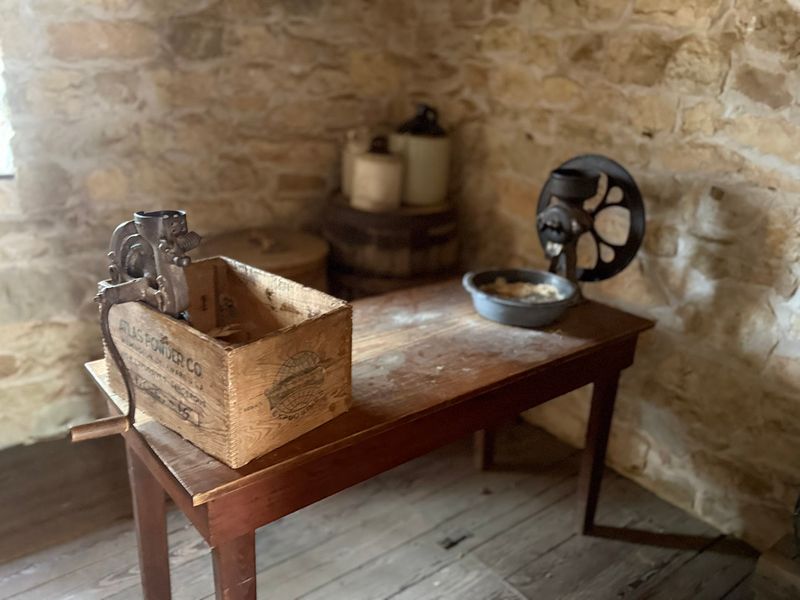
Ever wonder how cotton turns into a shirt? Here, you can watch the middle of that story. Interpreters have been seen spinning cotton into yarn, and the steady hum of the wheel is oddly relaxing.
The farm even grows cotton in its fields, so you can follow the idea from plant to thread. That kind of full-circle view is hard to get from a textbook. It also makes you appreciate the tag inside your own T-shirt.
Other demonstrations come and go with the seasons. You might catch butter or cheese being made, laundry done by hand, or fieldwork underway. Because it is a working farm, the schedule follows real needs, not a fixed show time.
Some old tools are available to try, and a past visitor said using them was a highlight. Trying one teaches you quickly how strong and patient farm families had to be.
For best results, wander slowly and linger when something looks interesting. A five-minute chat at the right spot often beats an hour of walking around. If you are not sure what you are looking at, just ask.
6. A German Settler Story Worth Hearing
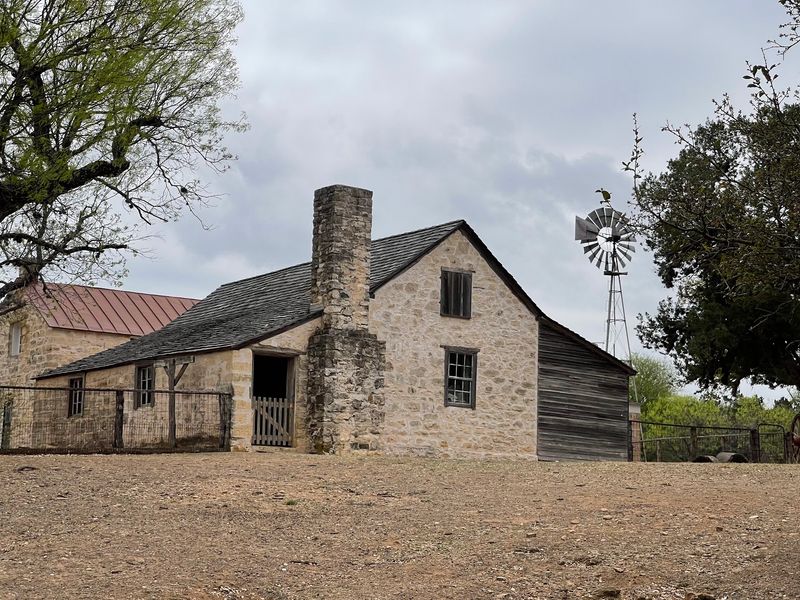
Long before this was a state park attraction, it was home to a German family trying to build a life in the Hill Country. The farm shows how they lived in the early 1900s, from daily chores to the way the buildings were built. It is a slice of Texas history that many people never learn about.
The farm sits within Lyndon B. Johnson State Park, close to where the future president grew up. One visitor described it as learning about LBJ’s neighbors, which adds a fresh angle to the area’s story.
Guides weave in details about German traditions, farm life, and the choices families made to survive. You do not need to be a history buff to enjoy it. Plenty of guests arrive knowing nothing about rural life in the late 1800s and 1900s and leave with plenty of new knowledge.
Look closely at the buildings, too. Restoration crews kept the historic feel without making it look staged, and reviewers praise how it still runs like a real family farm.
Teachers and parents love it as a hands-on lesson. Kids remember a story they saw, touched, and smelled far better than one they only read.
7. Free Entry And Easy Planning
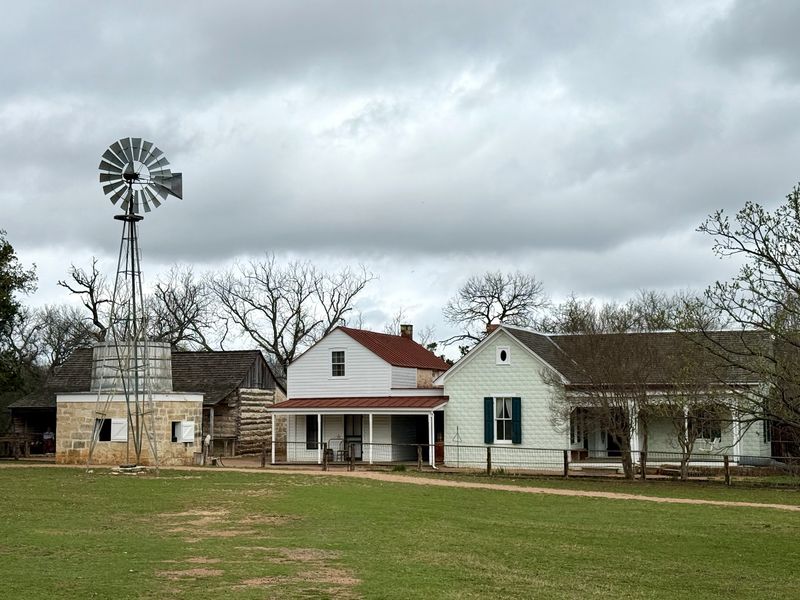
Yes, you read that right. Several visitors were stunned that the farm has no admission fee for this level of experience. That alone makes it one of the better deals in the Hill Country.
Hours are simple: open daily from 10 AM to 4 PM. Park at the visitor center, then take the short walk through the woods to the farmhouse. Clean restrooms are available at the visitor center and around the park.
Most people spend about two hours, which includes the visitor center museum and shop. History fans may want longer, and families with little ones might need a snack break halfway through.
Timing matters. Early on a Saturday, one guest found it quiet and easy to chat with staff. Weekday school groups can fill the farm, so call ahead at 830-644-2252 if you want to avoid a crowd.
Wear comfortable shoes, since you will walk on dirt paths and uneven ground. Bring water, a hat in summer, and a camera, because the antiques and animals are great photo fodder. Check the park website before you head out for event days and updates.
8. Picnics, Trails, And Wildflower Season
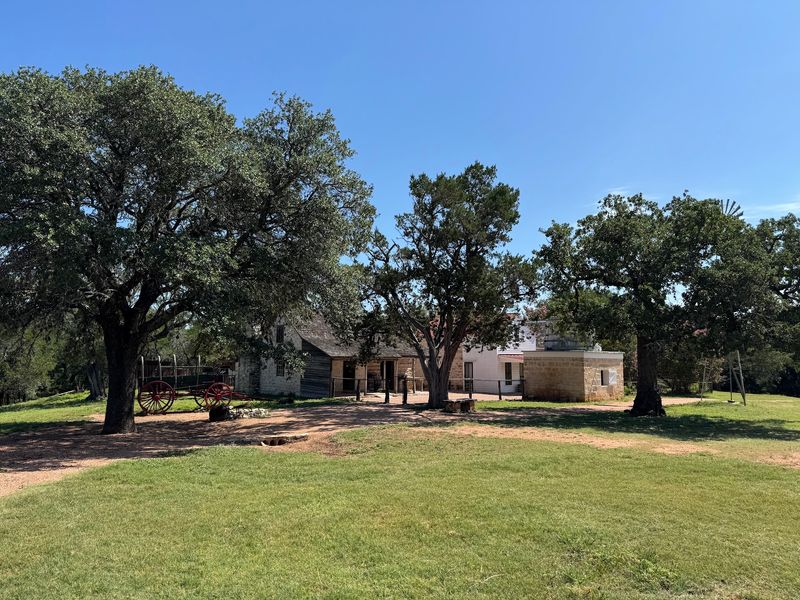
After a morning of churning and chores, you will probably want a break. Luckily, a nice picnic area sits under shady live oaks, a great spot to rest tired feet and swap stories. A past visitor called it ideal for a group gathering.
Trails wind around the park, so you can stretch your legs before or after the farm. They are a good way to see more of the Hill Country landscape without a long hike. Bring a water bottle and you are set.
Spring is a favorite time. One reviewer visited in early May and found wildflowers in full bloom, which made the old farm look even prettier. Texas bluebonnets and other blooms often peak in spring, though timing shifts each year.
Photographers have plenty to work with. Rustic fences, stone walls, and antique tools frame well, and costumed staff add a human touch. Always ask before taking a close-up of someone working.
Make a half day of it. Tour the farm, picnic under the trees, and then wander the park. You will leave with muddy boots, a full camera roll, and a new respect for anyone who ever lived off the land.
Share this story