The best zoo visits are not always the biggest ones. Sometimes the real magic comes from being close enough to slow down, notice details, and feel like every exhibit has room to breathe.
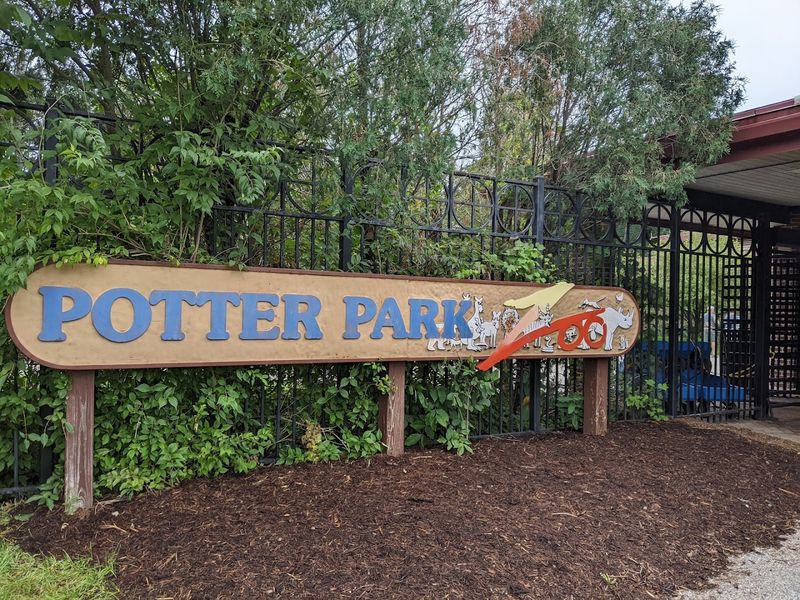
Along the Red Cedar River on South Pennsylvania Avenue, Potter Park Zoo has been part of Lansing, Michigan for more than a century, offering families, school groups, and curious adults a wildlife experience that feels personal instead of overwhelming. The 102-acre property is compact enough to explore without exhaustion, but still full of animals, learning moments, and quiet surprises that make the visit feel meaningful.
Whether you have a couple of hours or an entire morning, this Lansing favorite delivers the kind of connection larger zoos can sometimes lose.
Up-Close Animal Encounters That Actually Deliver
Most zoos put you at a comfortable distance from their animals. Potter Park Zoo takes a different approach.
The enclosures here are designed so that visitors can observe animals with minimal barriers between them, and the compact layout means you spend more time watching and less time walking.
Red pandas are a standout example. These rust-colored, bushy-tailed animals move through their habitat in a way that feels almost theatrical, and their enclosure positions them at eye level rather than far above or below.
Watching one navigate a branch just a few feet away is a completely different experience than spotting a distant shape through binoculars at a larger park.
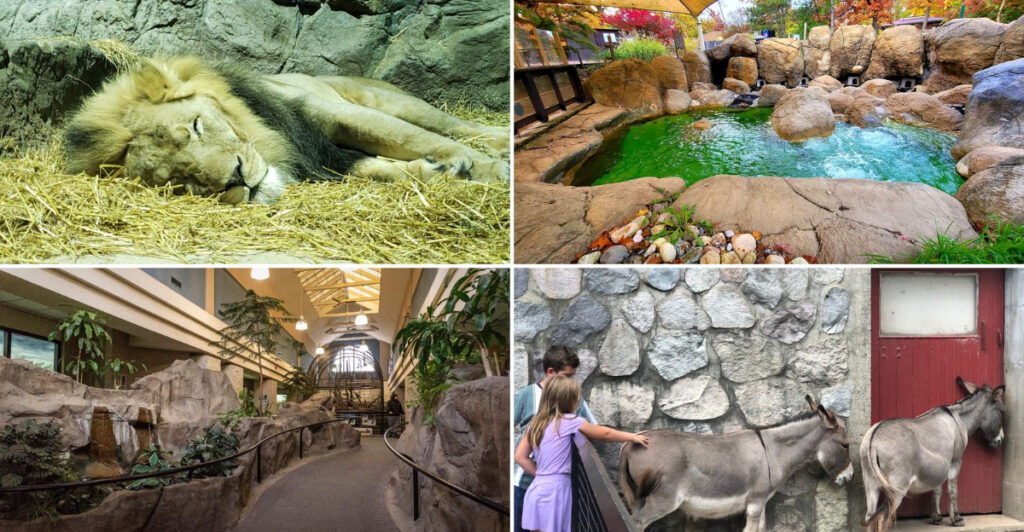
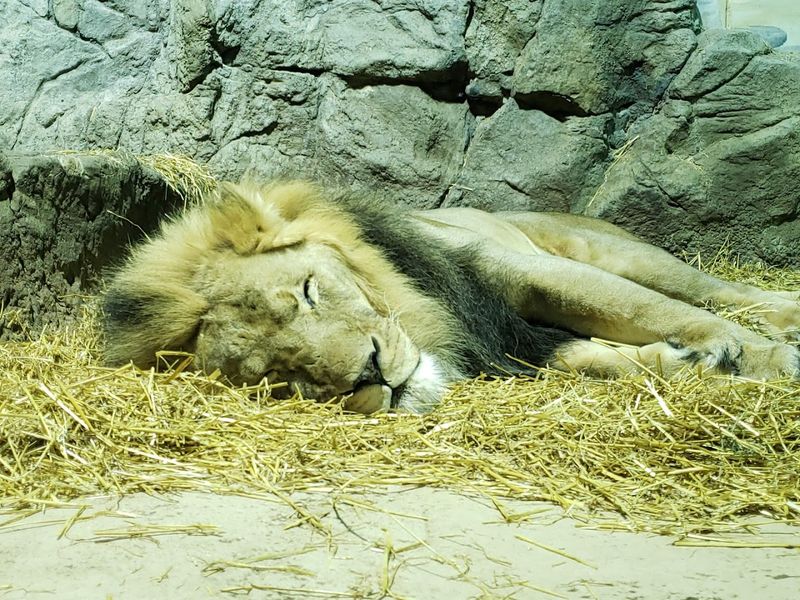
The big cat area brings similar intensity. Lions and the zoo’s resident felines are housed in spaces where their movement, size, and presence hit differently than expected.
The indoor viewing sections let you observe without weather interference, and the glass panels give an unobstructed look that outdoor chain-link fencing rarely allows.
Tamarins are another highlight. These small primates have been known to follow visitor movements along their enclosure, creating a two-way interaction that surprises first-timers.
There is something genuinely memorable about a small monkey tracking your steps with curious eyes.
The zoo houses approximately 350 animals representing a wide range of species, including birds, reptiles, primates, and large mammals. That number might sound modest, but the density of interesting species per square foot here outperforms many facilities twice its size.
Every turn on the paved path introduces something worth stopping for, and the signage, called Zookeeper Notes, gives each animal a name, background, and personality detail that makes the encounter feel less like a display and more like an introduction.
The Reptile House: Michigan’s Most Underrated Exhibit
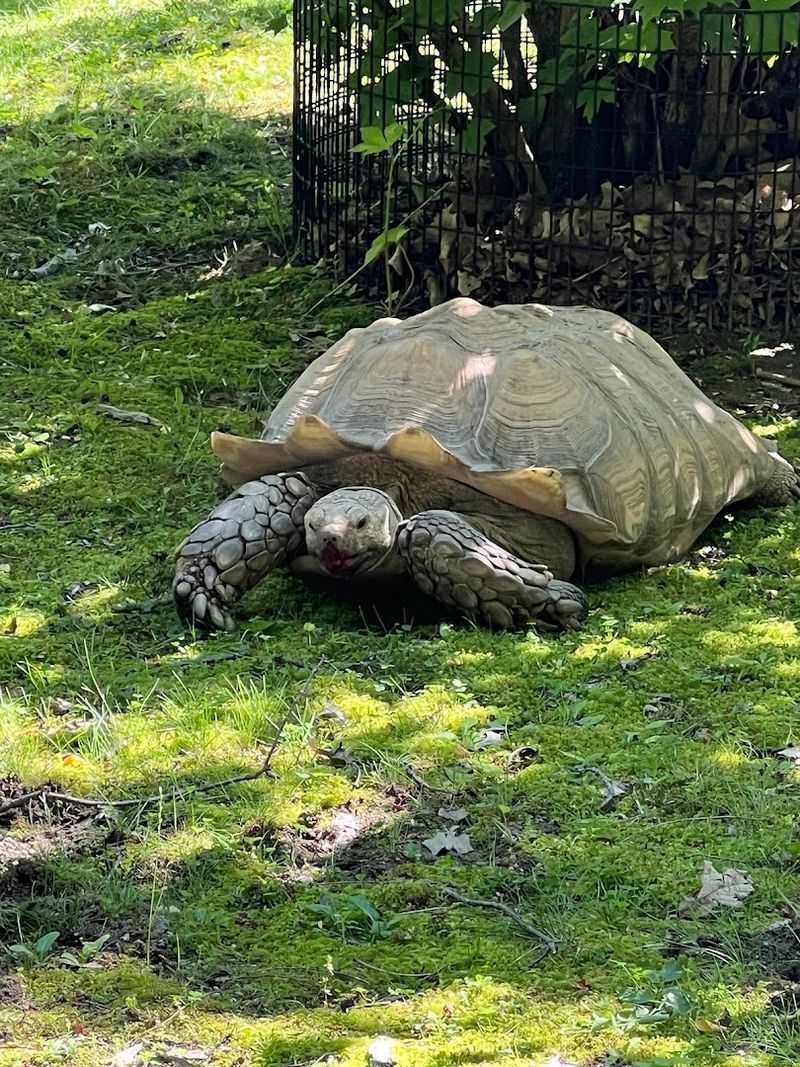
Step inside the reptile house and the temperature shift hits you immediately. The air is warmer, the lighting is amber-toned, and the glass panels along the walls reveal a world most people only see on nature documentaries.
Potter Park Zoo’s reptile building consistently draws strong reactions from visitors, including plenty of people who walked in skeptical and walked out converted.
The exhibits here let you get close enough to observe texture, scale patterns, and movement in real time. Snakes coiled in the corner of a terrarium, lizards perched on branches, and other cold-blooded residents go about their routines without much concern for the audience.
That indifference, oddly, makes it more compelling. You are watching natural behavior rather than a performance.
For families with kids who have specific animal interests, the reptile house often becomes the unexpected favorite of the day. Children who gravitate toward dinosaurs, dragons, or anything prehistoric tend to linger here longer than anywhere else on the path.
The variety of species on display covers enough visual range to hold attention across multiple age groups.
The building also provides a natural midpoint break during warmer months. Stepping inside offers shade and cooler air, which makes it a strategic stop on a hot summer afternoon.
The layout is easy to navigate, and there are no dead ends or confusing turns that make you feel like you missed something.
Signage inside the reptile house follows the same Zookeeper Notes format found throughout the zoo, giving each animal a name and specific details. Knowing that a particular snake has a name and a documented history changes how you look at it.
The reptile house at Potter Park Zoo in Lansing, Michigan earns its reputation as one of the most engaging stops on the entire property.
Farm Animals, Petting Areas, and the Barnyard Surprise
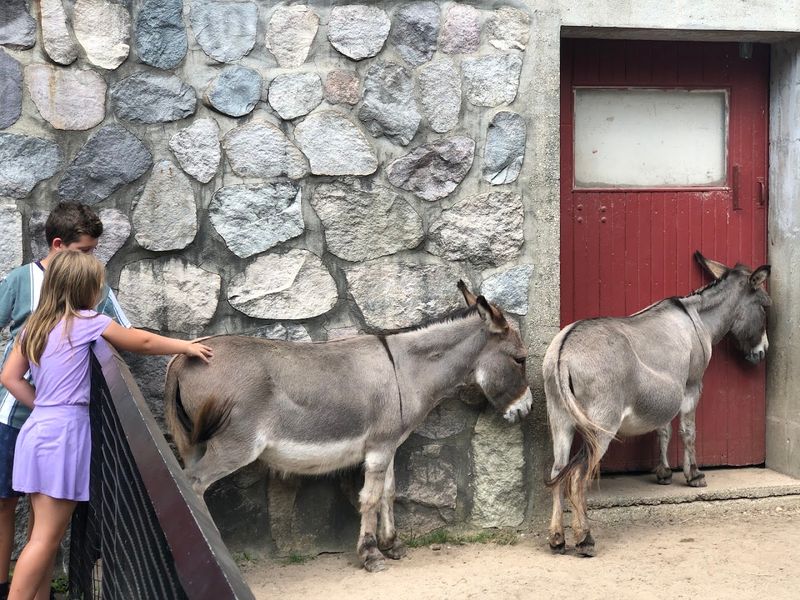
Not many zoos mix exotic wildlife with barnyard animals, but Potter Park Zoo does it without missing a beat. The farm animal section adds a layer of accessibility that younger children especially respond to, and it rounds out the experience in a way that purely exotic-focused zoos cannot replicate.
Goats and cows are among the animals visitors can interact with more directly than the larger wildlife on display. For toddlers and younger kids still building their comfort around animals, this section serves as a gentle entry point.
There is something grounding about petting a goat before standing twenty feet from a lion, and the contrast makes both experiences more vivid.
Parents often note that the farm animal area creates some of the best photo opportunities of the entire visit. Kids crouched down to eye level with a goat, or reaching over a fence toward a curious cow, make for the kind of candid shots that end up framed rather than forgotten in a camera roll.
The natural setting and open layout give plenty of room without feeling crowded.
The petting area also works well for school field trips, which are common at Potter Park Zoo. Teachers use the farm section to introduce concepts about domesticated versus wild animals, and the hands-on nature of the interaction reinforces learning in a way that a worksheet never could.
The animals here are clearly accustomed to visitor attention, which keeps interactions calm and manageable even with large groups.
Beyond the tactile appeal, the barnyard section adds visual variety to the zoo’s overall landscape. The transition from a primate enclosure to an open farm setting gives the path a natural rhythm.
It keeps the experience from feeling monotonous and gives every member of the family, regardless of age, a moment that belongs specifically to them.
Sensory Garden, Quiet Zones, and the Layout That Makes It Work
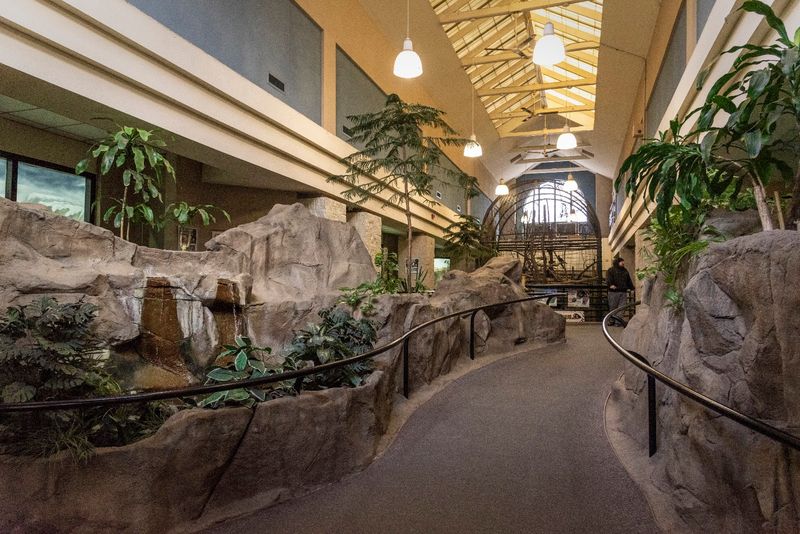
Potter Park Zoo is not just a collection of enclosures lined up along a path. The grounds include intentional spaces designed to give visitors a break from stimulation without leaving the property.
The sensory garden is one of those spaces, and it tends to catch people off guard in the best possible way.
Herb tasting stations within the sensory garden let visitors engage with plants through smell and touch rather than just sight. It is a small detail, but it shifts the pace of the visit entirely.
After the noise and movement of school groups or weekend crowds, stepping into a section designed around quiet engagement feels like hitting a reset button.
The quiet zone, tucked deeper into the foliage, serves a similar purpose. For visitors with sensory sensitivities, families with overstimulated toddlers, or anyone who simply needs a moment to breathe, this space provides genuine relief without requiring you to leave the zoo grounds.
The canopy cover and reduced foot traffic make it noticeably calmer than the main path.
The overall layout of the zoo is linear enough to follow without backtracking, which matters more than it sounds. Nothing derails a family outing faster than realizing you missed an entire section and have to reverse course through a crowd.
Potter Park Zoo’s path design keeps the flow natural and prevents that frustration entirely.
Benches are distributed throughout the grounds at regular intervals, giving adults a place to rest while kids continue observing. Restrooms are spread across multiple locations rather than concentrated in one spot, which reduces congestion during peak hours.
These practical decisions reflect a design philosophy focused on visitor comfort, and they make a real difference across a two or three hour visit. The grounds feel considered, not accidental.
Special Events That Turn a Zoo Trip Into a Full Experience
A standard visit to Potter Park Zoo covers a lot of ground on its own, but the zoo’s event calendar adds an entirely different dimension to what the property offers. Boo at the Zoo is the most talked-about of these events, and it draws visitors from well beyond the Lansing area every fall season.
During Boo at the Zoo, the zoo transforms its grounds with seasonal decorations, costumed characters, and themed activities that make the visit feel completely different from a regular afternoon. Hayrides, when weather cooperates, are part of the experience.
Families with young children find the event particularly well-suited for trick-or-treating in a controlled, familiar environment rather than navigating neighborhood streets.
Adult Night at the Zoo is another event worth noting. The zoo opens its grounds specifically for adults, offering a chance to experience the animals and exhibits without the backdrop of school groups or stroller traffic.
For couples or groups of friends who grew up visiting the zoo, Adult Night carries a different kind of appeal, equal parts nostalgia and novelty.
The zoo also hosts educational programming tied to its conservation mission. These sessions bring visitors into closer contact with the zoo’s work protecting endangered species, and they give context to the animals on display that a simple exhibit sign cannot fully provide.
Knowing why a particular species is at risk changes how you observe it.
Seasonal programming extends into winter months as well. Off-season visits during February, for example, offer a quieter experience where arctic foxes, owls, and other cold-weather-adapted animals are especially active and visible.
The reduced crowds turn the path into something almost meditative. Each season at Potter Park Zoo offers a genuinely different reason to return, making a single visit feel like only the beginning.
The Gift Shop, Animal Art, and Extras Worth Knowing About
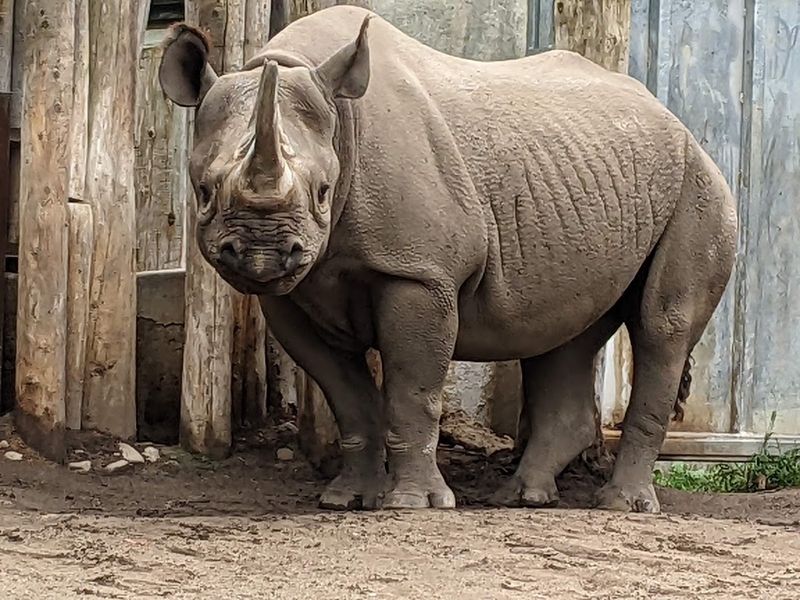
The gift shop at Potter Park Zoo offers something you will not find at most retail stops: artwork created by the animals themselves. Rhino art, bat-eared fox prints, and feather ornaments made by zoo residents are available for purchase, and they make for souvenirs that carry a story well beyond a standard keychain or stuffed animal.
Animal-created art has become a recognizable part of the Potter Park Zoo experience. The zoo uses enrichment activities to encourage animals to interact with paint and materials, and the results get sold in the gift shop with proceeds supporting zoo operations.
Buying a piece of rhino artwork is not just a souvenir purchase; it is a direct contribution to the animal’s care and environment.
The shop also sells animal tracking bracelets, where visitors can select a specific animal and follow its conservation story over time. Kids tend to take this seriously, returning home and looking up updates on their chosen species.
It extends the zoo visit into something ongoing rather than a one-day memory.
Food options on the grounds lean toward standard zoo fare, and pricing reflects the captive audience reality of any attraction. Bringing snacks and water from outside is a practical move, especially for larger families.
The main food area is centrally located and easy to find, though it can get congested during peak afternoon hours.
Ice cream near the playground area is a reliable crowd-pleaser for the end of the visit. The playground itself sits outside the main zoo path, giving kids a physical outlet after a morning of walking and observing.
Picnic tables nearby provide a spot to regroup before heading to the parking lot. Parking requires a separate fee from admission, so budgeting for both in advance avoids any surprise at the gate.
Planning Your Visit: Timing, Membership, and What to Expect
Potter Park Zoo opens at 9 AM every day of the week and closes at 5 PM, which gives families a solid window to work with regardless of the day they choose to visit. Arriving close to opening time is the single most effective strategy for avoiding crowds, especially during summer months and school field trip season.
The first hour of the day moves at a noticeably calmer pace.
A full visit at a relaxed pace typically runs two to three hours, which makes the zoo a realistic half-day outing rather than a commitment that eats up an entire day. That time frame works well for families with younger children who lose stamina before lunch, and it leaves room for a meal or playground time before heading home.
Membership options at Potter Park Zoo offer strong value for Lansing-area families who plan to visit more than once during the year. Members also benefit from reciprocal access at partner zoos across the country, which significantly expands the membership’s reach beyond the local property.
For families who travel and visit zoos regularly, this detail alone can make the annual membership worthwhile.
Parking at the zoo requires a separate fee from admission. Residents of Ingham County pay a lower rate than non-residents, and the lot accepts both cards and cash.
Planning for both costs upfront keeps the entry process smooth and quick, with minimal wait time reported even on busy days.
The zoo sits along South Pennsylvania Avenue in Lansing, easily accessible from the city center and surrounding neighborhoods. The address at 1301 S Pennsylvania Ave places it within a short drive of most Lansing locations.
Spring and early summer tend to offer the best combination of active animals and comfortable weather, though each season brings its own distinct version of the Potter Park Zoo experience.
Share this story