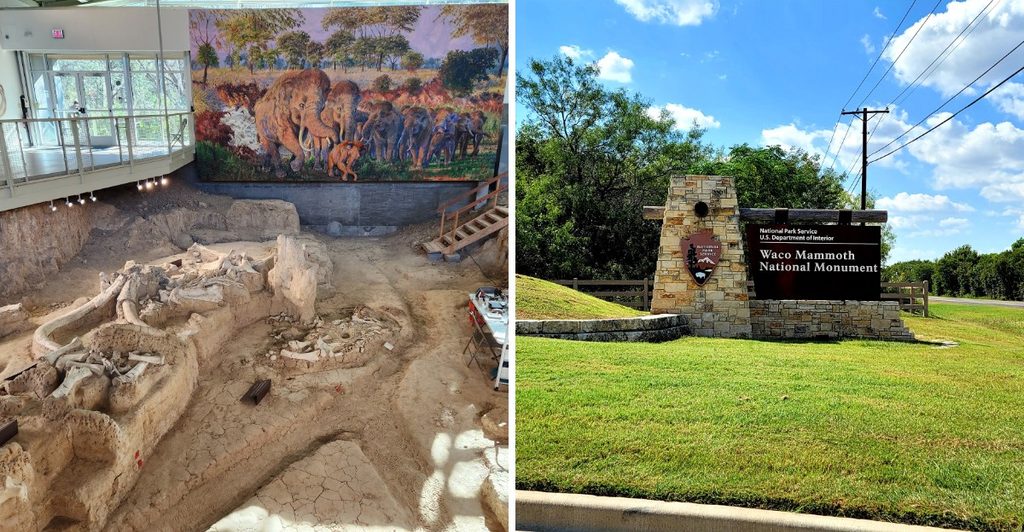
Thousands of years ago, a group of giant Ice Age animals met a sudden end near a quiet creek in Central Texas. Their bones are still lying right where they fell, and you can see them up close. Waco Mammoth National Monument is one of the rare places where a whole herd is on display in the ground.
Here are eight things that make a visit well worth your time.
1. A Whole Herd Still Resting Where It Fell
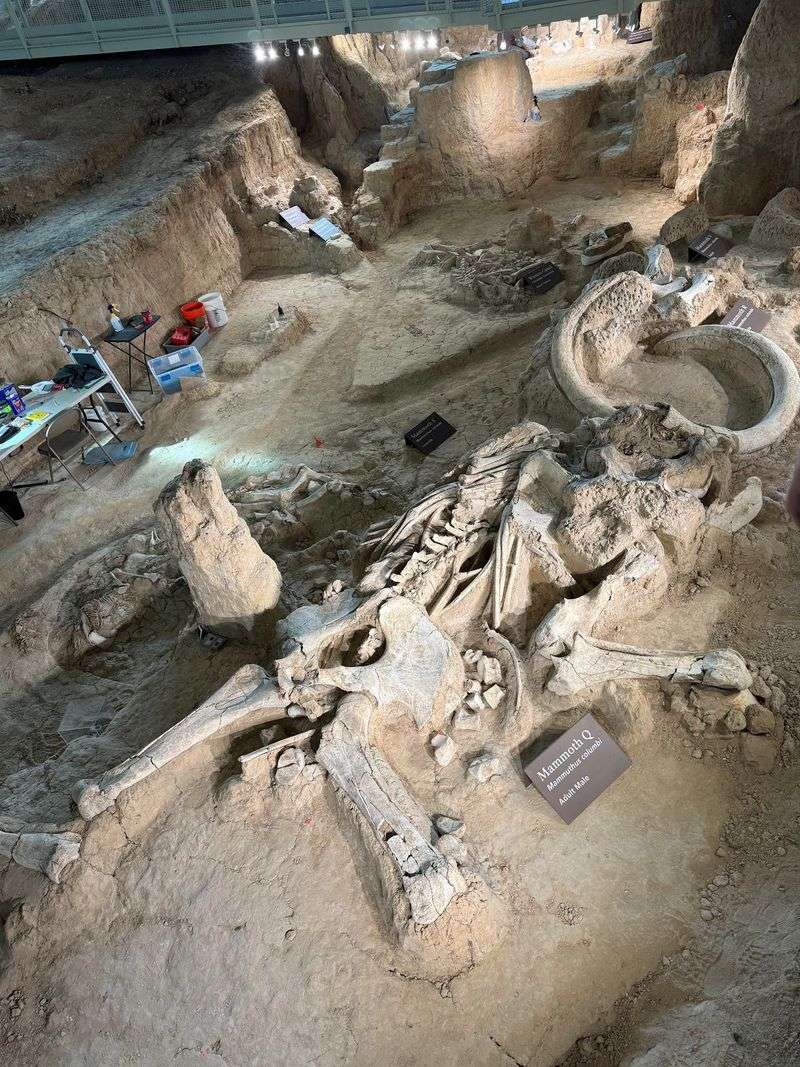
Most fossil displays show you bones that were pulled out, cleaned up, and bolted onto a metal frame. Here, the bones stay put. You stand on a walkway and look down at mammoths in the exact spots where they ended up long ago.
That setup changes how it feels. You are not looking at a model or a guess. You are looking at the real scene, with tusks, ribs, and leg bones still tangled together in the dirt.
The shelter was built right over the dig, so the fossils are protected from Texas weather. Rangers keep the temperature steady, which helps the bones last. It also means you get a break from the heat, which is a nice bonus in July.
Many visitors say it feels like walking into a real discovery site instead of a standard museum hall. That is a fair way to describe it. The place is quiet, the lighting is soft, and your eyes keep finding new bones the longer you look.
Give yourself a few minutes to just stand and scan. Pick one mammoth and follow its outline from end to end. You will spot details you missed on the first pass, like how close the animals were to each other.
It is a rare look at a moment that has been frozen for a very long time.
2. Columbian Mammoths, Not Woolly Ones
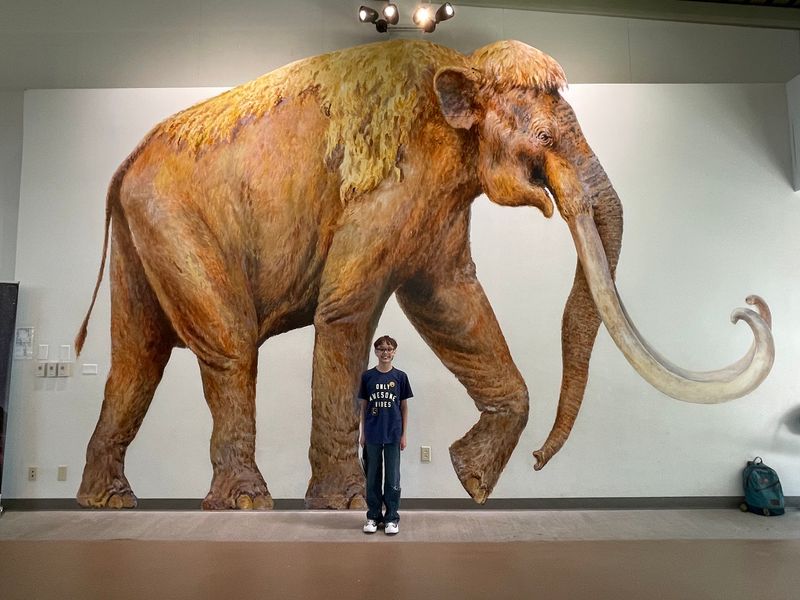
Quick quiz: picture a mammoth. If you imagined a shaggy, fur-covered beast, you are thinking of the woolly kind. The animals at Waco were Columbian mammoths, and they lived in a much warmer spot.
Columbian mammoths were huge. Some stood around 13 feet tall at the shoulder and weighed as much as 10 tons. Their tusks curved up and sometimes crossed at the tips, which gave them a bold look.
They did not need thick coats because Texas was not frozen back then. The land was cooler and wetter than today, with grass and trees near rivers. That was a great menu for plant-eating giants.
Rangers like to point out this difference, and visitors often say it was their favorite surprise. Many people walk in thinking they will see the famous woolly cousin. They leave knowing a new species name and a lot more about prehistoric Texas.
Try this when you visit. Ask the ranger how the Columbian mammoth compares to modern elephants. The answers are fun, and you will start seeing the bones in the dig as parts of a living, breathing animal instead of just old fossils.
3. Ranger Talks That Keep Things Lively
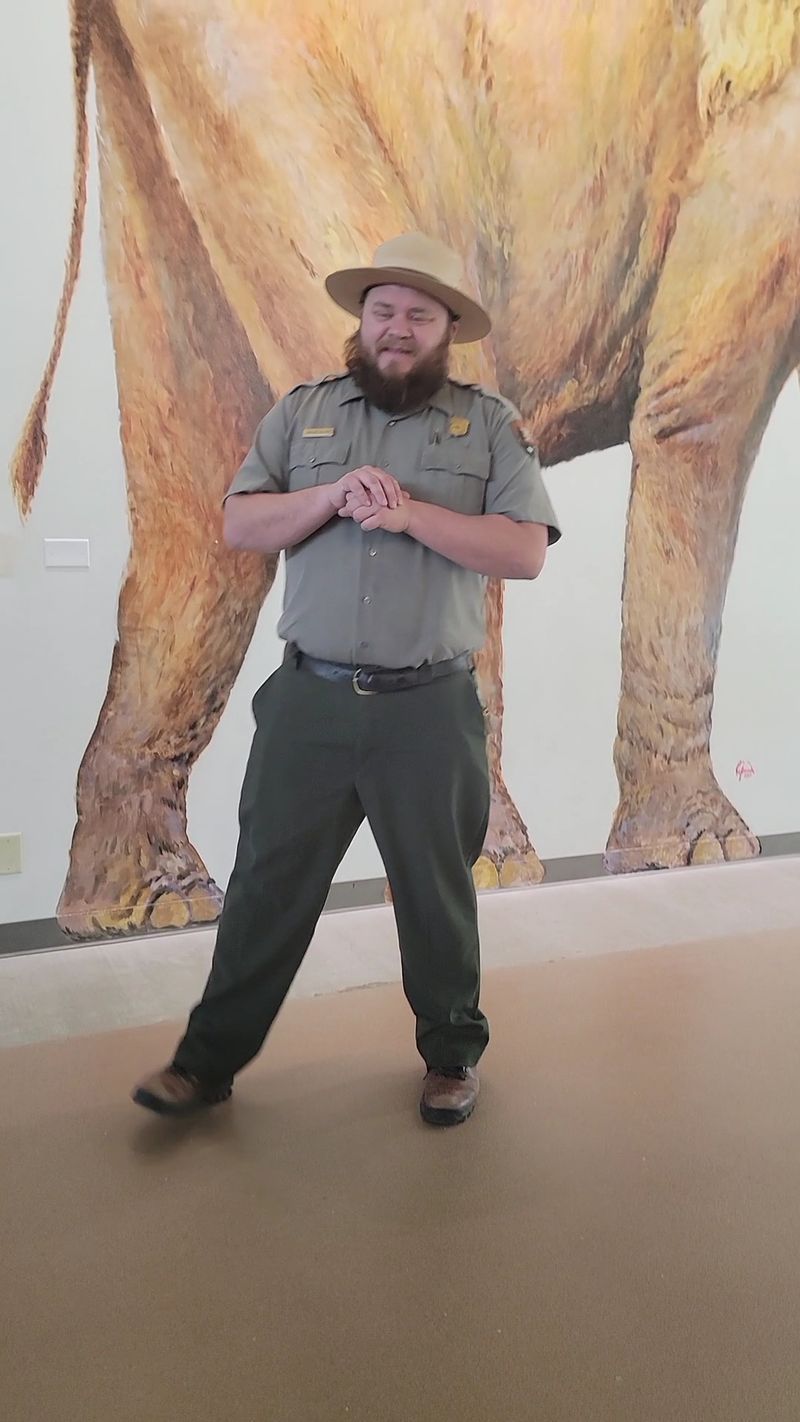
“The ranger was the best part.” You will hear that sentence a lot from people who visit. The guided tour is what turns a pile of bones into a story you can follow.
Tours run on the hour and last about 30 minutes. You pay a small fee, usually around five or six dollars for adults, and the ranger leads your group into the dig shelter. Show up a little early so you do not miss the start.
The talks cover big questions. How did so many animals end up in one place? What clues did scientists find in the dirt?
Rangers explain the leading theories in plain language, and they handle kid questions with patience.
Visitors mention how much the guides clearly love the site. Some have told the same story many times, yet they still sound excited. That energy is catchy, and even bored teenagers tend to perk up.
Here is a tip. Stand near the front rail so you can see what the ranger points at. Then ask one question of your own at the end.
Rangers often share extra details with curious guests, and one visitor even got a great dinner suggestion for the night.
4. The Mystery of How They Died
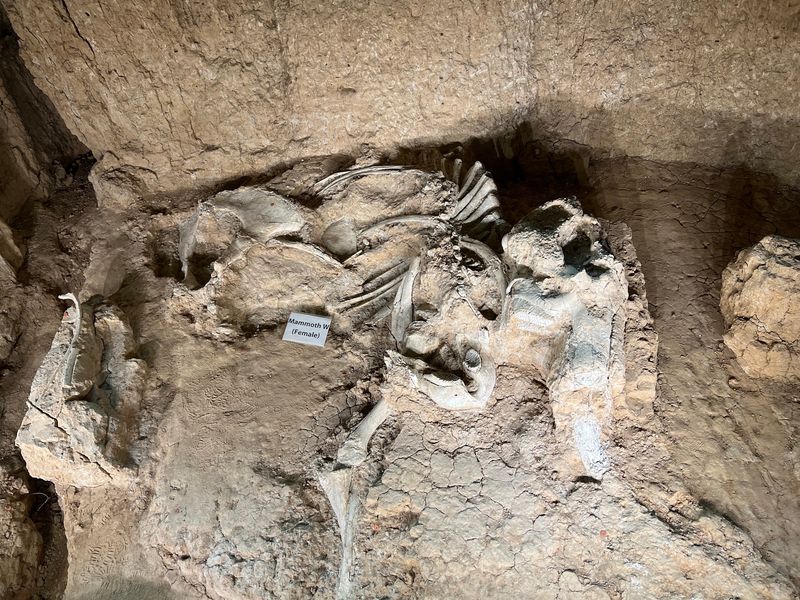
Sixteen mammoths, plus a camel and other animals, ended up in the same spot. That is not something that happens by chance. Scientists have been piecing together what went wrong.
The leading ideas point to flooding. Heavy rain could have swollen the nearby creek, trapped animals in the mud, and buried them quickly. Fast burial is the reason the bones stayed in such good shape.
The herd at Waco is mostly females and young ones. Some bones come from a separate group that died at a different time, which means the site holds more than one event. Researchers learn this by studying how the layers of soil sit on top of each other.
Think of it like a crime scene that is thousands of years old. Every bone position is a clue, and every soil layer tells part of the tale. Rangers walk you through these clues and let you decide what makes sense.
One visitor said the ranger gave a detailed account of the theories, and it made the whole trip more fun. Come ready with your own guess. It is a great way to get kids thinking like scientists, and adults get hooked too.
5. A Dig That Is Still Going
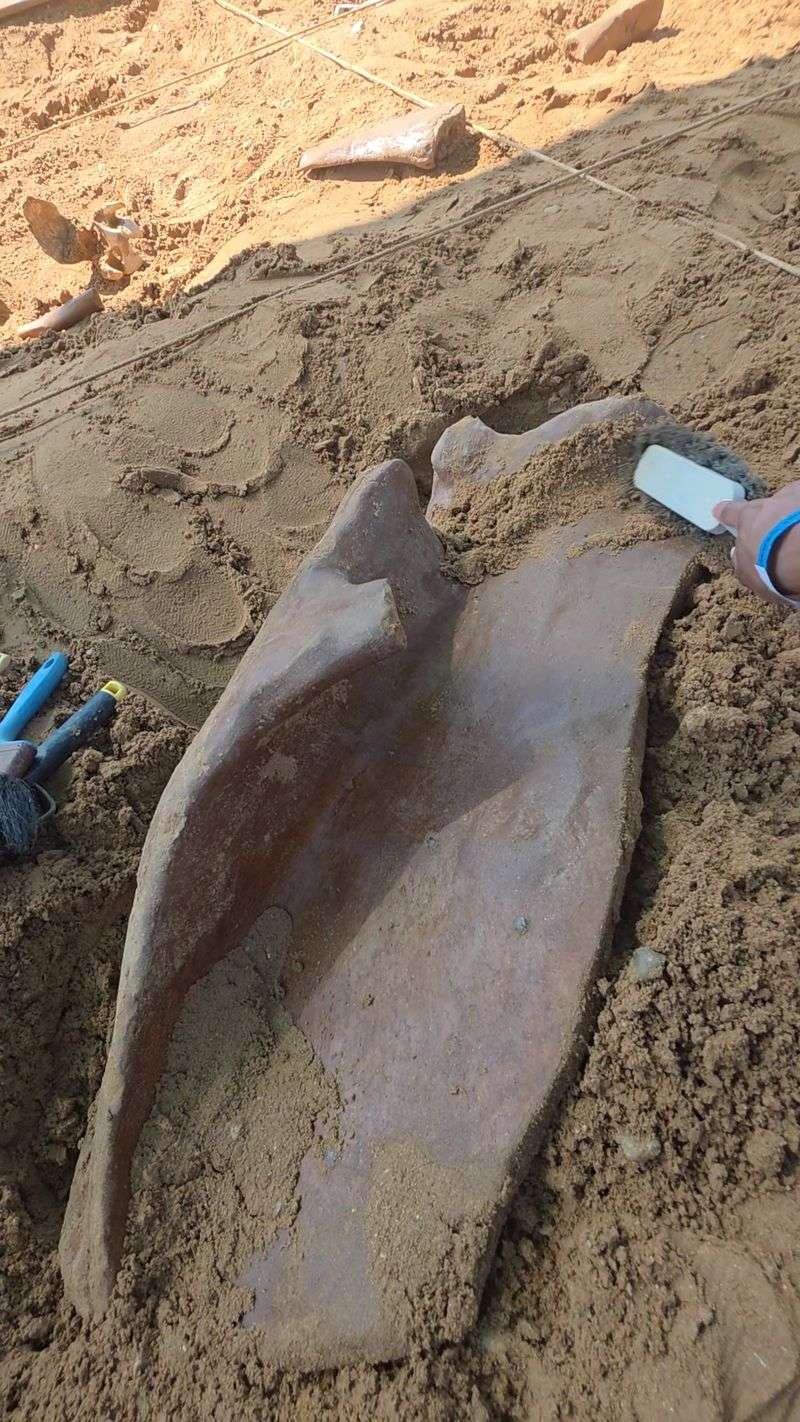
Here is a cool twist: the story is not finished. Work at the site continues, so what you see today may look a little different next year.
Visitors often get a peek at researchers working in the lab area. You might watch someone brush dust from a bone or record notes. It is slow, careful work, and it makes you appreciate how much patience science takes.
Fossils found here are not only mammoths. A camel was also uncovered, along with other animals from the same era. Each new find adds a little more to the picture of life in Texas during the Ice Age.
The site first came to light in 1978, when two men hunting for arrowheads along a creek spotted a large bone sticking out of the ground. They reported it, and scientists took over. That simple discovery grew into a national monument.
Visitors love knowing the work is real and active. One family said seeing researchers was what set this place apart from other park sites. If you go on a weekday, ask the staff what the team is studying right now.
You might learn something that has not hit the news yet.
6. Junior Ranger Fun for Kids
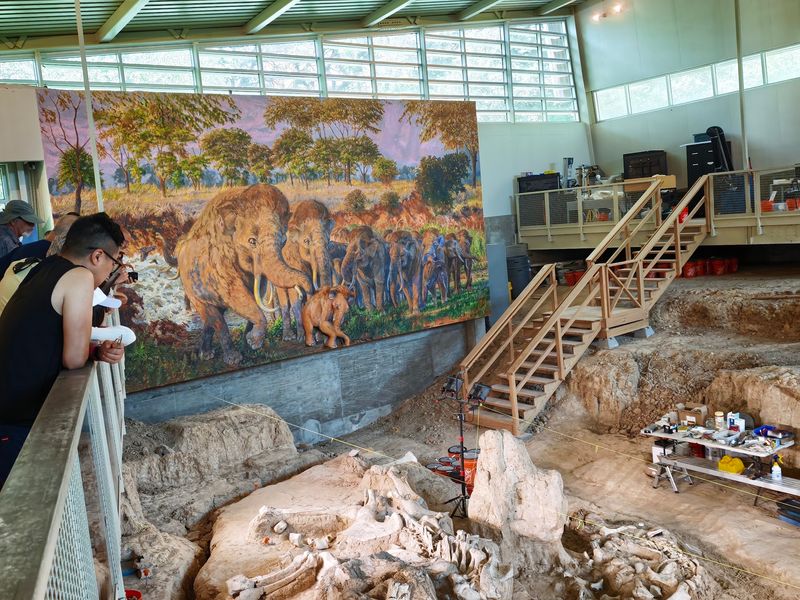
Kids do not have to sit still and stay quiet here. The site is built with young explorers in mind, and many parents say the hands-on parts were a hit.
Ask at the front desk for the Junior Ranger booklet. Kids complete activities, answer questions, and sometimes interview a ranger. When they finish, they earn a badge, and rangers make it feel like a big moment.
There is also a pretend dig area where children can scoop and brush as if they were real paleontologists. Coloring pages are handy for toddlers who need something to do. Strollers and little ones are welcome in most areas, though be aware that pets are not allowed in the dig shelter.
Families have noted that rangers kept things friendly even when a large group of kids showed up. Several parents said their children earned badges and were proud for days afterward. That kind of win is rare for a travel stop.
If your child loves dinosaurs, mammoths are a great next step. Bring a pencil, plan to spend a little extra time on the booklet, and let the kids lead. They will likely remember more facts than you do by the time you get home.
7. Trails, Wildlife, and Picnic Spots
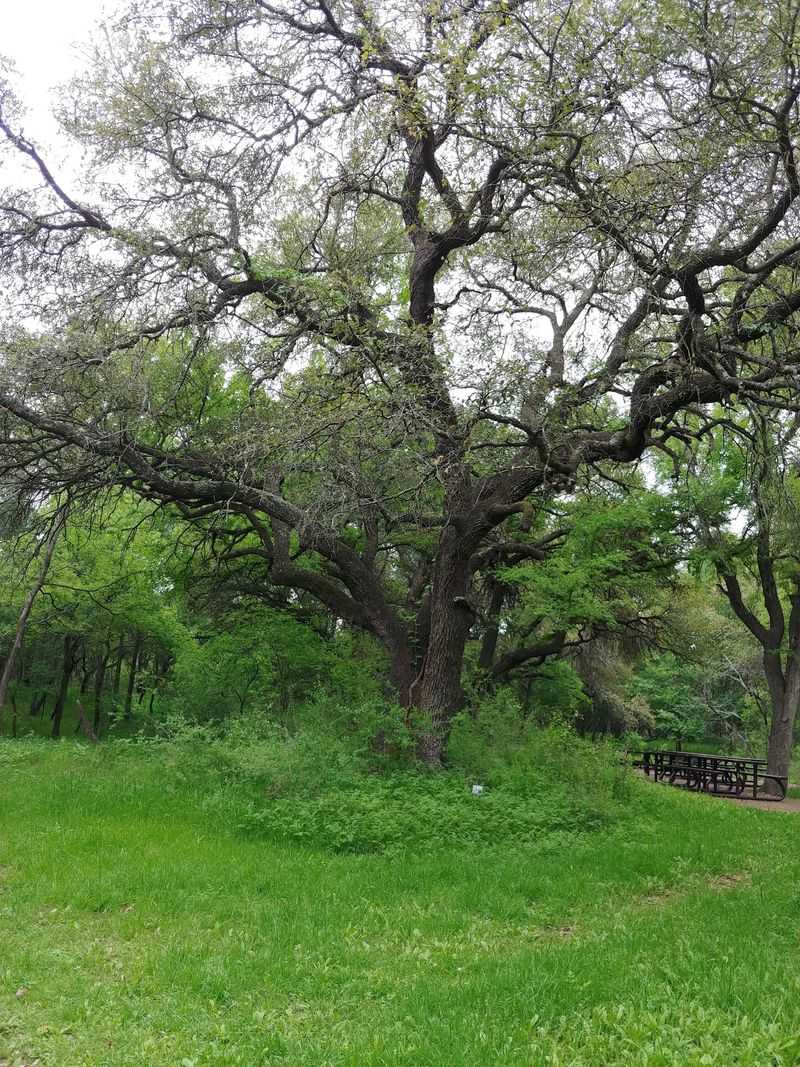
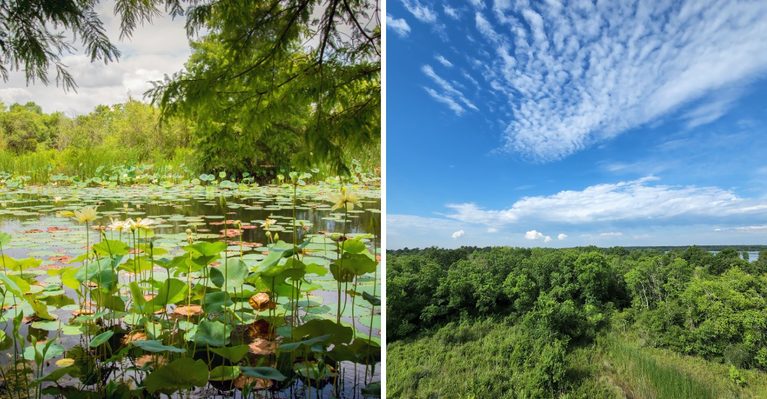
You do not have to pay to wander the grounds. The setting alone is lovely, with trees, shade, and the Bosque River area nearby. Many visitors say it is a great place for a short hike.
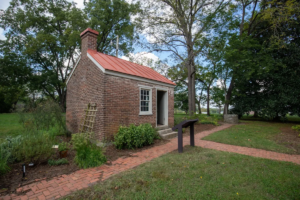
The walk from the welcome center to the dig shelter takes about five minutes. It is mostly flat, though there are a few slopes that can feel steeper on a hot day. Bring water in summer and wear comfortable shoes.
Keep your eyes open as you stroll. Guests have spotted a doe with two fawns and even a baby armadillo. Early morning is a nice time to see animals before the crowds show up.
Some visitors found the trails a bit hard to follow, so grab a map at the front desk before you head out. A relaxed picnic in the shade is a good way to wrap up the visit. Just pack out whatever you bring in.
Wheelchairs and umbrellas are available if you need them, which is a thoughtful touch. The whole site feels calm and well kept. It is easy to slow down here and enjoy being outside for a bit.
8. Planning Your Visit: Costs, Timing, and Gift Shop
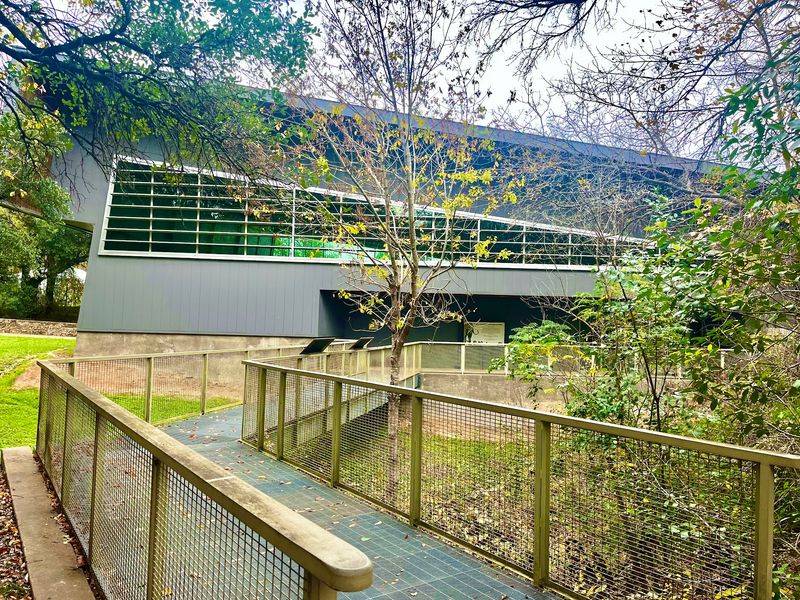
Budget about 90 minutes to two hours. That is plenty for the tour, the exhibits, and a stroll. It is a small site, so it works well as a quick stop in Waco.
The site is open daily from 9 AM to 5 PM. Walking the grounds is free, but the guided tour of the dig shelter costs a few dollars. Most adults pay around six dollars, while seniors may pay a bit more because of the partnership with the city of Waco.
Check the park website before you go, since prices can change and some passes may not apply.
Plan to arrive a little before the top of the hour. Tours leave on the hour, and busy days like holidays can fill up. Holiday crowds were handled well, according to one visitor who came on the Fourth of July.
Do not skip the gift shop. It is small, clean, and full of fun mammoth gear, with room for about fourteen shoppers at a time. Reviewers call it a highlight.
One last thing: leave pets at home or plan to take turns waiting outside. Animals cannot enter the dig shelter, even in strollers. A little planning keeps everyone happy, and you can call 254-750-7946 with any questions.
Share this story