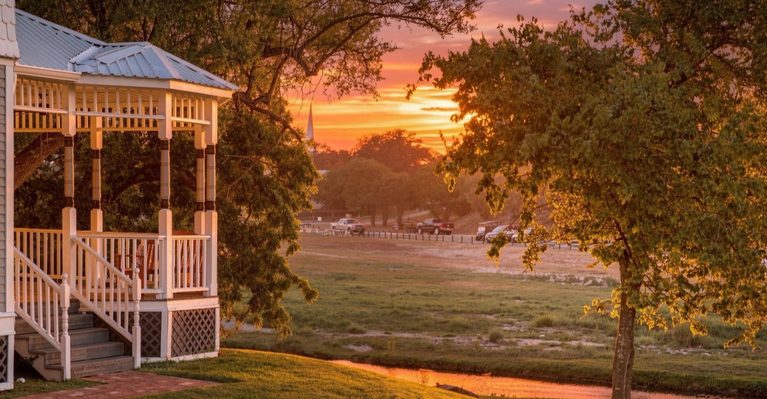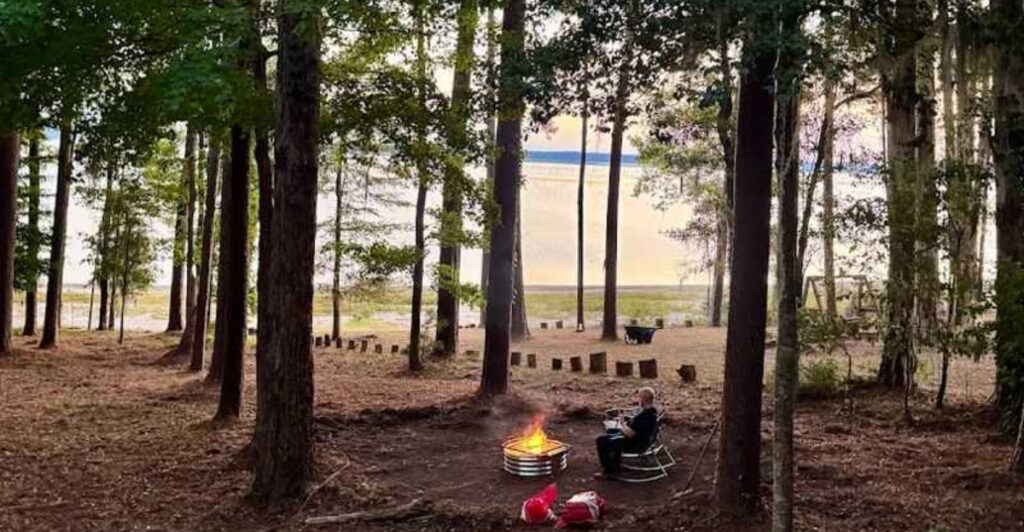
August in Texas means scorching temperatures and endless sunshine, but you don’t have to suffer through the heat. Hidden across the state are lush forest escapes where towering pines create natural shade and cool breezes replace the typical summer swelter. Whether you’re craving a quick weekend getaway or planning a full week of outdoor adventure, these wooded wonderlands offer the perfect retreat from city life and triple-digit temps.
1. Caddo Lake State Park (Karnack)
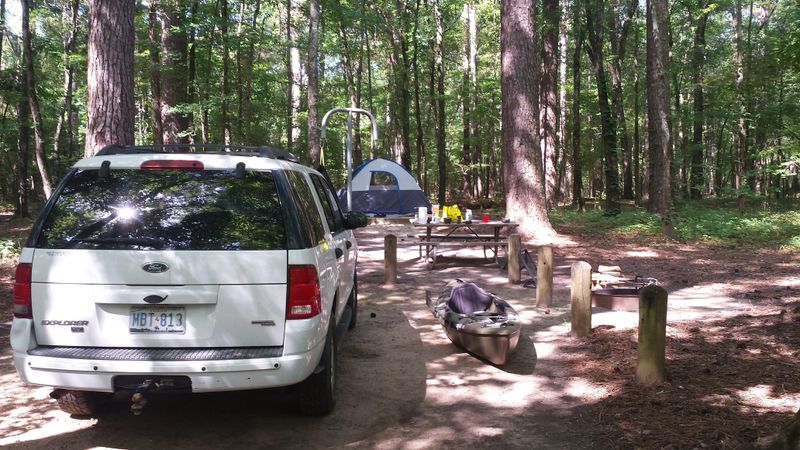
Stepping into this otherworldly landscape feels like entering a Louisiana bayou that somehow wandered into Texas. Bald cypress trees rise from dark, mysterious waters, their roots creating natural sculptures that photographers dream about. Spanish moss drapes from branches like nature’s own curtains, and the entire scene shifts from enchanting to downright magical when morning fog rolls across the water.
Paddle sports reign supreme here, with kayaking and canoeing offering the best way to explore the maze of waterways. You’ll glide past ancient trees, spot alligators sunning themselves on logs, and maybe catch a glimpse of the rare paddlefish lurking below. The park rents canoes if you don’t have your own, making it easy to get out on the water without hauling equipment across the state.
August brings warm water temperatures perfect for a quick dip, though most visitors prefer staying in their boats to explore. The 50 miles of paddling trails range from easy routes for beginners to challenging paths through narrow channels. Wildlife watching reaches peak entertainment during summer months when birds, turtles, and fish are most active.
Camping options include sites with water and electricity, plus screened shelters that keep bugs at bay during humid nights. The park’s fishing pier attracts anglers chasing catfish, bass, and crappie. Early mornings offer the coolest temperatures and calmest water, perfect for serious paddlers.
Hiking trails wind through the forest, though August heat makes these better suited for evening exploration. The park’s unique ecosystem supports species found nowhere else in Texas. Bring your camera, plenty of water, and expect to lose track of time among the cypress trees.
This isn’t your typical Texas landscape, and that’s exactly what makes it special.
2. Sam Houston National Forest (New Waverly)
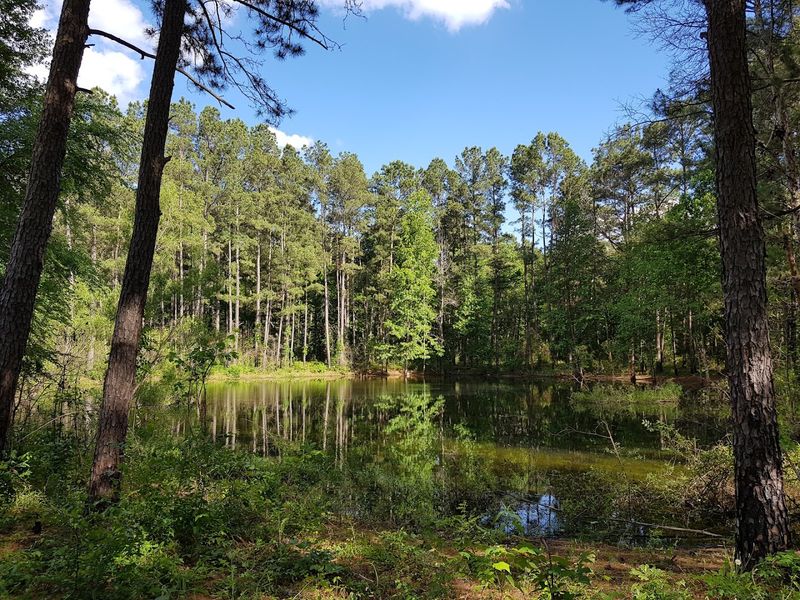
Sprawling across 163,000 acres north of Houston, this massive forest offers more breathing room than most Texas parks combined. Loblolly pines stretch skyward, creating a canopy that blocks the brutal August sun and drops temperatures by several degrees. The forest floor stays relatively clear, making off-trail exploration possible for adventurous hikers who know their way around a compass.
The Lone Star Hiking Trail cuts through 128 miles of forest, ranking as Texas’s longest continuously marked footpath. You don’t need to tackle the whole thing—shorter sections make perfect day hikes or overnight backpacking trips. Trail markers appear regularly, and primitive camping areas let you pitch a tent wherever the mood strikes (following Leave No Trace principles, of course).
Lake Conroe forms the forest’s western boundary, adding water activities to your woodland escape. Rent a boat, try your luck fishing, or find a quiet cove for swimming when the heat becomes unbearable. The lake’s size means you can usually find solitude even on busy summer weekends.
Mountain biking trails challenge riders with roots, hills, and technical sections that demand attention. The Double Lake Recreation Area serves as a popular starting point, with camping, swimming, and trail access all in one spot. Equestrian trails accommodate horseback riders seeking a different perspective on the forest.
Wildlife includes white-tailed deer, wild hogs, armadillos, and various bird species. Bring binoculars for better views of woodpeckers, hawks, and songbirds flitting through the understory. Cell service gets spotty in deeper sections, so download maps beforehand.
The forest’s proximity to Houston makes it perfect for quick escapes, yet it feels worlds away from urban chaos. Pack extra water, wear sturdy boots, and prepare for humidity that rivals the heat.
3. Bastrop State Park (Bastrop)
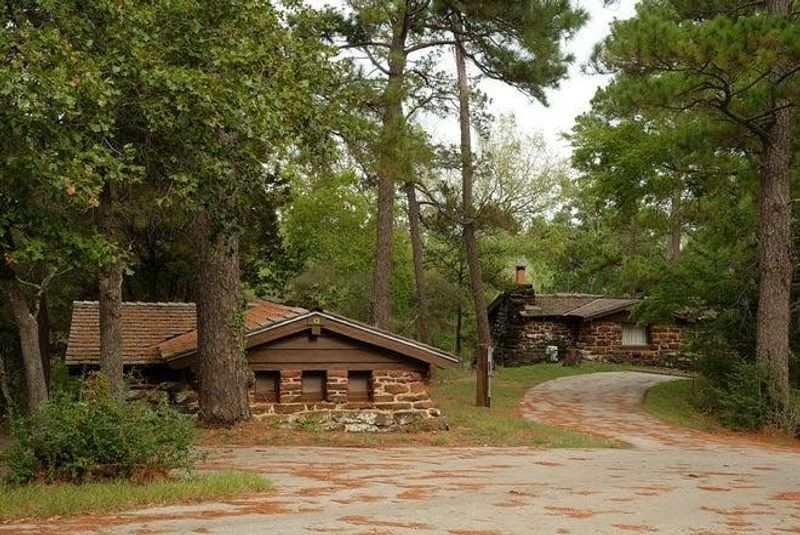
Central Texas doesn’t scream “forest,” yet here stands a genuine pine woodland that survived against geographical odds. The Lost Pines ecosystem exists as an isolated remnant, separated from East Texas forests by nearly 100 miles of prairie and post oak savanna. These loblolly pines have adapted to drier conditions, creating a unique environment worth protecting and exploring.
The 2011 wildfire scorched much of the park, but recovery has been remarkable. Young pines now grow alongside mature survivors, creating a living lesson in forest resilience. Hiking trails showcase both burned and healthy sections, offering perspective on nature’s ability to bounce back.
The contrast makes for compelling scenery and powerful reminders about wildfire ecology.
Park Road 1C winds through the forest, connecting various trailheads and overlooks. Stop at scenic viewpoints for photos, or park and explore on foot. Eight miles of hiking trails range from easy strolls to moderate challenges with elevation changes.
August heat hits hard here, so start early or wait until evening when temperatures drop.
The park’s historic CCC structures add architectural interest to your visit. Stone cabins built during the 1930s still accommodate overnight guests, offering rustic charm with modern conveniences. Screened porches let you enjoy summer evenings without battling mosquitoes.
Book these well in advance—they fill up quickly during peak season.
Swimming at the park pool provides relief from oppressive heat. The spring-fed pool maintains cooler temperatures than area lakes, making it a favorite gathering spot. Nearby golf course appeals to visitors wanting activities beyond hiking.
Bastrop’s downtown sits just minutes away, perfect for grabbing lunch or exploring antique shops. The park’s location between Austin and Houston makes it accessible for day trips or weekend getaways. Wildlife sightings include deer, roadrunners, and various lizards basking on sun-warmed rocks.
4. Sabine National Forest (Hemphill)
Bordering Louisiana along Toledo Bend Reservoir, this 160,000-acre forest blends Southern pine woods with hardwood bottomlands. The mix creates diverse habitats supporting an impressive variety of plant and animal species. August finds everything in full summer growth, with humidity levels that remind you just how close the Gulf Coast really is.
Toledo Bend Reservoir dominates recreational activities, offering some of Texas’s best bass fishing. Anglers chase largemouth bass, crappie, and catfish in waters that regularly produce tournament-winning catches. Multiple boat ramps provide lake access, and marinas rent equipment if you’re visiting without your own gear.
The reservoir’s size means finding your own quiet fishing spot rarely poses problems.
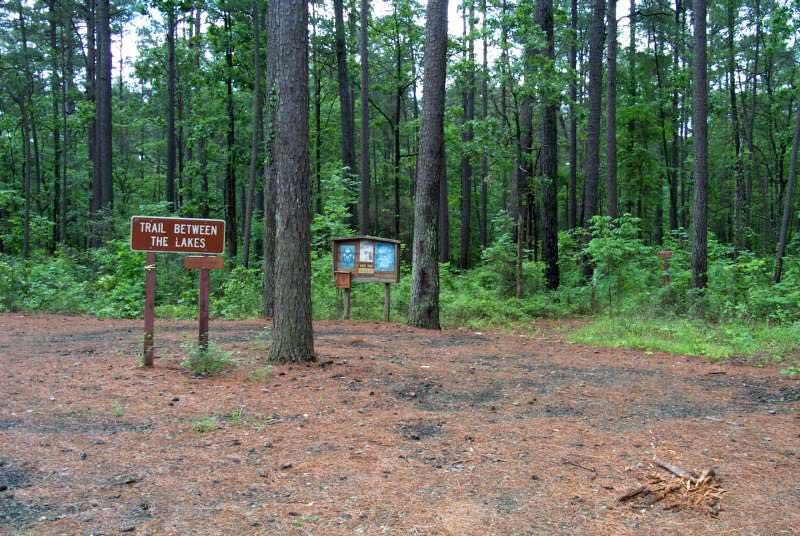
Trail Between the Lakes connects Toledo Bend with Sam Rayburn Reservoir via a 28-mile path through forest. Backpackers appreciate the challenge and solitude, though day hikers can tackle shorter sections. The trail crosses streams, climbs gentle hills, and passes through pine plantations and natural forest stands.
Primitive camping along the route lets multi-day adventurers experience true backcountry conditions.
Indian Mounds Wilderness Area protects 12,000 acres of old-growth forest and archaeological sites. Ancient earthworks built by Caddo people add historical significance to your forest exploration. Hiking here requires more navigation skills since trails are less developed, but the solitude rewards those willing to venture deeper.
Dispersed camping throughout the forest offers free alternatives to developed campgrounds. Find a suitable spot, follow regulations, and enjoy sleeping under the stars without crowds or fees. Hunting remains popular during appropriate seasons, so wear bright colors if visiting during fall and winter months.
The forest’s thick vegetation and numerous streams create perfect conditions for wildlife. Listen for barred owls calling at dusk, watch for deer crossing forest roads, and keep eyes peeled for wild turkeys. Bring insect repellent—mosquitoes consider August prime time for feeding.
5. Spring Creek Forest Preserve (Garland)
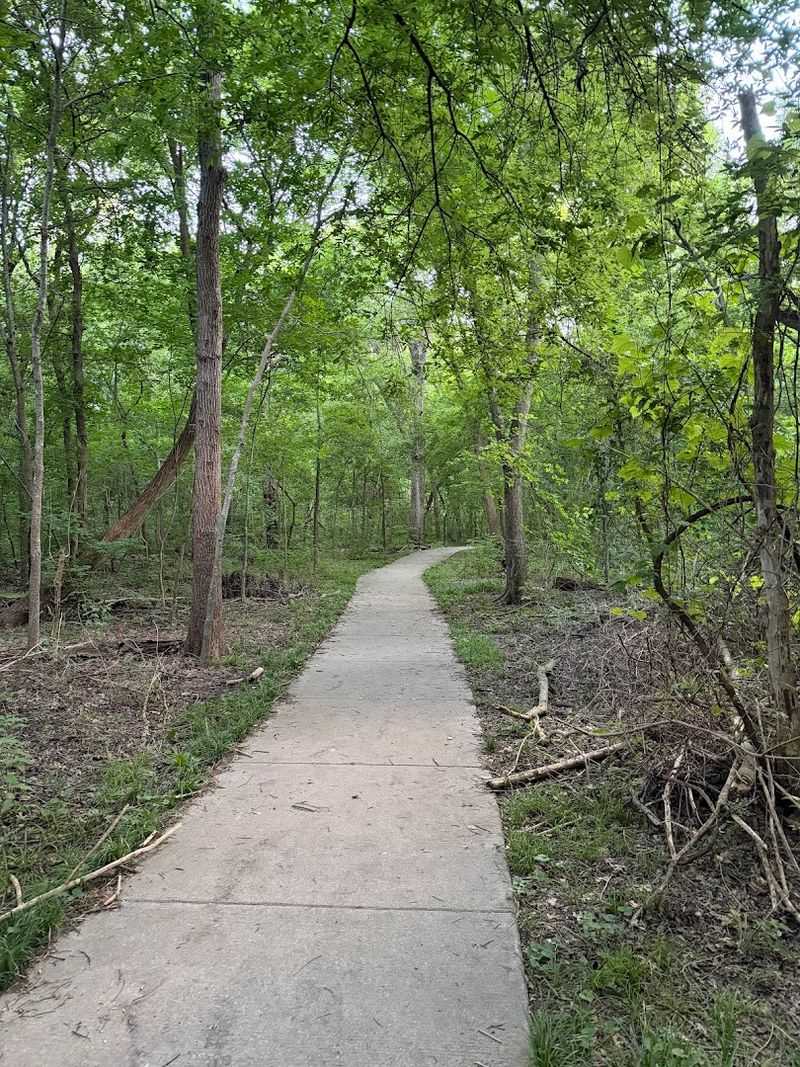
Tucked inside the Dallas metroplex, this 128-acre preserve proves you don’t need to drive hours for forest therapy. Mature hardwoods create a canopy that transforms the space into something completely different from surrounding suburbs. Creek sounds replace traffic noise once you’re a few hundred feet from parking areas, creating an unexpected oasis.
Three miles of trails loop through the preserve, crossing Spring Creek multiple times via wooden bridges. The paths stay relatively flat, making them accessible for most fitness levels. Families with young children find the shorter loops perfect for introducing kids to nature without overwhelming them.
August mornings bring joggers and dog walkers seeking shade before temperatures climb.
Bur oak, cedar elm, and hackberry trees dominate the canopy, with understory plants creating layers of green. Spring Creek flows year-round in most sections, though August levels drop compared to spring’s higher water. Look for minnows, crayfish, and aquatic insects in shallow pools.
Kids love wading in the creek on hot afternoons.
Bird watching attracts enthusiasts year-round, with summer residents including cardinals, blue jays, and Carolina wrens. Migration seasons bring additional species passing through. Bring binoculars for better views of birds flitting through branches.
The preserve’s location within the city means some human-adapted wildlife like squirrels and raccoons show less fear than their forest counterparts.
Educational signs along trails identify trees, explain ecological processes, and highlight conservation efforts. The preserve serves as an outdoor classroom for area schools during the academic year. Volunteer opportunities include trail maintenance, invasive species removal, and habitat restoration projects.
No camping or fires are permitted, keeping the focus on day-use activities. Free admission and ample parking make spontaneous visits easy. The preserve closes at sunset, so plan accordingly.
While not a wilderness experience, this urban forest offers genuine respite from concrete and crowds. It’s proof that nature can thrive even in metropolitan settings when protected properly.
6. Big Thicket National Preserve (Kountze)
Called the “biological crossroads of North America,” this preserve protects where multiple ecosystems collide. Desert plants grow near swamp species, creating botanical diversity that confuses and delights in equal measure. The preserve consists of nine land units and six water corridors, protecting over 100,000 acres of remarkably varied terrain.
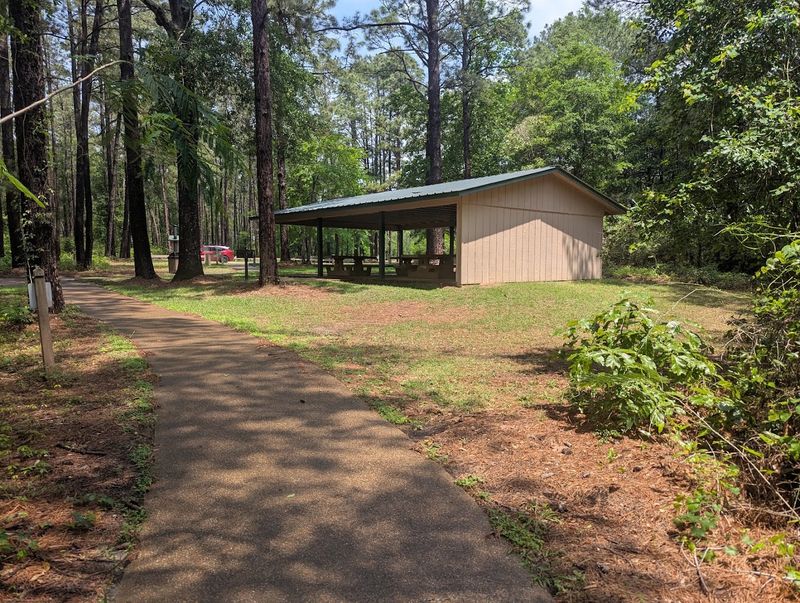
More than 40 miles of hiking trails explore different preserve units, each showcasing distinct ecosystems. The Kirby Nature Trail offers an easy 2.4-mile loop through cypress slough and pine uplands. Pitcher plants trap insects in the Turkey Creek Unit, while palmetto understory creates a subtropical vibe elsewhere.
Trail difficulty ranges from wheelchair-accessible boardwalks to challenging backcountry routes.
Paddling the Neches River or Village Creek provides water-level perspectives on the forest. Cypress trees rise from the water, their knees creating obstacle courses for kayakers. Alligators sunbathe on banks, turtles plop into water as you approach, and herons fish in shallow areas.
Outfitters in nearby towns rent canoes and kayaks, plus offer shuttle services for one-way trips.
August heat and humidity reach oppressive levels, making early morning or evening visits most comfortable. Afternoon thunderstorms pop up regularly, so check weather forecasts and carry rain gear. The preserve’s thick vegetation provides shade but also traps humidity, creating sauna-like conditions.
Hydration becomes critical—carry more water than you think you’ll need.
Wildlife includes black bears, though sightings remain rare. More commonly spotted are armadillos, white-tailed deer, and numerous bird species. The preserve supports four of North America’s five carnivorous plant species, a claim few other places can make.
Ranger-led programs throughout summer cover topics from ecosystem diversity to cultural history. Primitive camping requires backcountry permits and proper preparation. No developed campgrounds exist within the preserve, though nearby towns offer accommodations.
Bug spray isn’t optional—mosquitoes and other biting insects thrive in the humid environment. Despite the challenges, Big Thicket rewards visitors with experiences unavailable elsewhere in Texas.
7. Tyler State Park (Tyler)
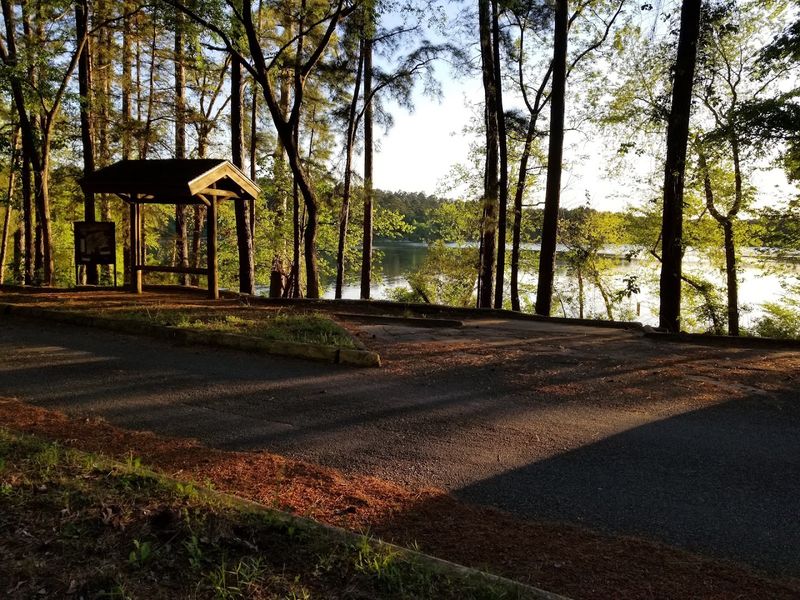
Just north of Tyler’s rose gardens and city limits, this 985-acre park wraps around a 64-acre spring-fed lake. Pine forests climb hills surrounding the water, creating scenic views from multiple vantage points. The park’s development during the 1930s by the Civilian Conservation Corps left a legacy of stone and timber structures that add character to modern facilities.
Swimming in the lake offers the park’s most popular August activity. A designated swim area includes a sandy beach and bathhouse, perfect for cooling off after hiking. Water temperatures stay comfortable throughout summer, and the spring-fed nature keeps things refreshing even during heat waves.
Lifeguards aren’t provided, so supervise children carefully.
Thirteen miles of hiking and mountain biking trails wind through forest, offering varying difficulty levels. The Whispering Pines Nature Trail provides an easy introduction to local ecology, while longer loops challenge more experienced hikers. Mountain bikers appreciate technical sections with roots, rocks, and elevation changes.
Trail maps available at headquarters help you choose appropriate routes.
Fishing from the pier or shoreline attracts anglers chasing bass, catfish, and perch. A valid Texas fishing license is required for anyone over 17. Boat rentals include canoes, kayaks, and pedal boats for exploring the lake at your own pace.
Gas-powered motors aren’t permitted, keeping noise levels low and water quality high.
Camping options range from tent sites to screened shelters and full-hookup RV spots. The park’s popularity means reservations are essential, especially for summer weekends. Screened shelters provide bug-free sleeping while maintaining that camping atmosphere.
Each site includes a picnic table and fire ring.
Picnic areas scattered throughout the park offer shaded spots for lunch or relaxation. Playgrounds keep kids entertained when they need a break from water activities. The park’s proximity to Tyler makes it convenient for day trips or quick weekend getaways.
Rose Festival visitors often extend their stays to include park time. Clean facilities, well-maintained trails, and friendly staff contribute to consistently positive experiences.
8. Davy Crockett National Forest (Kennard)
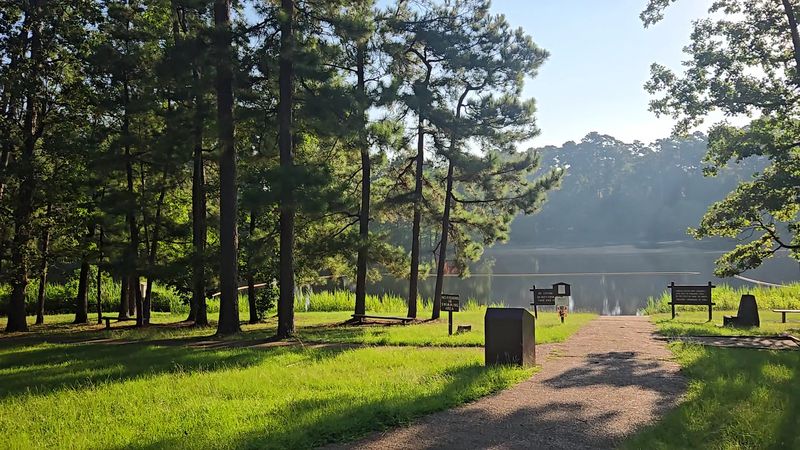
Named after the legendary frontiersman who once passed through the area, this 161,000-acre forest offers serious solitude for those willing to explore beyond main roads. Pine plantations mix with natural hardwood stands, creating a patchwork of forest types. The terrain rolls gently, with small creeks cutting through valleys and modest hills providing occasional views above the canopy.
The Four C National Recreation Trail stretches 20 miles through the forest, offering backpackers a genuine wilderness experience. Primitive campsites along the route provide stopping points for multi-day treks. The trail crosses streams, passes through different forest types, and sees relatively light use compared to more famous Texas trails.
August heat makes this challenging, so carry extra water and plan for slow progress.
Ratcliff Lake Recreation Area serves as the forest’s main developed site, featuring camping, swimming, and trail access. The small lake provides relief from summer heat, with a sandy beach and designated swim area. Camping here includes modern restrooms and drinking water, luxuries compared to backcountry options.
The recreation area makes a good base camp for day hikes into surrounding forest.
Forest roads crisscross the area, offering opportunities for scenic drives and access to remote trailheads. Most roads are unpaved but passable in regular vehicles during dry weather. August typically brings afternoon thunderstorms that can turn dirt roads muddy quickly.
Check conditions before venturing far from pavement.
Hunting remains a primary use during appropriate seasons, with the forest supporting populations of deer, hogs, and small game. Non-hunting visitors should wear bright colors during fall and winter. Birding attracts enthusiasts year-round, with pine warblers, woodpeckers, and hawks commonly spotted.
The forest’s size means finding solitude rarely poses problems, even on holiday weekends when other parks overflow. Dispersed camping throughout the forest offers free alternatives to developed sites. Find a suitable spot away from roads and water sources, follow Leave No Trace principles, and enjoy the quiet.
Cell service disappears in much of the forest, so inform someone of your plans before heading out.
9. Angelina National Forest (Zavalla)
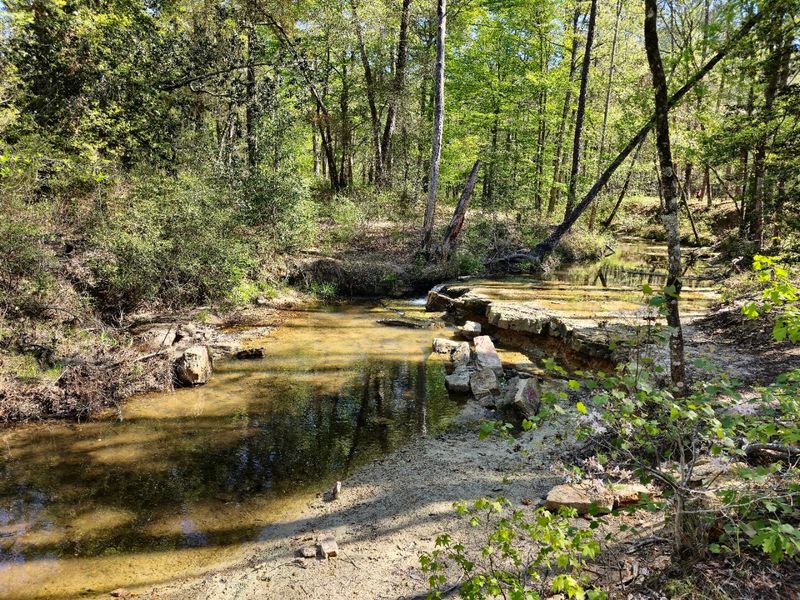
Wrapping around the northern shores of Sam Rayburn Reservoir, this 153,179-acre forest combines woodland exploration with water recreation. Longleaf pines once dominated here, though most were logged decades ago. Reforestation efforts and natural succession have created a mix of pine plantations and recovering natural forest that still provides excellent habitat and recreation opportunities.
Sam Rayburn Reservoir forms Texas’s largest lake entirely within state borders, offering legendary fishing. Bass tournaments regularly choose this location, and for good reason—the lake consistently produces trophy-sized largemouth bass. Crappie, catfish, and white bass also populate the waters.
Multiple marinas provide boat rentals, supplies, and local fishing advice.
The Sawmill Hiking Trail covers 5.5 miles through mixed forest, offering a moderate challenge with some elevation changes. Named for historic logging operations, the trail passes through areas in various stages of forest recovery. Interpretive signs explain forest management practices and ecological succession.
August heat makes this trail best suited for early morning or evening hikes.
Boykin Springs Recreation Area features a spring-fed swimming area that stays cooler than the reservoir. The springs maintain constant temperatures year-round, making them especially refreshing during August’s peak heat. Developed campsites here include restrooms, showers, and drinking water.
The recreation area serves as a popular gathering spot for families during summer weekends.
Caney Creek Wilderness Area protects 3,500 acres of roadless forest where hikers can experience more primitive conditions. No maintained trails exist here, so navigation skills and topographic maps become essential. The wilderness designation prohibits motorized vehicles and equipment, preserving a quieter forest experience.
Adventurous souls willing to bushwhack find solitude unavailable in more developed areas.
Wildlife viewing opportunities include white-tailed deer, wild turkeys, and numerous songbirds. Red-cockaded woodpeckers, an endangered species, maintain populations in older pine stands. Spotting these rare birds requires patience and knowledge of their preferred habitat.
The forest’s diverse ecosystems support species ranging from aquatic turtles to forest-dwelling mammals. Bring binoculars for better wildlife observation opportunities.
10. John Henry Kirby Memorial State Forest (Warren)
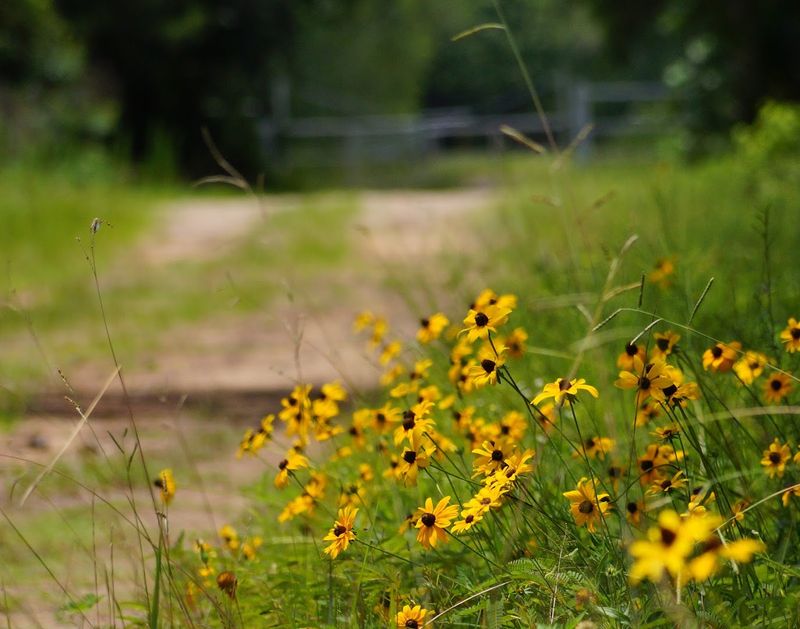
Texas’s oldest state forest doubles as a working demonstration area where forestry students learn sustainable management practices. Established in 1929 and named after a lumber industry pioneer, the 600-acre forest shows what proper stewardship looks like. Different management techniques are applied to various sections, creating a living laboratory that also welcomes public recreation.
Hiking trails wind through pine stands of different ages, illustrating forest growth from seedlings to mature trees. Educational signs explain silviculture practices, wildlife management, and ecosystem dynamics. The self-guided nature trail makes an excellent introduction to forest ecology, perfect for families wanting to combine recreation with learning.
Trail length keeps things manageable even during hot August afternoons.
Bird watching opportunities abound thanks to habitat diversity created by varied management approaches. Brown-headed nuthatches, pine warblers, and various woodpecker species frequent the pines. Edge habitat where forest meets open areas attracts different species, increasing overall diversity.
Bring field guides to help identify unfamiliar birds.
The forest’s small size compared to national forests means you won’t find wilderness solitude here. Instead, think of it as an intimate forest experience where you can explore the entire area in a single visit. The compact nature makes it perfect for short outings or when you want forest time without committing to all-day adventures.
Picnic facilities provide shaded spots for lunch or relaxation. Tables scattered throughout the forest let you stop wherever looks appealing. No camping is permitted, keeping the focus on day-use activities and education.
The forest serves primarily as an outdoor classroom, though visitors pursuing recreation are welcome.
Located near larger Angelina National Forest, Kirby Forest makes a nice addition to longer trips exploring the region. Stop here for a morning hike before heading to Sam Rayburn Reservoir for afternoon fishing. The proximity to other attractions lets you mix educational forest time with more traditional recreation.
Free admission and easy access from Highway 69 remove barriers to spontaneous visits. While not destination-worthy on its own for most travelers, the forest offers pleasant diversions for those already in the area.
Share this story