Texas stretches across 268,000 square miles, and rushing through it means missing the good stuff. Slowing down lets you notice the wildflowers along back roads, taste the barbecue that’s been smoking since dawn, and chat with locals who know every hidden swimming hole. These nine regions reward travelers who take their time, offering landscapes and experiences that unfold gradually, like a good story told on a front porch.
1. Piney Woods
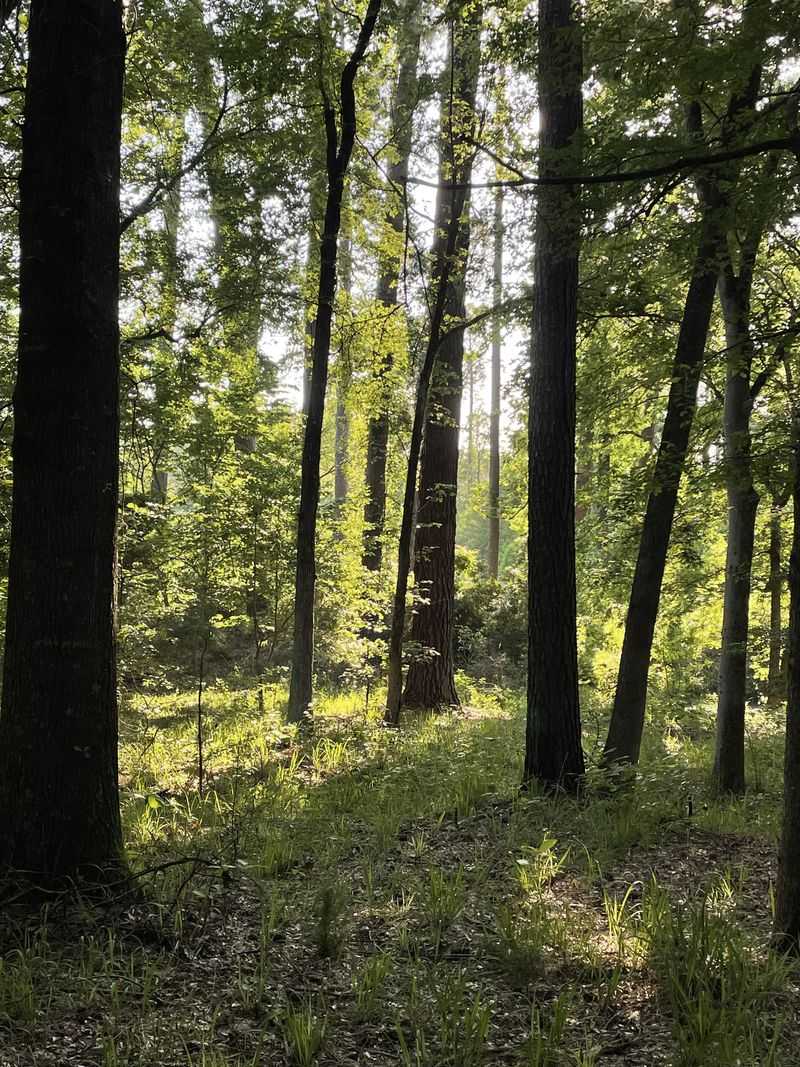
East Texas doesn’t look like what most people picture when they think of the state. Towering pines replace the expected cacti, and humidity hangs thick in the air. This forested corner feels more like Louisiana than the Wild West, and that’s exactly what makes it worth savoring slowly.
Four national forests blanket the region, offering miles of trails that wind through old-growth timber. Caddo Lake, draped in Spanish moss and dotted with cypress knees, looks like something from a Southern Gothic novel. Paddling through its bayous takes patience—the waterways twist and turn, creating a natural maze where time seems to slow on its own.
Small towns like Jefferson and Nacogdoches hold layers of history that reveal themselves only to visitors who linger. Jefferson’s brick streets and Victorian homes tell stories of its steamboat heyday, while Nacogdoches claims to be Texas’s oldest town, with missions dating back to 1716. Stop at local diners where sweet tea flows freely and conversations stretch long.
The forest itself demands a slower approach. Spot a pileated woodpecker hammering at a dead pine, or watch for white-tailed deer moving through the understory at dawn. Spring brings azaleas and dogwoods into bloom, painting splashes of pink and white against the green.
Fall colors arrive late here, sometimes not until December, when sweetgums and maples finally turn.
Fishing lakes and rivers offer quiet afternoons spent waiting for bass or crappie to bite. The pace matches the surroundings—no rushing, just casting and waiting. Local fish fry joints serve up the day’s catch with hushpuppies and coleslaw, meals best enjoyed without checking the clock.
This region teaches you to move at forest speed, where growth happens gradually and beauty unfolds in its own time.
2. Guadalupe Mountains
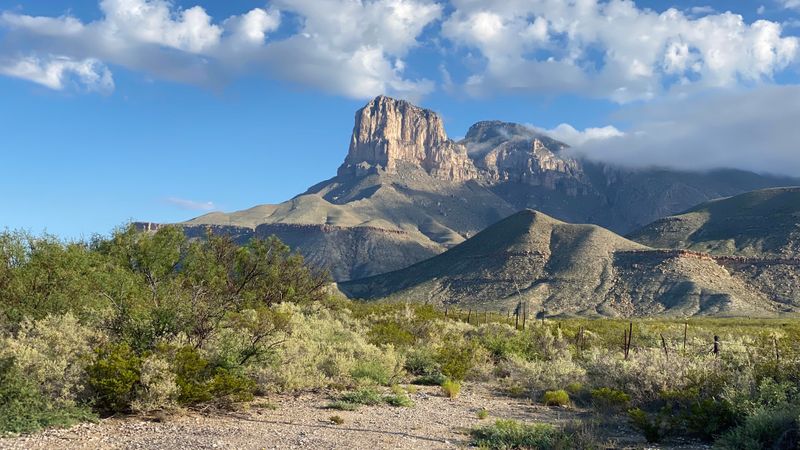
Rising abruptly from the Chihuahuan Desert, these mountains don’t ease you in—they command attention immediately. Guadalupe Peak, Texas’s highest point at 8,749 feet, crowns a range that offers some of the state’s most dramatic terrain. But conquering the summit in a day misses the subtler rewards hidden in the canyons and high country.
McKittrick Canyon transforms with the seasons, and catching it at the right moment requires planning and patience. Late October through early November brings fall color to the canyon’s bigtooth maples, creating a spectacle rare in Texas. The hike into the canyon follows a spring-fed stream, passing through ecosystems that shift from desert scrub to shaded riparian forest.
Sitting beside the water, watching light play across the canyon walls, feels like discovering a secret.
The mountains harbor wildlife that appears only to those who wait quietly. Mule deer browse in the early morning, while mountain lions leave tracks but rarely show themselves. Bird species that don’t exist elsewhere in Texas nest in these high elevations.
Peregrine falcons ride updrafts along the cliffs, and patient observers might spot a rare Montezuma quail scurrying through oak thickets.
Camping in the backcountry means nights under some of the darkest skies in the Lower 48. With no towns nearby, the Milky Way sprawls overhead in full glory. Temperatures drop sharply after sunset, even in summer, and the silence feels almost physical.
Morning light hits the peaks first, slowly working its way down into the valleys where campers wait with coffee.
Trails range from easy strolls to lung-burning climbs, but none should be rushed. The desert reveals its details gradually—fossilized marine life in the limestone, ancient pictographs sheltered under overhangs, and plant adaptations that took millennia to develop. This landscape shaped itself over millions of years.
Spending a few extra days here seems only fair.
3. Gulf Coast
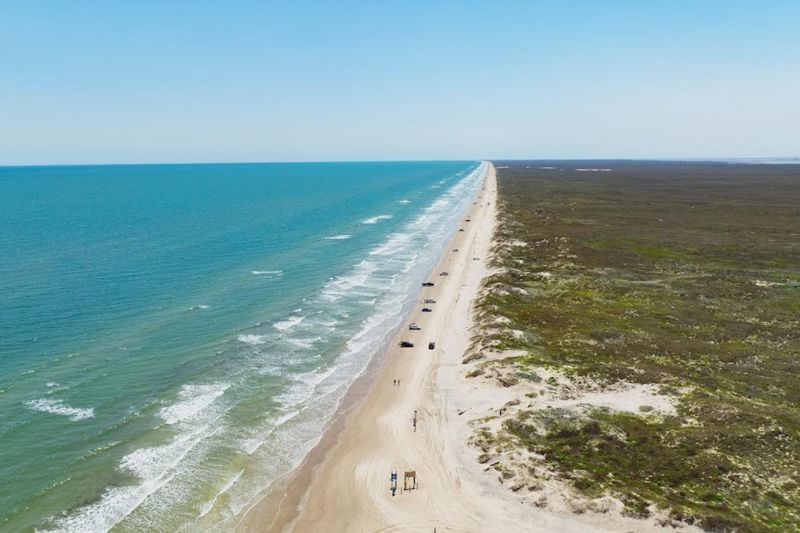
Stretching 367 miles from Louisiana to Mexico, the Texas coastline offers more than spring break crowds and high-rise condos. Between the busy spots lie quiet barrier islands, fishing villages that haven’t changed much in decades, and marshes teeming with life. The coast rewards those who skip the obvious destinations and explore the spaces in between.
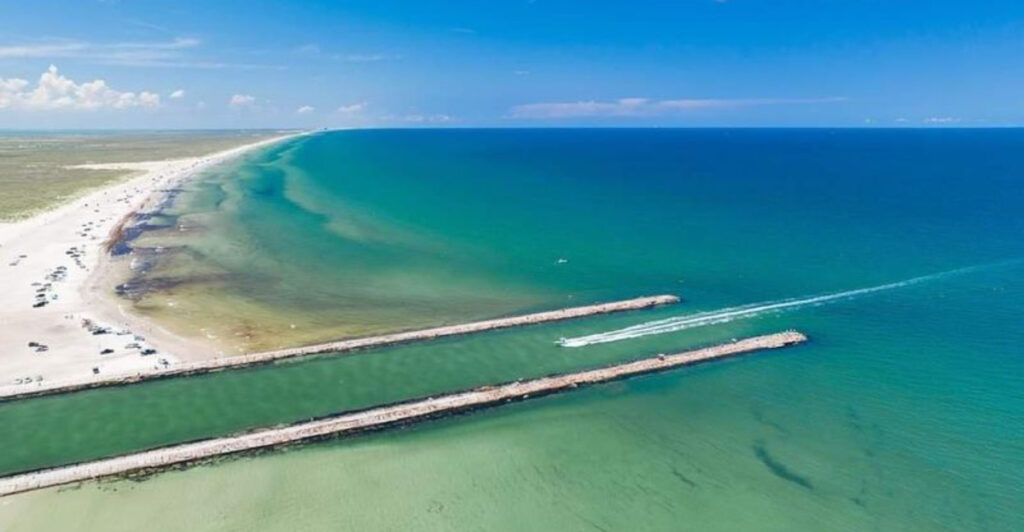
Padre Island National Seashore protects the longest stretch of undeveloped barrier island in the world. Driving its beaches means navigating soft sand and watching for nesting sea turtles from late April through July. Volunteers release hatchlings at sunset during summer months, tiny creatures paddling frantically toward the waves while gulls circle overhead.
Witnessing this ancient ritual requires showing up at the right time and waiting patiently for nature’s schedule.
Fishing dominates coastal culture, and the best way to understand it is by spending time on the water. Wade fishing in the surf at dawn, casting for speckled trout and redfish, connects you to rhythms that locals know by heart. Tides, moon phases, and water temperature all matter.
Charter captains share knowledge accumulated over lifetimes, explaining how to read the water and where fish hold during different conditions.
Small towns like Port Aransas and Rockport maintain their fishing village character despite tourist traffic. Shrimp boats still work the bays, and seafood restaurants serve what comes off the boats that morning. Eating oysters at a picnic table while pelicans loiter nearby, hoping for scraps, captures the coast’s casual essence.
Nobody dresses up, and conversations flow easily.
Birdwatchers flock here during migration seasons when millions of birds funnel through the Central Flyway. Rookery islands explode with nesting activity in spring—roseate spoonbills, herons, egrets, and ibis all crowding together. Kayaking through the marshes at high tide brings you close to birds too focused on fishing to care about quiet observers.
The coast’s beauty lies not in dramatic vistas but in accumulated details noticed slowly.
4. Texas Hill Country
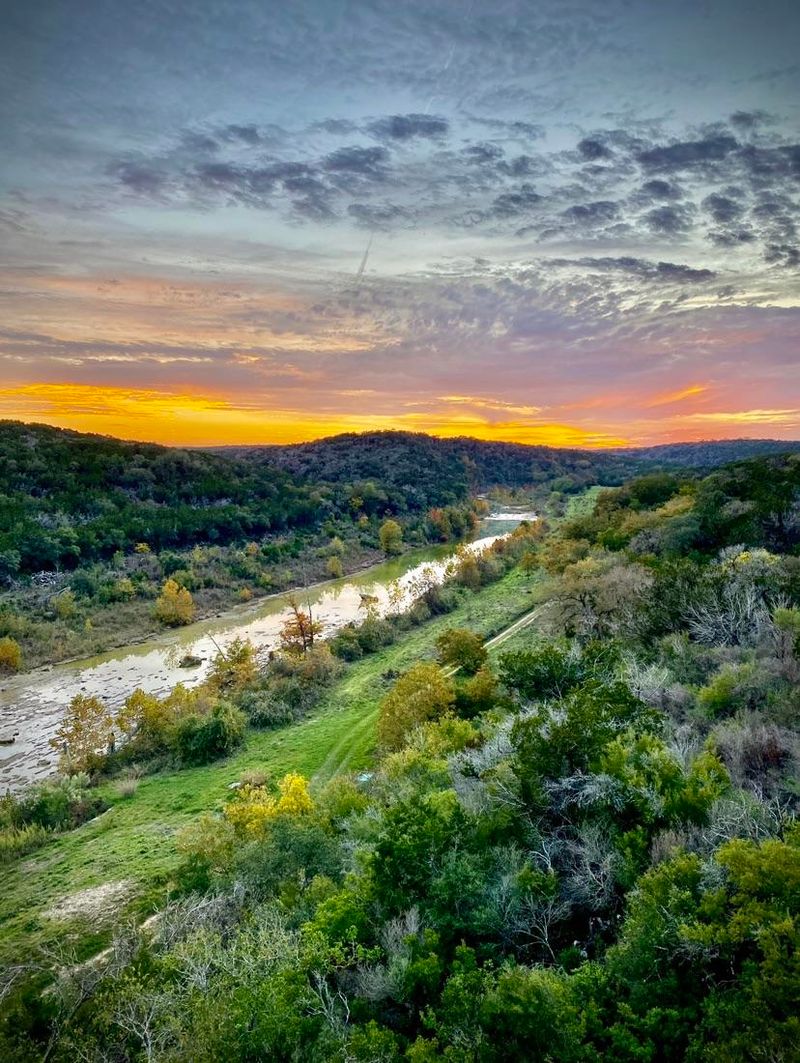
Wildflowers made this region Instagram-famous, but staying only long enough for photos means missing what makes the Hill Country special. Rolling terrain, spring-fed rivers, and German heritage towns create a landscape that changes character from one valley to the next. This is Texas’s most visited region, yet plenty of quiet remains for those willing to wander the back roads.
Spring brings bluebonnets, Indian paintbrush, and wine cups that carpet entire hillsides in color. The bloom peaks in late March through April, but timing varies by rainfall and location. Driving the Willow City Loop or taking Farm Road 1323 north of Llano reveals fields so dense with flowers they look painted.
Pull over, walk into the blooms, and stay awhile—the Instagram crowd rushes past, but the flowers don’t care either way.
Rivers define summer here. The Frio, Guadalupe, and Medina run clear and cold, fed by springs that maintain constant temperatures year-round. Tubing down the Guadalupe has become a party scene in some sections, but upstream stretches remain peaceful.
Rent a kayak instead, paddle at your own pace, and stop to swim in deep pools shaded by cypress trees. Some swimming holes require hikes to reach, filtering out casual visitors and rewarding effort with solitude.
German immigrants settled towns like Fredericksburg, Boerne, and New Braunfels in the 1840s, and their influence persists. Bakeries sell strudel and kolaches, dance halls host polka bands on weekends, and beer gardens serve schnitzel alongside Texas barbecue. These aren’t tourist recreations—they’re living traditions maintained by descendants of the original settlers.
Attend a Sunday afternoon dance at Luckenbach or Gruene Hall, where generations mix on the dance floor.
Wineries dot the highways, many family-owned operations producing surprisingly good wines from grapes suited to the climate. Tasting rooms stay open late, encouraging visitors to linger over a bottle while watching sunset paint the hills gold. The Hill Country doesn’t demand anything from you except time, which it repays with beauty that accumulates slowly, like interest.
5. Rolling Plains
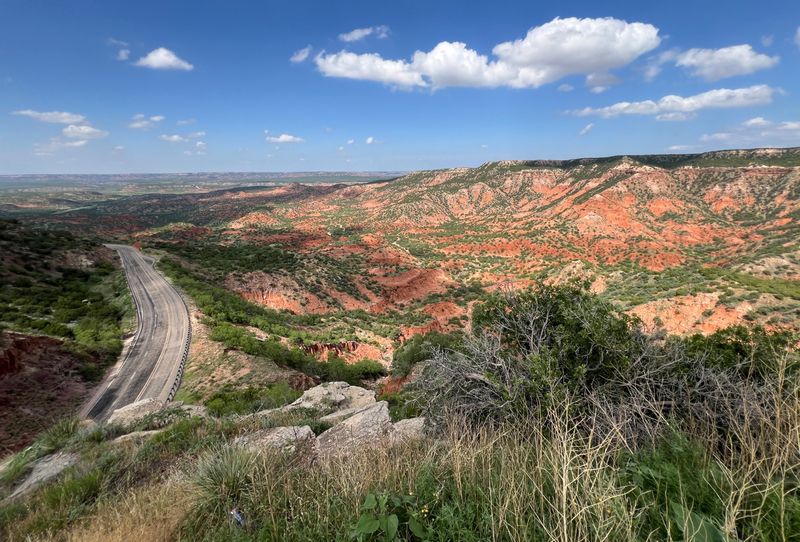
Somewhere between the Panhandle’s flatness and the Hill Country’s drama, the Rolling Plains stretch across North Central Texas like a rumpled blanket. This is ranching country where towns are small, horizons are wide, and visitors are few. That scarcity of tourists is exactly what makes it worth exploring slowly—you’ll have the landscape mostly to yourself.
Mesquite trees dot the grasslands, their twisted trunks and thorny branches looking battle-scarred from wind and drought. These aren’t the showpiece landscapes that make tourism brochures, but they possess a subtle beauty that grows on you. Watch light change across the plains during the hour before sunset, when everything glows amber and shadows stretch impossibly long.
The sky dominates here, taking up more of your field of vision than the land itself.
Small towns like Albany, Throckmorton, and Haskell serve as gateways to ranch country. Their downtowns feature more empty storefronts than open businesses, but survivors include cafes serving chicken-fried steak and pie, and hardware stores that have outfitted ranchers for decades. Strike up a conversation at the counter, and locals will share stories about the land, weather patterns, and how things have changed.
These conversations can’t be rushed—they unfold at their own pace, punctuated by long pauses and thoughtful silences.
Fort Griffin State Historic Site preserves remnants of the frontier military post and the rough town that grew around it. The fort protected buffalo hunters and cattle drivers in the 1870s, when the Rolling Plains marked the edge of settled territory. Today, a small herd of Texas longhorns grazes the grounds, their massive horns spanning six feet or more.
These descendants of Spanish cattle that went feral represent the breed that built Texas’s cattle industry.
Hunting leases cover much of the private land, but public access exists for those who seek it. Cooper Breaks State Park offers camping, hiking, and fishing in terrain that looks much as it did when Comanche and Kiowa bands roamed freely. Spring brings wildflowers, including the rare Drummond’s wild onion.
The park sees few visitors, meaning you can walk its trails without encountering another soul—a rare commodity in modern Texas.
6. Big Bend Country
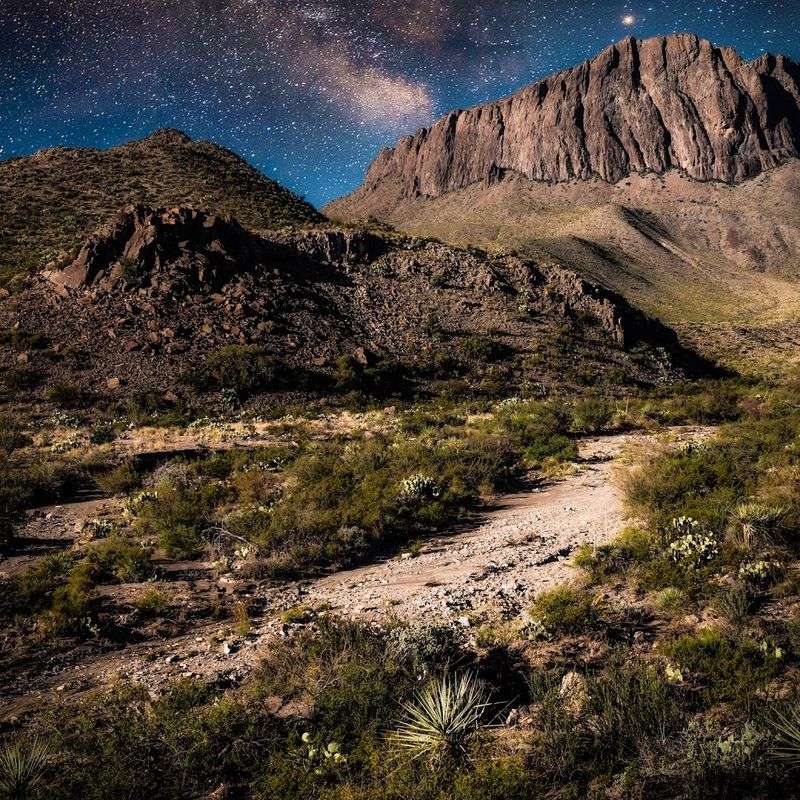
Remote doesn’t begin to describe this corner of West Texas. Big Bend National Park sits 300 miles from El Paso and 400 miles from San Antonio, with nothing but desert, mountains, and river in between. Cell service disappears, towns shrink to gas station size, and the night sky blazes with stars.
This isolation filters out everyone except those serious about experiencing true wilderness.
The Rio Grande carved canyons through limestone over millions of years, creating gorges that drop hundreds of feet from rim to river. Santa Elena Canyon’s sheer walls rise 1,500 feet, narrowing the river to a ribbon of green water. Paddling through requires permits and skill—rapids, strong currents, and the international border complicate what looks simple from above.
Hiking into the canyon from the trailhead takes less effort but still demands respect for distance, heat, and the desert’s indifference to human comfort.
Three distinct ecosystems exist within the park’s 800,000 acres. The Chisos Mountains rise to 7,832 feet, supporting plants and animals found nowhere else in Texas. Desert lowlands bake under summer temperatures exceeding 110 degrees, while the river corridor provides a ribbon of green life.
Moving between these zones in a single day shows how dramatically landscape can change with elevation and water availability. Each ecosystem rewards slow exploration—rushing means missing the details that make them unique.
Ghost towns and abandoned mining camps dot the surrounding area, remnants of quicksilver mining booms that went bust. Terlingua, once a thriving company town, now hosts a small community of artists, river guides, and desert rats. Its ruined adobe buildings and cemetery create an atmospheric backdrop for a modern outpost that includes a decent restaurant and a legendary chili cook-off every November.
Wildlife viewing requires patience and early mornings. Javelinas root through campsites at dawn, roadrunners hunt lizards along trails, and black bears occasionally wander down from the Chisos. Mountain lions live here too, though seeing one remains rare enough to be memorable for life.
The desert reveals itself slowly, in small moments rather than grand gestures—a blooming ocotillo, a lizard doing push-ups on a rock, or the way light transforms the mountains from brown to purple to gold as the sun sets.
7. Prairies and Lakes
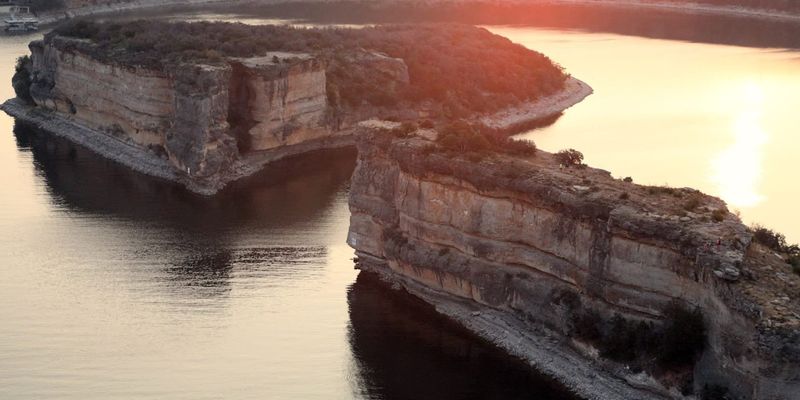
Dallas and Fort Worth anchor this region, but between and around the metroplex sprawl prairies, lakes, and small towns that most travelers blow past on Interstate 35. Slowing down reveals a landscape shaped by both nature and human engineering—massive reservoirs created for water supply that now offer recreation, and remnants of tallgrass prairie that once covered the entire area.
Lakes Texoma, Grapevine, Lewisville, and Ray Roberts draw boaters and anglers by the thousands on summer weekends. But visit midweek or during shoulder seasons, and you’ll find quiet coves and uncrowded shorelines. Fishing for white bass during their spring spawning run brings crowds, but targeting largemouth bass or crappie during other months means more solitude.
Many lakes feature parks with hiking and biking trails that see far less traffic than the boat ramps.
Remnant prairies exist in scattered preserves, protected from the development that consumed most of the original grasslands. Clymer Meadow Preserve near Celeste protects 1,500 acres of blackland prairie, where big bluestem grass grows tall enough to hide a deer. Spring through fall brings waves of wildflowers—coneflowers, black-eyed susans, and native sunflowers creating displays that shift with the seasons.
Walking through waist-high grass while butterflies and grasshoppers scatter ahead connects you to what the landscape looked like before plows broke the sod.
Small towns like Granbury, Glen Rose, and Waxahachie maintain historic downtowns with courthouse squares that serve as community gathering spots. Granbury’s town square, one of Texas’s prettiest, hosts local theater productions and weekend markets. Glen Rose offers dinosaur tracks preserved in the Paluxy River bed—actual footprints from creatures that walked here 113 million years ago.
You can wade into the river and stand where a dinosaur once stood, a connection across time that requires no imagination.
The region’s proximity to major cities makes it easy to visit, yet most people don’t bother. They’re missing quiet mornings on lake docks watching herons fish, afternoons exploring small-town antique shops, and evenings eating barbecue at places that have smoked brisket the same way for generations. The Prairies and Lakes region doesn’t demand attention—it simply offers it to those who take time to look.
8. South Texas Plains
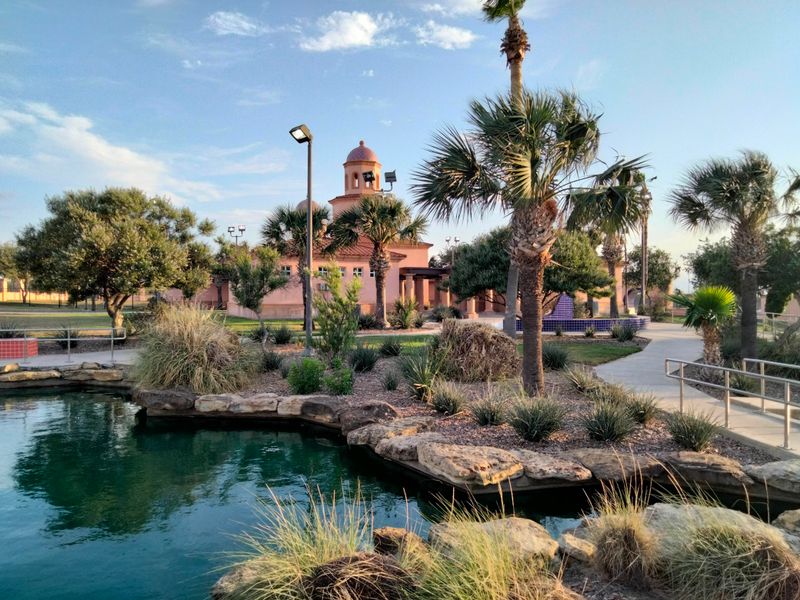
Flat, thorny, and hot—the South Texas Plains don’t make anyone’s list of scenic wonders. This is working ranch country where cattle outnumber people, where hunting leases generate more income than tourism, and where the landscape repeats itself for hundreds of miles. Yet something about the vastness grows compelling if you give it a chance.
The plains teach you to find beauty in space rather than spectacle.
Mesquite and huisache trees break up the grasslands, their thorns discouraging casual exploration. Prickly pear cactus spreads in dense patches, its fruit ripening to deep purple in late summer. This is tough country that rewards toughness, where ranchers still work cattle on horseback because the terrain defeats most vehicles.
Towns like Cotulla, Freer, and Hebbronville serve ranching communities that have operated for generations, their economies tied to cattle prices and rainfall totals.
White-tailed deer thrive here in numbers that seem impossible given the sparse vegetation. Does and fawns browse in groups while bucks carry racks that attract hunters willing to pay premium lease prices. Nilgai antelope, introduced from India decades ago, now roam freely across South Texas.
These massive animals, standing five feet at the shoulder and weighing 600 pounds, look wildly out of place yet have adapted perfectly to the thornscrub habitat.
Bird diversity surprises first-time visitors. Caracaras, often called Mexican eagles, perch on fence posts scanning for roadkill. Crested caracaras are Texas’s most tropical raptor, found only in the southern part of the state.
Sandhill cranes winter here by the thousands, their rattling calls echoing across fields at dawn. The South Texas Plains fall within the Central Flyway, making them crucial habitat for migrating species.
Ranch roads stretch straight to the horizon, heat shimmers rising from pavement that sees maybe ten vehicles per day. Driving these roads with windows down, feeling hot wind blast through the cab, captures something essential about Texas—the sense of space, the understanding that you could drive for hours without seeing much change, and the realization that some people love exactly that. The plains don’t care whether you appreciate them or not.
They simply exist, vast and indifferent, waiting for the few who understand their stark beauty.
9. High Plains
The Llano Estacado, or Staked Plains, forms the southern end of the Great Plains, stretching across the Texas Panhandle in a landscape so flat it challenges your depth perception. Early Spanish explorers supposedly drove stakes to mark their route because natural landmarks were so scarce. Today, grain elevators and wind turbines serve the same purpose, rising from the plains like exclamation points punctuating an endless sentence.
Lubbock anchors the region, a city that grew from cotton farming and still celebrates that heritage. The American Wind Power Center houses hundreds of windmills, from tiny farm models to massive modern turbines, documenting how humans have harnessed wind energy across centuries. Buddy Holly, Lubbock’s most famous native, gets his own museum, and his music still plays in clubs downtown.
The city combines prairie practicality with genuine cultural offerings, a mix that works better than it should.
Cotton fields stretch for miles, their white bolls ready for harvest in fall creating the illusion of snow covering the plains. Irrigation systems draw from the Ogallala Aquifer, the massive underground reservoir that makes agriculture possible in this semi-arid climate. Watching center-pivot irrigators spray water in perfect circles, creating green oases in the brown landscape, illustrates both human ingenuity and the fragility of water-dependent farming in a place that receives only 18 inches of annual rainfall.
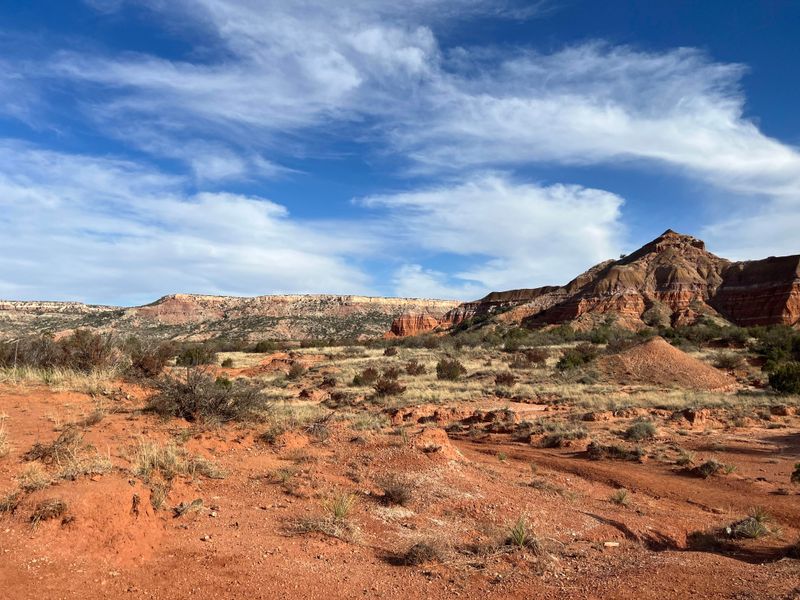
Palo Duro Canyon, the second-largest canyon system in the United States, slices through the plains south of Amarillo. After miles of flatness, the earth suddenly drops away 800 feet, revealing layers of red, orange, and white rock deposited over 250 million years. Hiking into the canyon feels like descending into another world.
Juniper trees and cottonwoods grow along the canyon floor, where a small stream provides water and shade absent from the plains above.
Small towns dot the highways, most shrinking as young people leave for cities. Yet those remaining maintain a strong sense of community and an attachment to the land that runs deep. Cafes serve breakfast to ranchers and farmers who know each other by name, discussing rainfall totals and wheat prices.
The High Plains don’t seduce visitors with beauty—they win you over with honesty, showing you exactly what they are without pretense or decoration.
Share this story