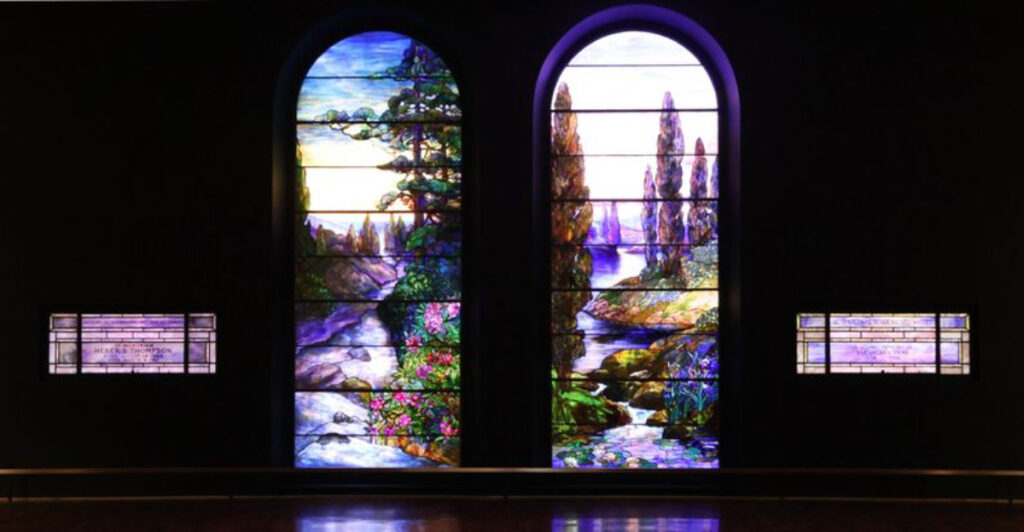
Free museums can be hit or miss, but the Allentown Art Museum feels like a genuine find. In one visit, you can stand near a Rembrandt, watch Tiffany windows glow like a staged sunrise, and step into a Frank Lloyd Wright room without paying admission. The experience feels surprisingly rich for a museum of its size, offering moments of beauty, history, and craftsmanship around every corner. Add friendly staff, easy parking, and a manageable layout, and this Allentown gem becomes the kind of place you will want to recommend immediately.
It is the rare museum where you can slow down, take in impressive works without feeling overwhelmed, and leave with the sense that you discovered something special. Whether you are an art enthusiast or simply looking for a memorable afternoon, the museum delivers more than you might expect. If you think world-class surprises only happen in major cities, this museum is ready to prove you wrong. The Allentown Art Museum shows that remarkable collections and unforgettable experiences can exist far beyond the usual cultural capitals.
1. The Rembrandt
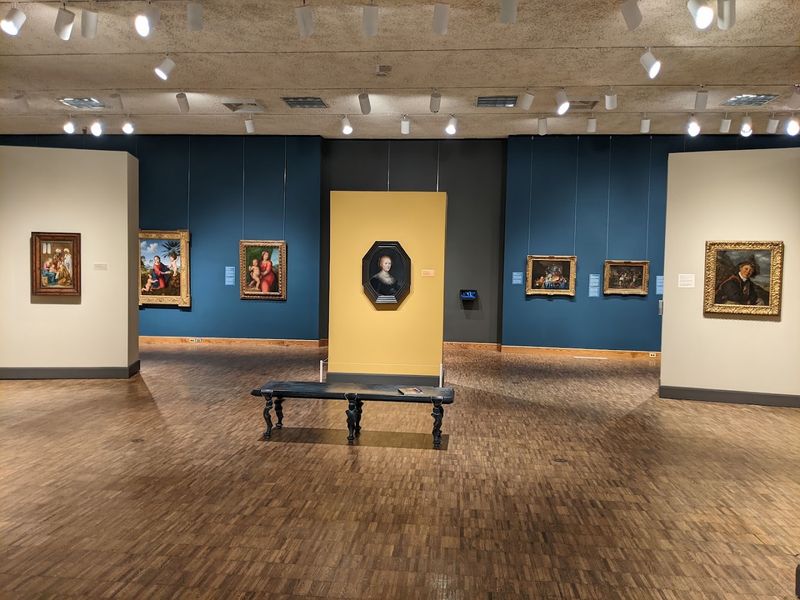
If you walk into the Allentown Art Museum expecting a small local collection, the Rembrandt changes the mood instantly.
Seeing a work tied to one of history’s most revered painters gives the museum real gravity, yet the setting stays welcoming instead of intimidating.
That balance makes the experience memorable from the start.
I love that this gallery does not force you to rush past famous names on a checklist.
You can stand close, study the brushwork, and let the quieter scale of the museum help you notice details that might disappear in a bigger crowd.
It feels personal, not performative.
That is the surprise here: world class art without world class ticket prices.
Because admission is free, you can take your time, circle back, and enjoy the old master context around it.
For anyone who thinks major art only lives in giant cities, this stop proves otherwise beautifully.
2. The Tiffany Windows
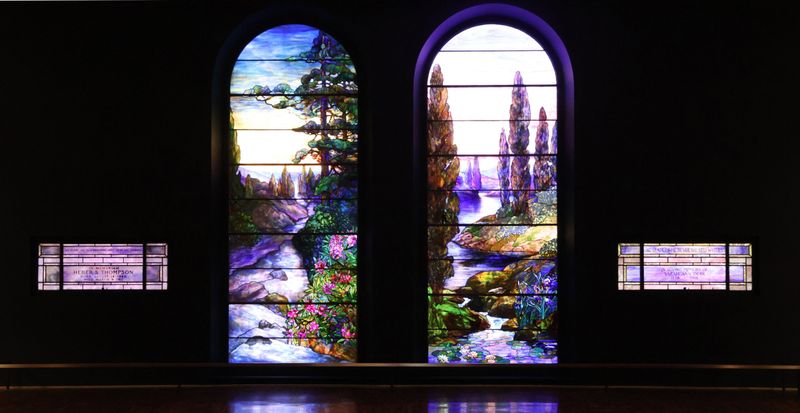
The Tiffany windows are the museum’s undeniable showstoppers, and they deserve every bit of the praise visitors give them.
When the lighting sequence recreates sunrise and sunset, the glass seems to wake up in layers of color, detail, and atmosphere.
It is less like viewing an object and more like watching a room breathe.
What stayed with me most was how intimate the installation feels.
Instead of being swallowed by a gallery, you can settle in, notice the floral motifs, and appreciate the craftsmanship that makes each pane shimmer differently.
Even if you have seen stained glass before, these windows still feel fresh and transporting.
This is the kind of exhibit that turns a casual stop into the highlight of your day.
Since admission is free, you never feel pressured to hurry through the sequence.
You can linger, watch the colors shift again, and understand why so people call this museum a Lehigh Valley gem.
3. The Frank Lloyd Wright Room
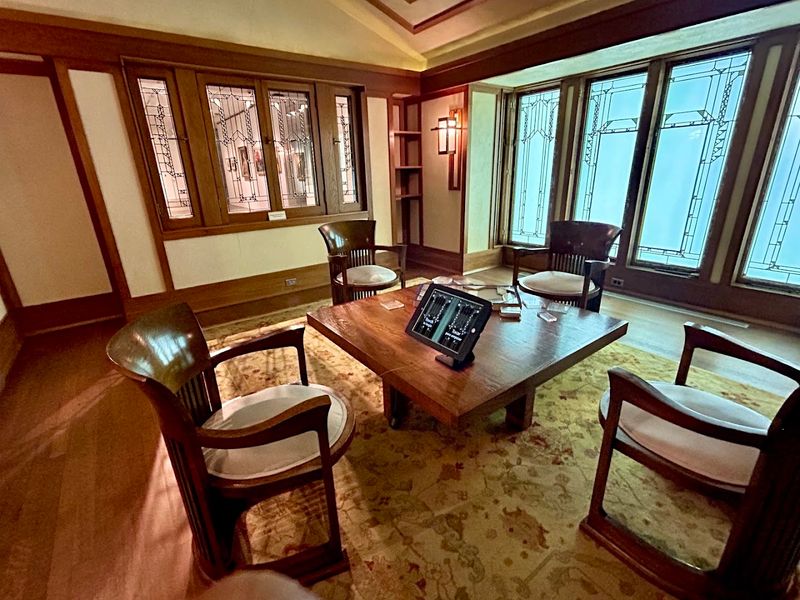
One of the museum’s most unexpected treasures is its Frank Lloyd Wright room, a rare interior that instantly shifts your visit from gallery hopping to full design immersion.
You are not just looking at furniture or architectural fragments behind glass.
You are stepping into a space shaped by one of America’s most influential creative minds.
That experience matters because Wright’s work is about harmony, proportion, and how people move through a room.
In a museum this approachable, those ideas feel easier to absorb.
You can slow down, look at the lines, materials, and built in details, and imagine how radical this design once felt.
I think this room helps explain why the Allentown Art Museum punches above its weight.
It is not only collecting beautiful things, it is preserving environments and stories.
Paired with free admission, friendly staff, and a downtown location, this architectural gem gives you one more reason to plan the trip soon.
4. The Kress Collection
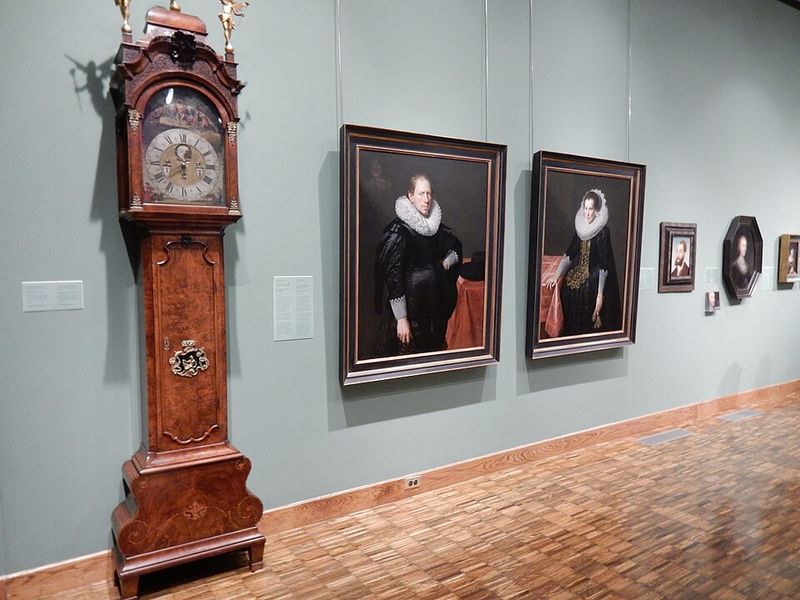
If you wander deeper into the museum after the headline masterpieces, the Kress Collection gives the visit another layer of weight.
These European paintings and decorative works make the galleries feel far more expansive than you might expect from a regional museum.
You are suddenly moving through centuries of artistic ambition in a setting that still feels comfortable, inviting, and easy to explore at your own pace.
What makes this section memorable is how approachable it stays.
The rooms let you compare styles, subjects, and moods without feeling like a lecture is hiding around the corner.
Even if you do not know every period by name, you can still feel the collection’s quiet confidence and appreciate the craftsmanship behind each piece.
It is the kind of experience that rewards both longtime art lovers and casual visitors simply looking to discover something unexpected.
5. The American Art Galleries
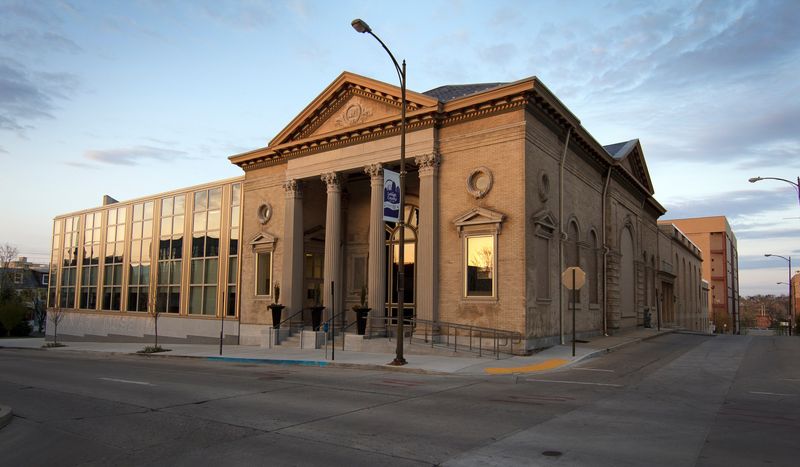
The American art galleries are where the museum starts to feel especially generous.
Instead of offering one narrow slice of history, they spread out into landscapes, portraits, and modern pieces that show how many directions American artists took over time.
That variety keeps you engaged because each room shifts the mood just enough, creating a sense of discovery as you move from one gallery to the next.
I liked how these galleries never seemed crowded with information or cluttered with objects.
You can stand with one painting longer than planned, notice the small details in the brushwork, and then turn to find something completely different waiting nearby.
For casual visitors and serious art lovers alike, that rhythm makes the museum feel easy to explore.
It encourages you to take your time, follow your curiosity, and enjoy the experience without feeling rushed.
6. The Decorative Arts
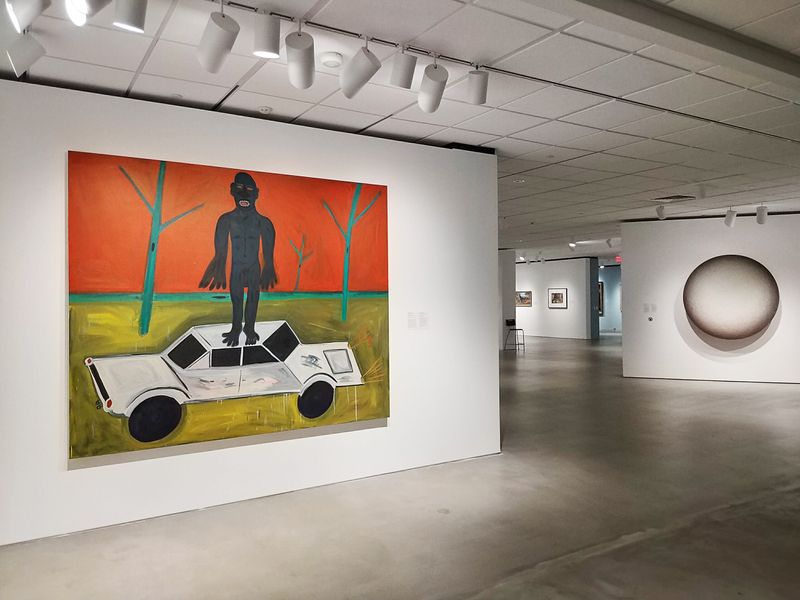
If paintings are what bring you in, the decorative arts are what remind you how broad the museum really is.
Furniture, ceramics, glass, and finely made objects add texture to the experience, showing that beauty was never limited to canvases alone.
These galleries make craftsmanship feel personal instead of distant, turning everyday items into examples of creativity, skill, and artistic expression.
There is also something grounding about seeing art that once lived in everyday spaces.
A chair, a vase, or a silver object can pull you closer because you imagine how it was used, admired, and carefully preserved through generations.
These pieces tell quieter stories about the people who created them and the homes they once belonged in.
That sense of lived history gives the museum another kind of charm, one that feels subtle at first but becomes just as memorable as the larger masterpieces surrounding it.
7. The Contemporary Works
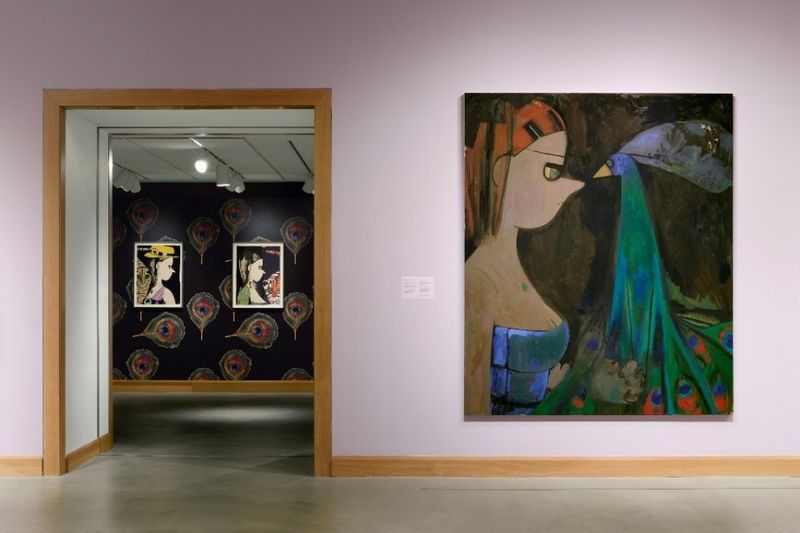
The contemporary works keep the museum from feeling locked in the past.
After old masters, historic design, and period rooms, these pieces bring in sharper colors, newer materials, and ideas that can feel playful, strange, or unexpectedly moving.
That contrast gives the whole visit a jolt of energy right when you need it, offering a fresh perspective after exploring centuries of traditional art.
What I appreciated most was how naturally the newer art fit into the broader experience.
It did not feel like a separate wing with a different personality, but part of the same conversation stretching across time.
The transition between classic and contemporary feels thoughtful, showing how creativity continues to evolve while still connecting to the works that came before.
You leave with a fuller sense of what this museum is willing to show and how many different stories art can tell.