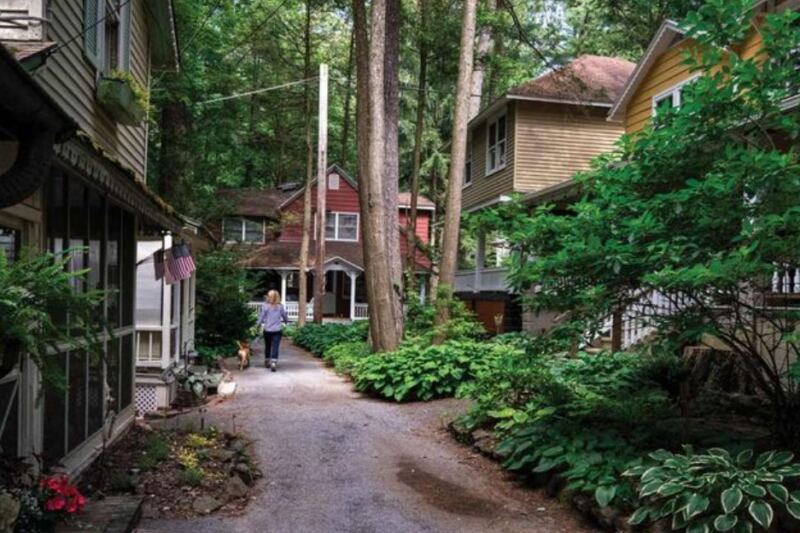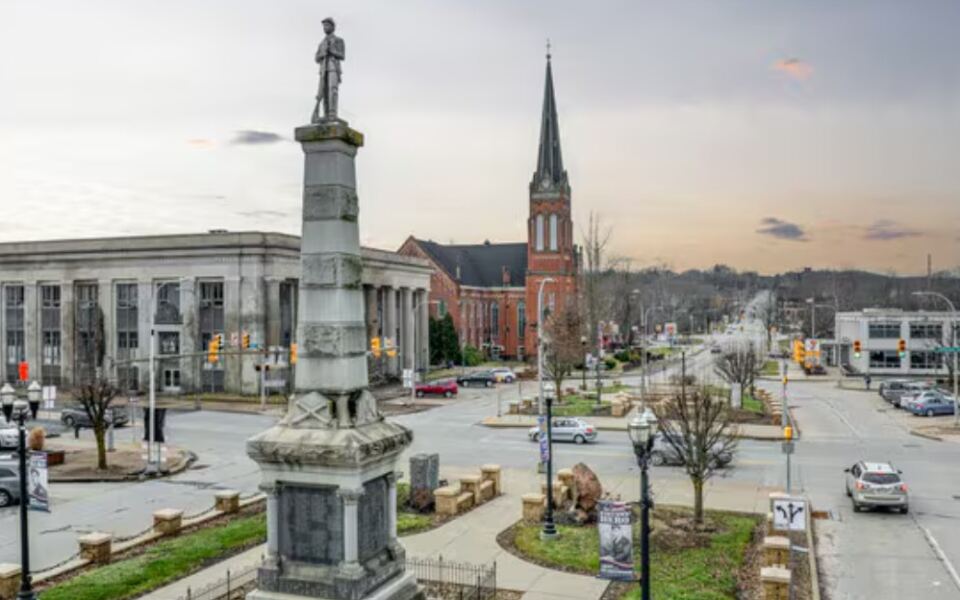
One neighborhood here packs 1,888 buildings into 91 blocks, and nearly all of them count as historic. That is not a typo. It is a whole hillside of porches, towers, and turrets that made the National Register in 1999.
The same city also calls itself the Fireworks Capital of America. So the houses are old, but the sky gets loud every summer. I like that combination a lot.
I can’t imagine strolling one street and spotting Queen Anne trim, Tudor beams, and Craftsman porches side by side. Yet that is a normal afternoon in this corner of western Pennsylvania. There is even a castle tucked among the homes.
Most people zoom past on the way to Pittsburgh or Ohio. I believe they are missing something special. I know I’d go just to see that castle, but I have a feeling the rest of the neighborhood would keep me busy all afternoon.
1. A Neighborhood So Big It Needs Its Own Map
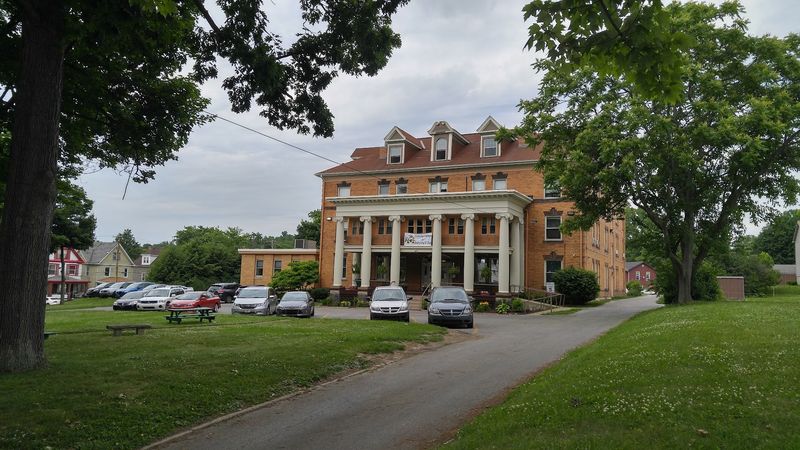
Ninety-one blocks of history sit right above downtown New Castle, Pennsylvania.
The North Hill Historic District covers about 450 acres, which is a lot of sidewalk for one afternoon.
When it joined the National Register of Historic Places in 1999, it held 1,888 buildings.
Of those, 1,680 counted as contributing to the district’s historic character.
That is a staggering ratio for any neighborhood.
The district is described as the third largest historic district in Pennsylvania.
For a city this size, that is a serious bragging right.
It also explains why the town’s reputation for old buildings keeps growing.
Most of the homes went up between 1890 and 1949.
That window lines up with the years when New Castle was booming as the tin plate capital of the world.
Money flowed, and people built houses to show it.
The result is a living neighborhood, not a museum.
Families still mow lawns and hang porch lights here.
You can admire the homes from the sidewalk without feeling like you crashed a velvet-rope exhibit.
My advice is simple.
Wear comfy shoes, pick a few streets, and save the rest for another visit.
2. Spot Every Architecture Style On One Easy Stroll
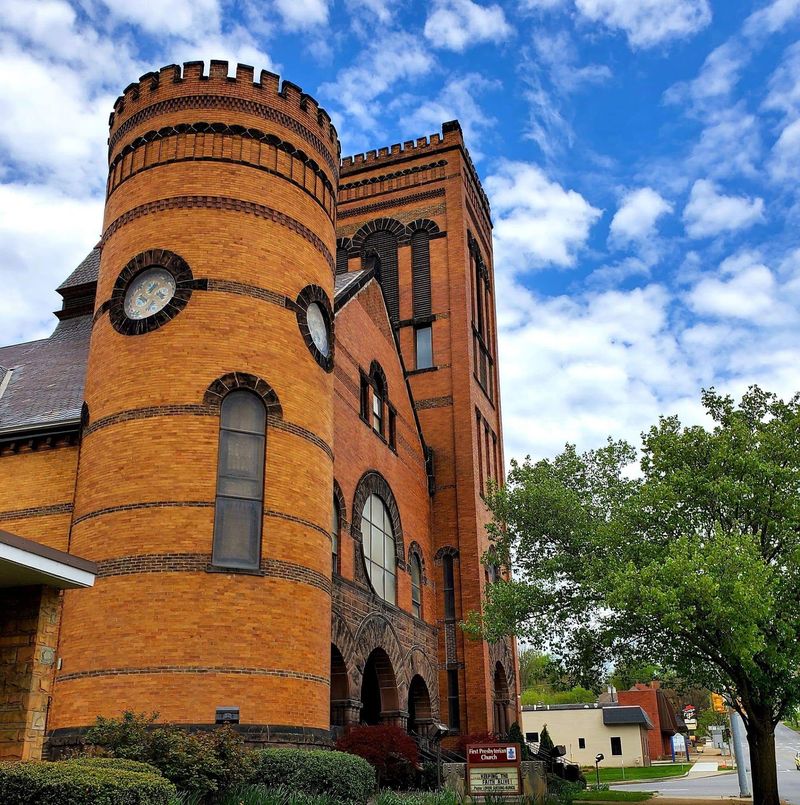
Queen Anne towers wave hello from one corner.
A sturdy American Foursquare sits across the street like it is guarding the block.
North Hill reads like an architecture textbook that somebody left open outside.
The district includes Late Victorian, Colonial Revival, Neoclassical, Tudor Revival, and Bungalow or Craftsman homes.
It also features many Late 19th and Early 20th Century Revival designs.
That variety makes the walk feel like a game.
Try spotting a pointed Tudor gable, then hunt for a low Craftsman porch.
Kids can turn it into a scavenger hunt with points for each style.
Here is a quick cheat sheet.
Queen Anne homes often love towers and fancy trim.
Foursquares look like big friendly boxes with a hipped roof.
Colonial Revival homes tend to be balanced and tidy.
Craftsman bungalows usually show off broad porches and thick columns.
You do not need a design degree to enjoy any of this.
A curious eye and a phone camera will do the job.
I’d suggest snapping photos and looking up the styles later over a snack.
Just remember these are private homes.
Admire from the sidewalk and keep your shutter clicks polite.
3. Yes, There Is An Actual Castle On The Hill
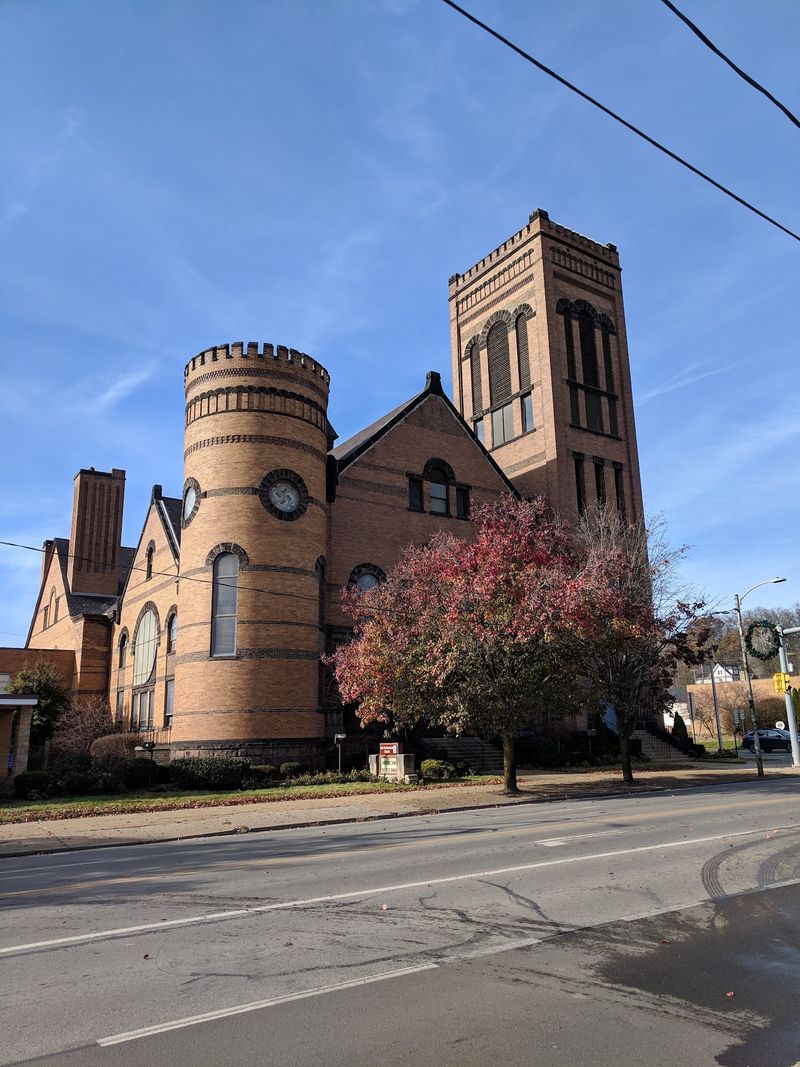
A town named New Castle really should have a castle.
Good news, it does.
The Raney-Jameson Castle dates to around 1892 and stands within the North Hill Historic District.
Its name alone makes it a favorite stop for anyone wandering the neighborhood.
It is listed among the district’s notable contributing structures.
Nearby, other grand homes add to the fairy-tale mood.
The Bower Residence was built between 1886 and 1889.
Garfield Terrace, from 1897, adds even more late Victorian flavor to the area.
These buildings remind you how much confidence the city had during its industrial heyday.
Business leaders wanted homes that looked built to last for centuries.
Judging by how many still stand, they mostly pulled it off.
I love how a castle can sit among regular family houses here.
It is like finding a crown in a kitchen drawer.
The surprise is half the fun.
For the best experience, plan your route ahead.
A walking tour can point you toward these landmarks without endless map squinting.
Bring a sense of humor too, because someone will definitely ask where the moat went.
4. This Grand Hall Once Outshone Everything To New York
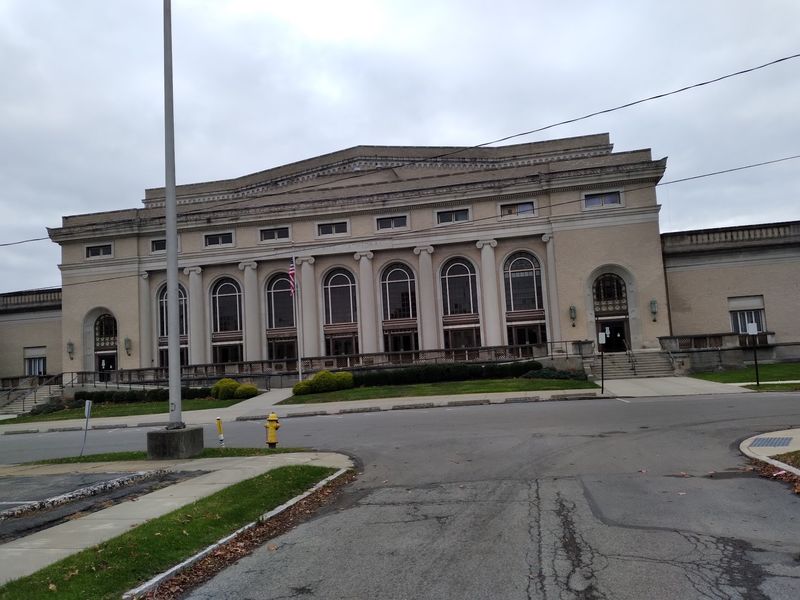
Back in the mid-1920s, New Castle built something bold.
The Scottish Rite Cathedral opened as the largest auditorium between Pittsburgh and New York.
Construction ran from 1924 to 1925 for Free Masons Lodge #433.
R. G. Schmid Co. of Chicago designed it.
The building joined the National Register of Historic Places in 2008.
You’ll find it at 110 E Lincoln Ave, New Castle, PA 16101.
It sits within the North Hill Historic District, so it fits neatly into a neighborhood walk.
Its sheer size makes it hard to miss.
Think about that auditorium claim for a second.
A city in western Pennsylvania topped every hall across a stretch that included some very big places.
That says a lot about New Castle’s ambition in that era.
Today the cathedral remains one of the city’s best-known landmarks.
It is a great place to pause and appreciate how much effort went into public spaces a century ago.
Photographers, this one is for you.
Step back across the street to fit the whole facade in your frame.
A wide-angle setting on your phone will help a lot.
5. Let The History Pros Lead The Way
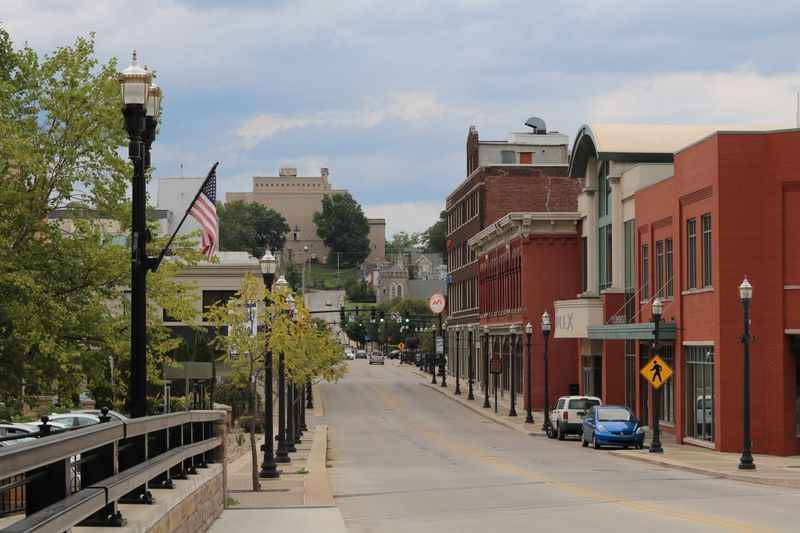
Wandering is fun, but stories make it better.
The Lawrence County Historical Society has been preserving local history since it was chartered in 1938.
It operates from the historic Greer Residence, a mansion originally built for George and Alice White Greer.
Either way, a house holding history feels just right.
The society offers walking tours of North Hill and downtown New Castle.
That is a smart move if you want more than pretty porches.
A guide can explain who built what and why it matters.
Tours turn random buildings into characters.
Suddenly that big brick house has a backstory, and that church corner has a timeline.
It is like getting the director’s commentary on a movie you already love.
I believe a guided walk is the best first step for newcomers.
You learn the layout, then return later to explore on your own pace.
Check the society’s schedule before you go, since tour times can change.
Then bring questions.
The more curious you are, the more you will carry home besides photos.
6. Columns Like These Mean Serious Business
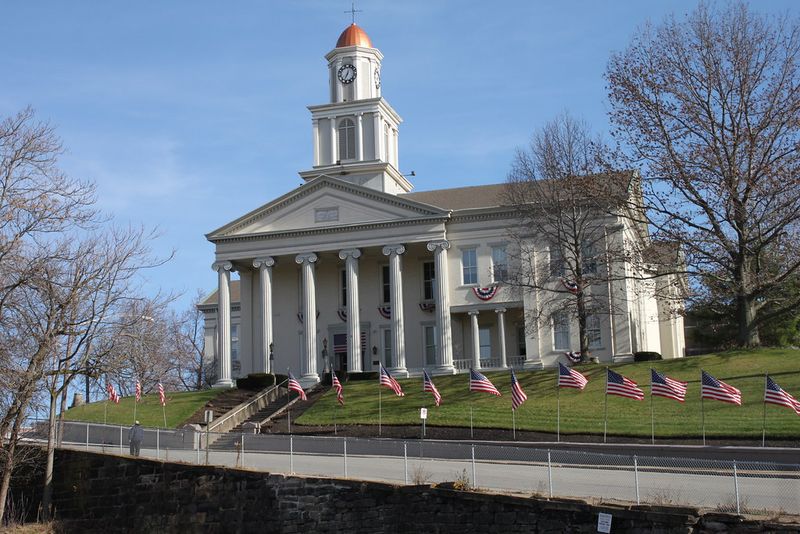
Tall columns.
Big arched windows.
The Lawrence County Courthouse on Court Street looks like it means every word it says.
This neoclassical building gives downtown New Castle a strong sense of authority and permanence.
It is no backdrop, either.
The courthouse still serves as a working civic building today.
New Castle has been the county seat of Lawrence County for a long time.
The city started in 1798, became a borough in 1825, and earned its city charter in 1869.
The courthouse helps anchor that long story in stone.
Downtown pairs nicely with a North Hill visit.
The neighborhood sits right above the central business district, so the two connect easily.
You can see residential history and civic history in one outing.
Since this is an active government building, plan accordingly.
Weekday hours mean real business happens inside.
Admiring the exterior is easy anytime, and that facade does most of the talking anyway.
Here is a tip for the camera crowd.
Morning light on the columns can look fantastic.
Shoot from a little distance so those arched windows stay in the frame.
7. Steeples And Schoolhouses Tell The Rest Of The Story
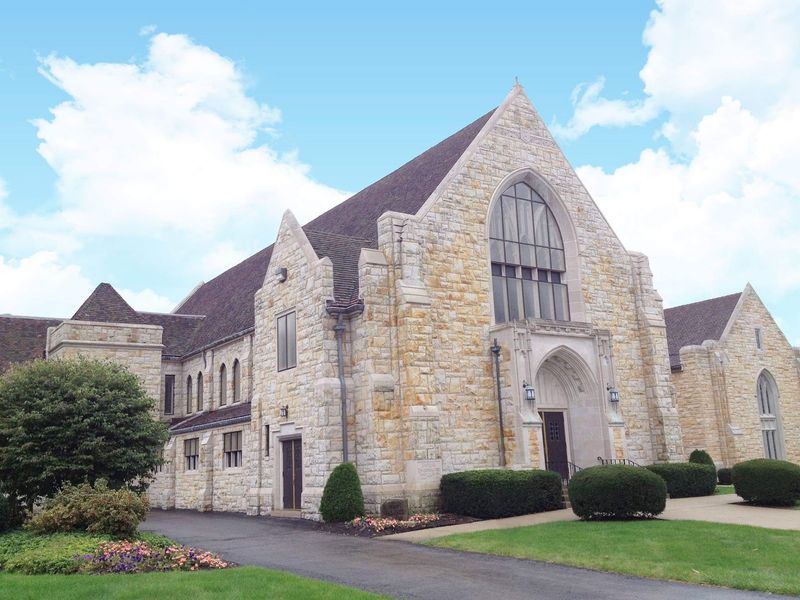
Houses get most of the attention, but North Hill’s churches and schools deserve a turn.
They show how neighbors lived, learned, and gathered.
Trinity Episcopal Church dates to 1910.
Clen-Moore Presbyterian Church followed in 1929.
George Washington Intermediate School opened in 1928, right in the middle of that building boom.
Each one adds a different texture to the district.
A school brings everyday life into the picture.
A church adds a skyline moment with its rooflines and windows.
The district also includes a concrete girder bridge in its original listing.
Not exactly glamorous, but it proves how thorough the historic count really is.
Even infrastructure made the cut.
I like how these buildings fill in the human side of the neighborhood.
Families didn’t just live in fancy houses.
They walked to class, met friends, and shared Sunday mornings nearby.
When you stroll, notice how these larger buildings anchor certain blocks.
They work like landmarks for getting your bearings.
Please be respectful around active schools and churches, especially during services or school hours.
8. Old Homes, Fresh Art At The Hoyt
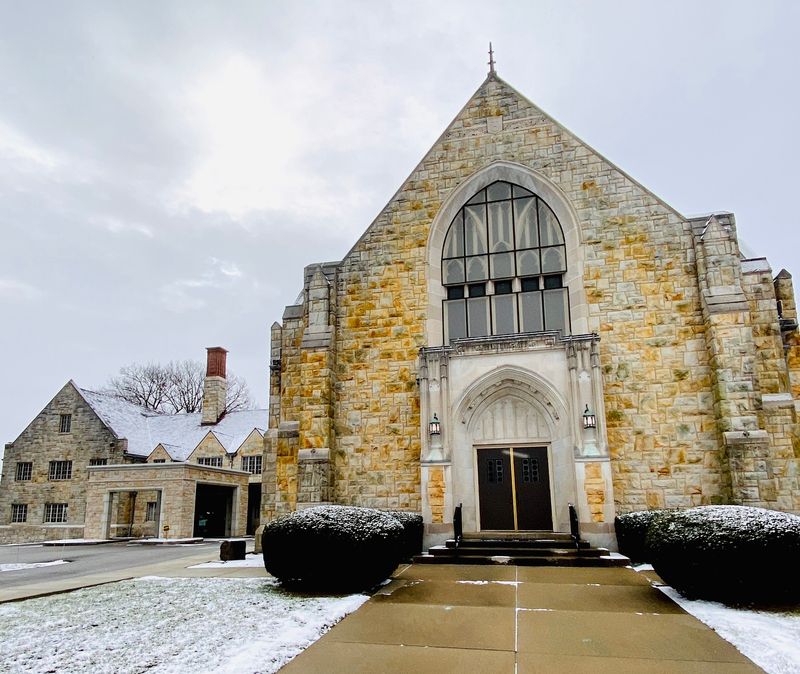
Two historic residences got a creative second act.
The former Hoyt Residences now house Arts + Education at the Hoyt.
The homes are contributing structures in the North Hill Historic District.
That means you get historic architecture and an arts center in one stop.
Efficient and inspiring, my two favorite things.
Nearby, the Henderson Residence adds more grand style to the area.
Together, these homes show how wealthy families once shaped North Hill.
Now some of that space supports learning and creativity for the whole community.
I love when old buildings stay useful instead of just pretty.
A house that hosts art keeps its rooms full of energy.
It feels like the building is still part of the conversation.
The Hoyt is a great pick for a rainy day plan.
It gives your history trip an artsy twist that kids and adults can both enjoy.
Check what is happening before you visit, since programs and exhibits rotate.
Then pair your stop with a short walk around the surrounding blocks.
The neighborhood makes a lovely frame for whatever art you see inside.
9. Stay For The Sparkle After Dark
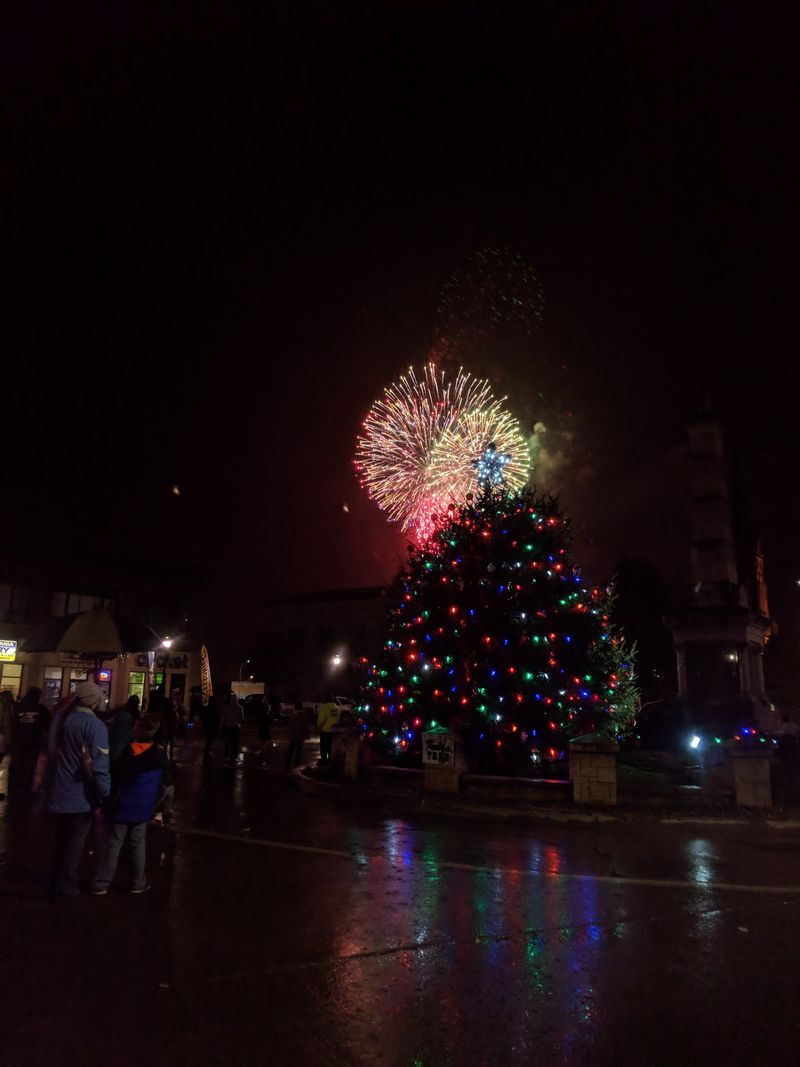
History by day, explosions of color by night.
New Castle, Pennsylvania calls itself the Fireworks Capital of America, and it has the names to back it up.
Zambelli Fireworks and Pyrotecnico Fireworks both have roots here.
The city also hosts an annual fireworks festival.
That is a fun twist for a town best known for old buildings.
Timing matters if you want both.
May through September brings the friendliest weather for walking North Hill.
Summer also lines up nicely with fireworks season.
Need a breather between sights?
Cascade Park offers a green escape.
The city also serves up plenty of Italian food, thanks to its close-knit Italian community.
For planning, the city government sits at 230 N.
Jefferson St., New Castle, PA 16101.
The town lies about 43 miles northwest of Pittsburgh, near the Ohio border.
Youngstown is roughly 17 miles away.
So build a full day around it.
Tour the porches, grab some pasta, then watch the sky light up.
Few towns in Pennsylvania can offer that kind of combo with a straight face.
Share this story