Texas history runs deeper than most people realize, and you don’t need a museum to experience it. Scattered across the state are small towns where the past isn’t just preserved—it’s still part of everyday life. From Spanish colonial outposts to Wild West legends, these destinations offer authentic glimpses into the stories that shaped the Lone Star State, plus great food, unique shops, and that slower pace everyone craves on the weekend.
1. Goliad
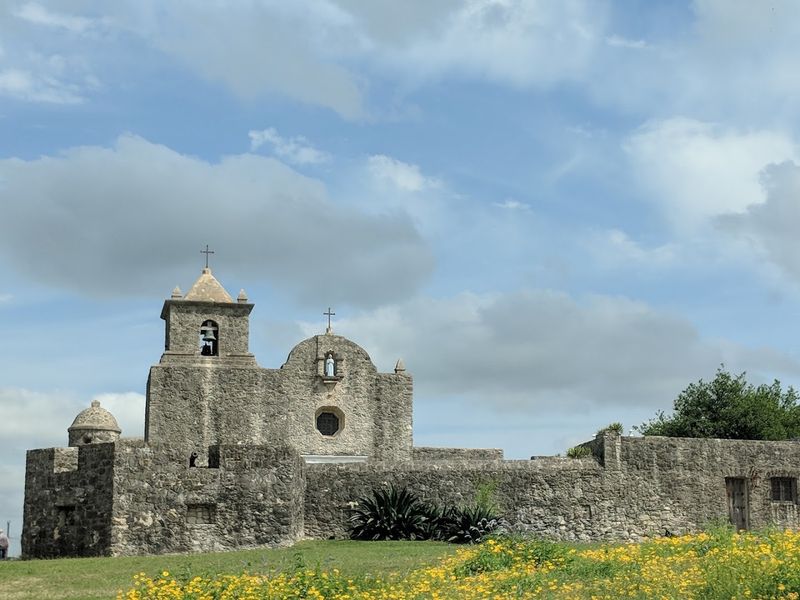
Most Texans know the Alamo, but fewer realize that Goliad holds an equally powerful chapter in the fight for independence. The Presidio La Bahía stands as one of the oldest forts in North America, its thick limestone walls still guarding the San Antonio River just like they did in the 1700s. Walking through the chapel where Colonel Fannin’s men spent their final hours before execution gives you chills no textbook ever could.
The town square feels frozen in time, anchored by the 1894 courthouse that towers over oak-shaded streets. Local shops sell everything from handmade leather goods to vintage finds, and the folks behind the counter actually remember when their grandparents ran the same businesses. You’ll find excellent barbecue and Tex-Mex that hasn’t been polished for tourists—just honest cooking that’s fed families for generations.
Goliad State Park offers camping and hiking along the river, plus a restored mission where you can see how life worked on the Texas frontier. Spring wildflowers turn the surrounding countryside into a postcard, making it perfect for photography or just sitting under a live oak with a good book.
The Fannin Battleground State Historic Site sits just outside town, marking where Texian forces made their stand before the tragic surrender. Rangers lead tours that bring the strategy and heartbreak of that March day into focus. It’s heavy history, but understanding what happened here makes you appreciate Texas independence in a whole new way.
Plan your visit around the Goliad Massacre reenactment in March if you want the full immersive experience, or come during quieter months when you can explore at your own pace without crowds.
2. Marfa
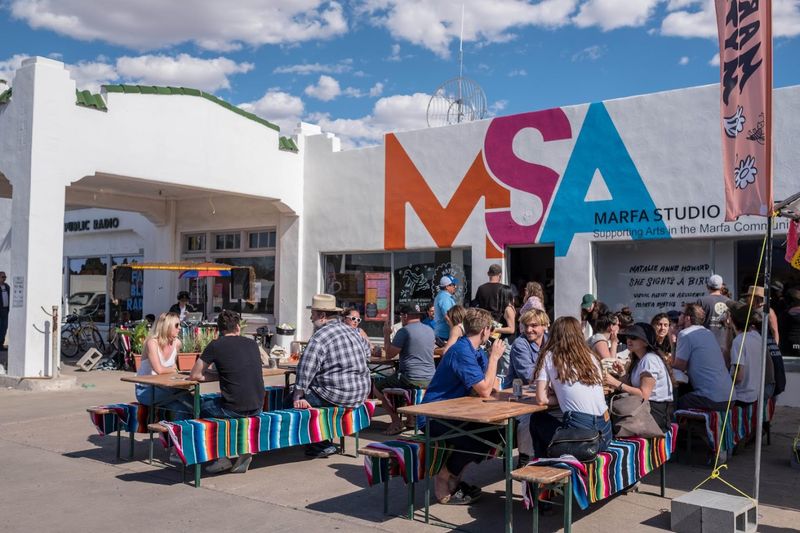
Out in the high desert where cell service gets sketchy and the stars put on a nightly show, Marfa has transformed from a railroad water stop into one of the most unexpected art destinations in America. Donald Judd showed up in the 1970s and started installing massive minimalist sculptures in old military buildings, and the creative types never stopped coming. Now you’ve got cutting-edge galleries next to old adobe buildings, and somehow it all works.
The Marfa lights remain one of Texas’s great mysteries—unexplained glowing orbs that dance on the horizon east of town. Scientists offer theories about atmospheric conditions and car headlights, but locals just shrug and enjoy the show from the official viewing platform. Whether you believe in the supernatural or not, watching those lights flicker and split in the darkness makes for an unforgettable evening.
Food here punches way above what you’d expect from a town of 1,700 people. You can grab perfectly crafted espresso and pastries that would hold their own in Brooklyn, then hit up a taco stand for some of the best street food in West Texas. The Hotel Paisano, where James Dean stayed while filming Giant, still operates and serves excellent meals in its restaurant.
Prada Marfa, the permanent art installation of a fake luxury boutique sitting alone on Highway 90, has become an Instagram pilgrimage site. It’s simultaneously a commentary on consumerism and a quirky roadside attraction—very on-brand for this place. Just don’t try to shop there; the door doesn’t open.
Book accommodations early because the handful of hotels and Airbnbs fill up fast, especially during art events and film festivals.
3. Fredericksburg
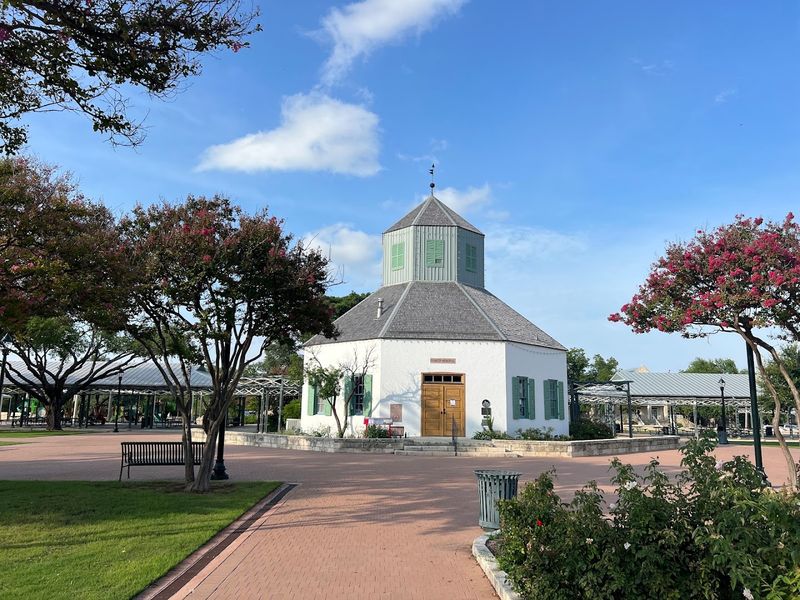
German immigrants brought more than just their language when they settled this Hill Country gem in 1846—they brought beer recipes, architectural styles, and a work ethic that turned rocky soil into thriving farms. Main Street stretches for blocks, lined with limestone buildings that house everything from antique shops to wine tasting rooms. The German influence shows up in unexpected places, like the Sunday Haus tradition where farmers built tiny second homes in town for weekend church visits.
Peach season turns Fredericksburg into a madhouse of roadside stands, you-pick orchards, and every possible peach product imaginable. Ice cream, salsa, wine, cobbler—if it can incorporate a peach, someone here has perfected it. The Hill Country peaches taste different from grocery store varieties, sweeter and more fragrant, worth the sticky fingers and the drive.
Wine tourism has exploded here over the past twenty years, with tasting rooms dotting the 290 Wine Trail. You’ll find everything from serious vintners crafting award-winning Tempranillos to fun, casual spots where you can sip rosé on a patio overlooking vineyards. Most places offer food pairings, and many host live music on weekends.
The National Museum of the Pacific War honors Fredericksburg native Fleet Admiral Chester Nimitz with an extensive collection spanning multiple buildings. Interactive exhibits put you inside submarines and onto aircraft carriers, making it engaging even if military history isn’t usually your thing. The Japanese Garden of Peace provides a quiet spot for reflection after the intensity of the war galleries.
Enchanted Rock State Natural Area sits just outside town, offering hiking and rock climbing on a massive pink granite dome. Sunrise from the summit might be the most beautiful view in Central Texas.
4. Port Isabel
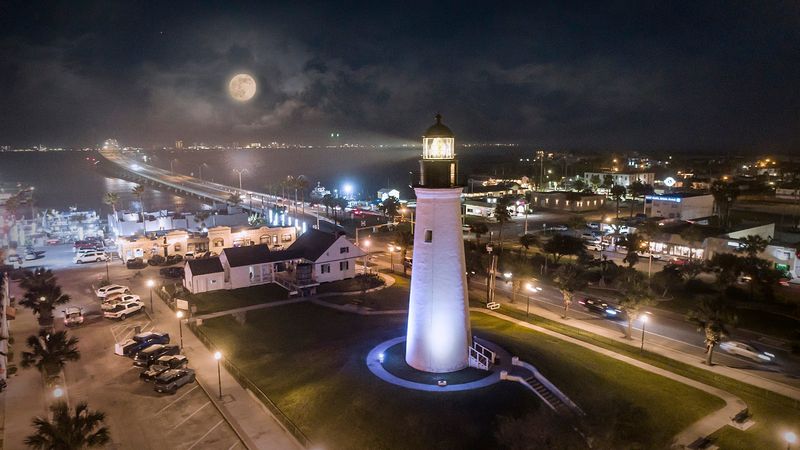
Before South Padre Island became the spring break capital it is today, Port Isabel served as the main port for the Rio Grande Valley. The 1852 lighthouse still stands as a working beacon, and climbing its seventy-five steps rewards you with panoramic views of the Laguna Madre and the Gulf beyond. On clear days, you can see all the way to Mexico, just like the lighthouse keepers did when they watched for ships bringing supplies and news from the outside world.
Commercial fishing boats still work out of the harbor, their early morning departures and late afternoon returns setting the rhythm of daily life. Fresh shrimp comes straight off the boats to local restaurants, where it shows up in everything from simple boiled platters to elaborate seafood pasta. The difference between dock-fresh and grocery-store seafood becomes obvious with the first bite.
The Treasures of the Gulf Museum houses artifacts from Spanish shipwrecks discovered off the coast, including coins, cannons, and navigational instruments that spent centuries underwater. Seeing the actual cargo these ships carried makes the Age of Exploration feel immediate and real. The museum also covers the natural history of the Gulf ecosystem, from sea turtles to hurricanes.
Queen Isabella Causeway connects Port Isabel to South Padre Island, offering stunning water views and excellent fishing from its length. Dolphins frequently swim alongside the bridge, and pelicans dive for fish in the shallow waters below. The causeway replaced an earlier bridge that partially collapsed in 2001, a dramatic event still remembered by locals.
Winter Texans flock here from November through March, escaping northern cold for mild coastal weather and affordable RV parks. The town takes on a seasonal rhythm, with snowbird markets and activities catering to this influx of temporary residents.
5. Jefferson
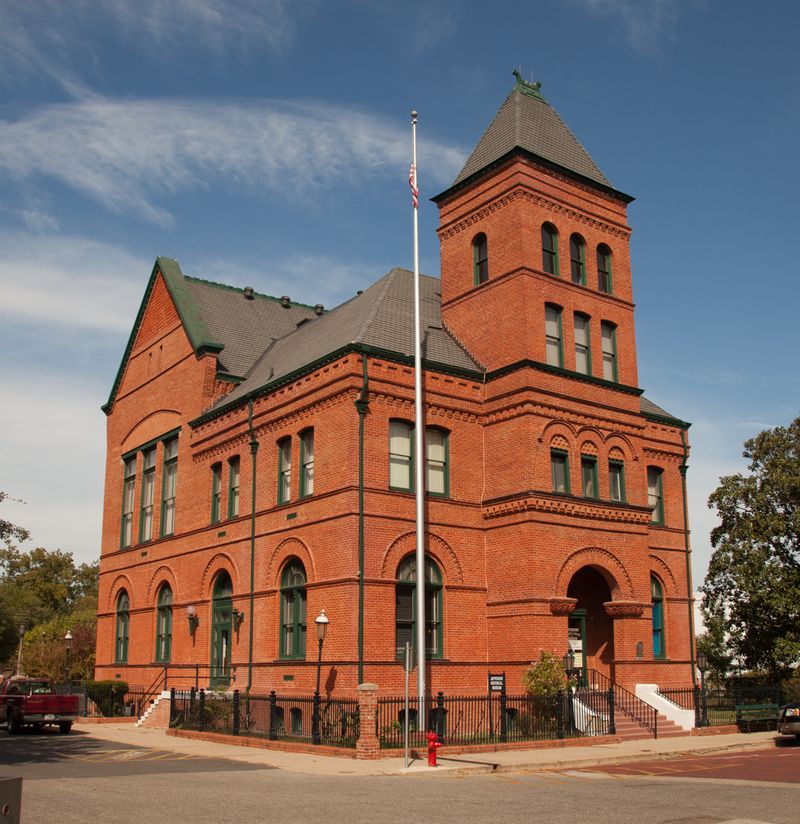
Back when steamboats ruled commerce, Jefferson thrived as Texas’s busiest inland port. Cotton, timber, and manufactured goods flowed through here on their way to New Orleans and beyond, making local merchants wealthy enough to build the ornate Victorian homes that still line the streets. Then the railroads bypassed the town, the Red River channel silted up, and Jefferson essentially went to sleep for a hundred years—which accidentally preserved it better than any historic commission ever could.
The Excelsior House Hotel has operated continuously since 1858, hosting everyone from Ulysses S. Grant to Lady Bird Johnson. Staying there means sleeping in rooms where actual history happened, complete with period furniture and the occasional ghost story.
The restaurant serves updated Southern classics in dining rooms that look much like they did during Reconstruction.
Antique shopping here isn’t the cutesy farmhouse décor you find in some towns—it’s serious business with serious inventory. Dealers from across the country come to Jefferson to source Victorian furniture, vintage jewelry, and rare collectibles. Even if you’re not buying, browsing through multi-story warehouses packed with treasures from another era makes for an entertaining afternoon.
Caddo Lake sits just outside town, its cypress-draped waterways creating a landscape more Louisiana than Texas. Paddle tours take you through narrow channels where alligators sun themselves on logs and great blue herons fish in the shallows. The Spanish moss hanging from ancient trees and the stillness of the water create an almost otherworldly atmosphere.
Jefferson’s Mardi Gras celebration might surprise people who associate the holiday strictly with Louisiana, but the town’s riverboat connections mean the tradition runs deep here. Parades, balls, and king cake happen every February, drawing crowds but maintaining a family-friendly vibe quite different from Bourbon Street.
6. Gonzales
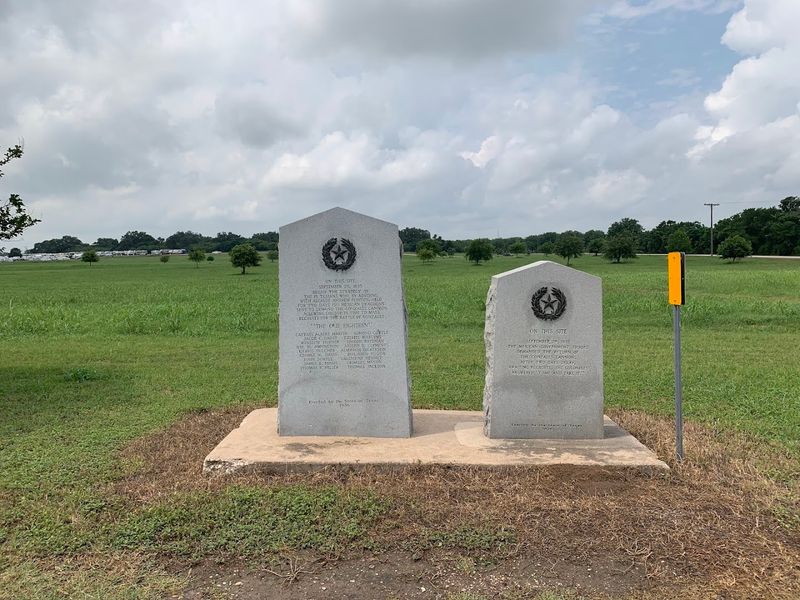
When Mexican soldiers demanded the return of a small cannon in 1835, Gonzales residents responded by firing it at them under a flag reading “Come and Take It.” That defiant act sparked the Texas Revolution, earning this small town a permanent place in state lore. The original cannon disappeared long ago, but replicas and monuments throughout town ensure nobody forgets where the fight for independence actually began.
The town square centers around a historic courthouse surrounded by local businesses that have served the community for generations. You won’t find chain restaurants or tourist trap gift shops—just hardware stores, diners, and family-owned places that cater to locals first. That authenticity makes wandering around feel like stepping into the Texas your grandparents knew.
Gonzales Memorial Museum houses an impressive collection of Texas Revolution artifacts, early settler belongings, and exhibits on the town’s ranching heritage. The “Come and Take It” flag reproduction gets most of the attention, but the displays on everyday frontier life—what people ate, wore, and used—provide fascinating context for understanding how tough early Texans really were.
Palmetto State Park offers camping, hiking, and a chance to see a unique ecosystem where tropical palmetto plants thrive alongside more typical Central Texas vegetation. The San Marcos River runs through the park, creating oxbow lakes and swamps that feel more like East Texas than the Hill Country. Birding here is exceptional, with species you won’t find elsewhere in the region.
The annual Come and Take It celebration in October brings reenactors, living history demonstrations, and a parade that shuts down the whole town. It’s pure small-town Texas, complete with BBQ cook-offs and kids’ activities that have nothing to do with history but everything to do with community. If you want to see Gonzales at its most spirited, this is the weekend to visit.
7. San Augustine
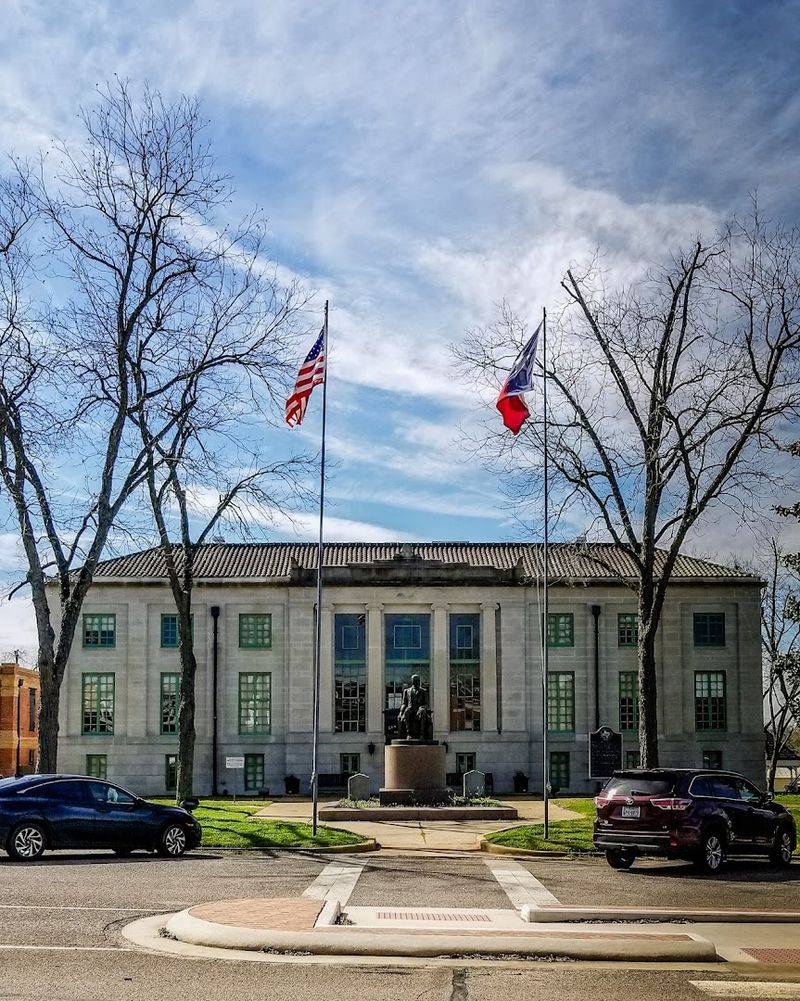
Founded in 1832 along the Old San Antonio Road, San Augustine holds the distinction of being one of the oldest Anglo settlements in Texas. The town grew up around El Camino Real, the colonial highway connecting Spanish missions across Texas, and that crossroads location made it a natural gathering point for early settlers. Walking these streets means literally following paths that indigenous peoples, Spanish missionaries, and Texas pioneers all traveled.
The Cullen House stands as one of the finest examples of Greek Revival architecture in East Texas, its massive columns and symmetrical design speaking to the wealth generated by cotton farming in the decades before the Civil War. Tours reveal not just architectural details but stories of the families who lived here through war, reconstruction, and economic upheaval. The period furnishings and personal artifacts make the past feel intimate rather than distant.
San Augustine County Courthouse anchors the town square with its 1927 Classical Revival design, replacing earlier structures destroyed by fire. The surrounding businesses include a remarkable number of antique shops for such a small town, each specializing in different eras and styles. Serious collectors make pilgrimages here because the inventory reflects genuine estate sales and local finds rather than imported merchandise.
Mission Dolores State Historic Site preserves what remains of a 1716 Spanish mission, though little original structure survives. The site’s importance lies more in what it represents—the earliest European attempts to colonize East Texas—than in dramatic ruins. Interpretive signs explain how these missions functioned and why most ultimately failed to achieve their goals.
The surrounding pine forests and rolling hills offer excellent opportunities for outdoor recreation, from hiking to bird watching. White-tailed deer are abundant, making this area popular with hunters during season. Even if you’re not hunting, driving the back roads during fall means spectacular foliage as sweetgums and maples turn brilliant colors.
8. Granbury
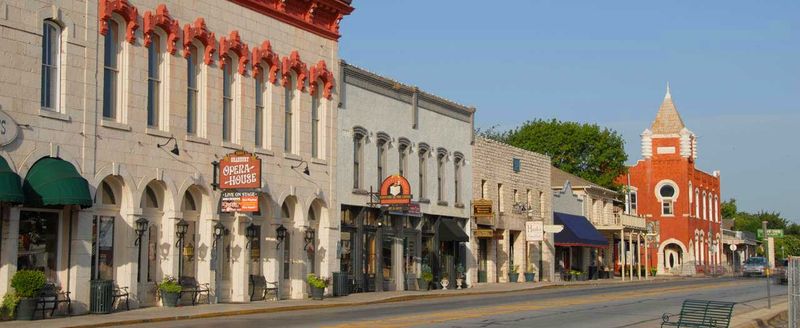
The Hood County Courthouse dominates Granbury’s town square like a limestone wedding cake, its Second Empire architecture complete with a mansard roof and clock tower visible from blocks away. Built in 1890, it anchors a square that actually functions as a square should—shops, restaurants, and businesses facing inward toward a central green space where people gather. Most Texas courthouse squares lost this layout to parking lots and modernization, making Granbury’s preservation all the more special.
Granbury Opera House has presented live theater since 1886, making it one of the oldest continuously operating theaters in Texas. The season runs year-round with everything from classic musicals to contemporary comedies, performed by professional actors in an intimate setting that seats just 320 people. Sitting in those velvet seats under the original pressed-tin ceiling while watching a show feels like time travel, especially during the Christmas production when the whole theater gets decorated in Victorian style.
Lake Granbury wraps around the town, created by a dam on the Brazos River that turned this area into a recreational destination. Weekends bring out sailboats, kayakers, and pontoon boats loaded with families enjoying the water. The lakefront parks offer swimming beaches, fishing piers, and shaded picnic areas that get busy during summer but remain pleasant during shoulder seasons.
Rumors persist that John Wilkes Booth faked his death and lived out his years in Granbury under an assumed name, dying here in 1903. A grave marker in the local cemetery feeds this conspiracy theory, and some folks will argue the case with surprising passion. True or not, it makes for entertaining conversation over coffee at one of the square’s cafes.
The town’s bed and breakfasts occupy restored Victorian homes, offering period-appropriate accommodations within walking distance of everything. Staying in one means waking up to a full breakfast before strolling to the square for shopping and exploring, no car needed.
9. Shiner
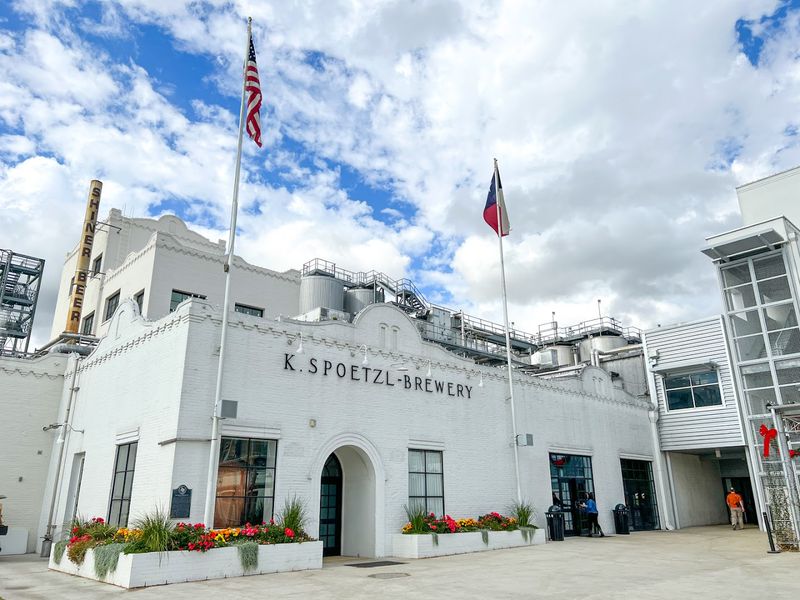
A town of fewer than 2,100 people has no business producing one of America’s most beloved regional beers, but Shiner doesn’t play by typical rules. Spoetzl Brewery has crafted beer here since 1909, when German and Czech immigrants wanted something that tasted like home. What started as a local operation now distributes across most of the United States, yet production still happens in the same small-town facility where it all began.
Free brewery tours run throughout the week, taking visitors through the brewing process from grain to bottle. The smell of hops and malt fills the air as guides explain how Shiner Bock gets its distinctive flavor and why the company has resisted pressure to move production elsewhere. Tours end in the hospitality room where samples flow freely—though you’ll want a designated driver because they’re generous with the pours.
Downtown Shiner looks like a movie set for a 1950s small-town drama, with original storefronts and a few businesses that have operated for generations. The pace here runs slow, with folks stopping to chat on sidewalks and nobody rushing through their errands. It’s the kind of place where the cashier knows your name by your second visit.
St. Ludmila Catholic Church stands as a stunning example of Painted Churches architecture, its interior covered in vibrant frescoes and decorative details created by Czech and German artisans. The craftsmanship rivals European cathedrals, making it hard to believe you’re standing in rural Texas. Mass still happens here weekly, but visitors are welcome to tour during posted hours.
Edwin Wolters Memorial Museum chronicles local history through photographs, artifacts, and exhibits on everything from the brewery’s founding to the area’s agricultural heritage. It’s small but well-curated, offering genuine insight into how immigrant communities shaped this part of Texas. The museum occupies a historic building that’s worth seeing even before you check out the collections inside.
10. Nacogdoches
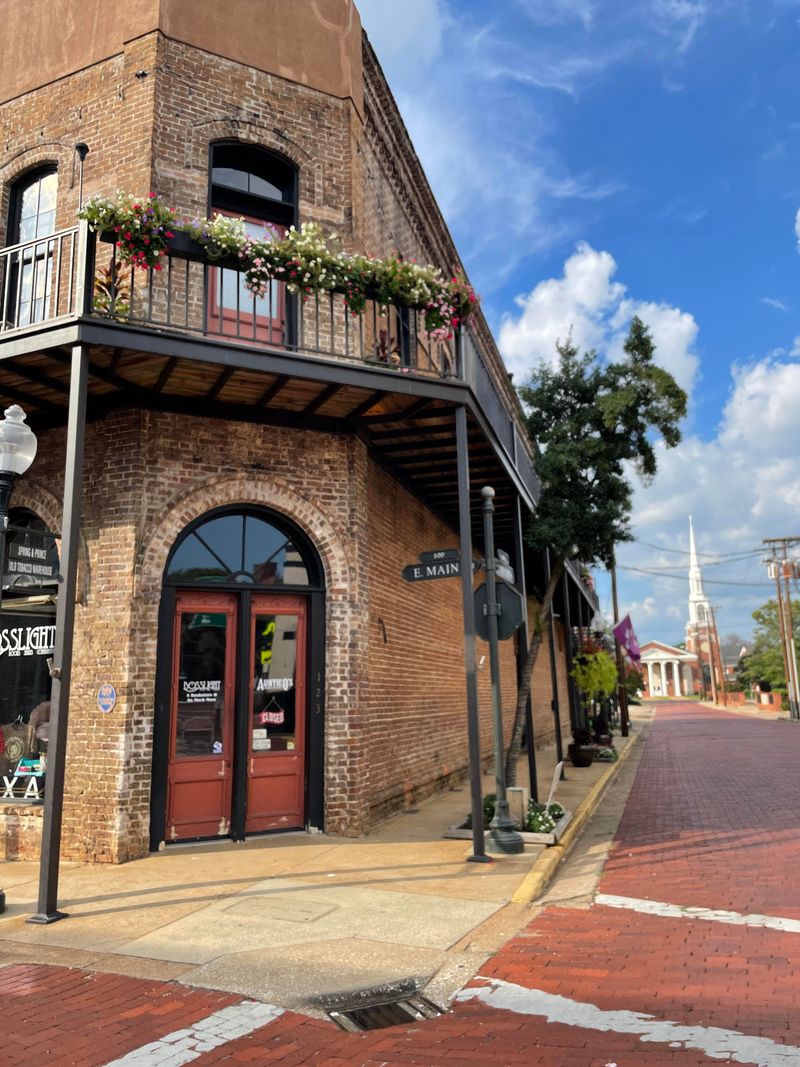
Calling itself the oldest town in Texas isn’t just marketing—Nacogdoches traces its roots to a 1716 Spanish mission, making it legitimately ancient by Lone Star State standards. The Caddo people lived here long before Europeans arrived, and that deep history layers the landscape with stories stretching back centuries. Modern Nacogdoches blends college-town energy from Stephen F.
Austin State University with preservation-minded residents who take their historic buildings seriously.
The Stone Fort Museum reproduces the town’s most famous structure, originally built in 1779 as a trading post and later serving various roles including mercantile store and newspaper office. The current building is actually a 1936 reconstruction, but it houses authentic artifacts and exhibits on East Texas history. The fort witnessed Spanish colonial rule, Mexican governance, and the birth of the Republic of Texas—basically every major chapter in the region’s story.
Oak Grove Cemetery contains graves dating to the early 1800s, with ornate Victorian monuments and simple pioneer markers sharing space under towering oak trees. Walking through here means encountering names from Texas history books alongside ordinary settlers who carved lives from the Piney Woods. The cemetery’s age and beautiful landscaping make it worth visiting even if genealogy isn’t your thing.
Downtown’s brick streets and historic storefronts house an eclectic mix of antique shops, restaurants, and local businesses. The college population keeps things lively with coffee shops, music venues, and a general vibe younger than most historic Texas towns manage. You can browse Victorian furniture in the afternoon and catch live music at a brewery by evening.
Millard’s Crossing Historic Village preserves nine historic structures moved to this site and restored to show different eras of East Texas life. Interpreters in period clothing demonstrate blacksmithing, weaving, and other frontier skills during special events. It’s living history done right, educational without being preachy, engaging for kids and adults alike.
11. Gruene
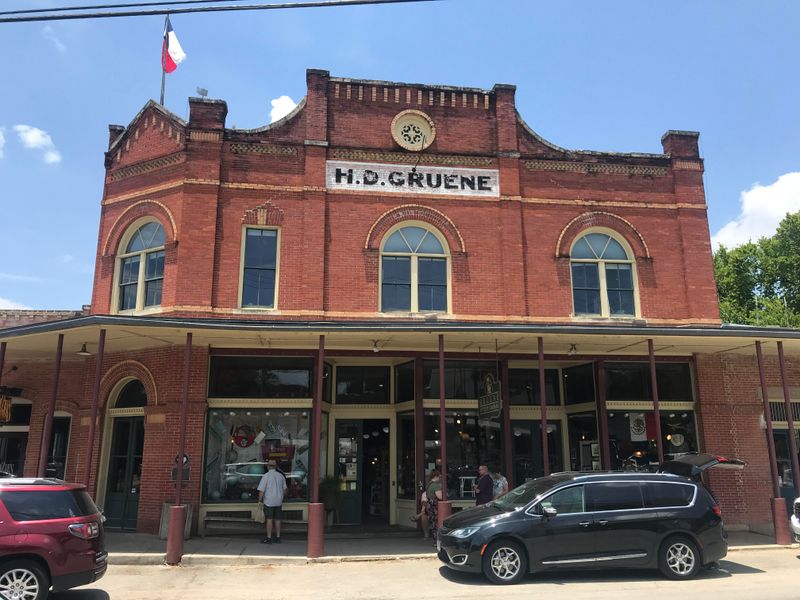
Technically a district of New Braunfels rather than its own town, Gruene escaped incorporation and development, leaving it frozen in its 1880s heyday. The cotton gin shut down, businesses closed, and the whole place sat quietly decaying until the 1970s when preservationists recognized what they had. Now those same crumbling buildings house shops, restaurants, and Texas’s oldest continually operating dance hall, all without losing the authentic weathered charm that makes Gruene special.
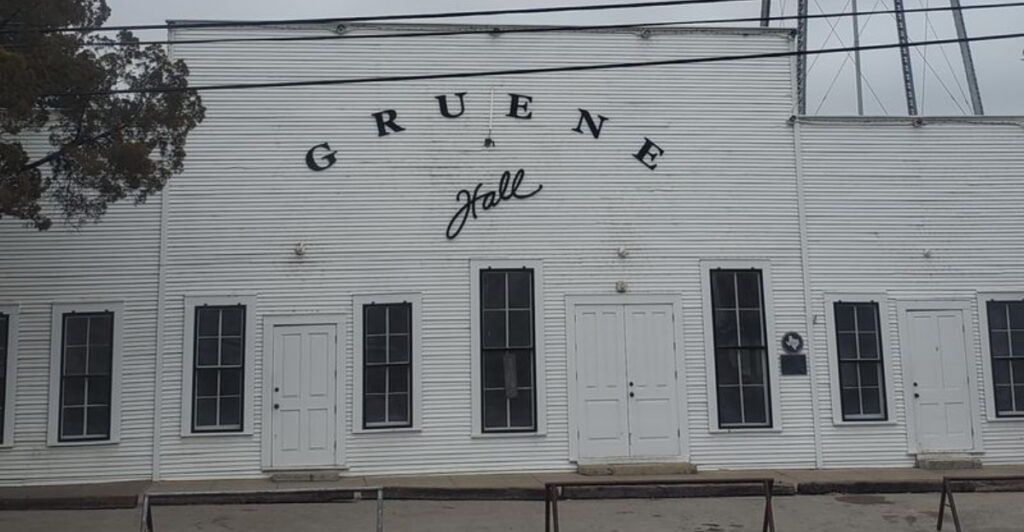
Gruene Hall has hosted everyone from Willie Nelson to up-and-coming singer-songwriters since 1878, its worn wooden floors and tin roof creating acoustics that fancy venues can’t replicate. The beer flows cold, the dance floor stays packed, and nobody cares if you can two-step or just shuffle around trying not to get stomped. Catching a show here means experiencing Texas music culture in its purest form, no velvet ropes or VIP sections, just people gathered to hear good songs.
The Guadalupe River flows right past town, drawing tubers and kayakers during the warmer months. Several outfitters rent tubes and provide shuttle service, making it easy to spend an afternoon floating past cypress trees and limestone bluffs. The river runs cool and clear, fed by springs upstream, offering genuine relief from Texas summer heat.
Antique shopping here focuses on quality over quantity, with dealers specializing in Texas furniture, vintage advertising, and collectibles with local provenance. Prices reflect the tourist traffic, but the inventory includes pieces you won’t find at average antique malls. Even window shopping reveals interesting artifacts and design inspiration.
The Gristmill Restaurant occupies the ruins of an 1878 cotton gin, its tables set among the original brick and timbers overlooking the Guadalupe River. The food leans toward steaks and burgers done well rather than attempting culinary innovation, which suits the setting perfectly. Eating here at sunset with the river rushing below and the old machinery surrounding you makes for one of the more memorable dining experiences in Central Texas.
Share this story